ART WIKI33.040 in sala
MappaCollezioneArtistiMuseiMostreRivista
Accedi

ART WIKI

Dove è appeso il capolavoro, e quando si può entrare.

Collezioni: Art Institute of Chicago, Cleveland Museum of Art, Ermitage, Galleria Tret'jakov, Getty Museum, Harvard Art Museums, Hirshhorn Museum and Sculpture Garden, Metropolitan Museum of Art, Minneapolis Institute of Art, Museo del Louvre, Museo Puškin delle belle arti, Museo russo, Museum of Modern Art, National Gallery of Art, National Museum of Asian Art, National Portrait Gallery, Rijksmuseum, Smithsonian American Art Museum, Statens Museum for Kunst, Victoria and Albert Museum, Villa Getty, Whitney Museum of American Art, Catalogo statale del fondo museale russo (274 musei), Europeana (19 musei), Wikidata (6 musei), Paris Musées (12 musei) e Joconde, la banca dati dei musei del Ministero della Cultura francese (495 musei). Le immagini appartengono ai titolari dei diritti.

Sezioni

  • Mappa
  • Ricerca
  • Collezione
  • Capolavori
  • Esposte ora
  • Artisti

Altro

  • Musei e gallerie
  • Mostre
  • Rivista
  • Da dove vengono i dati
  • Privacy e cookie
HomeMappaCatalogo
  1. Collezione/
  2. Museum of Modern Art/
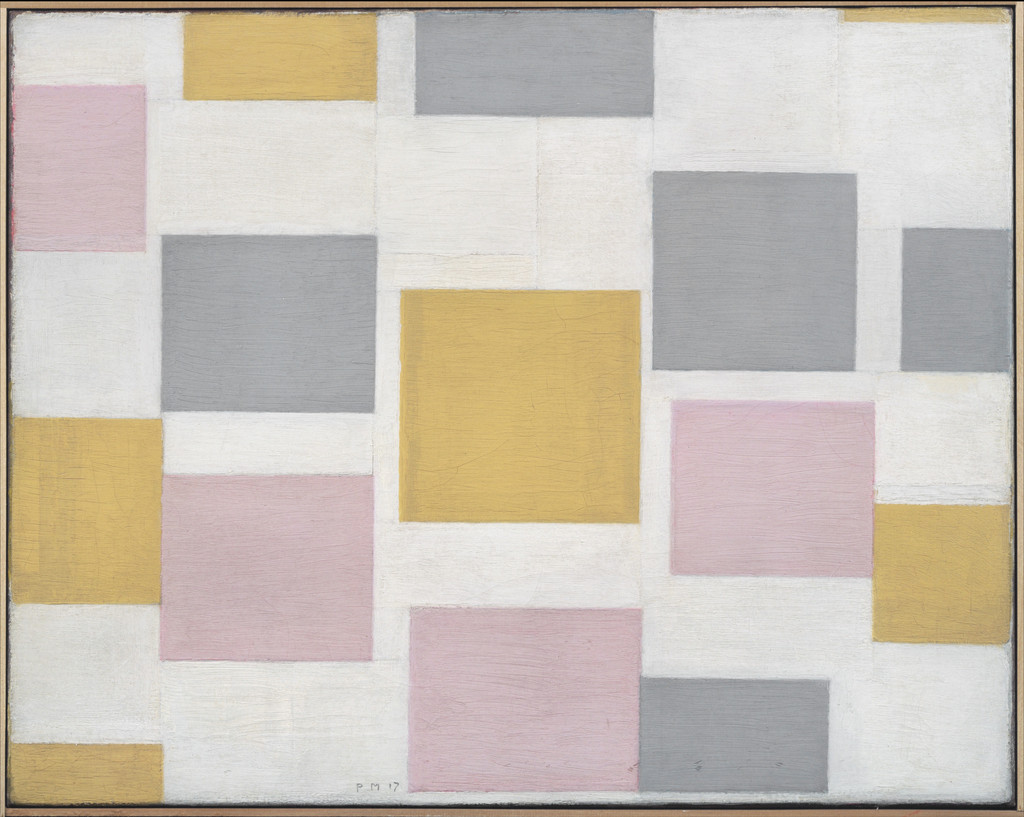
  3. Composition with Color Planes 5
Composition with Color Planes 5, Piet Mondrian, 1917
Piet Mondrian, ritrattoPiet MondrianPaesi Bassi, 1872–1944

Composition with Color Planes 5

1917 · Painting

Si può ammirare?

Sì, riceve visite

Museum of Modern Art

New York, Stati Uniti

SalaMoMA, piano 5, 508

Esposta al pubblico. Chi lo garantisce è indicato qui sotto.

Verificato
16 giorni fa
Fonte
Il museo
Sulla mappaPagina del museo

Scheda

1917 · a 45 anni
18721944
Numero di inventario
1774.1967

In catalogo

DipintiOlioPittura olandeseModernismoXX secolo

Fonti

  • Museum of Modern Art
  • Immagine: Museum of Modern Art — © the artist or rights holder

Nel frattempo, nella vita di Piet Mondrian

Tutta la vita
  1. 1912–1917

    The Cubist period

    Mondrian was eager to absorb the influence of Cubism but saw it as a port of call on his artistic journey rather than a destination; his Cubist period lasted from 1912 to 1917.

  2. 1914–1918

    The artists' colony at Laren

    During the war Mondrian stayed at the Laren artists' colony, where he met Bart van der Leck and Theo van Doesburg, both of whom were pursuing their own journeys toward abstraction.

  3. 1915

    Growing close to Theo van Doesburg

    In 1915 Mondrian grew close to the painter Theo van Doesburg, with whom he founded the De Stijl movement and the journal of the same name.

  4. 1915–1918

    Founding De Stijl with Van Doesburg

    With Theo van Doesburg Mondrian founded De Stijl, the journal of the De Stijl group, in which he first published essays defining his theory, which he called Neoplasticism.

  5. 1919–1920

    The first grid paintings

    From late 1919 Mondrian produced grid-based paintings, and in 1920 the style for which he became renowned began to appear: at first thin grey lines fading towards the edges of the canvas, with the forms filled with primary colours.

  6. 1919–1938

    Return to Paris

    In 1919 Mondrian left the Netherlands for Paris for the second and last time and at once turned to his studio: to hide its flaws he tacked large single-colour placards to the walls, accented by compositions of smaller coloured paper rectangles. From then on, periods of painting alternated with experiments in regrouping the papers on the walls.

Altre opere di Piet Mondrian

Tutte le opere
Oostzijdse Mill along the River Gein by Moonlight, Piet Mondriaan, c. 1903

Oostzijdse Mill along the River Gein by Moonlight

c. 1903 · Rijksmuseum

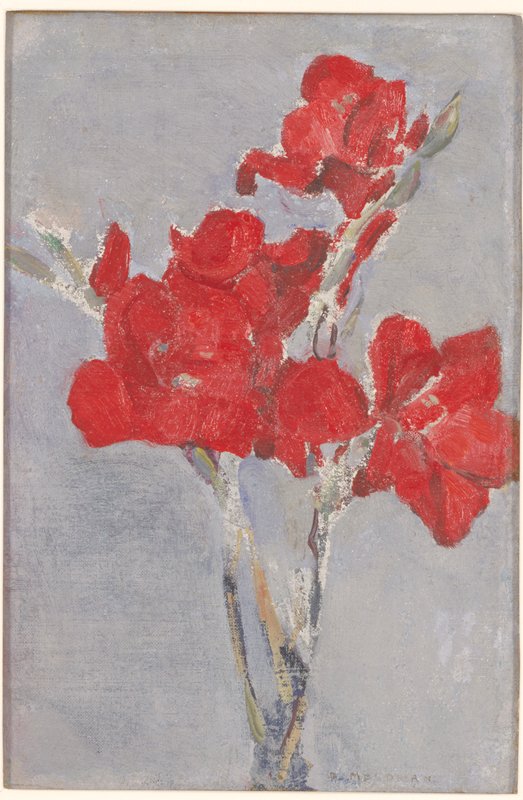
Red Gladioli, Piet Mondrian, c. 1906

Red Gladioli

c. 1906 · Minneapolis Institute of Art

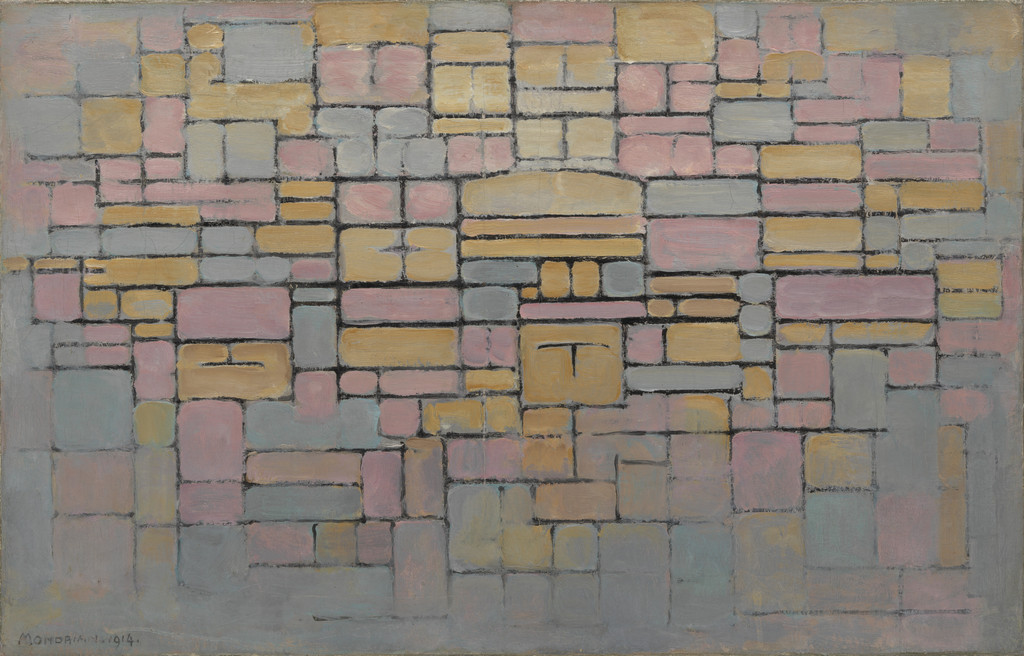
Tableau no. 2 / Composition no. V, Piet Mondrian, 1914

Tableau no. 2 / Composition no. V

1914 · Museum of Modern Art

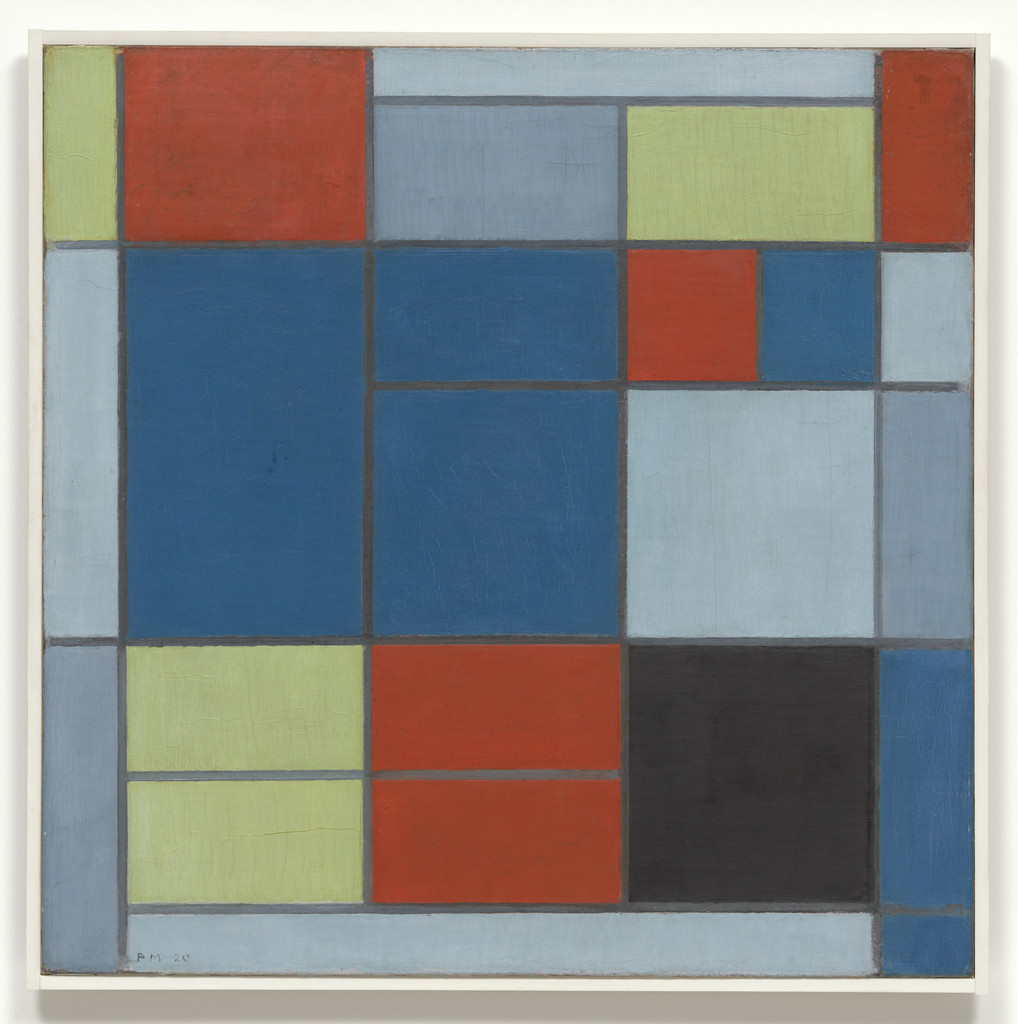
Composition C, Piet Mondrian, 1920

Composition C

1920 · Museum of Modern Art

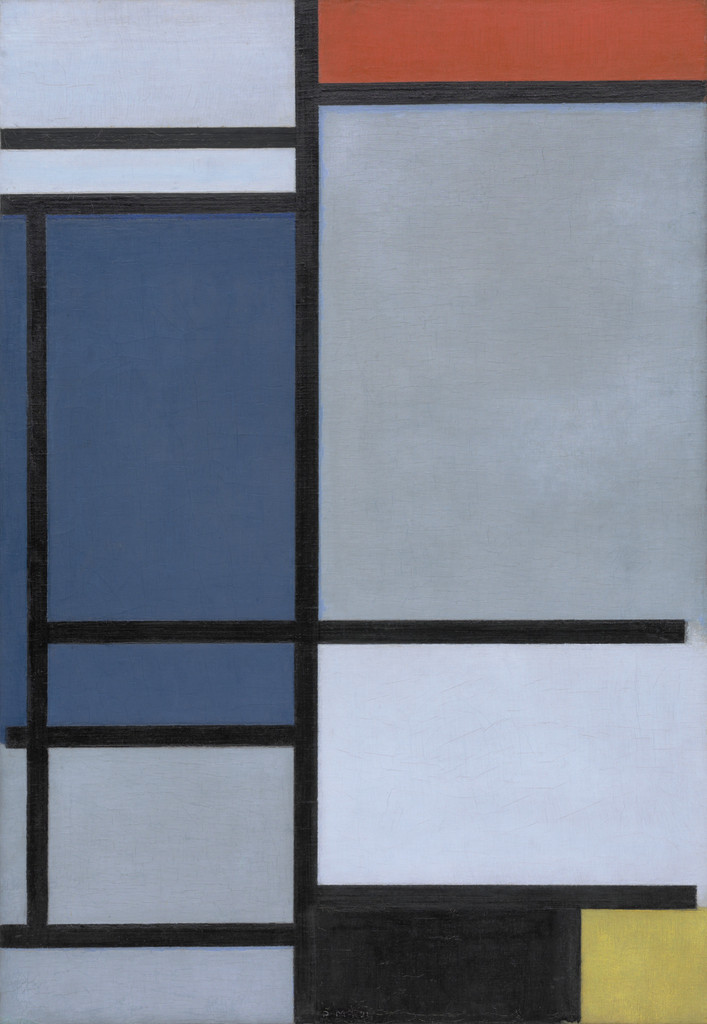
Composition with Red, Blue, Black, Yellow, and Gray, Piet Mondrian, 1921

Composition with Red, Blue, Black, Yellow, and Gray

1921 · Museum of Modern Art

Tableau No. IV; Lozenge Composition with Red, Gray, Blue, Yellow, and Black, Piet Mondrian, c. 1924/1925

Tableau No. IV; Lozenge Composition with Red, Gray, Blue, Yellow, and Black

c. 1924/1925 · National Gallery of Art

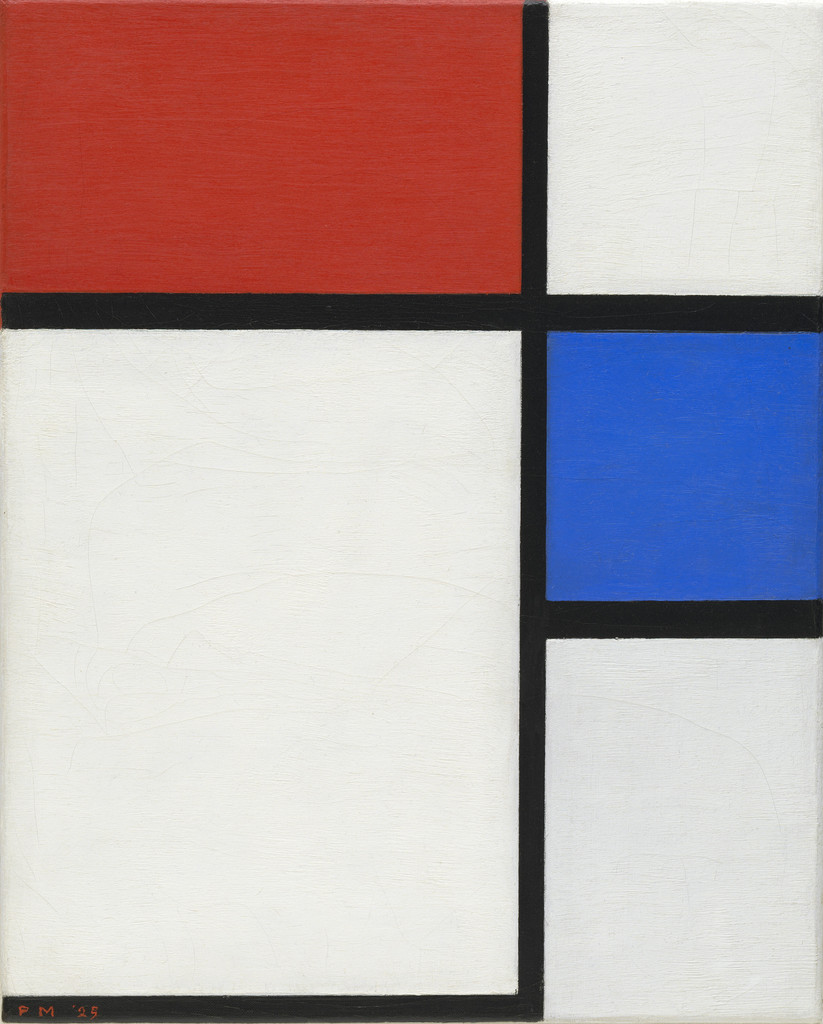
Composition No. II, with Red and Blue, Piet Mondrian, 1929 (original date partly obliterated; mistakenly repainted 1925 by Mondrian)

Composition No. II, with Red and Blue

1929 (original date partly obliterated; mistakenly repainted 1925 by Mondrian) · Museum of Modern Art

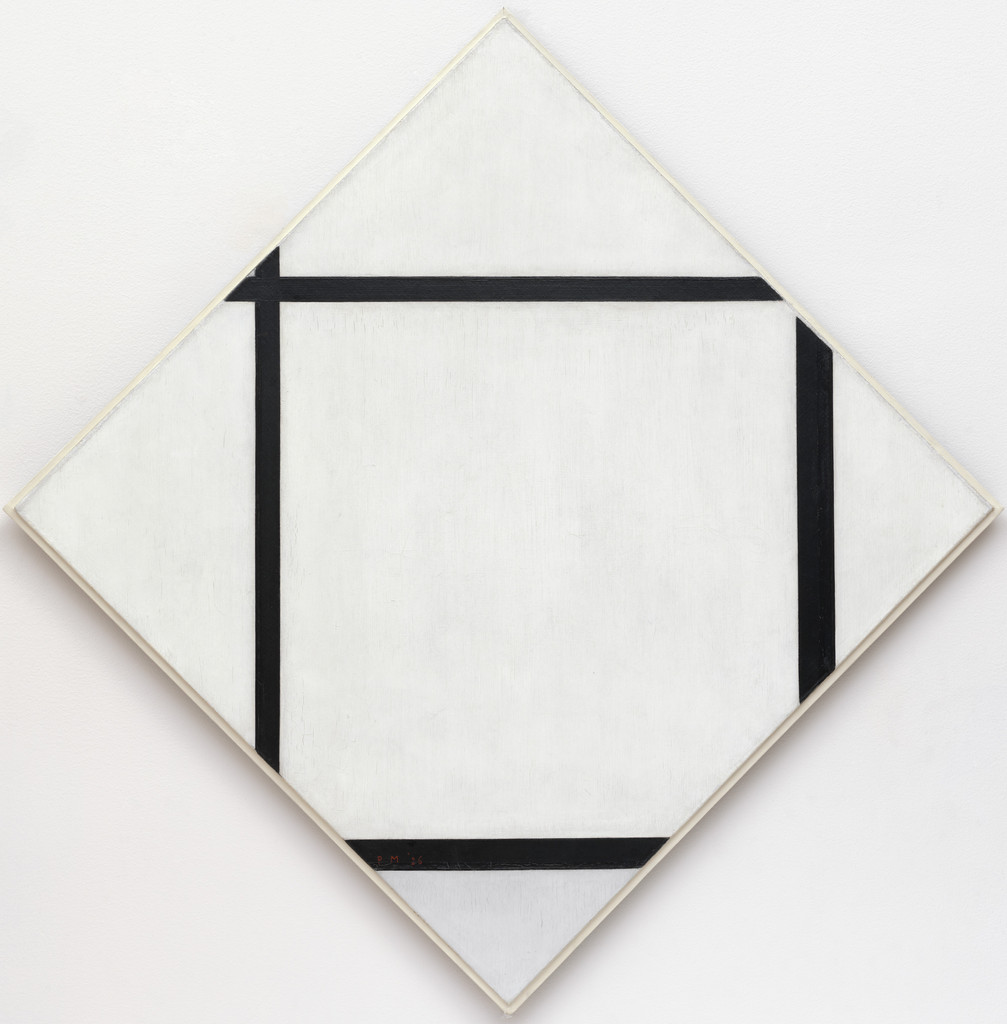
Tableau I: Lozenge with Four Lines and Gray, Piet Mondrian, 1926

Tableau I: Lozenge with Four Lines and Gray

1926 · Museum of Modern Art

Nella stessa sala · MoMA, Floor 5, 508, Museum of Modern Art

Pagina del museo
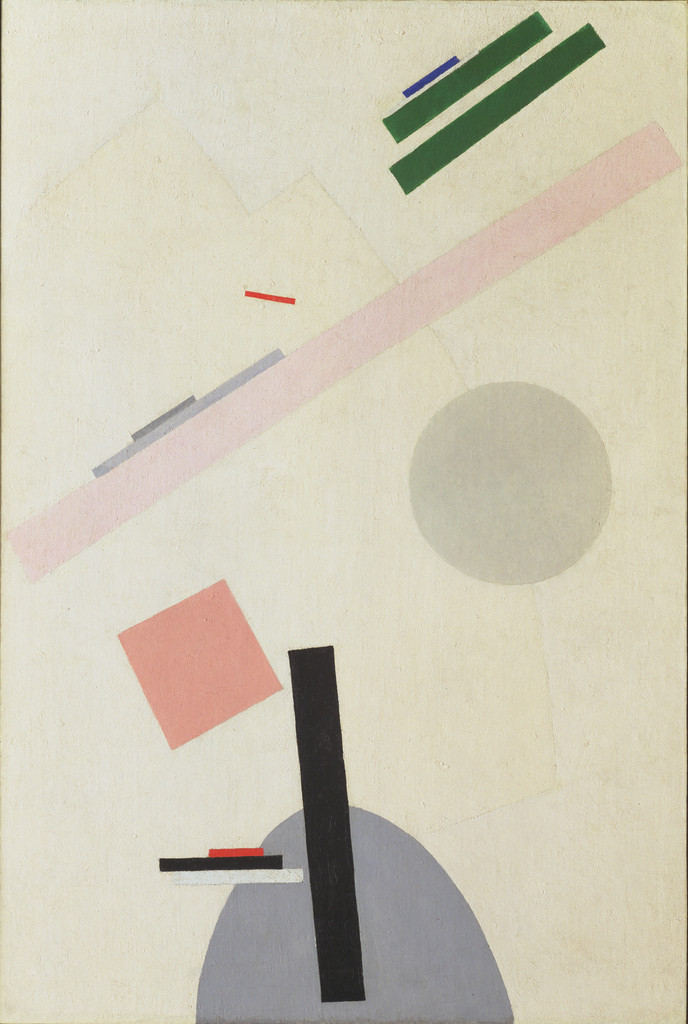
Suprematist Painting, Kazimir Malevich, 1916-17

Kazimir Malevich

Suprematist Painting, 1916-17

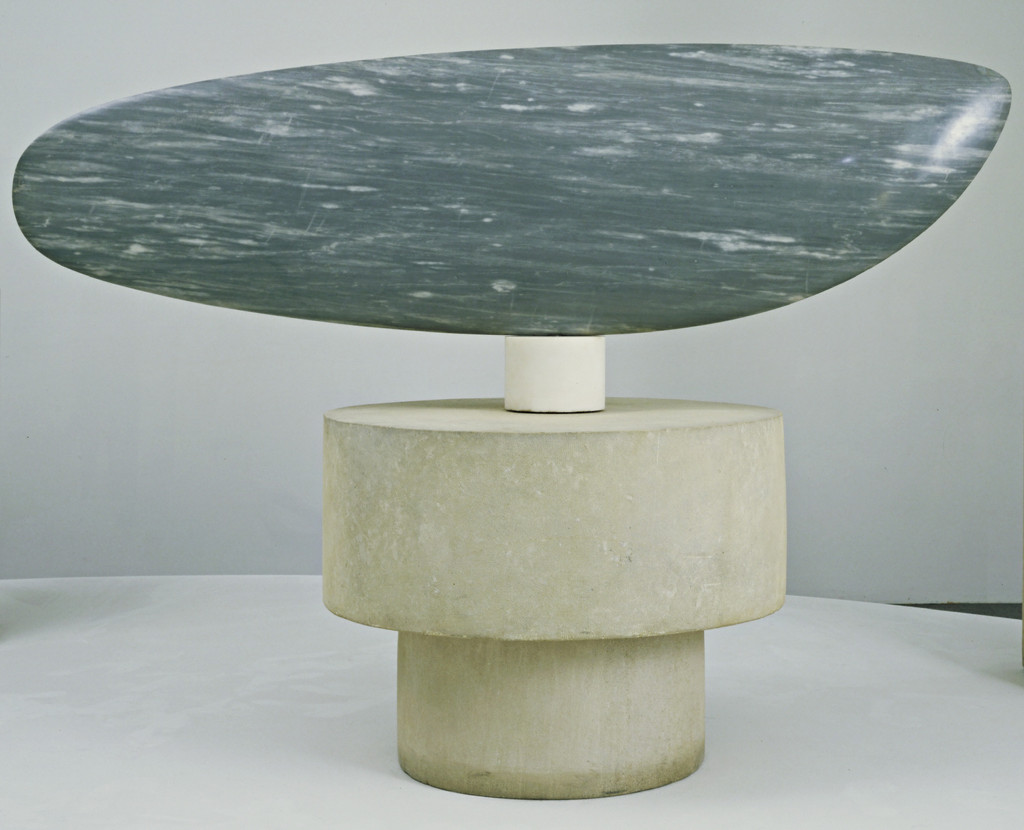
Fish, Constantin Brancusi, Paris 1930

Constantin Brancusi

Fish, Paris 1930

Young Bird, Constantin Brancusi, Paris 1928

Constantin Brancusi

Young Bird, Paris 1928

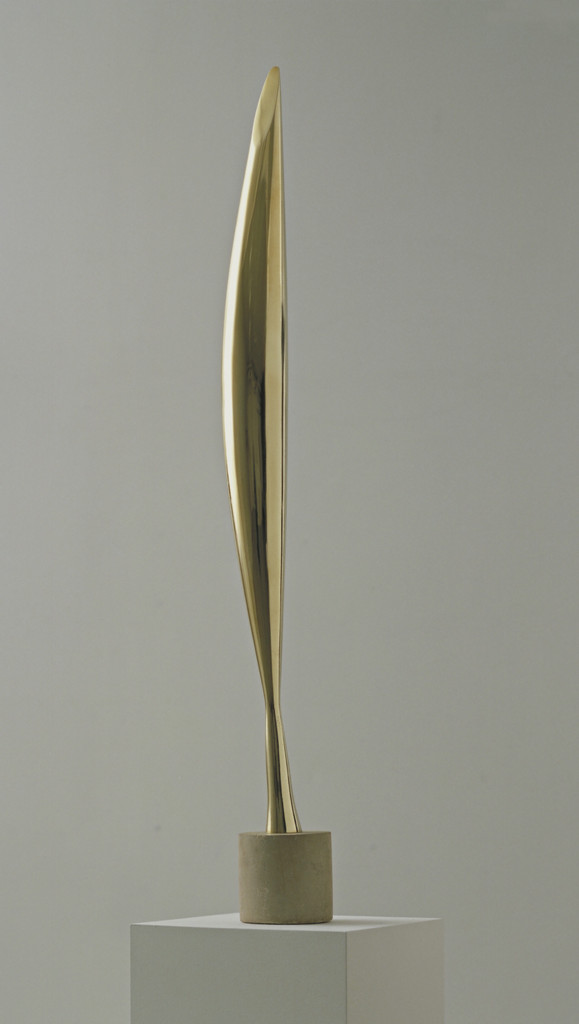
Bird in Space, Constantin Brancusi, 1928

Constantin Brancusi

Bird in Space, 1928

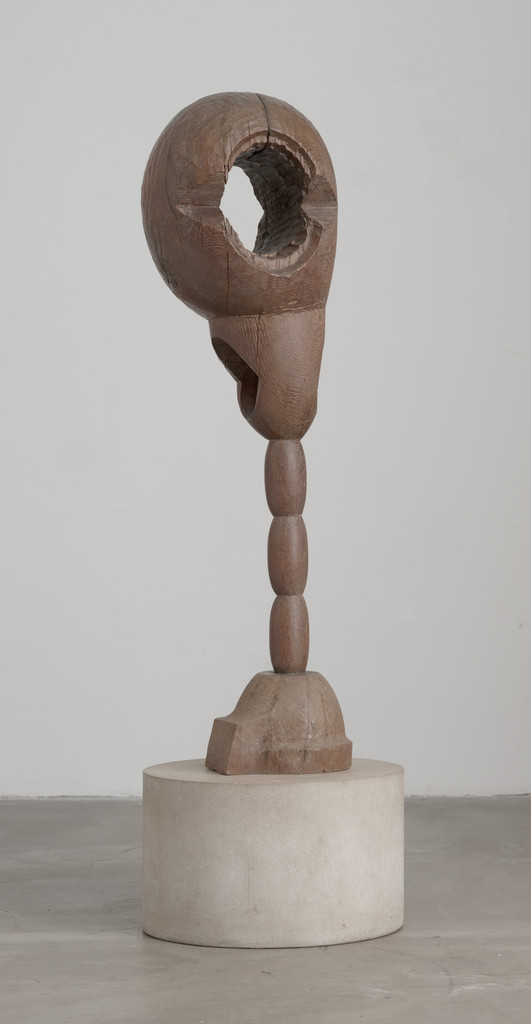
Socrates, Constantin Brancusi, 1922

Constantin Brancusi

Socrates, 1922

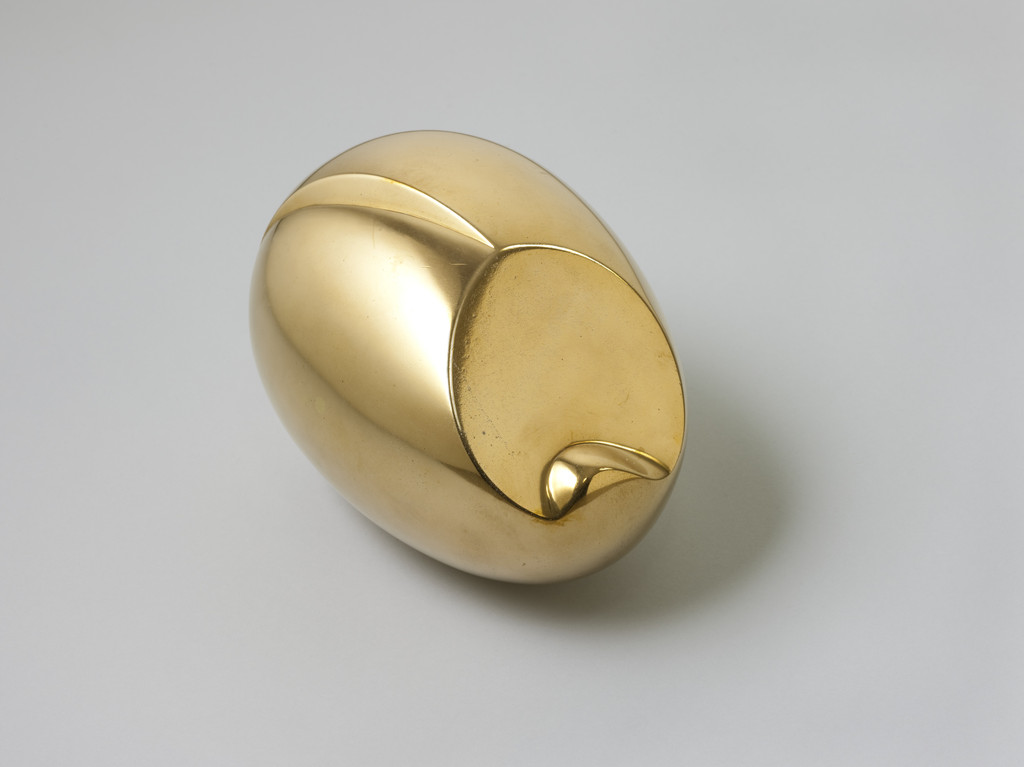
The Newborn, Constantin Brancusi, version I, 1920

Constantin Brancusi

The Newborn, version I, 1920

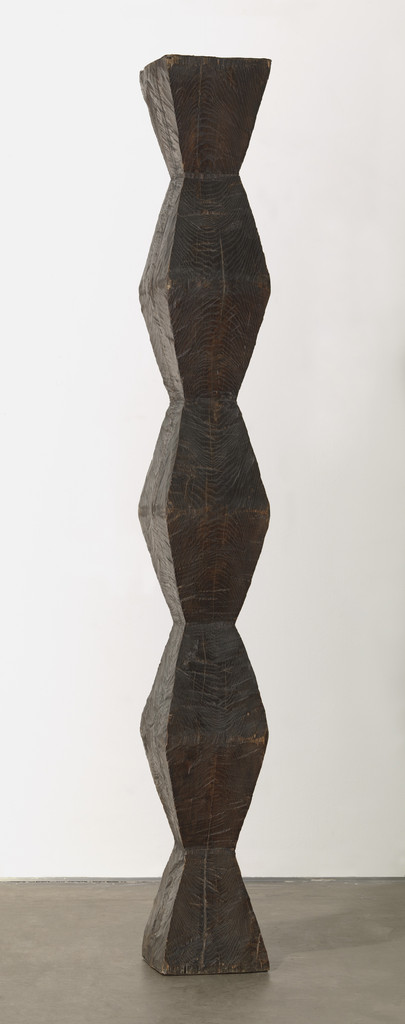
Endless Column, Constantin Brancusi, version I, 1918

Constantin Brancusi

Endless Column, version I, 1918

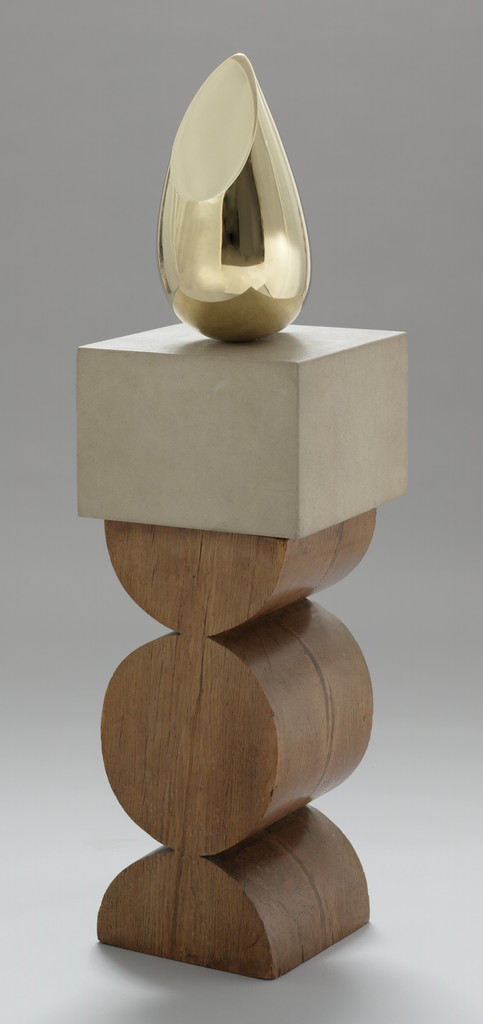
Maiastra, Constantin Brancusi, 1910-12

Constantin Brancusi

Maiastra, 1910-12