
ART WIKI32.963 in sala
MappaCollezioneArtistiMuseiMostreRivista
Accedi

ART WIKI

Dove è appeso il capolavoro, e quando si può entrare.

Collezioni: Art Institute of Chicago, Cleveland Museum of Art, Ermitage, Galleria Tret'jakov, Getty Museum, Harvard Art Museums, Hirshhorn Museum and Sculpture Garden, Metropolitan Museum of Art, Minneapolis Institute of Art, Museo del Louvre, Museo Puškin delle belle arti, Museo russo, Museum of Modern Art, National Gallery of Art, National Museum of Asian Art, National Portrait Gallery, Rijksmuseum, Smithsonian American Art Museum, Statens Museum for Kunst, Victoria and Albert Museum, Villa Getty, Whitney Museum of American Art, Catalogo statale del fondo museale russo (274 musei), Europeana (19 musei), Wikidata (6 musei), Paris Musées (12 musei) e Joconde, la banca dati dei musei del Ministero della Cultura francese (495 musei). Le immagini appartengono ai titolari dei diritti.

Sezioni

  • Mappa
  • Ricerca
  • Collezione
  • Capolavori
  • Esposte ora
  • Artisti

Altro

  • Musei e gallerie
  • Mostre
  • Rivista
  • Da dove vengono i dati
  • Privacy e cookie
HomeMappaCatalogo
  1. Collezione/
  2. Cleveland Museum of Art/
  3. Chrysanthemums and Cabbage
Chrysanthemums and Cabbage, Tao Cheng, c. 1486 or before
TTao ChengCina, 1471

Chrysanthemums and Cabbage

c. 1486 or before · Painting

Si può ammirare?

Al momento non riceve

Cleveland Museum of Art

Cleveland, Stati Uniti

Appartiene alla collezione, ma al momento non è esposta.

Verificato
3 giorni fa
Ultimo cambio di stato
19 ago 2026
Fonte
Il museo
Sulla mappaPagina del museo

Sul dipinto

On an autumn day in Beijing, Tao Cheng had a gathering with a group of scholar-officials and created two paintings in a spontaneous, casual style. The first depicts chrysanthemums, slender bamboo stalks, and a rock in monochrome ink. Tao applied light colors for the second painting that depicts cabbage. Tao deliberately placed the images on the first sections of the paper so that his honorable guests could add their poetic inscriptions inspired by his imagery.

Continua a leggere

In the first section to the right, all seven poetic inscriptions refer to the beloved poet and recluse Tao Qian (also called Tao Yuanming, AD 365–427) who was particularly known for his profound love for chrysanthemum flowers. Most of the inscriptions in the second section express sympathy for the poor, since cabbage is the main ingredient in their humble food. Taken together, the poems and paintings allude to the life and responsibilities of the scholar-official: the importance of both an upright character and a concern for the poor citizens in order to achieve good government.

Cleveland Museum of Art

Scheda

Numero di inventario
1960.40

In catalogo

DipintiInchiostroPittura cineseRinascimentoXV secoloChina, Ming dynasty (1368–1644)

Fonti

  • Cleveland Museum of Art
  • Immagine: Cleveland Museum of Art — Museum open access
Sotto lo stesso tetto: Cleveland Museum of Art

Pagina del museo
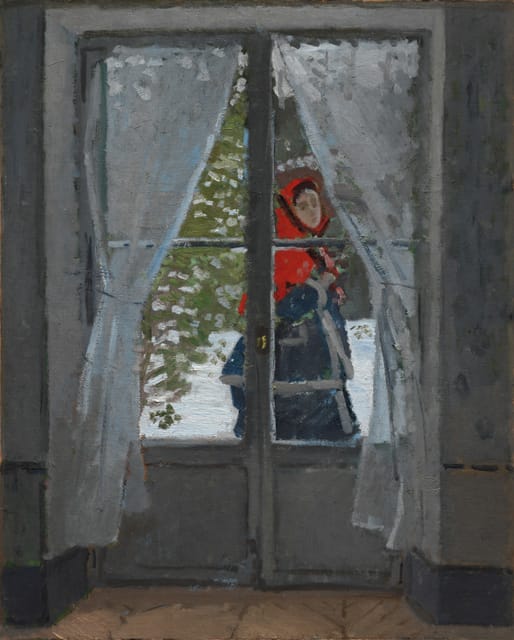
The Red Kerchief, Claude Monet, c. 1868–73

Claude Monet

The Red Kerchief, c. 1868–73

Melencolia I, Albrecht Dürer, 1514

Albrecht Dürer

Melencolia I, 1514

The Virgin and Child with the Pear, Albrecht Dürer, 1511

Albrecht Dürer

The Virgin and Child with the Pear, 1511

The Nativity, Albrecht Dürer, probably c. 1509/1510

Albrecht Dürer

The Nativity, probably c. 1509/1510

The Virgin and Child on a Crescent with a Starry Crown, Albrecht Dürer, 1508

Albrecht Dürer

The Virgin and Child on a Crescent with a Starry Crown, 1508

The Lamentation, Albrecht Dürer, 1507

Albrecht Dürer

The Lamentation, 1507

Large Horse, Albrecht Dürer, 1505

Albrecht Dürer

Large Horse, 1505

Nemesis (The Great Fortune), Albrecht Dürer, c. 1501/1502

Albrecht Dürer

Nemesis (The Great Fortune), c. 1501/1502