ART WIKI32.963 in sala
MappaCollezioneArtistiMuseiMostreRivista
Accedi

ART WIKI

Dove è appeso il capolavoro, e quando si può entrare.

Collezioni: Art Institute of Chicago, Cleveland Museum of Art, Ermitage, Galleria Tret'jakov, Getty Museum, Harvard Art Museums, Hirshhorn Museum and Sculpture Garden, Metropolitan Museum of Art, Minneapolis Institute of Art, Museo del Louvre, Museo Puškin delle belle arti, Museo russo, Museum of Modern Art, National Gallery of Art, National Museum of Asian Art, National Portrait Gallery, Rijksmuseum, Smithsonian American Art Museum, Statens Museum for Kunst, Victoria and Albert Museum, Villa Getty, Whitney Museum of American Art, Catalogo statale del fondo museale russo (274 musei), Europeana (19 musei), Wikidata (6 musei), Paris Musées (12 musei) e Joconde, la banca dati dei musei del Ministero della Cultura francese (495 musei). Le immagini appartengono ai titolari dei diritti.
Sezioni

  • Mappa
  • Ricerca
  • Collezione
  • Capolavori
  • Esposte ora
  • Artisti

Altro

  • Musei e gallerie
  • Mostre
  • Rivista
  • Da dove vengono i dati
  • Privacy e cookie
HomeMappaCatalogo
  1. Collezione/
  2. Metropolitan Museum of Art/
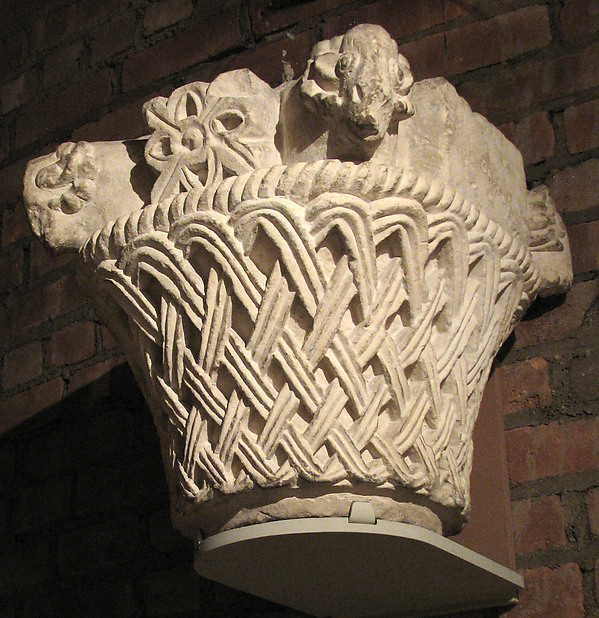
  3. Capital with a Basket-Weave Pattern and Rams’ Heads
Capital with a Basket-Weave Pattern and Rams’ Heads, 5th–6th century

Capital with a Basket-Weave Pattern and Rams’ Heads

5th–6th century · Sculpture

Scheda

Numero di inventario
10.176.160

Nella stessa sala · Gallery 302, Metropolitan Museum of Art

Pagina del museo

Sullo stesso tema · Rams

Tutte le opere sul tema

Si può ammirare?

Sì, riceve visite

Metropolitan Museum of Art

New York, Stati Uniti

Sala302

Esposta al pubblico. Chi lo garantisce è indicato qui sotto.

Verificato
3 giorni fa
Ultimo cambio di stato
28 set 2026
Fonte
Il museo
Sulla mappaPagina del museo

Che cosa raffigura

Rams

In catalogo

SculturaPietra

Fonti

  • Metropolitan Museum of Art
  • Immagine: Metropolitan Museum of Art — Open Access (CC0)
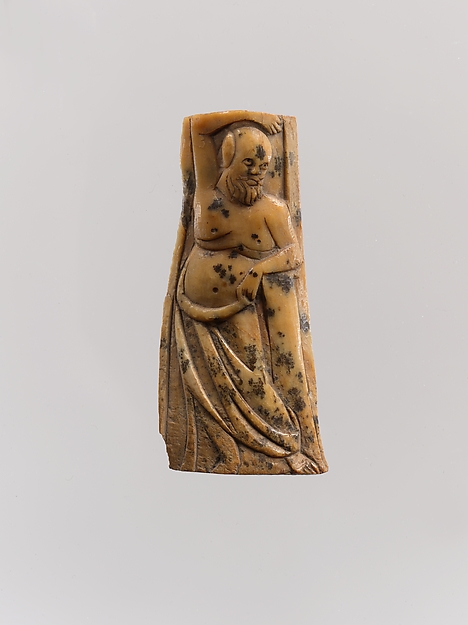
Silenus, the Tutor of Dionysos, 4th–7th century

Silenus, the Tutor of Dionysos, 4th–7th century

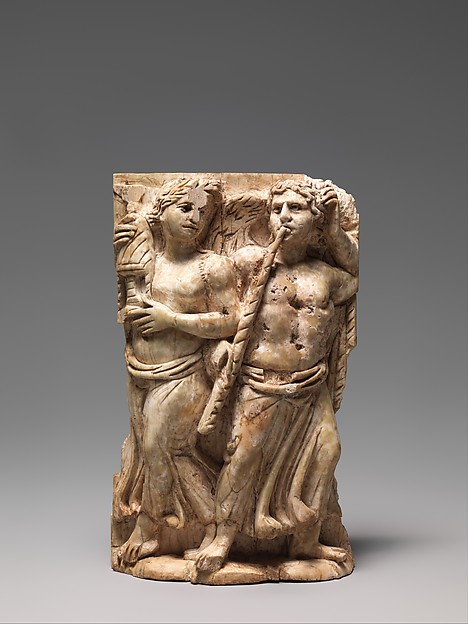
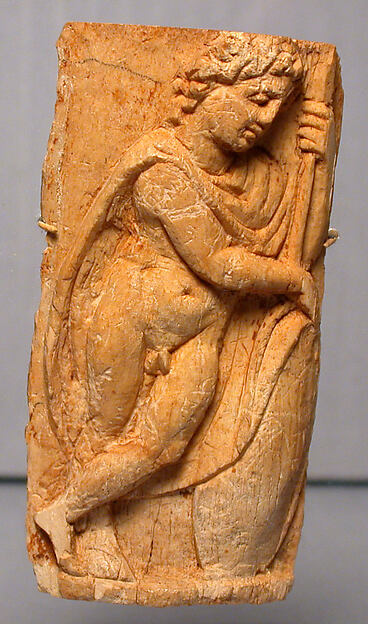
Bone Carving, Possibly of a Dionysiac Revel, 300–500

Bone Carving, Possibly of a Dionysiac Revel, 300–500

Tusk Fragment with Christ Enthroned, 810–1010

Tusk Fragment with Christ Enthroned, 810–1010

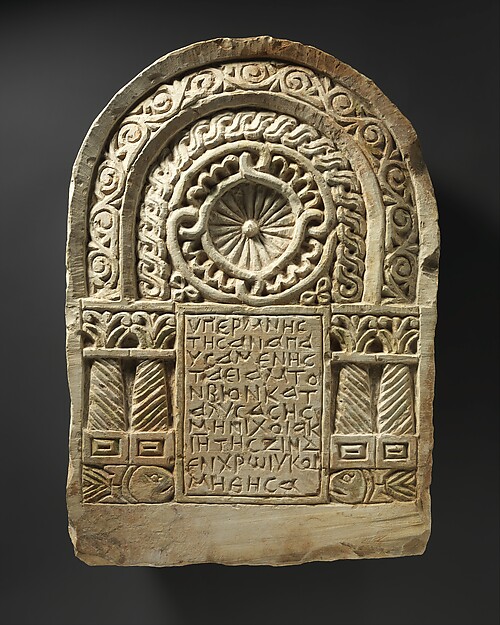
Funerary Stele with Architectural Frame, 6th–7th century

Funerary Stele with Architectural Frame, 6th–7th century

Funerary Stele with Two Lions and Circle Pattern within a Niche, 7th–8th century

Funerary Stele with Two Lions and Circle Pattern within a Niche, 7th–8th century

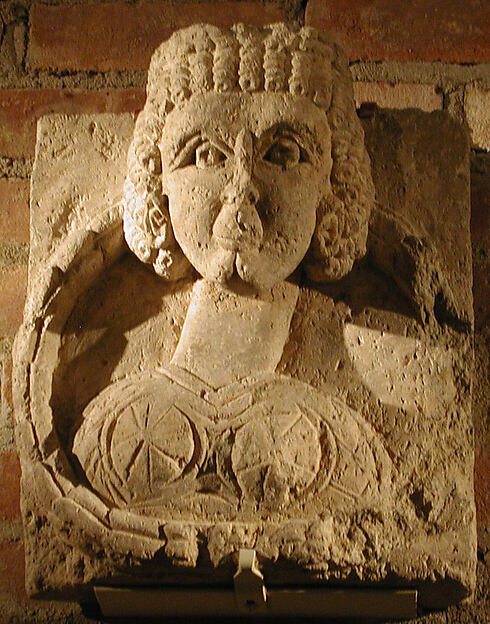
Fragment from a Relief with the Bust of a Woman, 4th–5th century

Fragment from a Relief with the Bust of a Woman, 4th–5th century

Panel with Warrior Resting, 4th–6th century

Panel with Warrior Resting, 4th–6th century

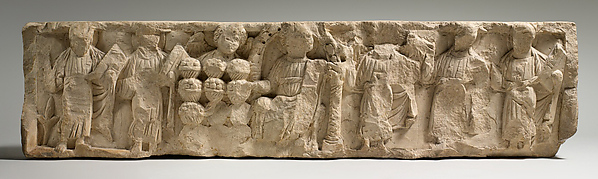
Fragment of a Frieze with the Miracle of Loaves and Fishes, 6th–7th century

Fragment of a Frieze with the Miracle of Loaves and Fishes, 6th–7th century

Rothschild lamp, Andrea Briosco, called Riccio, ca. 1510–20

Andrea Briosco, called Riccio

Rothschild lamp, ca. 1510–20

Metropolitan Museum of Art

Autumn (one of a pair), Nicholas Sébastien Adam the Younger, 1745–47

Adam, Nicolas-Sébastien

Autumn (one of a pair), 1745–47

Metropolitan Museum of Art

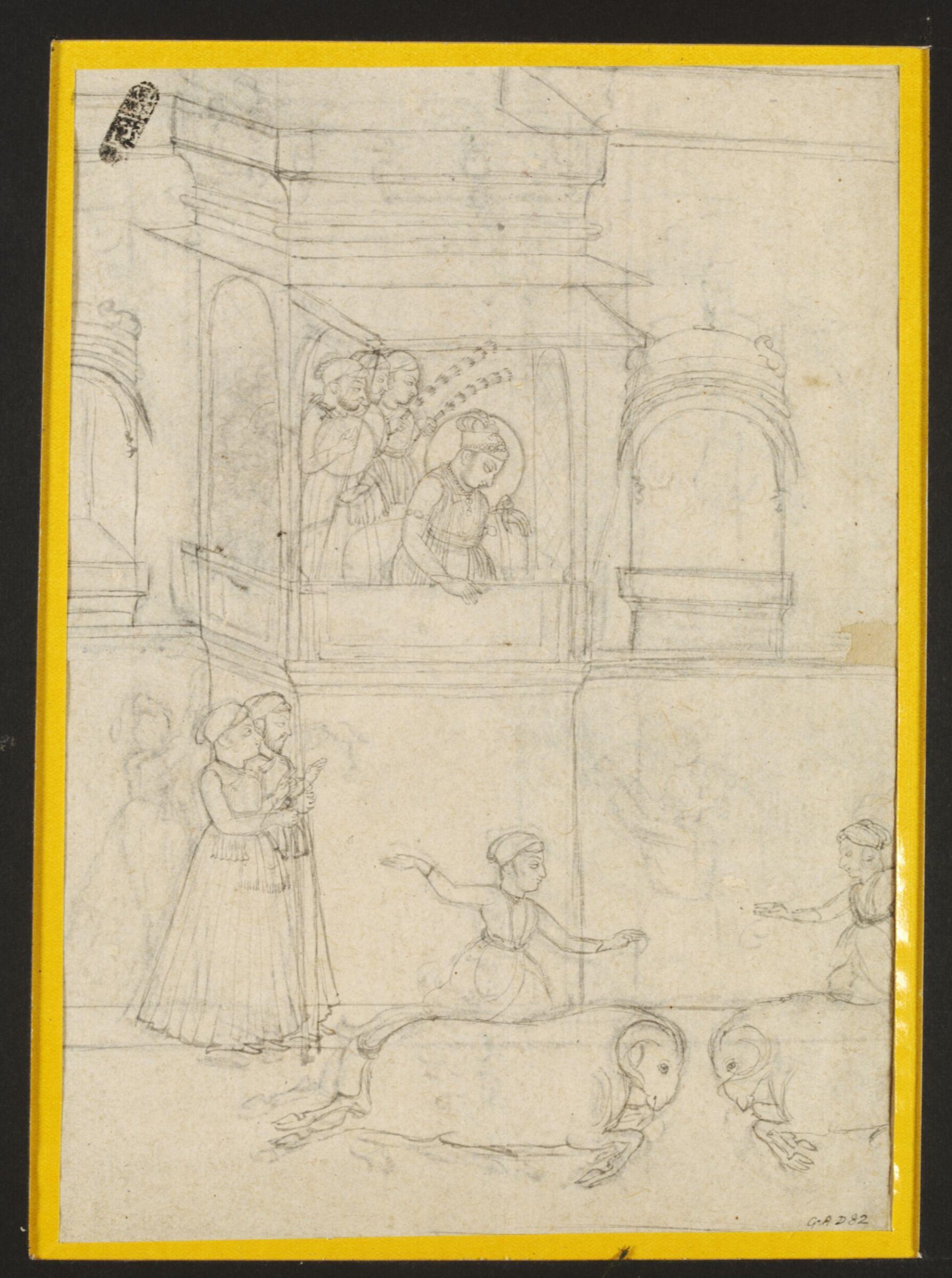
Drawing, ca. 1740

Drawing, ca. 1740

Non esposta · Victoria and Albert Museum

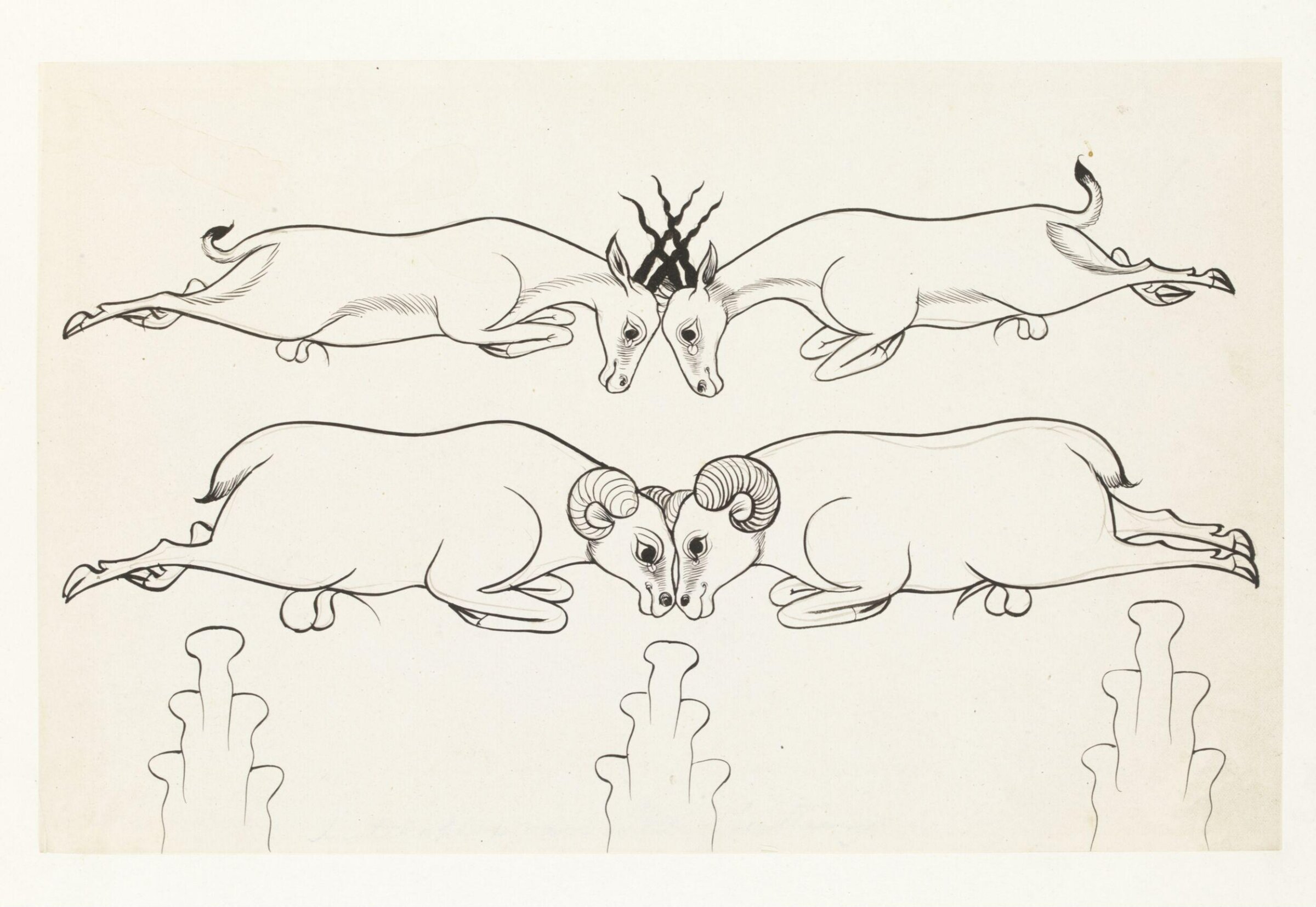
Drawing, ca. 1860

Drawing, ca. 1860

Non esposta · Victoria and Albert Museum

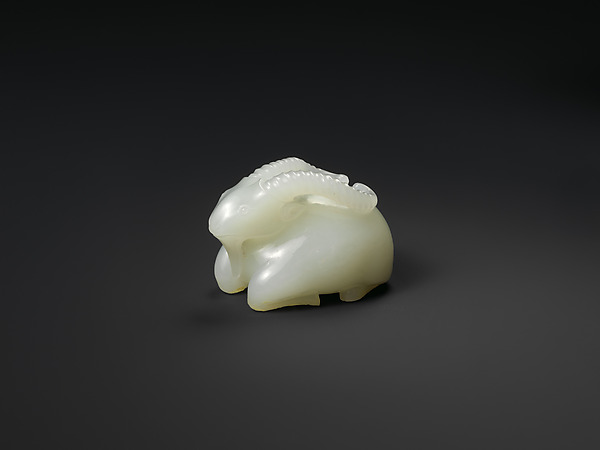
Ram, late 18th–early 19th century

Ram, late 18th–early 19th century

Metropolitan Museum of Art

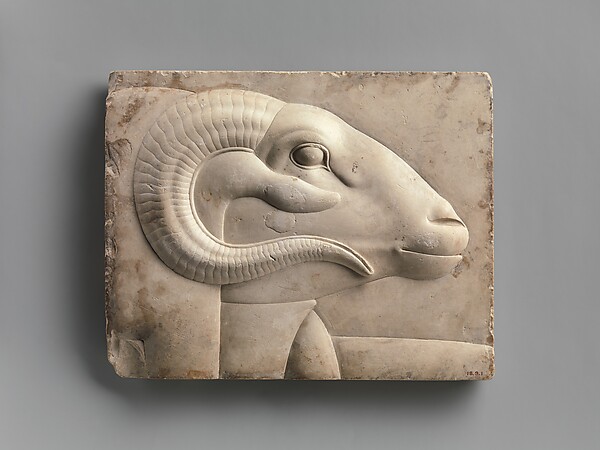
Relief plaque with the head of a ram deity, 400–30 BCE

Relief plaque with the head of a ram deity, 400–30 BCE

Metropolitan Museum of Art

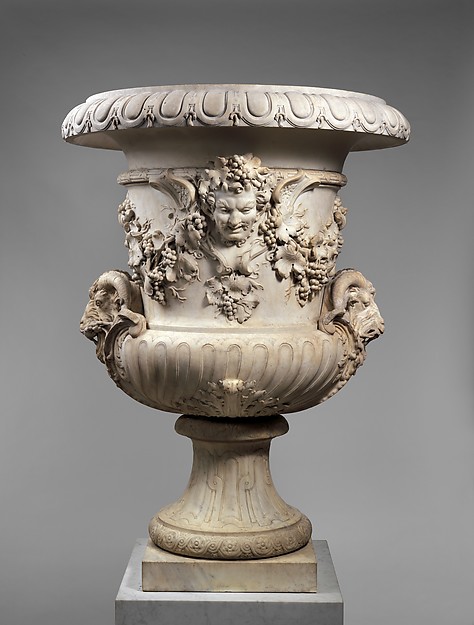
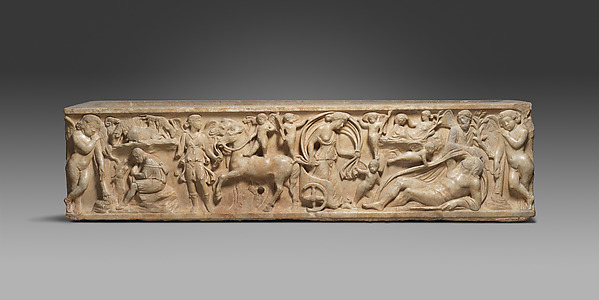
Marble sarcophagus with the myth of Endymion, mid-2nd century CE

Marble sarcophagus with the myth of Endymion, mid-2nd century CE

Metropolitan Museum of Art

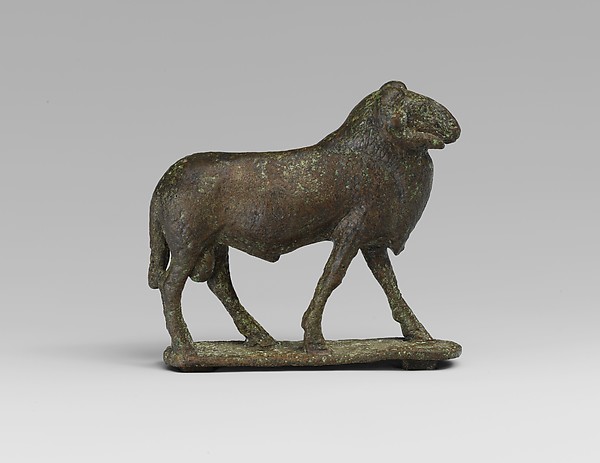
Bronze statuette of a ram, ca. 200 BCE–200 CE

Bronze statuette of a ram, ca. 200 BCE–200 CE

Metropolitan Museum of Art