ART WIKI33.040 in sala
MappaCollezioneArtistiMuseiMostreRivista
Accedi

ART WIKI

Dove è appeso il capolavoro, e quando si può entrare.

Collezioni: Art Institute of Chicago, Cleveland Museum of Art, Ermitage, Galleria Tret'jakov, Getty Museum, Harvard Art Museums, Hirshhorn Museum and Sculpture Garden, Metropolitan Museum of Art, Minneapolis Institute of Art, Museo del Louvre, Museo Puškin delle belle arti, Museo russo, Museum of Modern Art, National Gallery of Art, National Museum of Asian Art, National Portrait Gallery, Rijksmuseum, Smithsonian American Art Museum, Statens Museum for Kunst, Victoria and Albert Museum, Villa Getty, Whitney Museum of American Art, Catalogo statale del fondo museale russo (274 musei), Europeana (19 musei), Wikidata (6 musei), Paris Musées (12 musei) e Joconde, la banca dati dei musei del Ministero della Cultura francese (495 musei). Le immagini appartengono ai titolari dei diritti.

Sezioni

  • Mappa
  • Ricerca
  • Collezione
  • Capolavori
  • Esposte ora
  • Artisti

Altro

  • Musei e gallerie
  • Mostre
  • Rivista
  • Da dove vengono i dati
  • Privacy e cookie
HomeMappaCatalogo
  1. Collezione/
  2. Metropolitan Museum of Art/
  3. Tusk Fragment with Christ Enthroned
Tusk Fragment with Christ Enthroned, 810–1010

Tusk Fragment with Christ Enthroned

810–1010 · Ivories and Bone

Scheda

Numero di inventario
17.190.48

Nella stessa sala · Gallery 302, Metropolitan Museum of Art

Pagina del museo

Sullo stesso tema · Angel

Tutte le opere sul tema

Si può ammirare?

Sì, riceve visite

Metropolitan Museum of Art

New York, Stati Uniti

Sala302

Esposta al pubblico. Chi lo garantisce è indicato qui sotto.

Verificato
9 giorni fa
Ultimo cambio di stato
28 set 2026
Fonte
Il museo
Sulla mappaPagina del museo

Che cosa raffigura

AngelCristo

In catalogo

SculturaAvorioMedioevoPrima del 1400

Fonti

  • Metropolitan Museum of Art
  • Immagine: Metropolitan Museum of Art — Open Access (CC0)
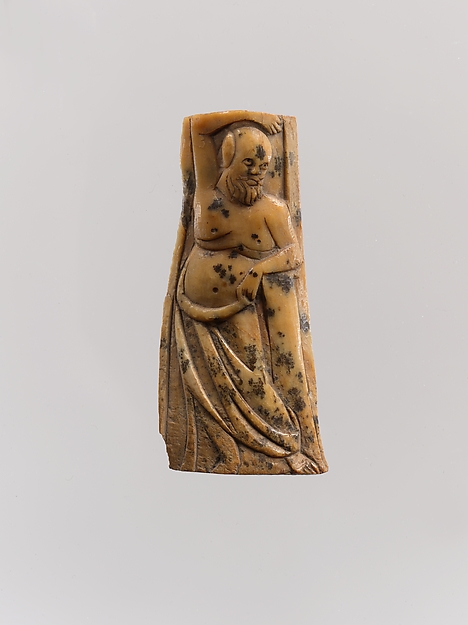
Silenus, the Tutor of Dionysos, 4th–7th century

Silenus, the Tutor of Dionysos, 4th–7th century

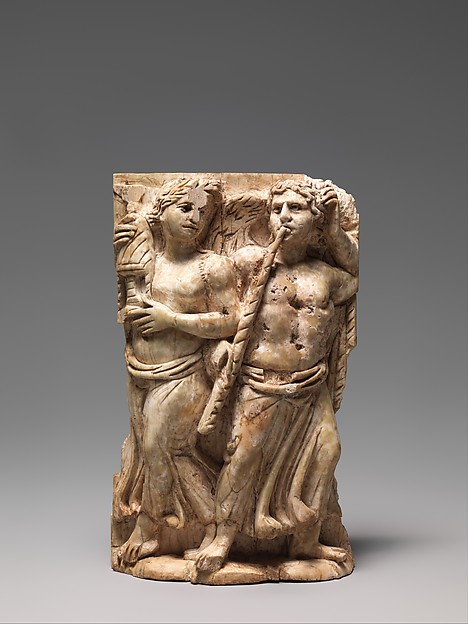
Bone Carving, Possibly of a Dionysiac Revel, 300–500

Bone Carving, Possibly of a Dionysiac Revel, 300–500

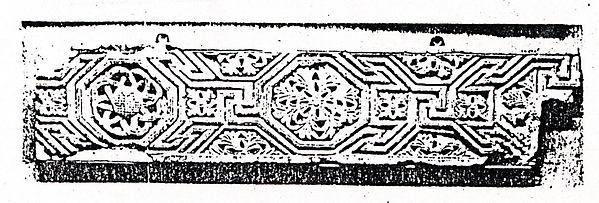
Fragment from a Frieze with a Meander Pattern and Rosettes, 6th century

Fragment from a Frieze with a Meander Pattern and Rosettes, 6th century

Fragment from a Molding with Vines and an Amphora (Vase), 6th century

Fragment from a Molding with Vines and an Amphora (Vase), 6th century

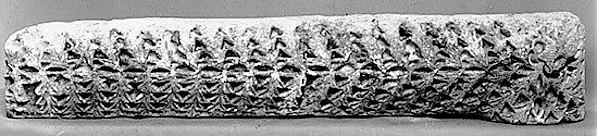
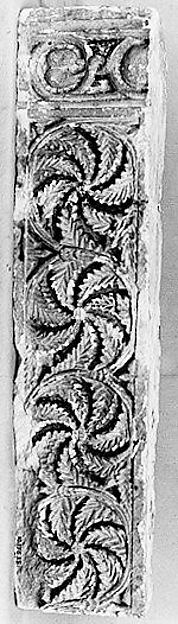
Fragment from a Frieze with Acanthus-Leaf Wheels, 6th century

Fragment from a Frieze with Acanthus-Leaf Wheels, 6th century

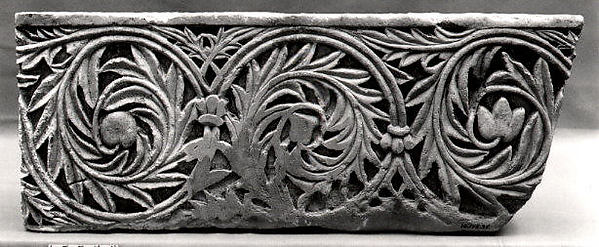
Fragment of Frieze with Acanthus Leaves Encircling Fruit and Flowers, 6th century

Fragment of Frieze with Acanthus Leaves Encircling Fruit and Flowers, 6th century

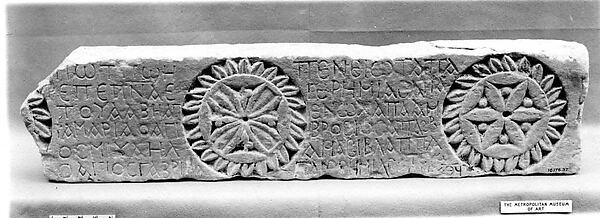
Inscribed Fragment from a Lintel or Frieze with a Cross and Rosette Medallions, 6th century

Inscribed Fragment from a Lintel or Frieze with a Cross and Rosette Medallions, 6th century

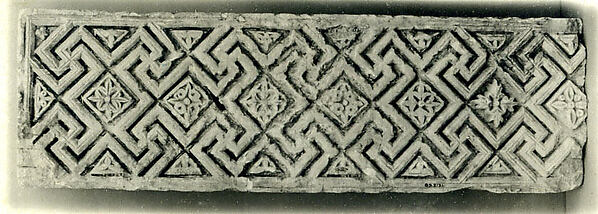
Fragment from a Frieze with Meander Pattern and Diamond-Shaped Rosettes, 6th century

Fragment from a Frieze with Meander Pattern and Diamond-Shaped Rosettes, 6th century

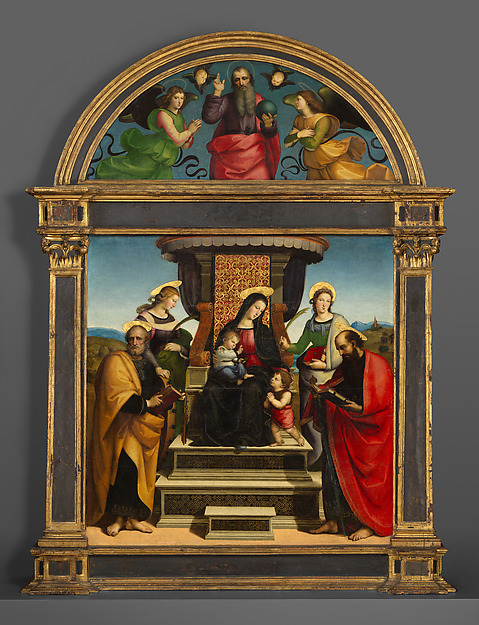
Madonna and Child Enthroned with Saints, Raphael, ca. 1504

Raphael

Madonna in trono col Bambino e san Giovannino tra i Santi, ca. 1504

Metropolitan Museum of Art

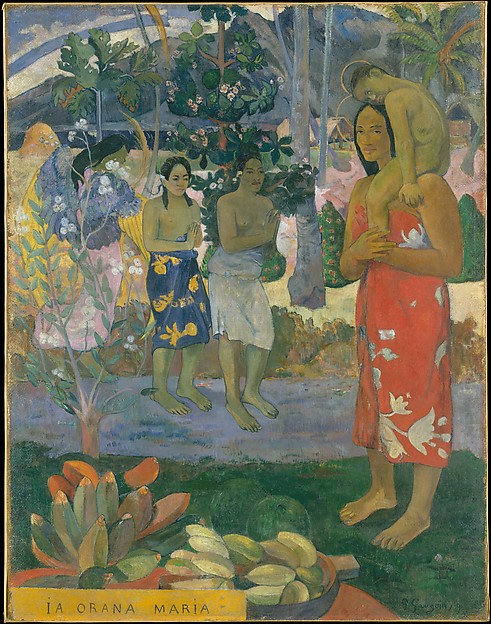
Ia Orana Maria (Hail Mary), Paul Gauguin, 1891

Paul Gauguin

Ia Orana Maria (Hail Mary), 1891

Metropolitan Museum of Art

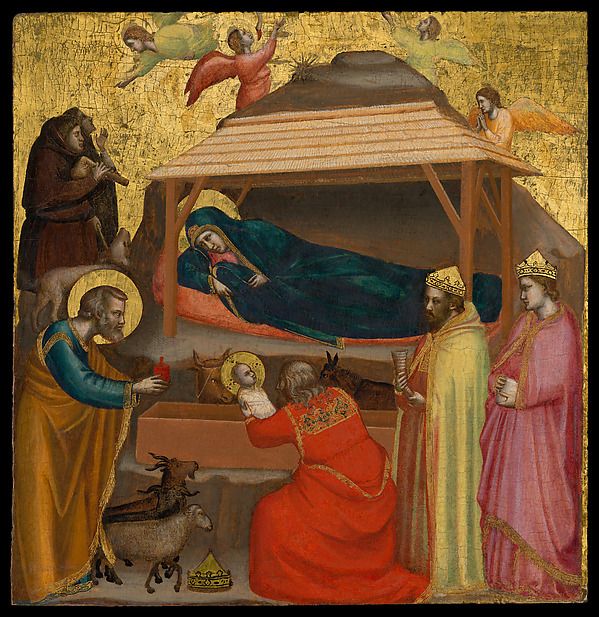
The Adoration of the Magi, Giotto di Bondone, possibly ca. 1320

Giotto

The Adoration of the Magi, possibly ca. 1320

Metropolitan Museum of Art

Crocifissione e Giudizio finale, Jan van Eyck, ca. 1436–38

Jan van Eyck

Crocifissione e Giudizio finale, ca. 1436–38

Metropolitan Museum of Art

Heiliger Hieronymus, Caravaggio

Caravaggio

Heiliger Hieronymus

Herzog Anton Ulrich-Museum

The Holy Family, Elisha Kirkall after Raphael, early 18th century

Raphael

The Holy Family, early 18th century

Non esposta · National Gallery of Art

The Vision of Saint Helena, Marcantonio Raimondi possibly after Raphael, 1515-1520

Raphael

The Vision of Saint Helena, 1515-1520

Non esposta · National Gallery of Art

Two Sibyls and an Angel, Giovanni Antonio da Brescia, after Raphael, c. 1520s

Raphael

Two Sibyls and an Angel, c. 1520s

Non esposta · National Gallery of Art