ART WIKI32.963 in sala
MappaCollezioneArtistiMuseiMostreRivista
Accedi

ART WIKI

Dove è appeso il capolavoro, e quando si può entrare.

Collezioni: Art Institute of Chicago, Cleveland Museum of Art, Ermitage, Galleria Tret'jakov, Getty Museum, Harvard Art Museums, Hirshhorn Museum and Sculpture Garden, Metropolitan Museum of Art, Minneapolis Institute of Art, Museo del Louvre, Museo Puškin delle belle arti, Museo russo, Museum of Modern Art, National Gallery of Art, National Museum of Asian Art, National Portrait Gallery, Rijksmuseum, Smithsonian American Art Museum, Statens Museum for Kunst, Victoria and Albert Museum, Villa Getty, Whitney Museum of American Art, Catalogo statale del fondo museale russo (274 musei), Europeana (19 musei), Wikidata (6 musei), Paris Musées (12 musei) e Joconde, la banca dati dei musei del Ministero della Cultura francese (495 musei). Le immagini appartengono ai titolari dei diritti.

Sezioni

  • Mappa
  • Ricerca
  • Collezione
  • Capolavori
  • Esposte ora
  • Artisti

Altro

  • Musei e gallerie
  • Mostre
  • Rivista
  • Da dove vengono i dati
  • Privacy e cookie
HomeMappaCatalogo
  1. Collezione/
  2. Museum of Modern Art/
  3. Campbell's Soup Cans
Campbell's Soup Cans, Andy Warhol, 1962
Andy Warhol, ritrattoAndy WarholStati Uniti, 1928–1987

Campbell's Soup Cans

1962 · Painting

CapolavoroN. 68dei cento dipinti più famosi del mondo

Sul dipinto

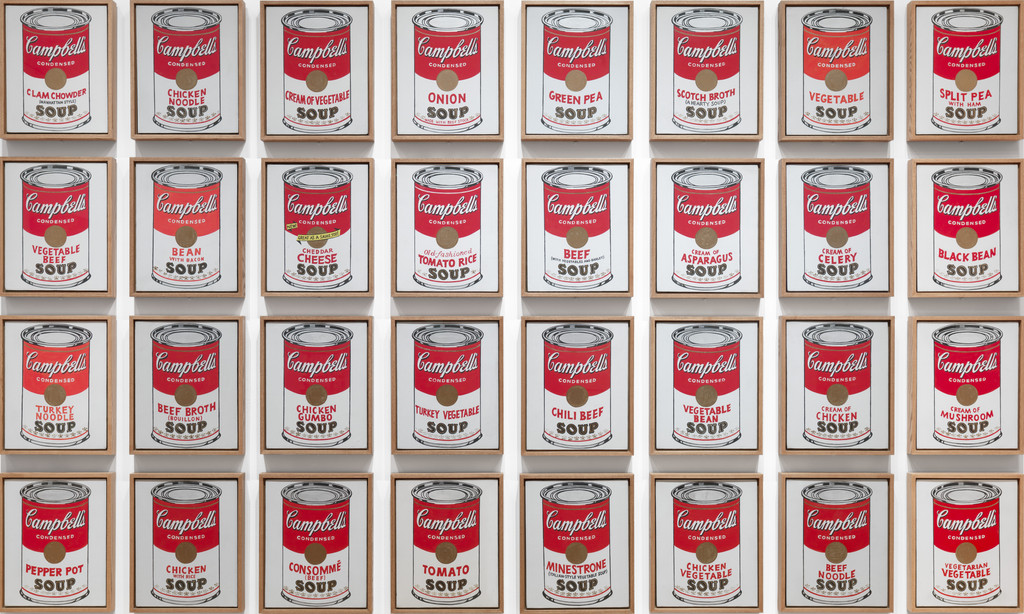
Campbell's Soup Cans, anche conosciuta come 32 Campbell's Soup Cans, è un'opera d'arte realizzata nel 1962 da Andy Warhol. Consiste in trentadue tele in polimero sintetico su tela, ciascuna grande 51 cm × 41 cm, raffiguranti tutte le varietà dei barattoli di zuppa Campbell allora in commercio. I singoli dipinti sono stati prodotti con una tecnica di stampa serigrafica semi-meccanizzato. L'importanza della serie di tele nella cultura popolare contribuì a rendere la pop art fra i maggiori movimenti artistici negli Stati Uniti d'America.

Continua a leggere

Warhol, un illustratore commerciale divenuto autore, editore, pittore e regista di successo, mostrò il lavoro nella sua prima personale il 9 luglio 1962 nella Ferus Gallery di Los Angeles segnando il debutto della pop art nella West Coast americana. Il processo semi-meccanizzato usato per la sua realizzazione, l'esecuzione non pittorica e il soggetto commerciale vennero inizialmente criticati in quanto il mercantilismo palesemente banale del lavoro rappresentava un affronto diretto alla tecnica e alla filosofia dell'espressionismo astratto, movimento all'epoca dominante negli Stati Uniti che non si limitava solo ai valori e all'estetica delle belle arti ma anche a un'inclinazione mistica. Nonostante questa controversia sui meriti e sull'etica dell'opera, essa divenne, secondo molti, fra le più rappresentative dell'artista. A causa della popolarità della serie di opere che scaturì da questo primo esemplare, la reputazione di Warhol crebbe al punto da renderlo l'artista pop più noto e costoso negli USA.

Wikipedia · CC BY-SA

Scheda

1962 · a 34 anni
19281987
Numero di inventario
476.1996.1-32

Nel frattempo, nella vita di Andy Warhol

Tutta la vita
  1. December 1961

    The decision to paint money

    After seeing Claes Oldenburg's installation The Store in December 1961, Warhol went home frustrated, feeling his comic-strip paintings were no longer original enough. He accepted Muriel Flatow's tongue-in-cheek advice, given for $50, to paint what he liked most — money — and began painting dollar bills.

  2. 1961–1962

    Mastering silkscreen

    Seeking technical advice, Warhol turned to Floriano Vecchi of Tiber Press, who showed him the basics of silkscreen printing: transferring designs to acetate, preparing screens and pulling ink with a squeegee. The experiments became a turning point and soon led to some of his earliest silkscreen works.

  3. 9 July 1962

    Soup cans at the Ferus Gallery

    The Los Angeles dealer Irving Blum, surprised that Warhol had no gallery, offered him a solo show at the Ferus Gallery. Warhol sent 32 canvases, one for each variety of Campbell's soup; the exhibition opened on 9 July 1962 and marked his West Coast debut.

  4. October 1962

    “The New Realists” at the Sidney Janis Gallery

    Invited by the dealer Sidney Janis, Warhol took part in the exhibition The New Realists, showing 200 Soup Cans, Big Campbell's Soup Can 19c (Beef Noodle) and Do It Yourself (Flowers). The show was widely seen as a turning point for the acceptance of Pop art: The New Yorker likened its effect on the New York art world to an “earthquake”.

  5. 6 November 1962

Altre opere di Andy Warhol

Tutte le opere

Nella stessa sala · MoMA, Floor 4, 412, Museum of Modern Art

Pagina del museo

First solo Pop show in New York

The filmmaker Emile de Antonio introduced Warhol to Eleanor Ward of the Stable Gallery, who agreed to a show in exchange for a painting of a two-dollar bill; the eighteen new works included Marilyn Monroe Twenty Times and Red Elvis. Michael Fried wrote in Art International that of all the painters working in the service of a popular iconography, Warhol was probably the most single-minded and the most spectacular.

  • 1964

    The Factory on 47th Street

    By 1964 Warhol had moved his studio to 231 East 47th Street, which became known as the Factory; Billy Name covered it in aluminium foil and silver paint. The poet Gerard Malanga helped him with silkscreens and films, and working with assistants became a lasting feature of his method.

  • Si può ammirare?

    Sì, riceve visite

    Museum of Modern Art

    New York, Stati Uniti

    SalaMoMA, Floor 4, 412

    Esposta al pubblico. Chi lo garantisce è indicato qui sotto.

    Verificato
    9 giorni fa
    Fonte
    Il museo
    Sulla mappaPagina del museo

    In catalogo

    DipintiAcrilicoPittura americanaArte del dopoguerraXX secolo

    Fonti

    • Museum of Modern Art
    • Immagine: Museum of Modern Art — © the artist or rights holder
    A Boy for Meg, Andy Warhol, 1962

    A Boy for Meg

    1962 · National Gallery of Art

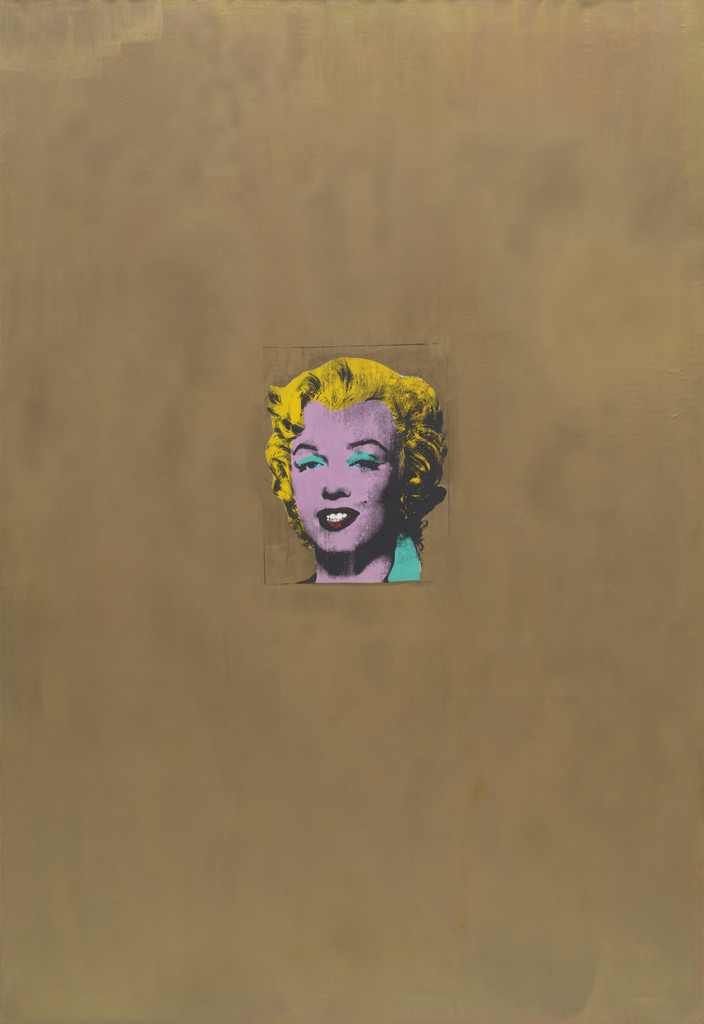
    Gold Marilyn Monroe, Andy Warhol, 1962

    Gold Marilyn Monroe

    1962 · Museum of Modern Art

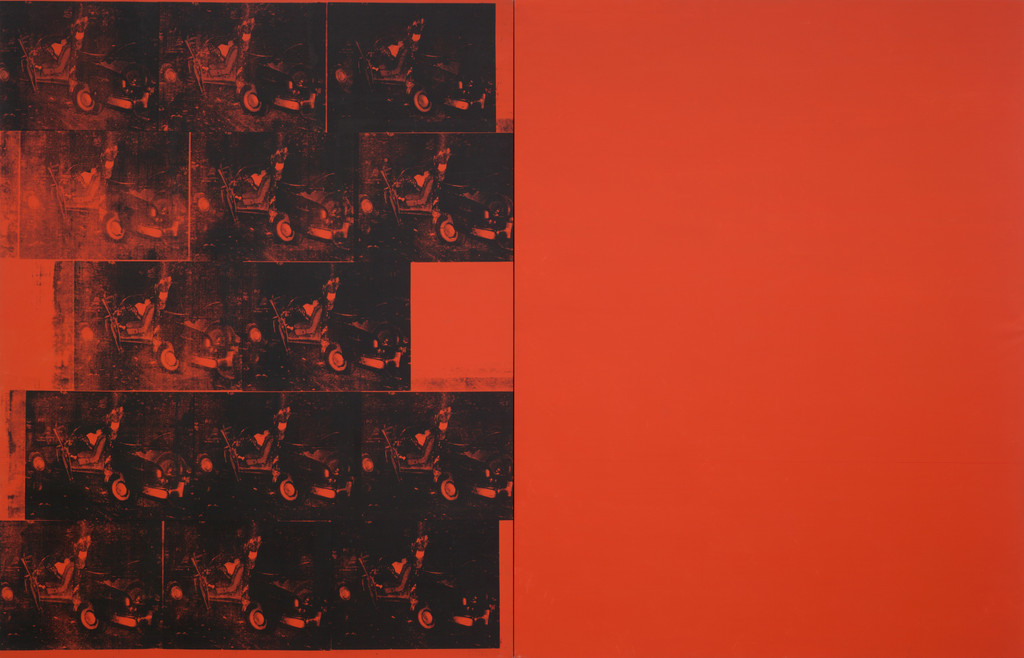
    Orange Car Crash Fourteen Times, Andy Warhol, 1963

    Orange Car Crash Fourteen Times

    1963 · Museum of Modern Art

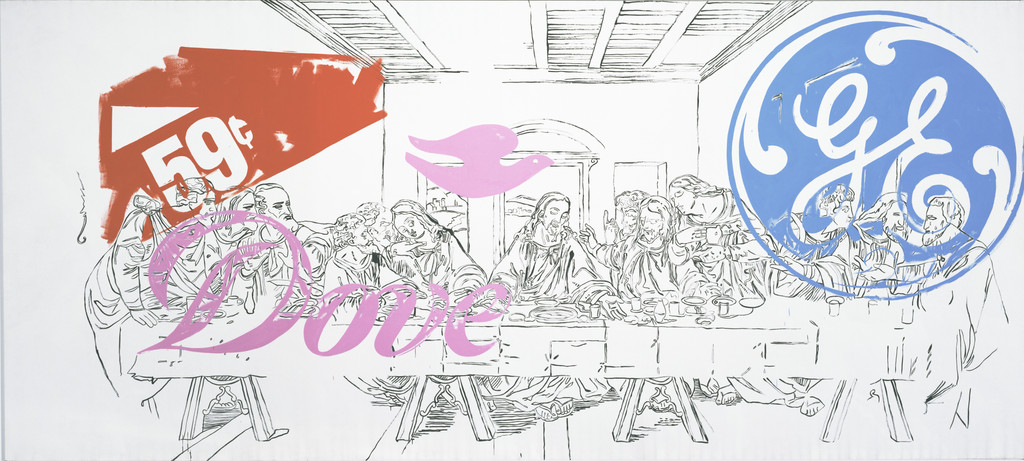
    The Last Supper, Andy Warhol, 1986

    The Last Supper

    1986 · Museum of Modern Art

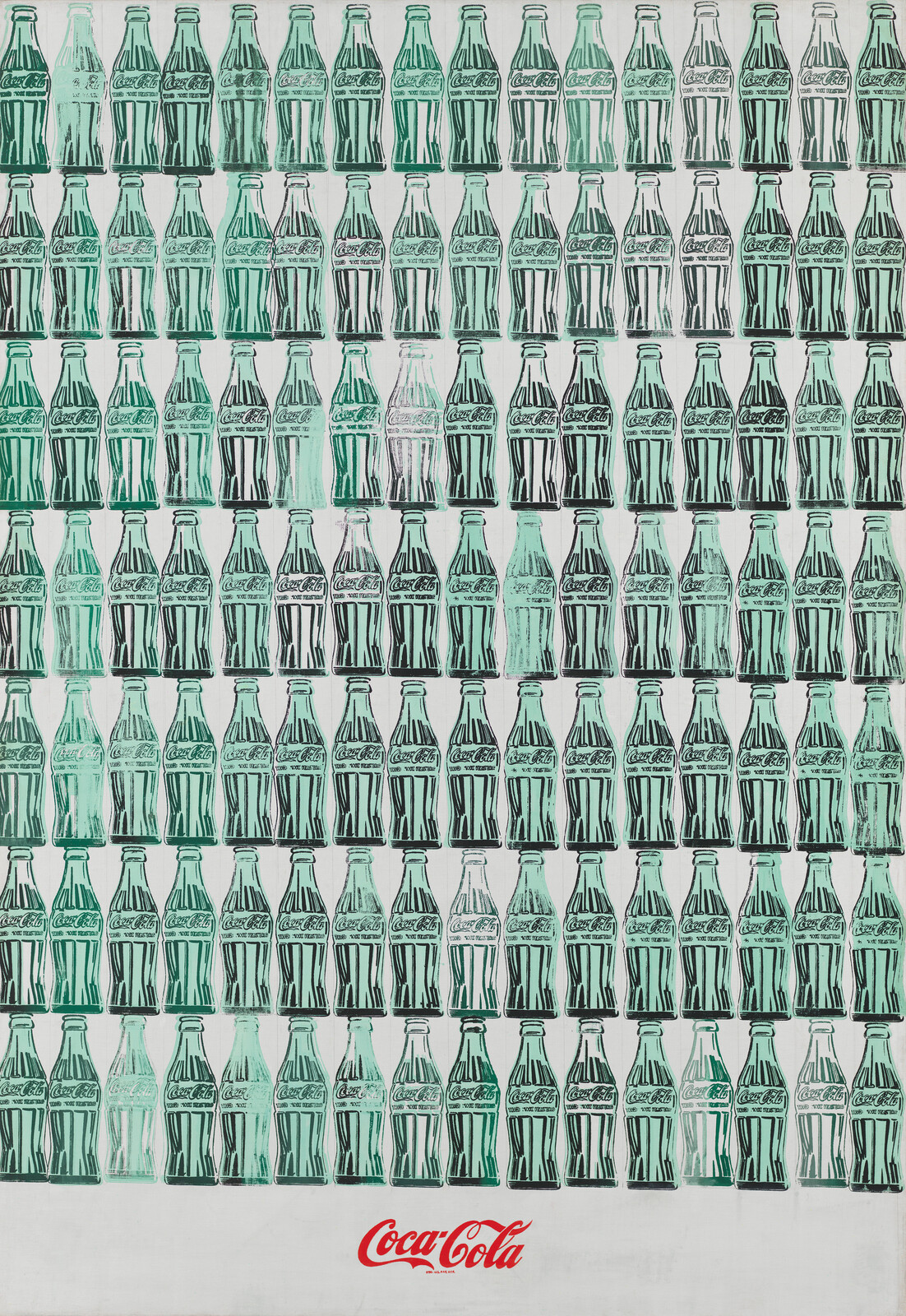
    Green Coca-Cola Bottles, Andy Warhol, 1962

    Green Coca-Cola Bottles

    1962 · Whitney Museum of American Art

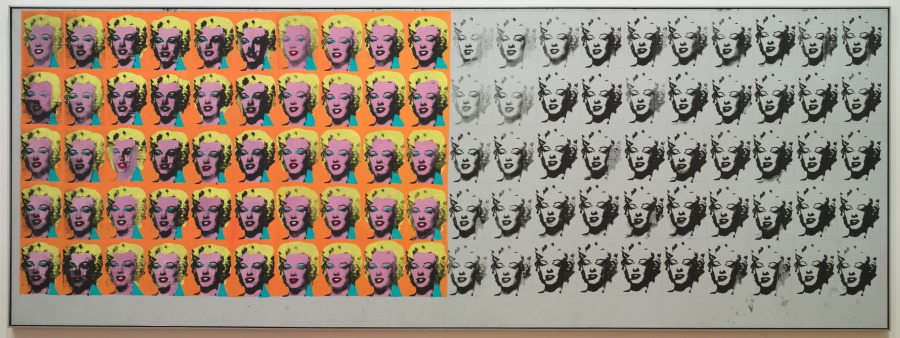
    Marilyn x 100, Andy Warhol, 1962

    Marilyn x 100

    1962 · Cleveland Museum of Art

    Liz #3 [Early Colored Liz], Andy Warhol, 1963

    Liz #3 [Early Colored Liz]

    1963 · Art Institute of Chicago

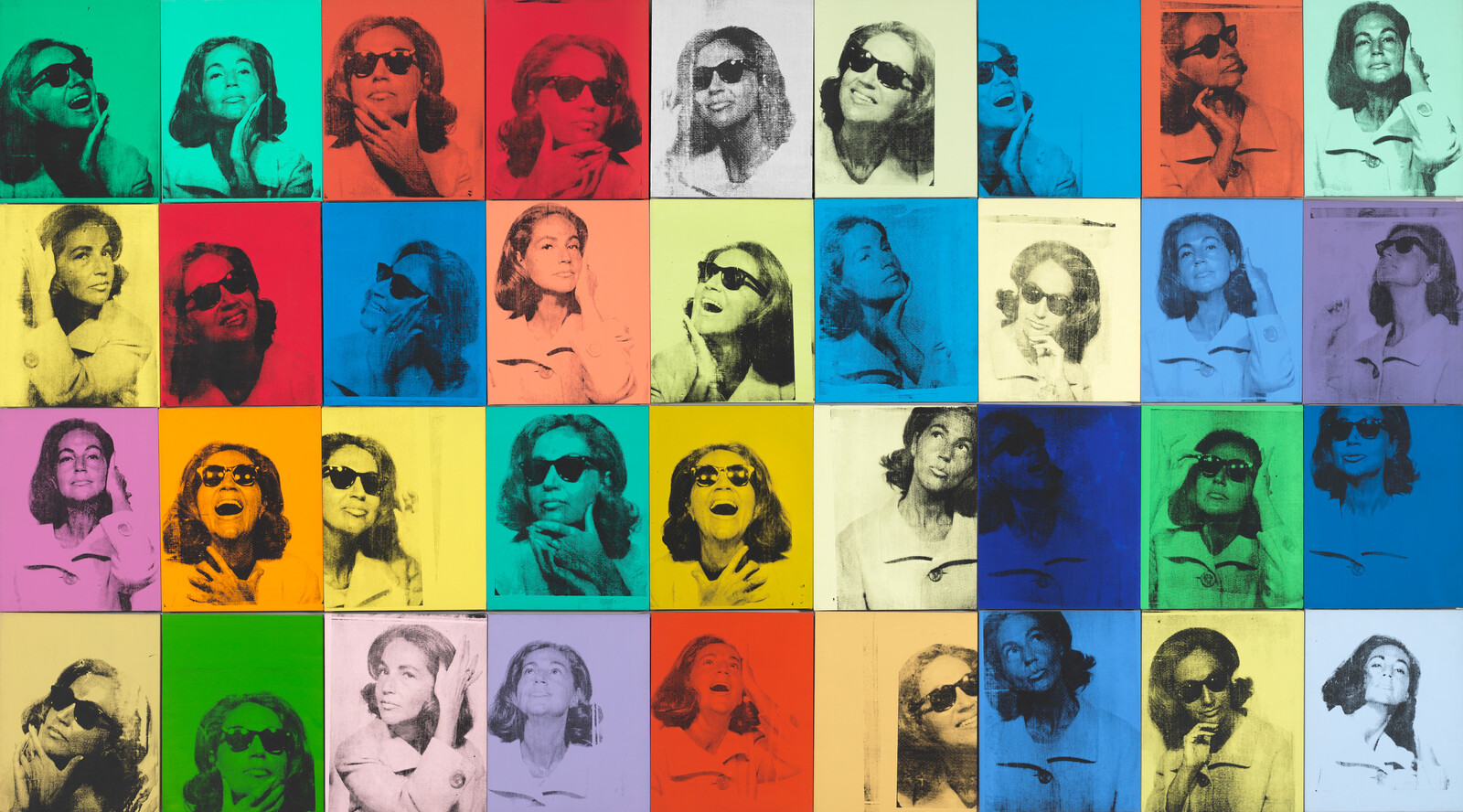
    Ethel Scull 36 Times, Andy Warhol, 1963

    Ethel Scull 36 Times

    1963 · Whitney Museum of American Art

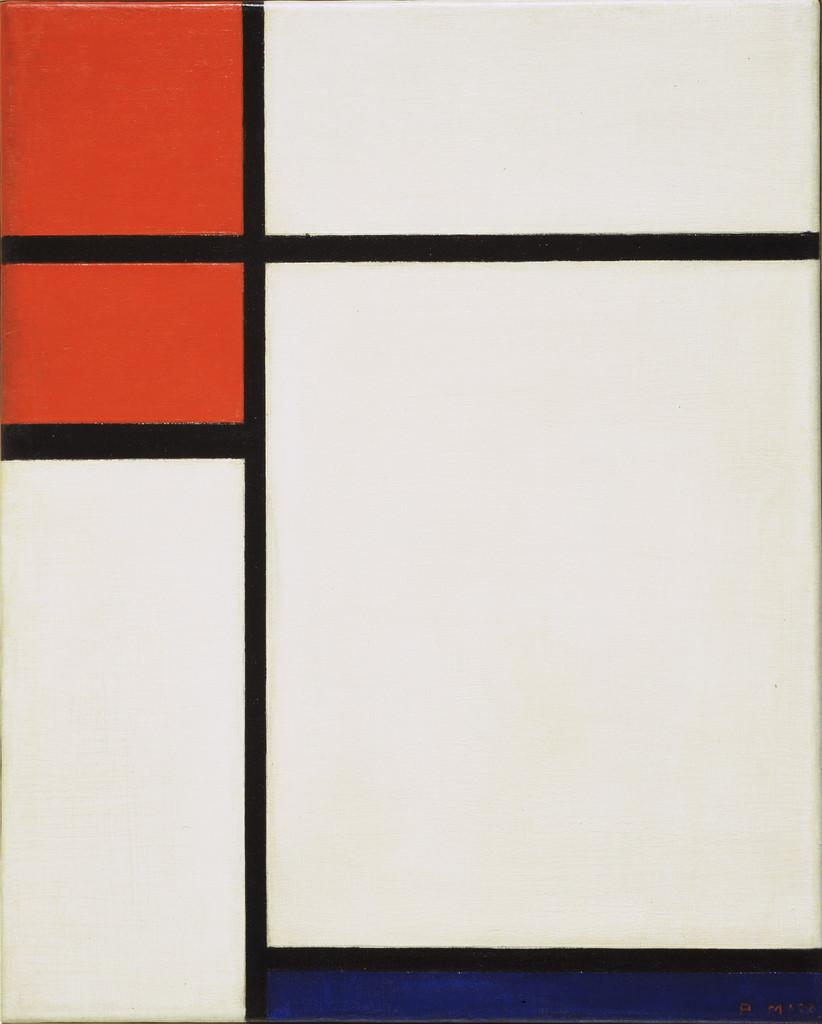
    Composition with Red and Blue, Piet Mondrian, 1933

    Piet Mondrian

    Composition with Red and Blue, 1933

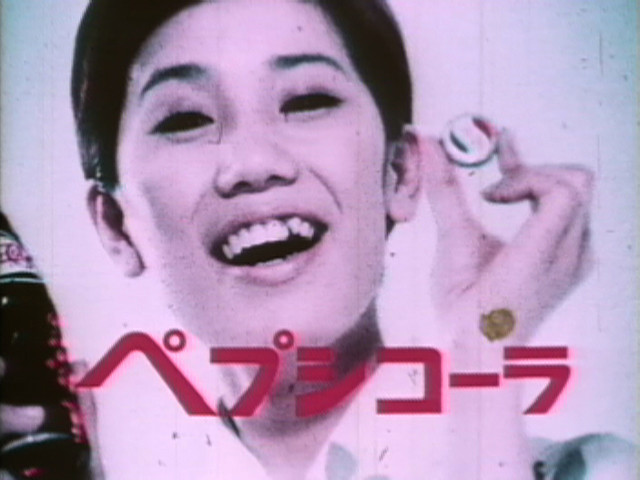
    Waiting for Commercials, Nam June Paik, Jud Yalkut, 1966-1972/1992

    Nam June Paik

    Waiting for Commercials, 1966-1972/1992

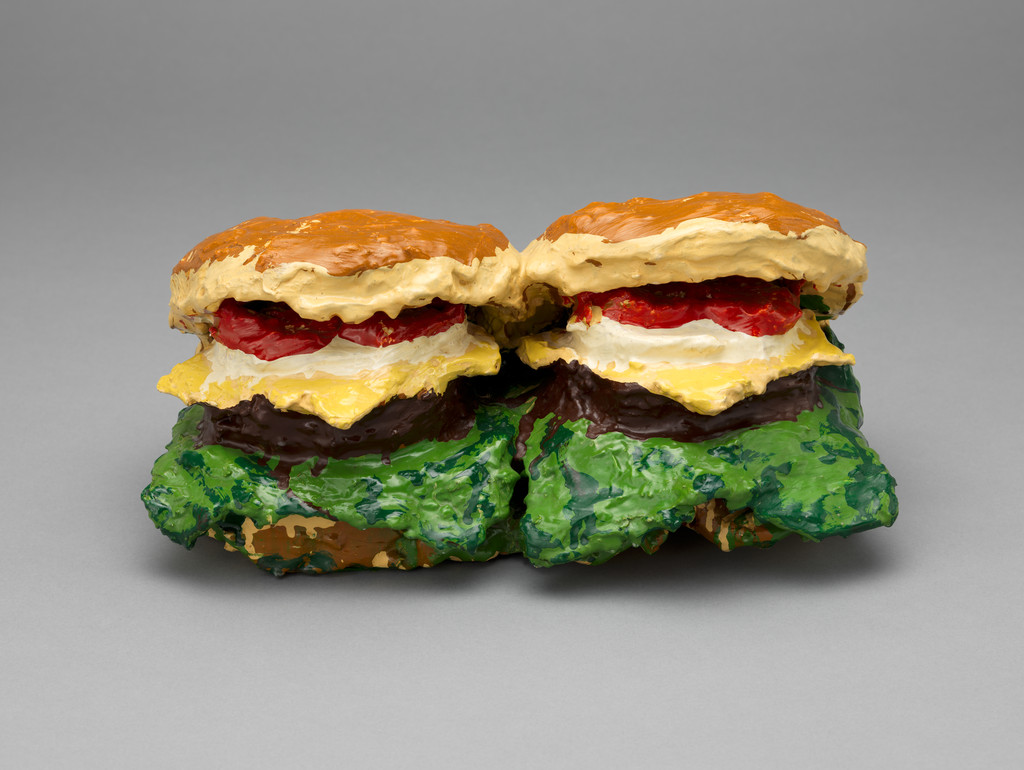
    Two Cheeseburgers, with Everything (Dual Hamburgers), Claes Oldenburg, 1962

    Claes Oldenburg

    Two Cheeseburgers, with Everything (Dual Hamburgers), 1962

    Love, Marisol, 1962

    Marisol

    Love, 1962

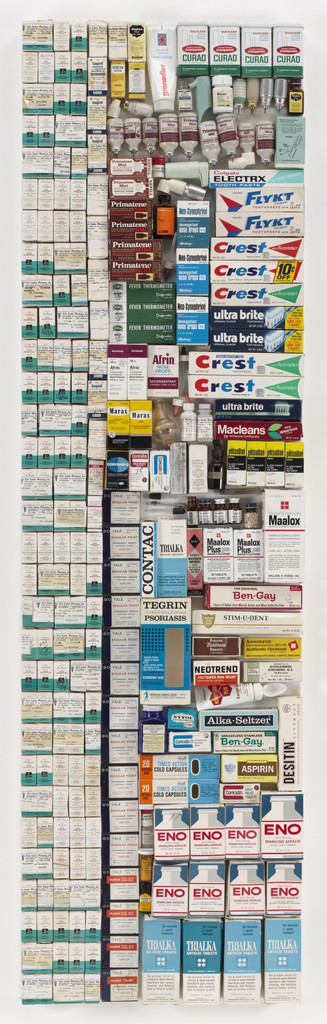
    One Year, George Maciunas, 1973–74

    George Maciunas

    One Year, 1973–74

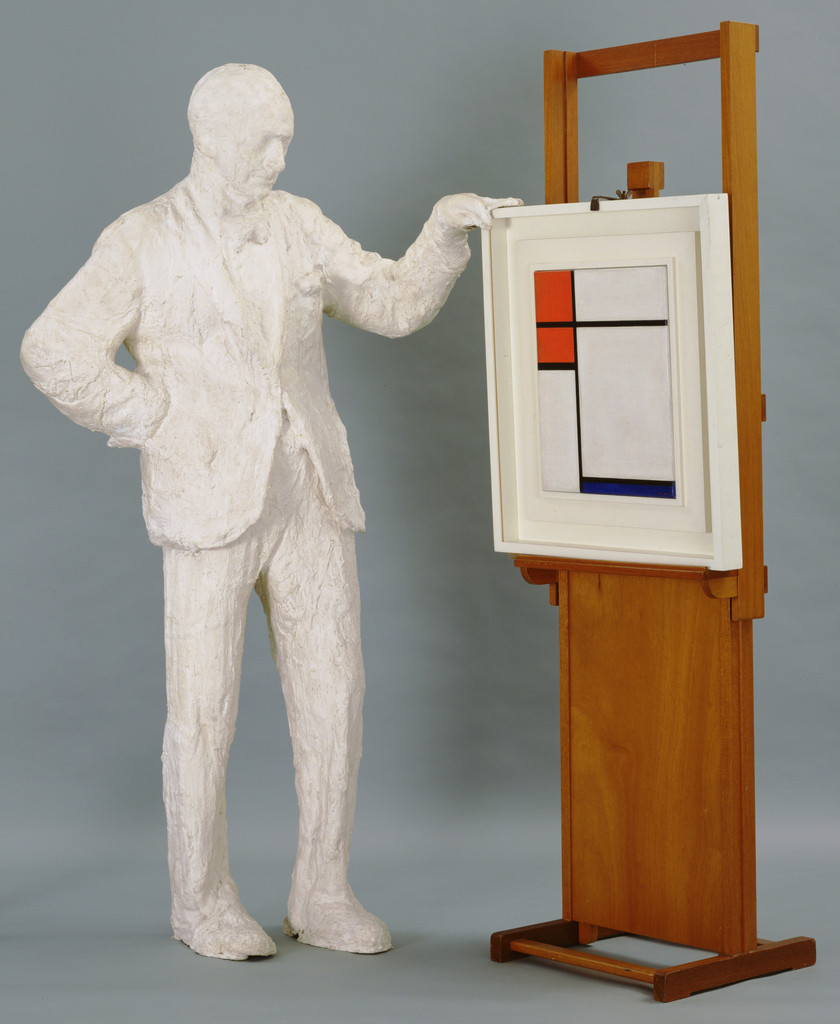
    Portrait of Sidney Janis with Mondrian Painting, George Segal, 1967

    George Segal

    Portrait of Sidney Janis with Mondrian Painting, 1967

    Picasso Signature, Robert Watts, 1966

    Robert Watts, Designer Unidentified

    Picasso Signature, 1966

    Chrome Cabbage, Robert Watts, 1964

    Robert Watts, Designer Unidentified

    Chrome Cabbage, 1964