ART WIKI33.040 in sala
MappaCollezioneArtistiMuseiMostreRivista
Accedi

ART WIKI

Dove è appeso il capolavoro, e quando si può entrare.

Collezioni: Art Institute of Chicago, Cleveland Museum of Art, Ermitage, Galleria Tret'jakov, Getty Museum, Harvard Art Museums, Hirshhorn Museum and Sculpture Garden, Metropolitan Museum of Art, Minneapolis Institute of Art, Museo del Louvre, Museo Puškin delle belle arti, Museo russo, Museum of Modern Art, National Gallery of Art, National Museum of Asian Art, National Portrait Gallery, Rijksmuseum, Smithsonian American Art Museum, Statens Museum for Kunst, Victoria and Albert Museum, Villa Getty, Whitney Museum of American Art, Catalogo statale del fondo museale russo (274 musei), Europeana (19 musei), Wikidata (6 musei), Paris Musées (12 musei) e Joconde, la banca dati dei musei del Ministero della Cultura francese (495 musei). Le immagini appartengono ai titolari dei diritti.

Sezioni

  • Mappa
  • Ricerca
  • Collezione
  • Capolavori
  • Esposte ora
  • Artisti

Altro

  • Musei e gallerie
  • Mostre
  • Rivista
  • Da dove vengono i dati
  • Privacy e cookie
HomeMappaCatalogo
  1. Collezione/
  2. Cleveland Museum of Art/
  3. Boy and Panther Cub
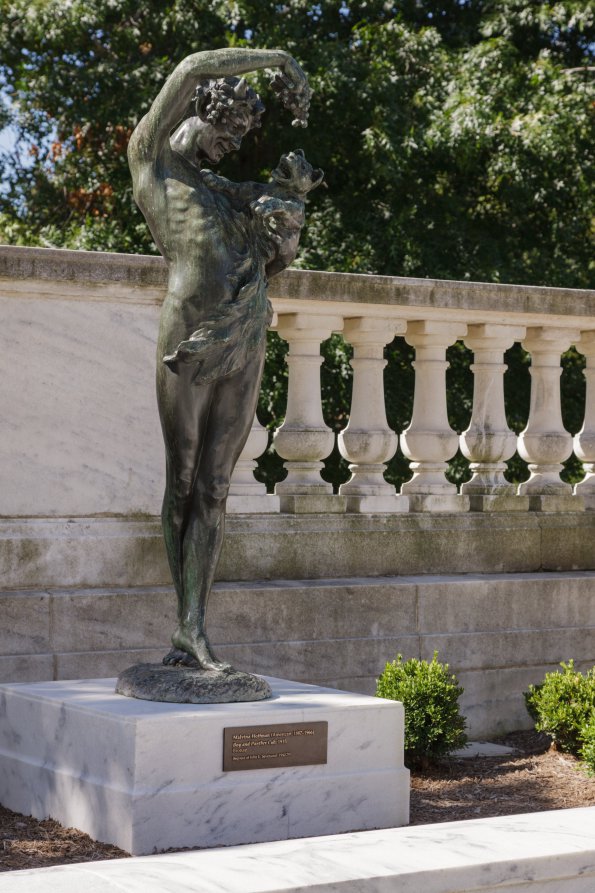
Boy and Panther Cub, Malvina Hoffman, 1915
Malvina Cornell Hoffman, ritrattoMalvina Cornell HoffmanStati Uniti, 1887–1966

Boy and Panther Cub

1915 · Sculpture

Sulla scultura

American artist Malvina Hoffman created this garden sculpture featuring a faun holding a small panther cub with his left arm while dangling a bunch of grapes over its open mouth. This particular bronze cast was commissioned by prominent Cleveland industrialist John L. Severance and was given to the museum after his death.

Cleveland Museum of Art

Scheda

1915 · a 28 anni
18871966
Numero di inventario
1942.797

Altre opere di Malvina Cornell Hoffman

Tutte le opere

Sotto lo stesso tetto: Cleveland Museum of Art

Pagina del museo

Si può ammirare?

Sì, riceve visite

Cleveland Museum of Art

Cleveland, Stati Uniti

SalaWT West Terrace

Esposta al pubblico. Chi lo garantisce è indicato qui sotto.

Verificato
9 giorni fa
Ultimo cambio di stato
19 ago 2026
Fonte
Il museo
Sulla mappaPagina del museo

In catalogo

SculturaBronzoModernismoXX secoloAmerica

Fonti

  • Cleveland Museum of Art
  • Immagine: Cleveland Museum of Art — © the artist or rights holder
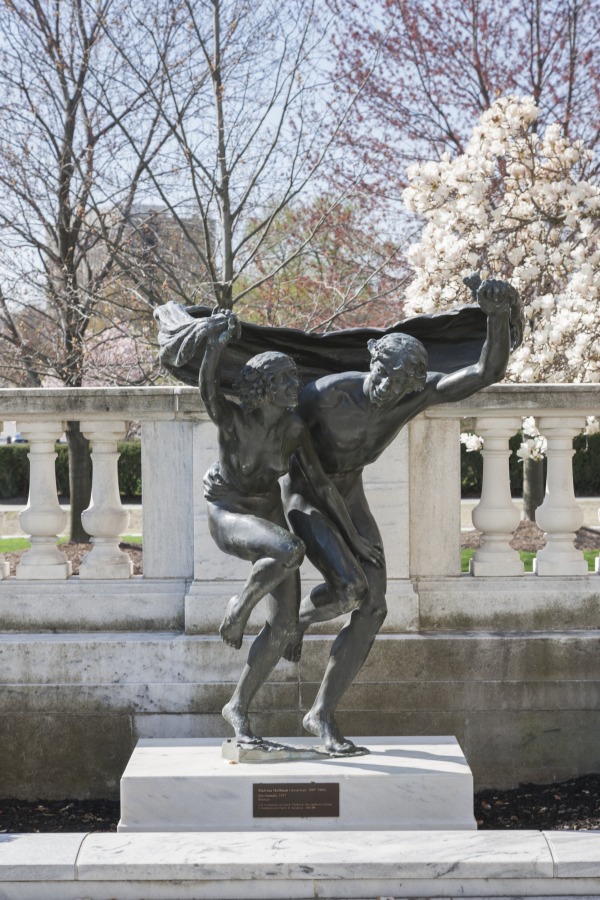
Bacchanale, Malvina Hoffman, 1917

Bacchanale

1917 · Cleveland Museum of Art

Pavlova, Malvina Cornell Hoffman, model 1924, cast c. 1926/1929

Pavlova

model 1924, cast c. 1926/1929 · Non esposta · National Gallery of Art

Anna Pavlova in a Russian Headdress, Malvina Cornell Hoffman, 1924

Anna Pavlova in a Russian Headdress

1924 · Non esposta · National Gallery of Art

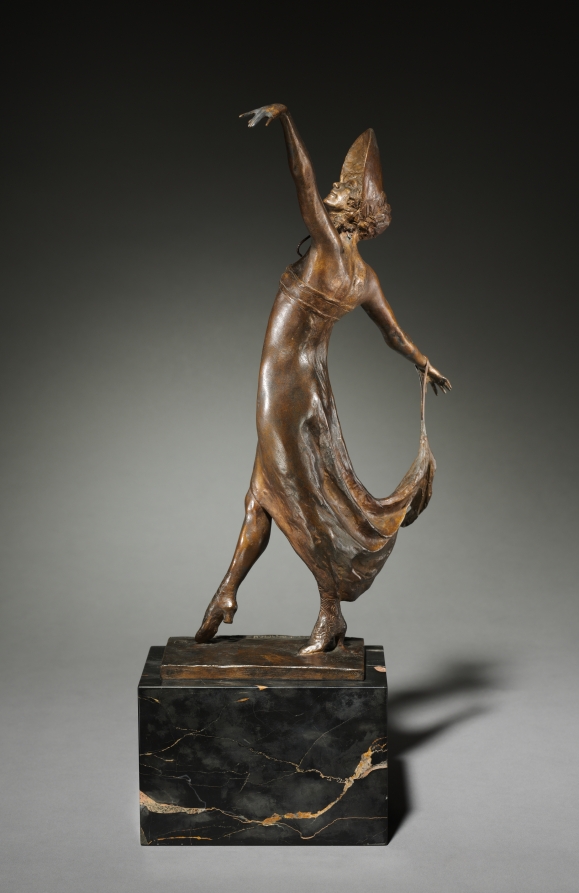
Pavlova Dancing the Gavotte, Malvina Hoffman, 1915

Pavlova Dancing the Gavotte

1915 · Non esposta · Cleveland Museum of Art

Offrande, Malvina Hoffman, 1919

Offrande

1919 · Non esposta · Art Institute of Chicago

Column of Life, Malvina Hoffman, c. 1920

Column of Life

c. 1920 · Non esposta · Art Institute of Chicago

The Sacrifice, Malvina Cornell Hoffman, 1922

The Sacrifice

1922 · Non esposta · Harvard Art Museums

Head of Pavlova, Malvina Hoffman, 1924

Head of Pavlova

1924 · Non esposta · Art Institute of Chicago

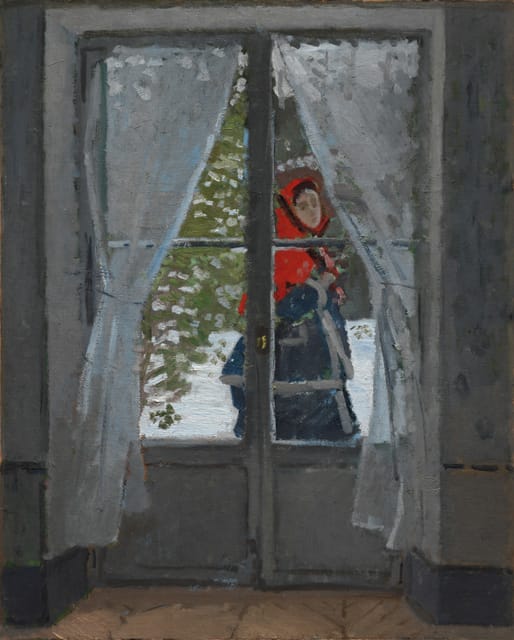
The Red Kerchief, Claude Monet, c. 1868–73

Claude Monet

The Red Kerchief, c. 1868–73

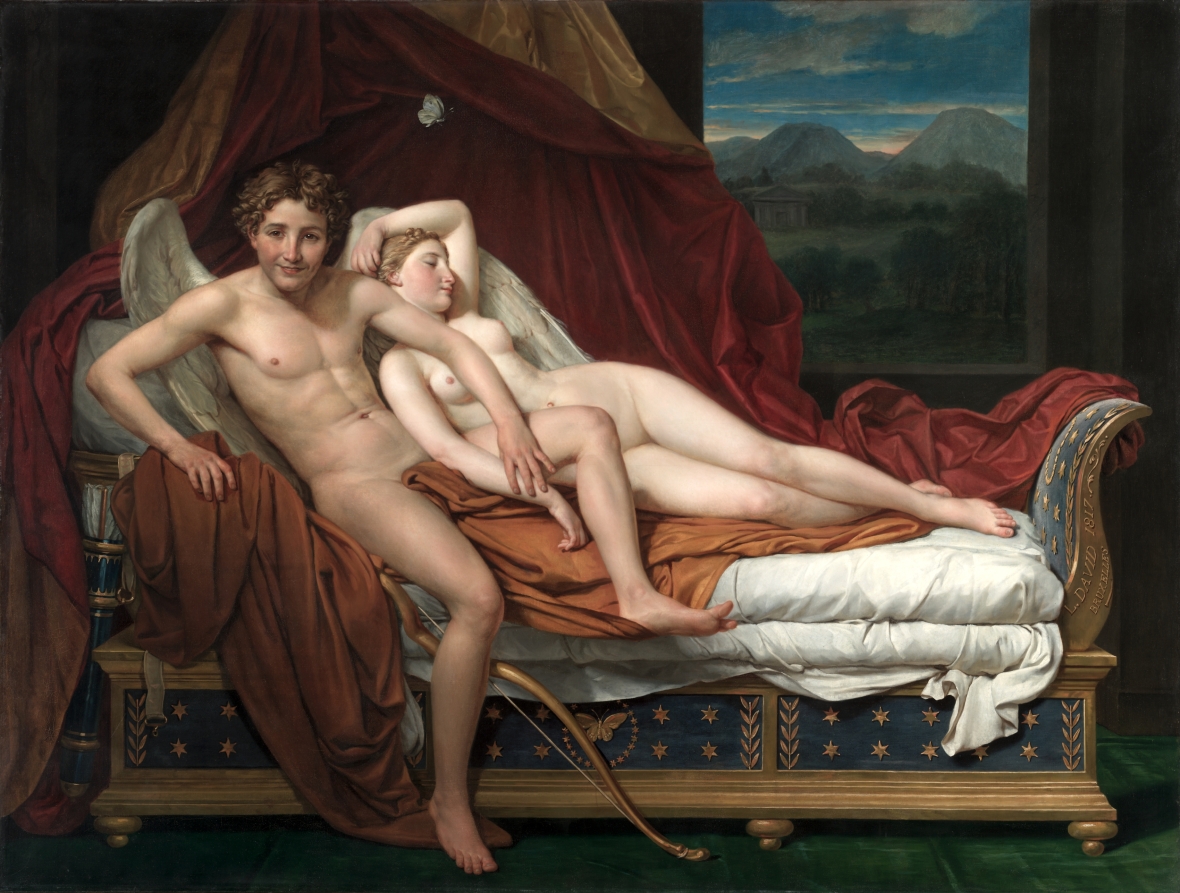
Cupid and Psyche, Jacques-Louis David, 1817

Jacques-Louis David

Amore e Psiche, 1817

Mars, Venus, and Eros, Marcantonio Raimondi possibly after Andrea Mantegna, 1508

Andrea Mantegna

Mars, Venus, and Eros, 1508

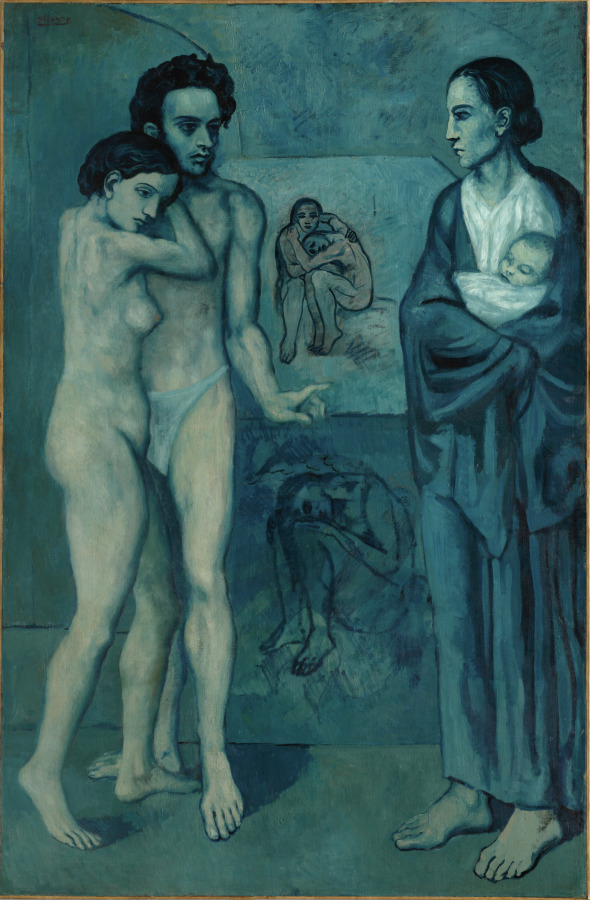
La Vie, Pablo Picasso, 1903

Pablo Picasso

La vita, 1903

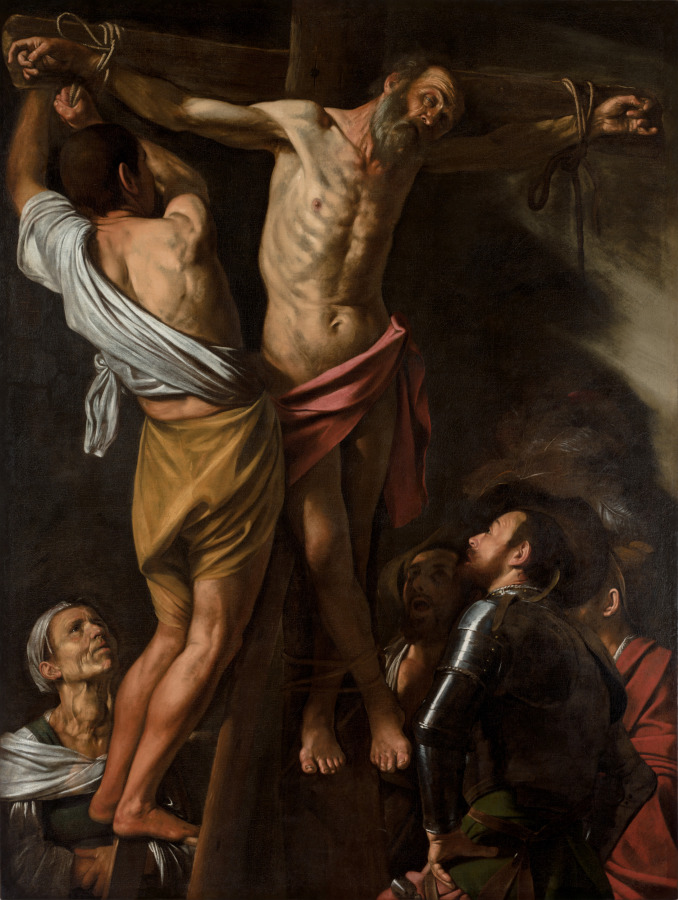
The Crucifixion of Saint Andrew, Caravaggio, 1606–7

Caravaggio

The Crucifixion of Saint Andrew, 1606–7

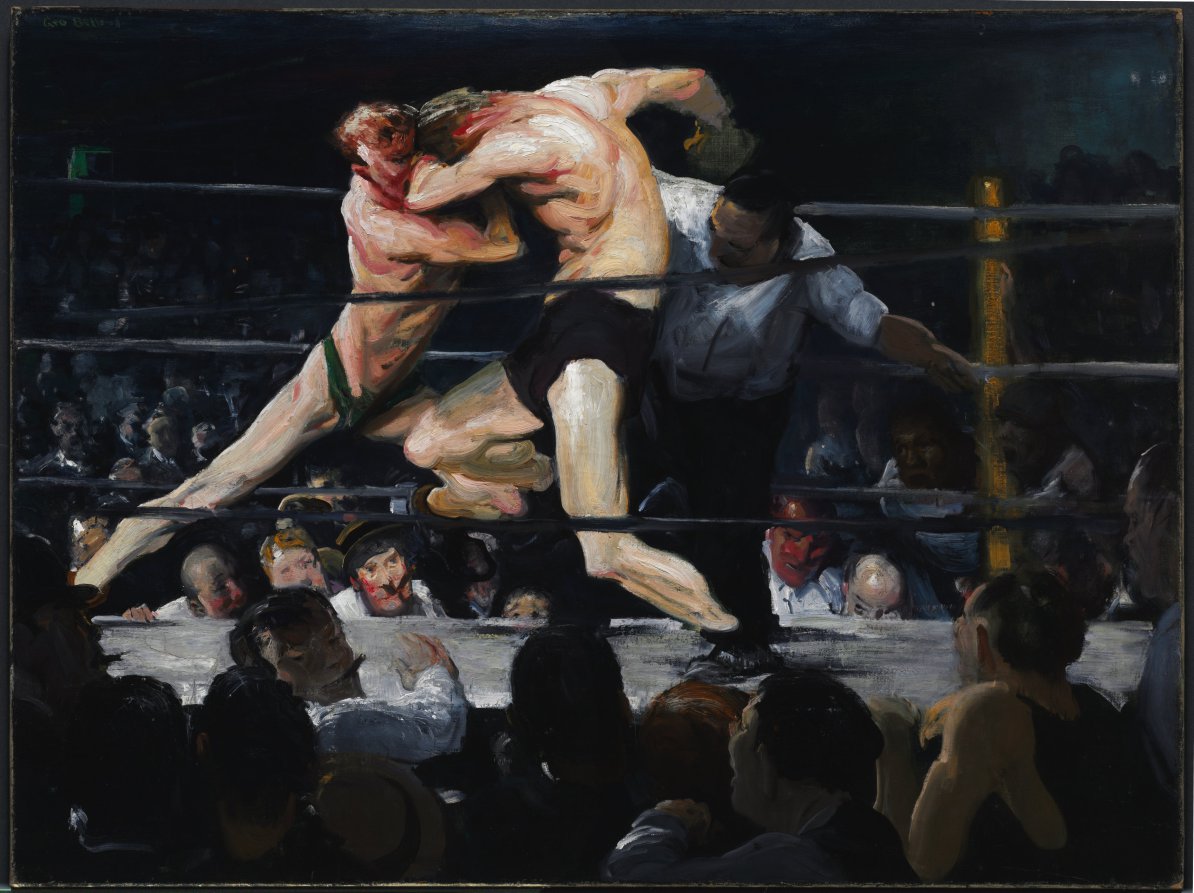
Stag at Sharkey's, George Bellows, 1909

George Bellows

Stag at Sharkey's, 1909

Twilight in the Wilderness, Frederic Edwin Church, 1860

Frederic Edwin Church

Twilight in the Wilderness, 1860

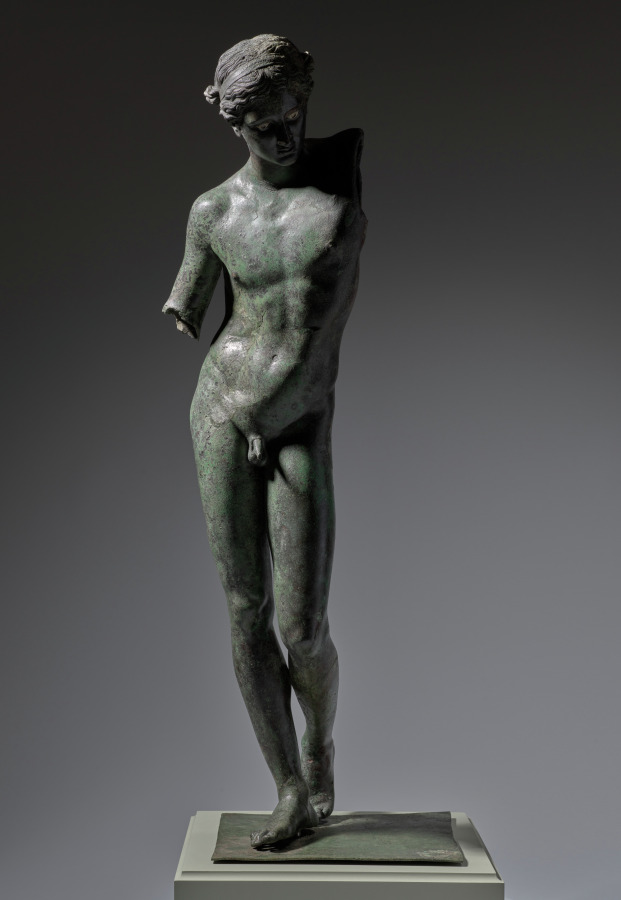
The Cleveland Apollo: Apollo Sauroktonos (Lizard-Slayer) or Apollo the Python-Slayer, Praxiteles, c. 350–200 BCE

Praxiteles

The Cleveland Apollo: Apollo Sauroktonos (Lizard-Slayer) or Apollo the Python-Slayer, c. 350–200 BCE