Ana MendietaStati Uniti, 1948–1985
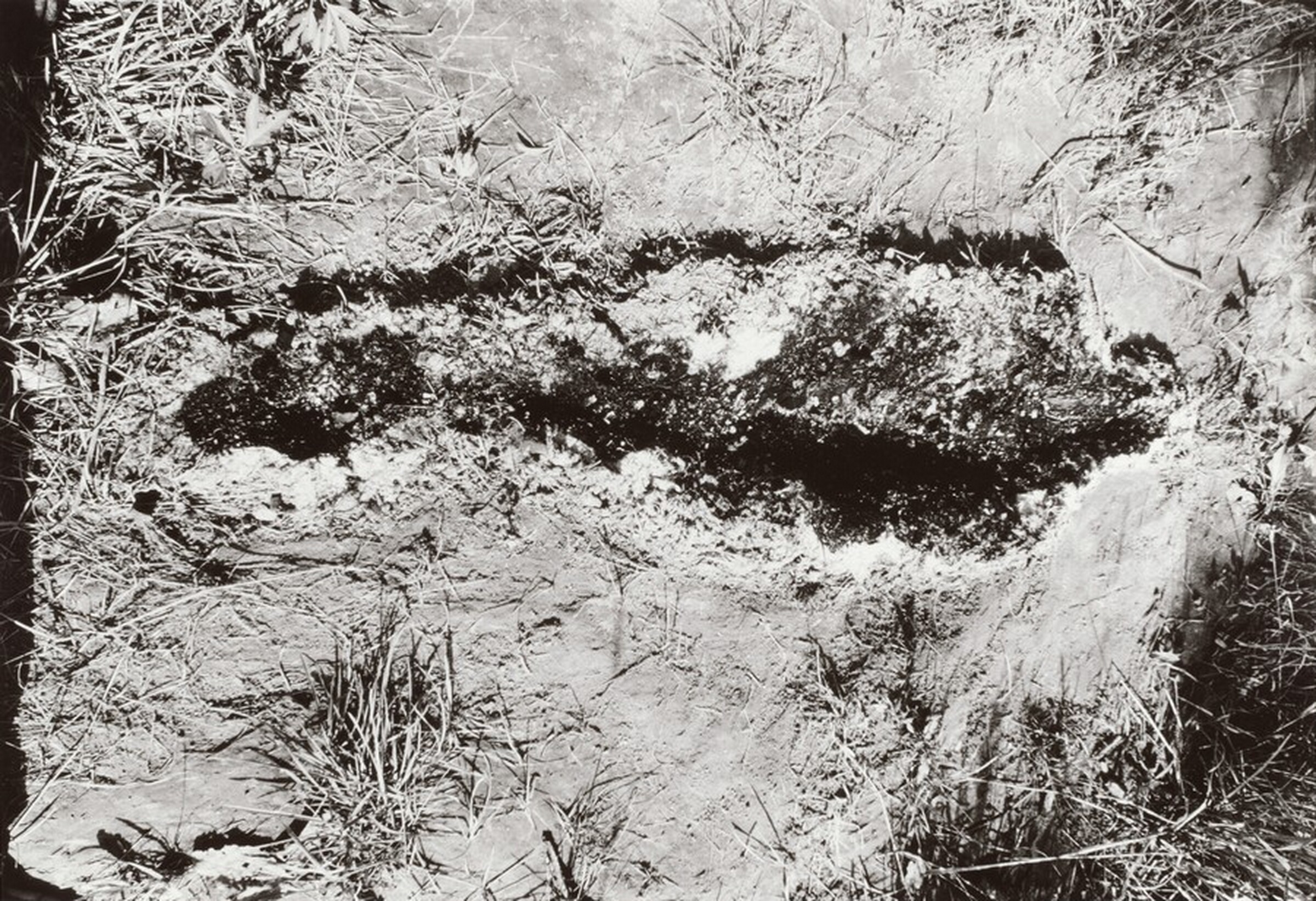
Blood Sign
Si può vedere?
Non esposta al momento
Dove si trova «Blood Sign» oggi? Collezione: Art Institute of Chicago, Chicago. Non esposta al momento. Verificato 29 settembre 2026.

Chicago, Stati Uniti
Appartiene alla collezione, ma al momento non è esposta.
- Verificato
- Ultimo cambio di stato
- Fonte
- Il museo
Sull’opera
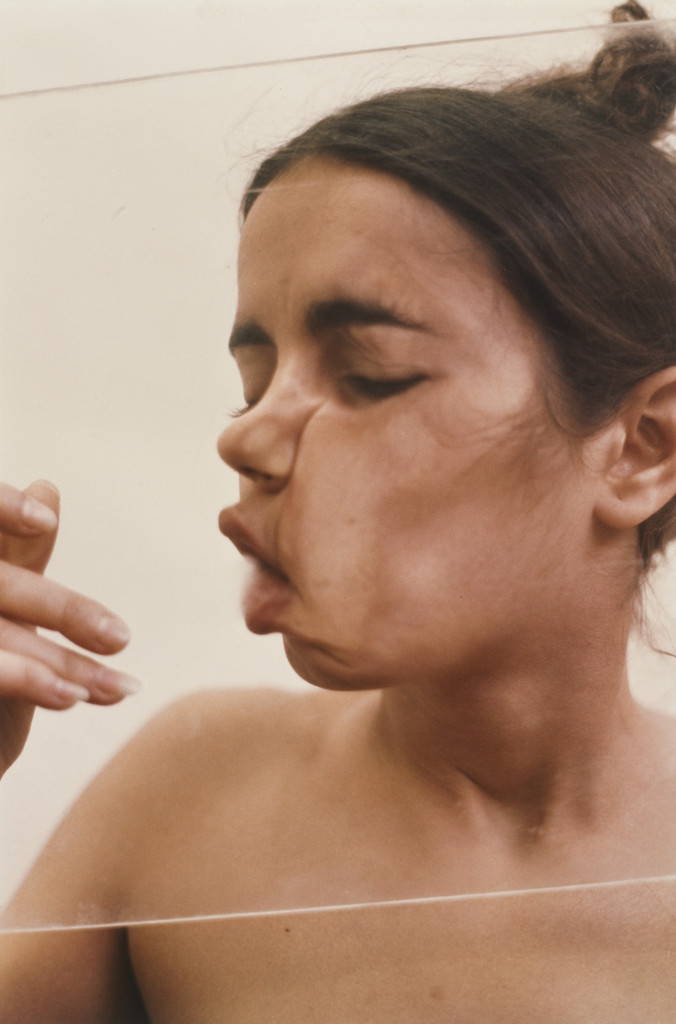
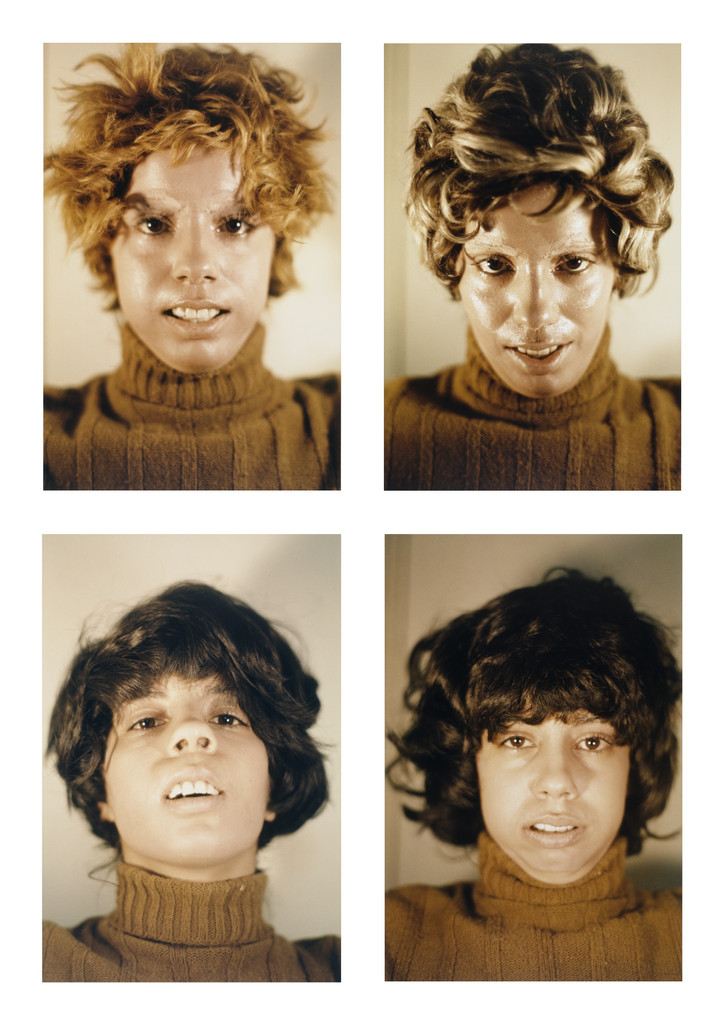
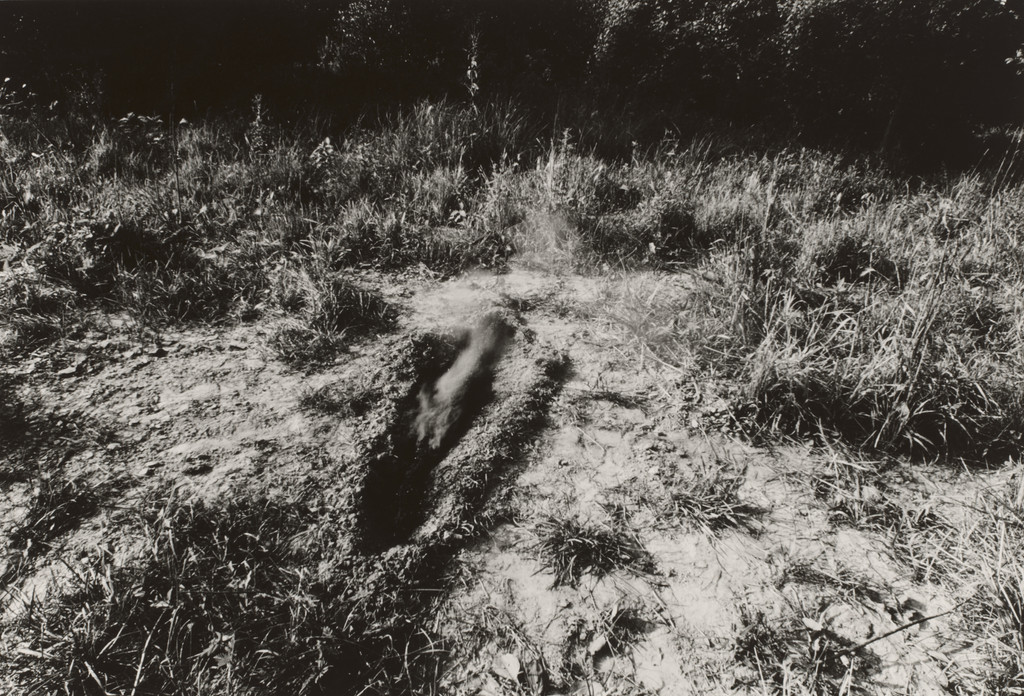
Emerging in the early 1970s amid new genres of land art, performance art, film and video, and feminist practices, artist Ana Mendieta developed a deeply personal, experimental, and largely ephemeral oeuvre consisting chiefly of performative actions that she described as “earth-body sculptures.” Born in Cuba, Mendieta came to the United States as a refugee in 1961 at the age of 12. The trauma of separation from her family, culture, and homeland became the bedrock of the artist’s practice, which was rooted in physical and spiritual connections between the body and the natural world. The Silueta series—hundreds of earth-body sculptures and their attendant photographs and films—constitutes the core of Mendieta’s project. Based initially on the artist’s own body and silhouette, the Siluetas developed into a panopoly of archetypal goddess figures and eventually more universal human forms.
Leggi
They also incorporated a unique blend of ritual effects drawn from diverse religious practices in much the same way as studio performances Untitled (Body Tracks) and Untitled (Blood Sign #1), in which she used animal blood. An intensely productive period of travel to Cuba, where Mendieta felt her practice was reconnected with its origins, promoted these and other drawings, etching, and sculptures in which, for the first, her iconic goddess forms became permanent individual objects.
Art Institute of ChicagoCC BY 4.0
Scheda
- Numero di inventario
- 2012.690
In catalogo
Fonti
- Art Institute of Chicago
- Immagine: Art Institute of Chicago — © the artist or rights holder