ART WIKI33.040 in sala
MappaCollezioneArtistiMuseiMostreRivista
Accedi

ART WIKI

Dove è appeso il capolavoro, e quando si può entrare.

Collezioni: Art Institute of Chicago, Cleveland Museum of Art, Ermitage, Galleria Tret'jakov, Getty Museum, Harvard Art Museums, Hirshhorn Museum and Sculpture Garden, Metropolitan Museum of Art, Minneapolis Institute of Art, Museo del Louvre, Museo Puškin delle belle arti, Museo russo, Museum of Modern Art, National Gallery of Art, National Museum of Asian Art, National Portrait Gallery, Rijksmuseum, Smithsonian American Art Museum, Statens Museum for Kunst, Victoria and Albert Museum, Villa Getty, Whitney Museum of American Art, Catalogo statale del fondo museale russo (274 musei), Europeana (19 musei), Wikidata (6 musei), Paris Musées (12 musei) e Joconde, la banca dati dei musei del Ministero della Cultura francese (495 musei). Le immagini appartengono ai titolari dei diritti.

Sezioni

  • Mappa
  • Ricerca
  • Collezione
  • Capolavori
  • Esposte ora
  • Artisti

Altro

  • Musei e gallerie
  • Mostre
  • Rivista
  • Da dove vengono i dati
  • Privacy e cookie
HomeMappaCatalogo
  1. Collezione/
  2. Österreichische Galerie Belvedere/
  3. Bauerngarten mit Sonnenblumen
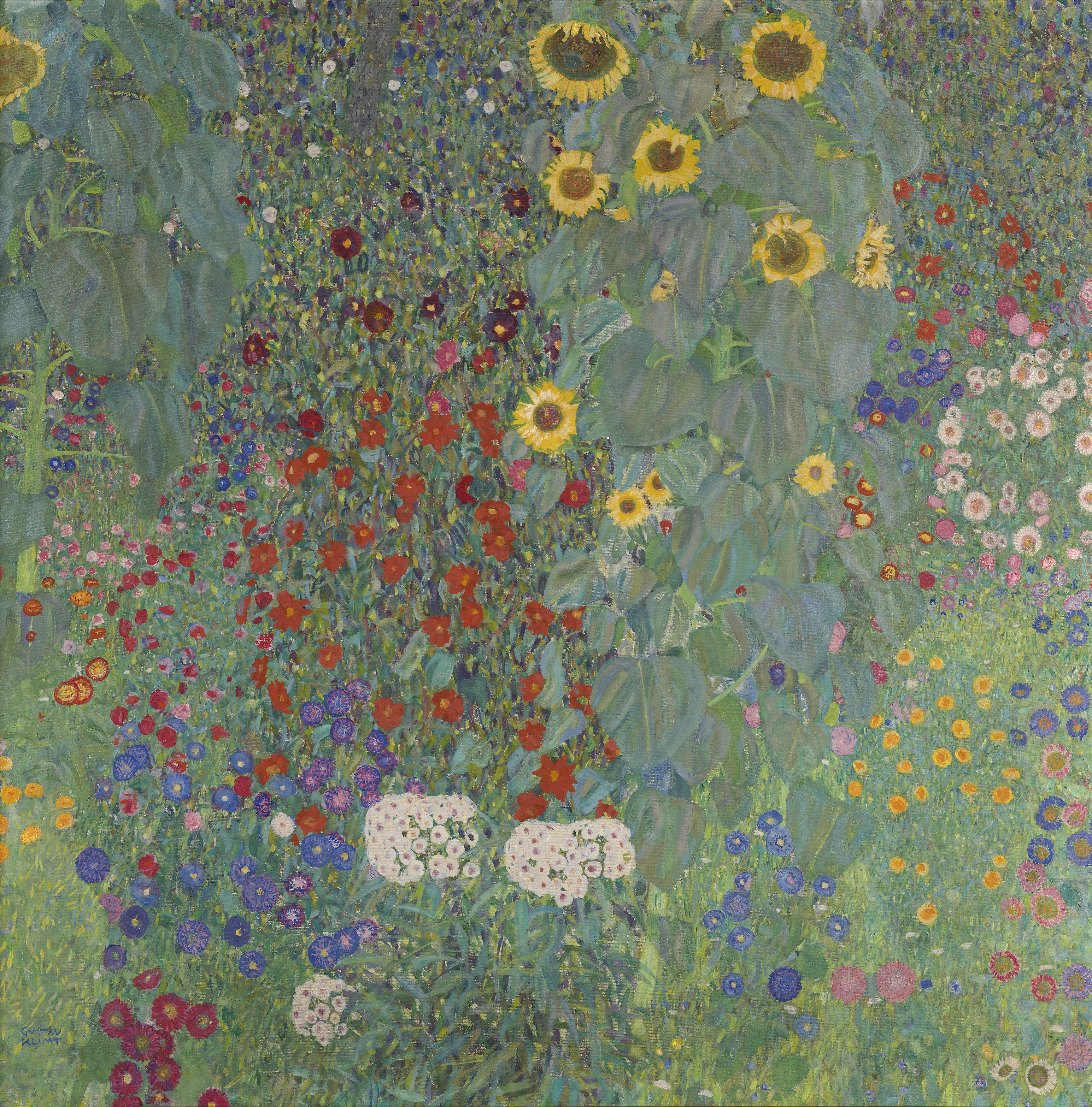
Bauerngarten mit Sonnenblumen, Gustav Klimt, 1906
Gustav Klimt, ritrattoGustav KlimtAustria, 1862–1918

Bauerngarten mit Sonnenblumen

1906 · Painting

Si può ammirare?

Non si sa

Österreichische Galerie Belvedere

Vienna, Austria

Il proprietario è noto; non si sa se oggi sia esposta.

Ultimo cambio di stato
27 set 2026
Fonte
Il museo
Sulla mappaPagina del museo

Sul dipinto

Con le parole del museo — in tedesco

Sonnenblumen und Dahlien, Ringelblumen, Astern und Flammenblumen. Seinem Ruf als „Künstler des ewigen Blühens” wird Gustav Klimt mit diesem Werk mehr als gerecht. Vor saftigem Grün füllt er die Bildfläche mit einem leuchtenden Blütenmeer. Das bunte Wuchern weckt Erinnerungen an einen strahlenden Sommertag. Es entführt uns in eine Traumwelt jenseits von Raum und Zeit, in der Blumen und Blätter niemals verwelken. Typisch für Klimts Landschaftsbilder ist ihr quadratisches Format. Um den optimalen Bildausschnitt zu finden, verwendet der Maler einen Sucher. „Das ist ein in einen Pappendeckel geschnittenes Loch”, erläutert er selbst in einem Brief an seine Geliebte Mizzi Zimmermann.

Österreichische Galerie Belvedere

Scheda

1906 · a 44 anni
18621918

In catalogo

DipintiPittura austriacaModernismoXX secolo

Fonti

  • Österreichische Galerie Belvedere
  • Immagine: Österreichische Galerie Belvedere — CC BY-SA 4.0

Nel frattempo, nella vita di Gustav Klimt

Tutta la vita
  1. 1897–1917

    Society portraits of Viennese ladies

    Over twenty years Klimt painted nearly twenty society portraits of women, which gave him financial independence; Carl Moll introduced him to many of the sitters, most of them from the Jewish upper bourgeoisie. In the portraits the ladies are hidden in sumptuous clothing, their heads and hands seeming to float detached from reality.

  2. 1900–1907

    He returns the advance and keeps the paintings

    The state commission refused to accept the three “Faculty Paintings”; Klimt told the minister he would return the 60,000-krone advance, refused to work for the Austrian state again and kept the pictures. The ministry demanded them, but Klimt did not open the door to the removal men — and the affair ended in his victory.

  3. 1905

    Klimt and his group leave the Secession

    Klimt and his “stylist” followers, who held that art should enter every sphere of life, fell out with the “naturalists”; the decision against Klimt's group was carried by a single vote. For the next three years the group had no joint exhibitions.

  4. 1906

    The “Kunstschau” group

    A year after the split Klimt formed the “Kunstschau” group, or “Klimt group”, which included Carl Moll, Otto Wagner and other leading Austrian artists.

  5. 1908

    Klimt defends Kokoschka

    The public and critics fell on the debutant Oskar Kokoschka so fiercely that the scandal of the “Faculty Paintings” came to mind; Klimt did not turn away from his pupil and defended his place in the show even if it were to be closed. Hevesi granted him talent but denied him taste; Klimt replied that art has nothing to do with taste.

  6. 1 June – 16 November 1908

    The first Vienna Art Show

    For the sixtieth anniversary of Franz Joseph's reign pavilions with 54 rooms were built on a temporary site and over 900 works shown. Room 22, which Peter Altenberg called “the church of modern art named after Gustav Klimt”, held “The Kiss”, “Adele Bloch-Bauer I”, “Danaë” and “The Three Ages of Woman”.

Altre opere di Gustav Klimt

Tutte le opere
Mäda Primavesi (1903–2000), Gustav Klimt, 1912–13

Mäda Primavesi (1903–2000)

1912–13 · Metropolitan Museum of Art

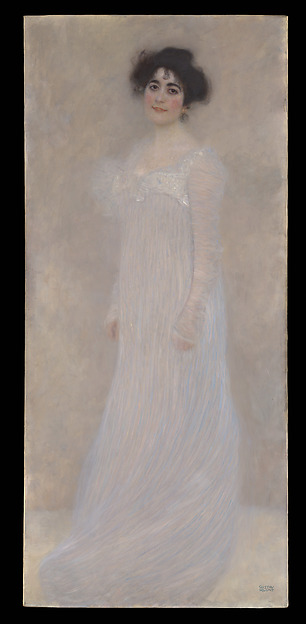
Serena Pulitzer Lederer (1867–1943), Gustav Klimt, 1899

Serena Pulitzer Lederer (1867–1943)

1899 · Metropolitan Museum of Art

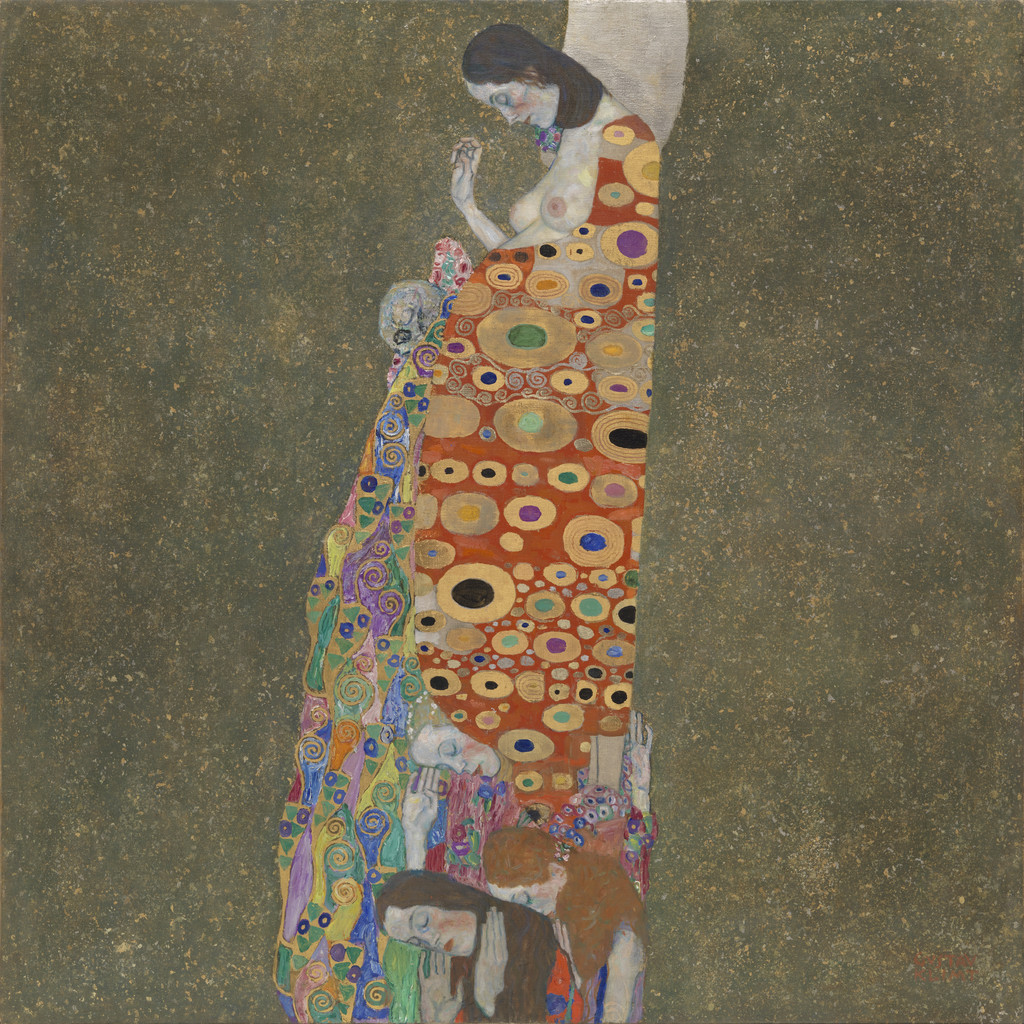
Hope, II, Gustav Klimt, 1907-08

Hope, II

1907-08 · Museum of Modern Art

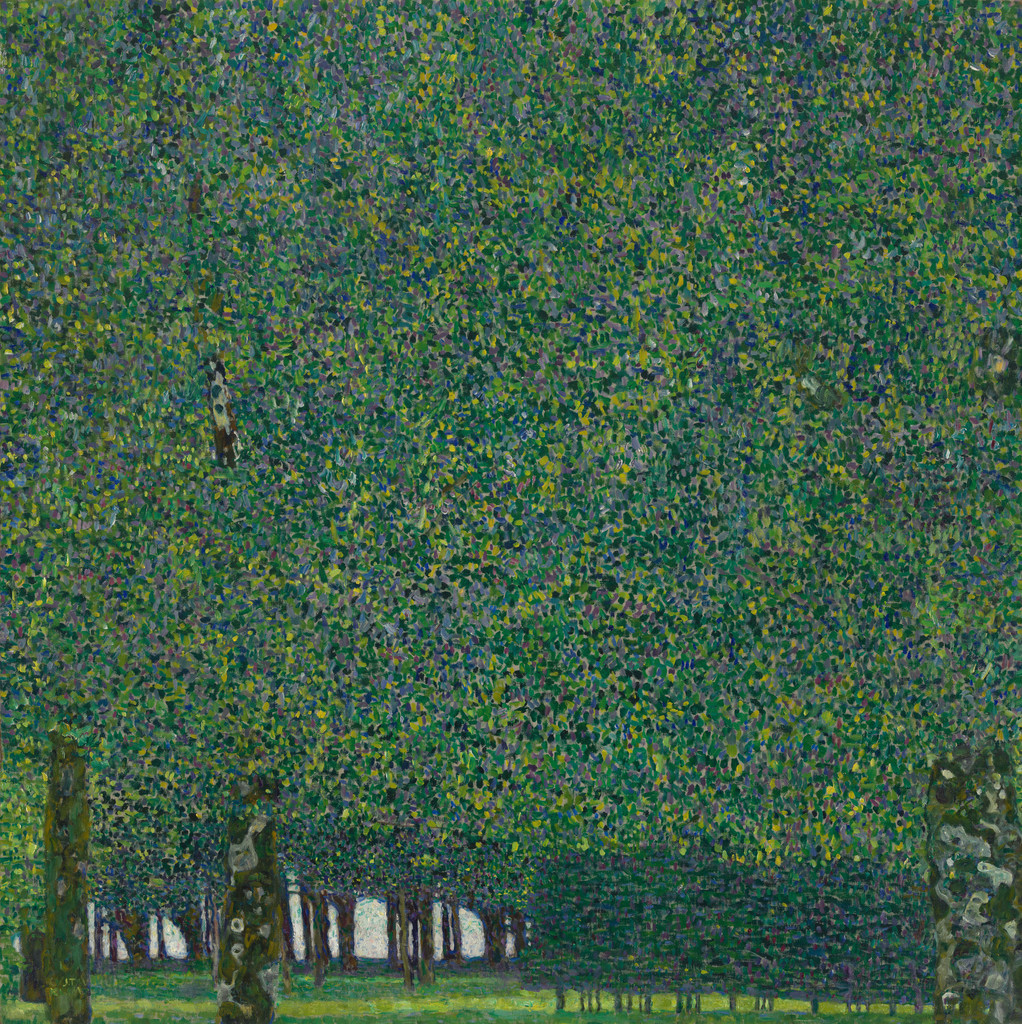
The Park, Gustav Klimt, 1910 or earlier

The Park

1910 or earlier · Museum of Modern Art

Baby (Cradle), Gustav Klimt, 1917/1918

Baby (Cradle)

1917/1918 · National Gallery of Art

Pear Tree, Gustav Klimt, 1903 (reworked by the artist 1903/1918)

Pear Tree

1903 (reworked by the artist 1903/1918) · Harvard Art Museums

Studie van een in een plaid gewikkelde, rustende vrouw, Gustav Klimt, 1872 - 1918

Studie van een in een plaid gewikkelde, rustende vrouw

1872 - 1918 · Rijksmuseum

Studie für „Bildnis Johanna Staude“, Gustav Klimt

Studie für „Bildnis Johanna Staude“

Albertina

Dalla collezione: Österreichische Galerie Belvedere

Pagina del museo
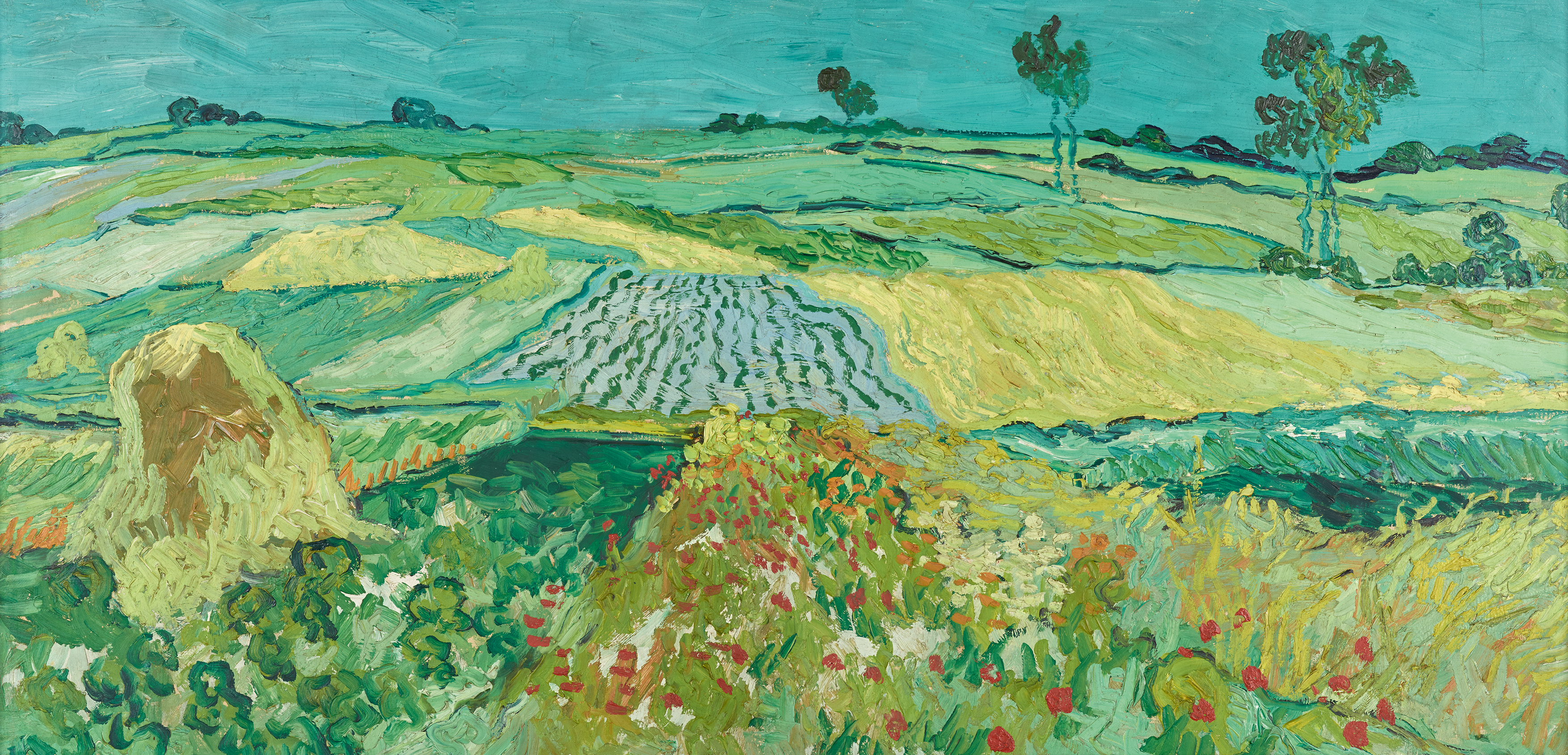
Die Ebene von Auvers, Vincent van Gogh, 1890

Vincent van Gogh

Die Ebene von Auvers, 1890

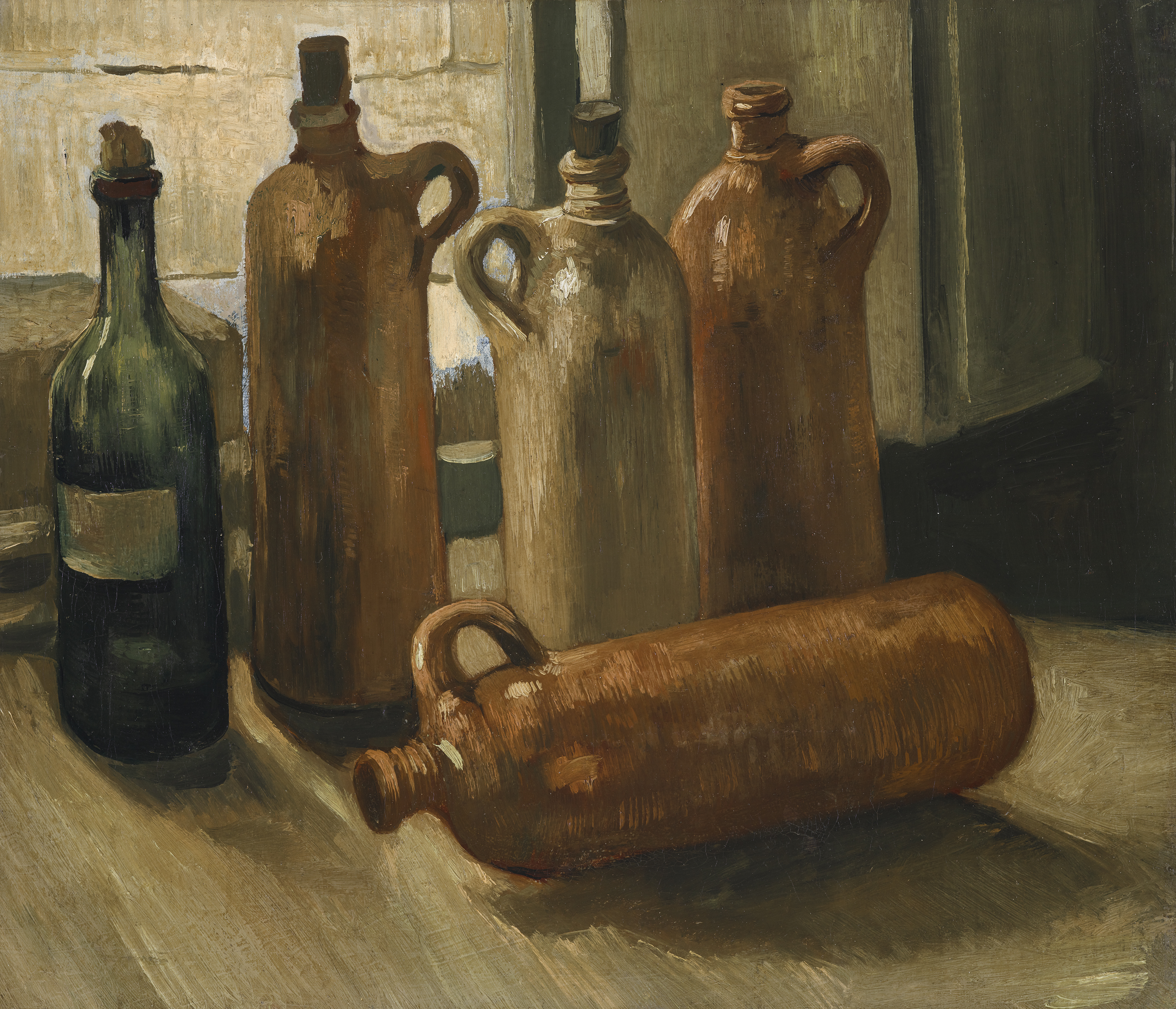
Stillleben mit fünf Flaschen, Vincent van Gogh, 1884

Vincent van Gogh

Stillleben mit fünf Flaschen, 1884

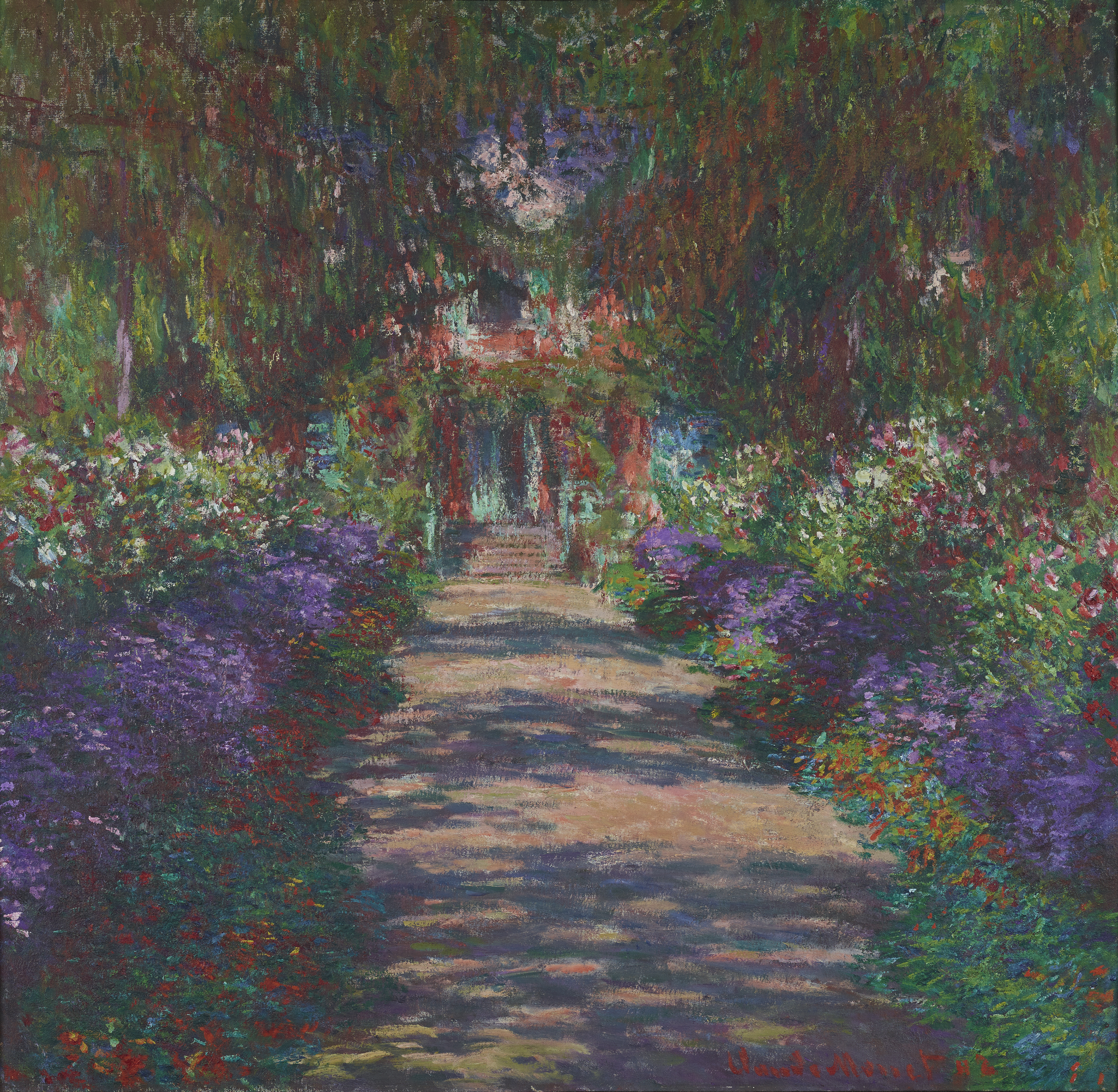
Eine Allee in Monets Garten in Giverny, Claude Monet, 1902

Claude Monet

Eine Allee in Monets Garten in Giverny, 1902

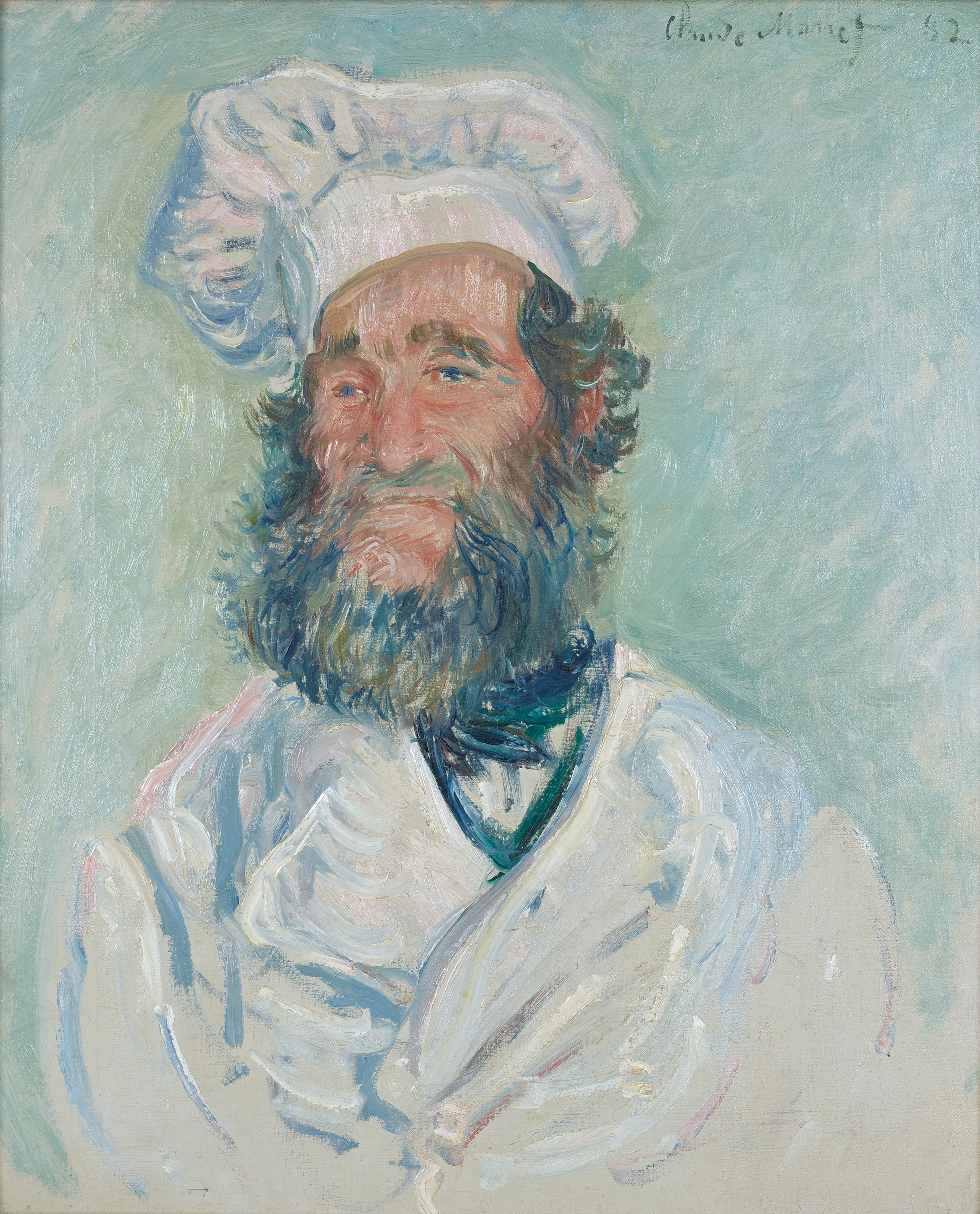
Der Koch (Le Père Paul), Claude Monet, 1882

Claude Monet

Der Koch (Le Père Paul), 1882

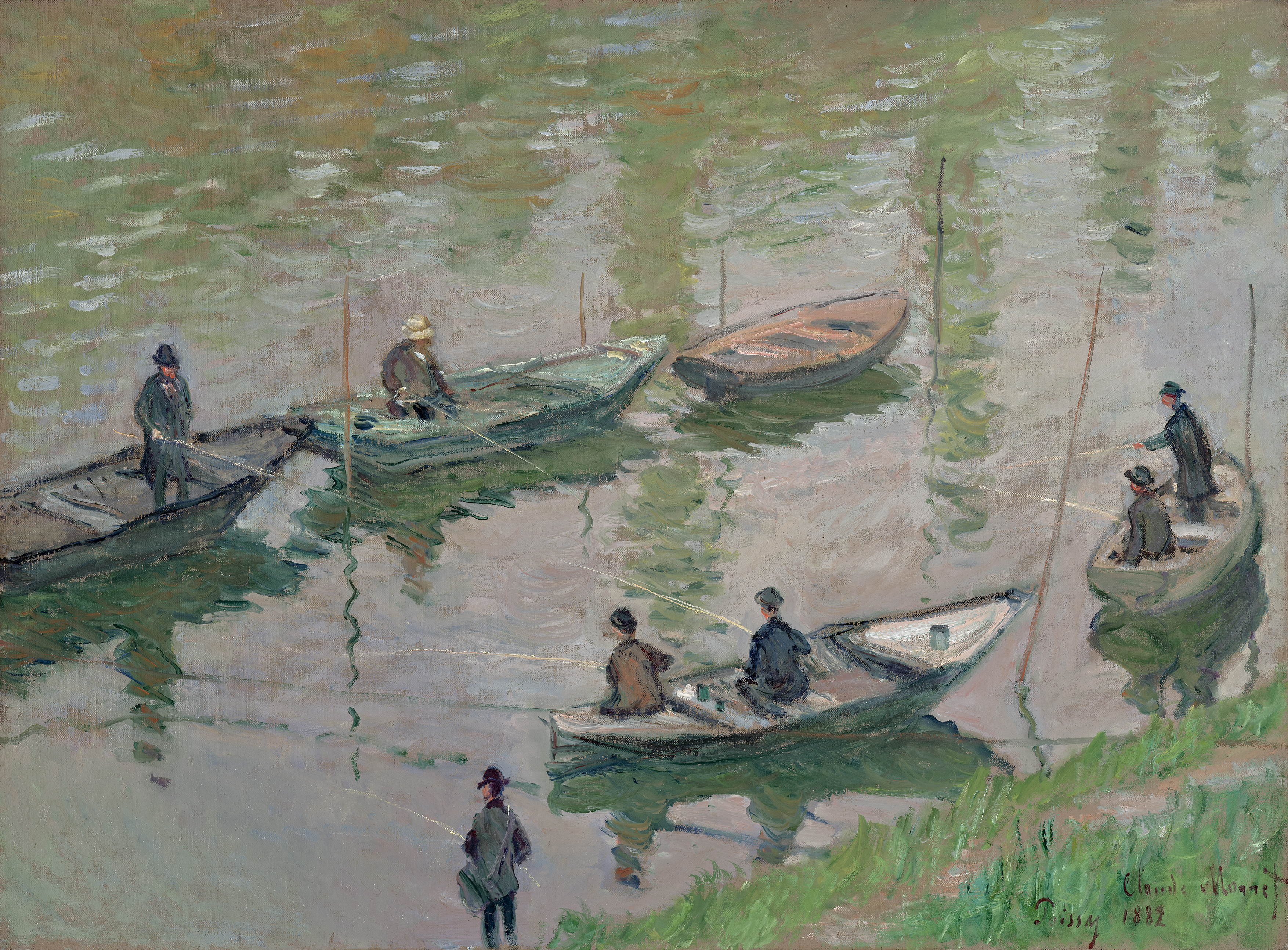
Angler auf der Seine bei Poissy, Claude Monet, 1882

Claude Monet

Angler auf der Seine bei Poissy, 1882

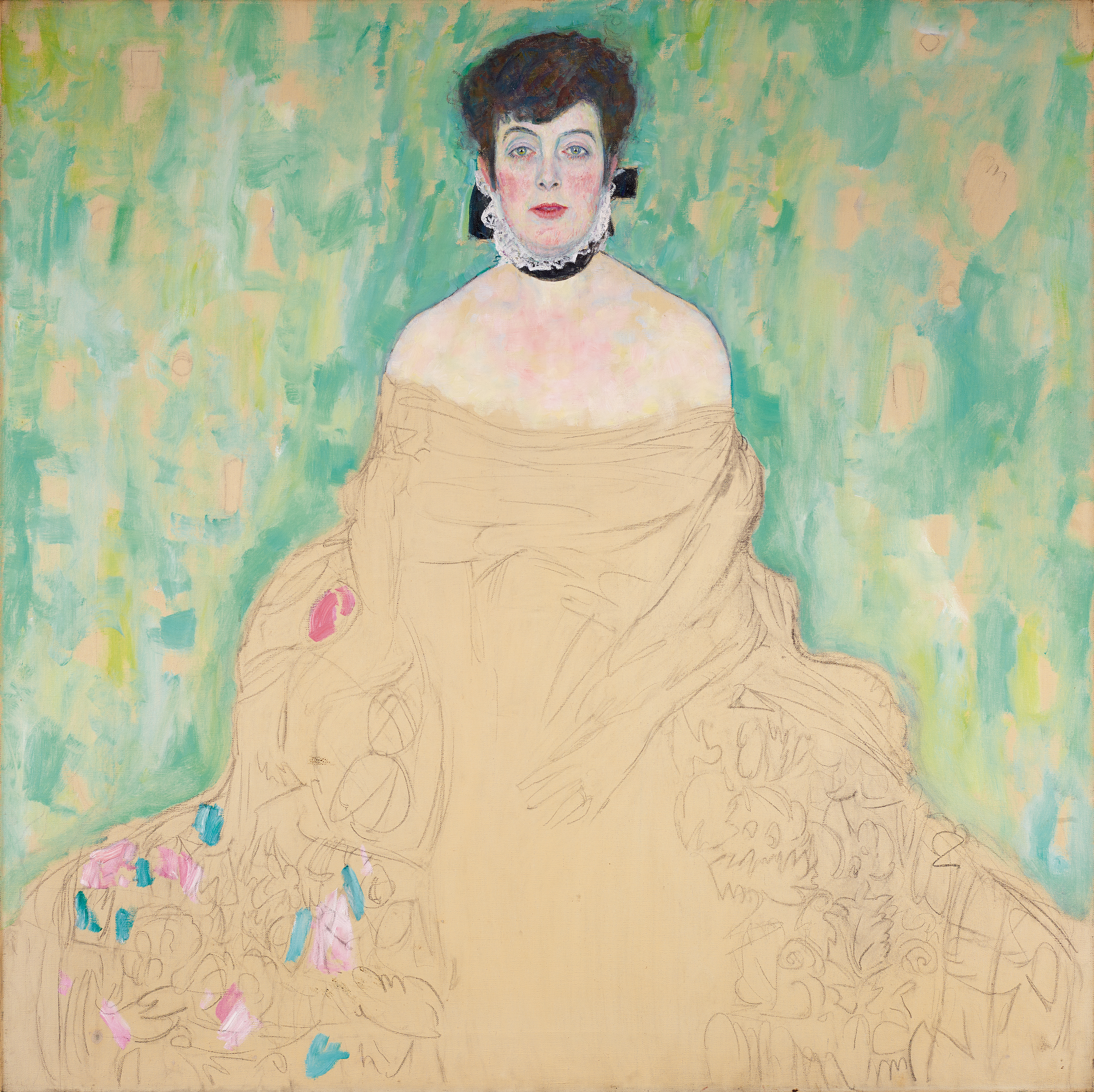
Amalie Zuckerkandl, Gustav Klimt, 1917–1918

Gustav Klimt

Amalie Zuckerkandl, 1917–1918

Dame in Weiß, Gustav Klimt, 1917–1918

Gustav Klimt

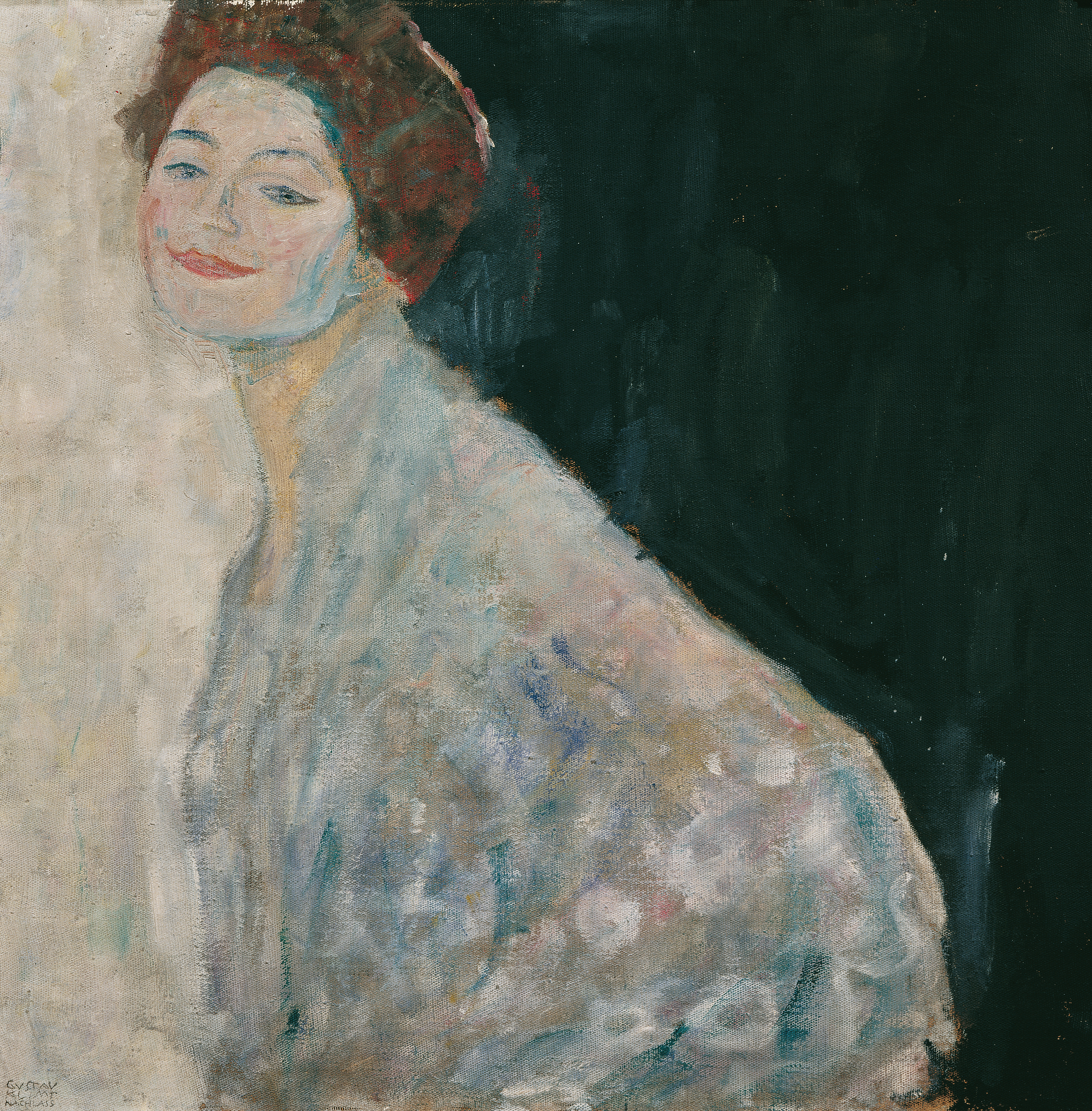
Dame in Weiß, 1917–1918

Johanna Staude, Gustav Klimt, 1917–1918

Gustav Klimt

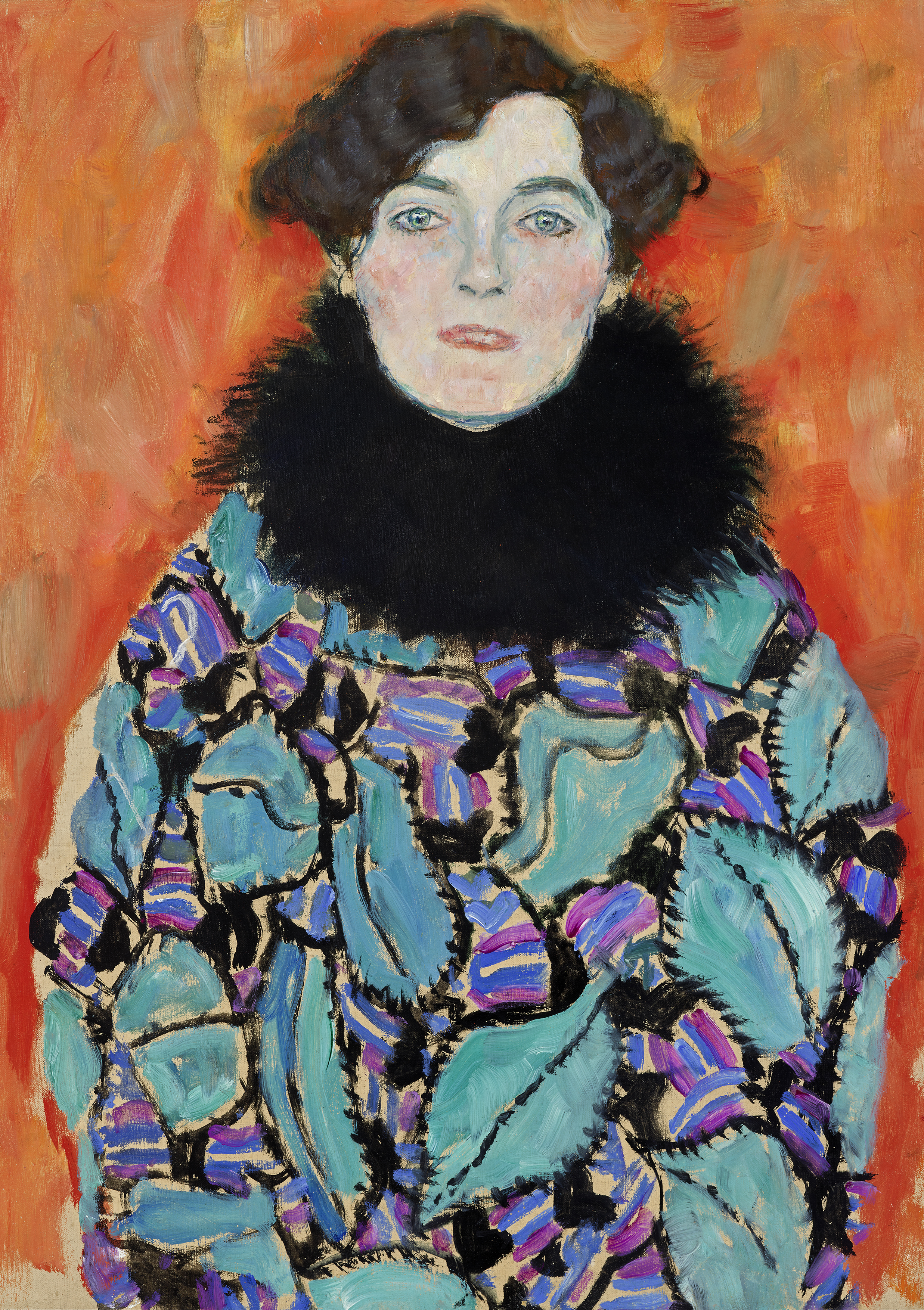
Johanna Staude, 1917–1918