ART WIKI32.963 in sala
MappaCollezioneArtistiMuseiMostreRivista
Accedi

ART WIKI

Dove è appeso il capolavoro, e quando si può entrare.

Collezioni: Art Institute of Chicago, Cleveland Museum of Art, Ermitage, Galleria Tret'jakov, Getty Museum, Harvard Art Museums, Hirshhorn Museum and Sculpture Garden, Metropolitan Museum of Art, Minneapolis Institute of Art, Museo del Louvre, Museo Puškin delle belle arti, Museo russo, Museum of Modern Art, National Gallery of Art, National Museum of Asian Art, National Portrait Gallery, Rijksmuseum, Smithsonian American Art Museum, Statens Museum for Kunst, Victoria and Albert Museum, Villa Getty, Whitney Museum of American Art, Catalogo statale del fondo museale russo (274 musei), Europeana (19 musei), Wikidata (6 musei), Paris Musées (12 musei) e Joconde, la banca dati dei musei del Ministero della Cultura francese (495 musei). Le immagini appartengono ai titolari dei diritti.

Sezioni

  • Mappa
  • Ricerca
  • Collezione
  • Capolavori
  • Esposte ora
  • Artisti

Altro

  • Musei e gallerie
  • Mostre
  • Rivista
  • Da dove vengono i dati
  • Privacy e cookie
HomeMappaCatalogo
  1. Collezione/
  2. Österreichische Galerie Belvedere/
  3. Die Ebene von Auvers
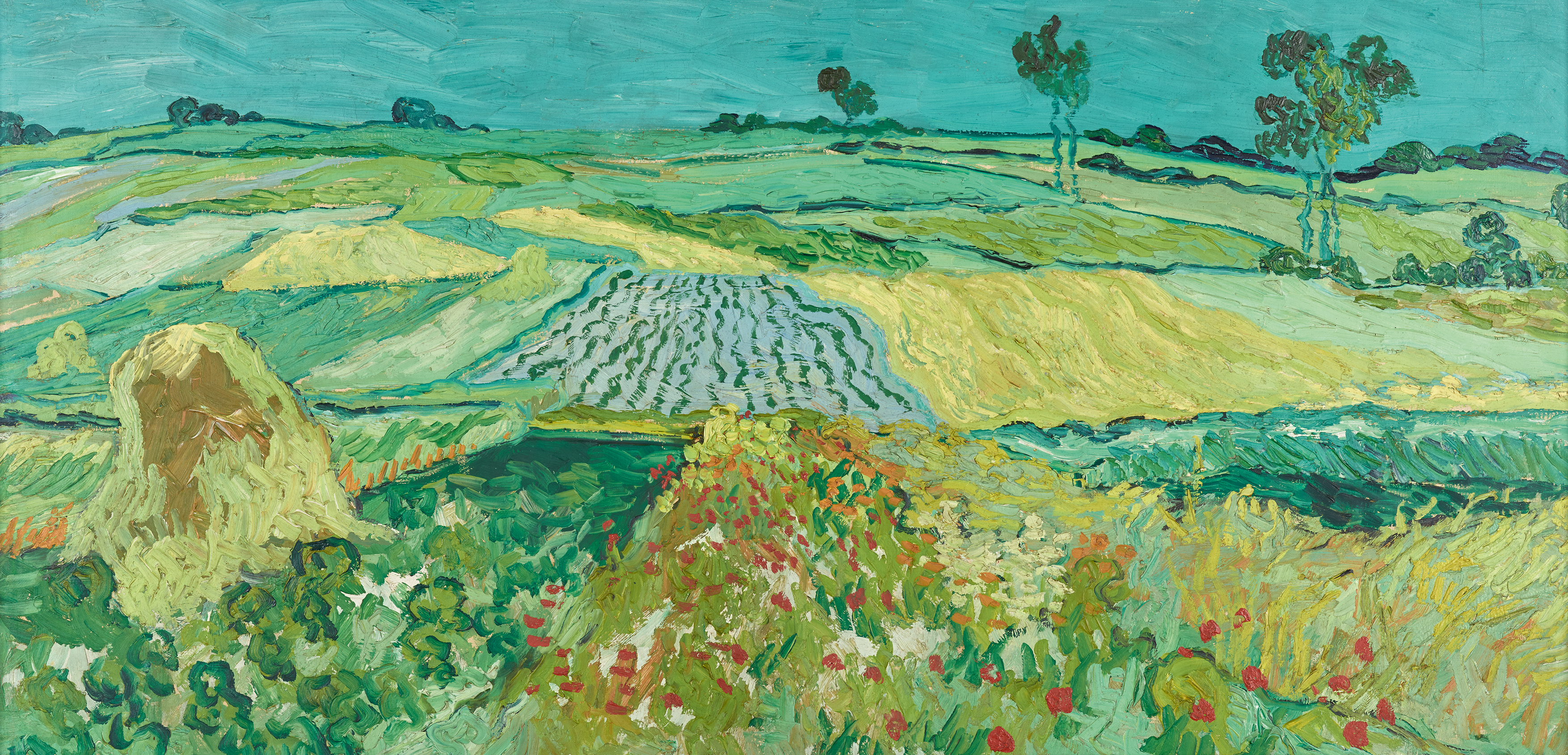
Die Ebene von Auvers, Vincent van Gogh, 1890
Vincent van Gogh, ritrattoVincent van GoghPaesi Bassi, 1853–1890

Die Ebene von Auvers

1890 · Painting

Si può ammirare?

Non si sa

Österreichische Galerie Belvedere

Vienna, Austria

Il proprietario è noto; non si sa se oggi sia esposta.

Ultimo cambio di stato
27 set 2026
Fonte
Il museo
Sulla mappaPagina del museo

Sul dipinto

Con le parole del museo — in tedesco

Ein blaugrüner Himmel wie nach einem Regen senkt sich als schmaler Streifen über die Ebene von Auvers. Die Landschaft scheint die Farbe regelrecht aufzusaugen. Leuchten im Vordergrund noch einzelne Blumen in Rot und Orange, so verschmelzen die Töne in Richtung Horizont immer stärker miteinander. Die Tiefenflucht und der hohe Horizont fangen die enorme Weite der Gegend ein, ungestüme Pinselstriche formen ihre Höhen und Senken. Van Gogh verbringt die letzten beiden Monate seines Lebens hier. Als ihm sein Bruder Theo lange erwartete Leinwände und Farben schickt, verfällt er einem regelrechten Schaffensrausch. Dutzende Bilder wie dieses entstehen. Der Maler stirbt bald nach dessen Vollendung.

Österreichische Galerie Belvedere

Scheda

1890 · a 37 anni
18531890

In catalogo

DipintiPittura olandeseImpressionismoXIX secolo

Fonti

  • Österreichische Galerie Belvedere
  • Immagine: Österreichische Galerie Belvedere — CC BY-SA 4.0

Nel frattempo, nella vita di Vincent van Gogh

Tutta la vita
  1. February 1888

    To Arles, dreaming of a “Studio of the South”

    The public still neither accepted nor bought his paintings, and in February 1888 Van Gogh left for Arles in the south of France to found a “Studio of the South”, a brotherhood of like-minded artists in which he gave Gauguin the leading role. Theo backed the plan with money.

  2. 23 October 1888

    Gauguin arrives in Arles

    After much pleading Gauguin arrived in Arles, and in November the two painted together: Gauguin portrayed Van Gogh in “The Painter of Sunflowers”, and their first joint outing was to the Alyscamps. At Gauguin's suggestion Vincent painted from memory, producing “Memory of the Garden at Etten”.

  3. 23 December 1888

    The severed ear

    After an altercation on the evening of 23 December, Van Gogh, seemingly hearing voices, severed his left ear, wholly or in part, with a razor and delivered it, wrapped in paper, to a woman at a brothel. Next morning a policeman found him unconscious; in hospital he was diagnosed with “acute mania with generalised delirium”.

  4. May 1889

    Voluntarily into the Saint-Paul asylum

    Van Gogh left Arles and voluntarily entered the Saint-Paul-de-Mausole asylum, a former monastery in Saint-Rémy-de-Provence, accompanied by the Protestant clergyman Frédéric Salles. Of his two cells with barred windows one became a studio, and the clinic and its garden became the main subjects of his paintings.

  5. 27 July 1890

    A fatal wound: a revolver shot

    Out painting, Van Gogh shot himself in the chest with a revolver he had bought to scare off birds while working outdoors; the bullet passed below his heart, and he made his own way back to his room at the inn. Theo arrived the next day and stayed with him to the end; according to Theo, Vincent's last words were: “The sadness will last forever.”

  6. 29 luglio 1890

    Died

Altre opere di Vincent van Gogh

Tutte le opere
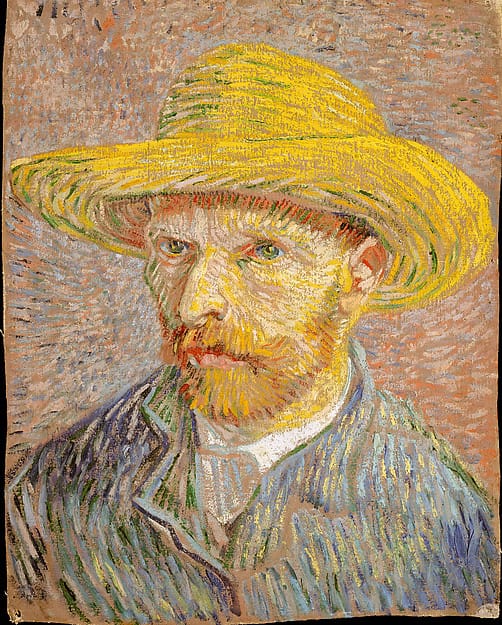
Self-Portrait with a Straw Hat (obverse: The Potato Peeler), Vincent van Gogh, 1887

Self-Portrait with a Straw Hat (obverse: The Potato Peeler)

1887 · Metropolitan Museum of Art

Self-portrait, Vincent van Gogh, 1887

Self-portrait

1887 · Rijksmuseum

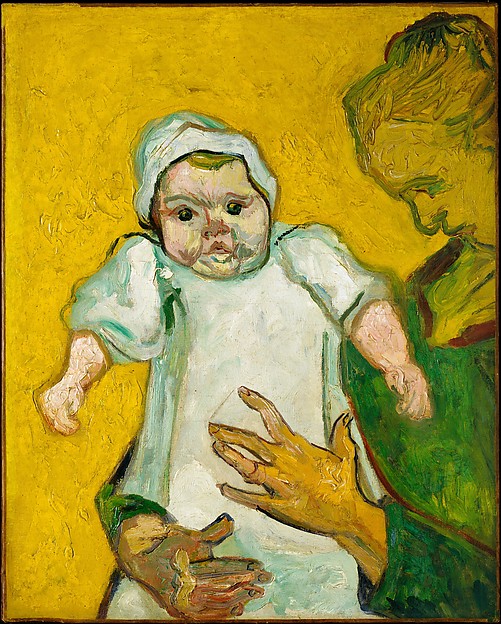
Madame Roulin and Her Baby, Vincent van Gogh, 1888

Madame Roulin and Her Baby

1888 · Metropolitan Museum of Art

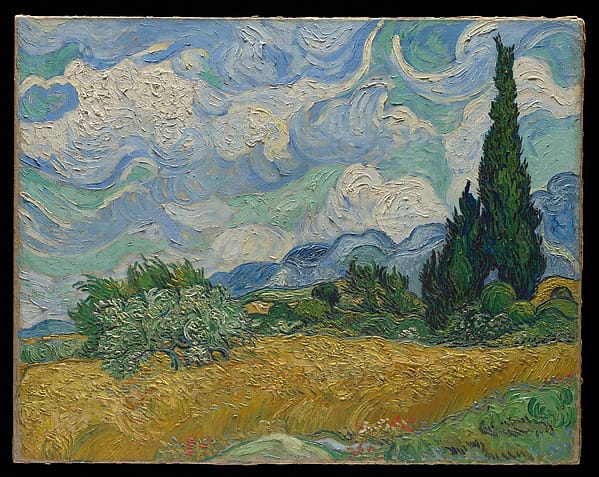
Wheat Field with Cypresses, Vincent van Gogh, 1889

Wheat Field with Cypresses

1889 · Metropolitan Museum of Art

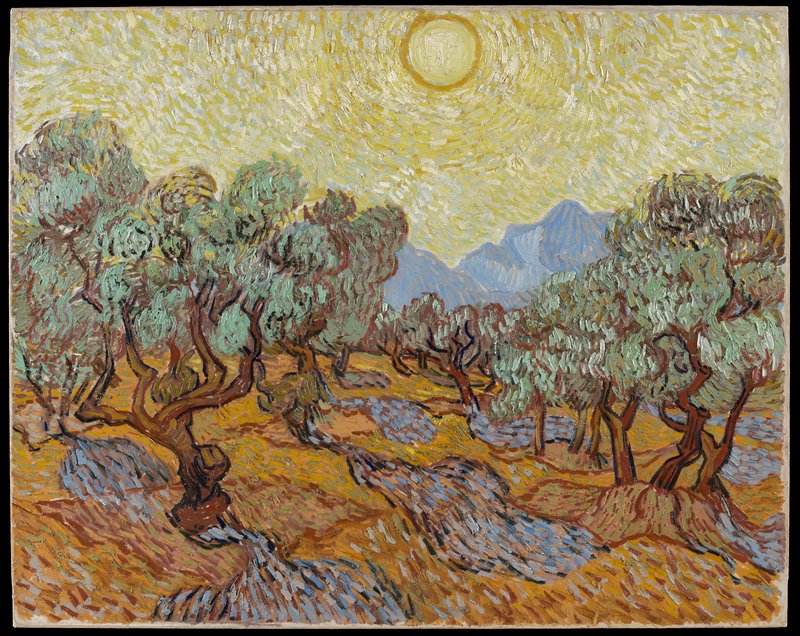
Olive Trees, Vincent van Gogh, 1889

Olive Trees

1889 · Minneapolis Institute of Art

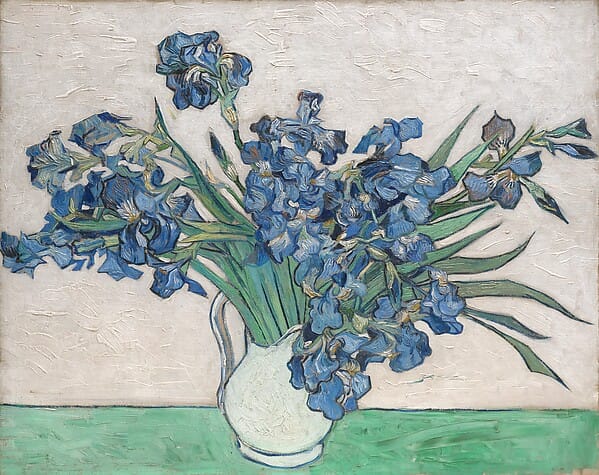
Irises, Vincent van Gogh, 1890

Irises

1890 · Metropolitan Museum of Art

Het Singel bij de Lutherse Kerk te Amsterdam, Vincent van Gogh, 1885

Het Singel bij de Lutherse Kerk te Amsterdam

1885 · Rijksmuseum

The Potato Peeler (reverse: Self-Portrait with a Straw Hat), Vincent van Gogh, 1885

The Potato Peeler (reverse: Self-Portrait with a Straw Hat)

1885 · Metropolitan Museum of Art

Dalla collezione: Österreichische Galerie Belvedere

Pagina del museo
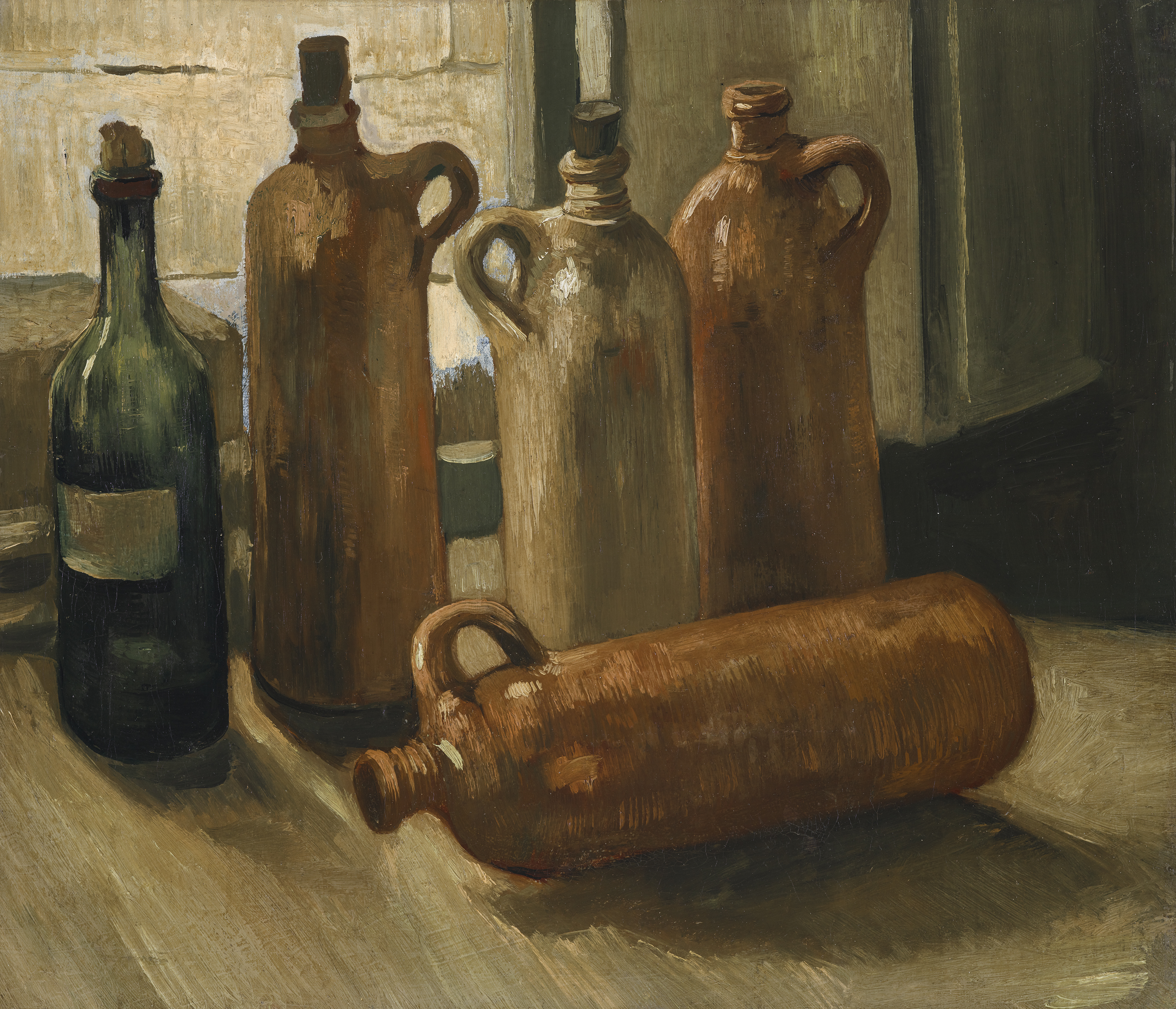
Stillleben mit fünf Flaschen, Vincent van Gogh, 1884

Vincent van Gogh

Stillleben mit fünf Flaschen, 1884

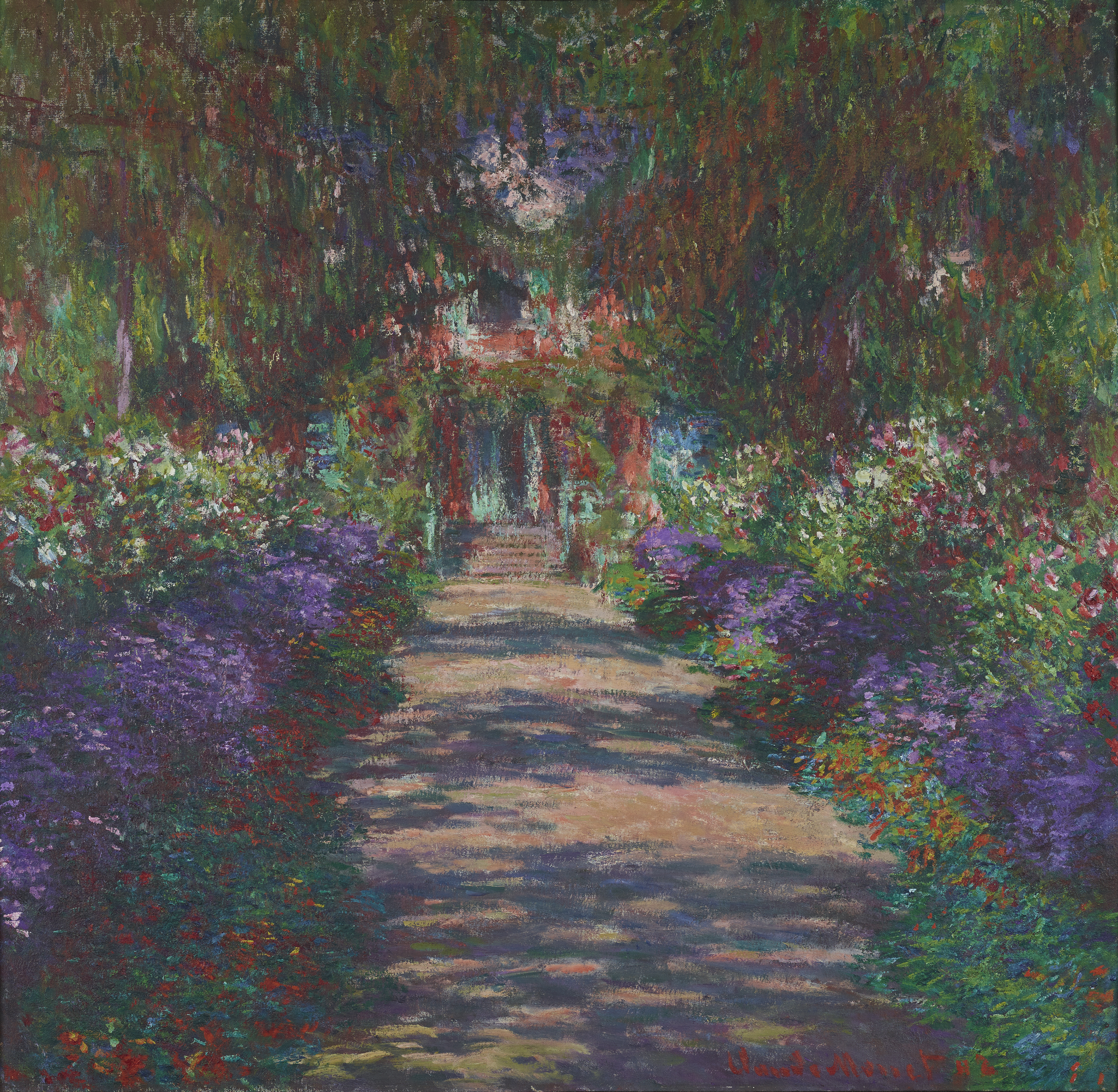
Eine Allee in Monets Garten in Giverny, Claude Monet, 1902

Claude Monet

Eine Allee in Monets Garten in Giverny, 1902

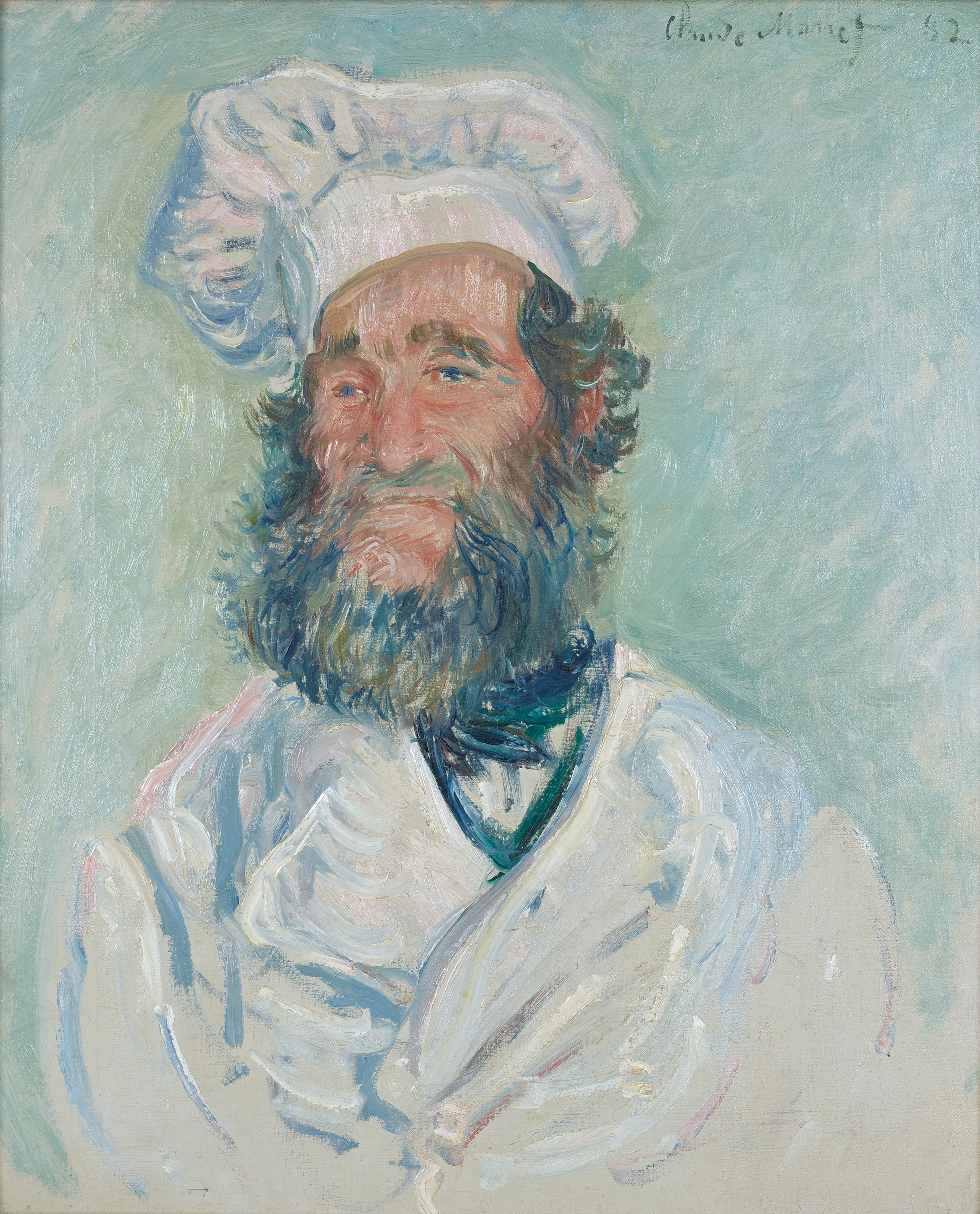
Der Koch (Le Père Paul), Claude Monet, 1882

Claude Monet

Der Koch (Le Père Paul), 1882

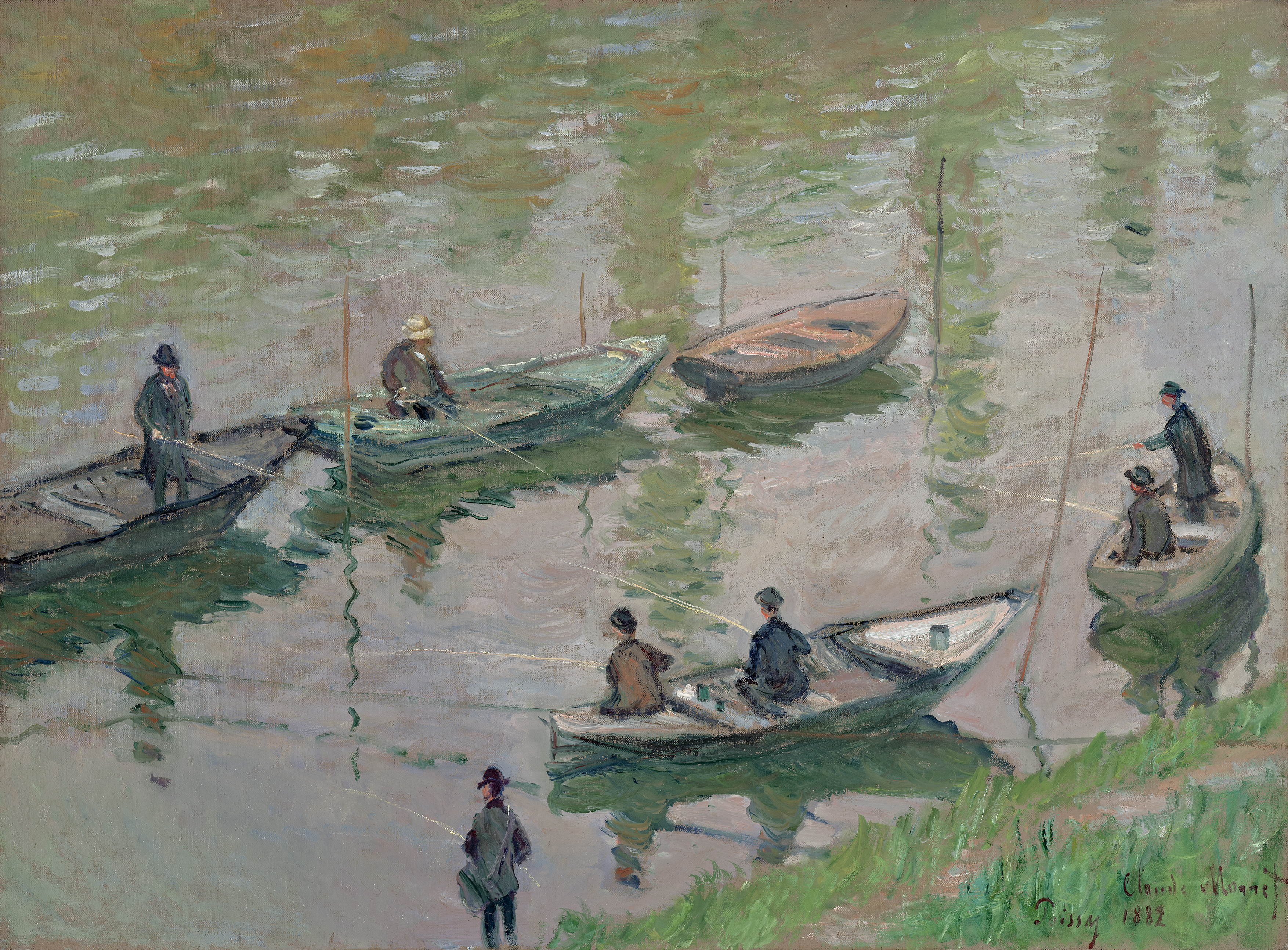
Angler auf der Seine bei Poissy, Claude Monet, 1882

Claude Monet

Angler auf der Seine bei Poissy, 1882

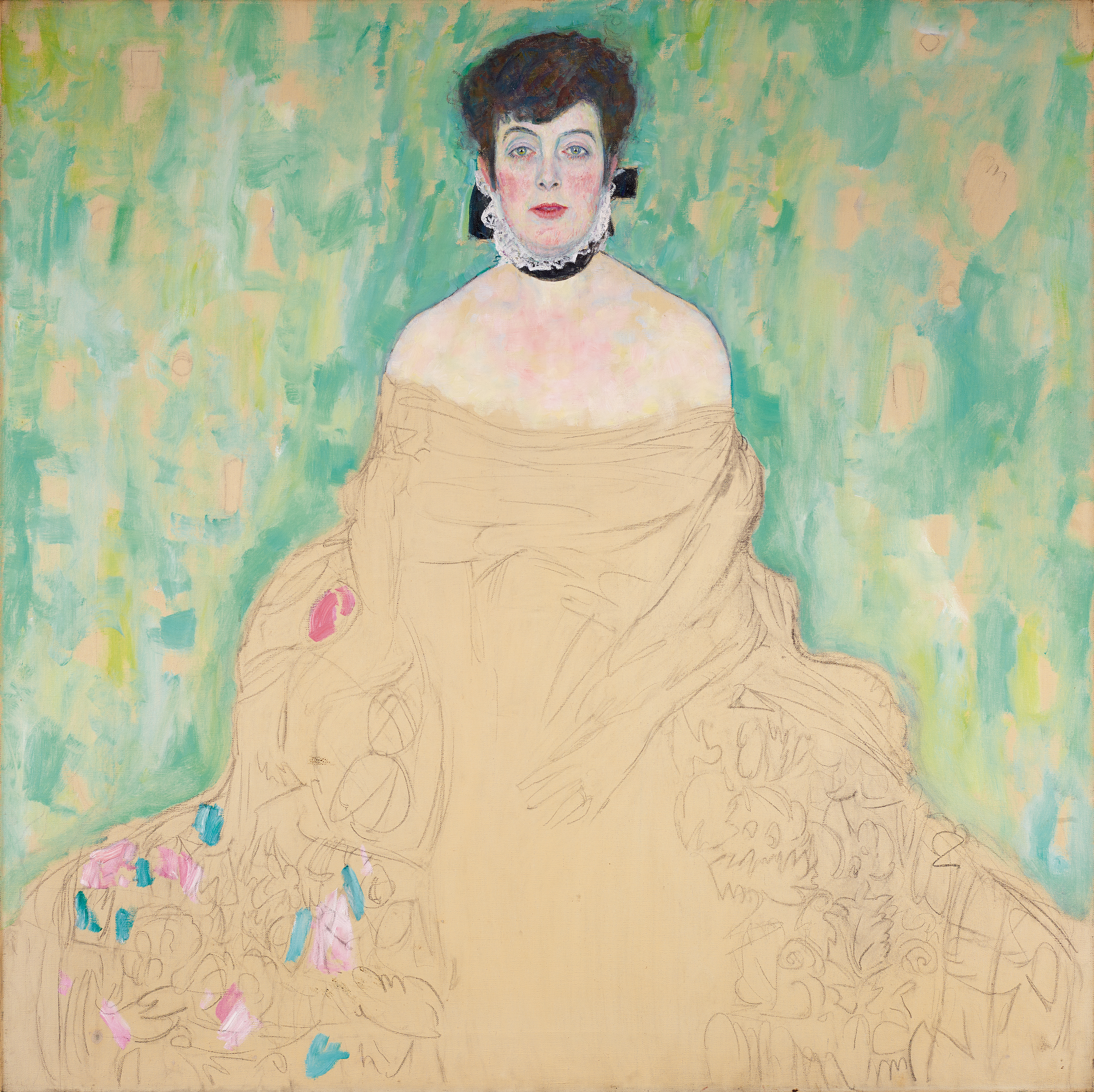
Amalie Zuckerkandl, Gustav Klimt, 1917–1918

Gustav Klimt

Amalie Zuckerkandl, 1917–1918

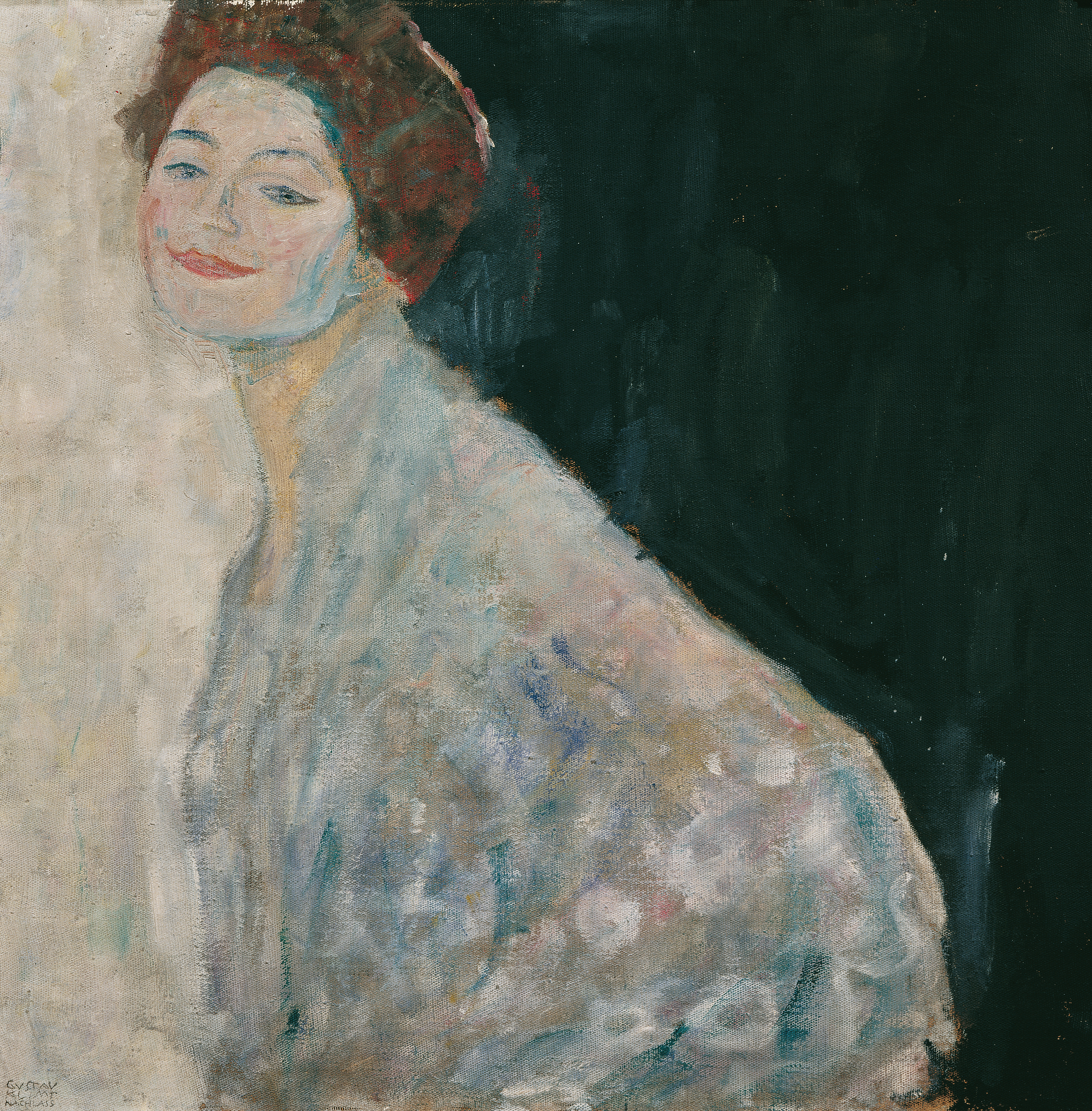
Dame in Weiß, Gustav Klimt, 1917–1918

Gustav Klimt

Dame in Weiß, 1917–1918

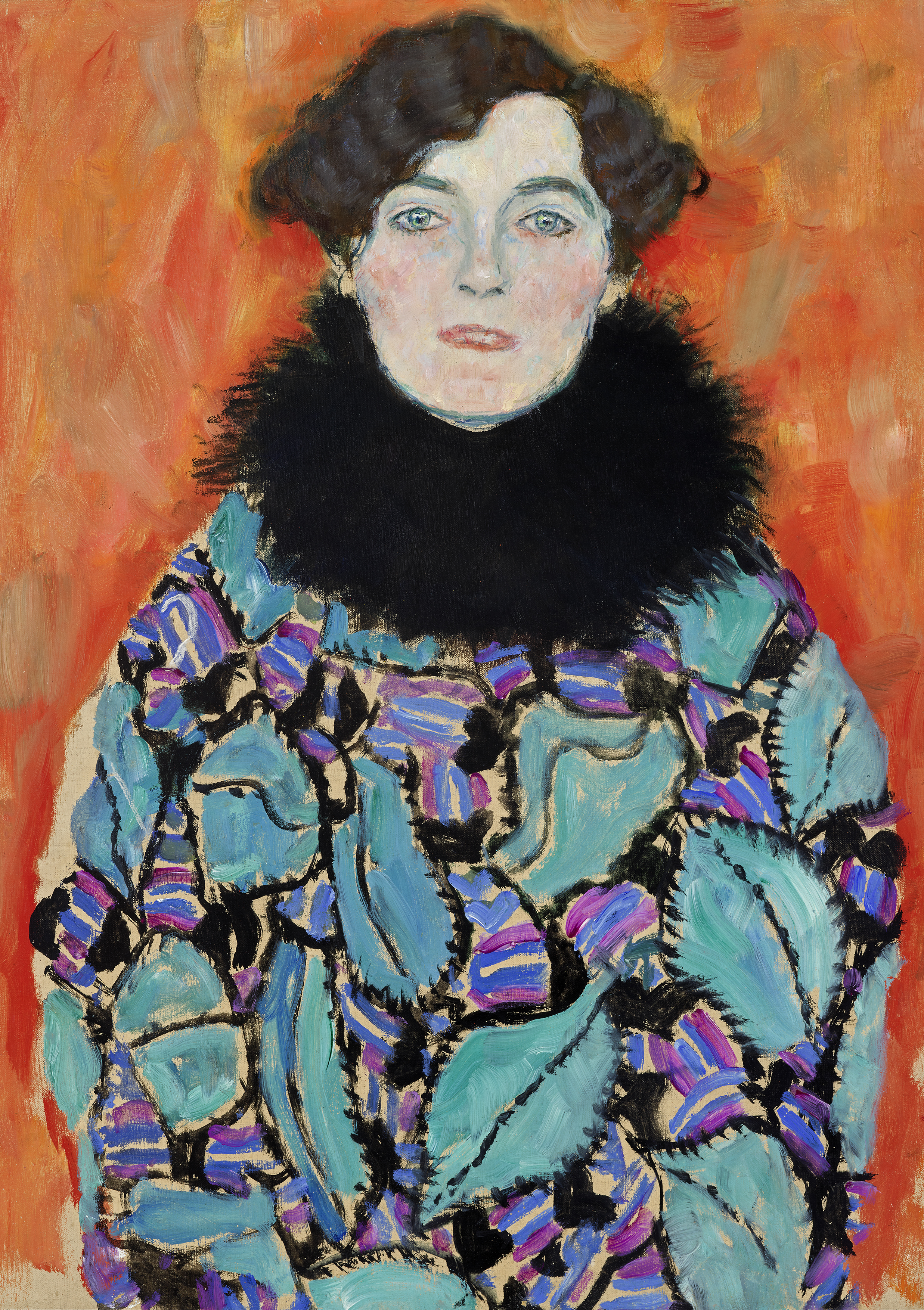
Johanna Staude, Gustav Klimt, 1917–1918

Gustav Klimt

Johanna Staude, 1917–1918

Adam und Eva, Gustav Klimt, 1916–1918

Gustav Klimt

Adam und Eva, 1916–1918