ART WIKI32.963 in sala
MappaCollezioneArtistiMuseiMostreRivista
Accedi

ART WIKI

Dove è appeso il capolavoro, e quando si può entrare.

Collezioni: Art Institute of Chicago, Cleveland Museum of Art, Ermitage, Galleria Tret'jakov, Getty Museum, Harvard Art Museums, Hirshhorn Museum and Sculpture Garden, Metropolitan Museum of Art, Minneapolis Institute of Art, Museo del Louvre, Museo Puškin delle belle arti, Museo russo, Museum of Modern Art, National Gallery of Art, National Museum of Asian Art, National Portrait Gallery, Rijksmuseum, Smithsonian American Art Museum, Statens Museum for Kunst, Victoria and Albert Museum, Villa Getty, Whitney Museum of American Art, Catalogo statale del fondo museale russo (274 musei), Europeana (19 musei), Wikidata (6 musei), Paris Musées (12 musei) e Joconde, la banca dati dei musei del Ministero della Cultura francese (495 musei). Le immagini appartengono ai titolari dei diritti.

Sezioni

  • Mappa
  • Ricerca
  • Collezione
  • Capolavori
  • Esposte ora
  • Artisti

Altro

  • Musei e gallerie
  • Mostre
  • Rivista
  • Da dove vengono i dati
  • Privacy e cookie
HomeMappaCatalogo
  1. Collezione/
  2. Cleveland Museum of Art/
  3. Antelope and deer hunt
Antelope and deer hunt, Govardhan, c. 1602–4
GGovardhanIndia, 1596–1645

Antelope and deer hunt

c. 1602–4 · Painting

Si può ammirare?

Al momento non riceve

Cleveland Museum of Art

Cleveland, Stati Uniti

Appartiene alla collezione, ma al momento non è esposta.

Verificato
3 giorni fa
Ultimo cambio di stato
19 ago 2026
Fonte
Il museo
Sulla mappaPagina del museo

Sul dipinto

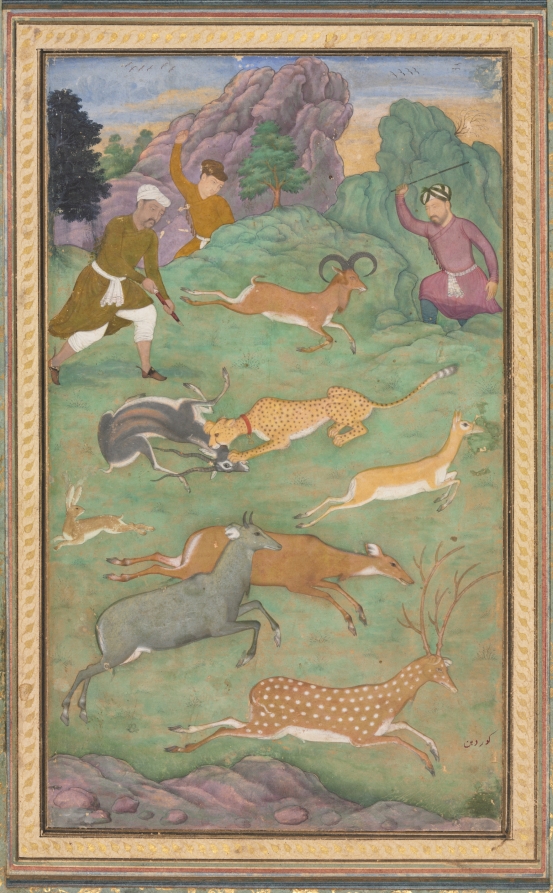
The Mughals used trained cheetahs, such as this one wearing a red collar, to capture prey during hunting expeditions in the wilderness. The metaphor of the hunt was also a potent image in Persian literature, in which the protagonist finally achieves a desired goal. The central image of the cheetah catching the black buck—a frequently repeated visual trope—resonates with the desire of Prince Salim (who was passionate about hunting) to capture the throne of the Mughal Empire from Akbar, his father. Between 1600 and 1605, when Prince Salim set up his own royal court in defiance of his father, he convinced some imperial artists to join him. The young Govardhan, a Hindu who would go on to achieve high stature in the atelier of the next two emperors, was one of them.
Cleveland Museum of Art

Scheda

c. 1602–4
15961645
Numero di inventario
1939.66

In catalogo

DipintiTemperaBaroccoXVII secoloMughal India, Allahabad, made for Prince Salim (1569–1627)

Fonti

  • Cleveland Museum of Art
  • Immagine: Cleveland Museum of Art — Museum open access

Altre opere di Govardhan

Tutte le opere
Ancestral group of Mughal rulers, Govardhan, 18th century

Ancestral group of Mughal rulers

18th century · National Museum of Asian Art

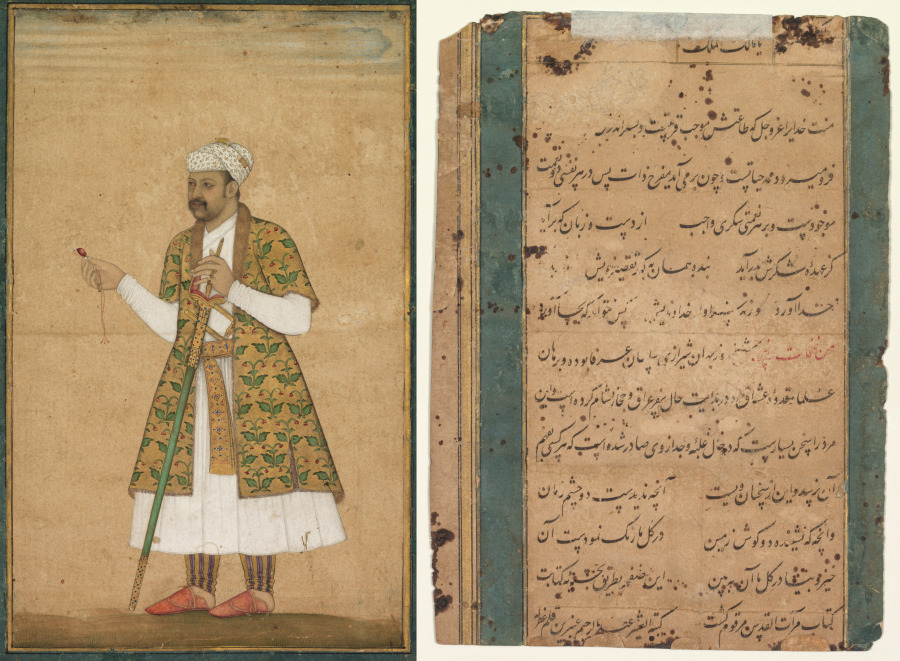
A Courtier, Possibly Khan Alam, Holding a Spinel and a Deccan Sword, Govardhan, c. 1605–10

A Courtier, Possibly Khan Alam, Holding a Spinel and a Deccan Sword

c. 1605–10 · Non esposta · Cleveland Museum of Art

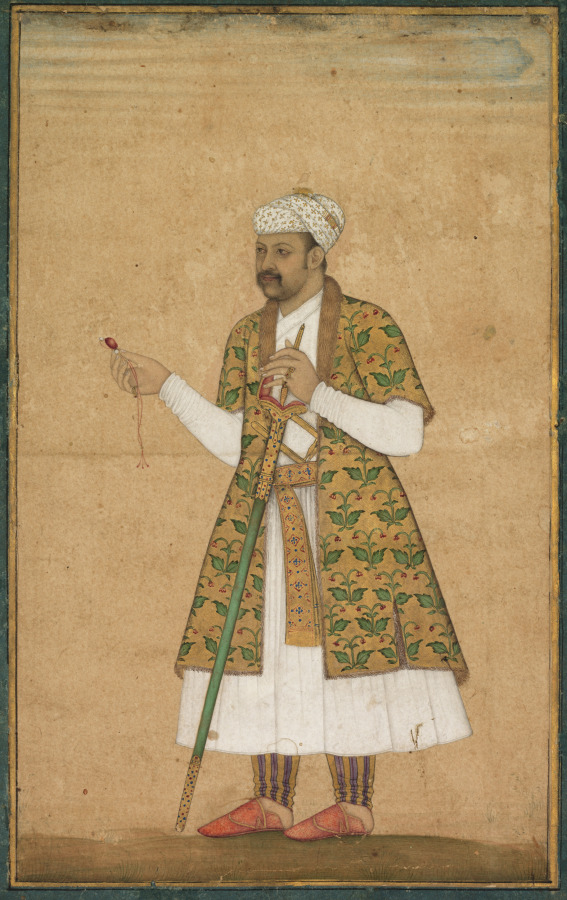
A Courtier, Possibly Khan Alam, Holding a Spinel and a Deccan Sword, Govardhan, c. 1605–1610

A Courtier, Possibly Khan Alam, Holding a Spinel and a Deccan Sword

c. 1605–1610 · Non esposta · Cleveland Museum of Art

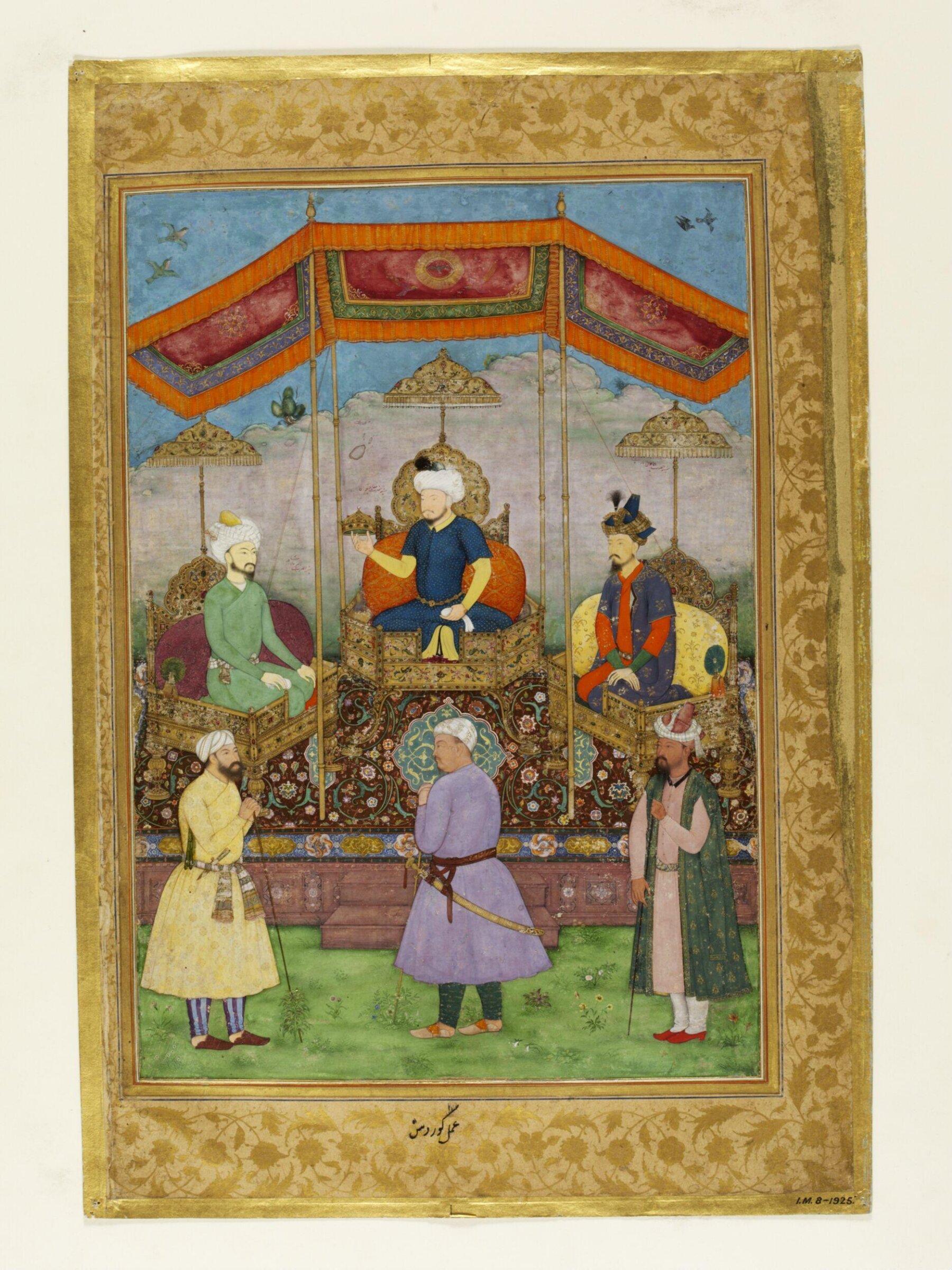
Timur, Babur and Humayun, Govardhan, ca. 1628

Timur, Babur and Humayun

ca. 1628 · Non esposta · Victoria and Albert Museum

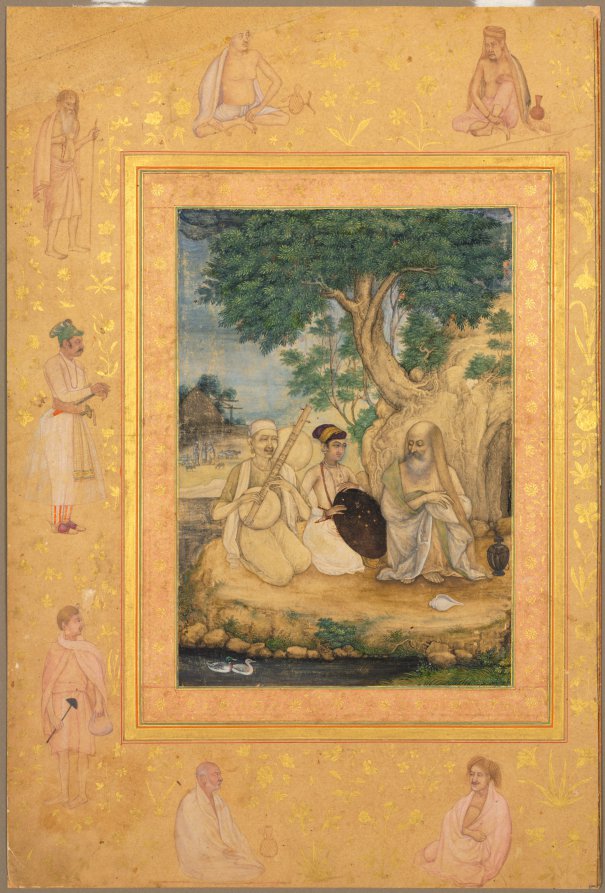
Prince and ascetics, from the Late Shah Jahan Album, Govardhan, c. 1630

Prince and ascetics, from the Late Shah Jahan Album

c. 1630 · Non esposta · Cleveland Museum of Art

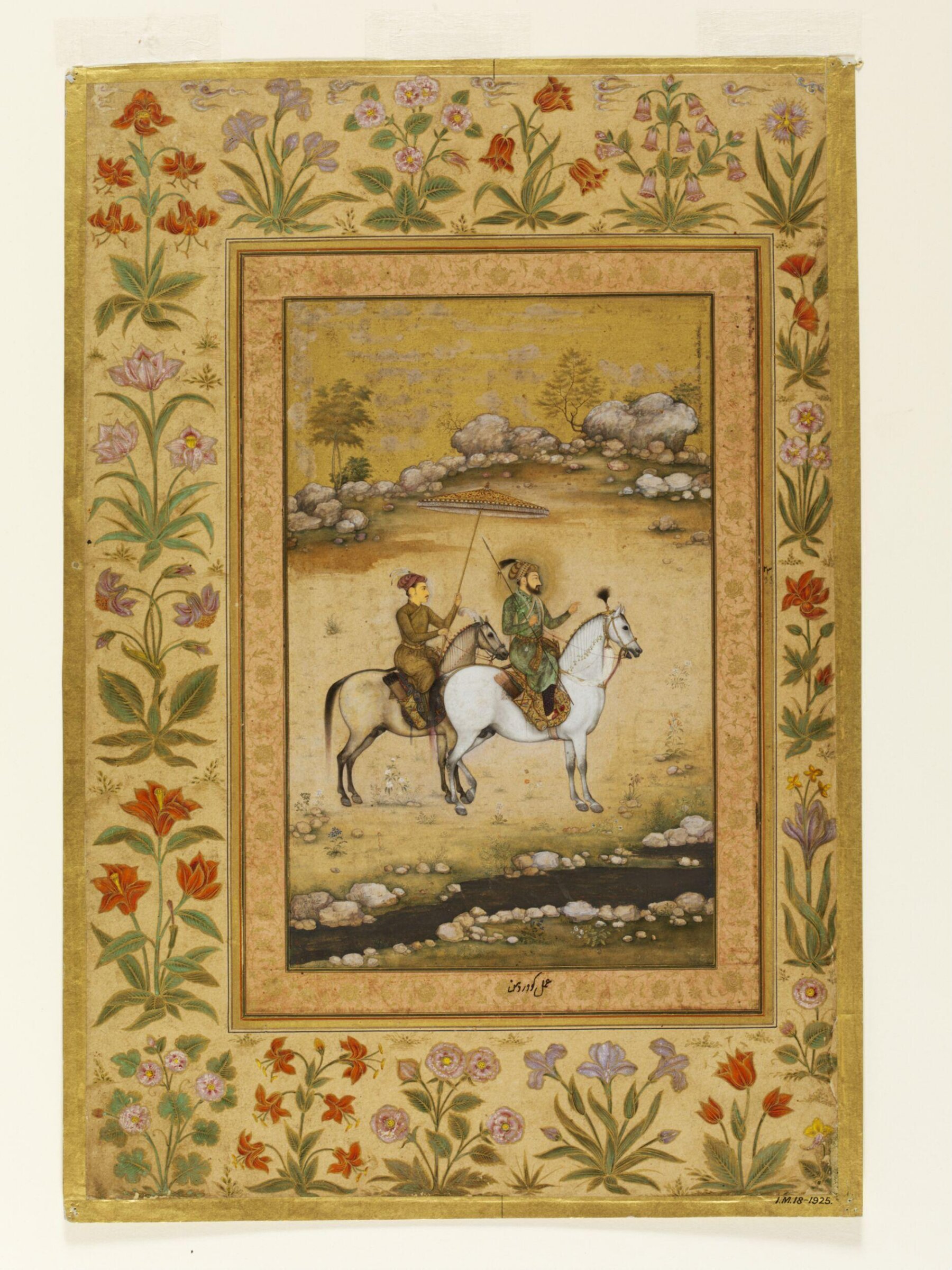
Shah Jahan and Prince Dara Shokuh, Govardhan, ca. 1630

Shah Jahan and Prince Dara Shokuh

ca. 1630 · Non esposta · Victoria and Albert Museum

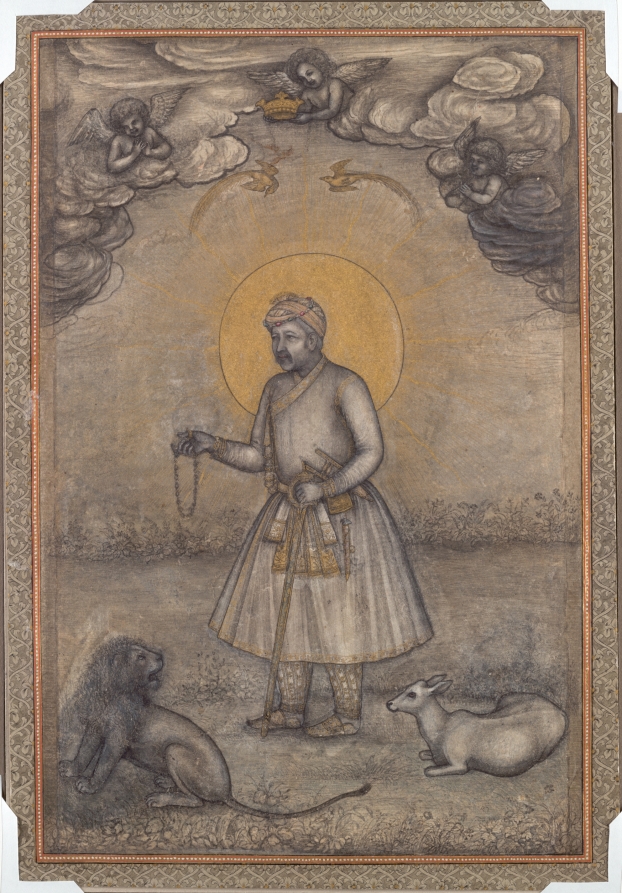
Portrait of the Aged Akbar, Govardhan, c. 1640–50

Portrait of the Aged Akbar

c. 1640–50 · Non esposta · Cleveland Museum of Art

Sotto lo stesso tetto: Cleveland Museum of Art

Pagina del museo
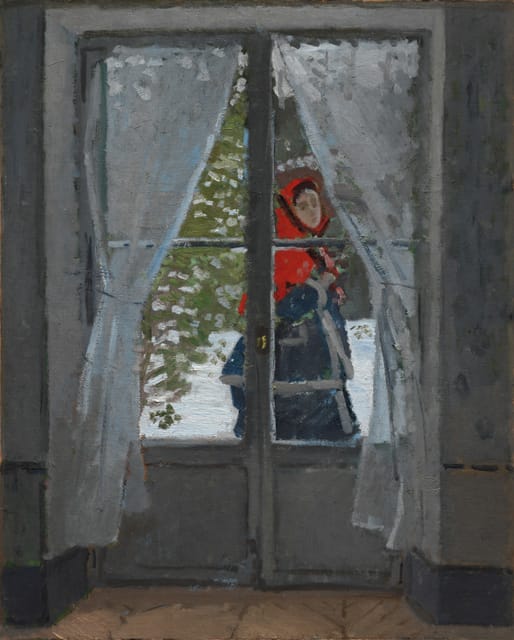
The Red Kerchief, Claude Monet, c. 1868–73

Claude Monet

The Red Kerchief, c. 1868–73

Melencolia I, Albrecht Dürer, 1514

Albrecht Dürer

Melencolia I, 1514

The Virgin and Child with the Pear, Albrecht Dürer, 1511

Albrecht Dürer

The Virgin and Child with the Pear, 1511

The Nativity, Albrecht Dürer, probably c. 1509/1510

Albrecht Dürer

The Nativity, probably c. 1509/1510

The Virgin and Child on a Crescent with a Starry Crown, Albrecht Dürer, 1508

Albrecht Dürer

The Virgin and Child on a Crescent with a Starry Crown, 1508

The Lamentation, Albrecht Dürer, 1507

Albrecht Dürer

The Lamentation, 1507

Large Horse, Albrecht Dürer, 1505

Albrecht Dürer

Large Horse, 1505

Nemesis (The Great Fortune), Albrecht Dürer, c. 1501/1502

Albrecht Dürer

Nemesis (The Great Fortune), c. 1501/1502