 Beatrix Potter1866–1943
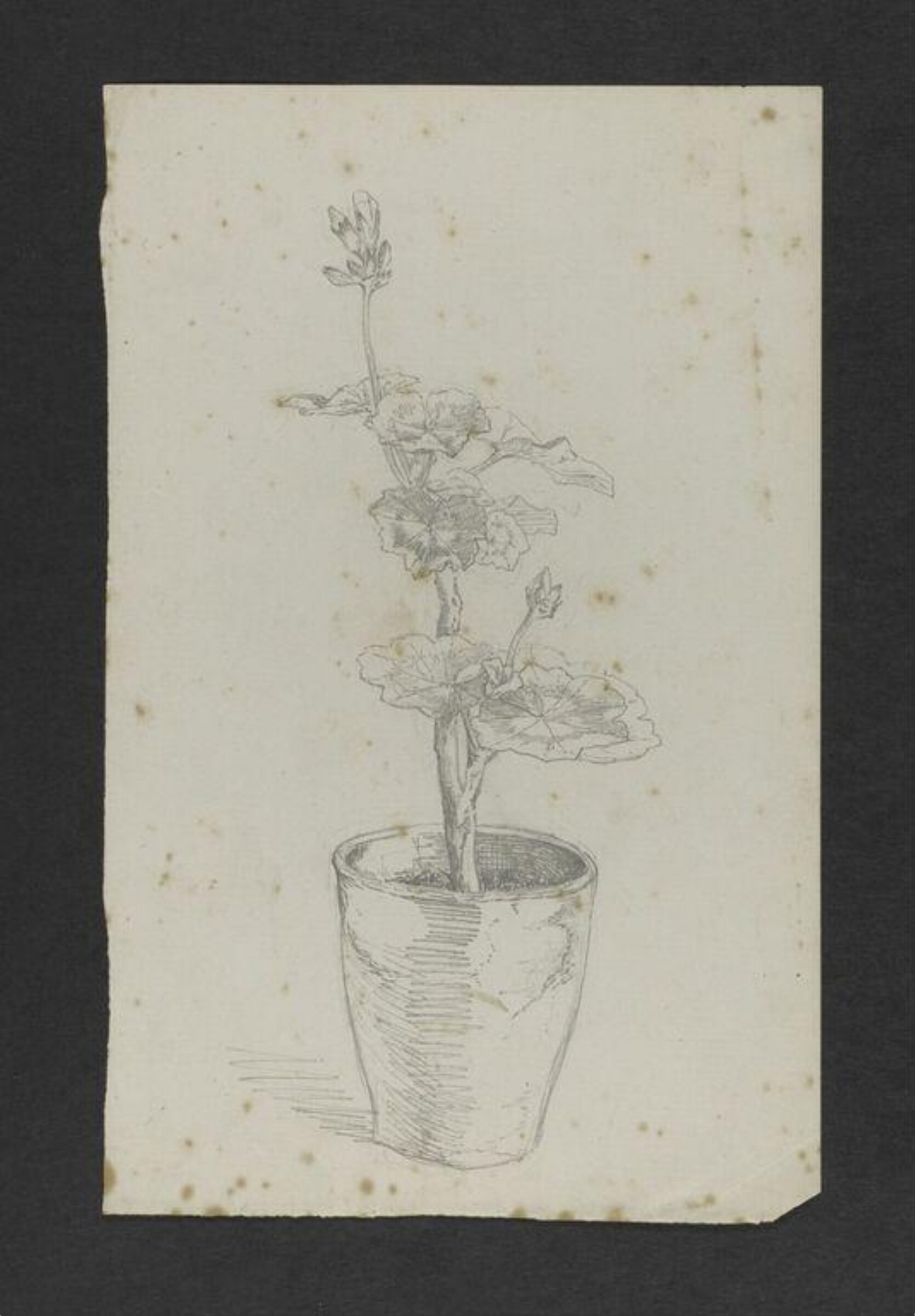
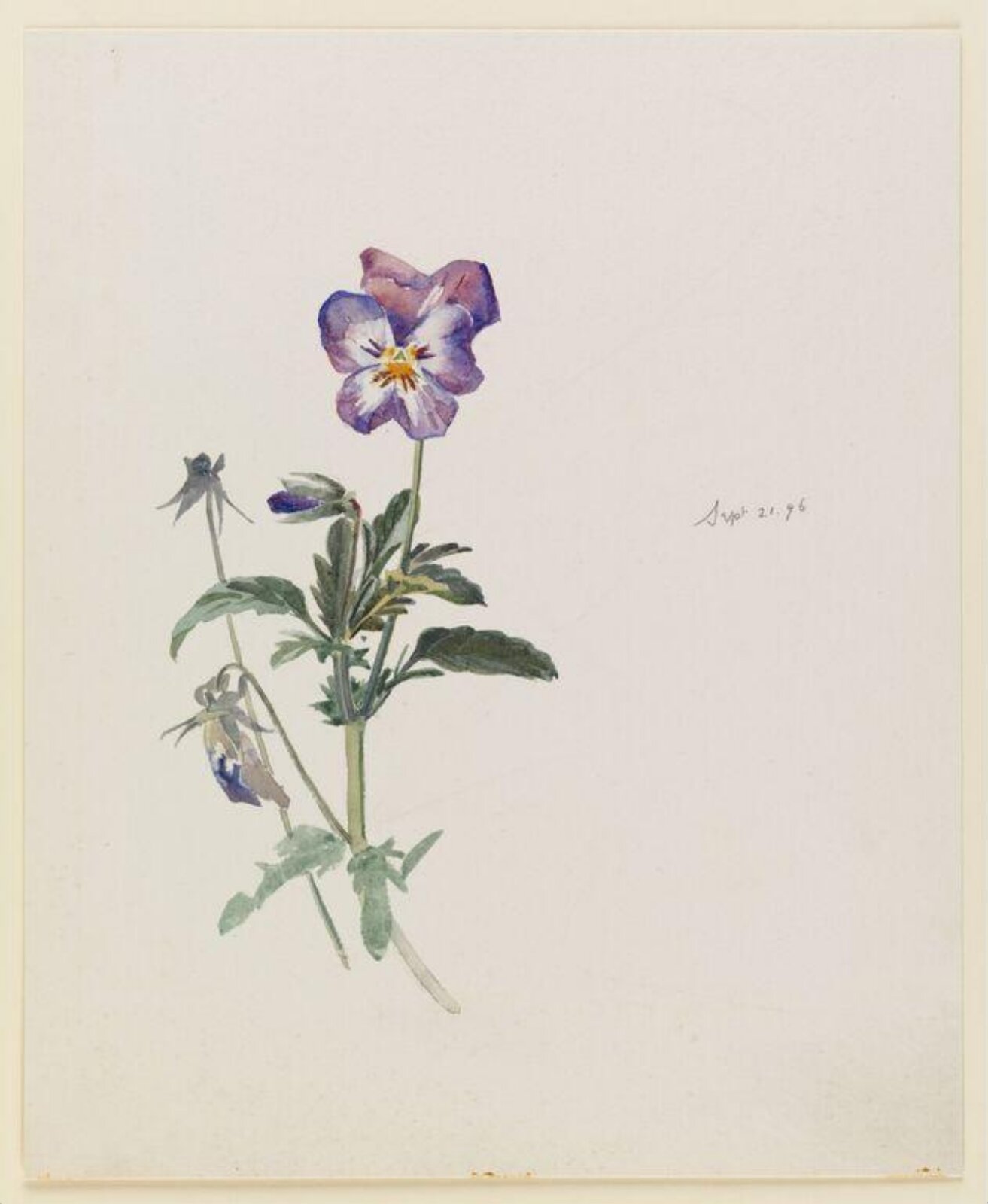
A pansy plant with buds
Si può vedere?
Non esposta al momento
Dove si trova «A pansy plant with buds» oggi? Collezione: Victoria and Albert Museum, Londra. Non esposta al momento. Verificato 25 settembre 2026.

Londra, Regno Unito
Appartiene alla collezione, ma al momento non è esposta.
- Verificato
- Ultimo cambio di stato
- Fonte
- Il museo
Sull’opera
Beatrix Potter (1866-1943) is one of the world's best-loved children's authors and illustrators. She wrote the majority of the twenty-three Original Peter Rabbit Books between 1901 and 1913. The Tale of Peter Rabbit (Frederick Warne, 1902) is her most famous and best-loved tale.
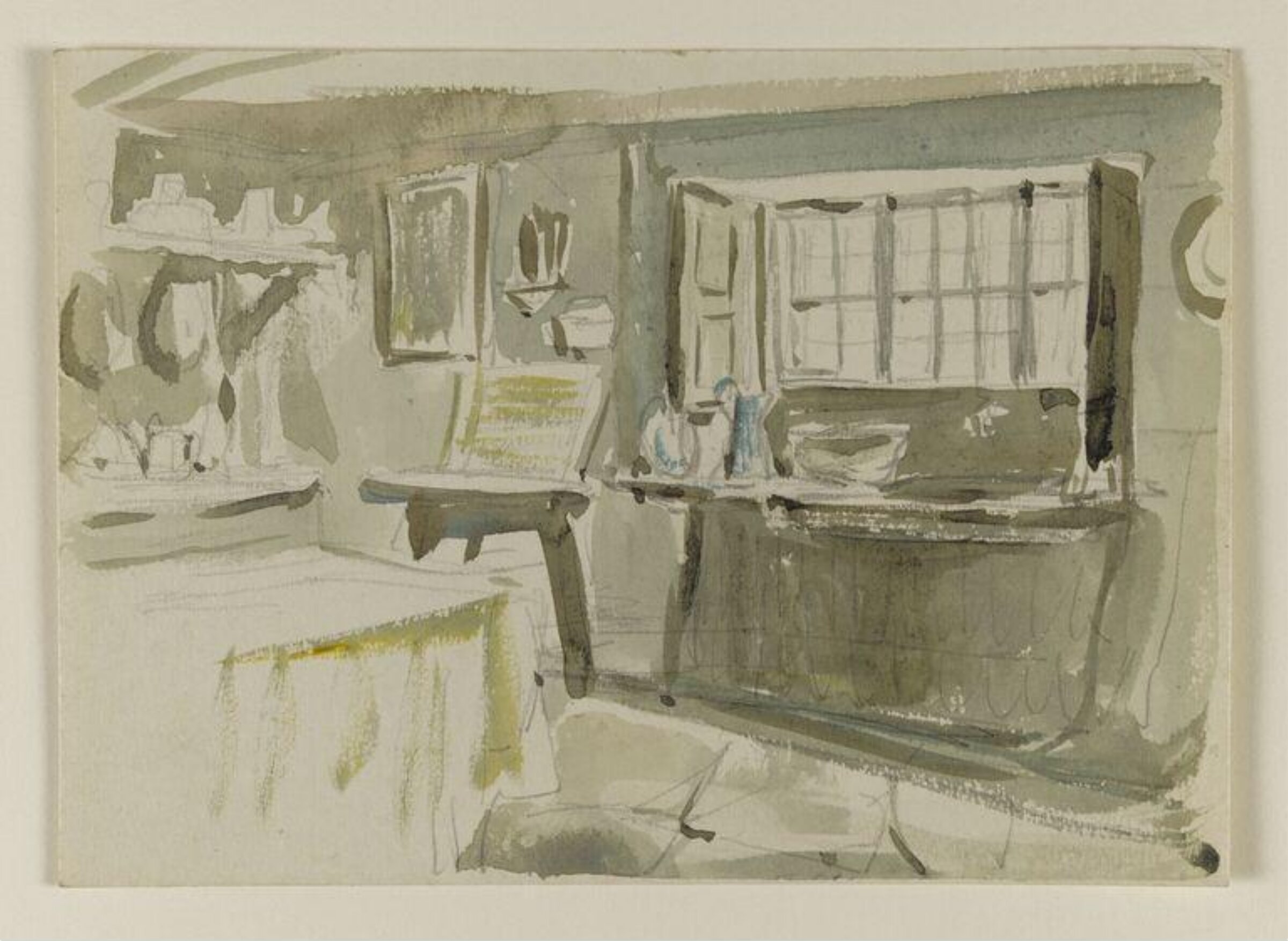
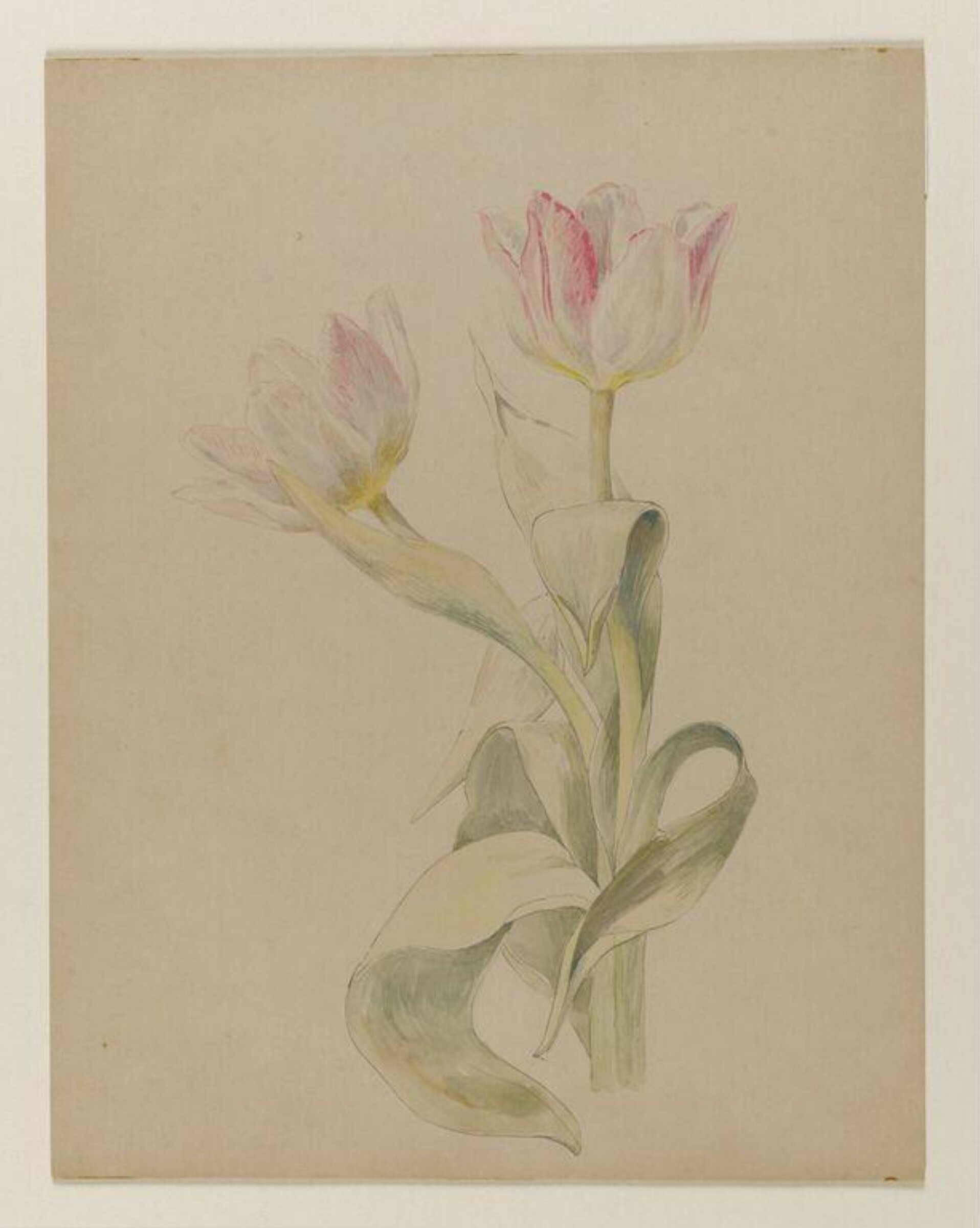
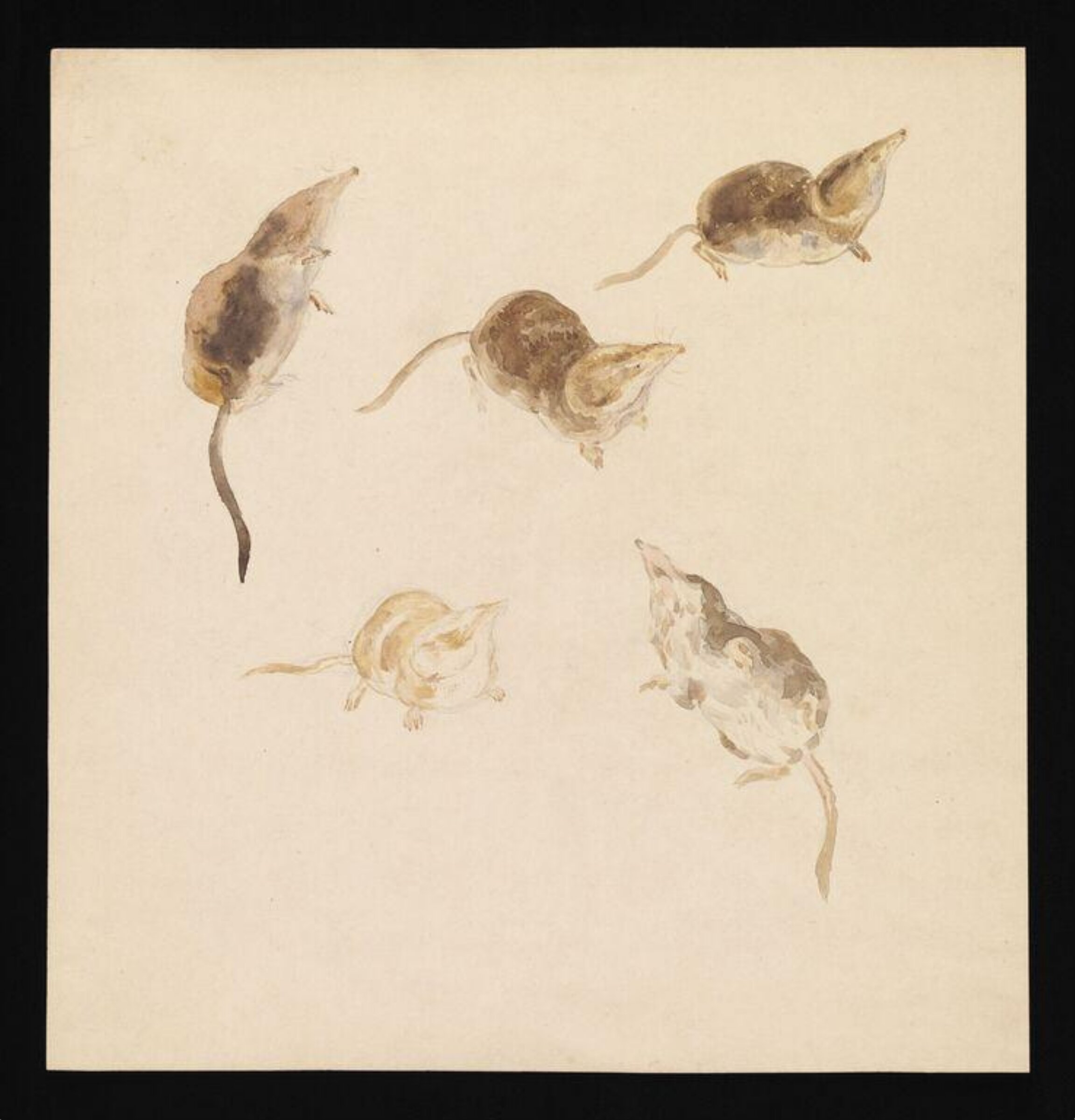
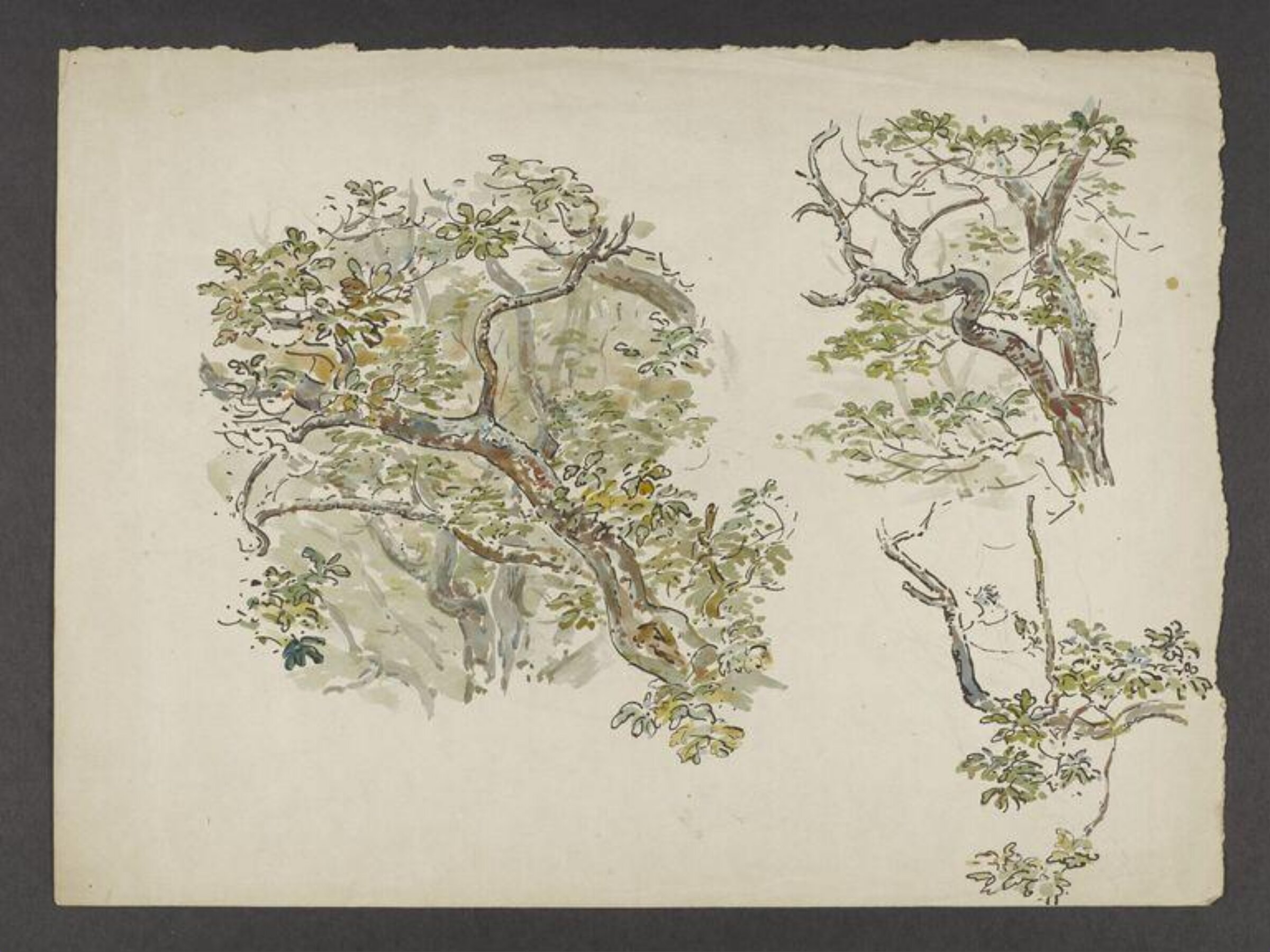
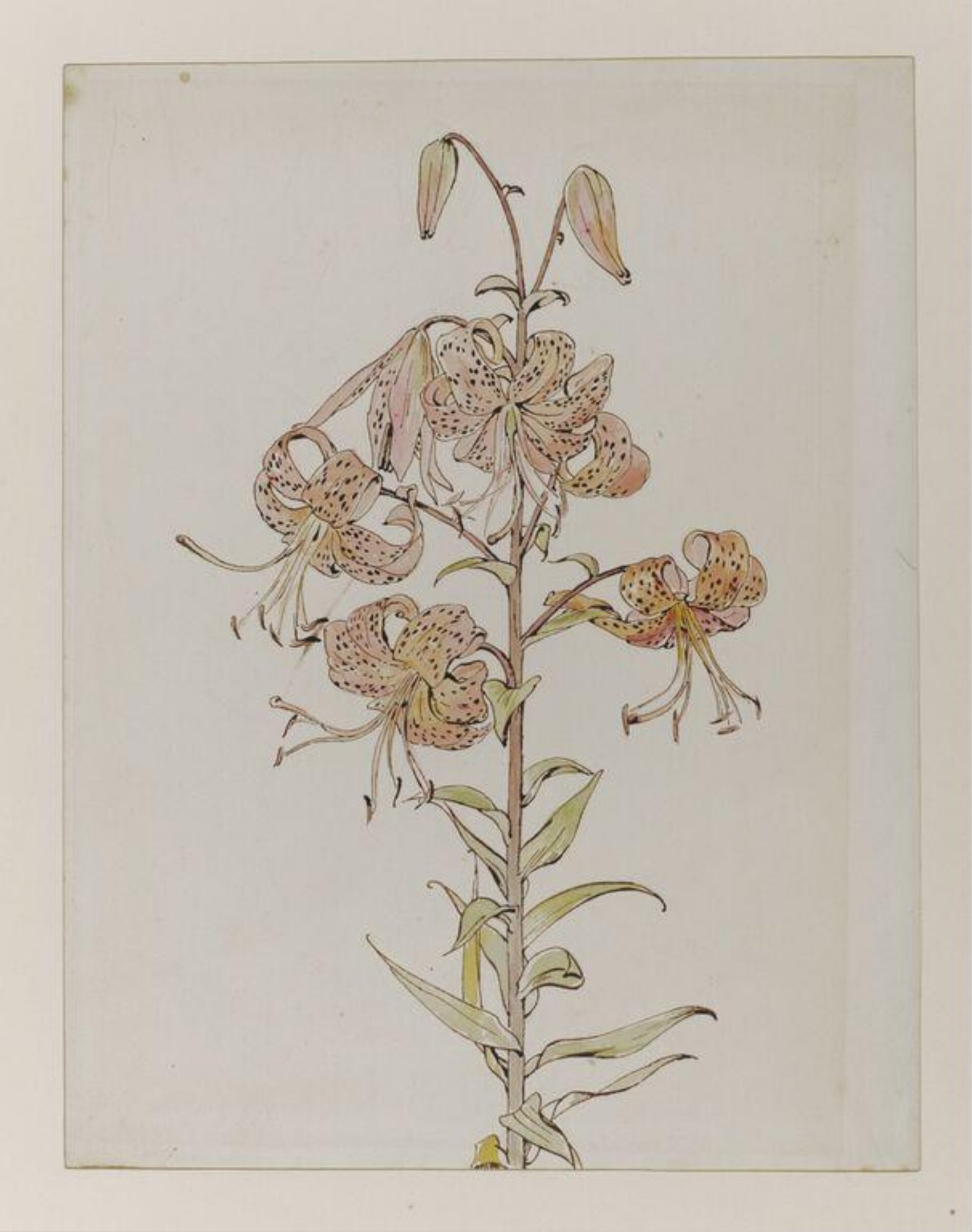
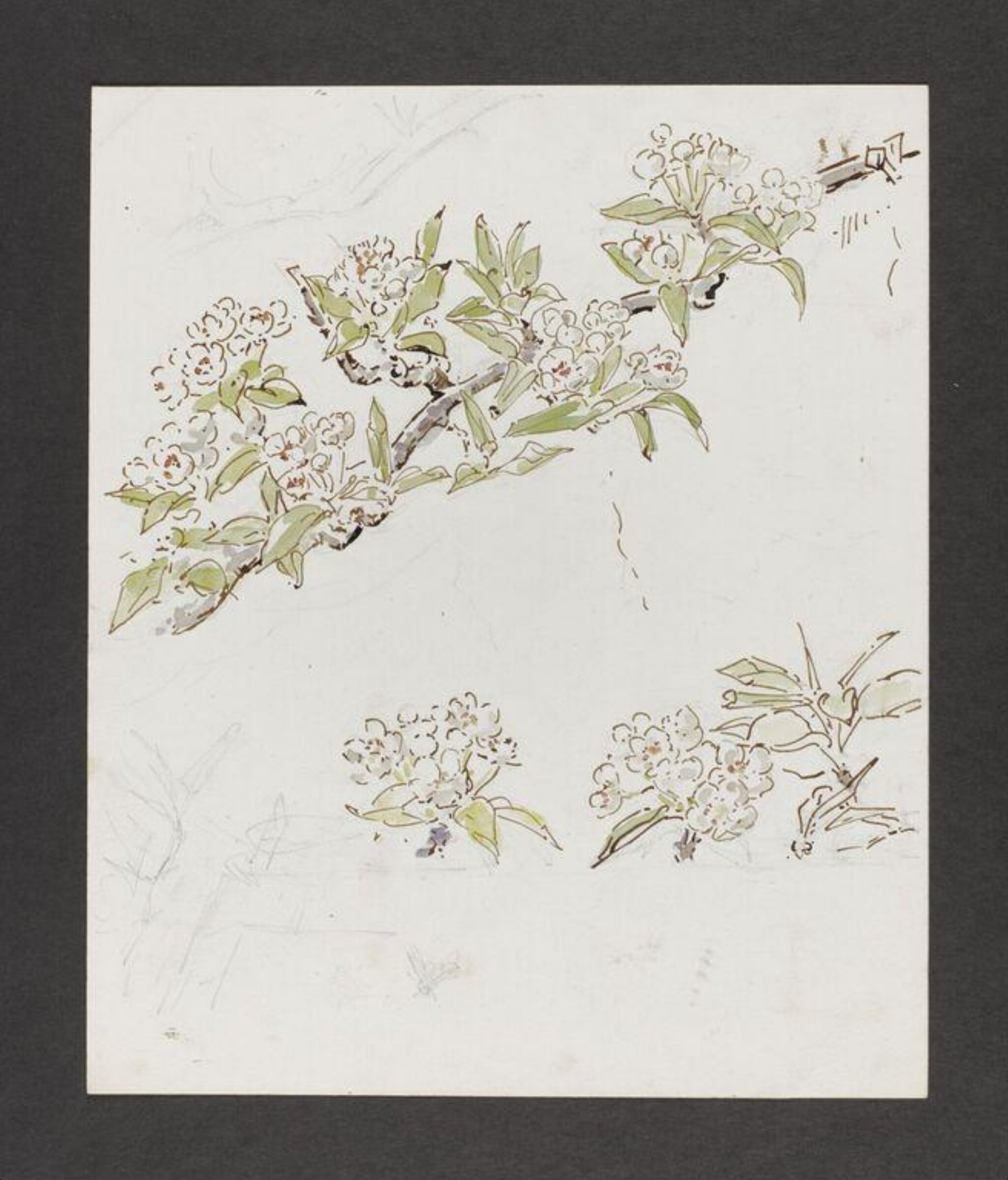
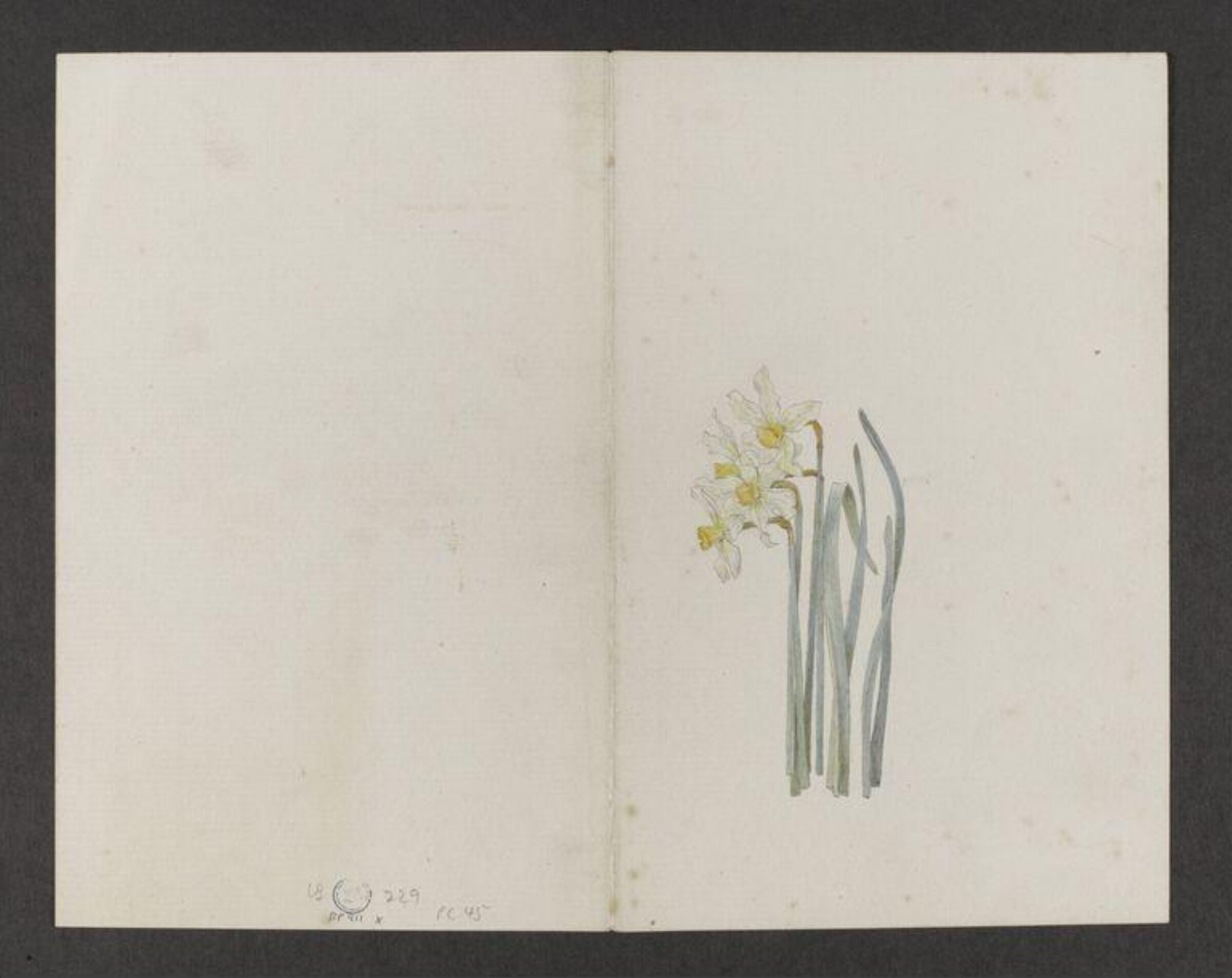
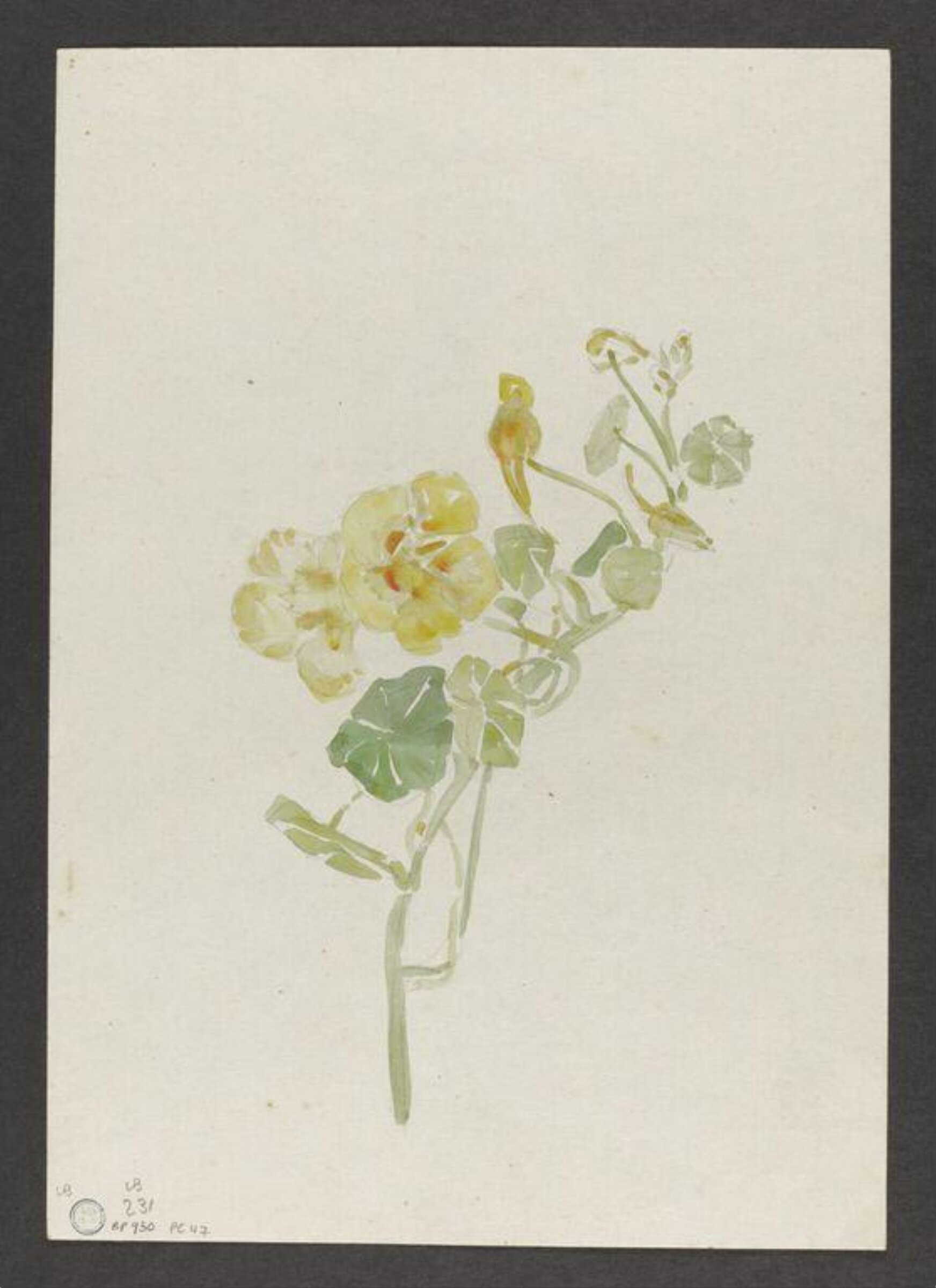
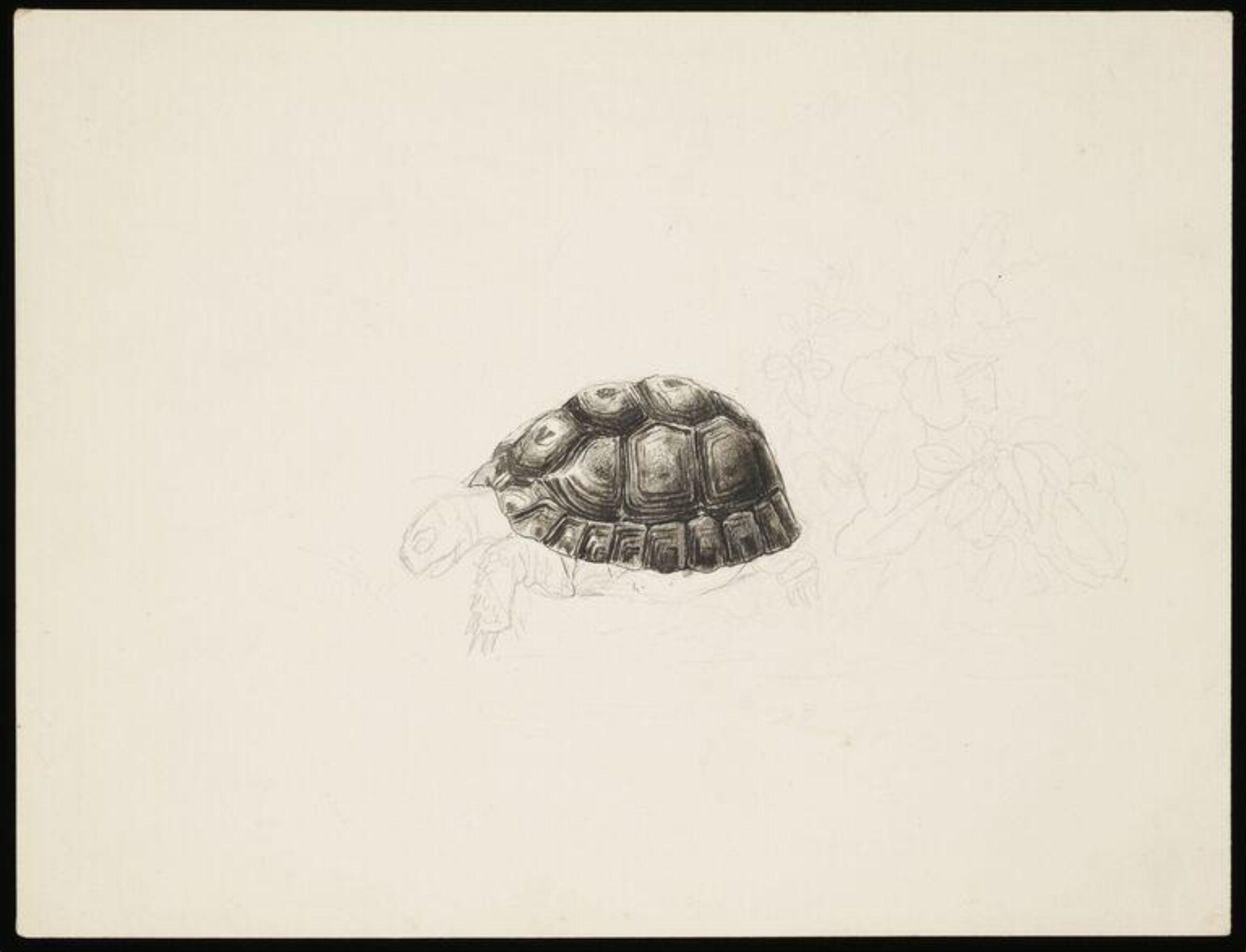
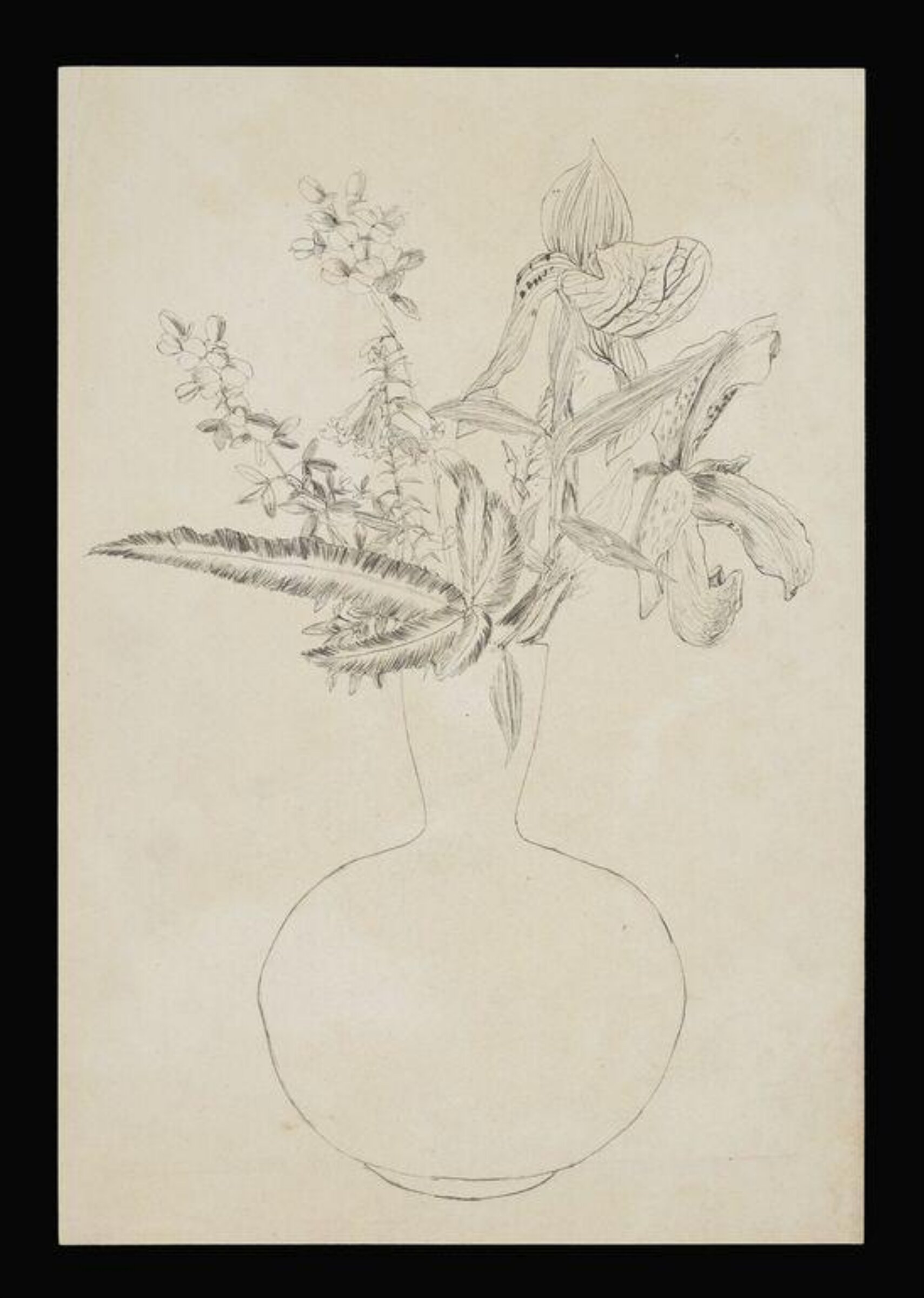
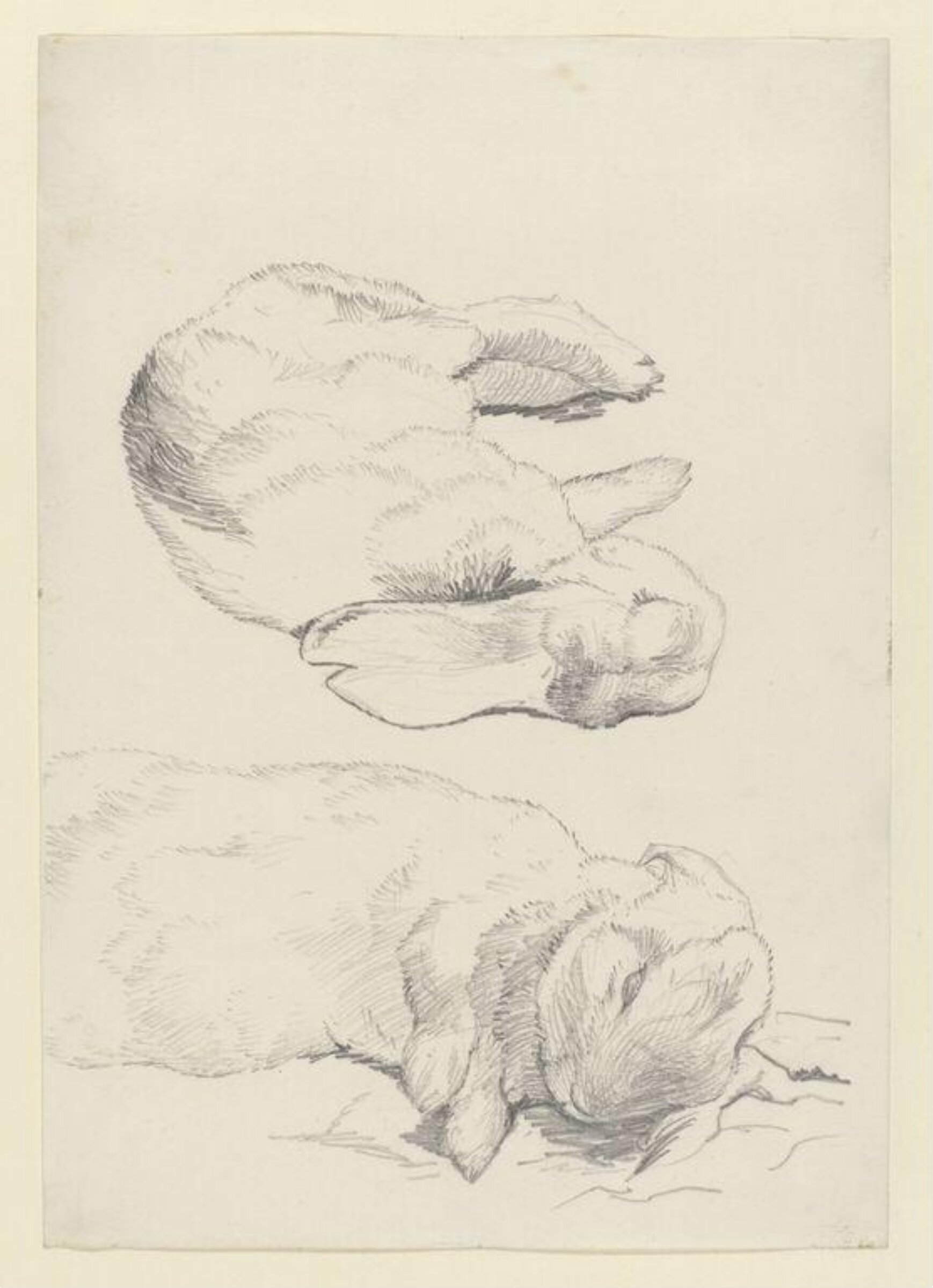
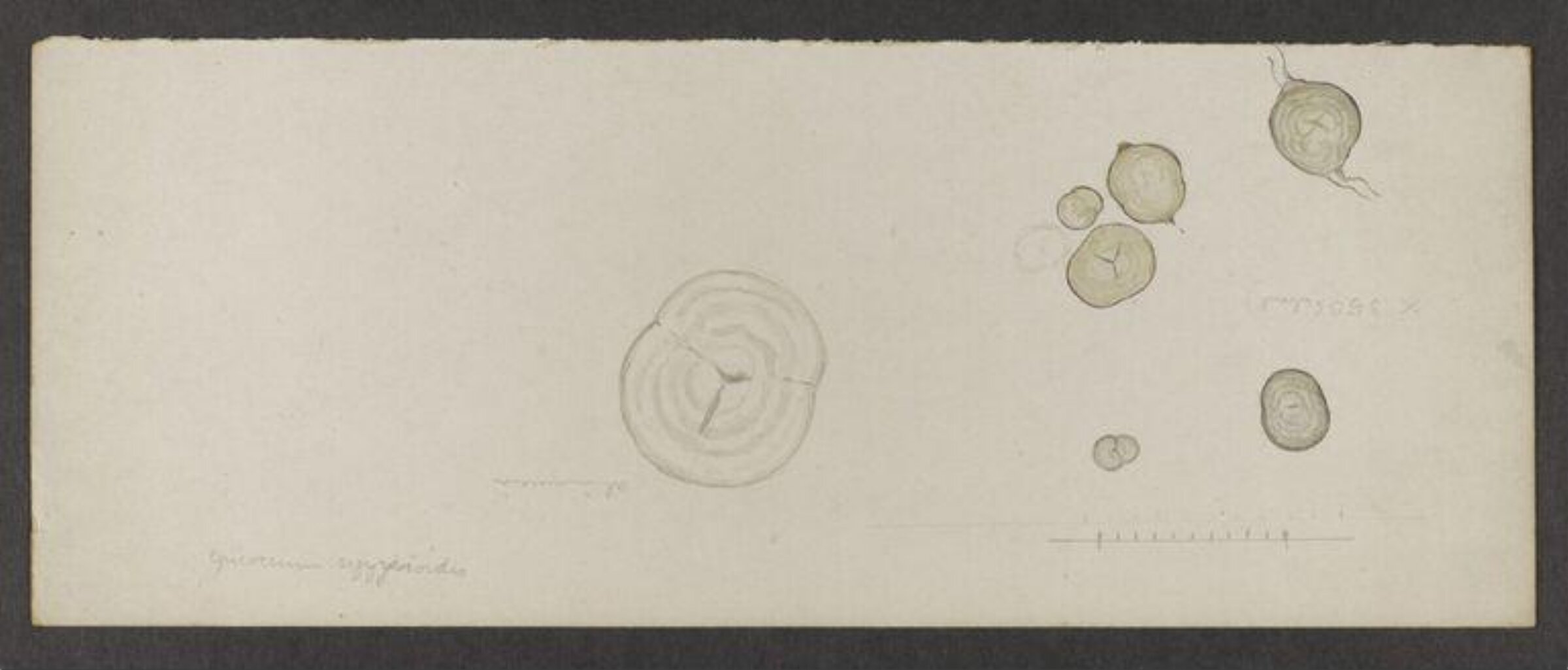
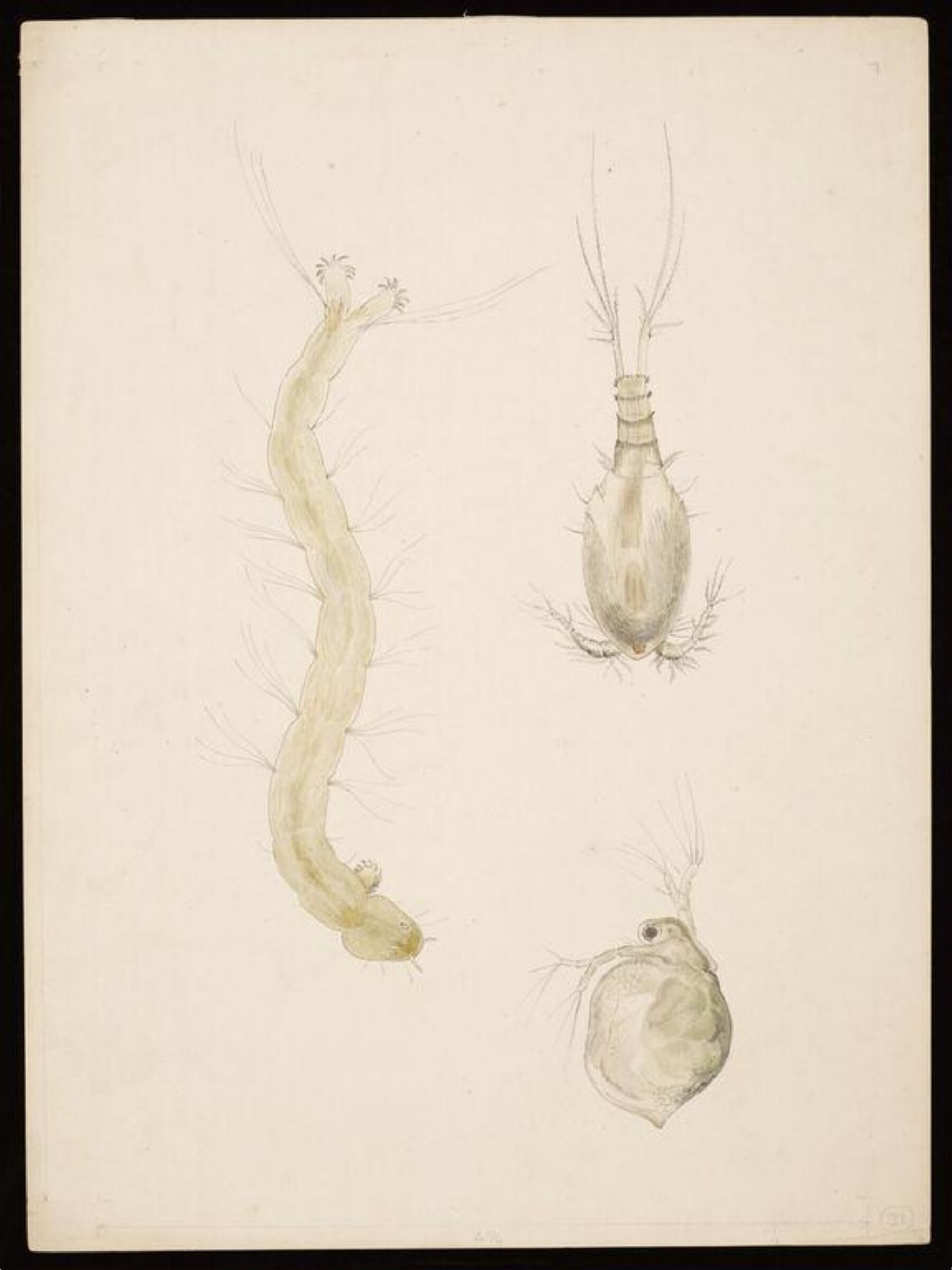
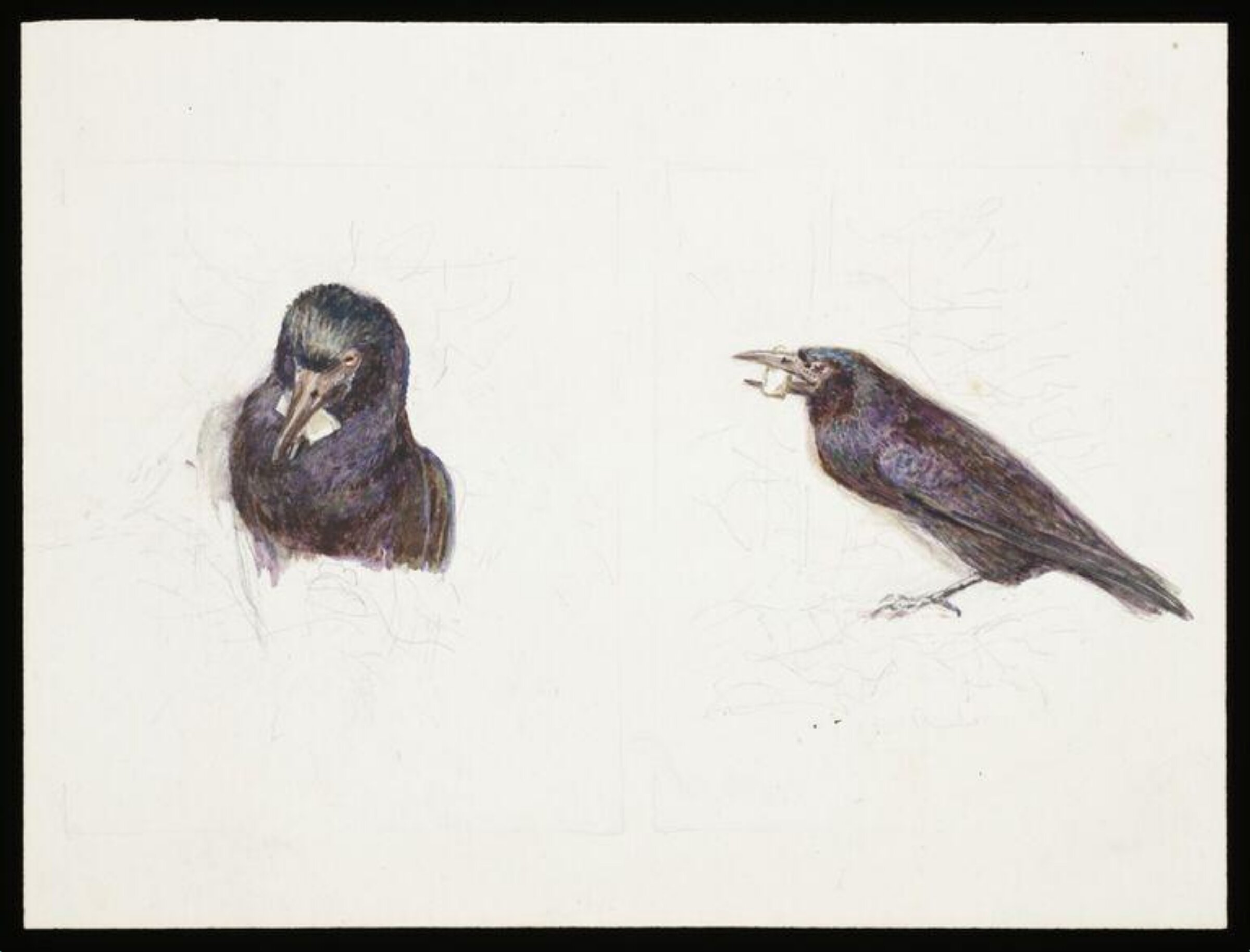
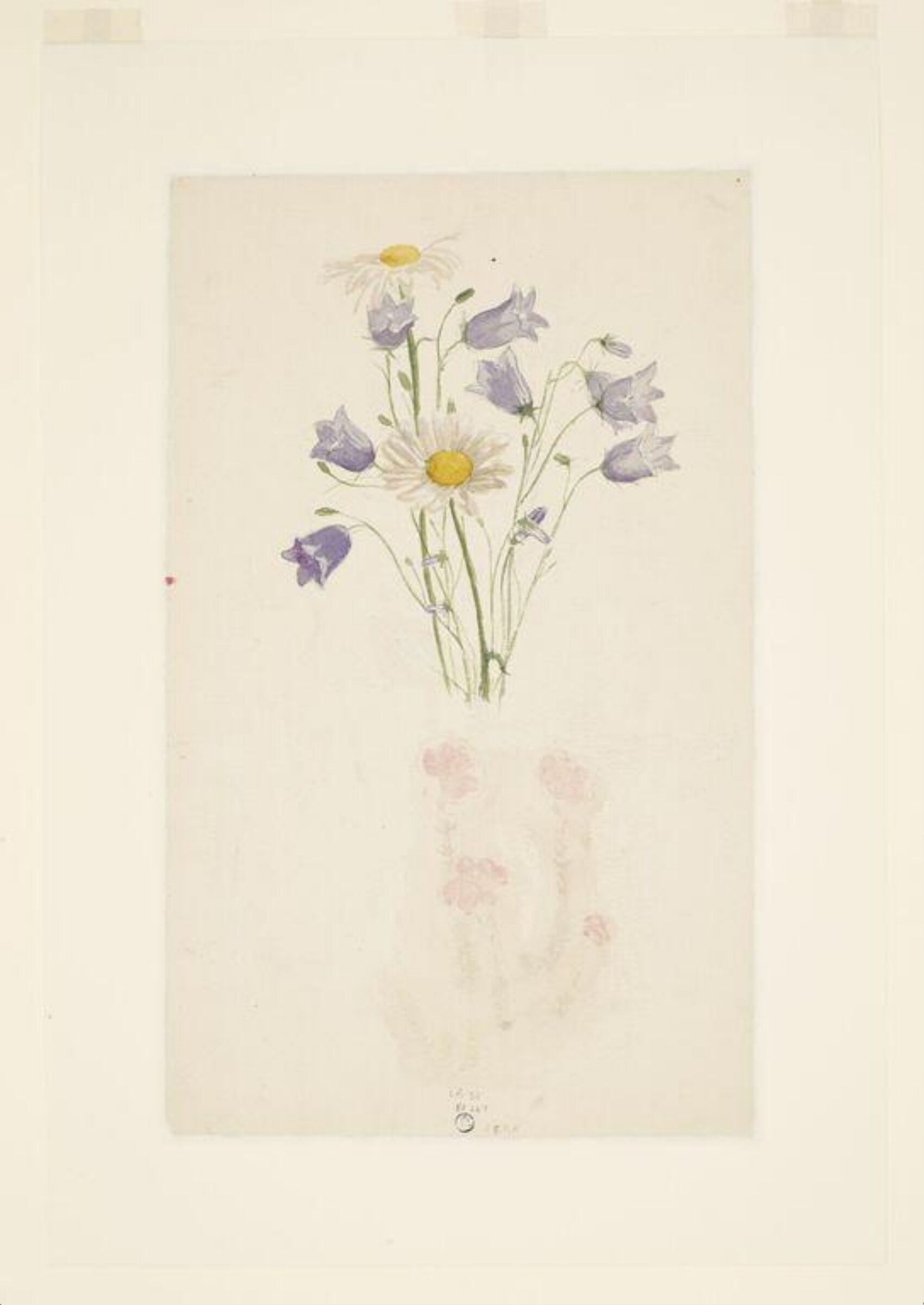
As a young woman Beatrix Potter made many studies of flowers from nature. She studied natural history with some seriousness, exploring the collections of the Natural History Museum, including the insect cases and fungi specimens. She had a collector’s cabinet full of specimens, from shells to dead butterflies and moths, and used a magnifying glass and a microscope to examine them more closely. She made numerous carefully observed studies of animals and plants from life.
Leggi
If the date Potter added to this drawing, 21st September 1896, is correct, it must have been made during a stay at Near Sawrey, the Lake District; if this is the case the verso inscription mentioning Winchelsea in Sussex relates to a different drawing. In her journal entry for that date, Potter wrote: ‘The sun had some hesitation in breaking through. The afternoon was fine’, and mentions a visit to Wray Castle, a Lake District property that Potter had first stayed in during her first visit to the Lake District, aged 16.
Victoria and Albert Museum
Scheda
- Numero di inventario
- BP.363
Che cosa raffigura
In catalogo
Fonti
- Victoria and Albert Museum
- Immagine: Victoria and Albert Museum — © Victoria and Albert Museum, London
Nella vita di Beatrix Potter
Tutta la vita1881–1897
A journal in a cipher of her own
From 1881 Beatrix kept a journal in a simple substitution cipher of her own devising — in tiny handwriting, serving as both sketchbook and literary experiment, in which she described society, her impressions of art and the life around her. The entries stop in 1897, when her energies were absorbed in scientific study and in efforts to publish her drawings.
1890–1894
First commissions: cards, rabbits and frogs
In the 1890s Beatrix printed Christmas and other greeting cards of her own design — her first commercially successful works. In 1890 the firm of Hildesheimer and Faulkner bought several drawings of her rabbit Benjamin Bunny to illustrate Frederic Weatherly’s verses “A Happy Pair”, in 1893 several more for “Our Dear Relations”, and in 1894 the publisher Ernest Nister took a series of frog illustrations and verses for the annual “Changing Pictures”.
1895–1897
A theory of spore germination, and Kew Gardens
In 1895, curious about how fungi reproduce, Beatrix began microscopic drawings of agaric spores and developed a theory of their germination. Through her uncle, the chemist Sir Henry Roscoe, she consulted botanists at Kew and convinced George Massee of her ability to germinate spores, but William Thiselton-Dyer, the director of Kew, rebuffed her because of her sex and amateur status.
1897
A paper for the Linnean Society
In 1897 Beatrix submitted a paper, “On the Germination of the Spores of the Agaricineae”, to the Linnean Society, but as a woman she could neither attend the meeting nor read it herself — George Massee introduced it. She later withdrew it on realising that some of her samples were contaminated, yet she continued her microscopic studies for several more years.