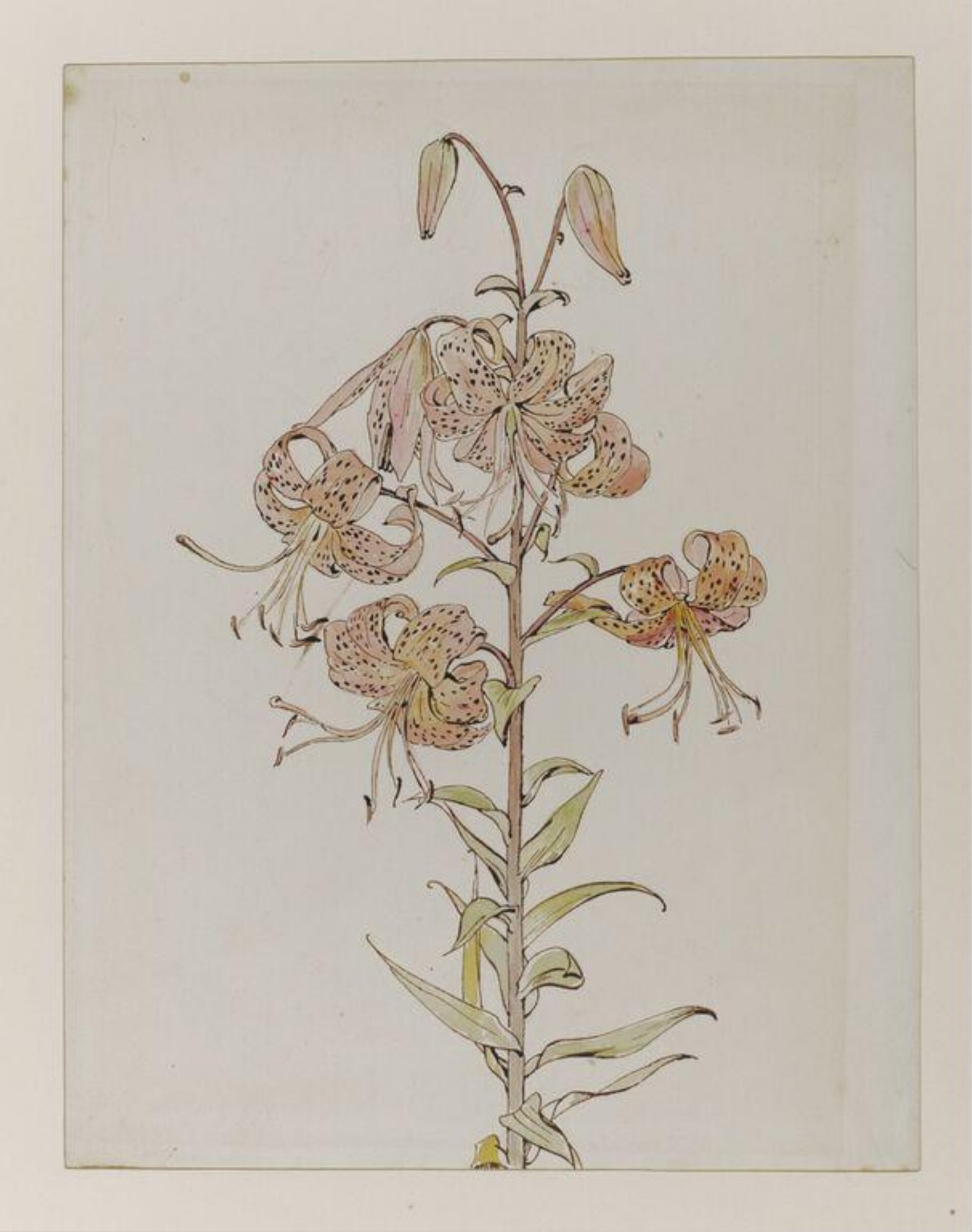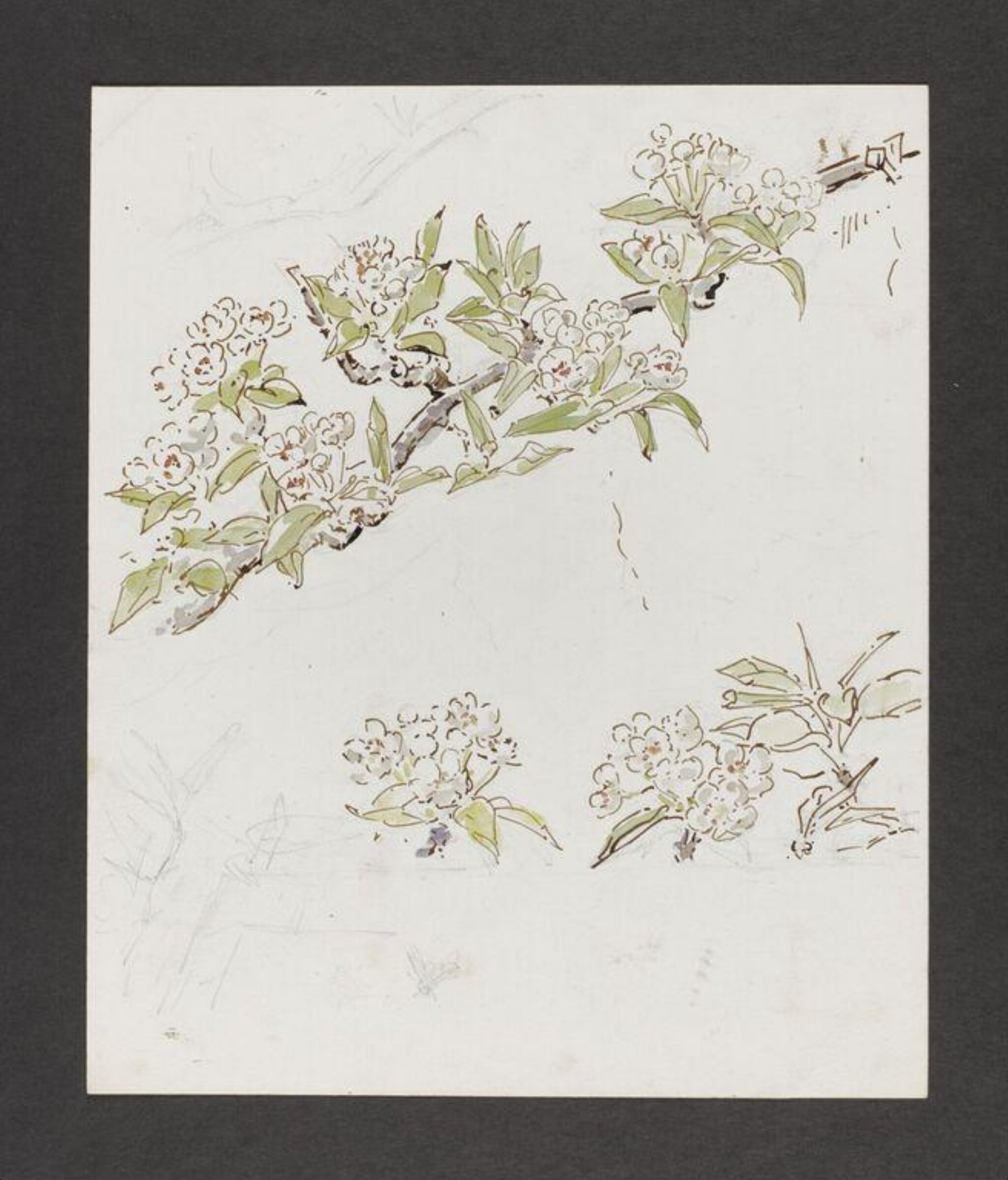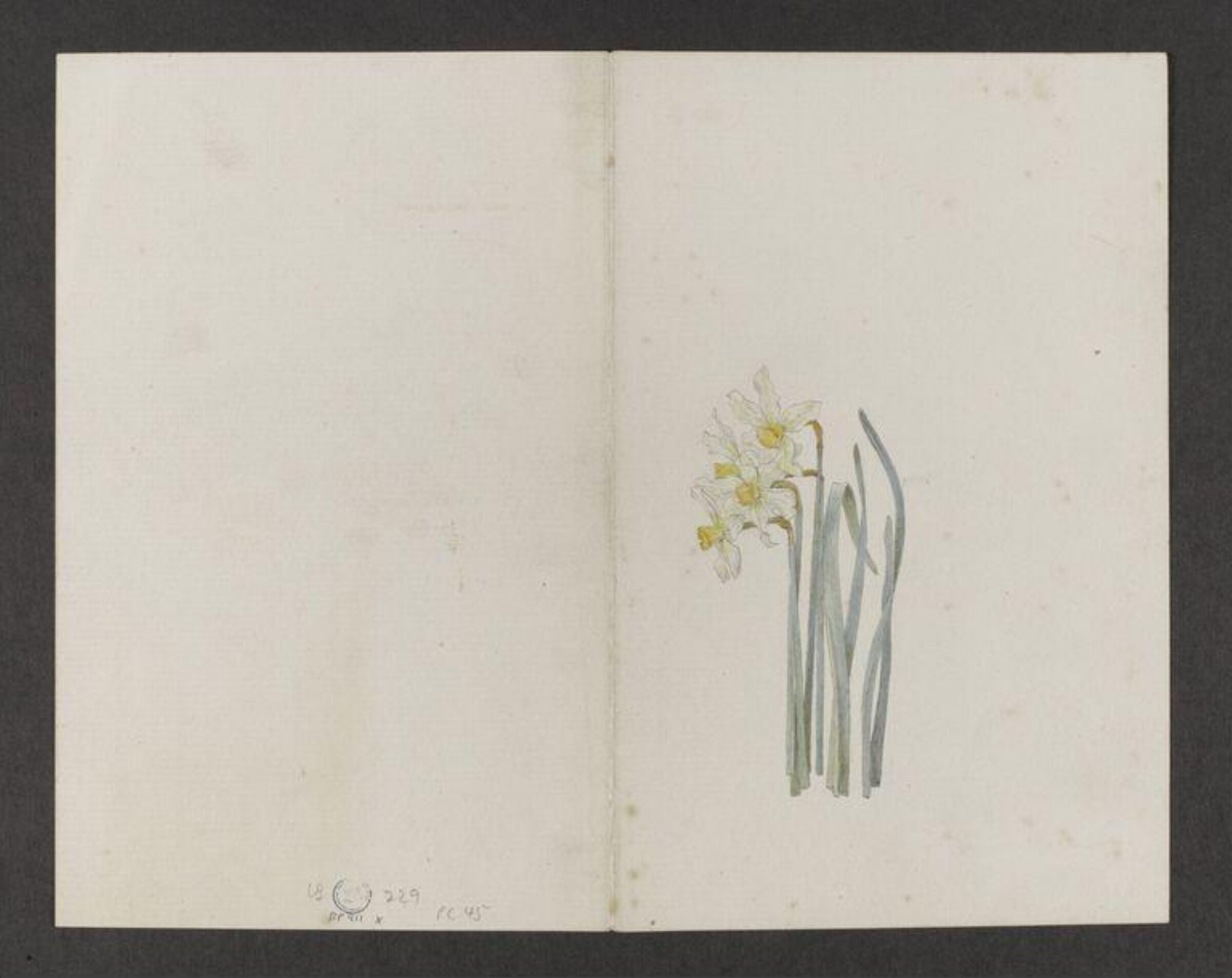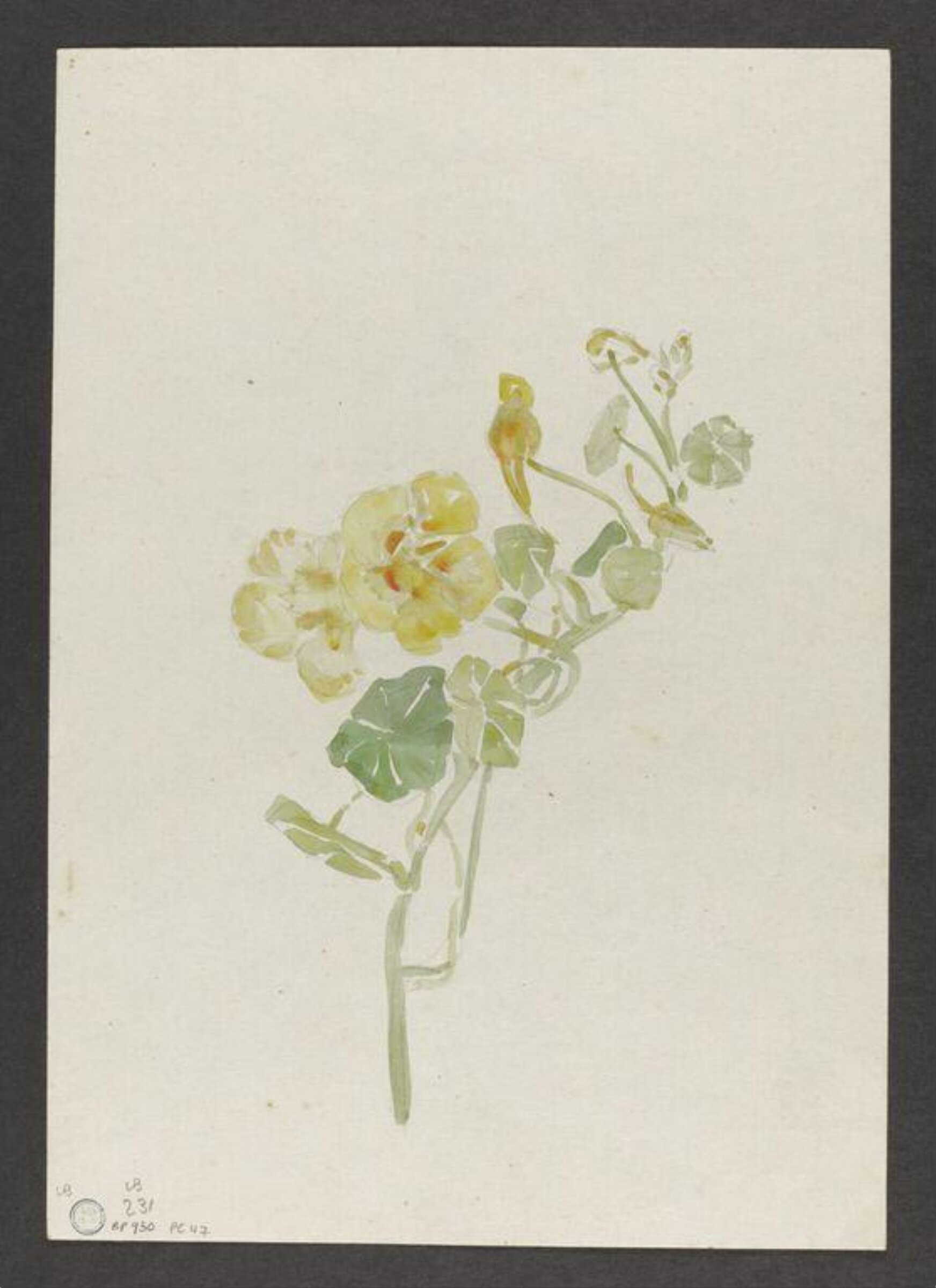
 Beatrix Potter1866–1943
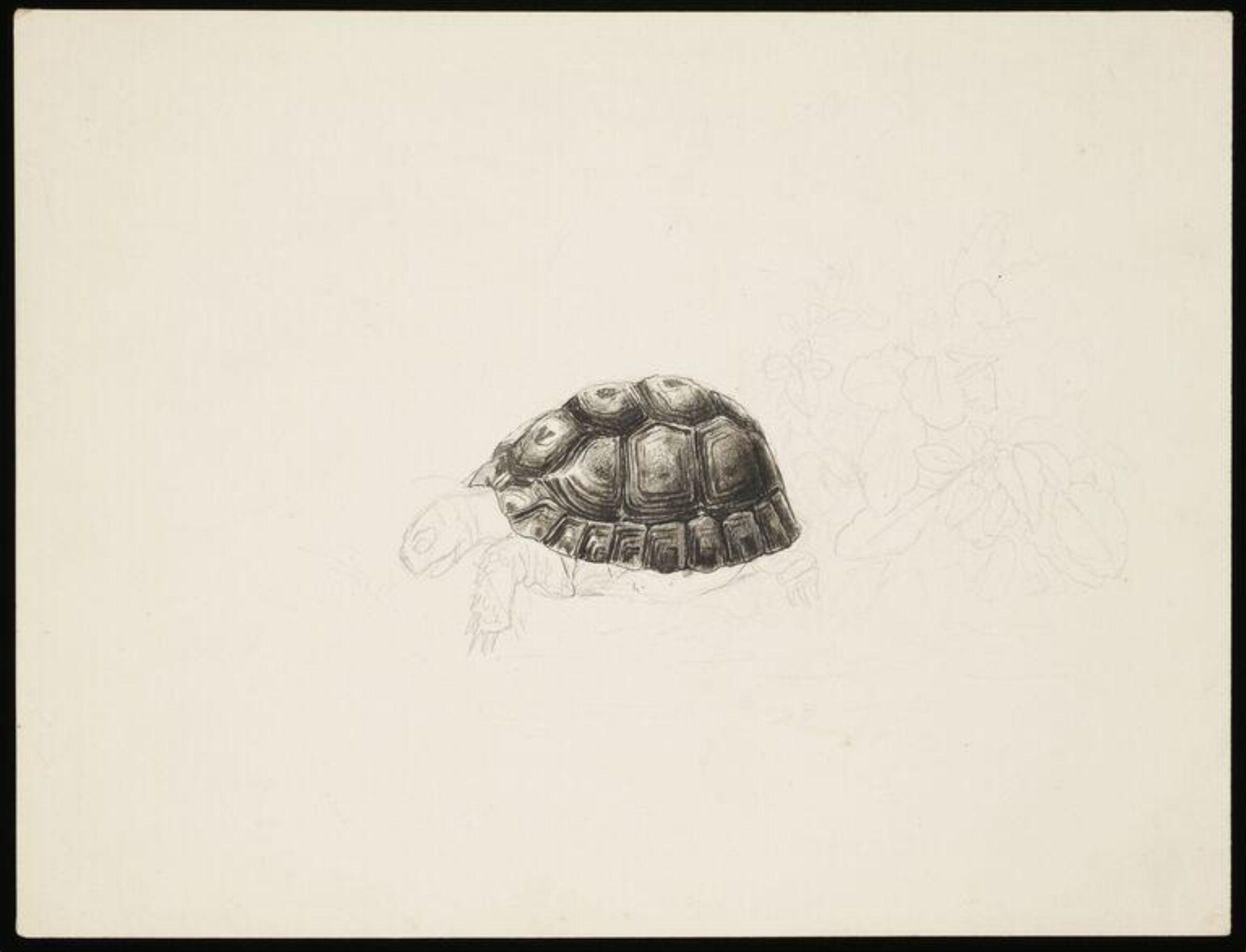
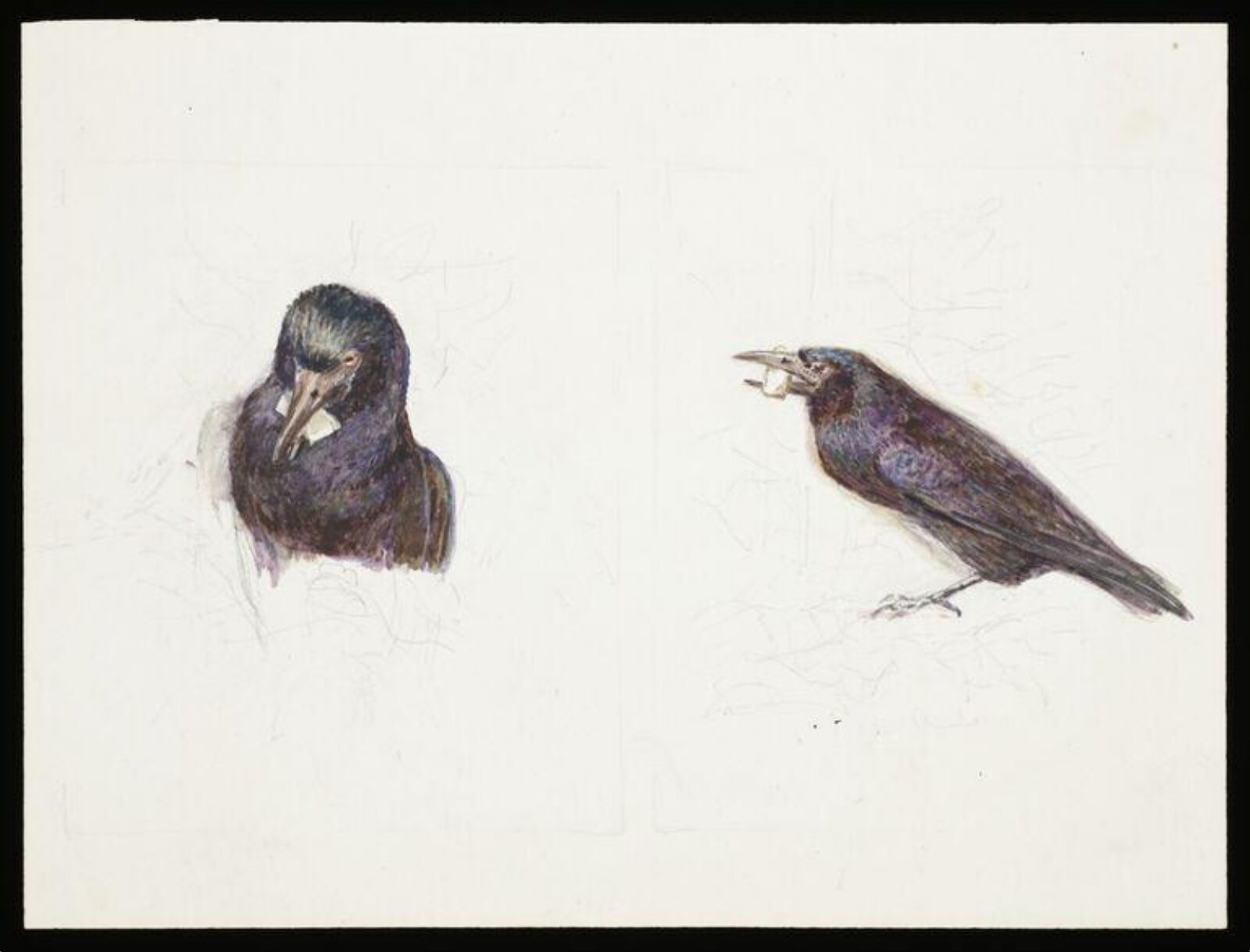
Crow with cheese in its beak
Si può ammirare?
Al momento non riceve

Londra, Regno Unito
Appartiene alla collezione, ma al momento non è esposta.
- Verificato
- Ultimo cambio di stato
- Fonte
- Il museo
Sull’opera
Beatrix Potter (1866-1943) is one of the world's best-loved children's authors and illustrators. She wrote the majority of the twenty-three Original Peter Rabbit Books between 1901 and 1913. The Tale of Peter Rabbit (Frederick Warne, 1902) is her most famous and best-loved tale.
In the 1890s, before becoming a published author, Beatrix Potter wrote out versions of, and made illustrations for, Aesop’s fables. Potter’s illustrations of well-known tales by other authors reveal her ability to bring their tales into her own imaginative world, her illustrations characterised by animal characters rendered with their natural behaviours and anatomy in mind.
Leggi
She came back to her early interest in Aesop in 1918 with the publication of The Tale of Johnny Town-Mouse (Frederick Warne), based on the fable of ‘The Town Mouse and the Country Mouse’. Potter then continued developing ideas based on Aesop’s fables in relation to her next book, which she planned as an amalgam of fables featuring Miss Jenny Crow and a fox. She sent a draft to her publishers, Frederick Warne & Co., writing, ‘I very much hope this may find favour? As I have (perhaps rashly!) started some of the pictures. Also crow shooting starts on Saturday so I have hopes of both models & pies.’ Her publishers, however, were unconvinced, replying: ‘it is not Miss Potter, it is Aesop.’
This study of a crow with a piece of food in its mouth is probably a study for ‘The Fox and the Crow’ and could well have been made at this time, in 1919. Bu, as noted above, Potter’s engagement with Aesop’s fables started considerably earlier. See also museum numbers Linder Bequest BP.1140(b) and BP.1140(c).
Victoria and Albert Museum
Scheda
- Numero di inventario
- BP.1140(a)
Che cosa raffigura
In catalogo
Fonti
- Victoria and Albert Museum
- Immagine: Victoria and Albert Museum — © Victoria and Albert Museum, London