 Thomas BanksRegno Unito, 1735–1805
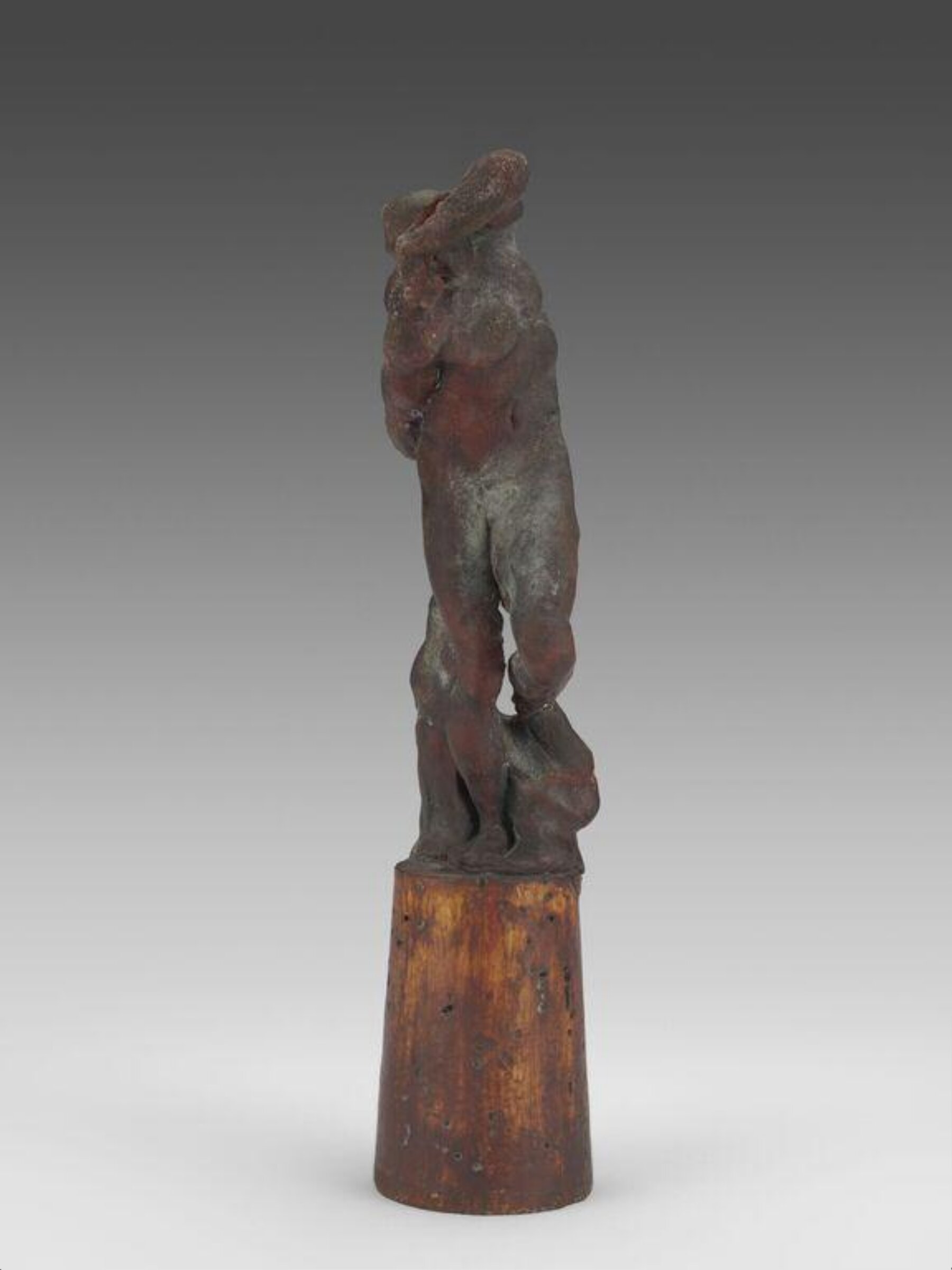
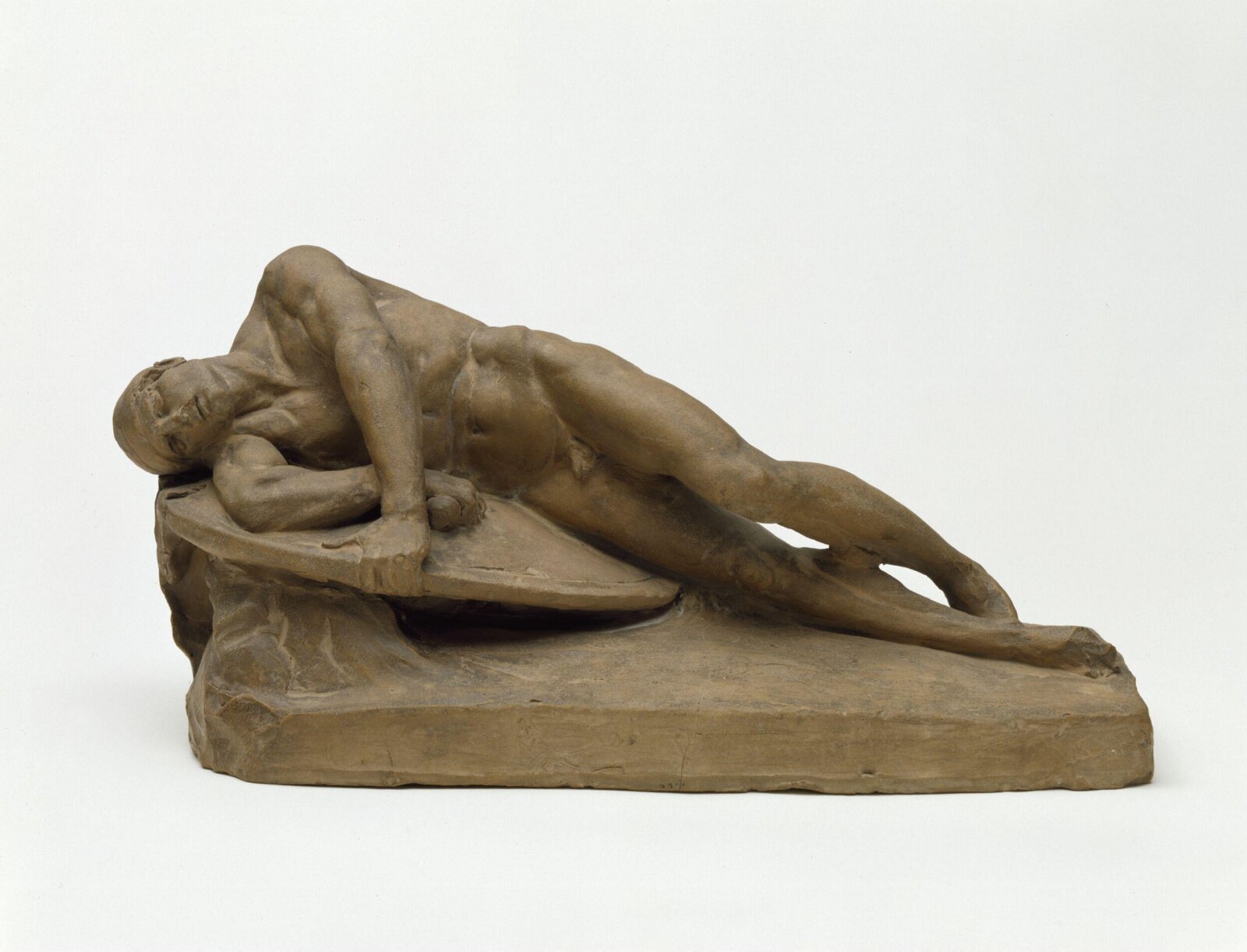
A Dying Hero
Si può ammirare?
Sì, riceve visite

Victoria and Albert Museum
Londra, Regno Unito
SalaSculpture, Room 22, The Dorothy and Michael Hintze Galleries
Esposta al pubblico. Chi lo garantisce è indicato qui sotto.
- Verificato
- Ultimo cambio di stato
- Fonte
- I dati di collezione del museo stesso
About the sculpture
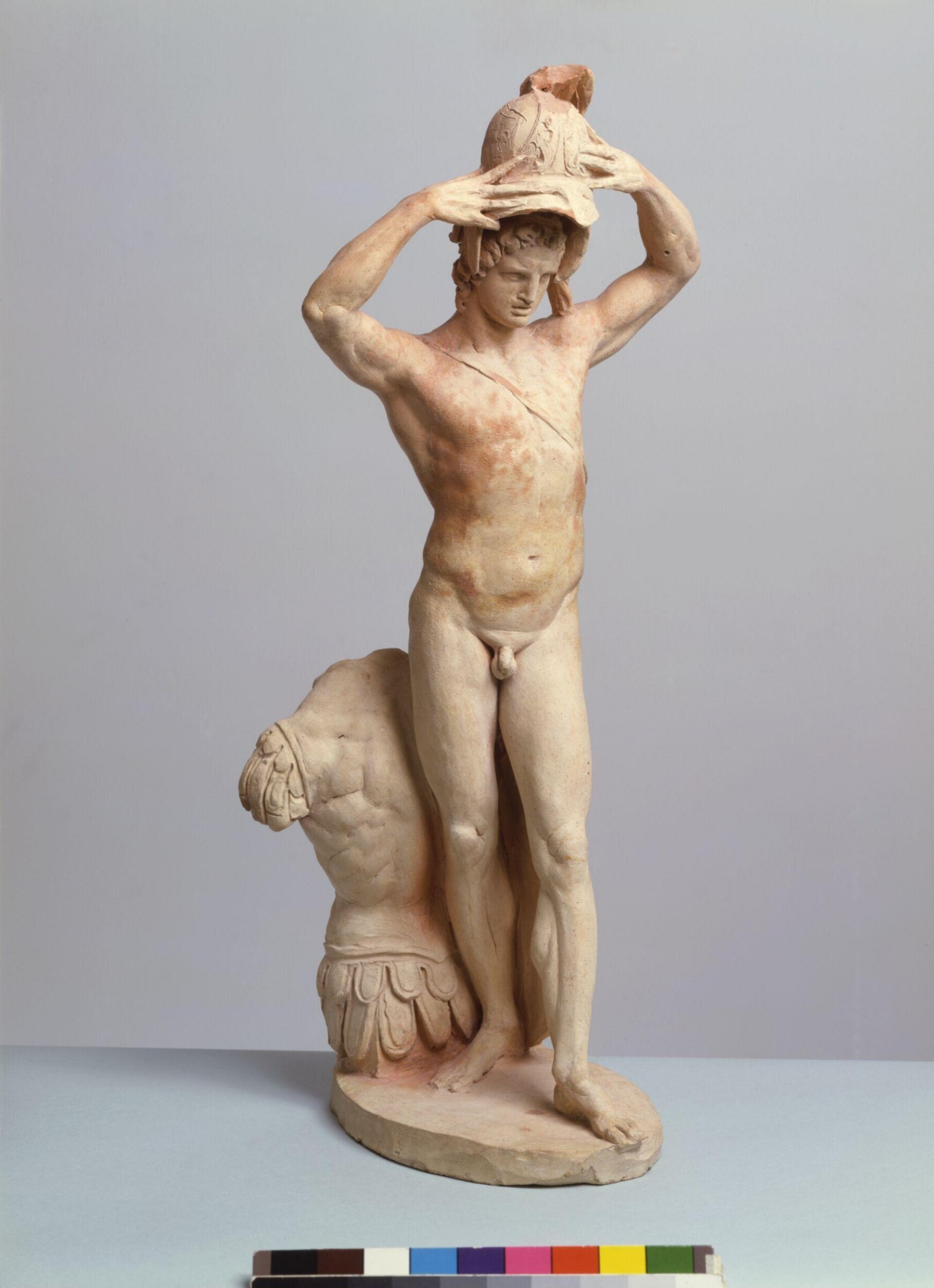
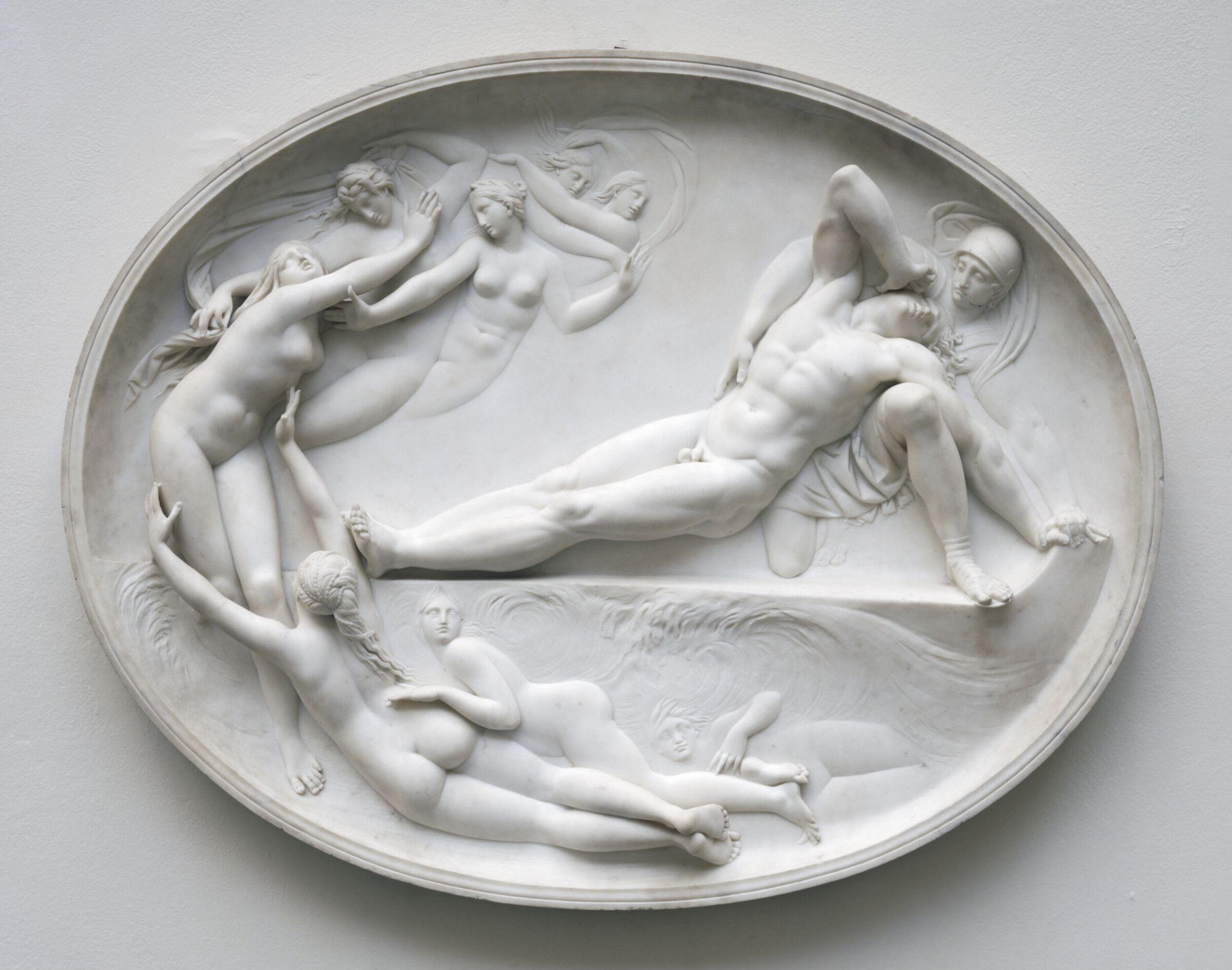
The reclining figure and the subject matter are closely related to a plaster model by Thomas Banks, The Dying Patriot, in Sir John Soane's Museum. The subject matter of the dying hero was one used by Banks in a number of works. The present piece could have been one of those terracottas executed by Banks whilst in Rome (1772-9), which remained in his studio after his death. His daughter Lavinia Forster recorded, 'All the terracottas were models made by my father in Italy, and are valuable to me' [Bell, 1938, p. 196]. This terracotta has recently been ascribed to the Swedish sculptor Johan Tobias Sergel (1740-1814), who was also working in Rome in the 1770s. This attribution remains uncertain though plausible, since both sculptors worked in a closely comparable neo-classical manner.
Read on
Thomas Banks (1735-1805) was apprenticed to a London mason, but also spent time working alongside the sculptor Peter Scheemakers (1691-1781). He enrolled in the life classes held at the St Martin's Lane Academy, and later at the Royal Academy Schools. In 1772 he became the first sculptor to win the Royal Academy's three-year travelling stipend, and went with his wife to Rome, where he eventually spent seven years. He specialised in ideal works, most of which were executed in Rome for British patrons, although he continued to produce similar work after his return to London. He was made a Royal Academician in 1786. Banks was one of the most original British Neo-classical sculptors, who dedicated his work to the antique spirit rather than to the fashionable classical style alone.. He tried to establish a market for modern gallery sculpture , which was particular for most patrons at the time preferred restored antique marbles, replicas, pastiches, busts and memorials.
Victoria and Albert Museum
Scheda
- Numero di inventario
- A.11-1963
What it shows
In catalogo
Fonti
- Victoria and Albert Museum: the museum's own open data · acquisita 11 giorni fa
- Immagine: Victoria and Albert Museum — © Victoria and Albert Museum, London