ART WIKI33 040 en salle
CarteCollectionArtistesMuséesExpositionsJournal
Connexion

ART WIKI

Où est accroché le chef-d’œuvre, et quand on vous laisse entrer.

Collections : Art Institute of Chicago, Cleveland Museum of Art, Galerie Tretiakov, Hirshhorn Museum and Sculpture Garden, J. Paul Getty Museum, Metropolitan Museum of Art, Minneapolis Institute of Art, Musée de l'Ermitage, Musée des Beaux-Arts Pouchkine, Musée du Louvre, musée national d'art asiatique, Musée russe, Musées d'Art de Harvard, Museum of Modern Art, National Gallery of Art, National Portrait Gallery, Rijksmuseum Amsterdam, Smithsonian American Art Museum, Statens Museum for Kunst, Victoria and Albert Museum, Villa Getty, Whitney Museum of American Art, Catalogue d’État du fonds muséal de Russie (274 musées), Europeana (19 musées), Wikidata (6 musées), Paris Musées (12 musées) et Joconde, la base des musées du ministère de la Culture (495 musées). Les images appartiennent à leurs ayants droit.

Rubriques

  • Carte
  • Recherche
  • Collection
  • Chefs-d’œuvre
  • Exposées en ce moment
  • Artistes

Et aussi

  • Musées et galeries
  • Expositions
  • Journal
  • D’où viennent les données
  • Confidentialité et cookies
AccueilCarteCatalogue
  1. Collection/
  2. Minneapolis Institute of Art/
  3. Untitled
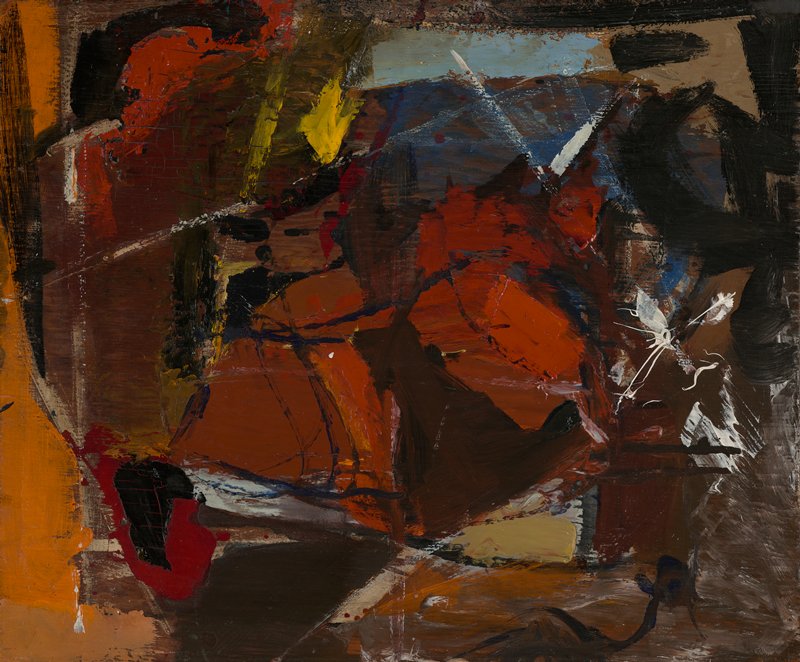
Untitled, Franz Kline, c. 1947–49
FFranz KlineÉtats-Unis, 1910–1962

Untitled

c. 1947–49 · Painting

Peut-on la contempler ?

Elle ne reçoit pas en ce moment

Minneapolis Institute of Art

Minneapolis, États-Unis

Elle appartient à la collection, mais n’est pas présentée en ce moment.

Vérifié
il y a 9 jours
Dans cet état depuis
25 sept. 2026
Source
Le musée
Sur la cartePage du musée

Notice

c. 1947–49
19101962
Numéro d’inventaire
2022.64.15

Au catalogue

PeinturesHuilePeinture américaineArt d’après-guerreXXe siècleÉtats-Unis

Sources

  • Minneapolis Institute of Art
  • Image : Minneapolis Institute of Art — © Minneapolis Institute of Art

Pendant ce temps, chez Franz Kline

La vie entière
  1. late 1940s

    From figuration to lines and planes

    From the late 1940s Kline generalizes his figurative subjects into lines and planes that fit together much like the Cubism of the time. Many of his forms derive from the locomotives, stark landscapes and large mechanical shapes of his native coal-mining region of Pennsylvania — sometimes apparent only from the titles of the works.

  2. 1948

    Projecting a sketch on the wall: de Kooning's advice

    According to Elaine de Kooning, in 1948 Willem de Kooning advises an artistically frustrated Kline to project a sketch onto his studio wall with a Bell-Opticon projector: a four-by-five-inch black drawing of a rocking chair swells into gigantic strokes, and it is widely believed that Kline then turns to large-scale abstract works. Willem himself conceded that working out this vision took considerable time.

  3. 1948–1950

    The turn to black-and-white abstraction

    Over the next two years Kline's brushstrokes become completely non-representative, fluid and dynamic, and he begins painting only in black and white: for him the white is just as important as the black. Viewers also see references to Japanese calligraphy in these paintings, through his exchange with the avant-garde group Bokujinkai and its leader Morita Shiryu, although Kline later denied the connection.

  4. 16 October – 4 November 1950

    First solo show at the Charles Egan Gallery

    At the Charles Egan Gallery in New York Kline's first one-man show opens: eleven abstract paintings with very little colour — brown underpainting near the bottom of “Nijinsky” and fleeting hints of green in “Leda”. Afterwards he is dubbed the “black and white artist”, a label by which he sometimes feels restricted.

  5. early 1950s

    An affinity with Pierre Soulages

    In the early 1950s Kline's work appears very much inspired by the French painter Pierre Soulages, who had exhibited at Betty Parsons' gallery in New York in 1949.

  6. 1951

    Taking part in the 9th Street Art Exhibition

    A year after his first solo show Kline takes part in the 9th Street Art Exhibition.
Autres œuvres : Franz Kline

Toutes les œuvres
Painting, Franz Kline, 1952

Painting

1952 · Art Institute of Chicago

Chicago, Franz Kline, 1959

Chicago

1959 · Art Institute of Chicago

Figure, Franz Kline

Figure

Non exposée · National Gallery of Art

Untitled, Franz Kline

Untitled

Non exposée · National Gallery of Art

Study for Betsy, Franz Kline

Study for Betsy

Non exposée · National Gallery of Art

Untitled, Franz Kline, 1910 - 1962

Untitled

1910 - 1962 · Non exposée · National Gallery of Art

Nude Figure Studies, Franz Kline, 1936

Nude Figure Studies

1936 · Non exposée · National Gallery of Art

Sanitation Man, Franz Kline, 1939-1940

Sanitation Man

1939-1940 · Non exposée · National Gallery of Art

Sous le même toit : Minneapolis Institute of Art

Page du musée
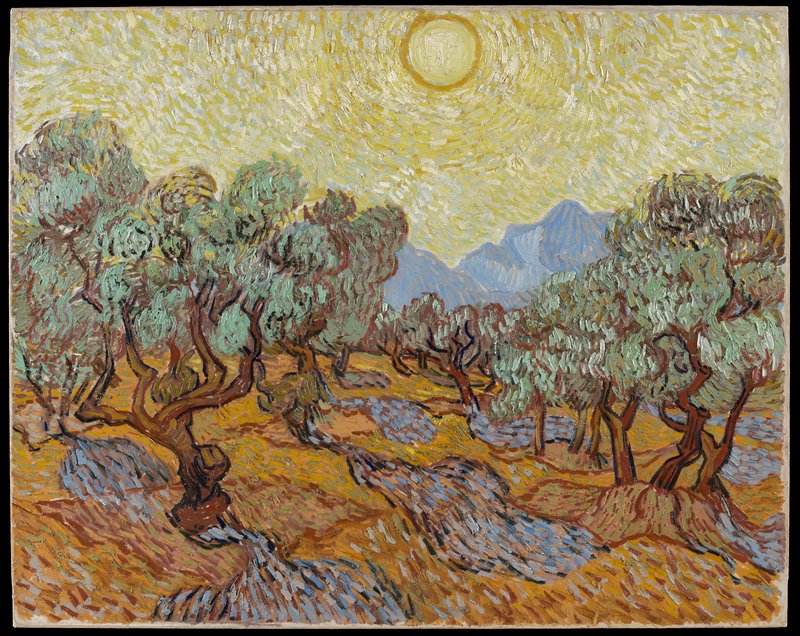
Olive Trees, Vincent van Gogh, 1889

Vincent van Gogh

Olive Trees, 1889

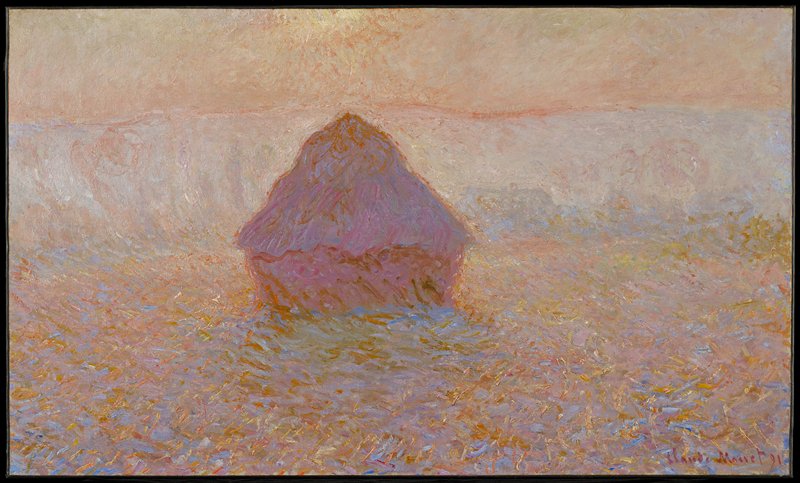
Grainstack, Sun in the Mist, Claude Monet, 1891

Claude Monet

Grainstack, Sun in the Mist, 1891

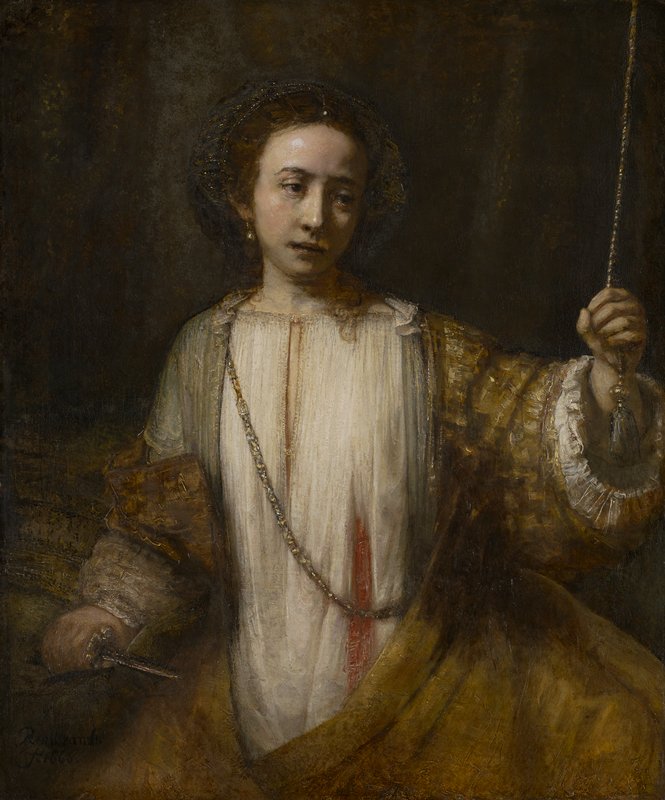
Lucretia, Rembrandt van Rijn, 1666

Rembrandt van Rijn

Lucretia, 1666

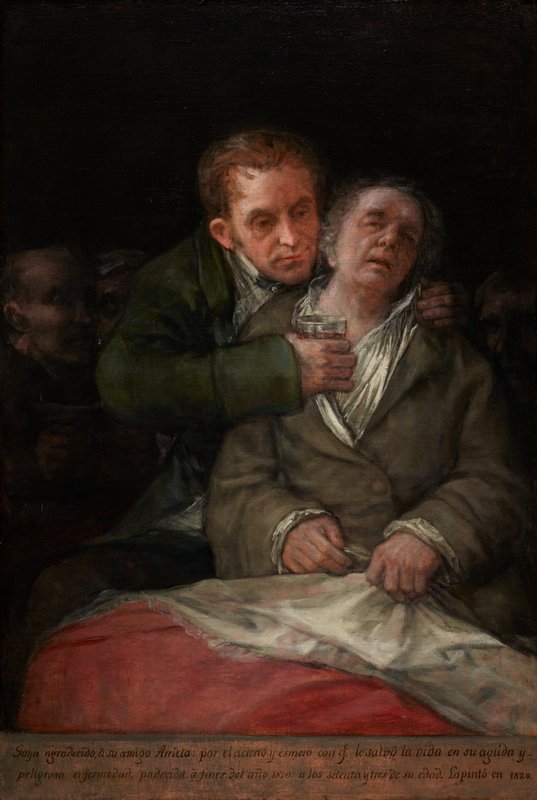
Self-Portrait with Dr. Arrieta, Francisco José de Goya y Lucientes, 1820

Francisco de Goya

Goya et son médecin, 1820

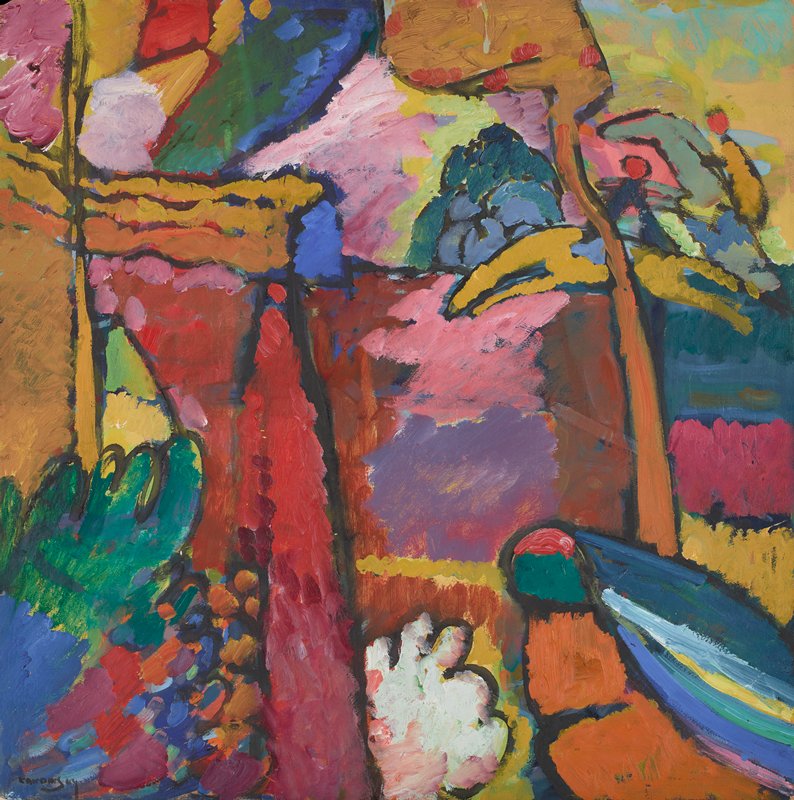
Study for Improvisation V, Vassily Kandinsky, 1910

Vasily Kandinsky

Study for Improvisation V, 1910

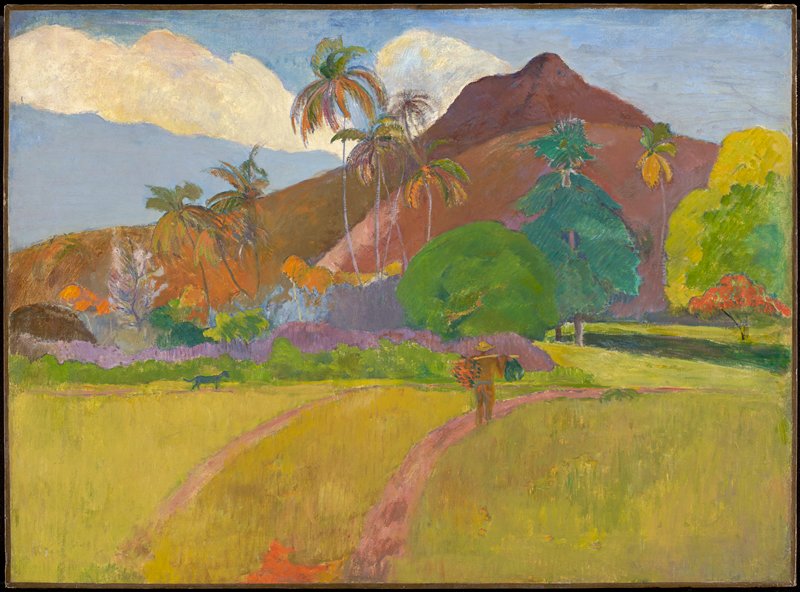
Tahitian Landscape, Paul Gauguin, 1891

Paul Gauguin

Tahitian Landscape, 1891

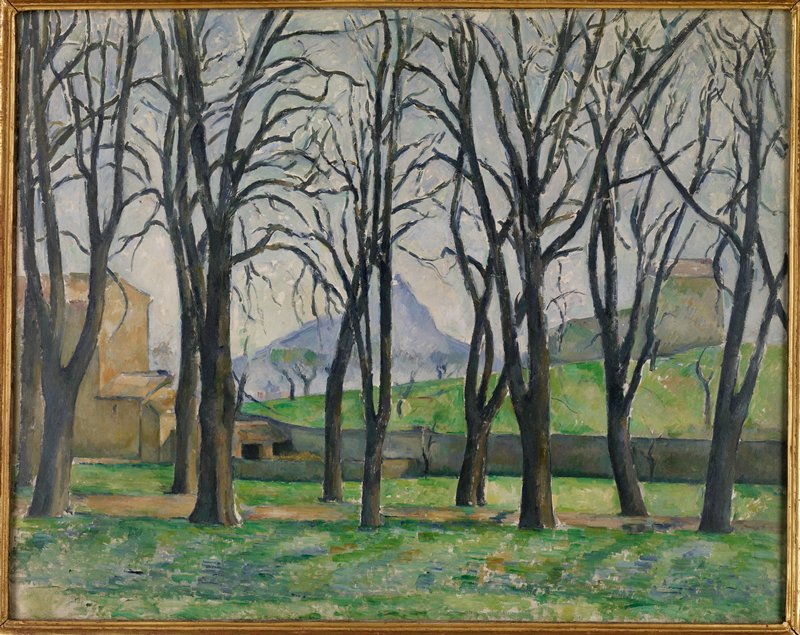
Chestnut Trees at Jas de Bouffan, Paul Cézanne, c. 1885–86

Paul Cézanne

Chestnut Trees at Jas de Bouffan, c. 1885–86

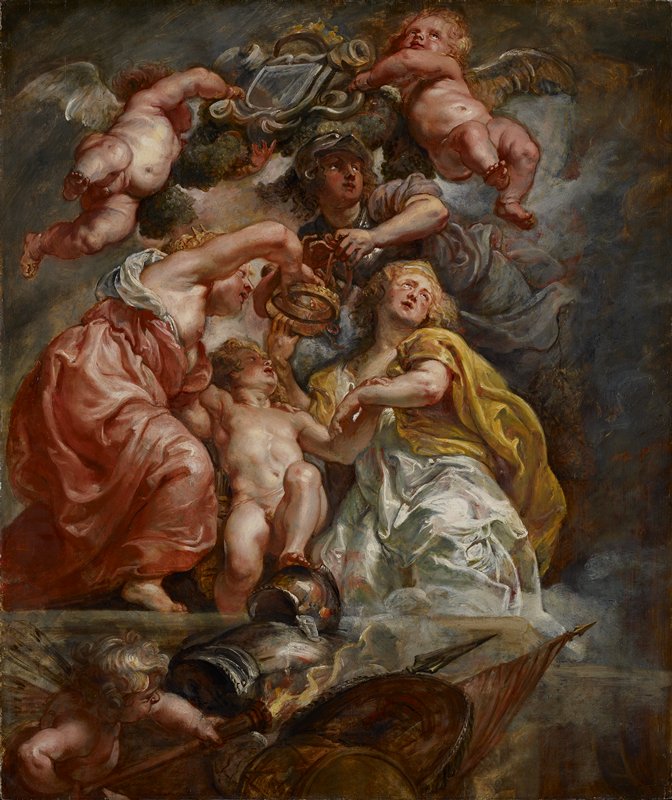
The Union of England and Scotland (Charles I as the Prince of Wales), Peter Paul Rubens, 1633–34

Peter Paul Rubens

The Union of England and Scotland (Charles I as the Prince of Wales), 1633–34