 Francis PicabiaFrance, 1879–1953
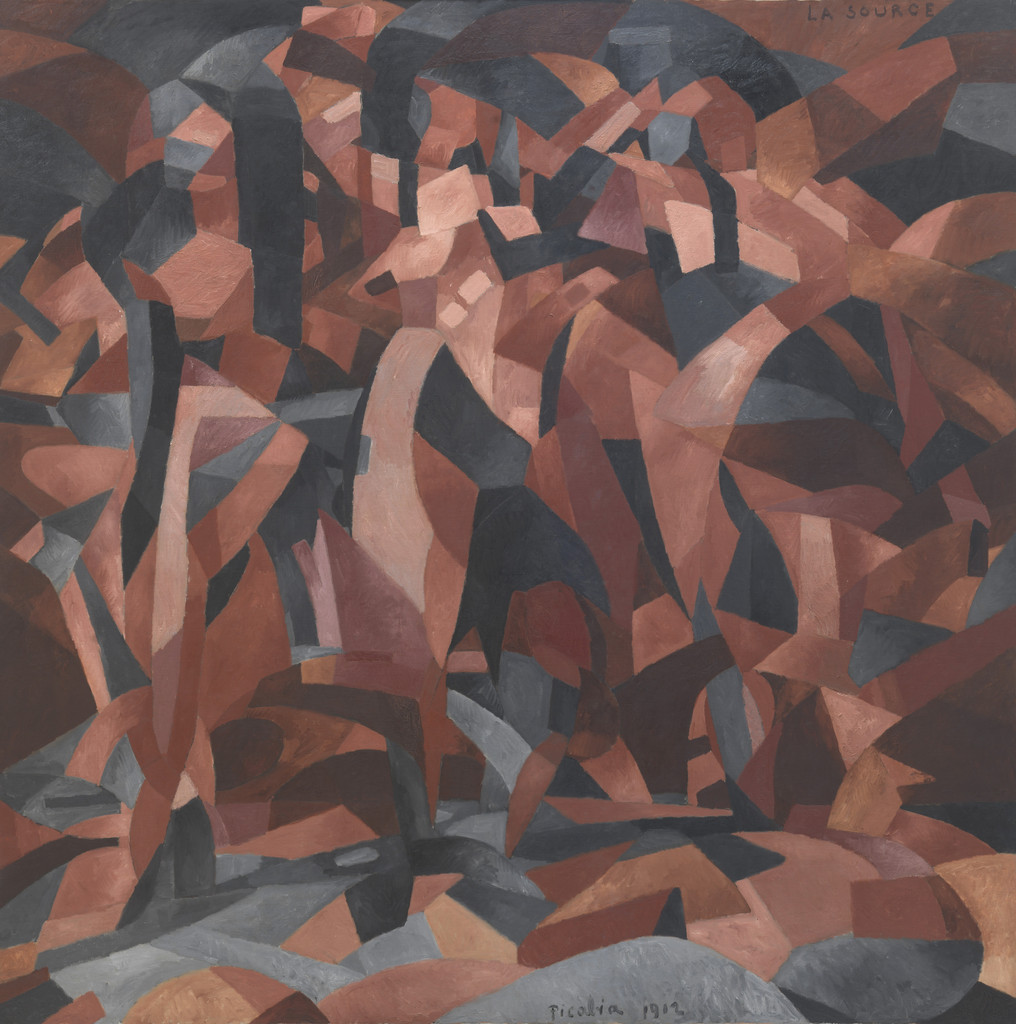
The Spring
Peut-on la contempler ?
Oui, elle reçoit

Présentée au public. Qui s’en porte garant est indiqué ci-dessous.
- Vérifié
- il y a 6 jours
- Source
- Les données de collection du musée lui-même
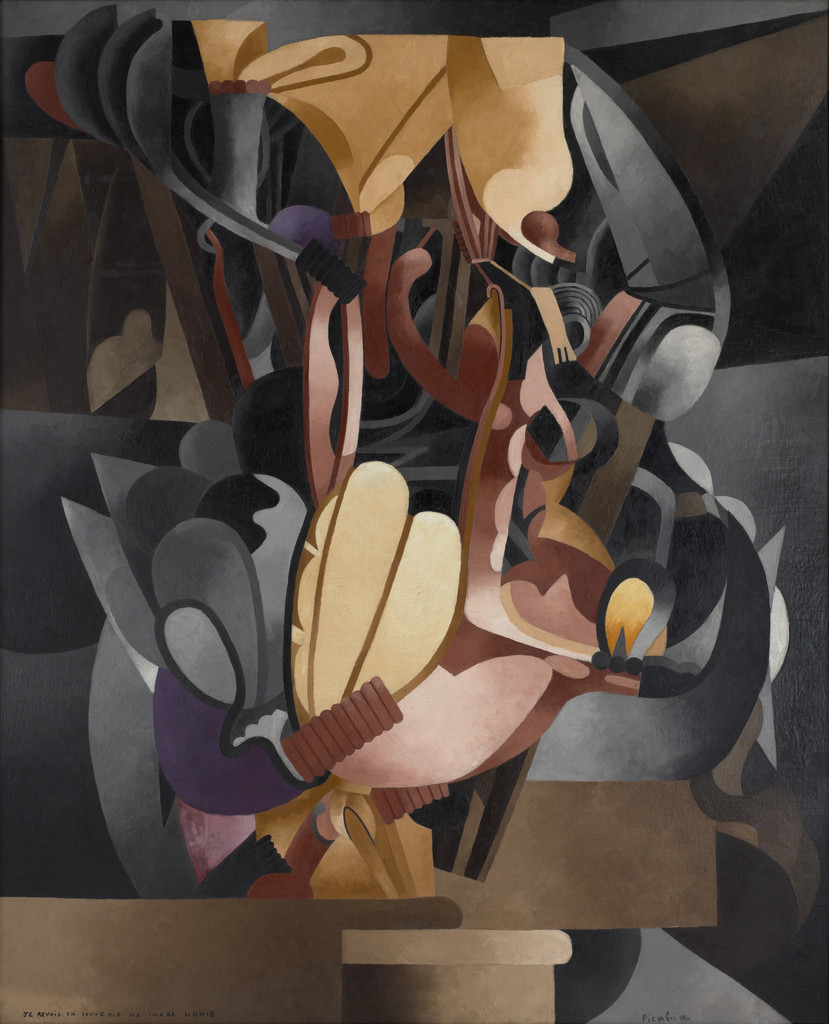
About the painting
The Spring (or La Source) is a large oil painting created in 1912 by the French artist Francis Picabia. The work, both Cubist and abstract, was exhibited in Paris at the Salon d'Automne of 1912. The Cubist contribution to the 1912 Salon d'Automne created a controversy in the Municipal Council of Paris, leading to a debate in the Chambre des Députés about the use of public funds to provide the venue for such 'barbaric' art. The Cubists were defended by the Socialist deputy, Marcel Sembat. This painting was realized as Albert Gleizes and Jean Metzinger, in preparation for the Salon de la Section d'Or, published a major defence of Cubism, resulting in the first theoretical essay on the new movement, Du «Cubisme». The painting forms part of the permanent collection of the Museum of Modern Art, New York City.
Notice
- Numéro d’inventaire
- 1411.1974
Sources
- Museum of Modern Art: the museum's own open data · obtenue il y a 13 jours
- Image : Museum of Modern Art — © the artist or rights holder
Pendant ce temps, chez Francis Picabia
La vie entière1910
Meets Marcel Duchamp
His meeting with Marcel Duchamp in 1910 had a decisive influence on Picabia's personality and art: he moved from Fauvism to Cubism and geometric abstraction. Other accounts have them becoming friends around 1911 in the Puteaux Group.
18 janvier 1910
Daughter born: Laure Marie Catalina Martinez-Picabia
c. 1911
The Puteaux Group: friendship with Apollinaire
Around 1911 Picabia joined the Puteaux Group, whose members he had met at Jacques Villon's studio; there he became friends with Marcel Duchamp and close friends with Guillaume Apollinaire, while the group also included Gleizes, La Fresnaye, Léger and Metzinger.
1913
The only Cubist at the Armory Show
The wealthy Picabia was the only Cubist to attend the Armory Show in New York in person, where he showed four paintings; the press was largely hostile, but he was widely interviewed and at once became a major name in New York's art circles.
17 March – 5 April 1913
Solo show at Stieglitz's gallery 291
Alfred Stieglitz gave him the solo show Exhibition of New York Studies by Francis Picabia at his gallery 291 — abstract works made over a few months in New York under the impression of Kandinsky and other abstract art at the Armory Show.
April 1913
Back in Paris, he breaks with the Cubists
On returning to Paris in April 1913, Picabia formally broke with the Cubists.