ART WIKI32 963 en salle
CarteCollectionArtistesMuséesExpositionsJournal
Connexion

ART WIKI

Où est accroché le chef-d’œuvre, et quand on vous laisse entrer.

Collections : Art Institute of Chicago, Cleveland Museum of Art, Galerie Tretiakov, Hirshhorn Museum and Sculpture Garden, J. Paul Getty Museum, Metropolitan Museum of Art, Minneapolis Institute of Art, Musée de l'Ermitage, Musée des Beaux-Arts Pouchkine, Musée du Louvre, musée national d'art asiatique, Musée russe, Musées d'Art de Harvard, Museum of Modern Art, National Gallery of Art, National Portrait Gallery, Rijksmuseum Amsterdam, Smithsonian American Art Museum, Statens Museum for Kunst, Victoria and Albert Museum, Villa Getty, Whitney Museum of American Art, Catalogue d’État du fonds muséal de Russie (274 musées), Europeana (19 musées), Wikidata (6 musées), Paris Musées (12 musées) et Joconde, la base des musées du ministère de la Culture (495 musées). Les images appartiennent à leurs ayants droit.

Rubriques

  • Carte
  • Recherche
  • Collection
  • Chefs-d’œuvre
  • Exposées en ce moment
  • Artistes

Et aussi

  • Musées et galeries
  • Expositions
  • Journal
  • D’où viennent les données
  • Confidentialité et cookies
AccueilCarteCatalogue
  1. Collection/
  2. National Gallery of Art/
  3. The Philosopher (Le philosophe)
The Philosopher (Le philosophe), Edouard Manet, 1866
Édouard Manet, portraitÉdouard ManetFrance, 1832–1883

The Philosopher (Le philosophe)

1866 · Print

Peut-on la contempler ?

Elle ne reçoit pas en ce moment

National Gallery of Art

Washington, États-Unis

Elle appartient à la collection, mais n’est pas présentée en ce moment.

Vérifié
avant-hier
Dans cet état depuis
19 août 2026
Source
Les données de collection du musée lui-même
Sur la cartePage du musée

Notice

1866 · à 34 ans
18321883
Numéro d’inventaire
1952.8.260

Ce qu’elle montre

ChapeauHomme

Au catalogue

EstampesEau-forteRéalismeImpressionnismeXIXe siècleFrench

Sources

  • National Gallery of Art : les données ouvertes du musée · obtenue il y a 8 jours
  • Image : National Gallery of Art — Museum open access

Pendant ce temps, chez Édouard Manet

La vie entière
  1. 1865

    “Olympia” at the Salon: a scandal

    In 1865 the Salon accepted “Olympia”, and the frank depiction of a self-assured prostitute created a scandal; according to Antonin Proust, only the precautions taken by the administration prevented the painting from being punctured and torn. The popular press caricatured it, while the avant-garde, including Courbet, Cézanne and Monet, championed it.

  2. after 1865

    Café Guerbois and the Batignolles group

    After returning from Spain Manet became a regular at the Café Guerbois in the Batignolles quarter, where Fantin-Latour, Whistler, Duranty, Degas, Renoir, Monet and Pissarro gathered, with Émile Zola as Manet's ardent defender. After harsh reproaches from Duranty, Manet challenged him to a duel and wounded him, but they made up and remained good friends until Manet's death.

  3. 1865

    Flight to Spain: El Greco, Velázquez, Goya

    The persecution after “Olympia” forced Manet to flee, almost literally, to Spain, where he spent his time to good purpose, getting to know the works of El Greco, Velázquez and Goya and finding in them a justification of his own aesthetic taste.

  4. 1867

    His own pavilion near the Pont de l'Alma

    In 1867, during the World's Fair in Paris, Manet set up his own pavilion near the Pont de l'Alma and showed fifty of his best works of the past ten years. Possibly this step led to his works being accepted at the next two Salons.

  5. 1867

    Zola defends Manet in print

    In 1867 Émile Zola, who supported Manet publicly in the press, wrote that the public was not accustomed to such simple and direct translations of reality and that this luminous and serious painting interprets nature with a gentle brutality.

  6. 1868

    Friendship with Berthe Morisot

    In 1868 Manet became a friend and colleague of Berthe Morisot; she is credited with convincing him to attempt plein air painting, to which Camille Corot had introduced her. Through Morisot, Manet became friends with Degas, Monet, Renoir, Sisley, Cézanne and Pissarro.

Autres œuvres : Édouard Manet

Toutes les œuvres
The Spanish Singer, Edouard Manet, 1860

Le Chanteur espagnol

1860 · Metropolitan Museum of Art

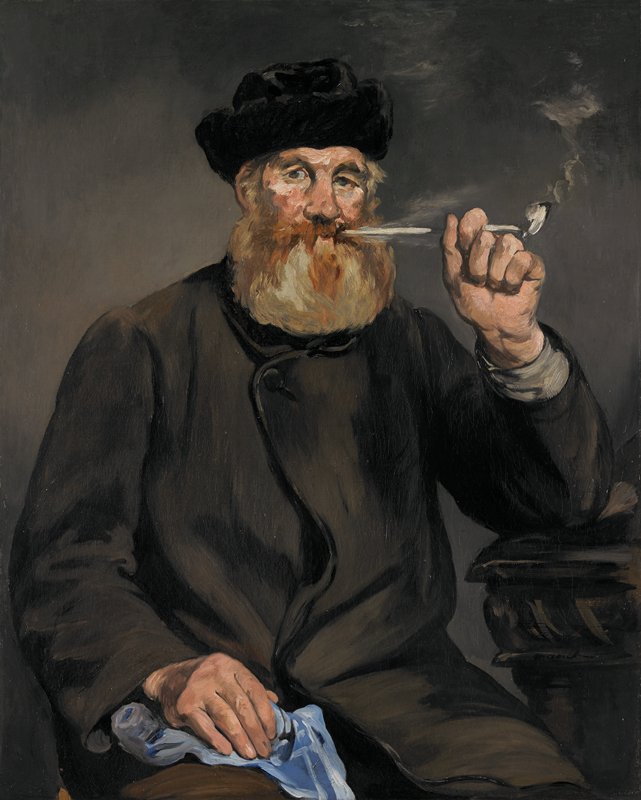
The Smoker, Édouard Manet, 1866

The Smoker

1866 · Minneapolis Institute of Art

Young Lady in 1866, Edouard Manet, 1866

Young Lady in 1866

1866 · Metropolitan Museum of Art

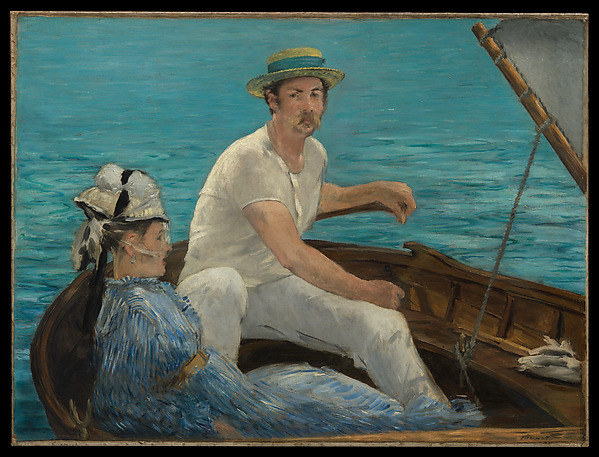
Boating, Edouard Manet, 1874

En bateau

1874 · Metropolitan Museum of Art

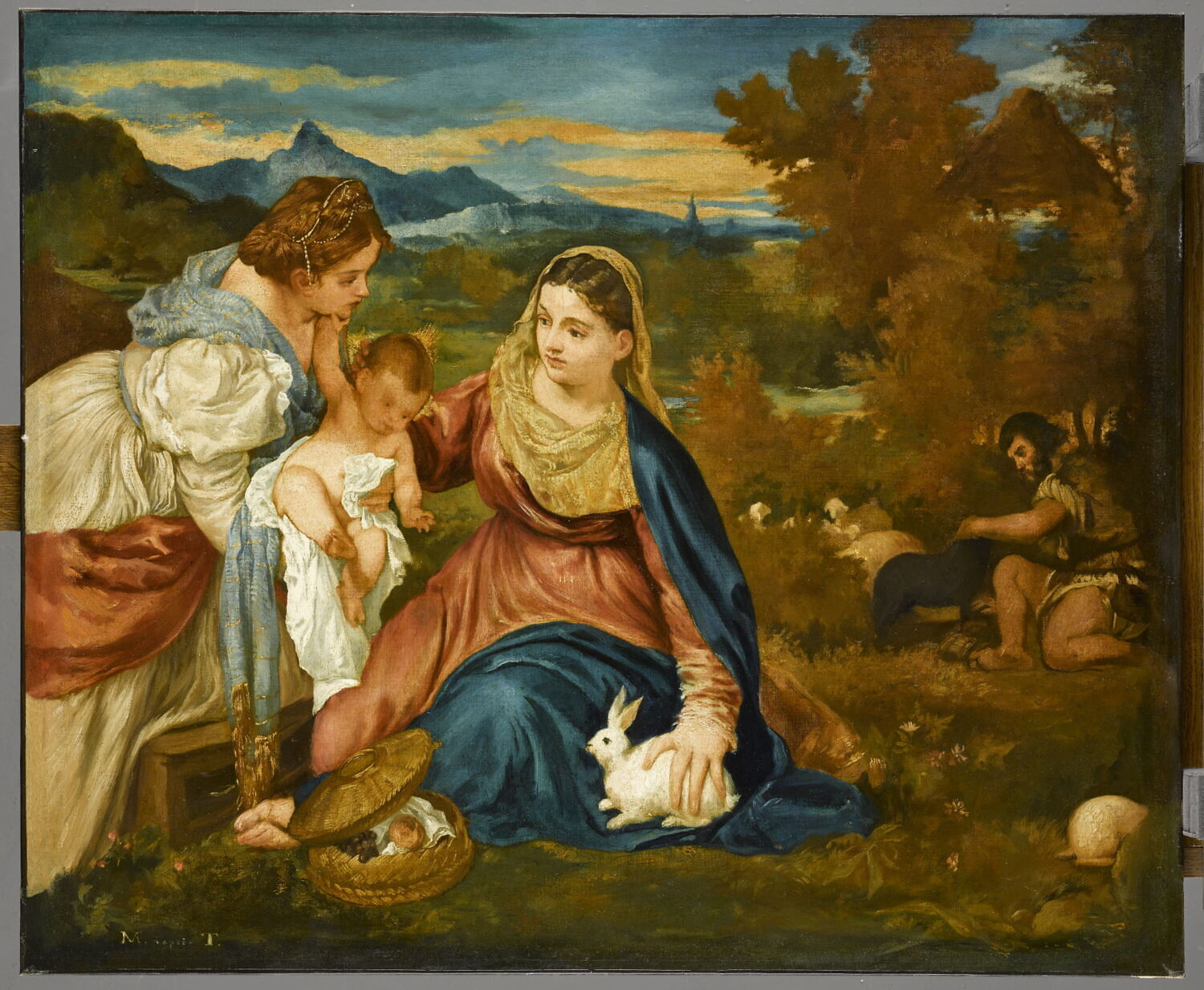
La Vierge au lapin, Manet, Édouard, Milieu du XIXe siècle (1840 - 1860)

La Vierge au lapin

Milieu du XIXe siècle (1840 - 1860) · Musée du Louvre

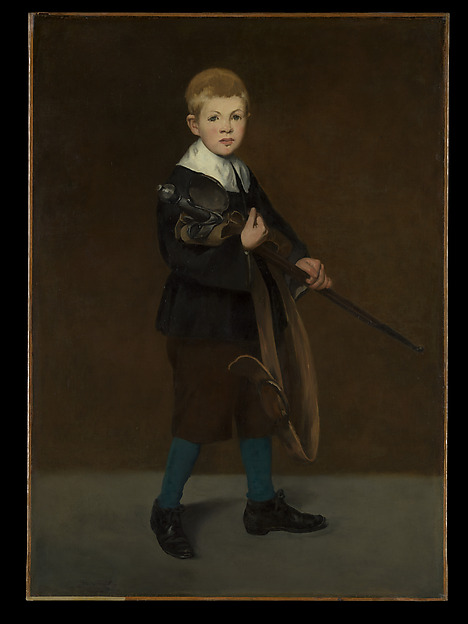
Boy with a Sword, Edouard Manet, 1861

L'Enfant à l'épée

1861 · Metropolitan Museum of Art

Portrait of Madame Brunet, Édouard Manet, about 1861–1863, reworked by 1867

Portrait of Madame Brunet

about 1861–1863, reworked by 1867 · J. Paul Getty Museum

The Old Musician, Edouard Manet, 1862

Le Vieux Musicien

1862 · National Gallery of Art

Sous le même toit : National Gallery of Art

Page du musée
Ginevra de' Benci [obverse], Leonardo da Vinci, c. 1474/1478

Leonardo da Vinci

Portrait de Ginevra de' Benci, c. 1474/1478

Wreath of Laurel, Palm, and Juniper with a Scroll inscribed Virtutem Forma Decorat [reverse], Leonardo da Vinci, c. 1474/1478

Leonardo da Vinci

Wreath of Laurel, Palm, and Juniper with a Scroll inscribed Virtutem Forma Decorat [reverse], c. 1474/1478

Green Wheat Fields, Auvers, Vincent van Gogh, 1890

Vincent van Gogh

Green Wheat Fields, Auvers, 1890

Girl in White, Vincent van Gogh, 1890

Vincent van Gogh

Jeune Fille en blanc, 1890

Roses, Vincent van Gogh, 1890

Vincent van Gogh

Roses, 1890

Self-Portrait, Vincent van Gogh, 1889

Vincent van Gogh

Self-Portrait, 1889

Farmhouse in Provence, Vincent van Gogh, 1888

Vincent van Gogh

Ferme en Provence, 1888

La Mousmé, Vincent van Gogh, 1888

Vincent van Gogh

La Mousmé, 1888