ART WIKI32 963 en salle
CarteCollectionArtistesMuséesExpositionsJournal
Connexion

ART WIKI

Où est accroché le chef-d’œuvre, et quand on vous laisse entrer.

Collections : Art Institute of Chicago, Cleveland Museum of Art, Galerie Tretiakov, Hirshhorn Museum and Sculpture Garden, J. Paul Getty Museum, Metropolitan Museum of Art, Minneapolis Institute of Art, Musée de l'Ermitage, Musée des Beaux-Arts Pouchkine, Musée du Louvre, musée national d'art asiatique, Musée russe, Musées d'Art de Harvard, Museum of Modern Art, National Gallery of Art, National Portrait Gallery, Rijksmuseum Amsterdam, Smithsonian American Art Museum, Statens Museum for Kunst, Victoria and Albert Museum, Villa Getty, Whitney Museum of American Art, Catalogue d’État du fonds muséal de Russie (274 musées), Europeana (19 musées), Wikidata (6 musées), Paris Musées (12 musées) et Joconde, la base des musées du ministère de la Culture (495 musées). Les images appartiennent à leurs ayants droit.

Rubriques

  • Carte
  • Recherche
  • Collection
  • Chefs-d’œuvre
  • Exposées en ce moment
  • Artistes

Et aussi

  • Musées et galeries
  • Expositions
  • Journal
  • D’où viennent les données
  • Confidentialité et cookies
AccueilCarteCatalogue
  1. Collection/
  2. Museum of Modern Art/
  3. The Horse
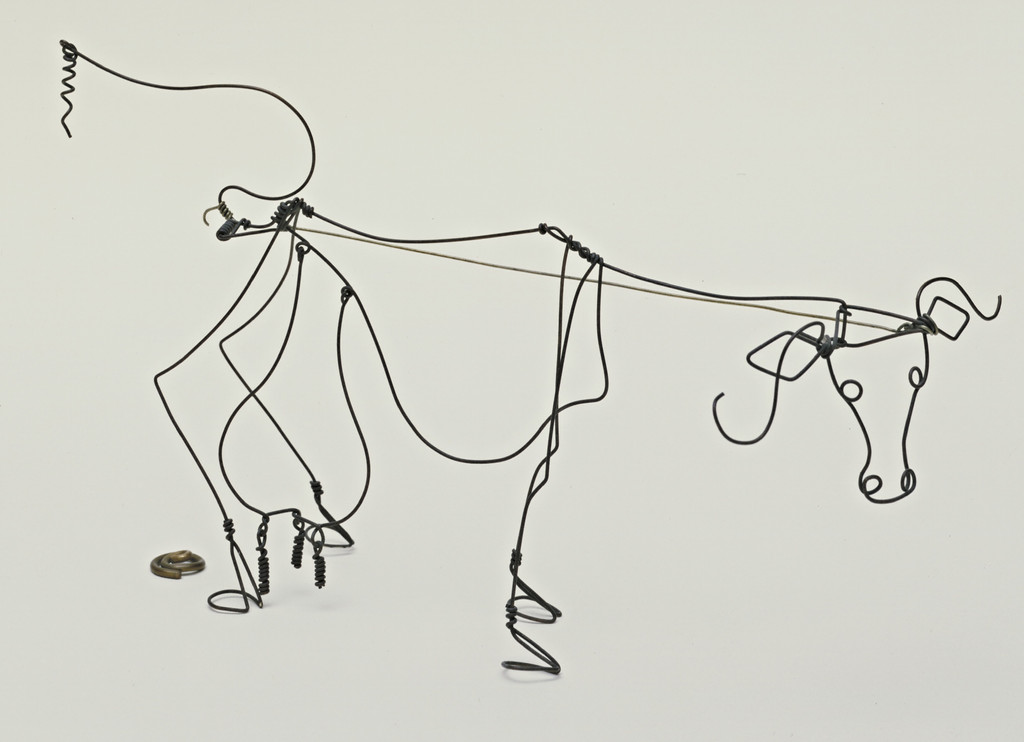
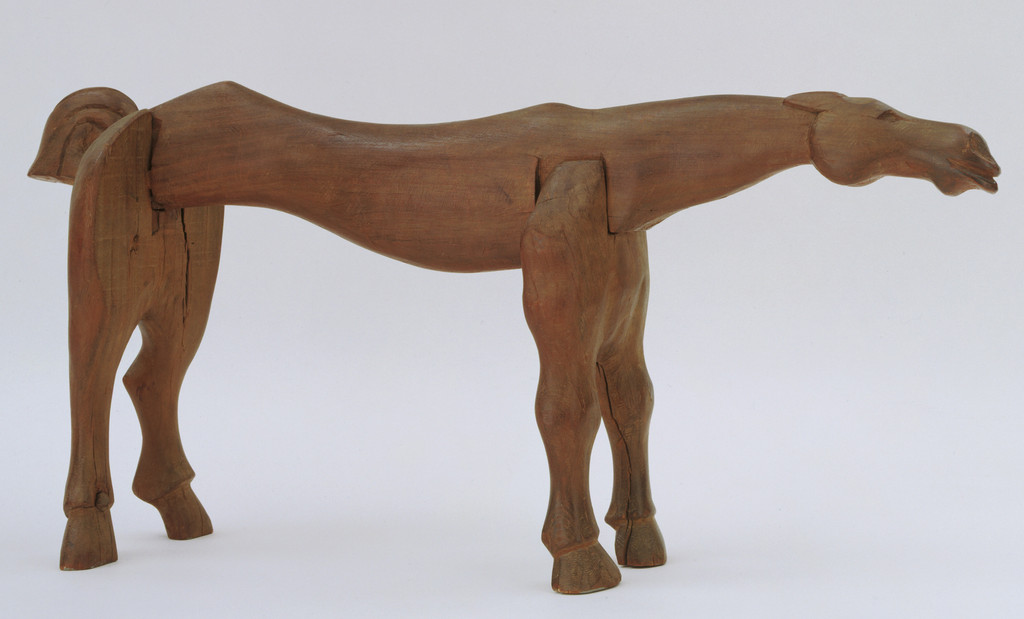
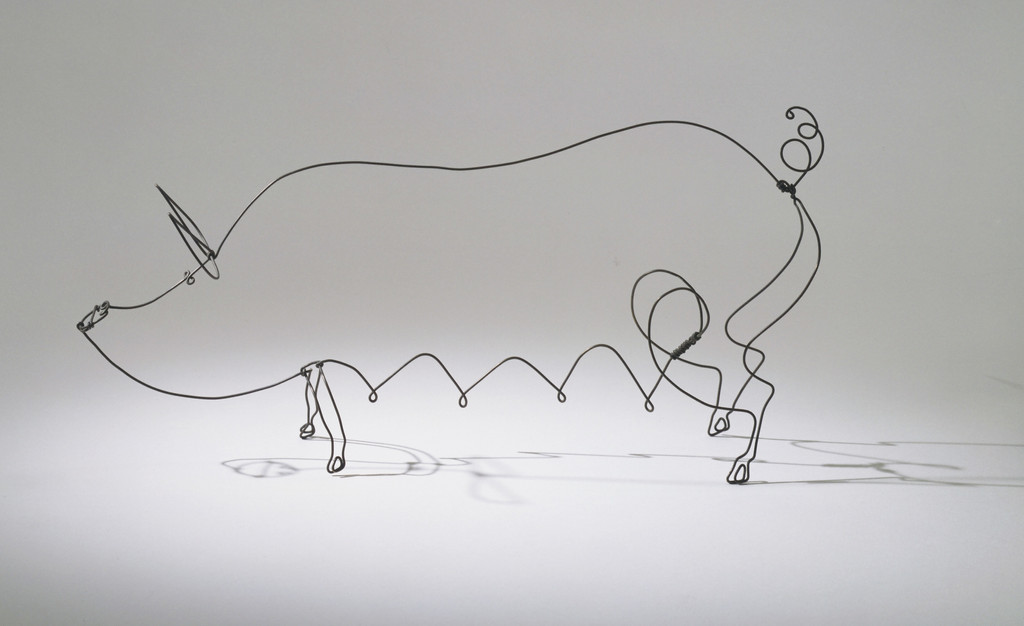
The Horse, Alexander Calder, 1928
Alexander Calder, portraitAlexander CalderÉtats-Unis, 1898–1976

The Horse

1928 · Sculpture

Peut-on la contempler ?

Elle ne reçoit pas en ce moment

Museum of Modern Art

New York, États-Unis

Elle appartient à la collection, mais n’est pas présentée en ce moment.

Vérifié
il y a 8 jours
Source
Les données de collection du musée lui-même
Sur la cartePage du musée

Notice

1928 · à 30 ans
18981976
Numéro d’inventaire
747.1943

Au catalogue

SculptureBoisModernismeXXe siècle

Sources

  • Museum of Modern Art : les données ouvertes du musée · obtenue il y a 15 jours
  • Image : Museum of Modern Art — © the artist or rights holder

Pendant ce temps, chez Alexander Calder

La vie entière
  1. July 1926

    To Paris as a crew member of the cargo steamer Galileo

    In July 1926 Calder sets out for Paris as a crew member of the British cargo steamship Galileo as far as Hull, continuing by train and boat. In Paris he enrols at the Académie de la Grande Chaumière and sets up a studio at 22 rue Daguerre in Montparnasse, later moving to 7 villa Brune in the same district.

  2. 1927

    His first solo exhibition, in Paris

    Calder’s first solo exhibition takes place in 1927 at the gallery of Jacques Seligmann in Paris.

  3. 1927

    Among the Parisian avant-garde

    In 1927 Calder settles in Paris and grows close to the avant-garde, including Cocteau, Man Ray, Mondrian, Desnos and Le Corbusier; he befriends Fernand Léger, Jean Arp and Marcel Duchamp, and Joan Miró becomes a friend for life.

  4. 1929

    A show of wire sculptures at Galerie Billiet

    Calder invented wire sculpture, or “drawing in space”, and in 1929 he holds in Paris, at Galerie Billiet, his first solo show of such works; the preface to the catalogue is written by the painter Jules Pascin, a friend from the Montparnasse cafés. “Hi!”, an early example of his wire sculpture, is in the collection of the Honolulu Museum of Art.

  5. June 1929

    Meets Louisa James on a steamship

    In June 1929, travelling by boat from Paris to New York, Calder meets his future wife, Louisa James (1905–1996), a daughter of Edward Holton James and grandniece of the author Henry James and the philosopher William James. They will marry in 1931 and stay together for the rest of his life; they will have two daughters.

  6. 1930

    In Mondrian’s studio: the shock of abstraction

    A visit to Piet Mondrian’s studio in 1930, with its environment-as-installation, “shocks” Calder into fully embracing abstract art, toward which he had already been tending. He abandons the static quality of Mondrian’s Neo-Plasticism and sets himself the task of creating dynamic systems that reflect the continuous changeability of nature; another stimulus toward kinetic art was a planetarium that showed the movements of celestial bodies.

Autres œuvres : Alexander Calder

Toutes les œuvres
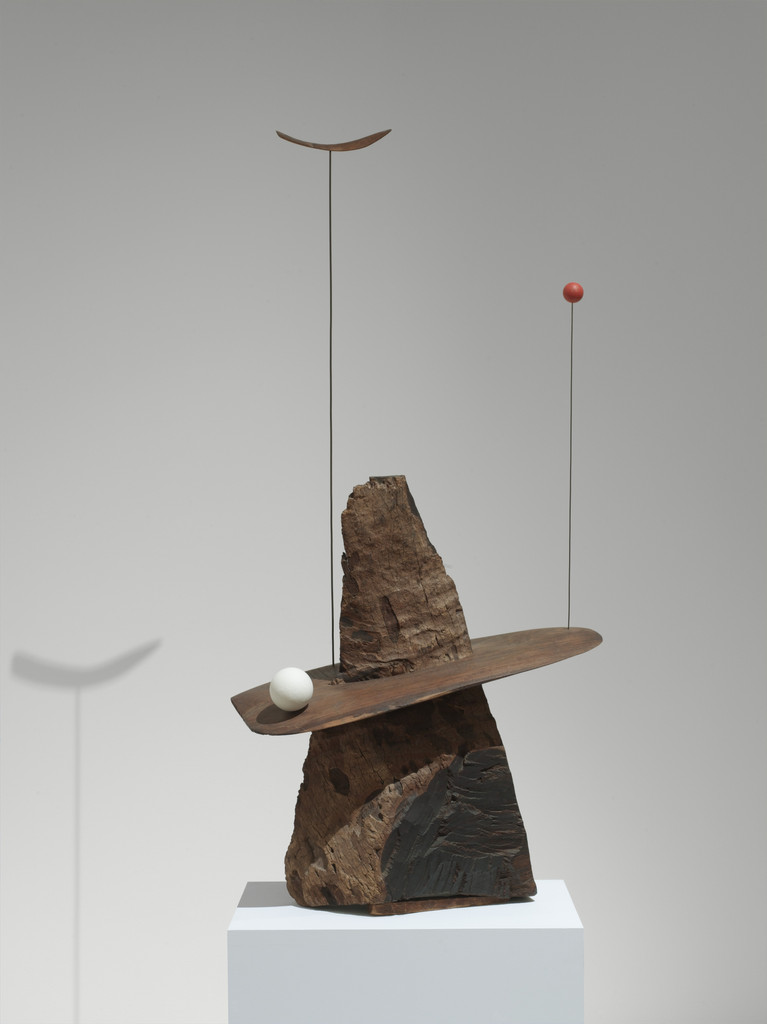
Rearing Stallion, Alexander Calder, c. 1928

Rearing Stallion

c. 1928 · National Gallery of Art

Sow, Alexander Calder, 1928

Sow

1928 · Museum of Modern Art

Cow, Alexander Calder, 1929

Cow

1929 · National Gallery of Art

The Acrobats, Alexander Calder, 1929

The Acrobats

1929 · National Gallery of Art

Cow, Alexander Calder, 1929

Cow

1929 · Museum of Modern Art

Ruby-Eyed, Alexander Calder, 1936

Ruby-Eyed

1936 · National Gallery of Art

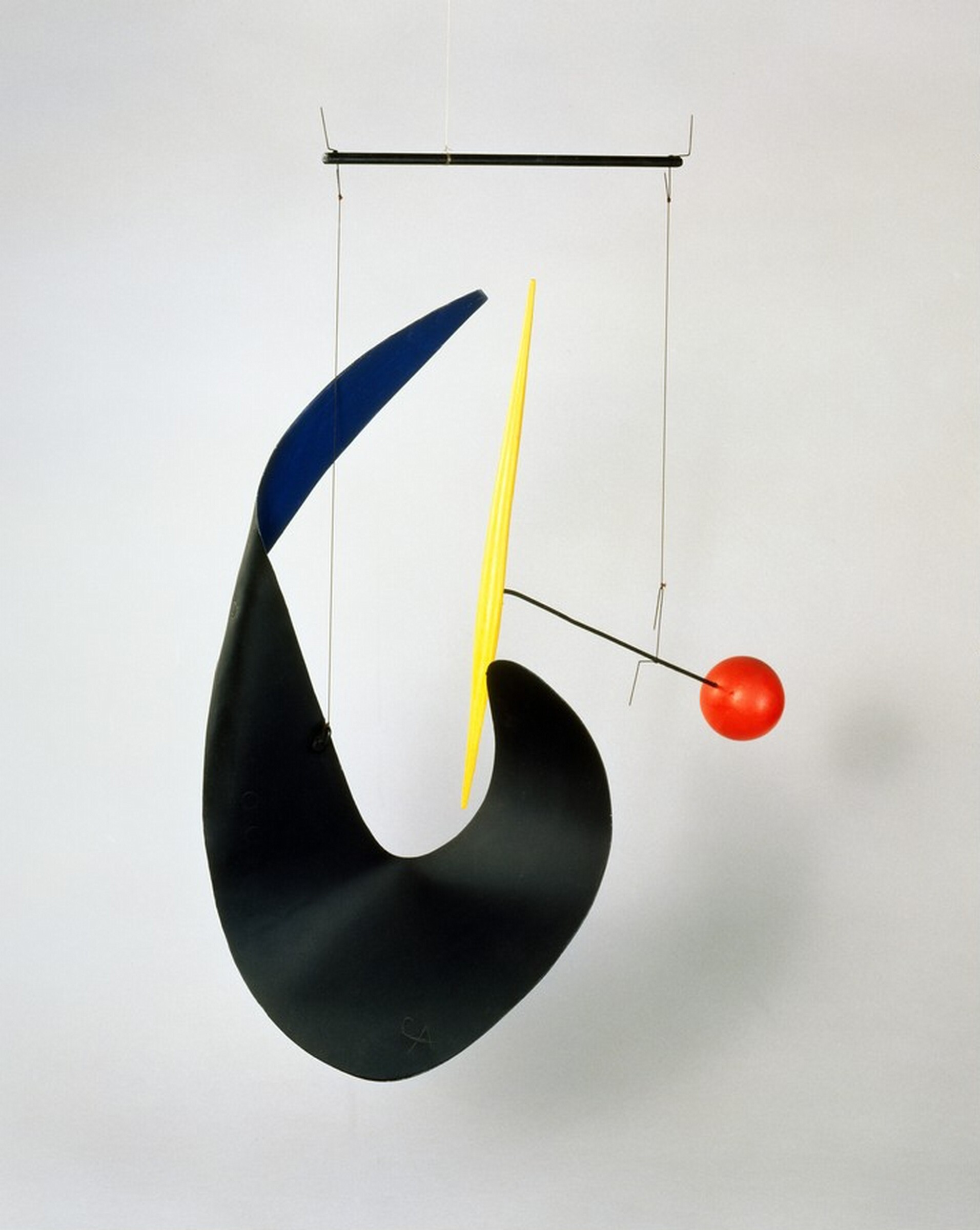
Gibraltar, Alexander Calder, 1936

Gibraltar

1936 · Museum of Modern Art

Untitled (The McCausland Mobile), Alexander Calder, 1937

Untitled (The McCausland Mobile)

1937 · National Gallery of Art

Sous le même toit : Museum of Modern Art

Page du musée
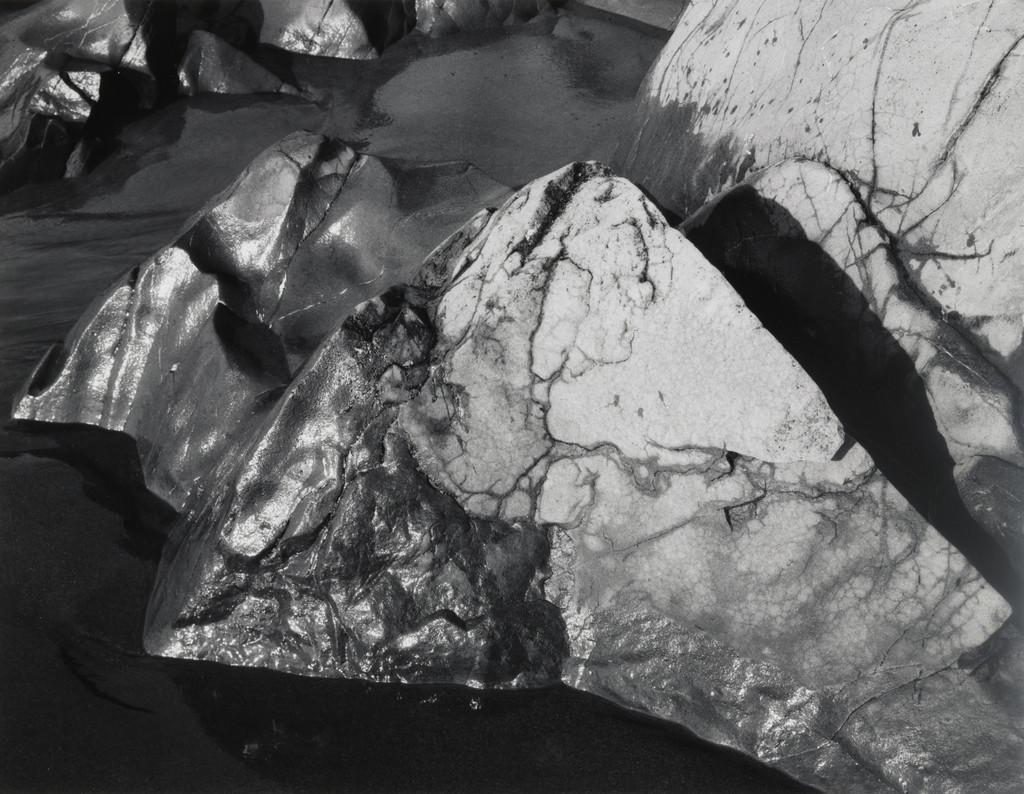
Rock, Bakers Beach, San Francisco, California, Ansel Adams, c. 1931

Ansel Adams

Rock, Bakers Beach, San Francisco, California, c. 1931

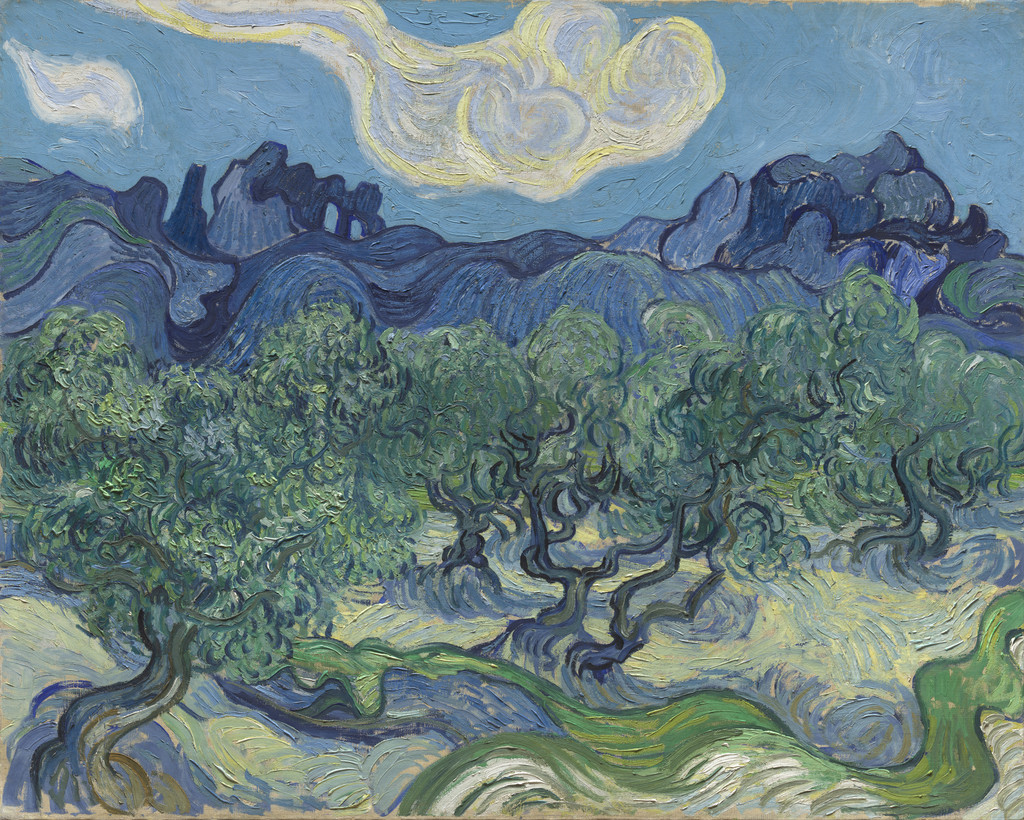
The Olive Trees, Vincent van Gogh, Saint Rémy, June-July 1889

Vincent van Gogh

The Olive Trees, Saint Rémy, June-July 1889

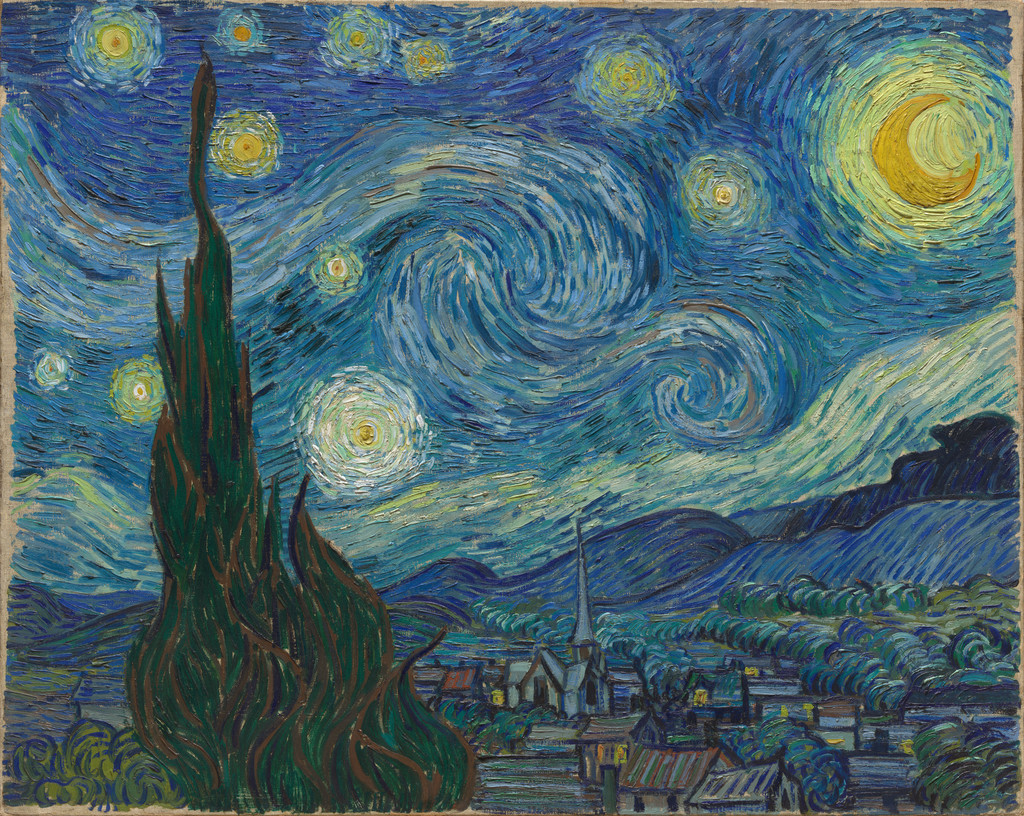
The Starry Night, Vincent van Gogh, Saint Rémy, June 1889

Vincent van Gogh

La Nuit étoilée, Saint Rémy, June 1889

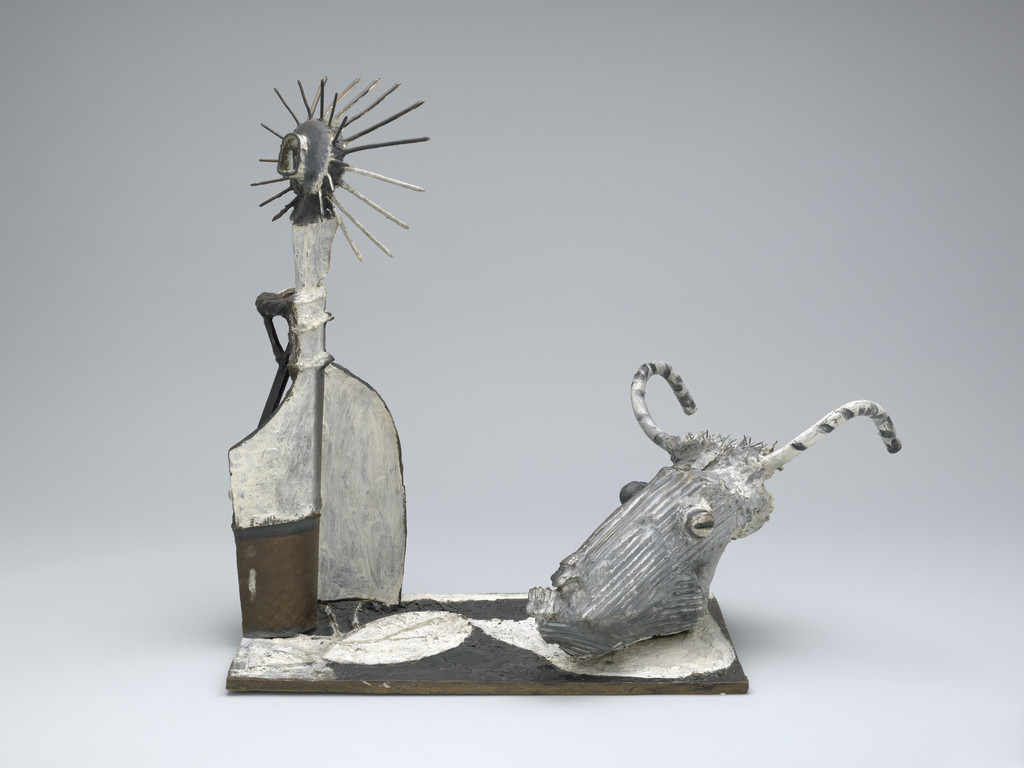
Goat Skull and Bottle, Pablo Picasso, Vallauris, 1951 (cast 1954)

Pablo Picasso

Goat Skull and Bottle, Vallauris, 1951 (cast 1954)

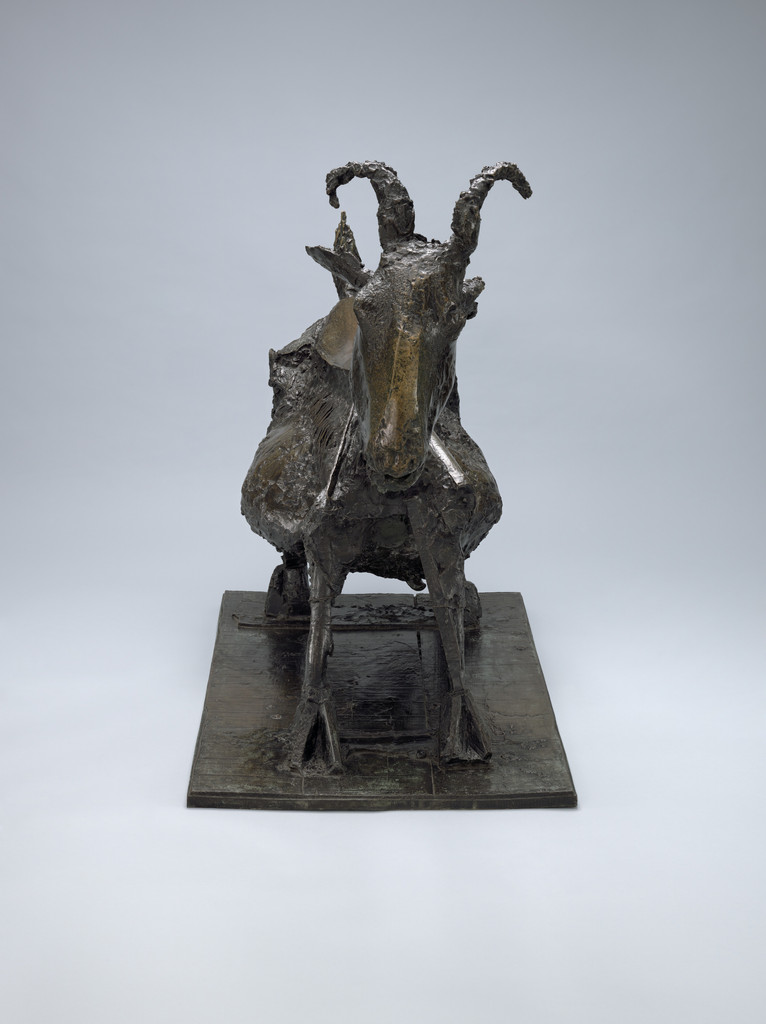
She-Goat, Pablo Picasso, Vallauris, 1950 (cast 1952)

Pablo Picasso

She-Goat, Vallauris, 1950 (cast 1952)

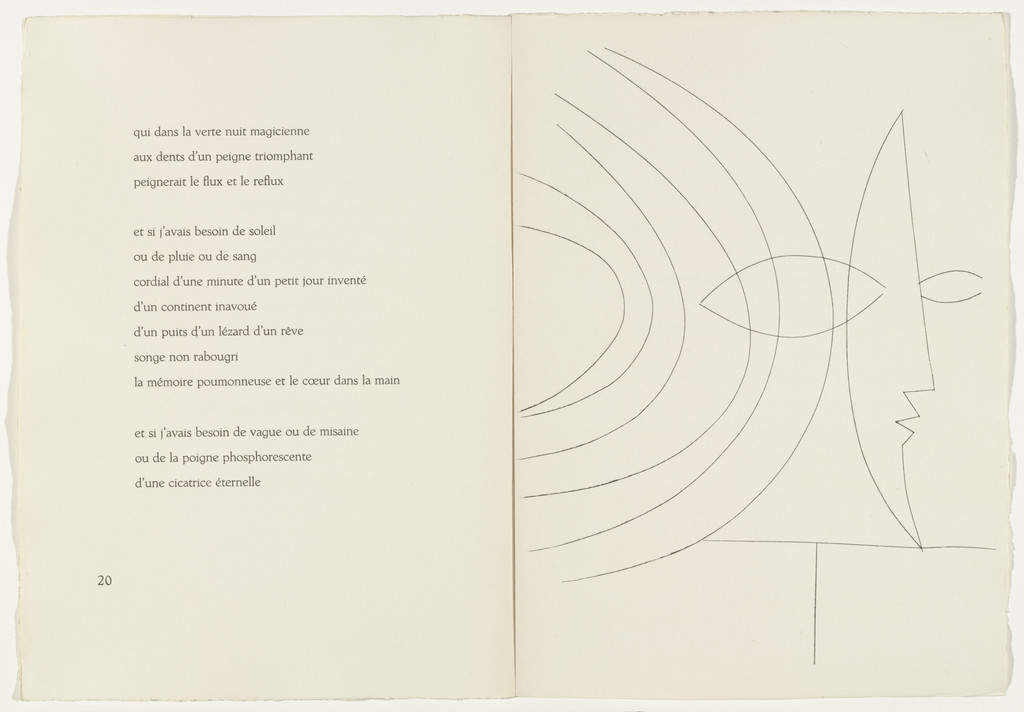
Face in Profile (plate, page 21) from Corps perdu, Pablo Picasso, 1949, published 1950

Pablo Picasso

Face in Profile (plate, page 21) from Corps perdu, 1949, published 1950

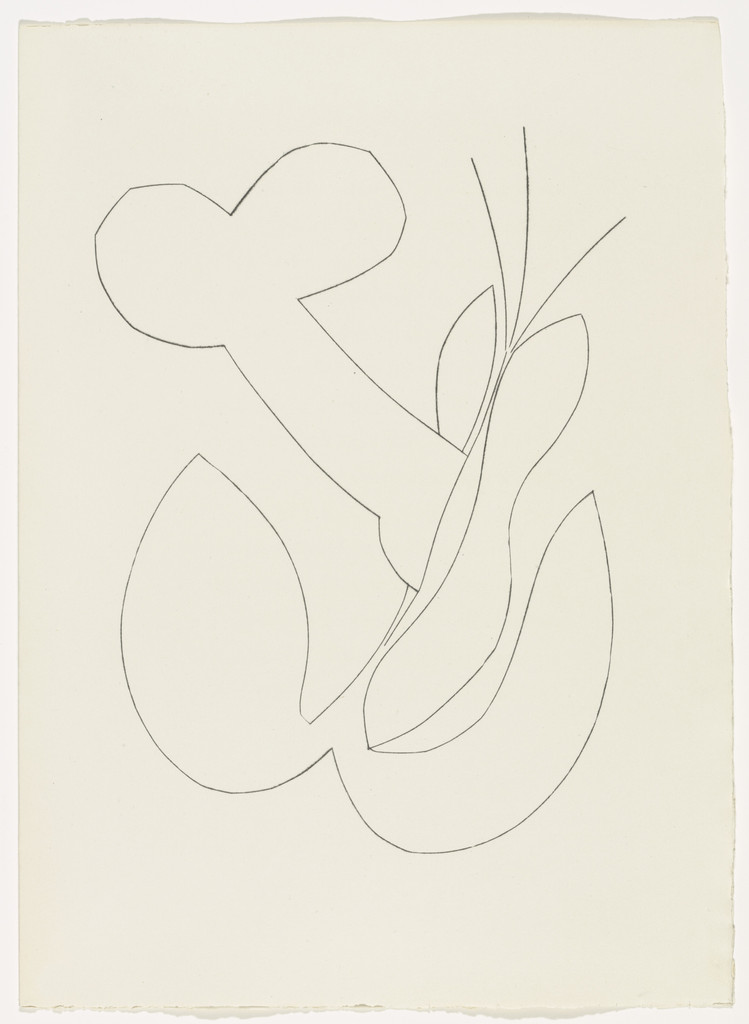
Coupling (plate, page 17) from Corps perdu, Pablo Picasso, 1949, published 1950

Pablo Picasso

Coupling (plate, page 17) from Corps perdu, 1949, published 1950

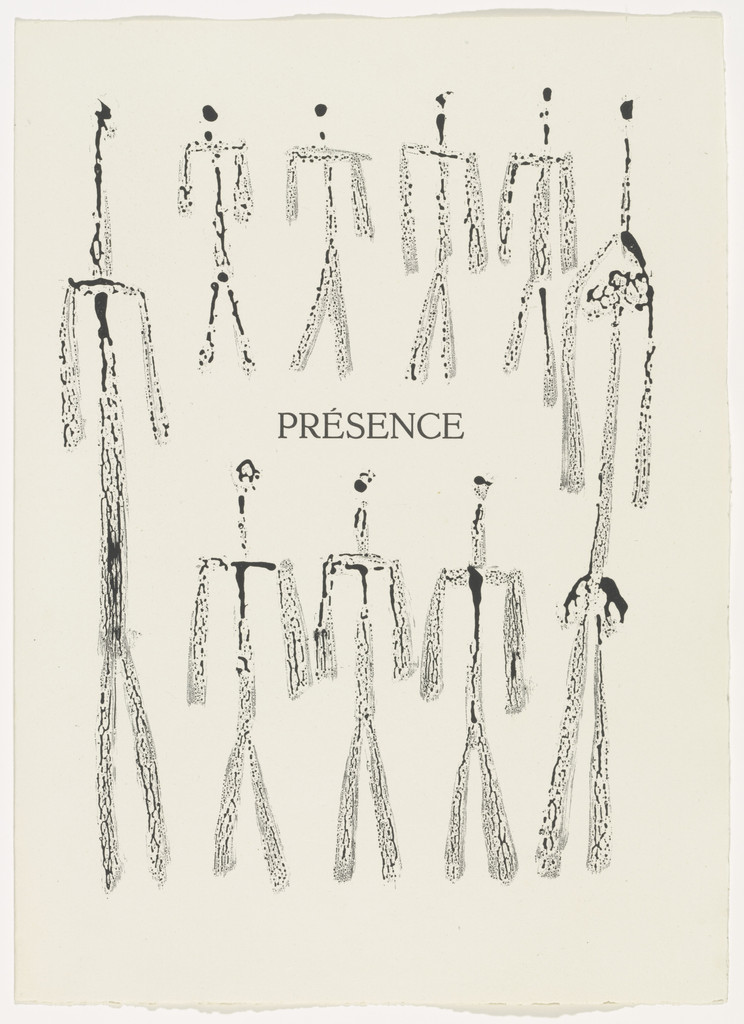
"Présence" (chapter title, page 13) from Corps perdu, Pablo Picasso, 1949, published 1950

Pablo Picasso

"Présence" (chapter title, page 13) from Corps perdu, 1949, published 1950