 Oskar KokoschkaAutriche, 1886–1980
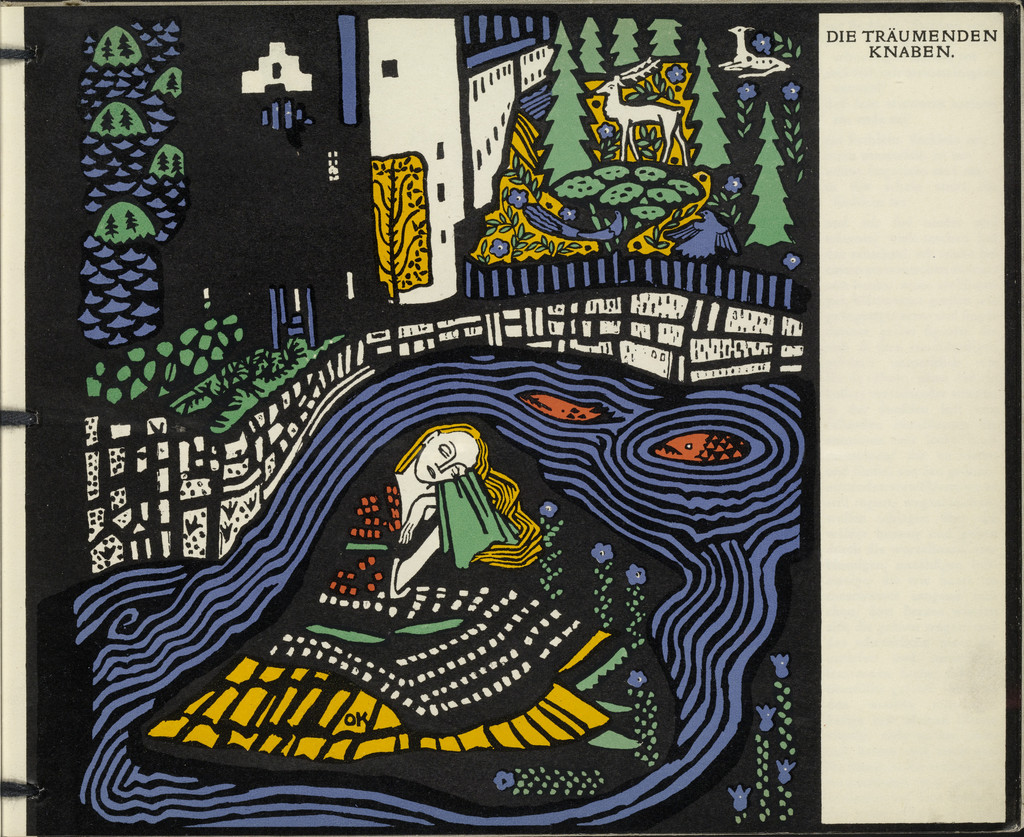
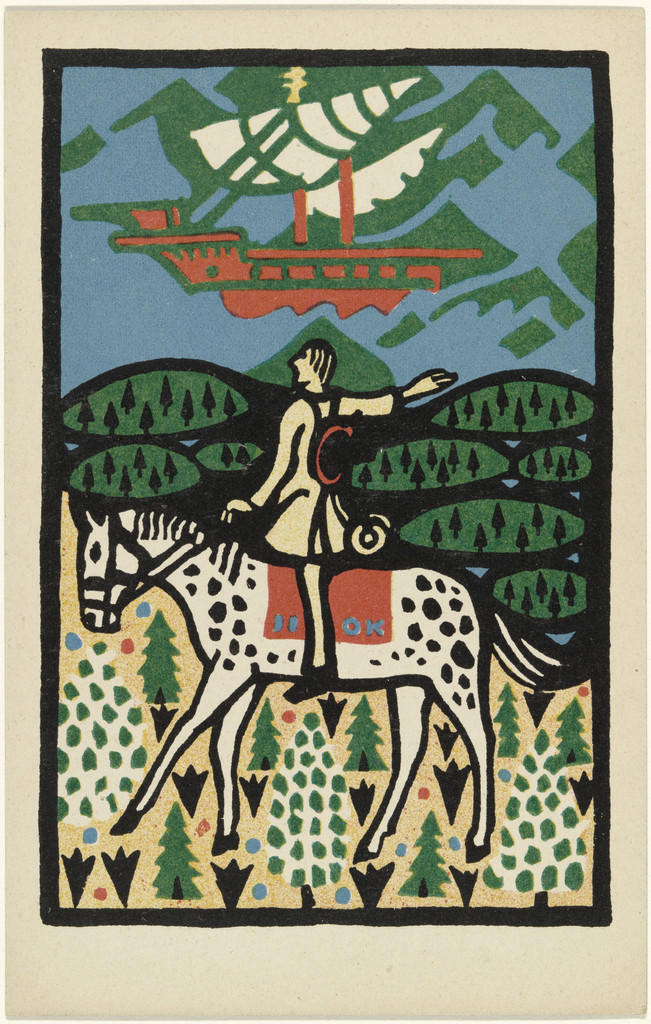
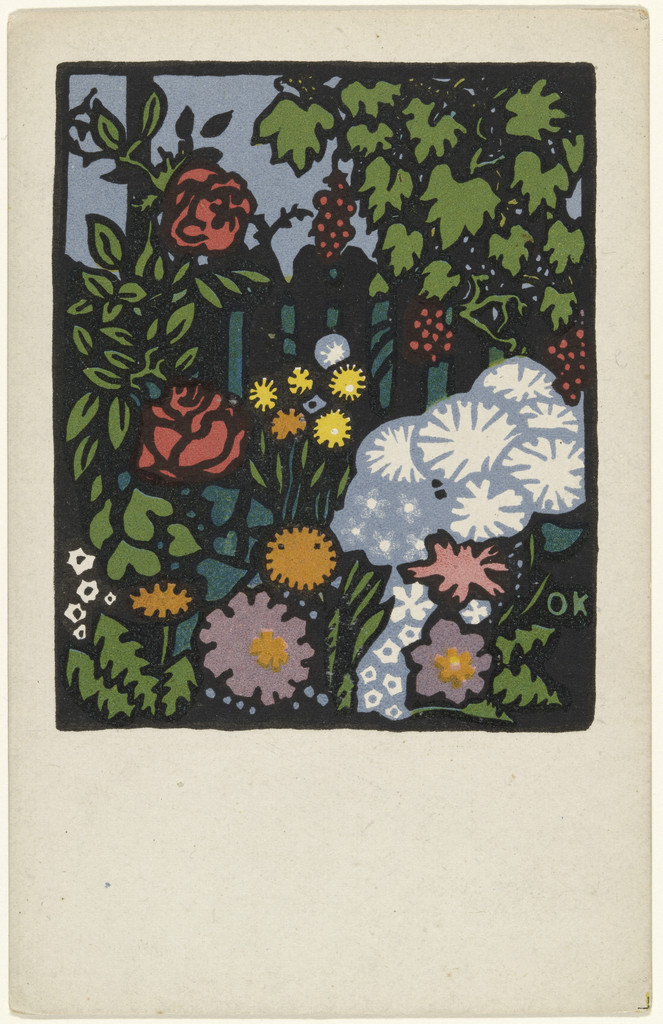
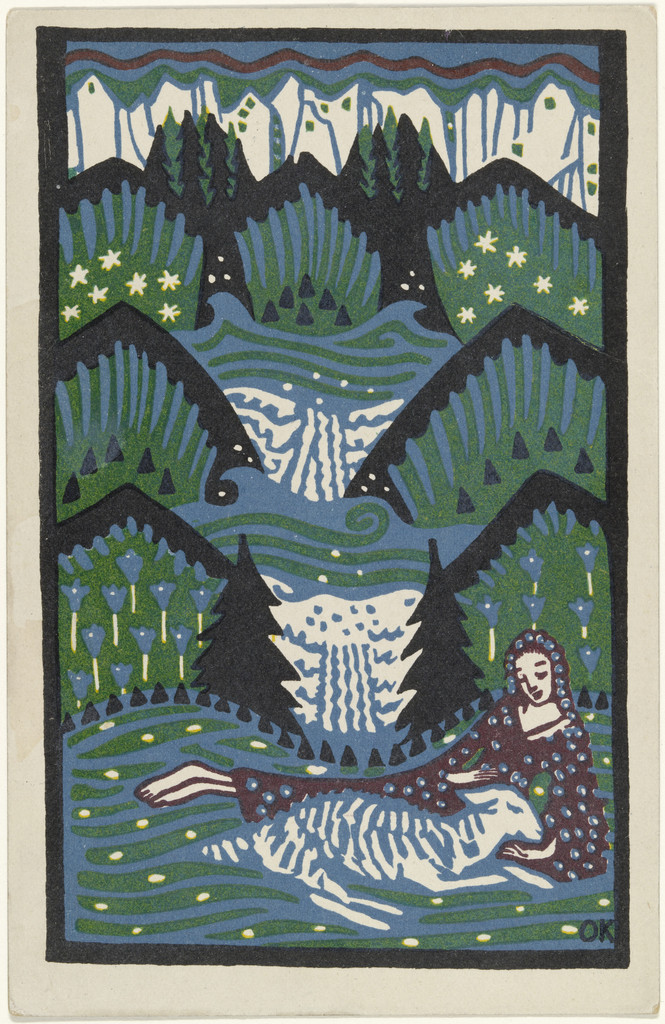
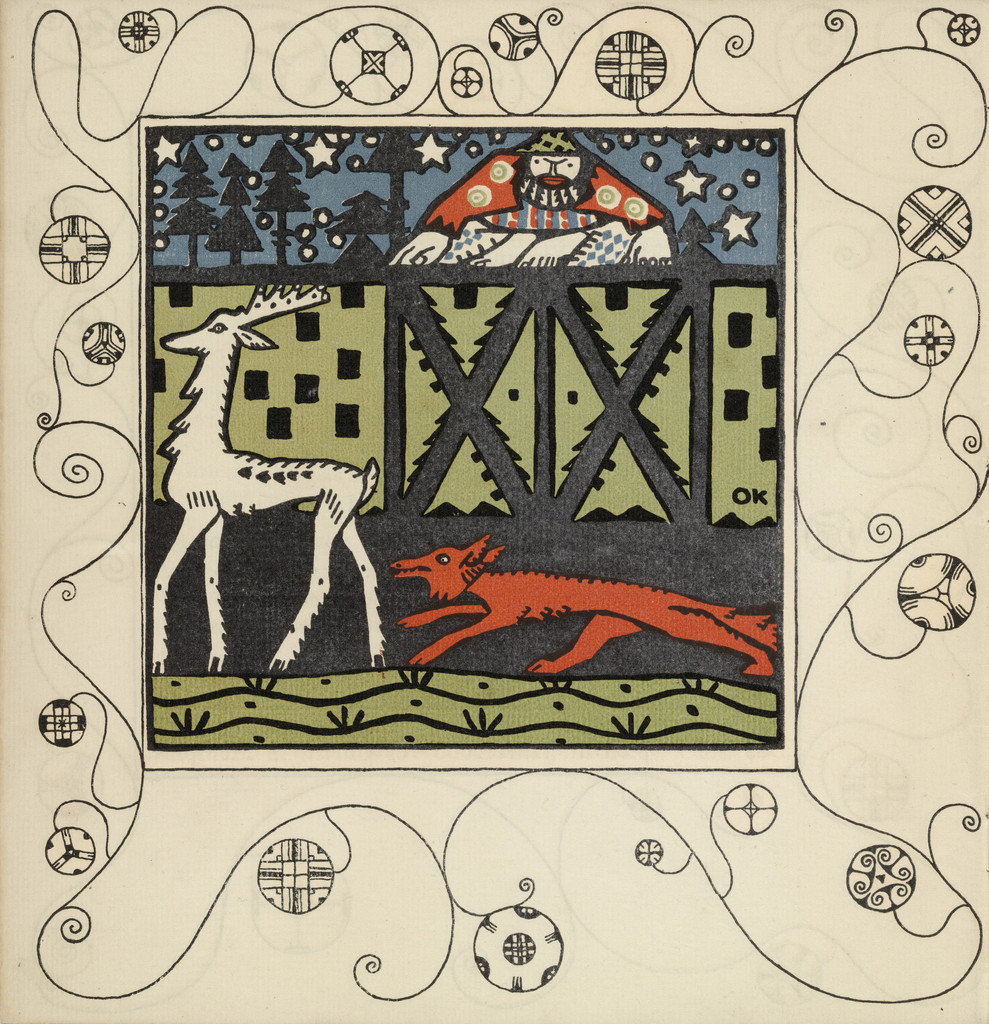
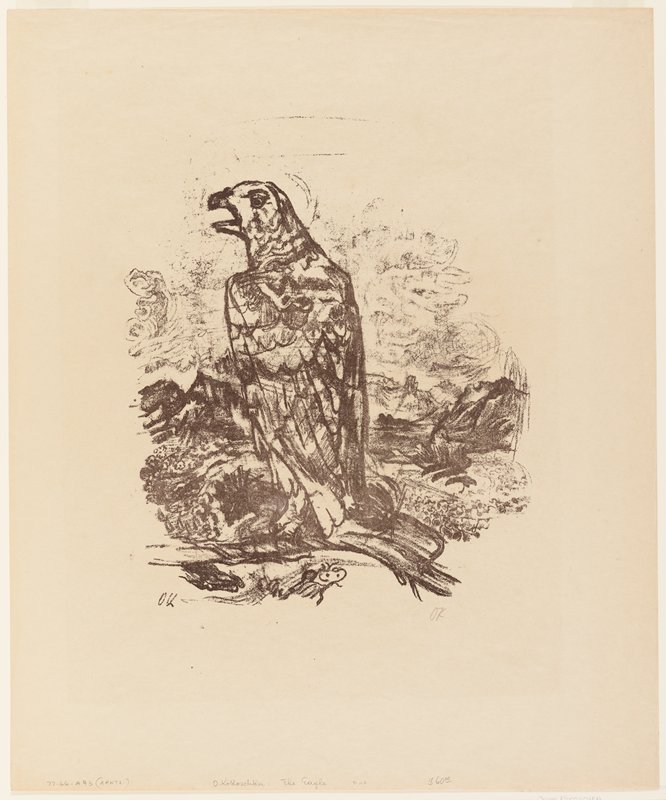
The Eagle
Peut-on la contempler ?
Elle ne reçoit pas en ce moment

Minneapolis Institute of Art
Minneapolis, États-Unis
Elle appartient à la collection, mais n’est pas présentée en ce moment.
- Vérifié
- Dans cet état depuis
- Source
- Les données de collection du musée lui-même
Notice
- Numéro d’inventaire
- P.12, 597
Au catalogue
Sources
- Minneapolis Institute of Art: the museum's own open data · obtenue il y a 7 jours
- Image : Minneapolis Institute of Art — © Minneapolis Institute of Art
Pendant ce temps, chez Oskar Kokoschka
La vie entière1909–1914
Adolf Loos: patron and commissioner of portraits
The architect Adolf Loos befriended Kokoschka, introduced him to the Viennese avant-garde and ordered portraits of his clients and friends, agreeing to buy the work if the sitter declined. This left Kokoschka complete artistic freedom; he painted the bulk of his portraiture between 1909 and 1914.
1911–1913
Teaches in Vienna
From 1911 to 1913 Kokoschka taught in Vienna. Drawing on the ideas of the Czech humanist Jan Amos Comenius, he held that students benefit most from using their five senses to reason, and instead of conventional methods he taught through storytelling infused with mythological themes and dramatic emotion.
c. 1911 – 1914
The affair with Alma Mahler
Kokoschka’s stormy affair with Alma Mahler, the widow of the composer Gustav Mahler, lasted about two years: she was afraid of being overcome by passion and rejected him, and in 1915 she married Walter Gropius. Kokoschka loved her all his life.
1912
The lecture “On the Nature of Visions”
In 1912 Kokoschka delivered his essay “Von der Natur der Gesichte” (“On the Nature of Visions”) at the Akademischer Verband für Literatur und Musik in Vienna, setting out his ideas on the relationship between inner vision and optical sight.
1915
Gravely wounded in the First World War
Having volunteered as a cavalryman in the Austrian army, Kokoschka was seriously wounded on the Galician front in 1915 and survived captivity, and the doctors at the hospital judged him mentally unstable. Nevertheless he went on working, travelling across Europe and painting landscapes.
1916
Meets Hofmannsthal and Rilke
In 1916 Kokoschka met Hugo von Hofmannsthal and Rainer Maria Rilke.