ART WIKI33 040 en salle
CarteCollectionArtistesMuséesExpositionsJournal
Connexion

ART WIKI

Où est accroché le chef-d’œuvre, et quand on vous laisse entrer.

Collections : Art Institute of Chicago, Cleveland Museum of Art, Galerie Tretiakov, Hirshhorn Museum and Sculpture Garden, J. Paul Getty Museum, Metropolitan Museum of Art, Minneapolis Institute of Art, Musée de l'Ermitage, Musée des Beaux-Arts Pouchkine, Musée du Louvre, musée national d'art asiatique, Musée russe, Musées d'Art de Harvard, Museum of Modern Art, National Gallery of Art, National Portrait Gallery, Rijksmuseum Amsterdam, Smithsonian American Art Museum, Statens Museum for Kunst, Victoria and Albert Museum, Villa Getty, Whitney Museum of American Art, Catalogue d’État du fonds muséal de Russie (274 musées), Europeana (19 musées), Wikidata (6 musées), Paris Musées (12 musées) et Joconde, la base des musées du ministère de la Culture (495 musées). Les images appartiennent à leurs ayants droit.

Rubriques

  • Carte
  • Recherche
  • Collection
  • Chefs-d’œuvre
  • Exposées en ce moment
  • Artistes

Et aussi

  • Musées et galeries
  • Expositions
  • Journal
  • D’où viennent les données
  • Confidentialité et cookies
AccueilCarteCatalogue
  1. Collection/
  2. Victoria and Albert Museum/
  3. The Crouching Venus
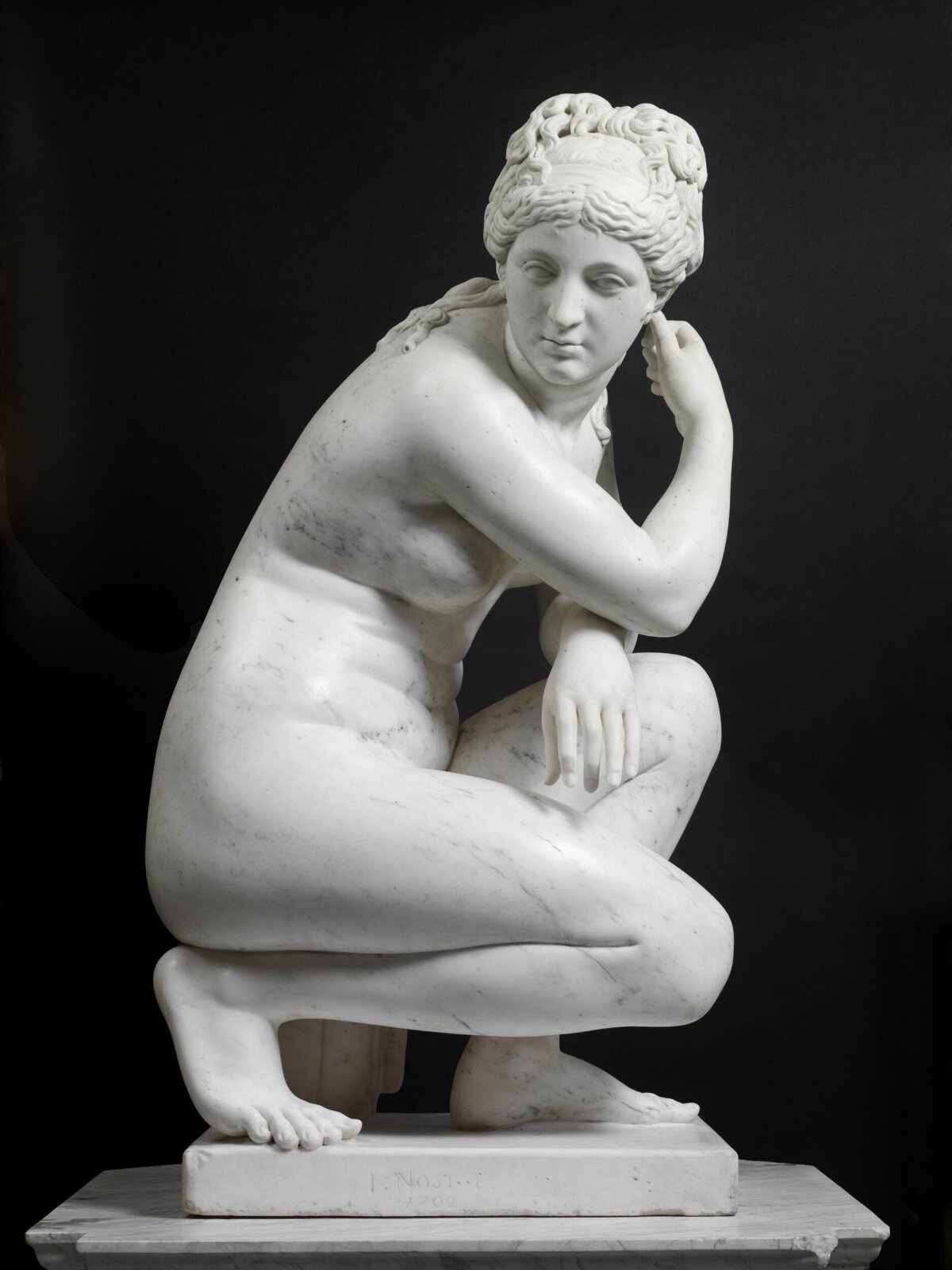
The Crouching Venus, John Nost the Elder, 1702

The Crouching Venus

1702 · Sculpture · 122 × 64 cm

À propos de la sculpture

The Crouching Venus is a remarkable instance of John Nost the Elder’s (ca. 1655-1710) assured carving, and is a rare surviving example of a classical subject by the artist in marble. The sculpture's scale and accomplishment give it a grandeur and presence which were truly exceptional at that date in Britain. Like the antique prototype, Venus is depicted ineffectually attempting to cover her nakedness, her gesture only succeeding in drawing attention to her sensual body. The goddess is thought to be bathing, or possibly adjusting her hair, and caught unawares. Nost’s sculpture suggests the sophisticated level of patronage of the wealthy gentry in Britain at the start of the eighteenth century, and tantalisingly evokes the way in which interiors of eighteenth-century country houses were adorned with sculpture.

Victoria and Albert Museum

Notice

Numéro d’inventaire
A.5-2012

Dans la même salle · Sculpture, Room 23, The Dorothy and Michael Hintze Galleries, Victoria and Albert Museum

Page du musée
JJohn Nost the Elder

Peut-on la contempler ?

Oui, elle reçoit

Victoria and Albert Museum

Londres, Royaume-Uni

SalleSculpture, Room 23, The Dorothy and Michael Hintze Galleries

Présentée au public. Qui s’en porte garant est indiqué ci-dessous.

Vérifié
il y a 13 jours
Dans cet état depuis
25 sept. 2026
Source
Le musée
Sur la cartePage du musée

Au catalogue

SculptureBaroqueXVIIIe siècleLondres

Sources

  • Victoria and Albert Museum
  • Image : Victoria and Albert Museum — © Victoria and Albert Museum, London
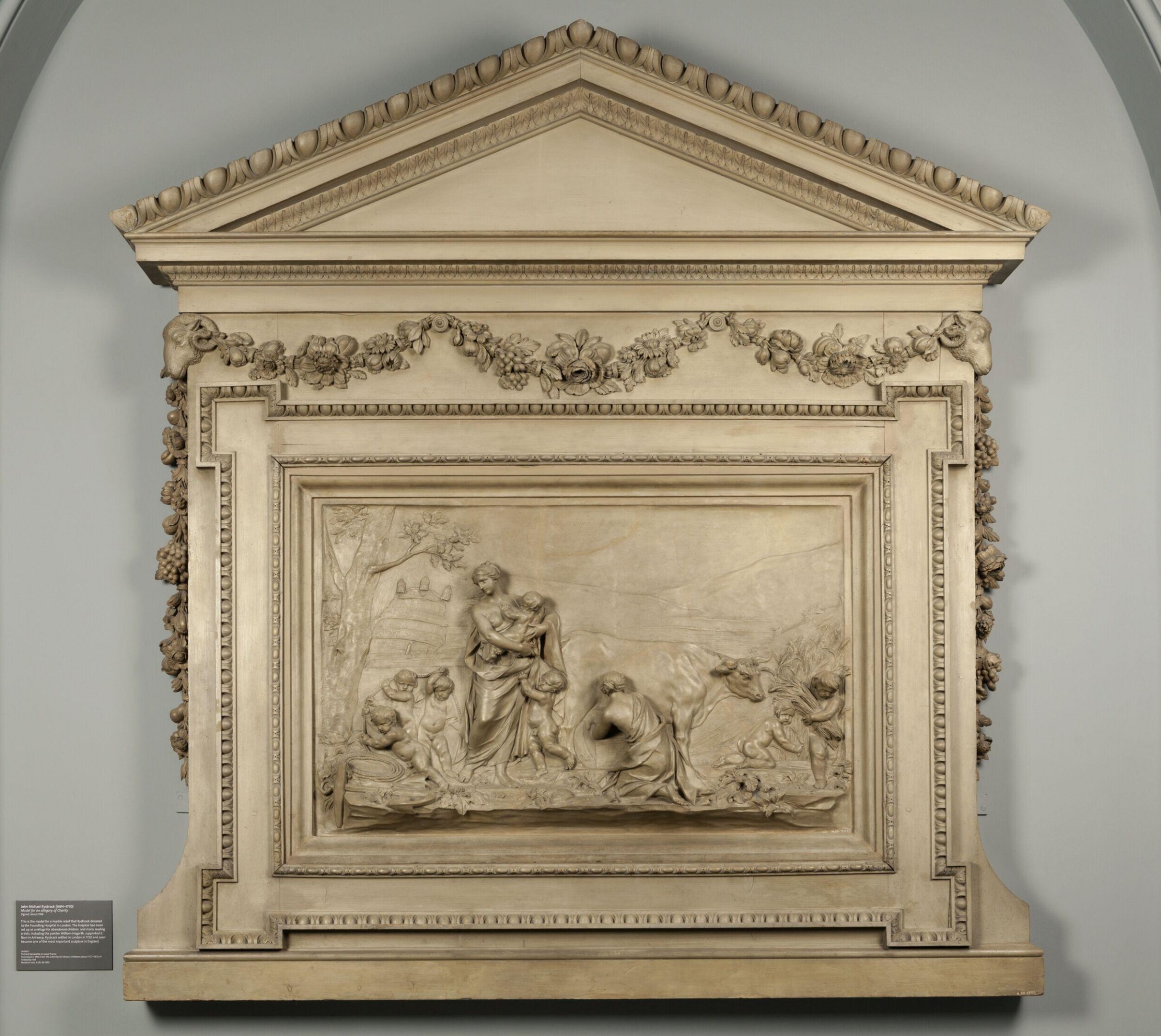
An Allegory of Charity, John Michael Rysbrack, ca. 1746

John Michael Rysbrack

An Allegory of Charity, ca. 1746

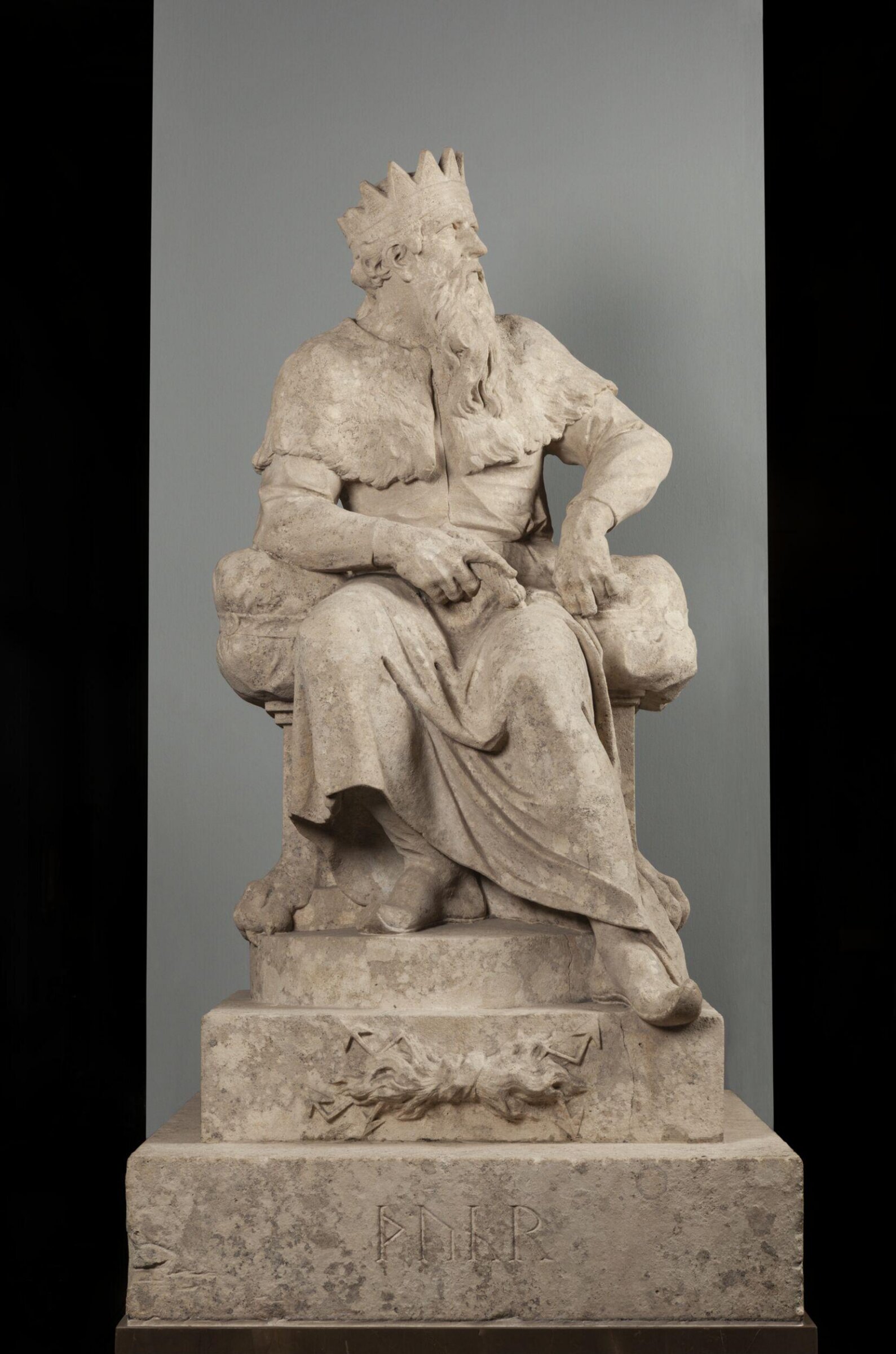
Thuner, John Michael Rysbrack, ca. 1728 - ca. 1730

John Michael Rysbrack

Thuner, ca. 1728 - ca. 1730

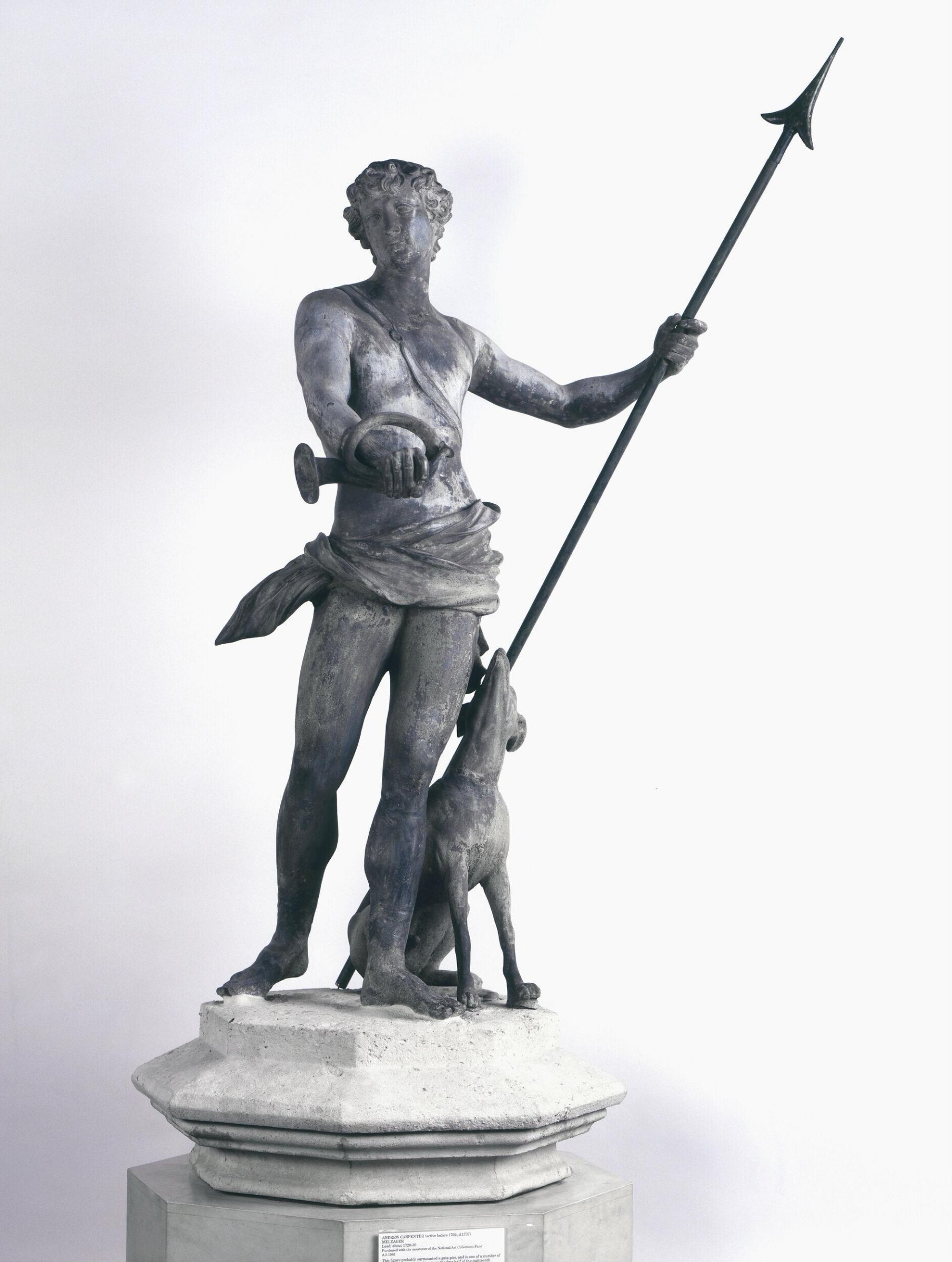
Meleager, Andrew Carpenter, 1720-1730

Andrew Carpenter

Meleager, 1720-1730

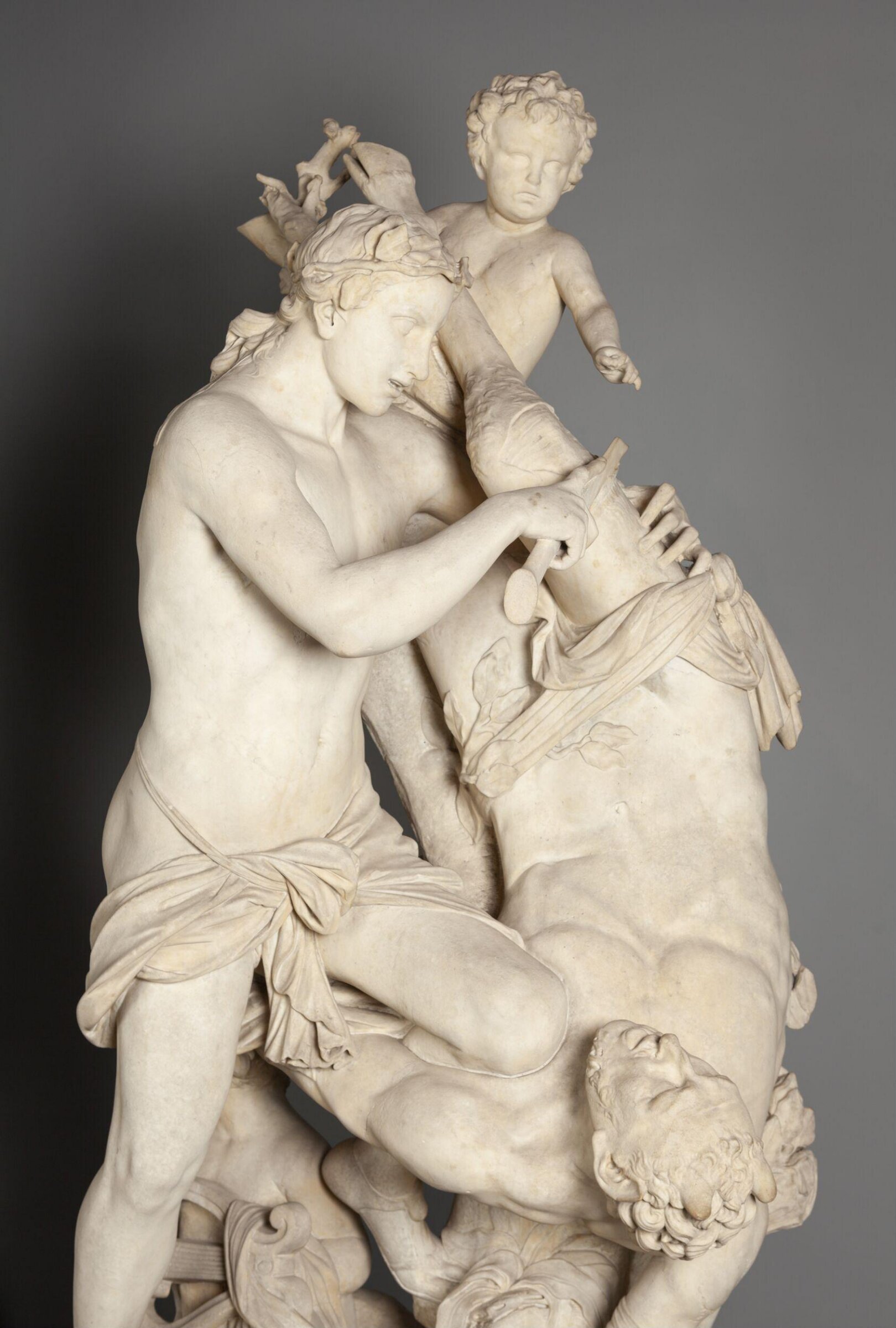
Apollo flaying Marsyas, Antonio Corradini, ca. 1719-23

Antonio Corradini

Apollo flaying Marsyas, ca. 1719-23

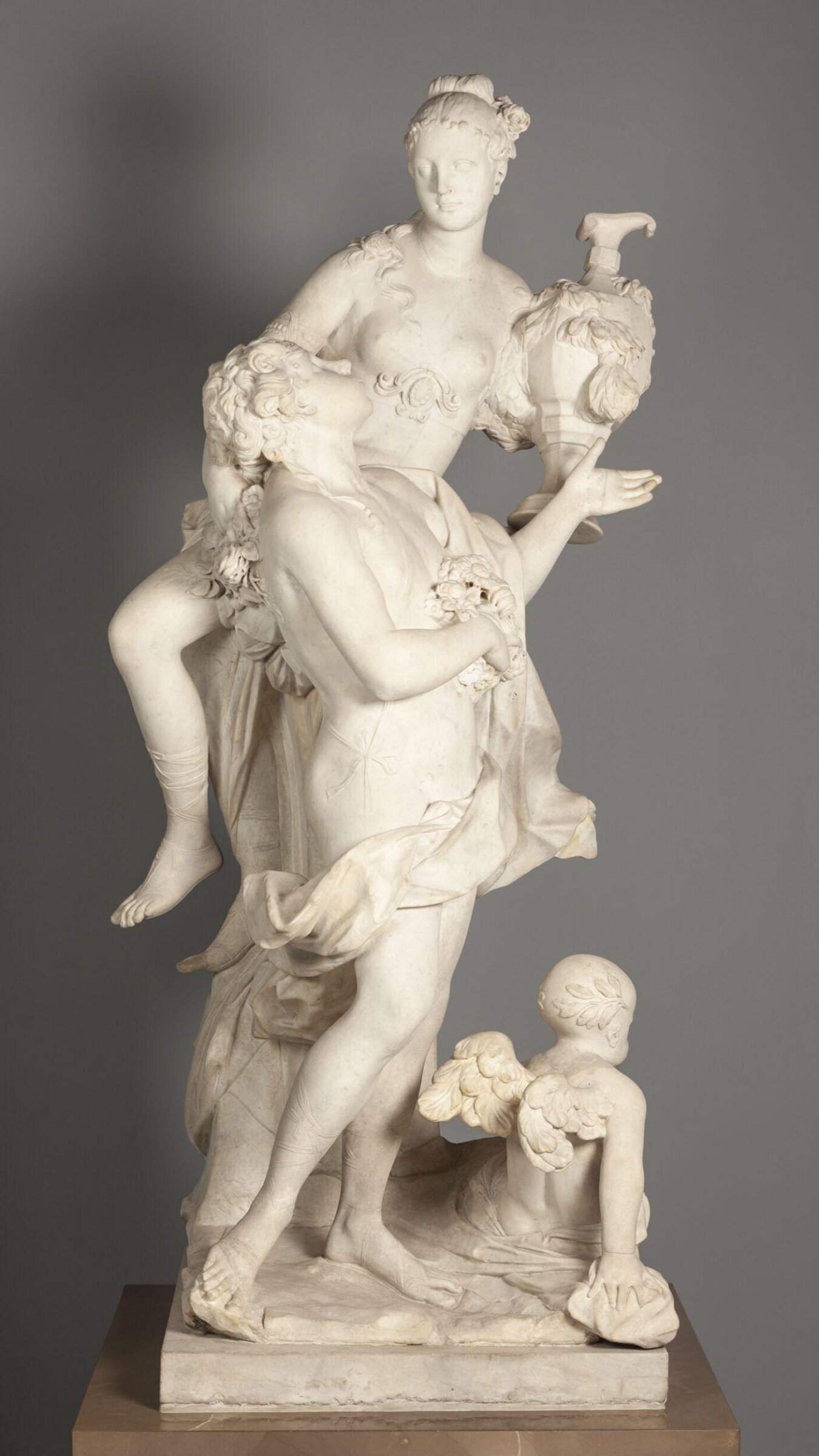
Zephyr and Flora, Antonio Corradini, ca. 1719-23

Antonio Corradini

Zephyr and Flora, ca. 1719-23

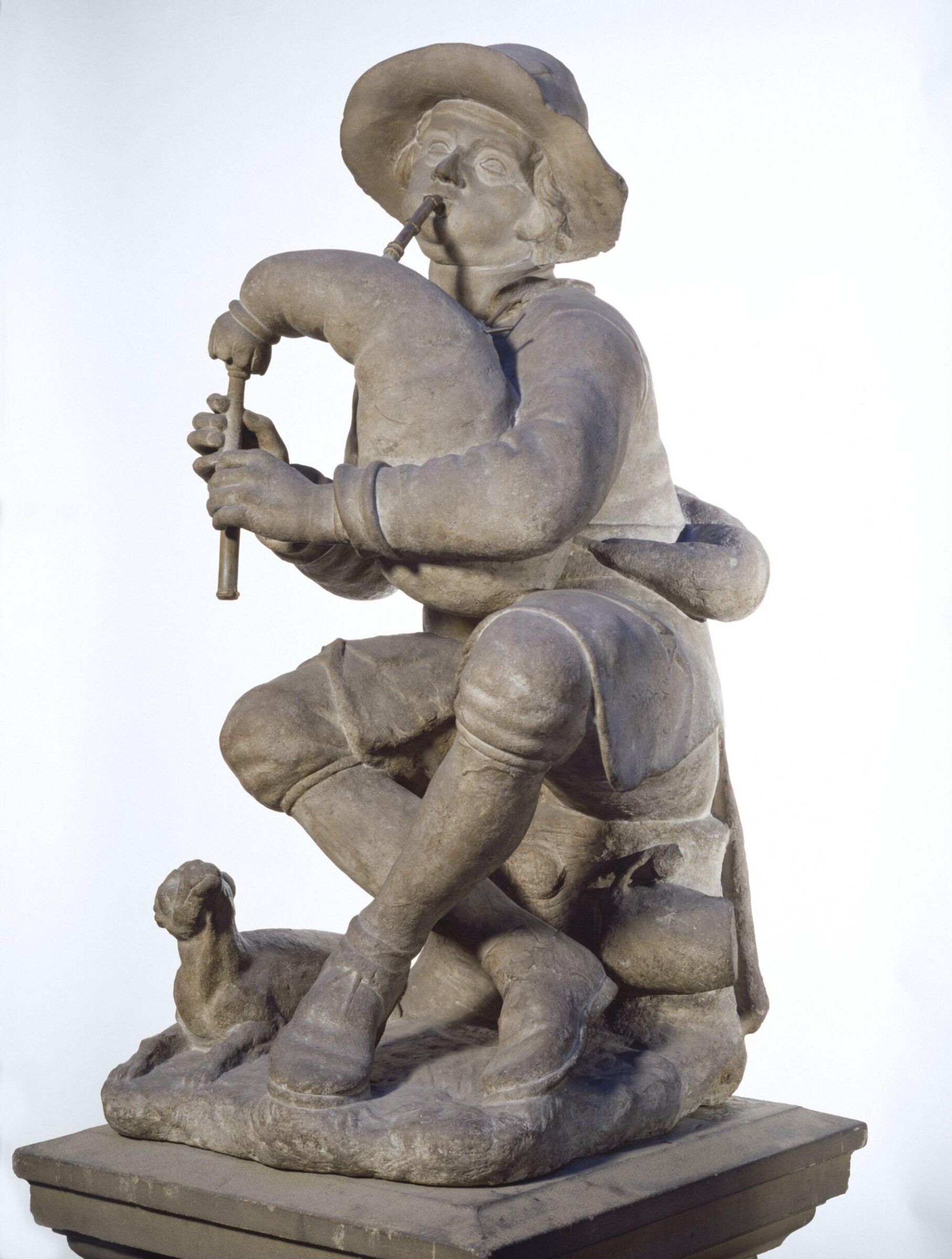
Boy Playing the Bagpipes, Caius Gabriel Cibber, ca. 1680-1690

Caius Gabriel Cibber

Boy Playing the Bagpipes, ca. 1680-1690