ART WIKI32 963 en salle
CarteCollectionArtistesMuséesExpositionsJournal
Connexion

ART WIKI

Où est accroché le chef-d’œuvre, et quand on vous laisse entrer.

Collections : Art Institute of Chicago, Cleveland Museum of Art, Galerie Tretiakov, Hirshhorn Museum and Sculpture Garden, J. Paul Getty Museum, Metropolitan Museum of Art, Minneapolis Institute of Art, Musée de l'Ermitage, Musée des Beaux-Arts Pouchkine, Musée du Louvre, musée national d'art asiatique, Musée russe, Musées d'Art de Harvard, Museum of Modern Art, National Gallery of Art, National Portrait Gallery, Rijksmuseum Amsterdam, Smithsonian American Art Museum, Statens Museum for Kunst, Victoria and Albert Museum, Villa Getty, Whitney Museum of American Art, Catalogue d’État du fonds muséal de Russie (274 musées), Europeana (19 musées), Wikidata (6 musées), Paris Musées (12 musées) et Joconde, la base des musées du ministère de la Culture (495 musées). Les images appartiennent à leurs ayants droit.

Rubriques

  • Carte
  • Recherche
  • Collection
  • Chefs-d’œuvre
  • Exposées en ce moment
  • Artistes

Et aussi

  • Musées et galeries
  • Expositions
  • Journal
  • D’où viennent les données
  • Confidentialité et cookies
AccueilCarteCatalogue
  1. Collection/
  2. Victoria and Albert Museum/
  3. Apollo flaying Marsyas
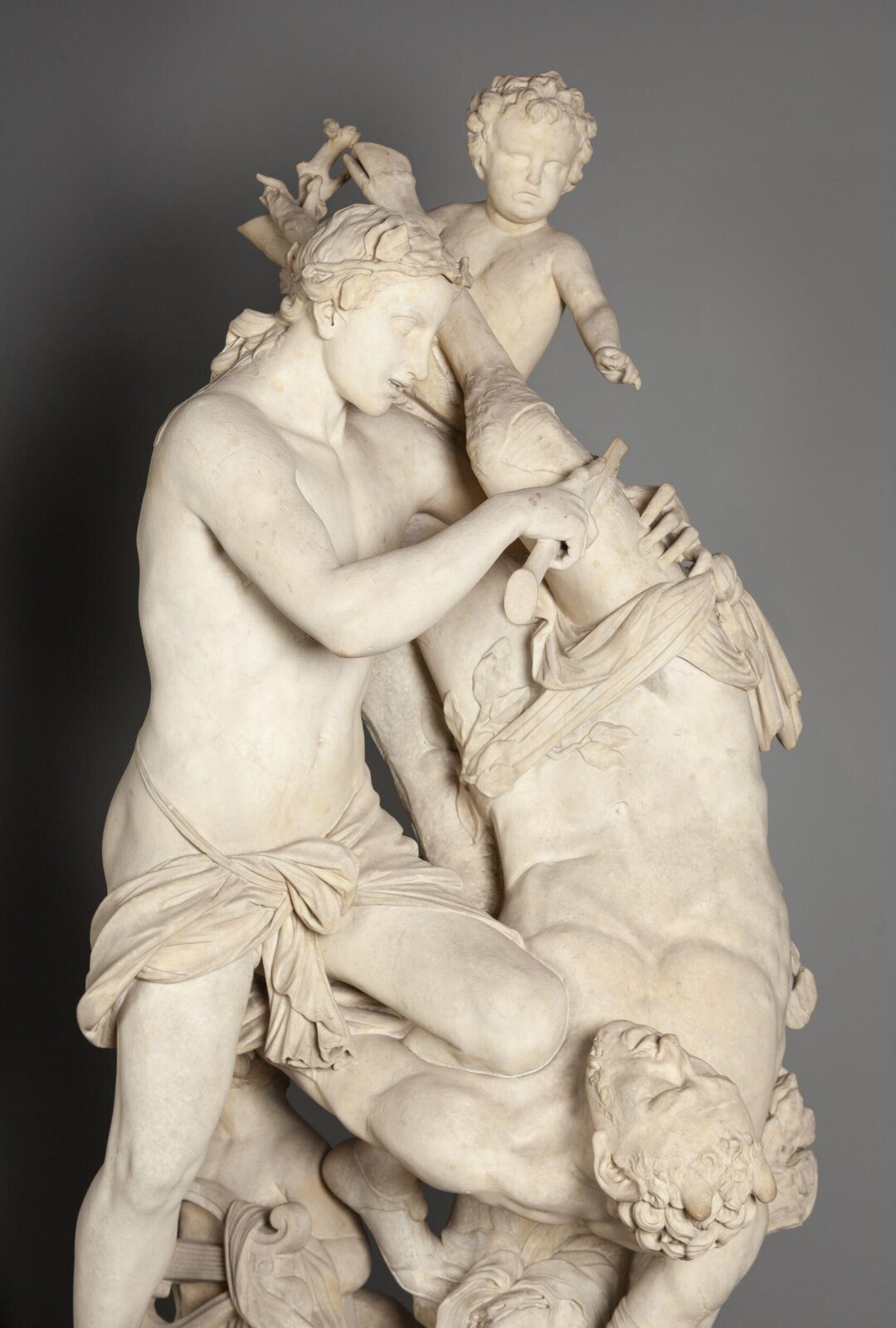
Apollo flaying Marsyas, Antonio Corradini, ca. 1719-23

Apollo flaying Marsyas

ca. 1719-23 · Statue · 220 × 100 cm

À propos de la sculpture

The subject of this group is one of the most disturbing in classical mythology. When the god Apollo beat the satyr Marsyas in a musical contest, Apollo chose to skin Marsyas alive as a penalty for losing. This group and its companion, Zephyr and Flora (Museum no. A.5-1967), belonged to a series of garden sculptures supplied by Corradini to Augustus the Strong, King of Poland and Elector of Saxony for his gardens in Dresden. Another group by Corradini fro the series, 'Truth and Sculpture', is now in the Château de Ferrières en Brie (near Paris).

Lire la suite

Corradini was a virtuoso sculptor of marble, and although he was mainly active in the Veneto, also worked in Vienna and Rome. He was particularly renowned for his statues of veiled or partially veiled figures, such as his Modesty of about 1750. This figure and Zephyr and Flora exemplify his elegant style, rooted in a classical language, but also incorporating a rococo lightness and movement. Such a style was well suited to garden sculpture in the 18th century.

Victoria and Albert Museum

Notice

ca. 1719-23

Autres œuvres : Antonio Corradini

Toutes les œuvres

Dans la même salle · Sculpture, Room 23, The Dorothy and Michael Hintze Galleries, Victoria and Albert Museum

Page du musée

Sur le même thème · Apollo

Toutes les œuvres sur ce thème
16681752
Numéro d’inventaire
A.6-1967

Sources

  • Victoria and Albert Museum
  • Image : Victoria and Albert Museum — © Victoria and Albert Museum, London
AAntonio CorradiniItalie, 1668–1752

Peut-on la contempler ?

Oui, elle reçoit

Victoria and Albert Museum

Londres, Royaume-Uni

SalleSculpture, Room 23, The Dorothy and Michael Hintze Galleries

Présentée au public. Qui s’en porte garant est indiqué ci-dessous.

Vérifié
il y a 12 jours
Dans cet état depuis
25 sept. 2026
Source
Le musée
Sur la cartePage du musée
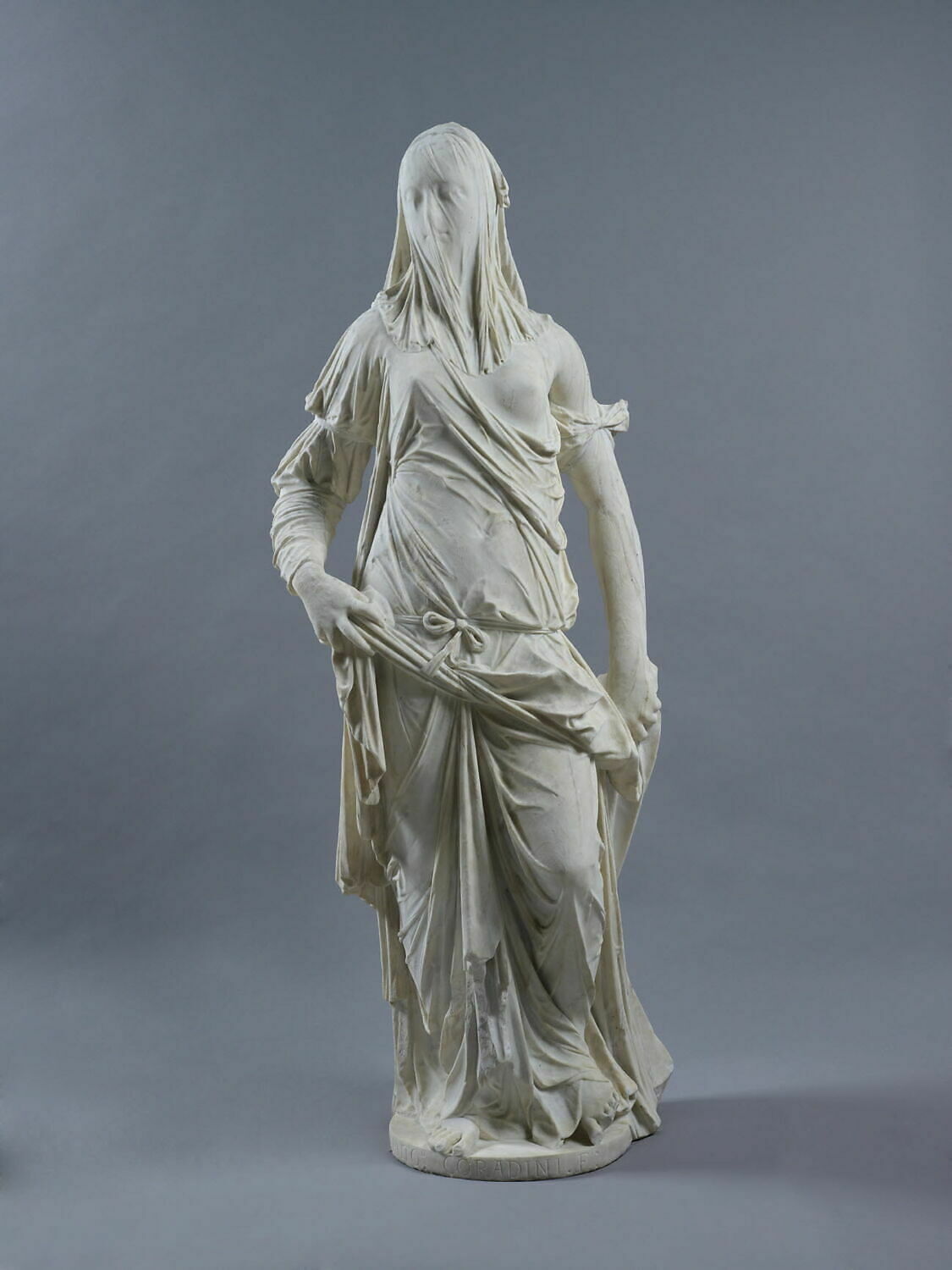
Femme voilée (la Foi ?), Corradini, Antonio, 1700 - 1800

Femme voilée (la Foi ?)

1700 - 1800 · Musée du Louvre

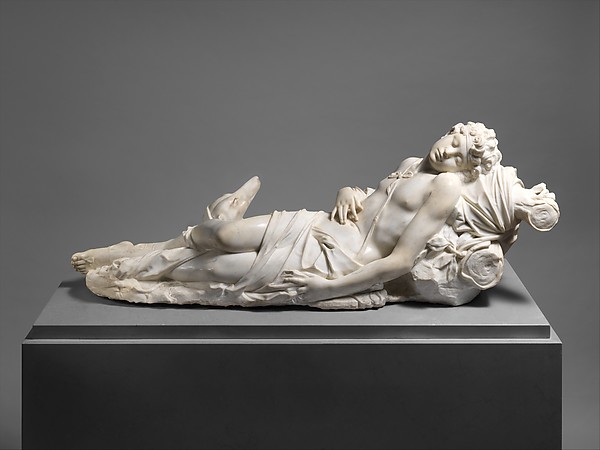
Adonis, Antonio Corradini, ca. 1723–25

Adonis

ca. 1723–25 · Metropolitan Museum of Art

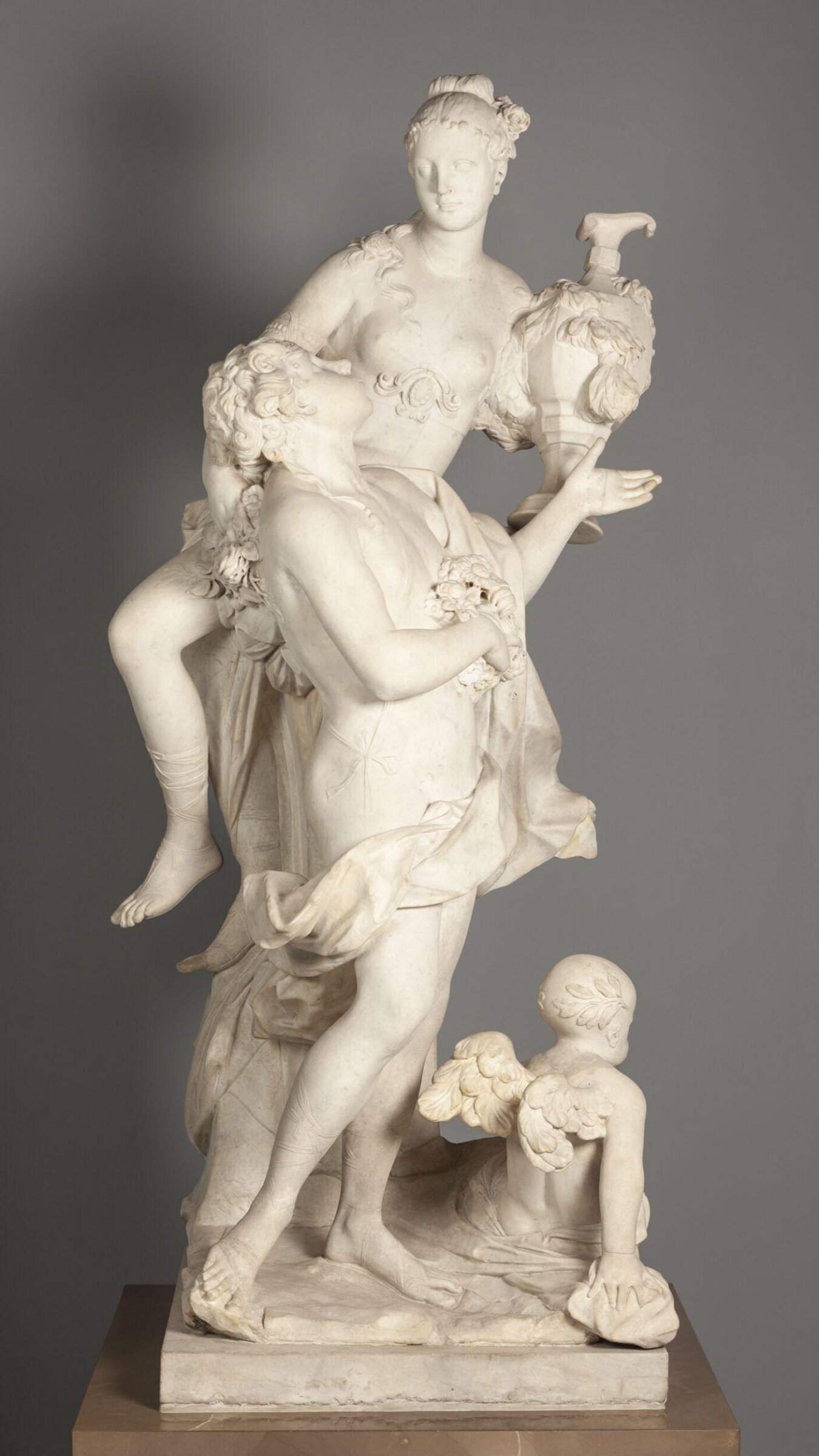
Zephyr and Flora, Antonio Corradini, ca. 1719-23

Zephyr and Flora

ca. 1719-23 · Victoria and Albert Museum

Apollo, Antonio Corradini

Apollo

Skulpturensammlung

Vestalin, Antonio Corradini, 1724

Vestalin

1724 · Skulpturensammlung

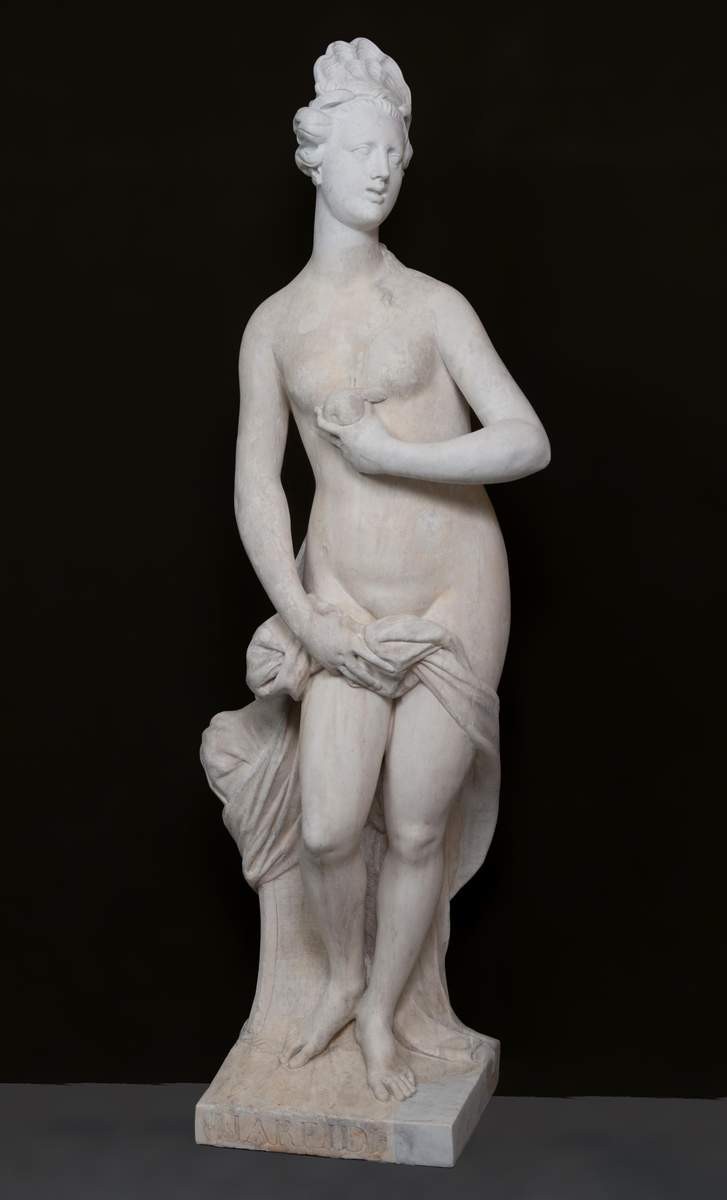
Нереида, Antonio Corradini, early 18th century

Нереида

early 18th century · Musée russe

Женщина под вуалью (фрагмент статуи "Вера"), бюст, Antonio Corradini, 1718-1719

Женщина под вуалью (фрагмент статуи "Вера"), бюст

1718-1719 · Palais de Peterhof

Торс от статуи "Религия", Antonio Corradini, 1718-1719

Торс от статуи "Религия"

1718-1719 · Palais de Peterhof

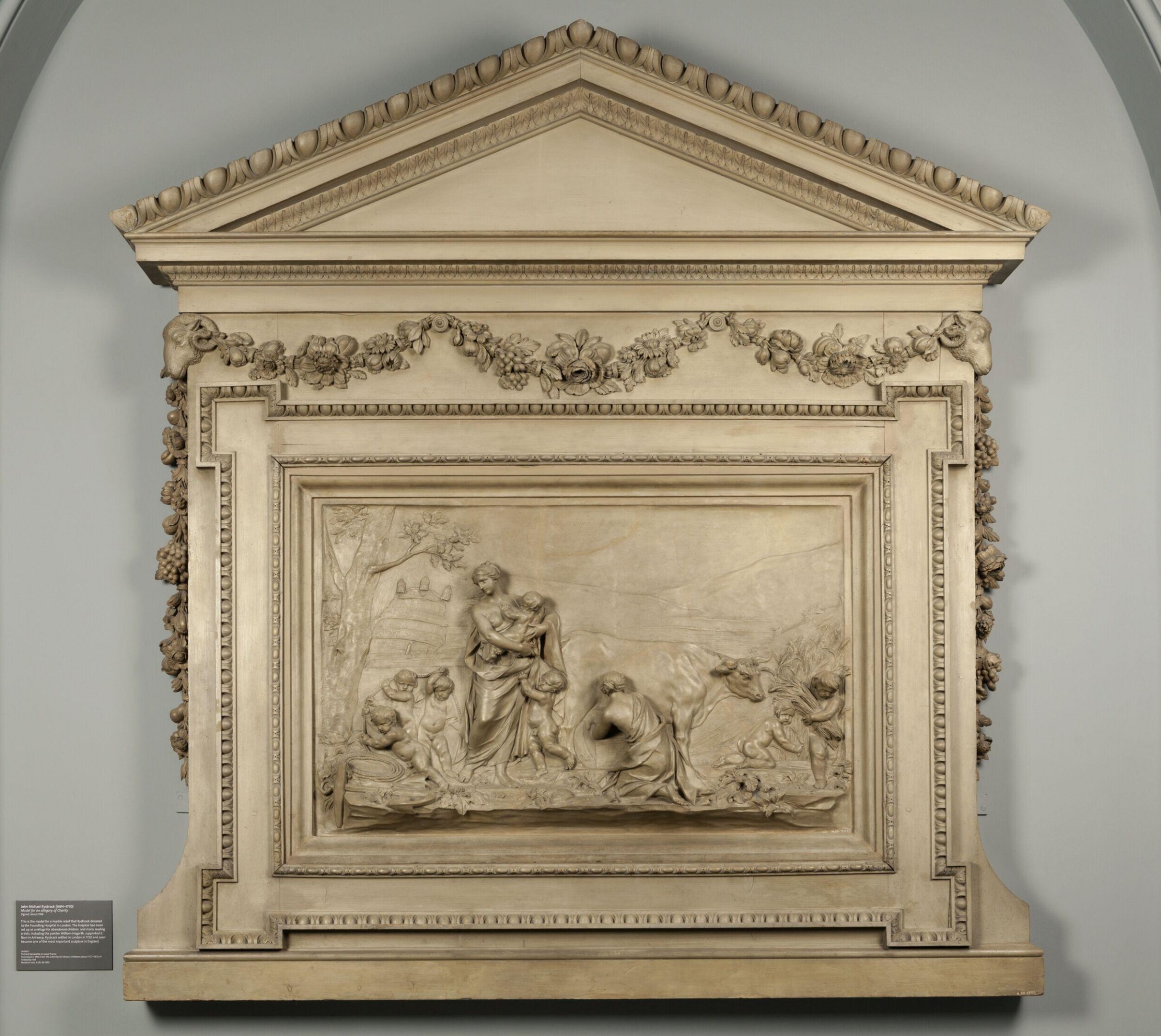
An Allegory of Charity, John Michael Rysbrack, ca. 1746

John Michael Rysbrack

An Allegory of Charity, ca. 1746

Thuner, John Michael Rysbrack, ca. 1728 - ca. 1730

John Michael Rysbrack

Thuner, ca. 1728 - ca. 1730

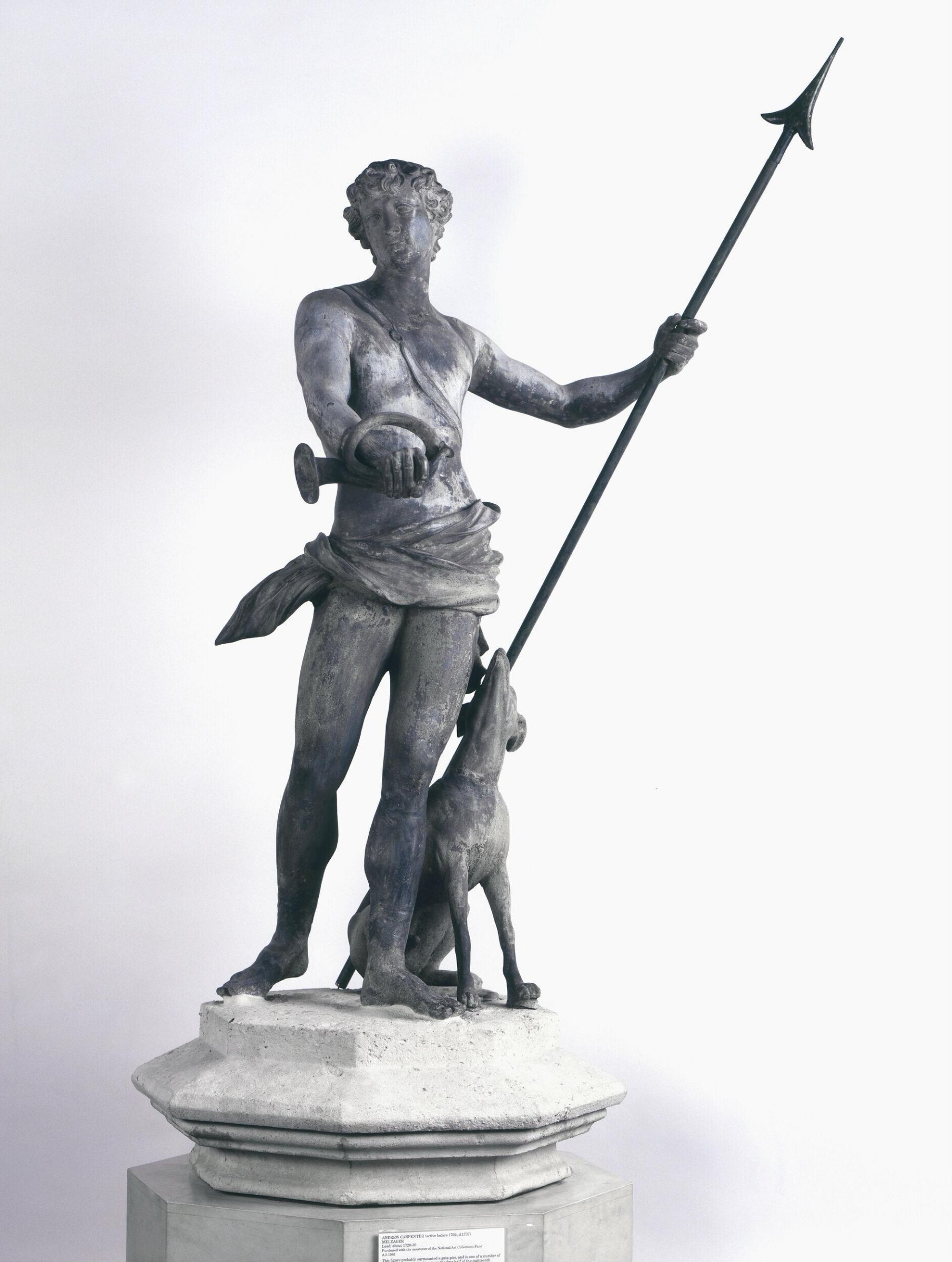
Meleager, Andrew Carpenter, 1720-1730

Andrew Carpenter

Meleager, 1720-1730

Zephyr and Flora, Antonio Corradini, ca. 1719-23

Antonio Corradini

Zephyr and Flora, ca. 1719-23

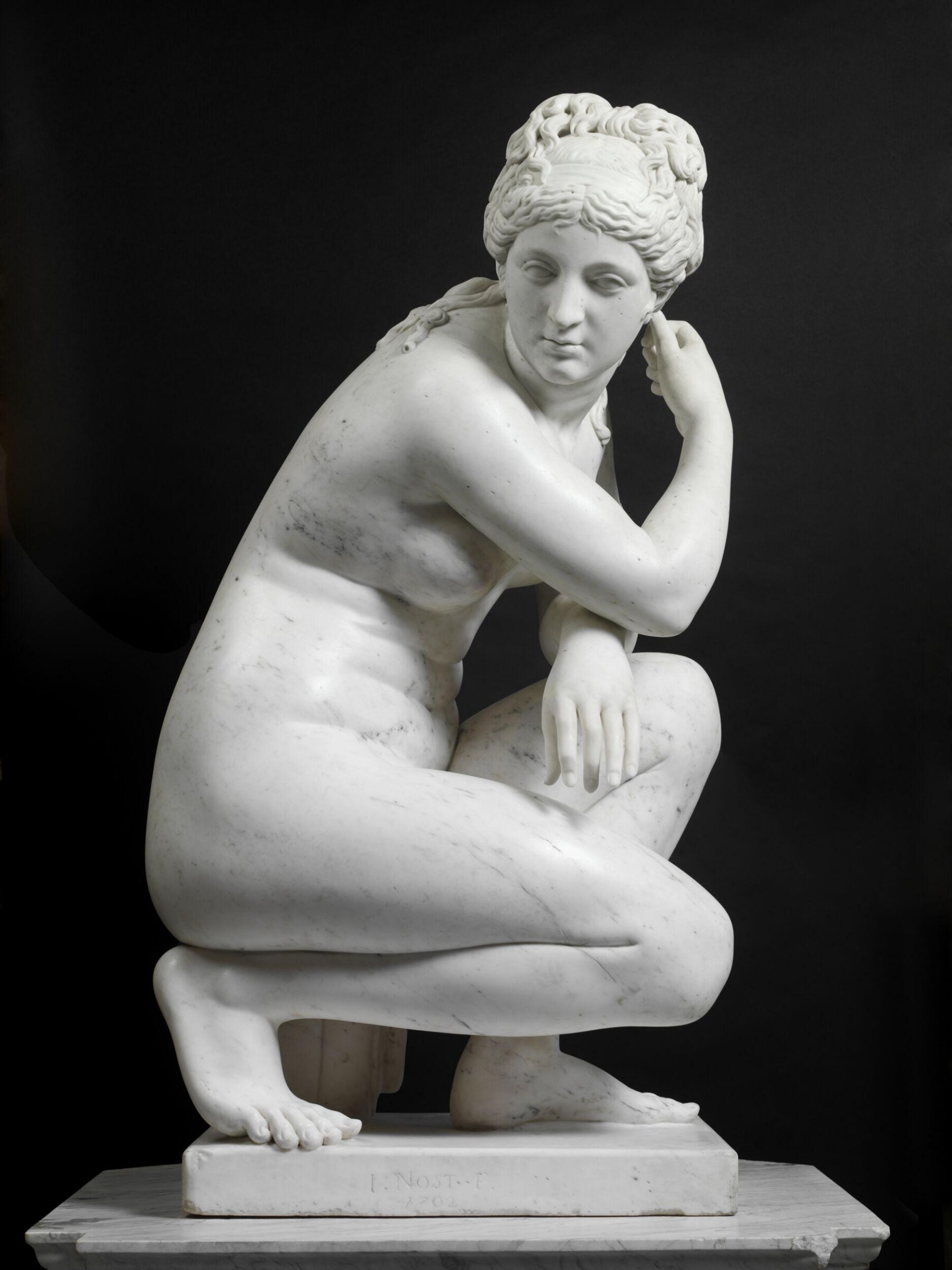
The Crouching Venus, John Nost the Elder, 1702

John Nost the Elder

The Crouching Venus, 1702

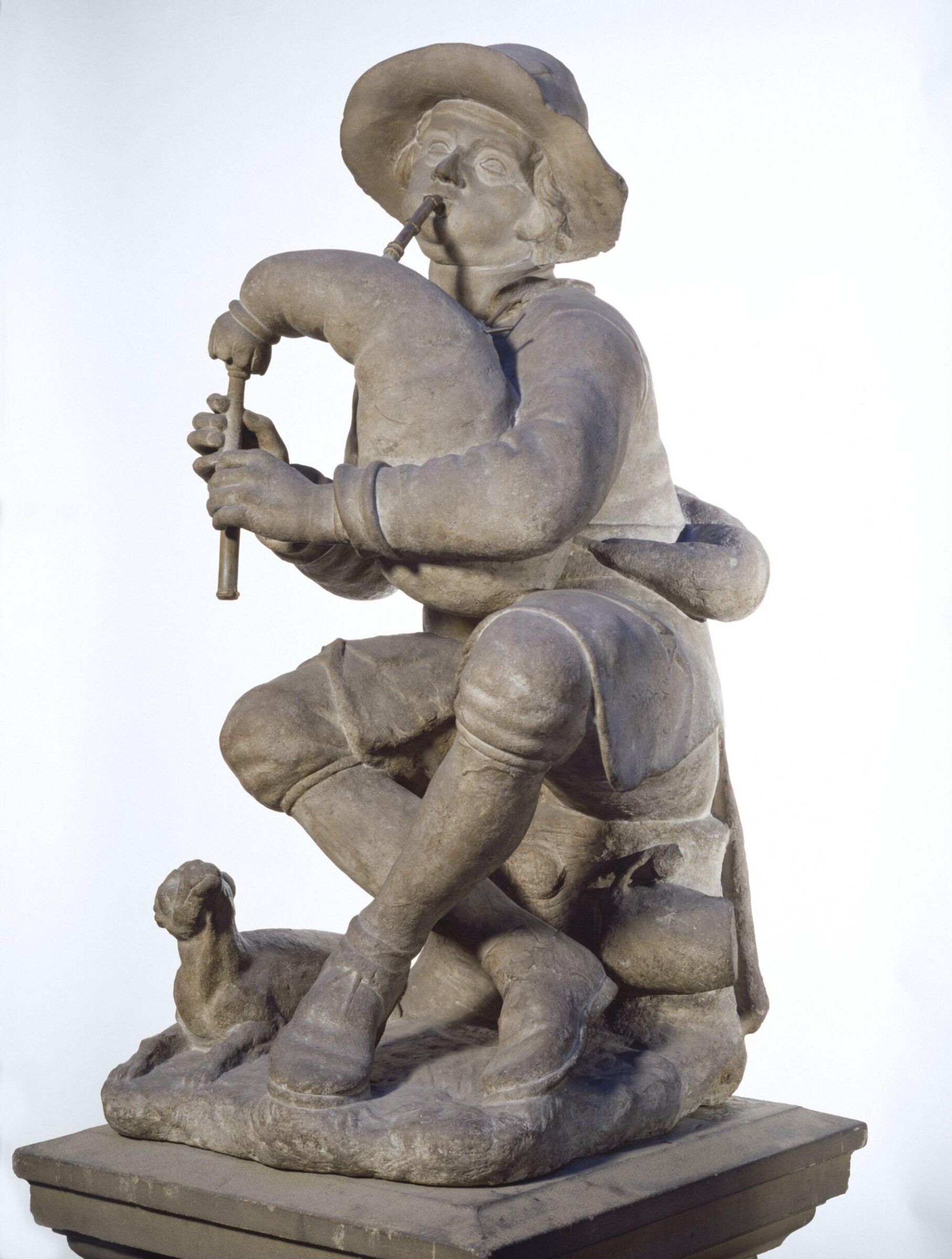
Boy Playing the Bagpipes, Caius Gabriel Cibber, ca. 1680-1690

Caius Gabriel Cibber

Boy Playing the Bagpipes, ca. 1680-1690

Study of Apollo for "Apollo and the Muses", John Singer Sargent, c. 1921

John Singer Sargent

Study of Apollo for "Apollo and the Muses", c. 1921

Non exposée · National Gallery of Art

Das Reich der Flora, Nicolas Poussin, 1631

Nicolas Poussin

Das Reich der Flora, 1631

Gemäldegalerie Alte Meister

Apollo and Marsyas, Attributed to Veronese, c. 1600

Paolo Veronese

Apollo and Marsyas, c. 1600

Non exposée · National Gallery of Art

The Feast of the Gods, Giovanni Bellini and Titian, 1514/1529

Giovanni Bellini

Le Festin des Dieux, 1514/1529

National Gallery of Art

Apollo, François Boucher, c. 1752

Francois Boucher

Apollo, c. 1752

Non exposée · National Gallery of Art

Apollo Pursuing Daphne, Giovanni Battista Tiepolo, c. 1755/1760

Giovanni Battista Tiepolo

Apollo Pursuing Daphne, c. 1755/1760

National Gallery of Art

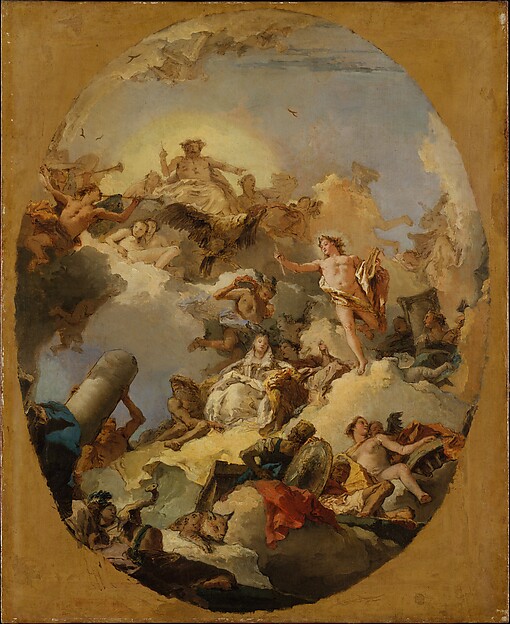
The Apotheosis of the Spanish Monarchy, Giovanni Battista Tiepolo, 1760s

Giovanni Battista Tiepolo

The Apotheosis of the Spanish Monarchy, 1760s

Metropolitan Museum of Art

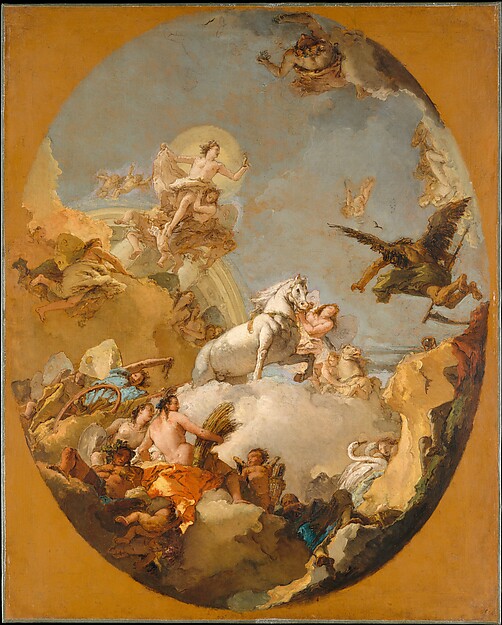
The Chariot of Aurora, Giovanni Battista Tiepolo, 1760s

Giovanni Battista Tiepolo

The Chariot of Aurora, 1760s

Metropolitan Museum of Art

Ce qu’elle montre

ApolloMarsyas

Au catalogue

SculptureMarbreBaroqueXVIIIe siècleItalie