ART WIKI32 963 en salle
CarteCollectionArtistesMuséesExpositionsJournal
Connexion

ART WIKI

Où est accroché le chef-d’œuvre, et quand on vous laisse entrer.

Collections : Art Institute of Chicago, Cleveland Museum of Art, Galerie Tretiakov, Hirshhorn Museum and Sculpture Garden, J. Paul Getty Museum, Metropolitan Museum of Art, Minneapolis Institute of Art, Musée de l'Ermitage, Musée des Beaux-Arts Pouchkine, Musée du Louvre, musée national d'art asiatique, Musée russe, Musées d'Art de Harvard, Museum of Modern Art, National Gallery of Art, National Portrait Gallery, Rijksmuseum Amsterdam, Smithsonian American Art Museum, Statens Museum for Kunst, Victoria and Albert Museum, Villa Getty, Whitney Museum of American Art, Catalogue d’État du fonds muséal de Russie (274 musées), Europeana (19 musées), Wikidata (6 musées), Paris Musées (12 musées) et Joconde, la base des musées du ministère de la Culture (495 musées). Les images appartiennent à leurs ayants droit.

Rubriques

  • Carte
  • Recherche
  • Collection
  • Chefs-d’œuvre
  • Exposées en ce moment
  • Artistes

Et aussi

  • Musées et galeries
  • Expositions
  • Journal
  • D’où viennent les données
  • Confidentialité et cookies
AccueilCarteCatalogue
  1. Collection/
  2. Minneapolis Institute of Art/
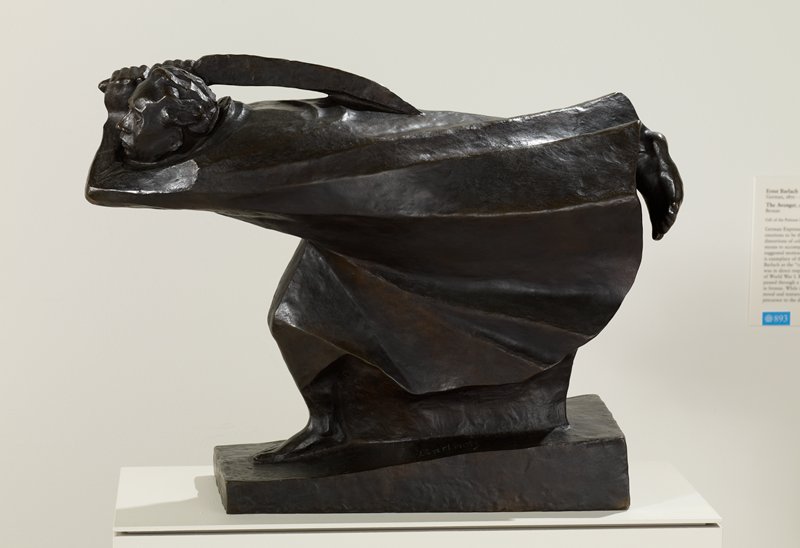
  3. The Avenger
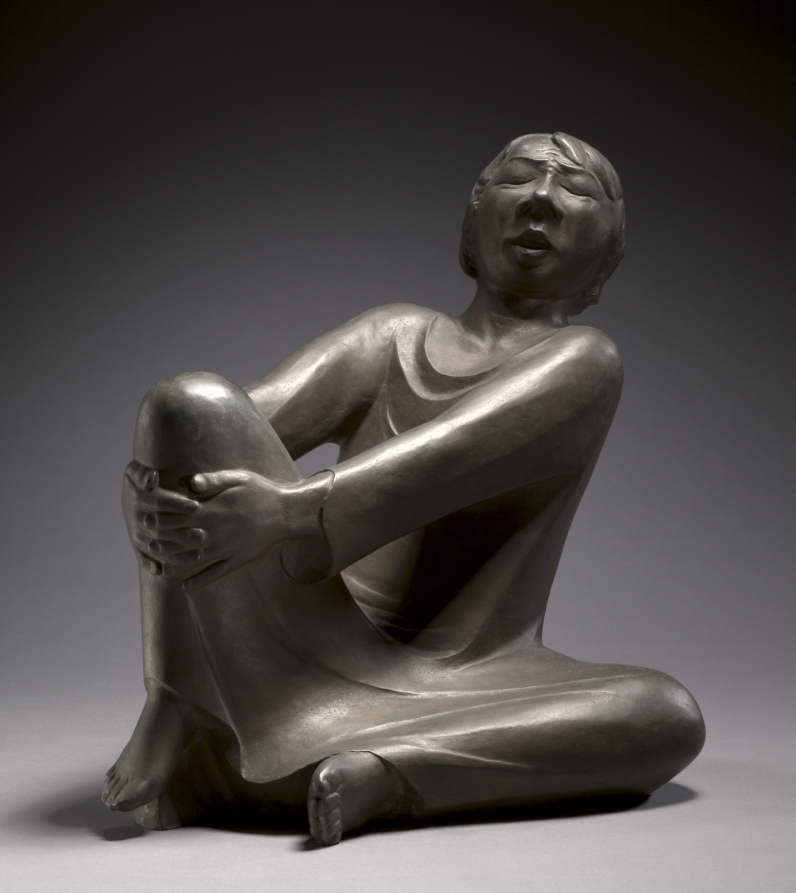
The Avenger, Ernst Barlach, modeled 1914, cast 1923
Ernst Barlach, portraitErnst BarlachAllemagne, 1870–1938

The Avenger

modeled 1914, cast 1923 · Sculpture · 43.2 × 59.1 cm

Peut-on la contempler ?

Elle ne reçoit pas en ce moment

Minneapolis Institute of Art

Minneapolis, États-Unis

Elle appartient à la collection, mais n’est pas présentée en ce moment.

Vérifié
avant-hier
Dans cet état depuis
25 sept. 2026
Source
Le musée
Sur la cartePage du musée

À propos de la sculpture

German Expressionists believed communication of the emotions to be the primary purpose of art and employed distortions of color, shape, surface, and space as the means to accomplish this goal. The angular form, suggested motion, and passionate gesture of The Avenger is exemplary of the Expressionist vision. Dubbed by Barlach as the crystallized essence of War, the sculpture was in direct response to the vengefulness and devastation of World War I. Based on lithographs of 1914, the image passed through a number of stages before it was realized in bronze. While indebted to medieval wood statuary in mood and texture, Barlach's work was also a significant precursor to the development of kinetic sculpture.

Minneapolis Institute of Art

Notice

modeled 1914, cast 1923
18701938
Numéro d’inventaire
58.4

Au catalogue

SculptureBronzeModernismeXXe siècleAllemagne

Sources

  • Minneapolis Institute of Art
  • Image : Minneapolis Institute of Art — © Minneapolis Institute of Art

Pendant ce temps, chez Ernst Barlach

La vie entière
  1. 1912

    The drama “The Dead Day”

    Barlach the writer produces the drama The Dead Day (other accounts date it to 1917); Thomas Mann praised it highly.

  2. 1915–1916

    An infantryman in the war, he returns a pacifist

    Barlach volunteered for the war as an infantryman but was discharged after three months of service because of a heart ailment. He came back a convinced pacifist and opponent of war, and its horror shaped all his subsequent works.

  3. 1917

    Solo exhibition at Cassirer's gallery

    A solo exhibition at Cassirer's gallery brought Barlach wide renown.

  4. 1919

    Post-war fame and the Prussian Academy of Arts

    After the war Barlach's fame grew: he received many honours and in 1919 was admitted to the prestigious Prussian Academy of Arts. He turned down a number of honorary degrees and teaching posts.

  5. 1924 · Distinction

    Kleist Prize

  6. 1925

    Meets Bernhard and Marga Böhmer

    In 1925 Barlach met for the first time Bernhard Böhmer, who became his friend, and Bernhard's wife Marga.

Autres œuvres : Ernst Barlach

Toutes les œuvres
The Avenger, Ernst Barlach, 1914

The Avenger

1914 · National Gallery of Art

Figure group, Ernst Barlach, ca. 1909-1913

Figure group

ca. 1909-1913 · Victoria and Albert Museum

Singing Man, Ernst Barlach, 1928

Singing Man

1928 · Cleveland Museum of Art

Woman Kneeling before a Seated Man, Ernst Barlach

Woman Kneeling before a Seated Man

Non exposée · National Gallery of Art

Magere Hein, Ernst Barlach, 1880 - 1938

Magere Hein

1880 - 1938 · Rijksmuseum Amsterdam

Kniende Gestalt, den Blick zum Himmel gerichtet, Ernst Barlach, 19th century

Kniende Gestalt, den Blick zum Himmel gerichtet

19th century · Albertina

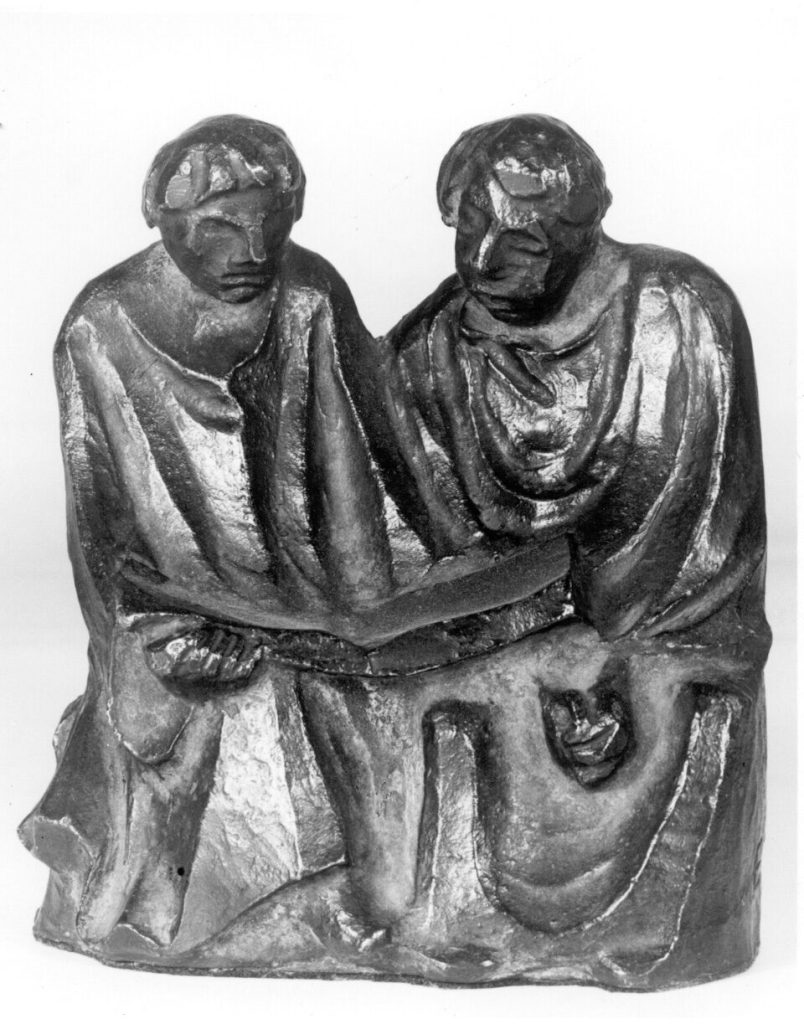
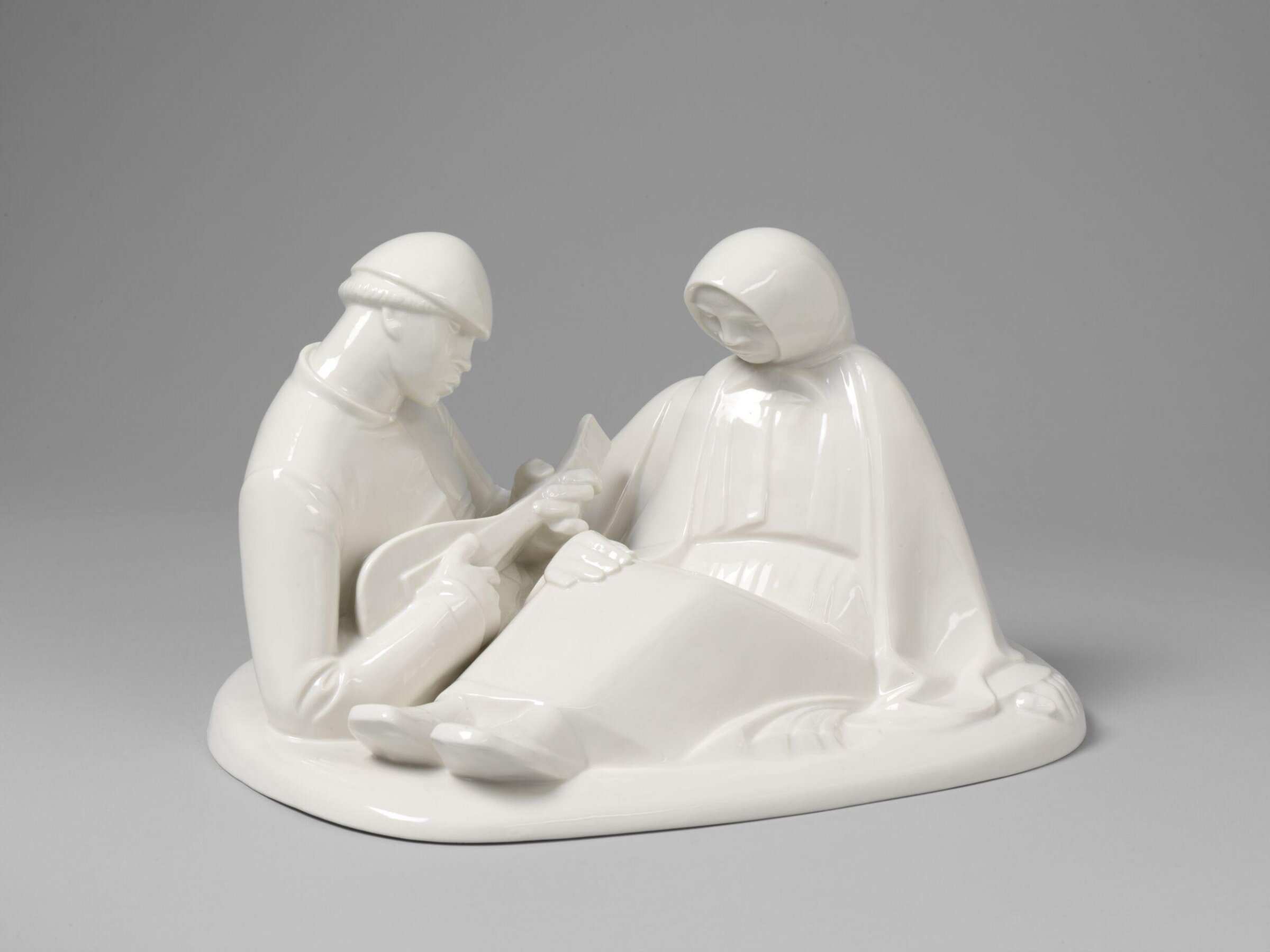
Lesende Mönche II (Die Buchleser), Ernst Barlach, 1880–1938

Lesende Mönche II (Die Buchleser)

1880–1938 · Museum Kunstpalast

"Erwachen": Zwei liegende und eine stehende (?), in Decken gehüllte Gestalten, Ernst Barlach

"Erwachen": Zwei liegende und eine stehende (?), in Decken gehüllte Gestalten

Albertina

Sous le même toit : Minneapolis Institute of Art

Page du musée
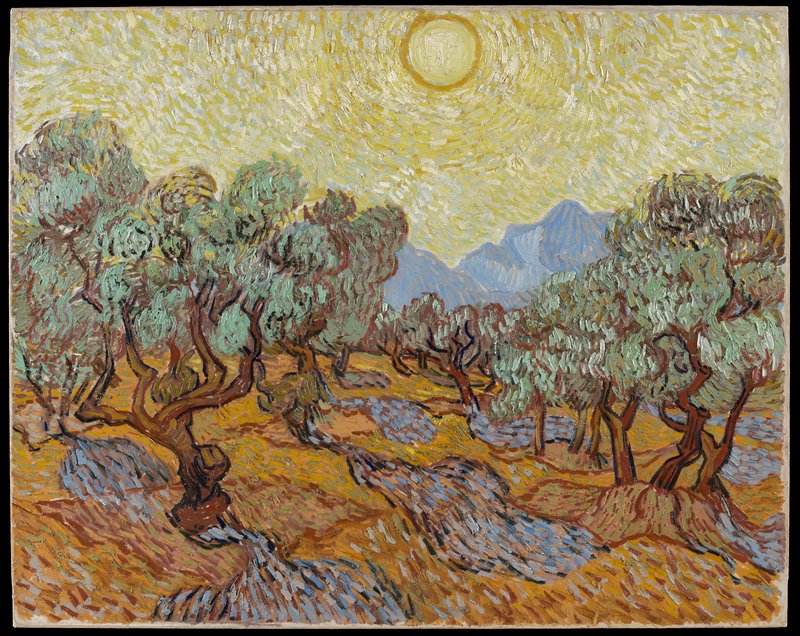
Olive Trees, Vincent van Gogh, 1889

Vincent van Gogh

Olive Trees, 1889

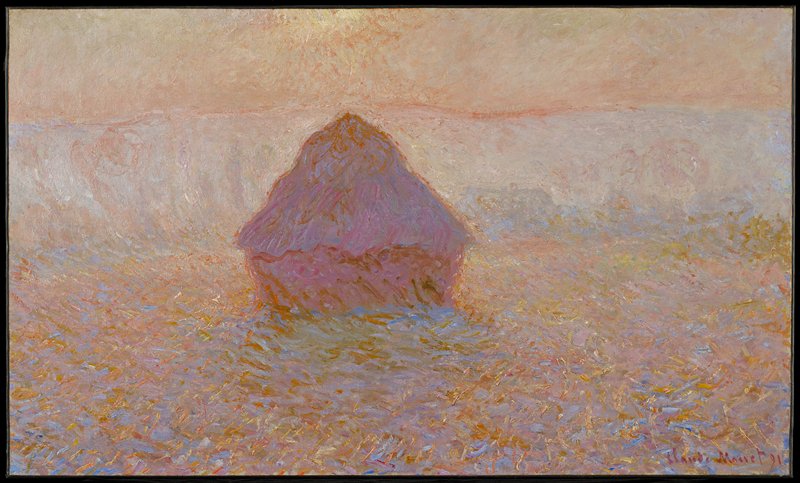
Grainstack, Sun in the Mist, Claude Monet, 1891

Claude Monet

Grainstack, Sun in the Mist, 1891

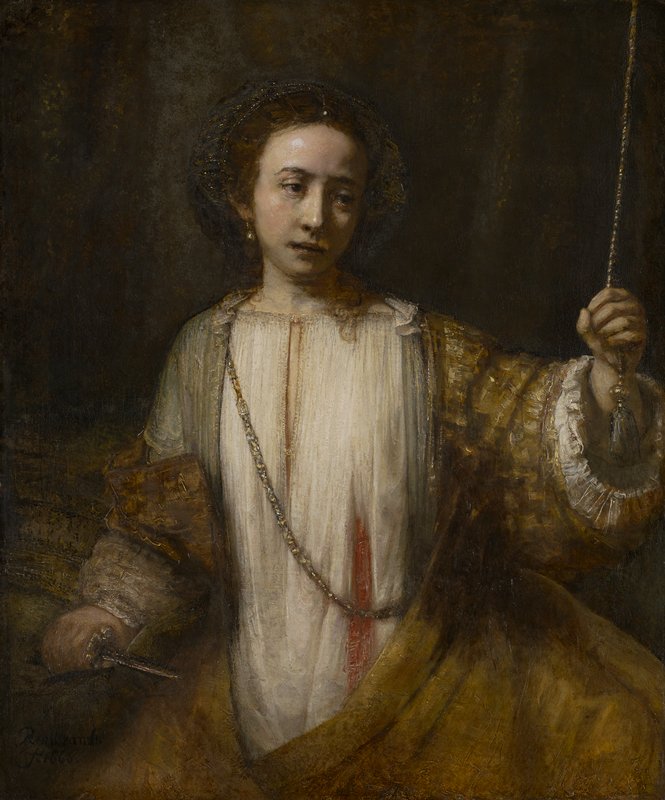
Lucretia, Rembrandt van Rijn, 1666

Rembrandt van Rijn

Lucretia, 1666

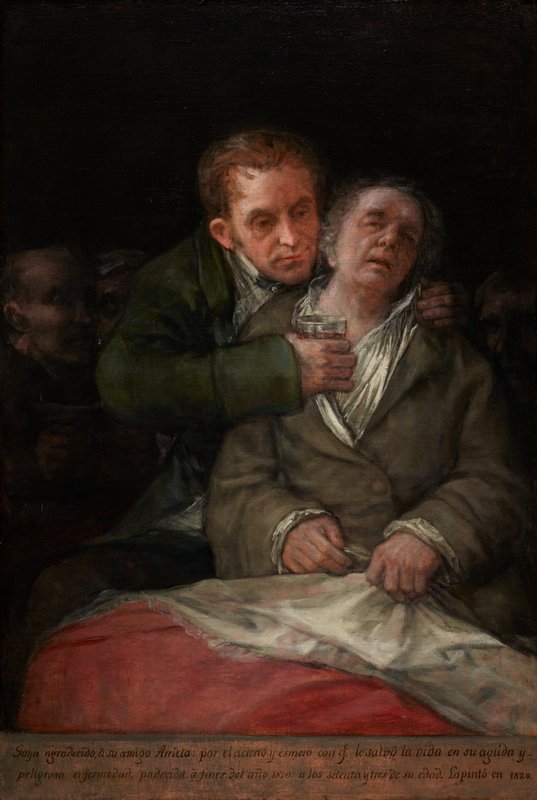
Self-Portrait with Dr. Arrieta, Francisco José de Goya y Lucientes, 1820

Francisco de Goya

Goya et son médecin, 1820

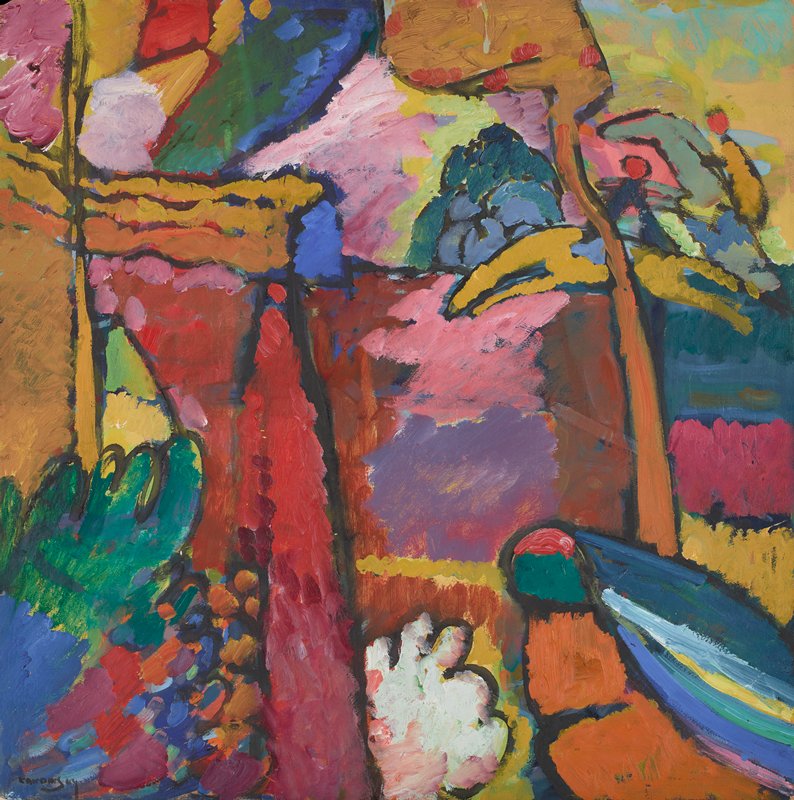
Study for Improvisation V, Vassily Kandinsky, 1910

Vasily Kandinsky

Study for Improvisation V, 1910

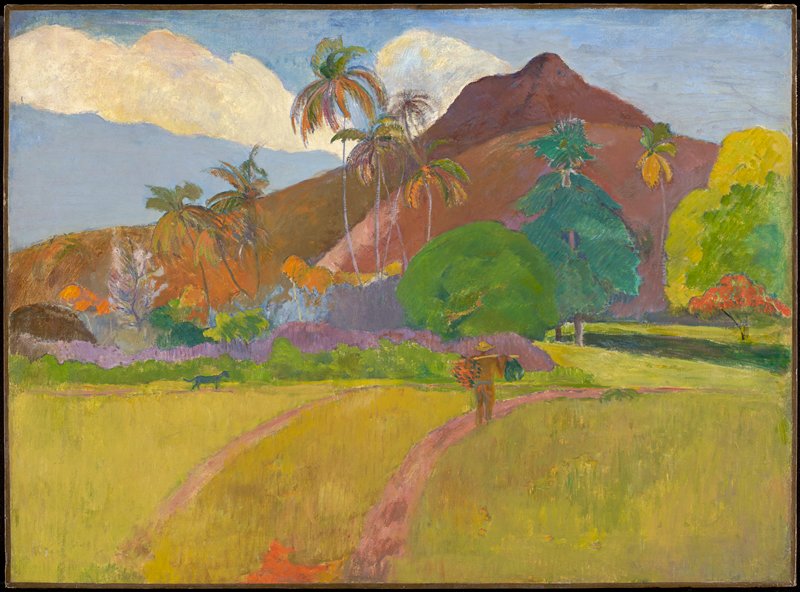
Tahitian Landscape, Paul Gauguin, 1891

Paul Gauguin

Tahitian Landscape, 1891

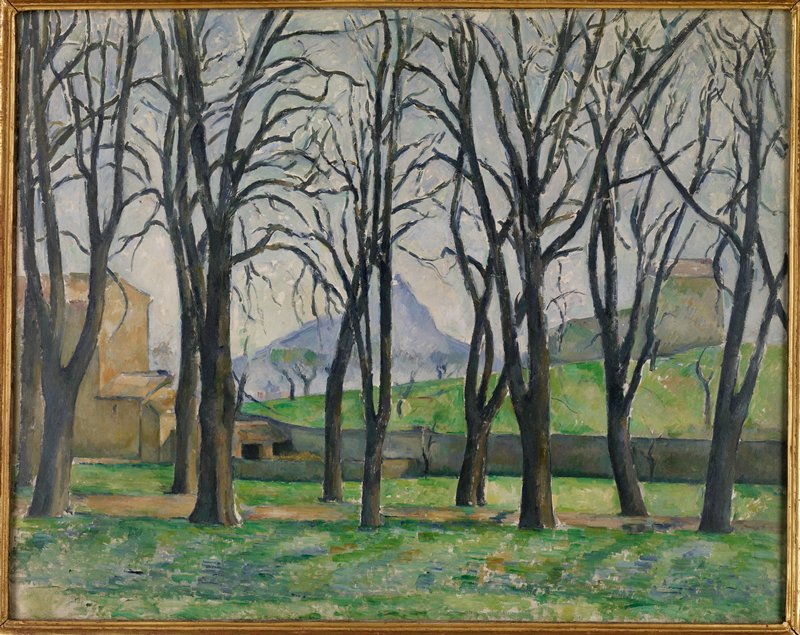
Chestnut Trees at Jas de Bouffan, Paul Cézanne, c. 1885–86

Paul Cézanne

Chestnut Trees at Jas de Bouffan, c. 1885–86

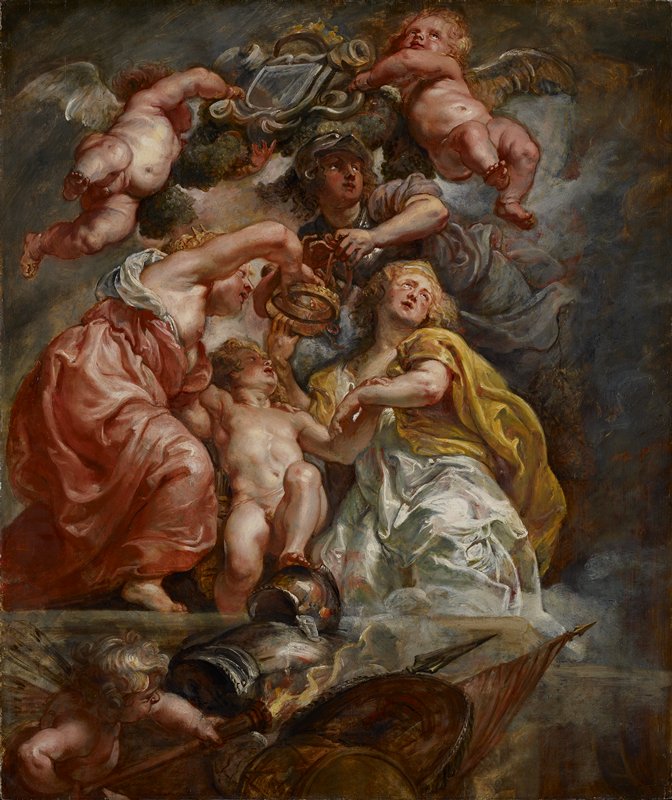
The Union of England and Scotland (Charles I as the Prince of Wales), Peter Paul Rubens, 1633–34

Peter Paul Rubens

The Union of England and Scotland (Charles I as the Prince of Wales), 1633–34