ART WIKI32 963 en salle
CarteCollectionArtistesMuséesExpositionsJournal
Connexion

ART WIKI

Où est accroché le chef-d’œuvre, et quand on vous laisse entrer.

Collections : Art Institute of Chicago, Cleveland Museum of Art, Galerie Tretiakov, Hirshhorn Museum and Sculpture Garden, J. Paul Getty Museum, Metropolitan Museum of Art, Minneapolis Institute of Art, Musée de l'Ermitage, Musée des Beaux-Arts Pouchkine, Musée du Louvre, musée national d'art asiatique, Musée russe, Musées d'Art de Harvard, Museum of Modern Art, National Gallery of Art, National Portrait Gallery, Rijksmuseum Amsterdam, Smithsonian American Art Museum, Statens Museum for Kunst, Victoria and Albert Museum, Villa Getty, Whitney Museum of American Art, Catalogue d’État du fonds muséal de Russie (274 musées), Europeana (19 musées), Wikidata (6 musées), Paris Musées (12 musées) et Joconde, la base des musées du ministère de la Culture (495 musées). Les images appartiennent à leurs ayants droit.

Rubriques

  • Carte
  • Recherche
  • Collection
  • Chefs-d’œuvre
  • Exposées en ce moment
  • Artistes

Et aussi

  • Musées et galeries
  • Expositions
  • Journal
  • D’où viennent les données
  • Confidentialité et cookies
AccueilCarteCatalogue
  1. Collection/
  2. Musée russe/
  3. Руины
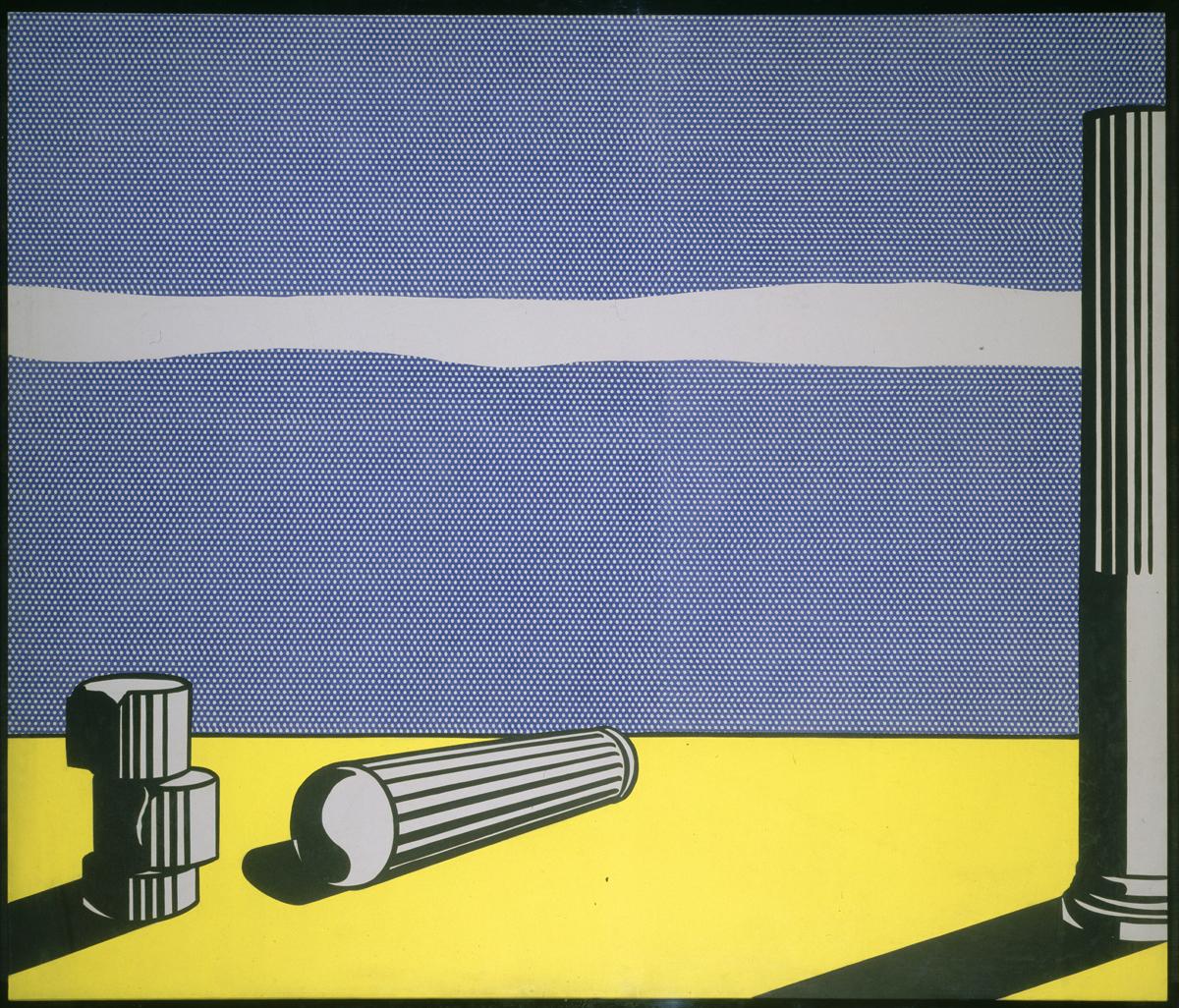
Руины, Roy Lichtenstein, 1965
Roy Lichtenstein, portraitRoy LichtensteinÉtats-Unis, 1923–1997

Руины

1965 · Painting · 170 × 200 cm

À propos du tableau

Selon le musée — en russe

Руины и пейзаж сведены к простым геометрическим формам. Картина относится к серии работ, в которых художник исследует соотношение света и тени. В этой связи он часто выбирает архитектурные сюжеты. В данном произведении фрагменты колонн на переднем плане отсылают зрителя к античной классике. Лихтенштейн, известнейший представитель поп-арта, использует и здесь характерный для него стилистический прием, взятый из комиксов. Изготовленные способом массовой печати, комиксы, если их разглядывать через лупу, оказываются составленными из типичных растровых точек, которые, проходя через глаз зрителя, конструируются в форму и цвет. Лихтенштейн возводит эти растровые точки в принцип своего художественного творчества, создавая тем самым легко узнаваемую собственную марку. В этом смысле его работы можно считать изображениями печатных изображений.

Lire la suite

Подобно Джасперу Джонсу, он стремится объединить предметность и абстракцию, однако его творческая установка имеет отчетливую общественно-критическую доминанту, в то время как Джаспер Джонс в гораздо большей степени занят художественно-теоретическими вопросами.

Musée russe

Notice

1965 · à 42 ans
19231997
Numéro d’inventaire
HT-273

Pendant ce temps, chez Roy Lichtenstein

La vie entière
  1. 1963–1964

    Leaves Rutgers and returns to New York

    In September 1963 Lichtenstein took a leave of absence from Douglass College at Rutgers; in 1964 he moved back to New York to be at the centre of the art scene and resigned from Rutgers to concentrate on his painting.

  2. 1964

    The first American to exhibit at the Tate Gallery

    Lichtenstein became the first American to exhibit at the Tate Gallery in London, in the show “’54–’64: Painting and Sculpture of a Decade”.

  3. 1964

    Life magazine asks: “Is He the Worst Artist in the U.S.?”

    When Lichtenstein’s work was first exhibited, many critics challenged its originality and called it vulgar and empty; a Life magazine article of 1964 was headed “Is He the Worst Artist in the U.S.?”. The artist replied that the closer his work is to the original, the more threatening and critical its content.

  4. 1965

    Divorce from Isabel

    The brutal upstate winters, where Lichtenstein had been teaching since 1958, took a toll on him and his wife. They sold the family home in Highland Park, New Jersey, in 1963 and divorced in 1965.

  5. 1967

    First museum retrospective in Pasadena

    In 1967 the Pasadena Art Museum in California held Lichtenstein’s first museum retrospective.

Autres œuvres : Roy Lichtenstein

Toutes les œuvres

Sous le même toit : Musée russe

Page du musée

1967

First solo exhibitions in Europe

In the same year, 1967, Lichtenstein’s first solo exhibition in Europe was held at museums in Amsterdam, London, Bern and Hannover.

Peut-on la contempler ?

Oui, elle reçoit

Musée russe

Saint-Pétersbourg, Russie

SalleMramornyy dvorets, Zal 24

Présentée au public. Qui s’en porte garant est indiqué ci-dessous.

Vérifié
il y a 10 jours
Dans cet état depuis
28 sept. 2026
Source
Le musée
Sur la cartePage du musée

Au catalogue

PeinturesAcryliquePeinture américaineArt d’après-guerreXXe sièclePop artPaysage

Sources

  • Musée russe
  • Image : Musée russe — © State Russian Museum
Entablature, Roy Lichtenstein, 1974

Entablature

1974 · National Gallery of Art

Painting with Statue of Liberty, Roy Lichtenstein, 1983

Painting with Statue of Liberty

1983 · National Gallery of Art

House I, Roy Lichtenstein, model 1996, fabricated 1998

House I

model 1996, fabricated 1998 · National Gallery of Art

Untitled [pyramid], Roy Lichtenstein, c. 1970

Untitled [pyramid]

c. 1970 · Whitney Museum of American Art

Untitled [pyramid], Roy Lichtenstein, c. 1970

Untitled [pyramid]

c. 1970 · Whitney Museum of American Art

Untitled [pyramid], Roy Lichtenstein, c. 1970

Untitled [pyramid]

c. 1970 · Whitney Museum of American Art

Untitled [pyramid], Roy Lichtenstein, c. 1970

Untitled [pyramid]

c. 1970 · Whitney Museum of American Art

Untitled [pyramid], Roy Lichtenstein, c. 1970

Untitled [pyramid]

c. 1970 · Whitney Museum of American Art

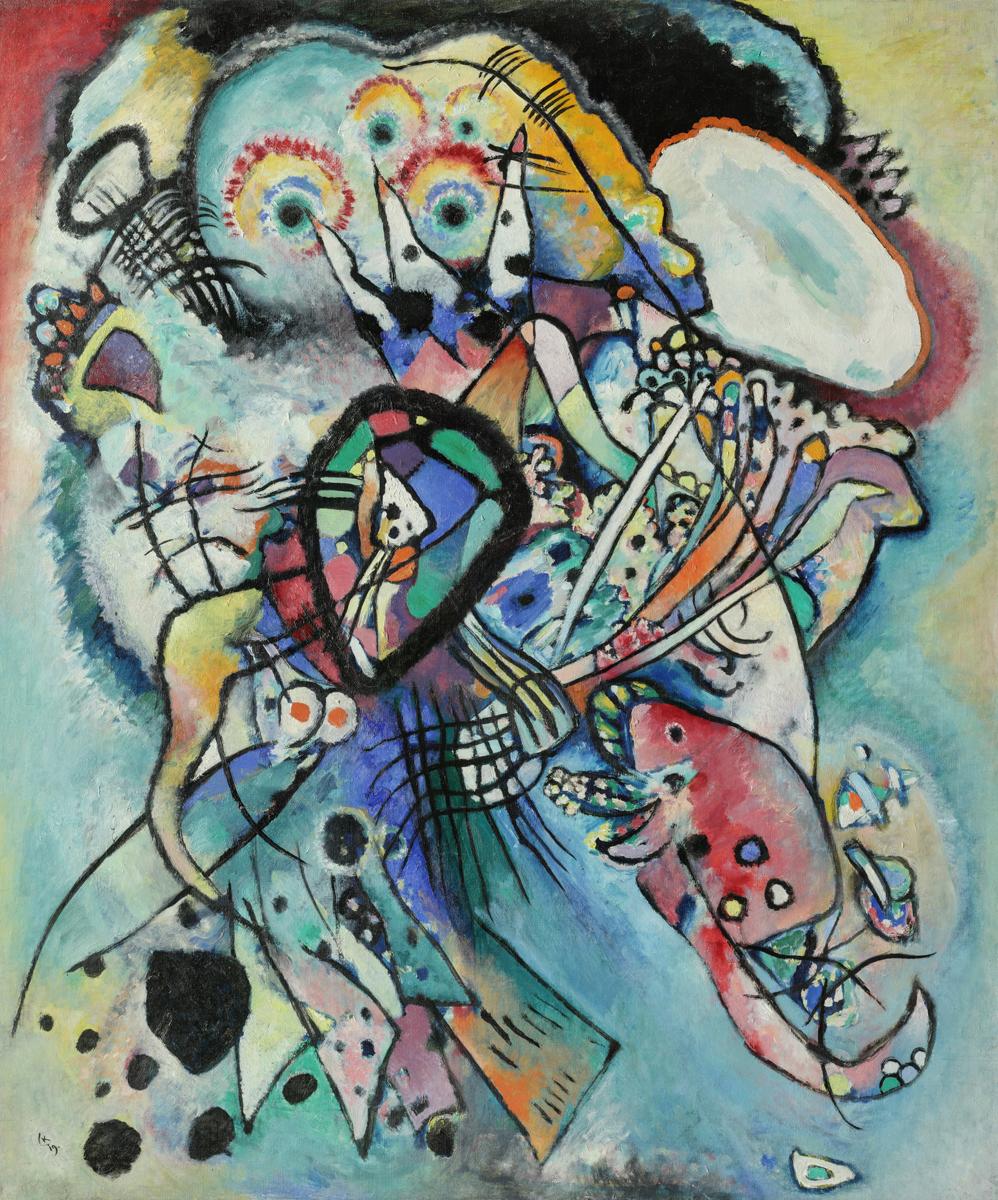
Два овала, Vasily Kandinsky, 1919

Vasily Kandinsky

Два овала, 1919

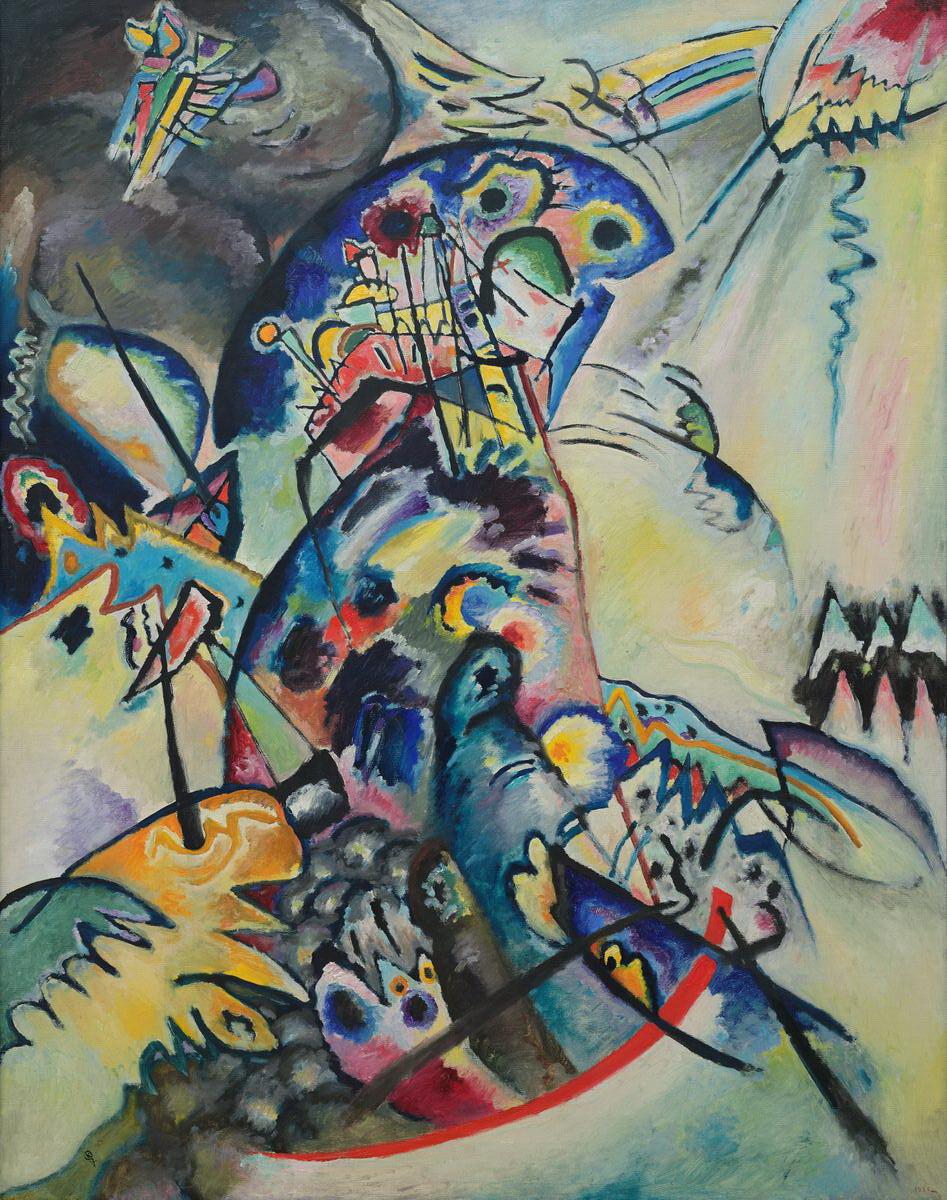
Синий гребень, Vasily Kandinsky, 1917

Vasily Kandinsky

Синий гребень, 1917

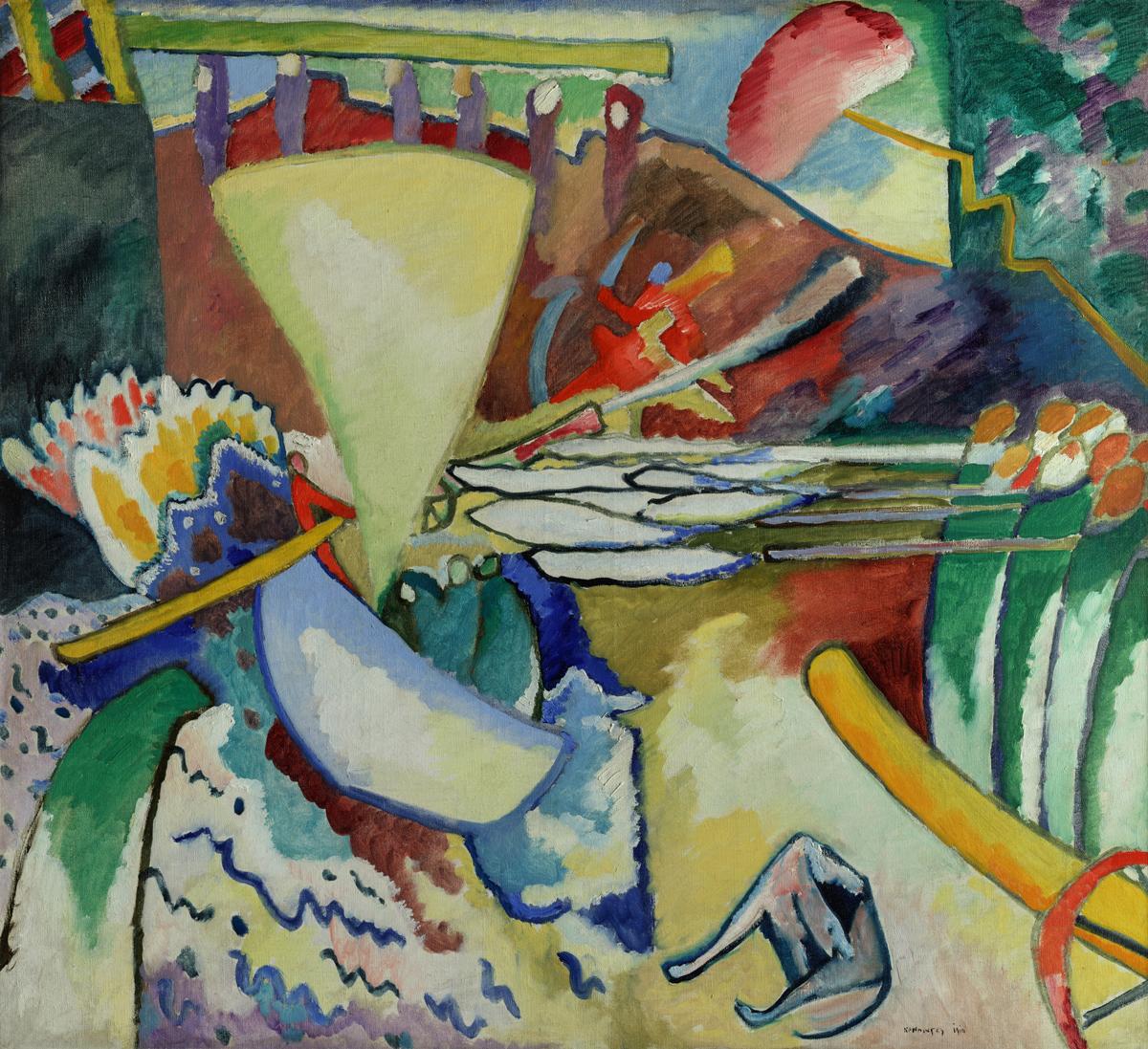
Импровизация 11, Vasily Kandinsky, 1910

Vasily Kandinsky

Импровизация 11, 1910

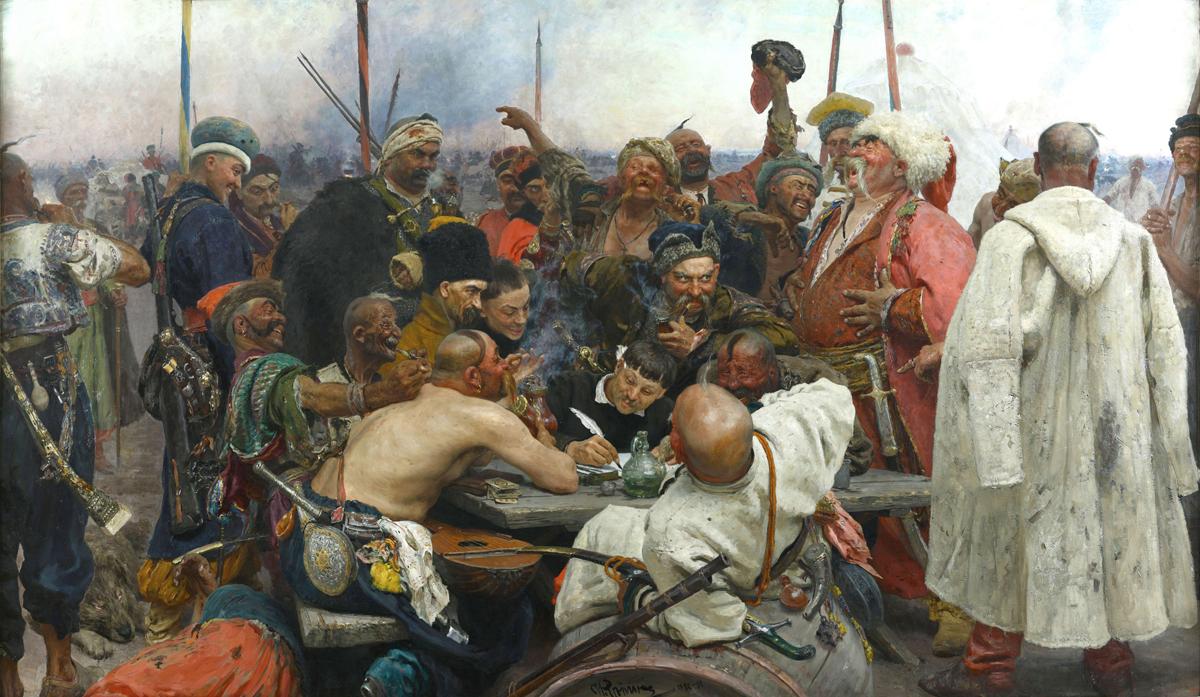
Les Cosaques zaporogues écrivant une lettre au sultan de Turquie, Ilya Repin, 1880–1891

Ilya Repin

Les Cosaques zaporogues écrivant une lettre au sultan de Turquie, 1880–1891

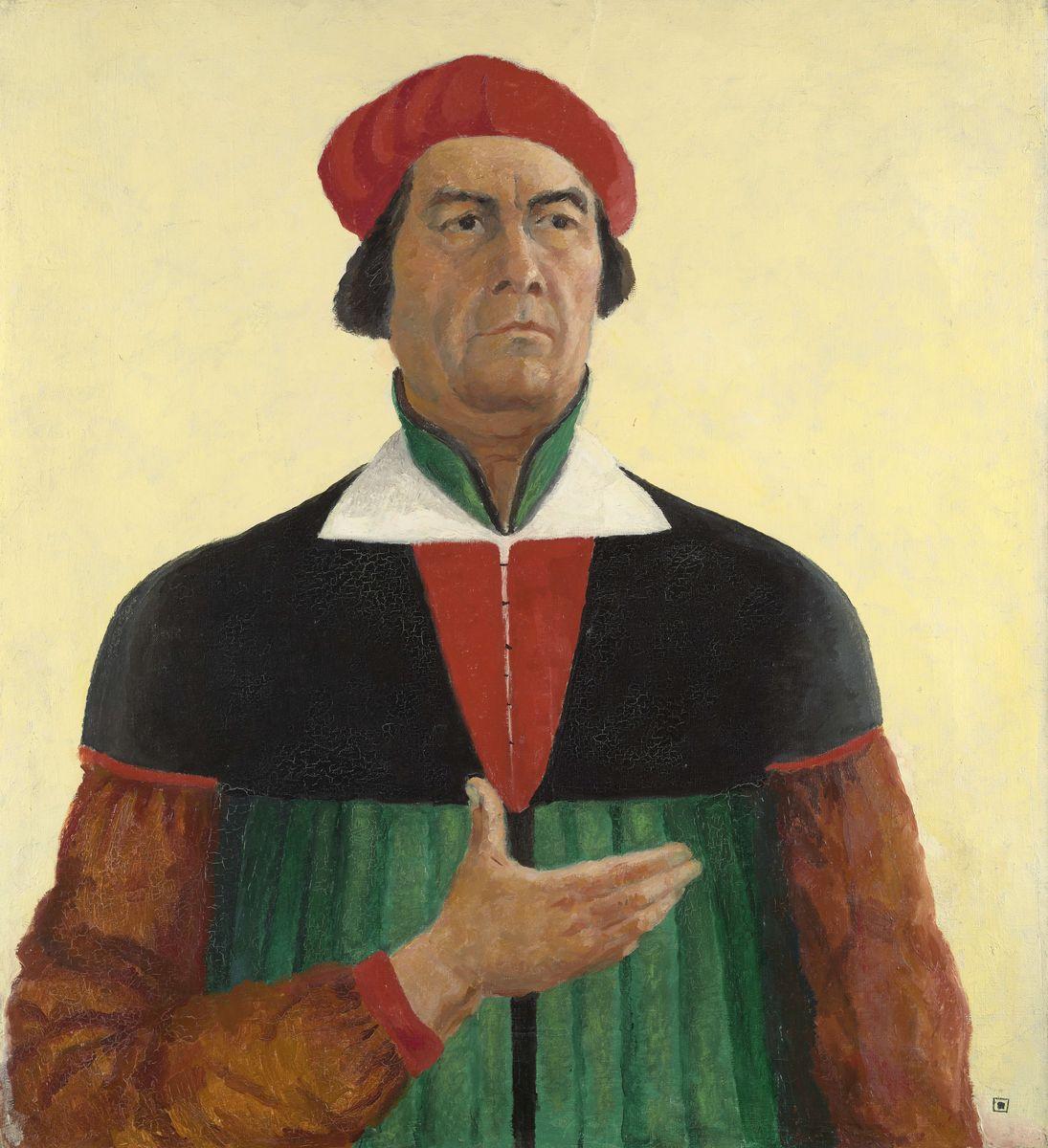
Автопортрет (Художник), Kazimir Malevich, 1933

Kazimir Malevich

Автопортрет (Художник), 1933

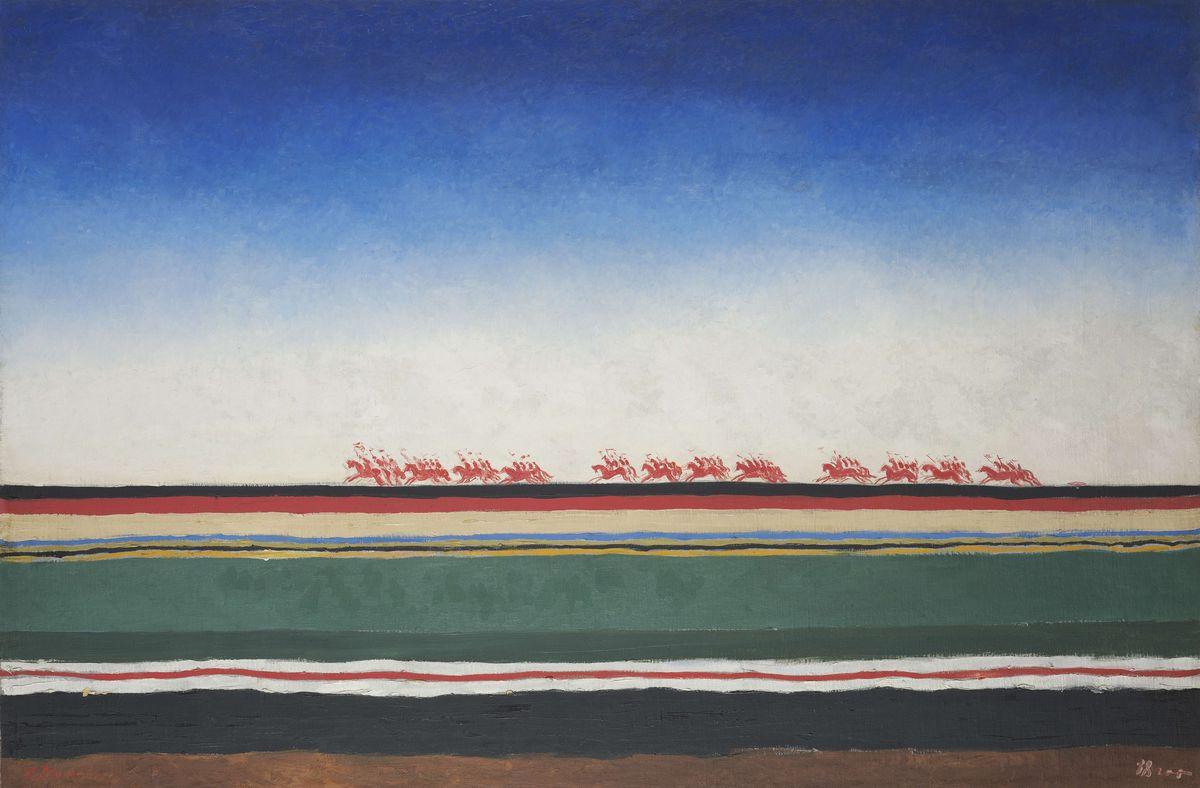
La Charge de la cavalerie rouge, Kazimir Malevich, c. 1932

Kazimir Malevich

La Charge de la cavalerie rouge, c. 1932

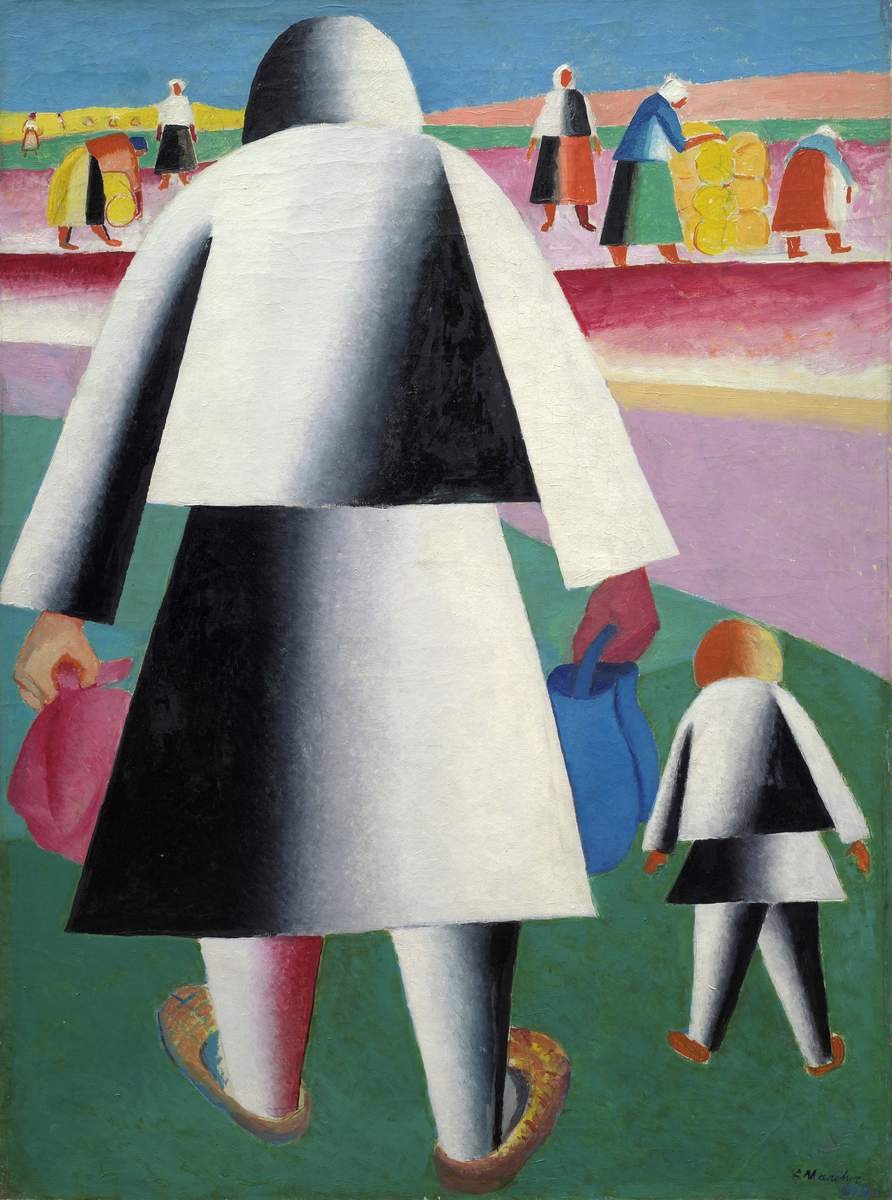
На жатву (Марфа и Ванька), Kazimir Malevich, 1928-1929

Kazimir Malevich

На жатву (Марфа и Ванька), 1928-1929

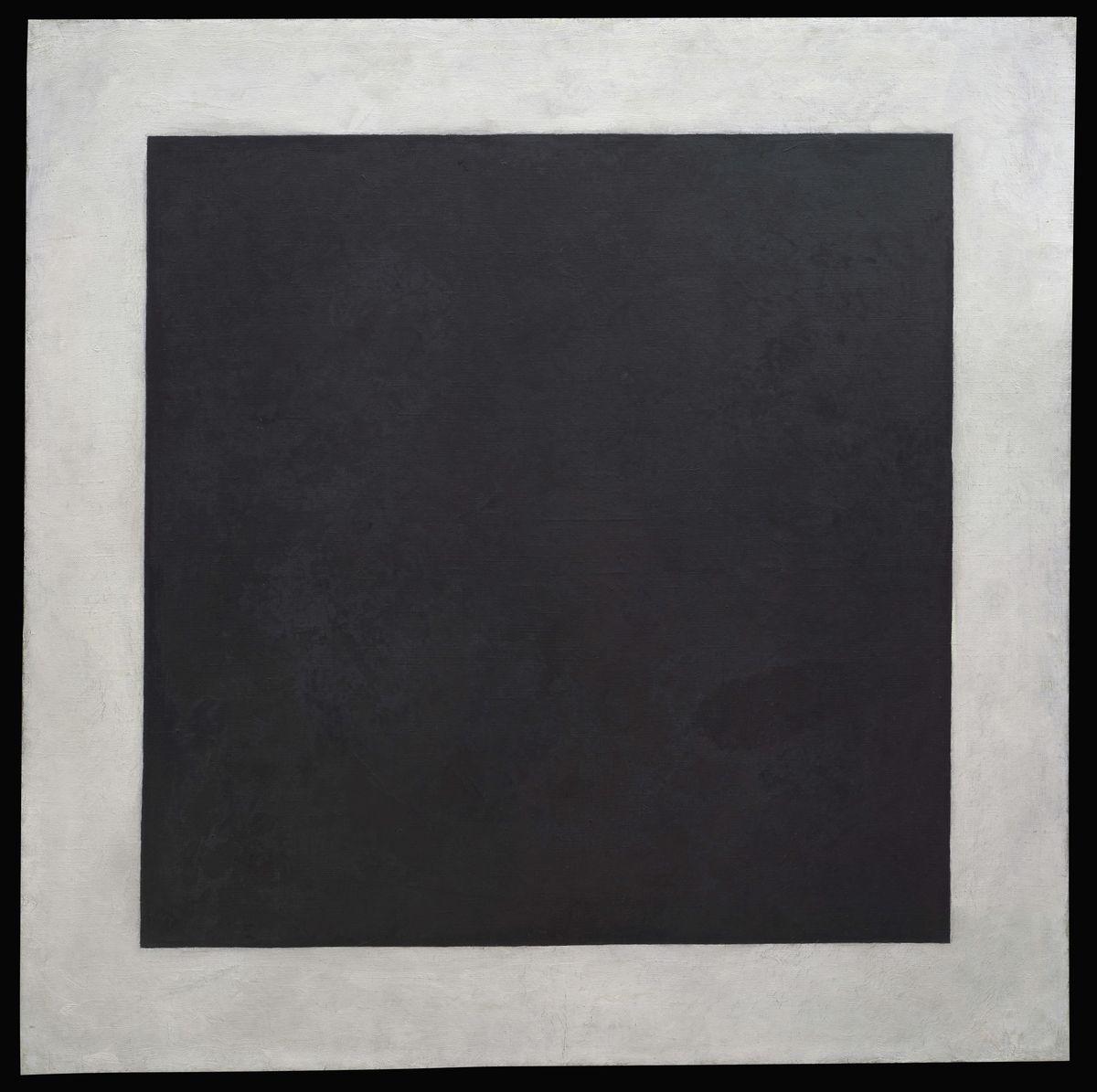
Черный квадрат, Kazimir Malevich, c. 1923

Kazimir Malevich

Черный квадрат, c. 1923