ART WIKI32 979 en salle
CarteCollectionArtistesMuséesExpositionsJournal
Connexion

ART WIKI

Où est accroché le chef-d’œuvre, et quand on vous laisse entrer.

Collections : Art Institute of Chicago, Cleveland Museum of Art, Galerie Tretiakov, Hirshhorn Museum and Sculpture Garden, J. Paul Getty Museum, Metropolitan Museum of Art, Minneapolis Institute of Art, Musée de l'Ermitage, Musée des Beaux-Arts Pouchkine, Musée du Louvre, musée national d'art asiatique, Musée russe, Musées d'Art de Harvard, Museum of Modern Art, National Gallery of Art, National Portrait Gallery, Rijksmuseum Amsterdam, Smithsonian American Art Museum, Statens Museum for Kunst, Victoria and Albert Museum, Villa Getty, Whitney Museum of American Art, Catalogue d’État du fonds muséal de Russie (274 musées), Europeana (19 musées), Wikidata (6 musées), Paris Musées (12 musées) et Joconde, la base des musées du ministère de la Culture (495 musées). Les images appartiennent à leurs ayants droit.

Rubriques

  • Carte
  • Recherche
  • Collection
  • Chefs-d’œuvre
  • Exposées en ce moment
  • Artistes

Et aussi

  • Musées et galeries
  • Expositions
  • Journal
  • D’où viennent les données
  • Confidentialité et cookies
AccueilCarteCatalogue
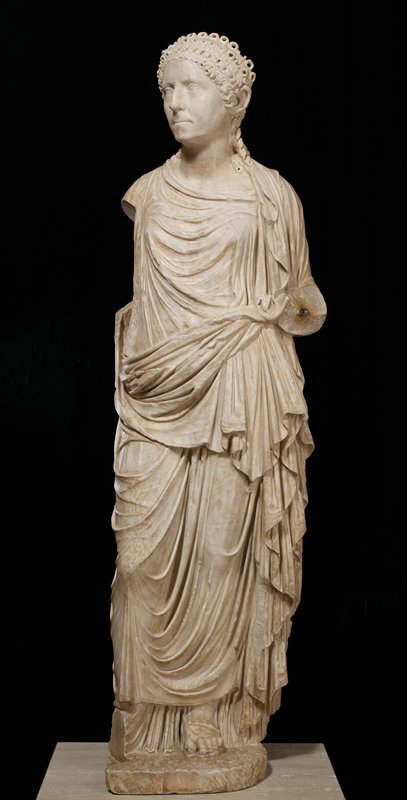
Roman Matron, Roman Empire, 50–60 CE

Roman Matron

50–60 CE · Sculpture · 128.27 × 33.02 cm

À propos de la sculpture

Once identified as Agrippina the younger, mother of the emperor Nero, this statue is now thought to represent an unidentified Roman matron. The hairstyle, a feature often used to date ancient Roman female portraits, corresponds to a fashion during Nero's reign (54-68 A.D.) The stark, realistic depiction of the woman's bony and lined face contrasts with the gracefully flowing, deeply carved folds of the clothing, characteristics of late Greek (Hellenistic) sculpture. This subtle combination of realism and idealism was common in portraiture of the Roman Republic and Empire, particularly during the reigns of the Julio-Claudian emperors (27 B.C.-68 A.D.) and of Hadrian (117-138 A.D.).

Minneapolis Institute of Art

Notice

Numéro d’inventaire
32.16

Autres œuvres : Roman Empire

Toutes les œuvres

Dans la même salle · G241, Minneapolis Institute of Art

Page du musée
  1. Collection/
  2. Minneapolis Institute of Art/
  3. Roman Matron
RRoman EmpireSyrie

Peut-on la contempler ?

Oui, elle reçoit

Minneapolis Institute of Art

Minneapolis, États-Unis

SalleG241

Présentée au public. Qui s’en porte garant est indiqué ci-dessous.

Vérifié
il y a 3 jours
Dans cet état depuis
25 sept. 2026
Source
Le musée
Sur la cartePage du musée

Au catalogue

SculptureMarbreRome antique

Sources

  • Minneapolis Institute of Art
  • Image : Minneapolis Institute of Art — public domain
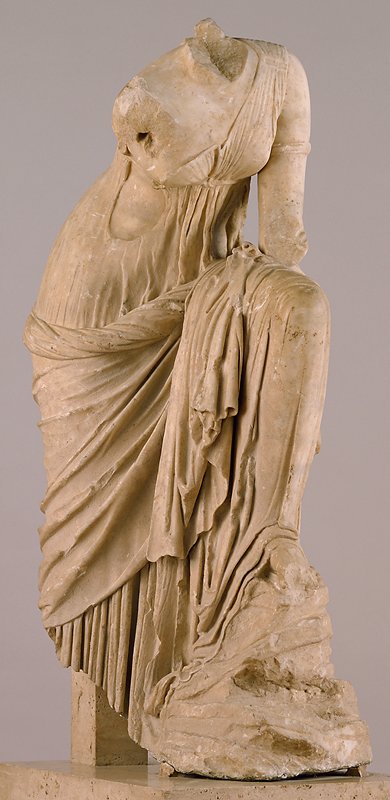
The Tiber Muse, Roman Empire, 2nd–1st century BCE

The Tiber Muse

2nd–1st century BCE · Minneapolis Institute of Art

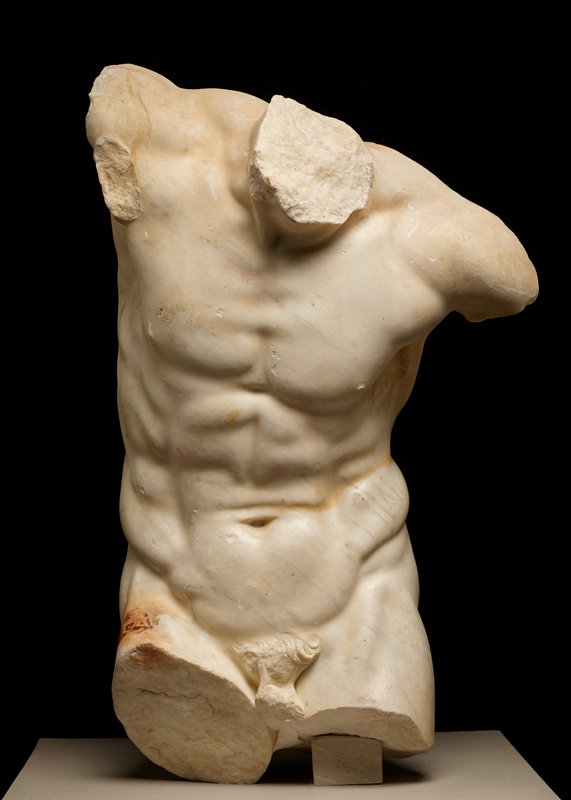
Torso of a Dancing Faun, Roman Empire, 1st century CE

Torso of a Dancing Faun

1st century CE · Minneapolis Institute of Art

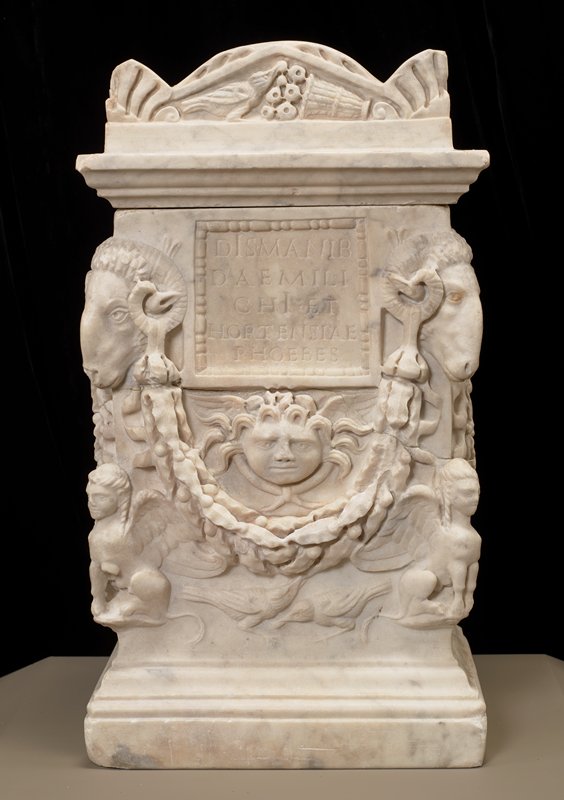
Cinerary Box with Cover, Roman Empire, 50–100 CE

Cinerary Box with Cover

50–100 CE · Minneapolis Institute of Art

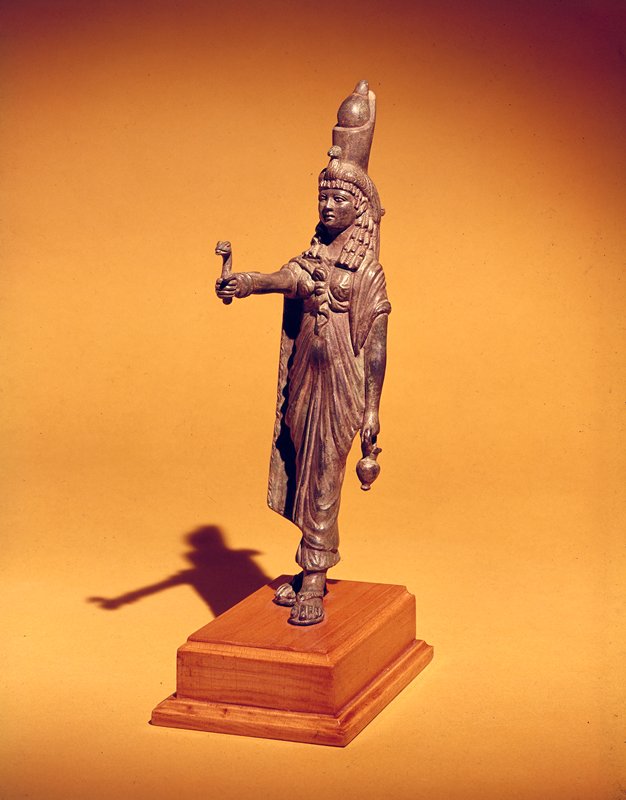
Goddess Isis, Roman Empire, 1st century CE

Goddess Isis

1st century CE · Minneapolis Institute of Art

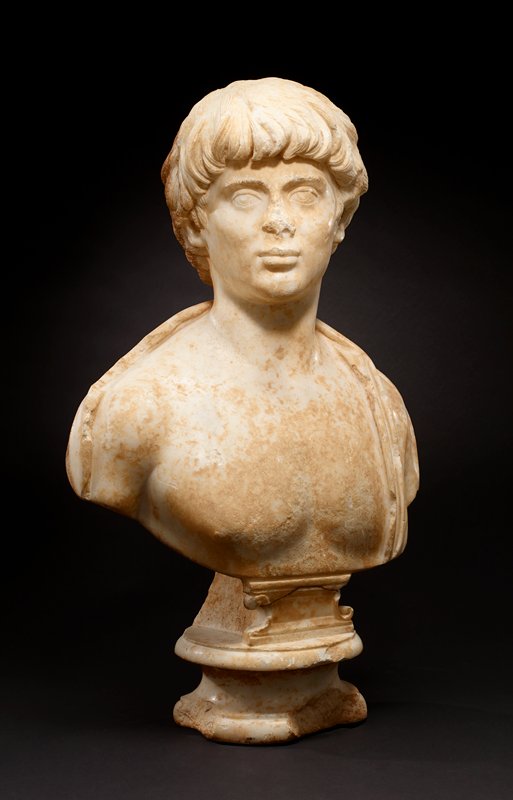
Bust of a Young Man, Probably Polydeukion, Roman Empire, 2nd century

Bust of a Young Man, Probably Polydeukion

2nd century · Minneapolis Institute of Art

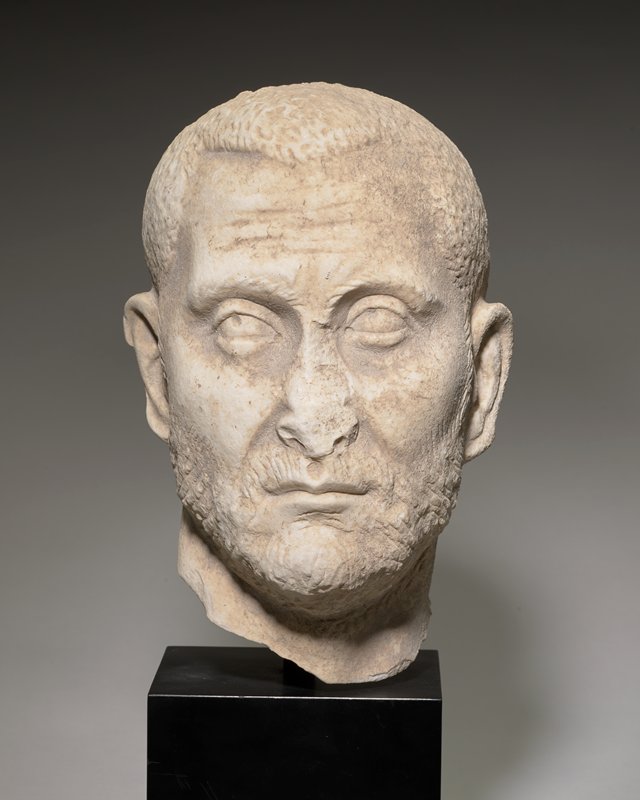
Portrait of a Man, Roman Empire, 252–268

Portrait of a Man

252–268 · Non exposée · Minneapolis Institute of Art

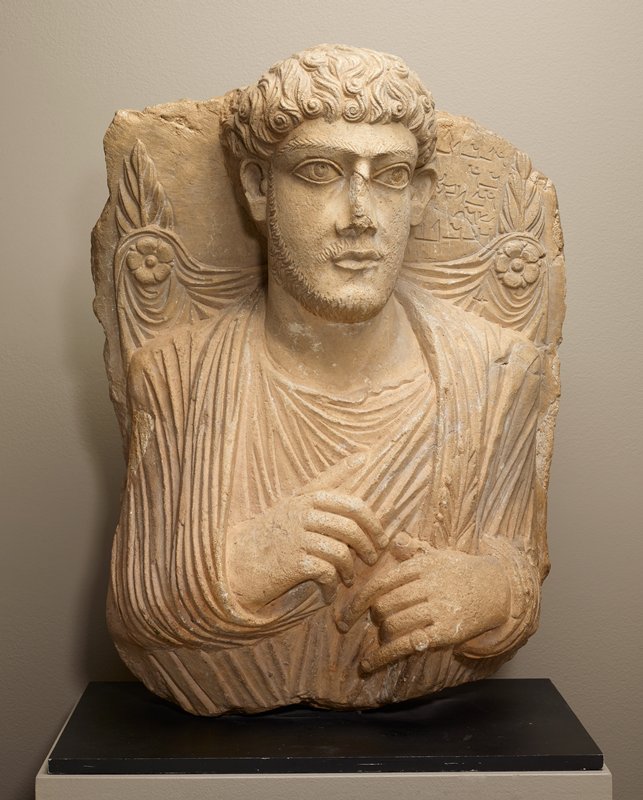
Funerary Relief, Roman Empire, late 2nd century–first half of the 3rd century

Funerary Relief

late 2nd century–first half of the 3rd century · Non exposée · Minneapolis Institute of Art

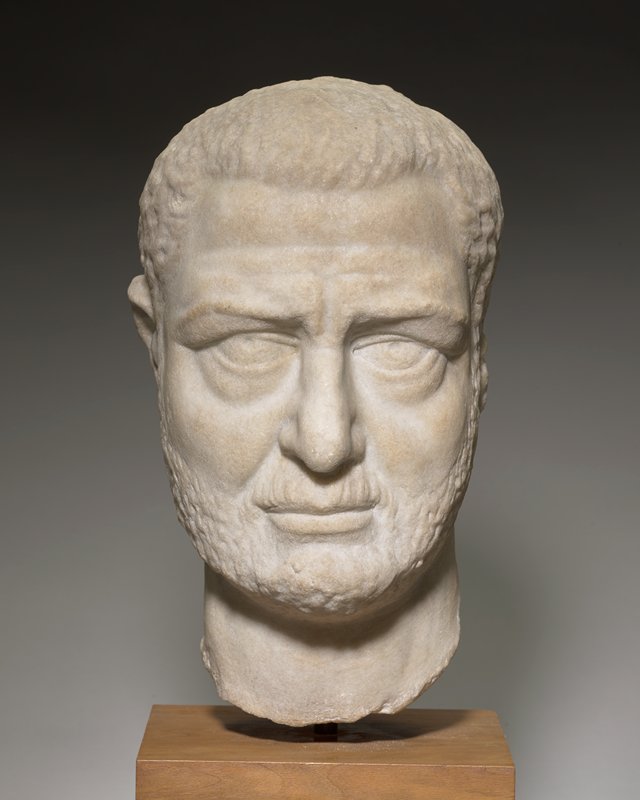
Head of a Man, Roman Empire, c. 250–275

Head of a Man

c. 250–275 · Non exposée · Minneapolis Institute of Art

Torso of a Dancing Faun, Roman Empire, 1st century CE

Roman Empire

Torso of a Dancing Faun, 1st century CE

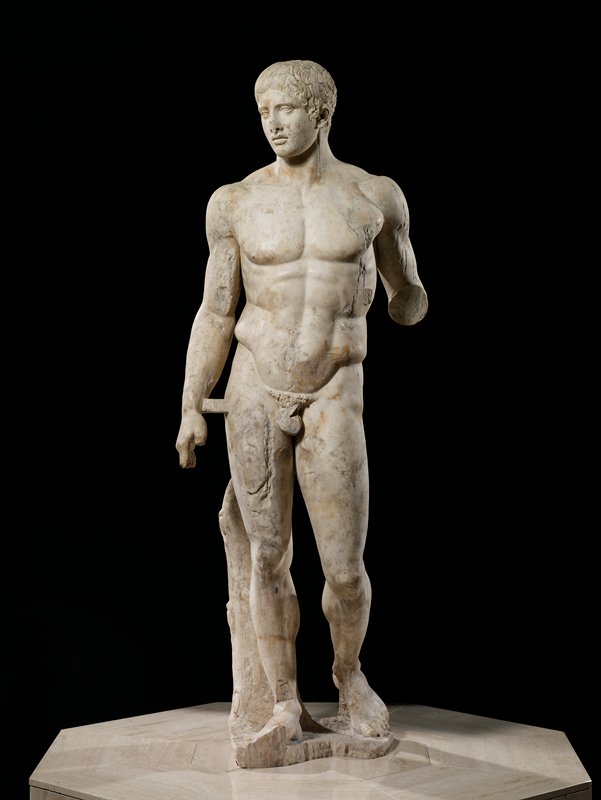
The Doryphoros (after Polykleitos), Copy of work attributed to Polykleitos, 27 BCE–68 CE

Copy of work attributed to Polykleitos

The Doryphoros (after Polykleitos), 27 BCE–68 CE

The Tiber Muse, Roman Empire, 2nd–1st century BCE

Roman Empire

The Tiber Muse, 2nd–1st century BCE

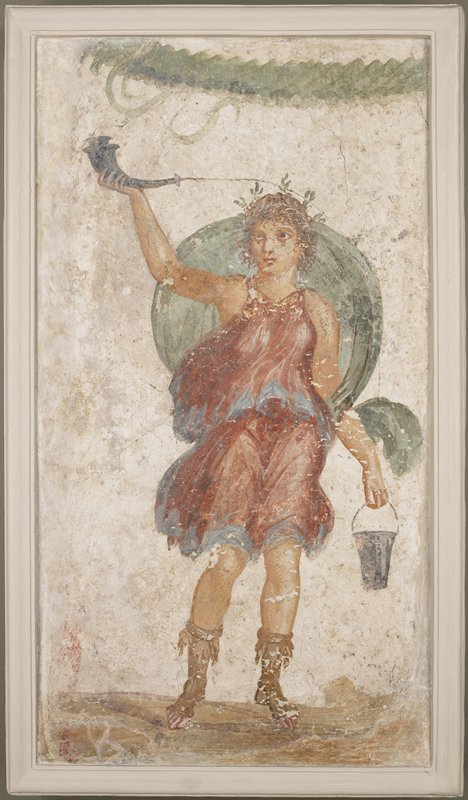
Figure of a Lar, 1st century CE

Figure of a Lar, 1st century CE

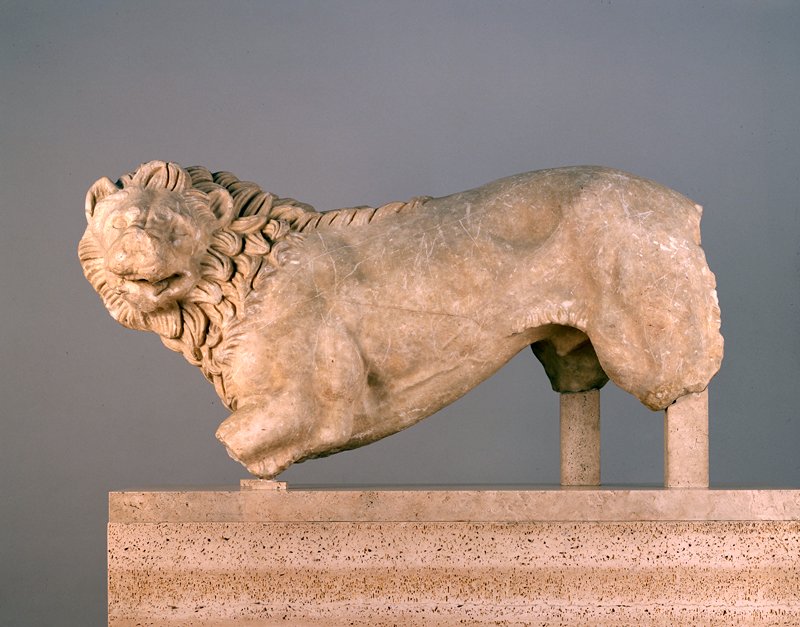
Crouching Lion, 330–317 BCE

Crouching Lion, 330–317 BCE

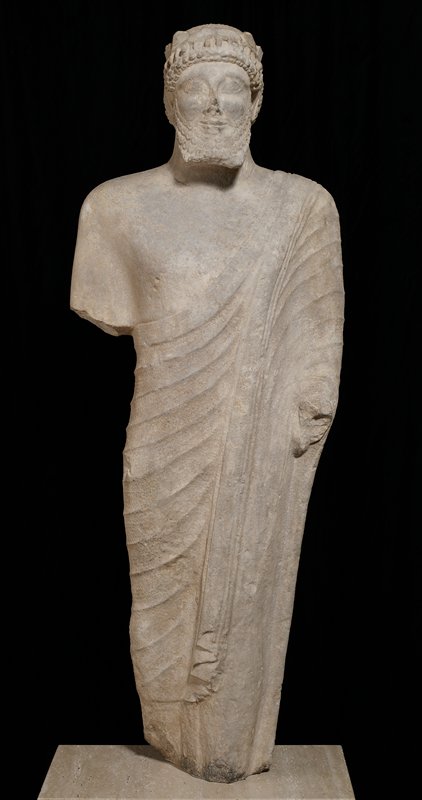
Votary Figure, c. 470 BCE

Votary Figure, c. 470 BCE

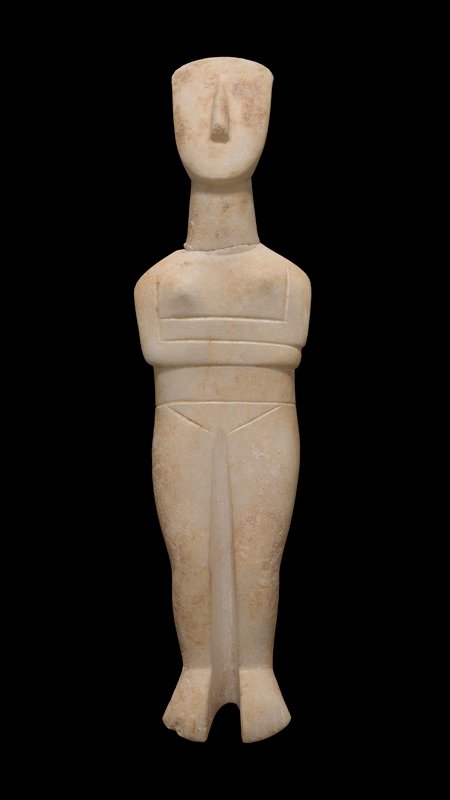
Female Figure, c. 2500–2400 BCE

Female Figure, c. 2500–2400 BCE

Cinerary Box with Cover, Roman Empire, 50–100 CE

Roman Empire

Cinerary Box with Cover, 50–100 CE