ART WIKI32 963 en salle
CarteCollectionArtistesMuséesExpositionsJournal
Connexion

ART WIKI

Où est accroché le chef-d’œuvre, et quand on vous laisse entrer.

Collections : Art Institute of Chicago, Cleveland Museum of Art, Galerie Tretiakov, Hirshhorn Museum and Sculpture Garden, J. Paul Getty Museum, Metropolitan Museum of Art, Minneapolis Institute of Art, Musée de l'Ermitage, Musée des Beaux-Arts Pouchkine, Musée du Louvre, musée national d'art asiatique, Musée russe, Musées d'Art de Harvard, Museum of Modern Art, National Gallery of Art, National Portrait Gallery, Rijksmuseum Amsterdam, Smithsonian American Art Museum, Statens Museum for Kunst, Victoria and Albert Museum, Villa Getty, Whitney Museum of American Art, Catalogue d’État du fonds muséal de Russie (274 musées), Europeana (19 musées), Wikidata (6 musées), Paris Musées (12 musées) et Joconde, la base des musées du ministère de la Culture (495 musées). Les images appartiennent à leurs ayants droit.

Rubriques

  • Carte
  • Recherche
  • Collection
  • Chefs-d’œuvre
  • Exposées en ce moment
  • Artistes

Et aussi

  • Musées et galeries
  • Expositions
  • Journal
  • D’où viennent les données
  • Confidentialité et cookies
AccueilCarteCatalogue
  1. Collection/
  2. Victoria and Albert Museum/
  3. Queen Victoria
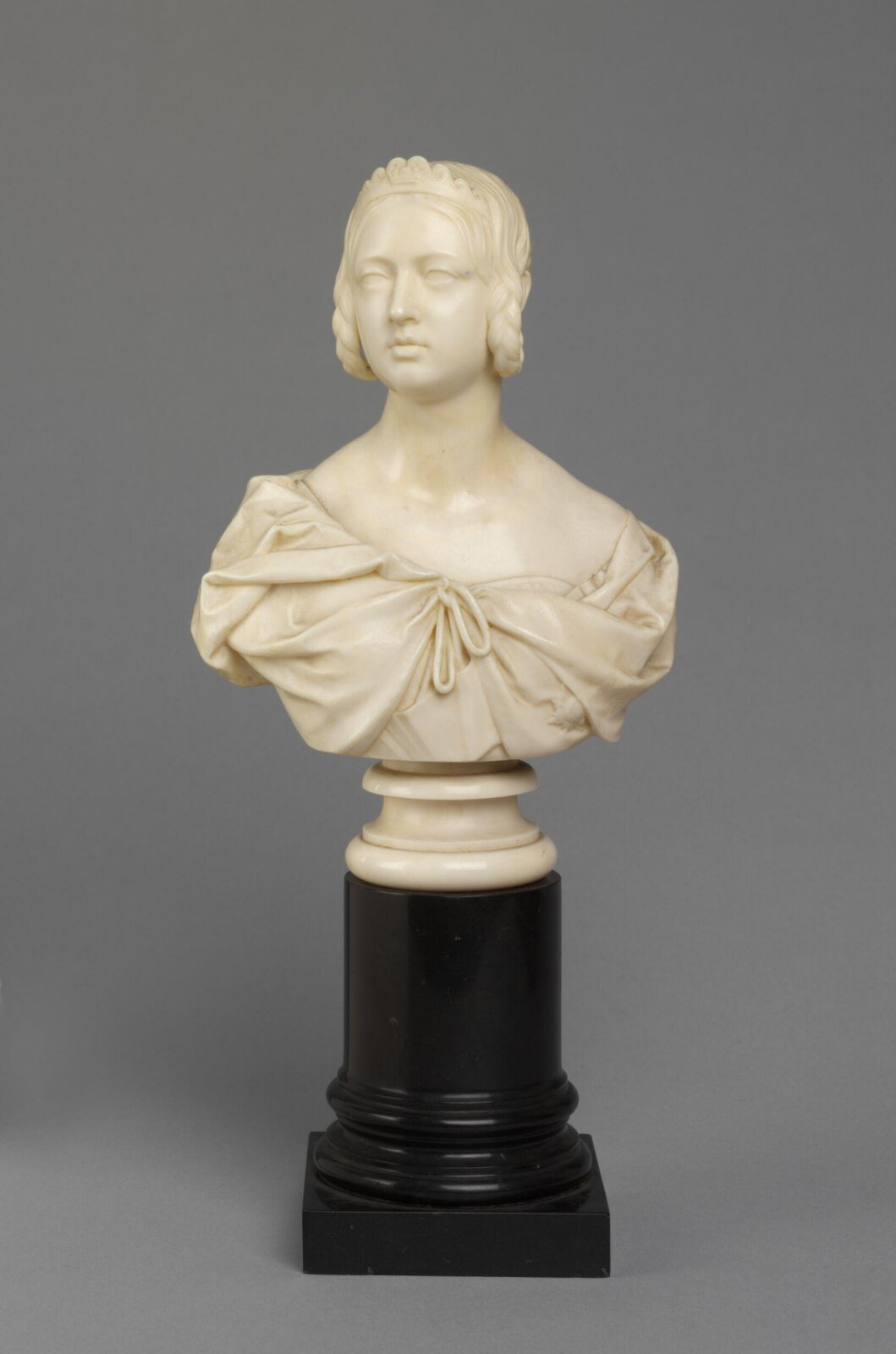
Queen Victoria, Benjamin Cheverton, signed and dated 1842

Queen Victoria

signed and dated 1842 · Bust · 17 × 30 cm

À propos de la sculpture

The ivory is a small-scale reproduction of the marble bust by Francis Chantrey (1781-1841), the first version of which is signed and dated 1839. This was exhibited at the Royal Academy in 1840, and is now in the Royal Collection at Windsor Castle. A slightly later replica, of higher quality, was acquired by Sir Robert Peel from Chantrey's studio in 1844, and is now in the National Portrait Gallery. Cheverton’s work was evidently esteemed within the highest levels of society. In 1845, this ivory bust was shown at the Royal Society, at a soirée hosted by the President, the Marquis of Northampton, and attended by Prince Albert.

Lire la suite

Benjamin Cheverton (1796-1876) was the son of a farmer and a small landowner. During the 1820s he perfected a machine capable of producing reduced miniature versions, usually in ivory, of full-size sculptures. This had been invented by his mentor, John Isaac Hawkins, and was similar to machines devised by the engineer and inventor James Watt (1736-1819). Cheverton’s machine was up and running by early 1828. He first showed products at exhibitions, and issued items which might have popular appeal, such as busts of Shakespeare or Milton. Later he took commission from owners of busts or other sculptures who desired small copies. His ivories were produced to a high standard, and he maintained that the machine itself was capable of making objects of such quality.

Another version in ivory is known, as well as plaster versions signed and dated 1842 (information supplied by David Wilson, April and June 2015).

Autres œuvres : Benjamin Cheverton

Toutes les œuvres

Sous le même toit : Victoria and Albert Museum

Page du musée

Sur le même thème · Victoria (Queen of Great Britain and Empress of India)

Toutes les œuvres sur ce thème
Victoria and Albert Museum

Notice

Numéro d’inventaire
A.28-1931

Sources

  • Victoria and Albert Museum
  • Image : Victoria and Albert Museum — © Victoria and Albert Museum, London
BBenjamin Cheverton

Peut-on la contempler ?

Elle ne reçoit pas en ce moment

Victoria and Albert Museum

Londres, Royaume-Uni

Elle appartient à la collection, mais n’est pas présentée en ce moment.

Vérifié
il y a 12 jours
Dans cet état depuis
25 sept. 2026
Source
Le musée
Sur la cartePage du musée
George Sanders, Benjamin Cheverton, 1831

George Sanders

1831 · Non exposée · Victoria and Albert Museum

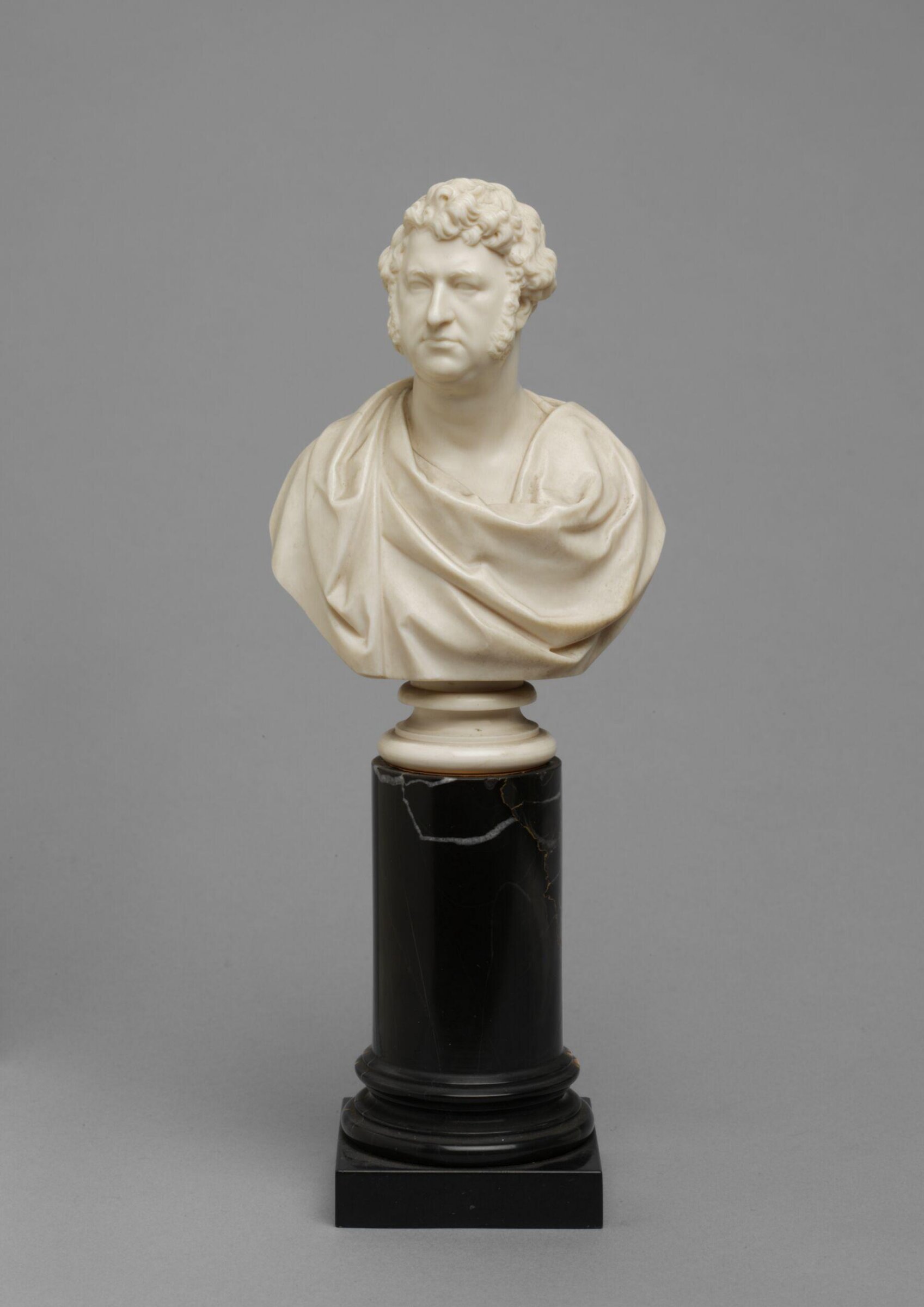
bust of a man formerly identified as Thomas Slingsby Duncombe MP, Benjamin Cheverton, ca. 1845 - ca. 1860

bust of a man formerly identified as Thomas Slingsby Duncombe MP

ca. 1845 - ca. 1860 · Non exposée · Victoria and Albert Museum

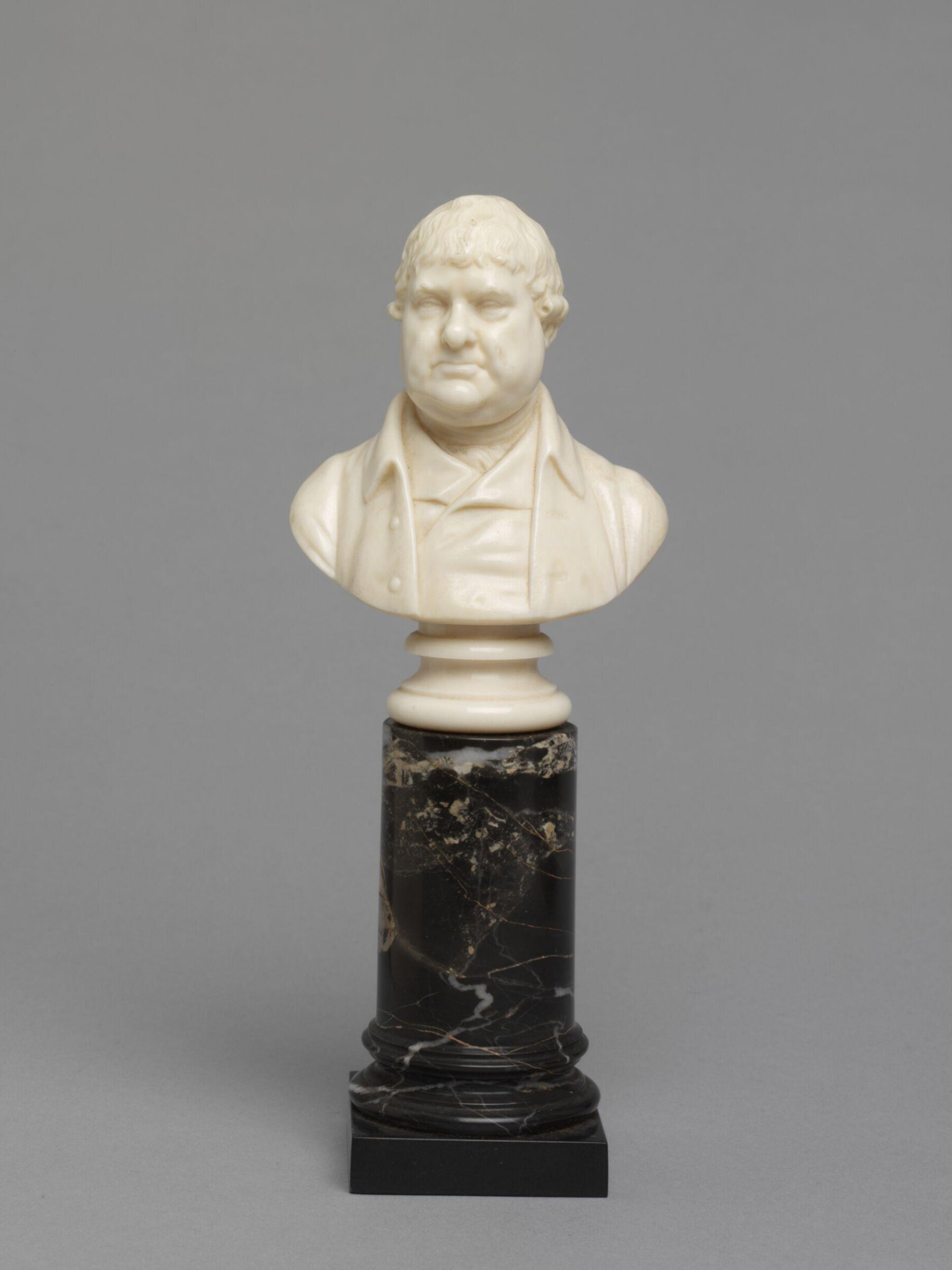
William Huntington (ivory bust), Benjamin Cheverton, ca. 1850

William Huntington (ivory bust)

ca. 1850 · Non exposée · Victoria and Albert Museum

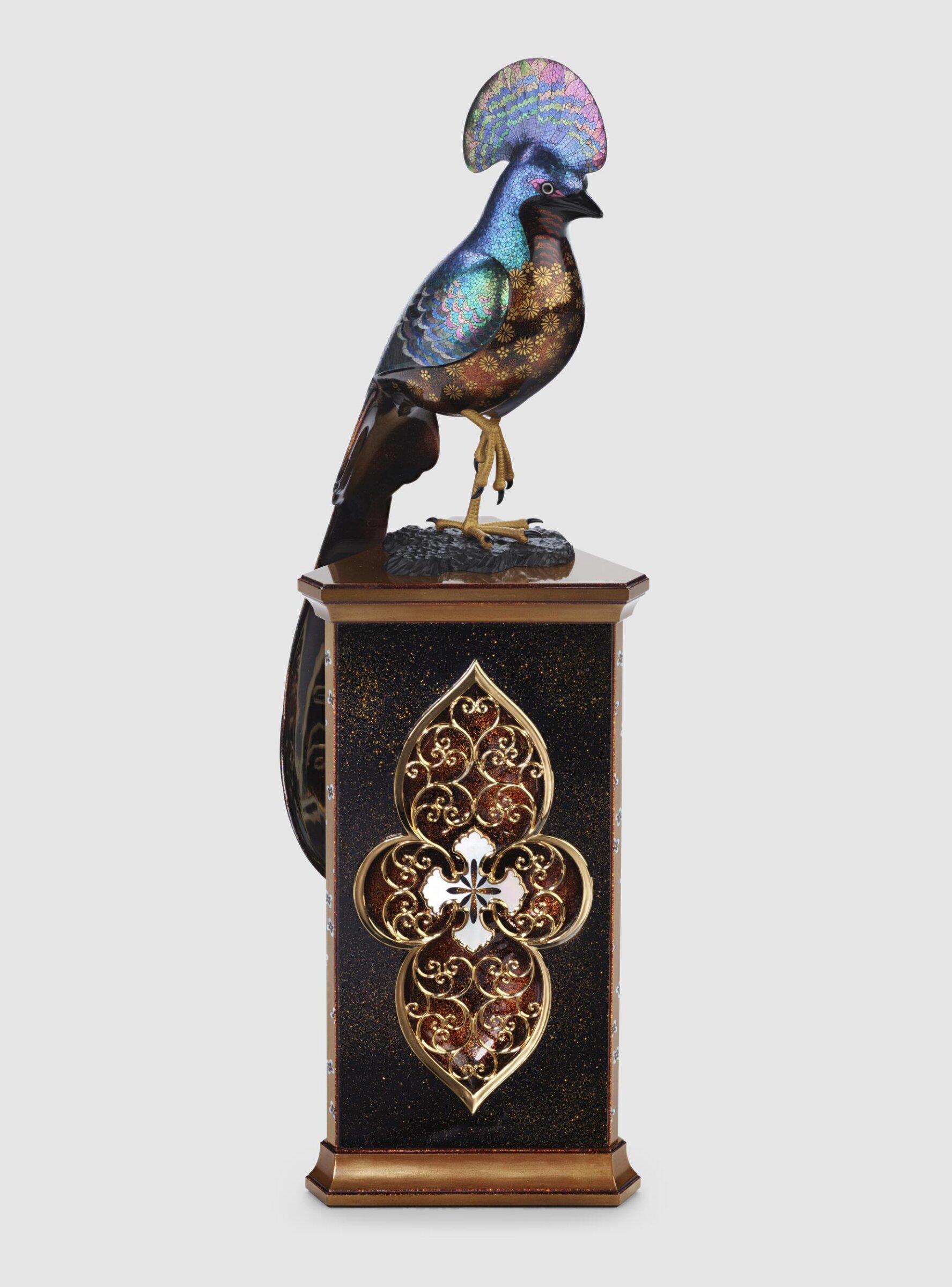
Bird of Paradise, Hashimoto Chitaka, 2026

Hashimoto Chitaka

Bird of Paradise, 2026

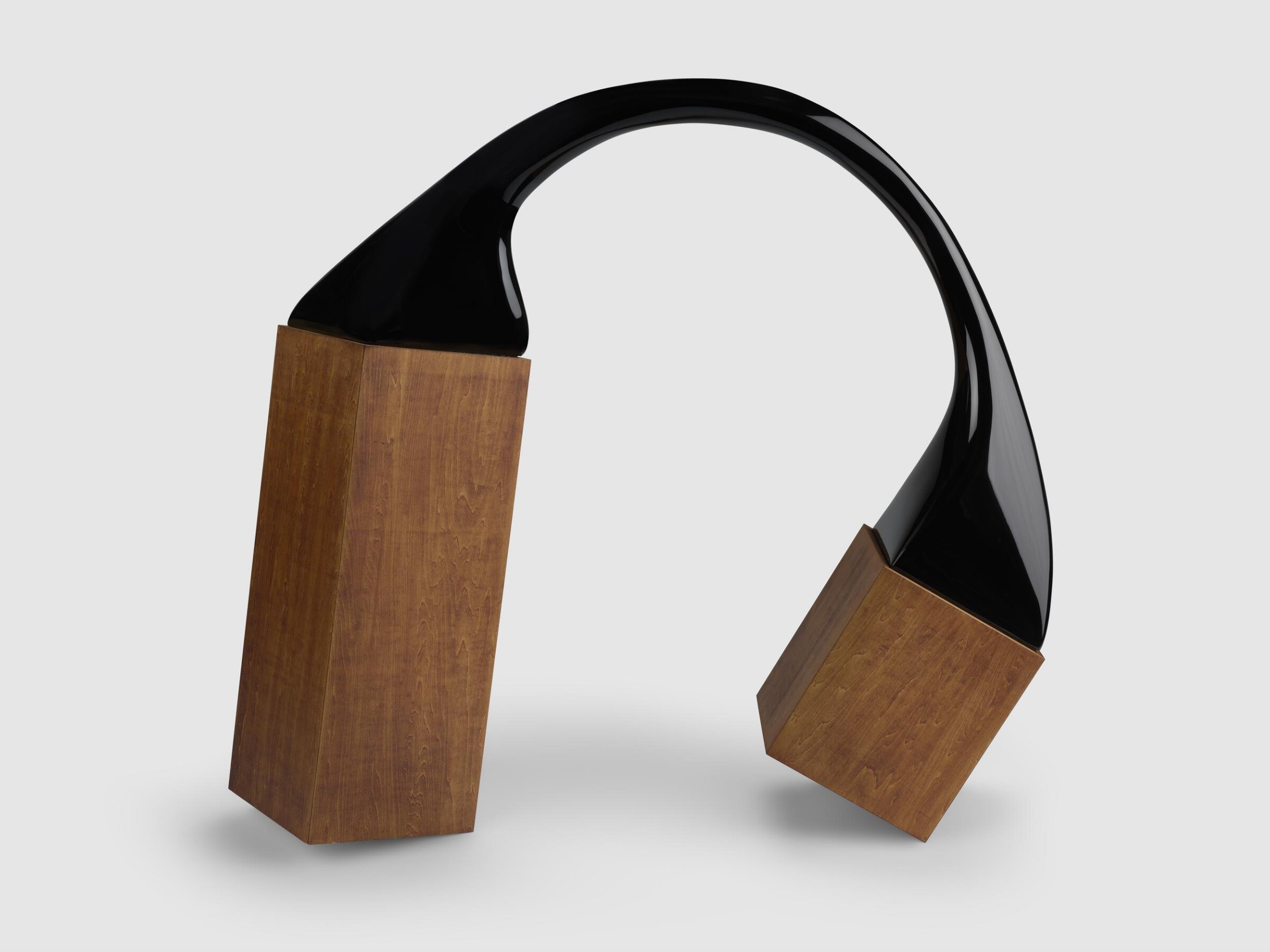
Torsion 2, Taruma Shoko, 2025

Taruma Shoko

Torsion 2, 2025

Fu, Someya Satoshi, 2025

Someya Satoshi

Fu, 2025

Bow Before the Curtain Falls, 2024

Bow Before the Curtain Falls, 2024

Summer, 2024

Summer, 2024

Red Flow, Ishizuka Genta, 2024

Ishizuka Genta

Red Flow, 2024

3D replica of Michelangelo's Prisoner (4117-1854), Factum Arte, 2024

Factum Arte

3D replica of Michelangelo's Prisoner (4117-1854), 2024

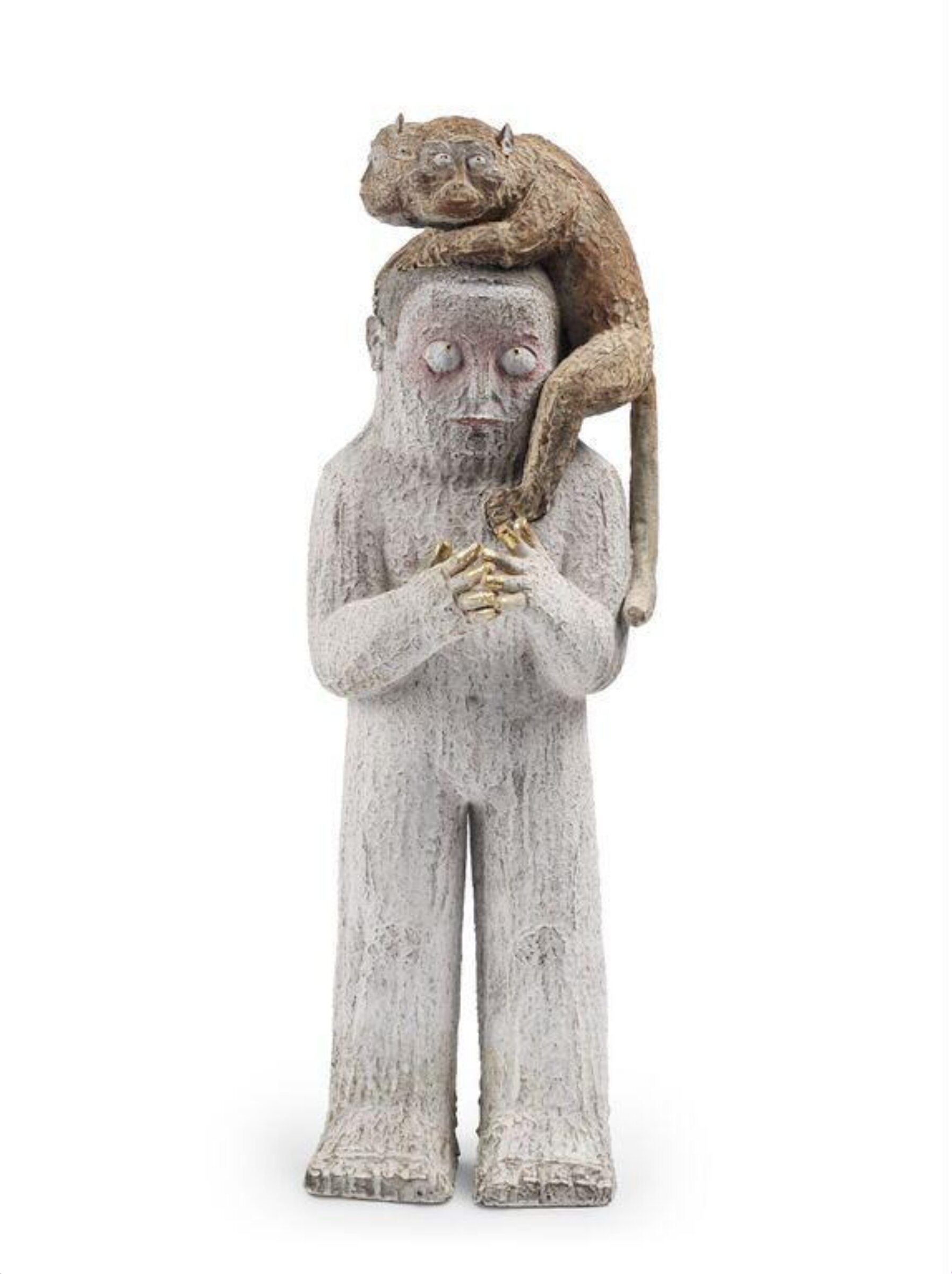
Sculpture, ‘Co-Existence – the Man and the Monkey’, Zhao Lin, 2024

Zhao Lin

Sculpture, ‘Co-Existence – the Man and the Monkey’, 2024

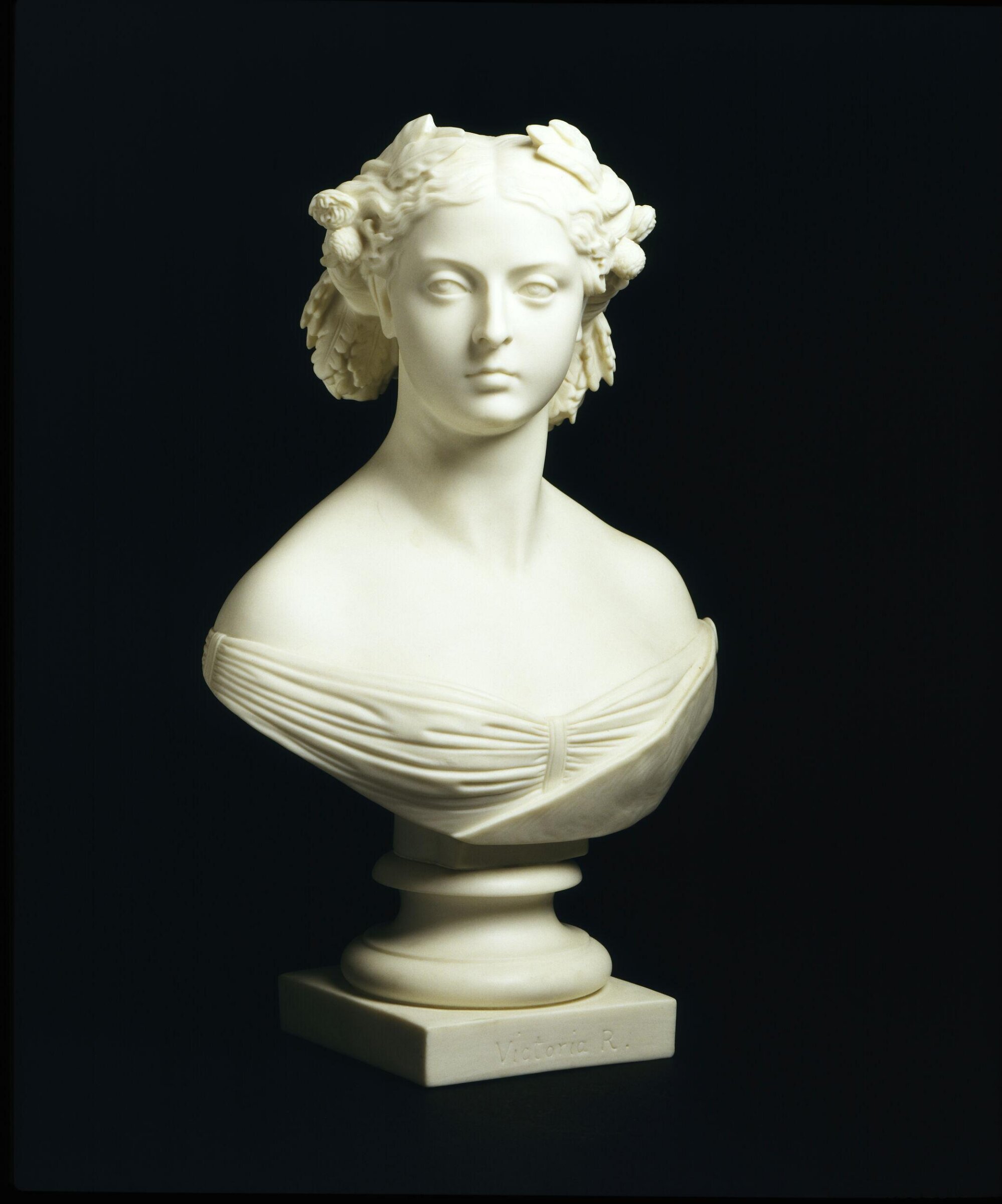
Queen Victoria, Carlo Marochetti, 1862

Carlo Marochetti

Queen Victoria, 1862

Victoria and Albert Museum

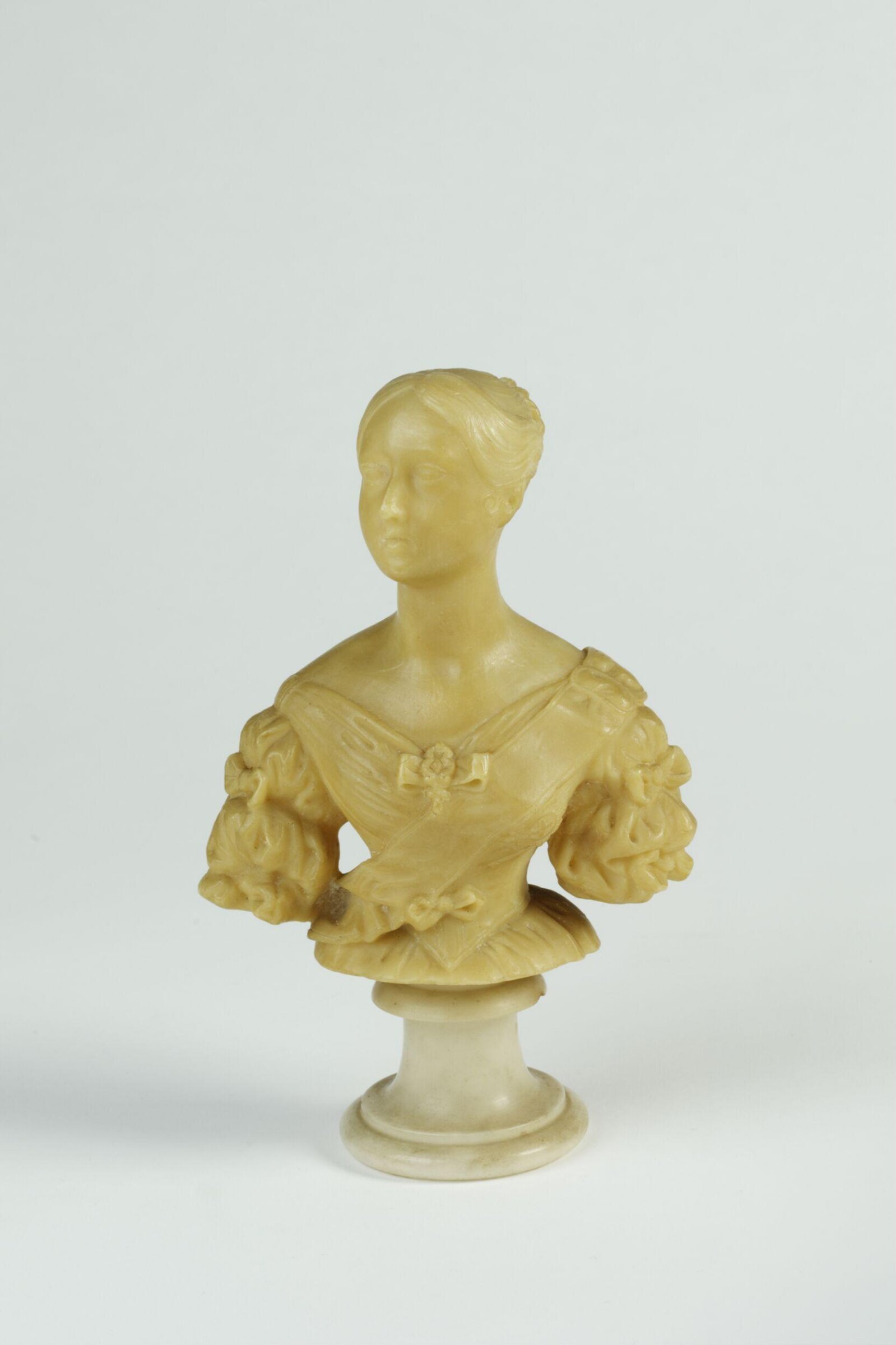
Queen Victoria, William Le grand, early 19th century

William Le grand

Queen Victoria, early 19th century

Non exposée · Victoria and Albert Museum

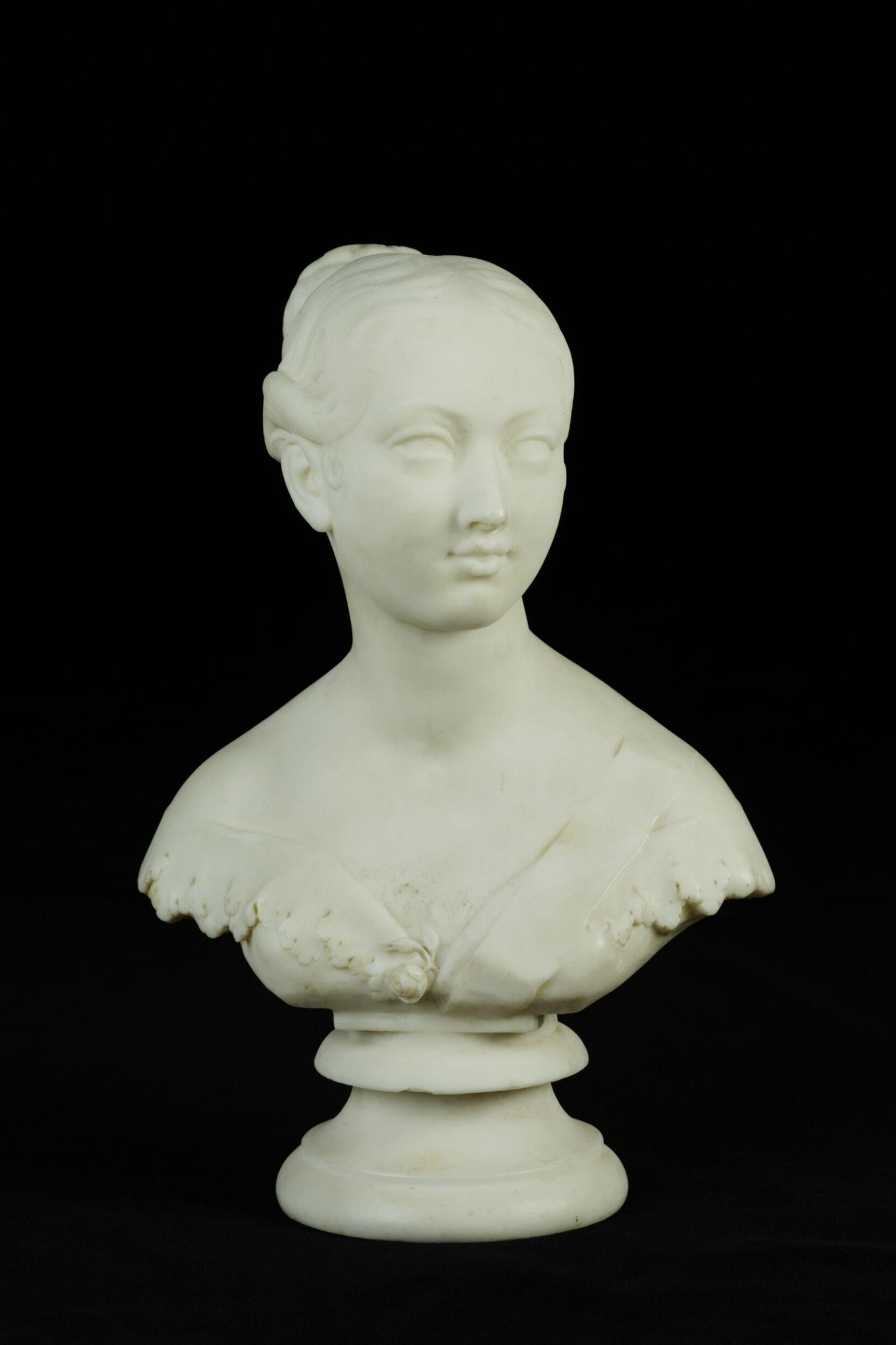
Queen Victoria, Nathaniel Palmer, 1838

Nathaniel Palmer

Queen Victoria, 1838

Non exposée · Victoria and Albert Museum

Queen Victoria, Edward Onslow Ford, 19th century

Edward Onslow Ford

Queen Victoria, 19th century

Victoria and Albert Museum

Ce qu’elle montre

Victoria (Queen of Great Britain and Empress of India)

Au catalogue

SculptureIvoireRomantismeRéalismeXIXe siècleLondres