ART WIKI32 963 en salle
CarteCollectionArtistesMuséesExpositionsJournal
Connexion

ART WIKI

Où est accroché le chef-d’œuvre, et quand on vous laisse entrer.

Collections : Art Institute of Chicago, Cleveland Museum of Art, Galerie Tretiakov, Hirshhorn Museum and Sculpture Garden, J. Paul Getty Museum, Metropolitan Museum of Art, Minneapolis Institute of Art, Musée de l'Ermitage, Musée des Beaux-Arts Pouchkine, Musée du Louvre, musée national d'art asiatique, Musée russe, Musées d'Art de Harvard, Museum of Modern Art, National Gallery of Art, National Portrait Gallery, Rijksmuseum Amsterdam, Smithsonian American Art Museum, Statens Museum for Kunst, Victoria and Albert Museum, Villa Getty, Whitney Museum of American Art, Catalogue d’État du fonds muséal de Russie (274 musées), Europeana (19 musées), Wikidata (6 musées), Paris Musées (12 musées) et Joconde, la base des musées du ministère de la Culture (495 musées). Les images appartiennent à leurs ayants droit.

Rubriques

  • Carte
  • Recherche
  • Collection
  • Chefs-d’œuvre
  • Exposées en ce moment
  • Artistes

Et aussi

  • Musées et galeries
  • Expositions
  • Journal
  • D’où viennent les données
  • Confidentialité et cookies
AccueilCarteCatalogue
  1. Collection/
  2. Minneapolis Institute of Art/
  3. Orchids
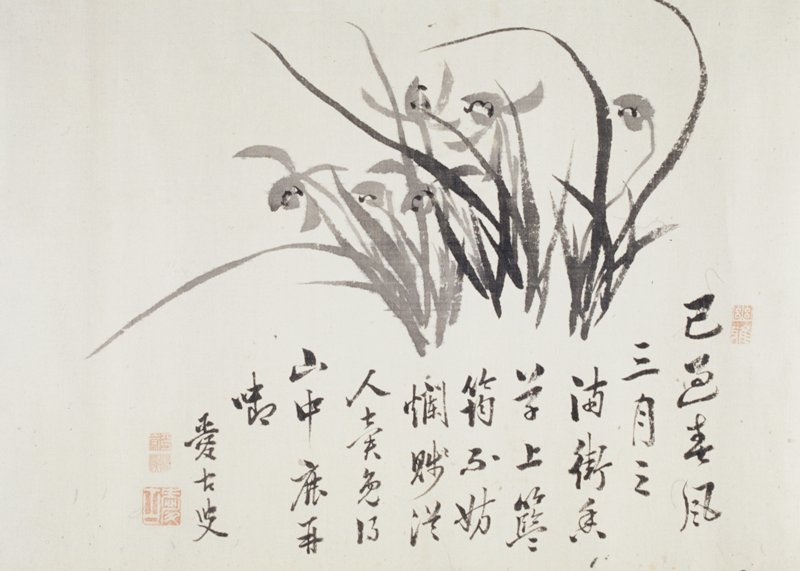
Orchids, Ōtsuki Bankei, 1849
ŌŌtsuki BankeiJapon

Orchids

1849 · Painting

Peut-on la contempler ?

Elle ne reçoit pas en ce moment

Minneapolis Institute of Art

Minneapolis, États-Unis

Elle appartient à la collection, mais n’est pas présentée en ce moment.

Vérifié
il y a 3 jours
Dans cet état depuis
25 sept. 2026
Source
Le musée
Sur la cartePage du musée

À propos du tableau

Since the time of Ch'u Yuan (332-268) in China, the orchid has symbolized the purity and uncompromising moral fortitude of scholars. O_tsuki Bankei was renowned as a Confucian scholar and served as an imperial tutor. He was dismayed when Japan was unable to resist demands from western countries to open its ports to international trade in the mid-19th century. For a time he was even imprisoned for his involvement with the resistance forces. It is appropriate, therefore, that he often chose to paint orchids. Here, Bankei created a handscroll nearly fifteen feet in length showing clumps of freely brushed orchids interspersed among poetry. Despite the turmoil Bankei experienced, his verses are lyrically aloof. The first poem on the far right may be translated in the following manner:

Lire la suite

The winds of spring have already blown, The streets are filled with the fragrance of orchids from bamboo baskets

Why don't we sell them to people for a trifle, Instead of letting the mountain deer feed upon them?

Minneapolis Institute of Art

Notice

Numéro d’inventaire
98.18.11

Au catalogue

PeinturesEncrePeinture japonaiseRomantismeRéalismeXIXe siècleJapon

Sources

  • Minneapolis Institute of Art
  • Image : Minneapolis Institute of Art — public domain

Sous le même toit : Minneapolis Institute of Art

Page du musée
Olive Trees, Vincent van Gogh, 1889

Vincent van Gogh

Olive Trees, 1889

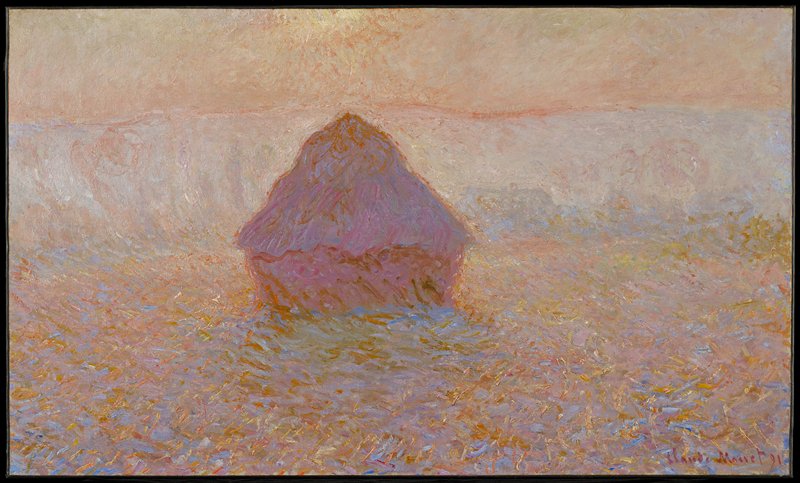
Grainstack, Sun in the Mist, Claude Monet, 1891

Claude Monet

Grainstack, Sun in the Mist, 1891

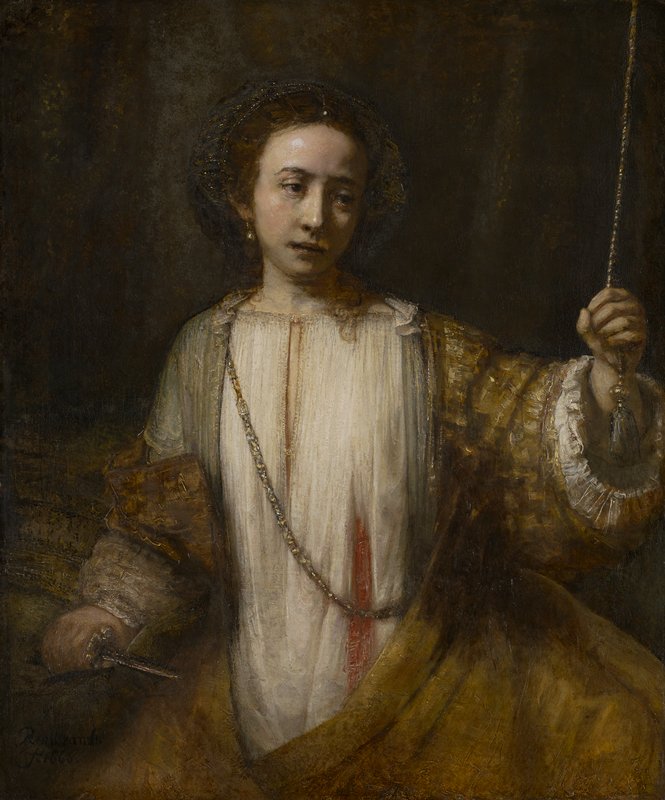
Lucretia, Rembrandt van Rijn, 1666

Rembrandt van Rijn

Lucretia, 1666

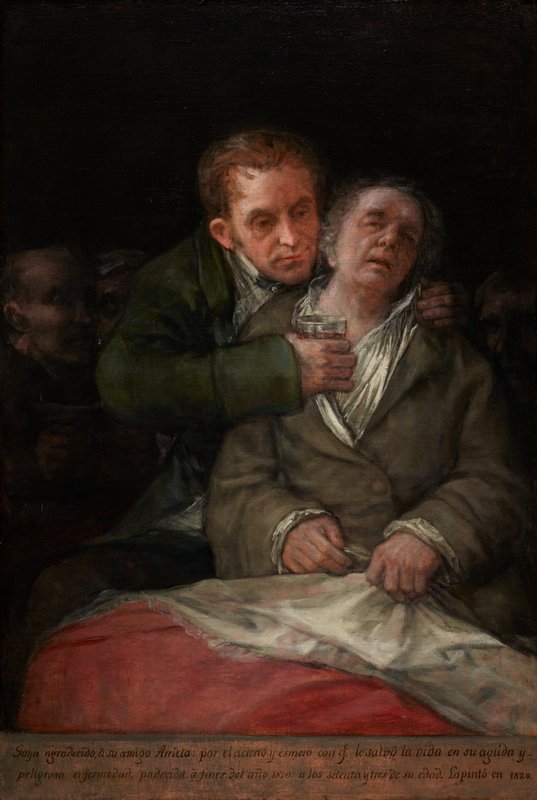
Self-Portrait with Dr. Arrieta, Francisco José de Goya y Lucientes, 1820

Francisco de Goya

Goya et son médecin, 1820

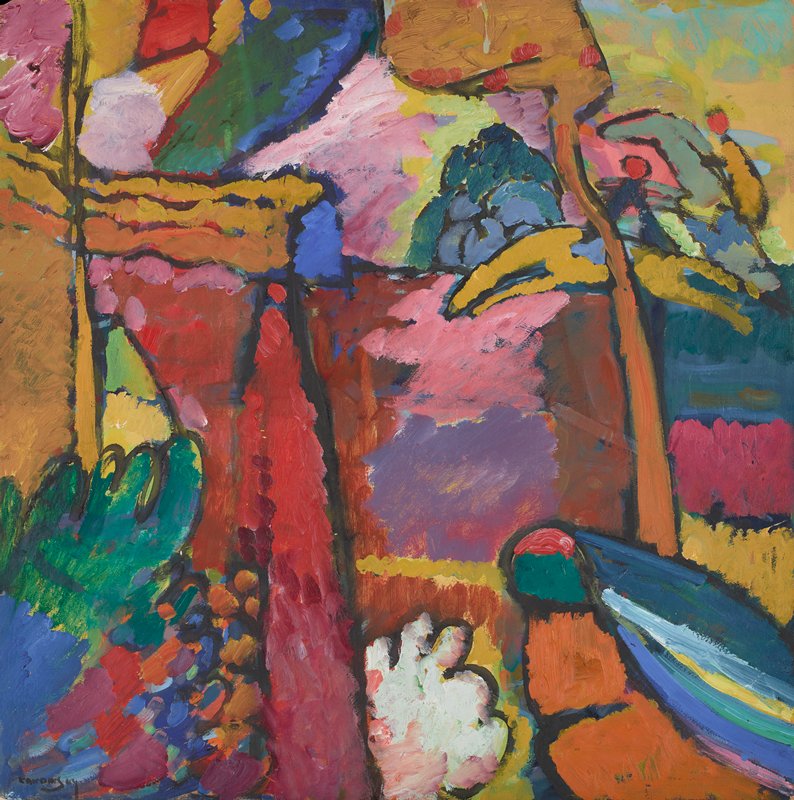
Study for Improvisation V, Vassily Kandinsky, 1910

Vasily Kandinsky

Study for Improvisation V, 1910

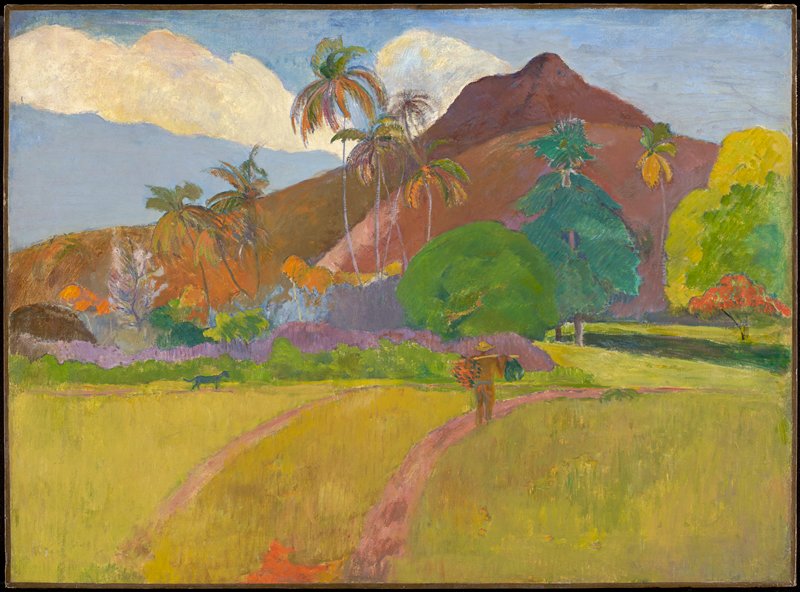
Tahitian Landscape, Paul Gauguin, 1891

Paul Gauguin

Tahitian Landscape, 1891

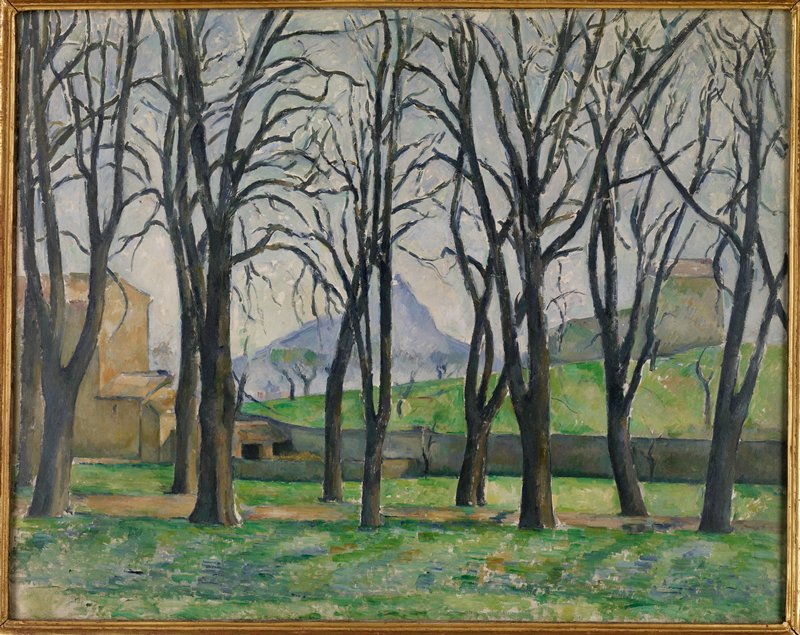
Chestnut Trees at Jas de Bouffan, Paul Cézanne, c. 1885–86

Paul Cézanne

Chestnut Trees at Jas de Bouffan, c. 1885–86

The Union of England and Scotland (Charles I as the Prince of Wales), Peter Paul Rubens, 1633–34

Peter Paul Rubens

The Union of England and Scotland (Charles I as the Prince of Wales), 1633–34