 Kuzma Petrov-VodkinRussie, 1878–1939
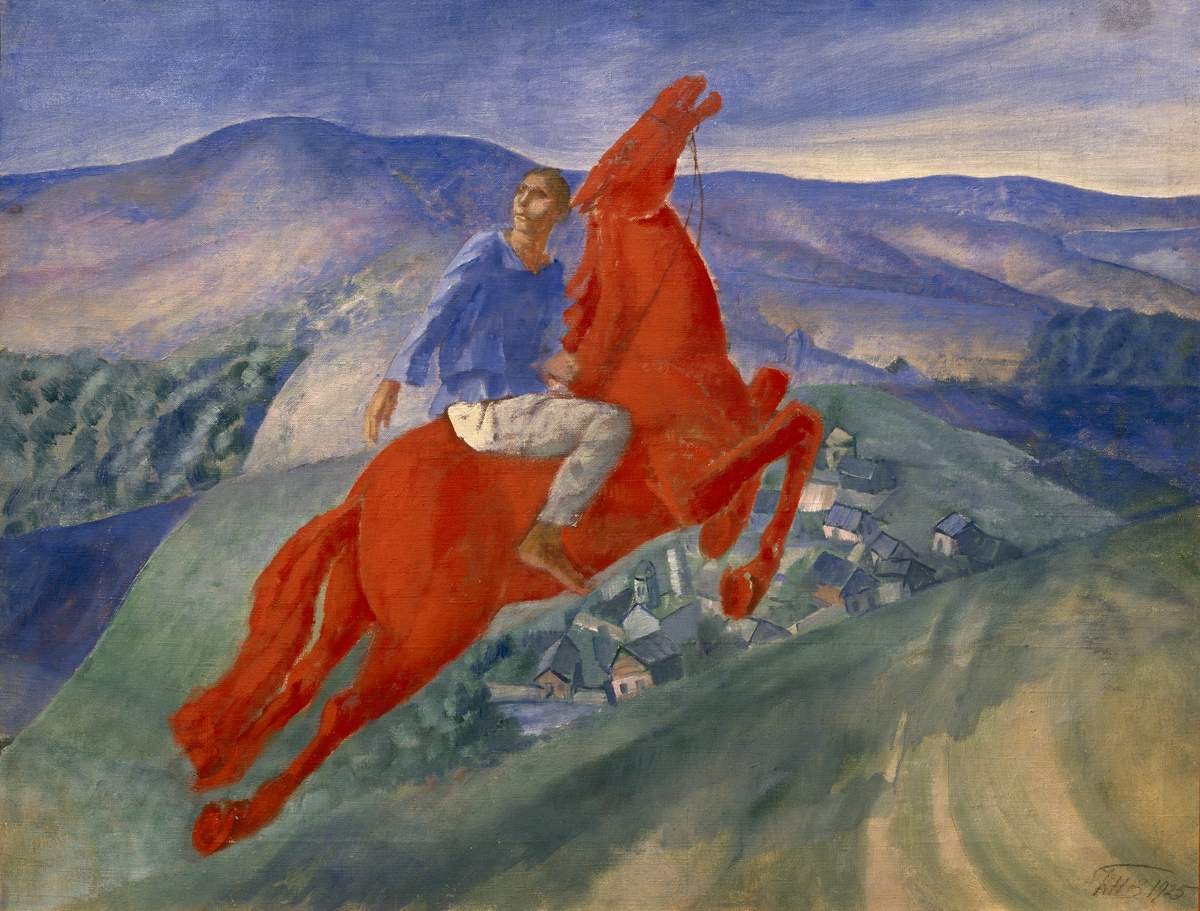
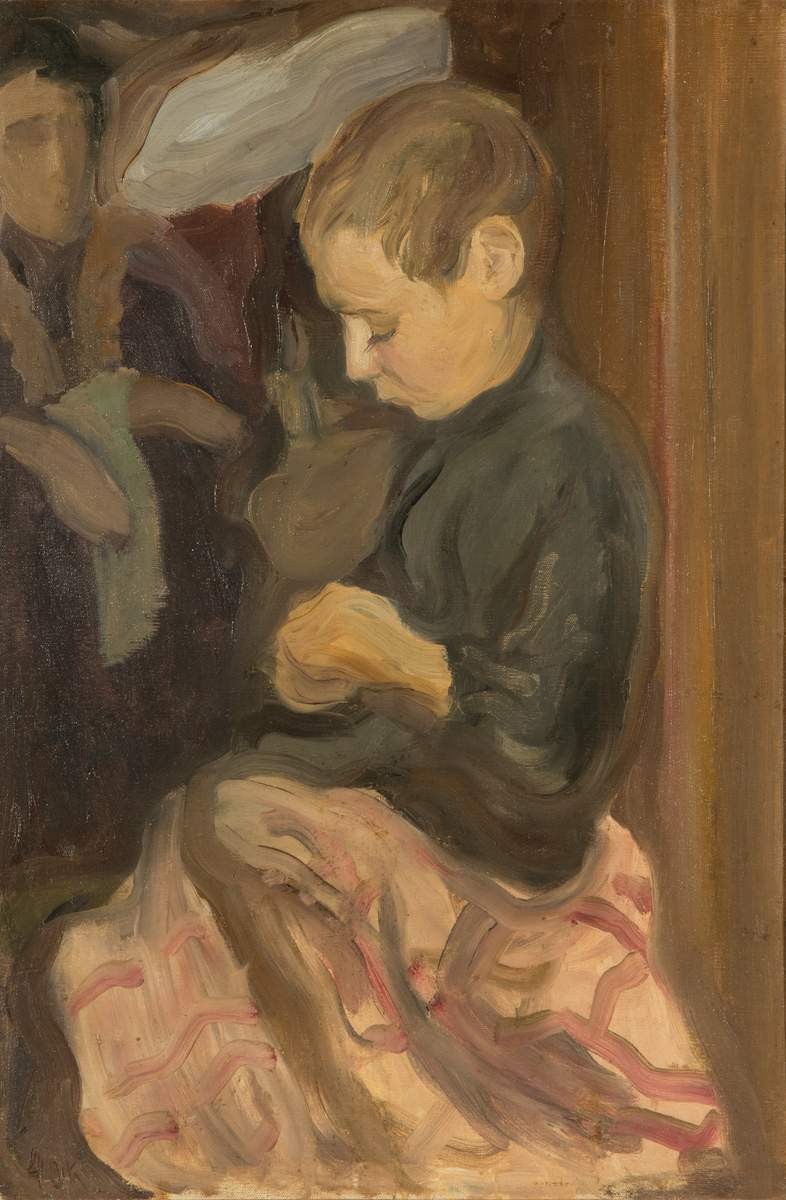
Мальчик
Peut-on la voir ?
Inconnu
Où est « Мальчик » aujourd’hui ? Collection: Musée russe, Saint-Pétersbourg. Inconnu.

Saint-Pétersbourg, Russie
Le propriétaire est connu ; on ignore si l’œuvre est exposée aujourd’hui.
- Dans cet état depuis
- Source
- Le musée
Notice
- Numéro d’inventaire
- Ж-12201
Ce qu’elle montre
Au catalogue
Sources
- Musée russe
- Image : Musée russe — © State Russian Museum
Dans la vie de Kuzma Petrov-Vodkin
La vie entièreApril – July 1901
First trip abroad: Munich
Paid for by earnings from designing and modelling tiles at a pottery works near Moscow and from other commissions, his first trip abroad takes him to Munich, where he spends more than a month at Anton Ažbe’s private art school.
October 1905 – February 1906
Journey through Italy
He visits Venice, Milan, Florence, Rome, Naples and Genoa; among his favourite masters he later named Leonardo da Vinci, Giovanni Bellini, Raphael and Giorgione. Meeting the classics shows him that the training he received in St Petersburg and Moscow is not enough.
1906
Move to Paris: the Colarossi academy
Wanting to absorb classical European painting and reach the level of its latest achievements, he decides on a longer stay abroad: he moves to Paris and begins to study at Colarossi’s private academy.
1906
Meets Margarita Jovanović
At her mother’s boarding house near Paris he meets the twenty-year-old Margarita Jovanović, half Serbian and half Belgian, soon to become his wife, Maria Fyodorovna Petrova-Vodkina (“Mara”, as he called her). For the first years they live in a civil marriage.
November 1909
First solo exhibition in Russia
The first solo exhibition of his work in Russia is held at the editorial office of the newly launched magazine Apollon.
2 – 6 March 1910
Repin’s letter on “The Dream” and the defence by Benois and Bakst
On 2 March Ilya Repin’s letter appears in Birzhevye Vedomosti; seeing decadence in the picture, he calls its author an ignoramus who imitates Matisse and Gauguin. Alexandre Benois (5 March) and Léon Bakst (6 March) come to his defence, and the quarrel runs on for several months.