Henri Edmond CrossFrance, 1856–1910
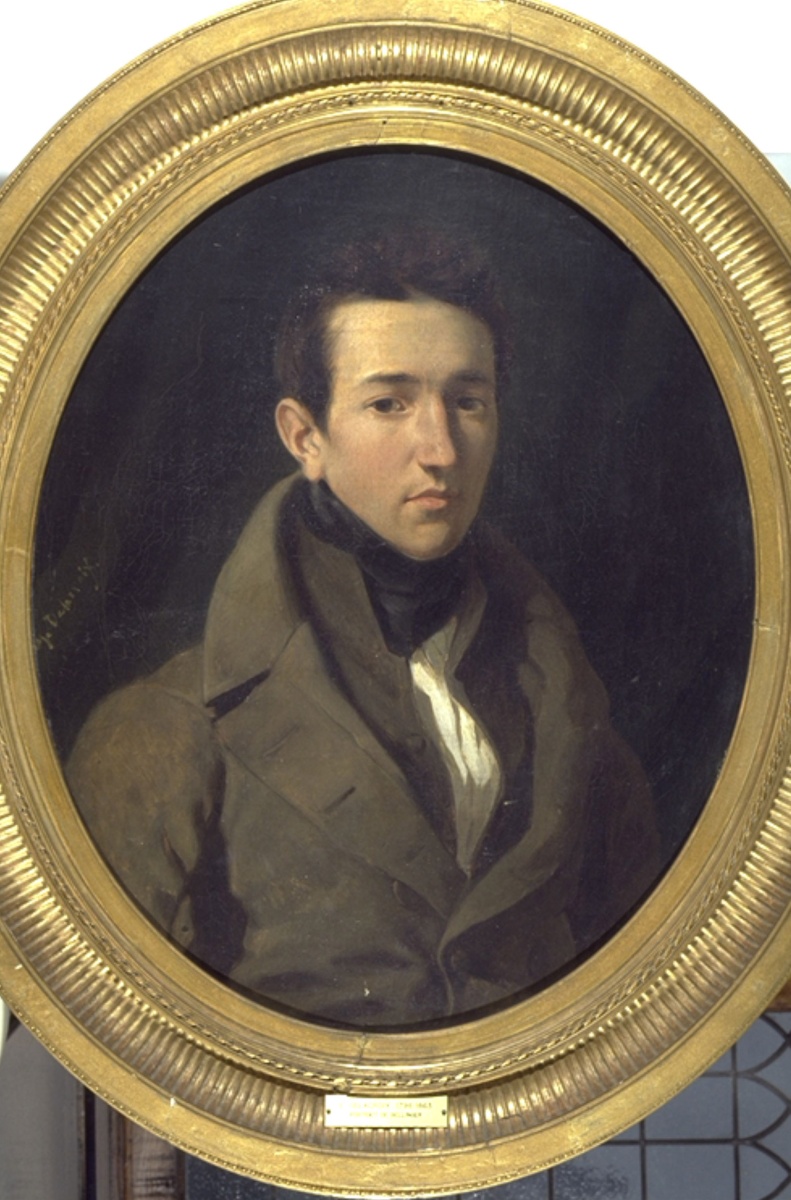
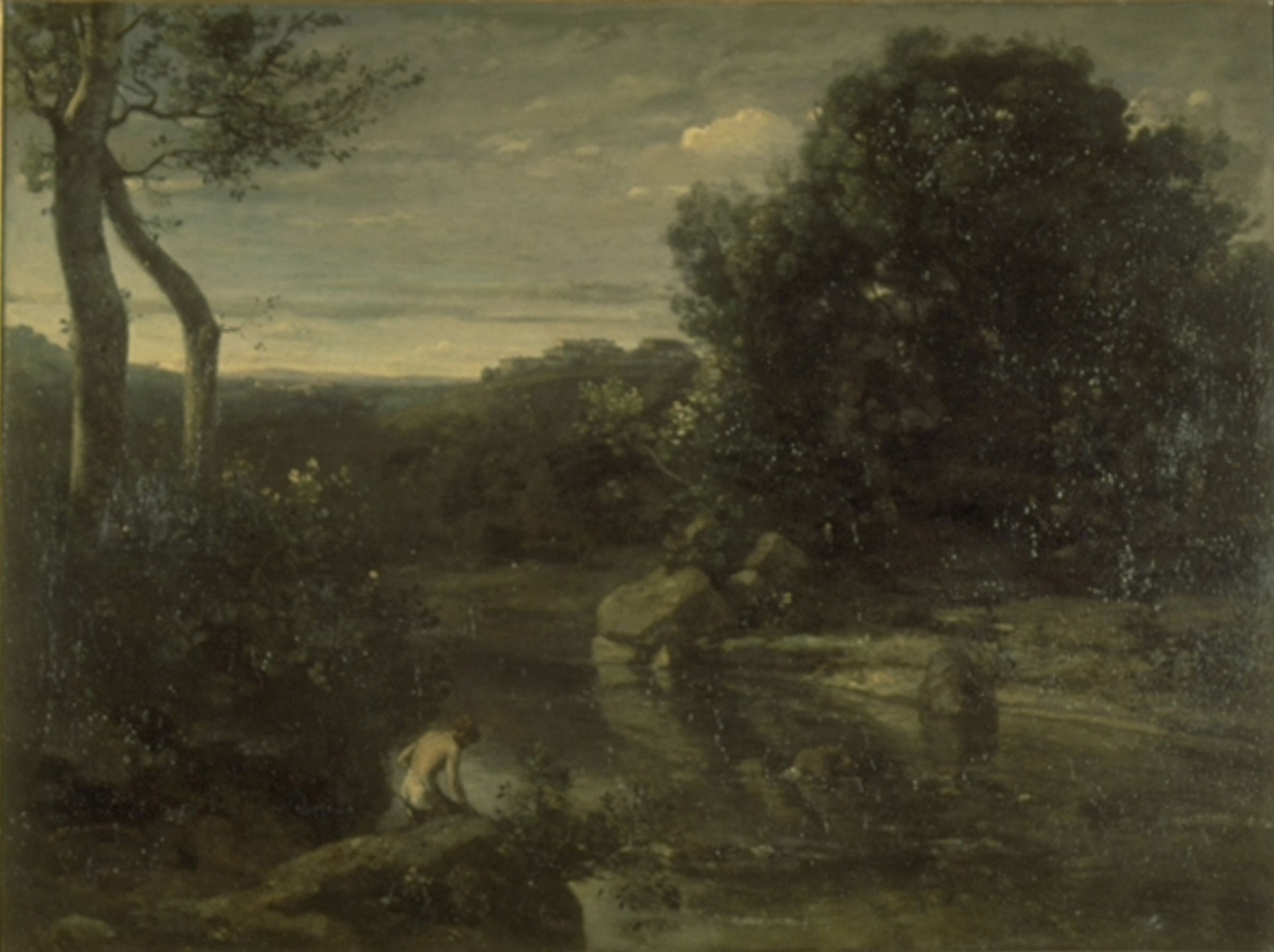
L'Ivrogne
Peut-on la voir ?
Inconnu
Où est « L'Ivrogne » aujourd’hui ? Collection: Musée de la Chartreuse, Douai. Inconnu.
Douai, France
Le propriétaire est connu ; on ignore si l’œuvre est exposée aujourd’hui.
- Dans cet état depuis
- Source
- Le musée
Notice
- Numéro d’inventaire
- 2818 ; 965.6.3 (Ancien numéro d'inventaire)
Ce qu’elle montre
Au catalogue
Sources
- Musée de la Chartreuse
- Image : Musée de la Chartreuse — © Musée de la Chartreuse ; © Service des musées de France, 2026; Ministère de la Culture (France), base Joconde
Dans la vie de Henri Edmond Cross
La vie entièreearly 1880s
Trouble with his eyes begins
In the early 1880s he begins to have trouble with his eyes, which grows severe by the 1900s; he also suffers increasingly from arthritis. Partly because of these long-running illnesses, Cross’s body of work is relatively small.
1881
First exhibition at the Salon des Artistes Français
In 1881 he shows work at the Salon des Artistes Français for the first time; in these years he painted portraits and still lifes in the dark colors of Realism.
1881
Changes his surname from Delacroix to Cross
To avoid living in the shadow of the painter Eugène Delacroix, he shortens and Anglicizes his surname to “Henri Cross” — the French word croix means “cross”.
1881
Moves to Paris
After moving to Paris in 1881 he continues his art education under a fellow Douai artist, Émile Dupont-Zipcy.
1883
Travels to the Alpes-Maritimes and starts wintering in the south
With his family and Dr. Auguste Soins he travels to the Alpes-Maritimes and paints many landscapes there. From this year on he spends his winters in the south of France.
1884
Co-founder of the Society of Independent Artists
He is among the founders of a society of artists displeased with the practices of the official Salon; its exhibitions were held without a jury and without prizes. There he meets and befriends the Neo-Impressionists Georges Seurat, Albert Dubois-Pillet and Charles Angrand.