Pierre-Auguste RenoirFrance, 1841–1919
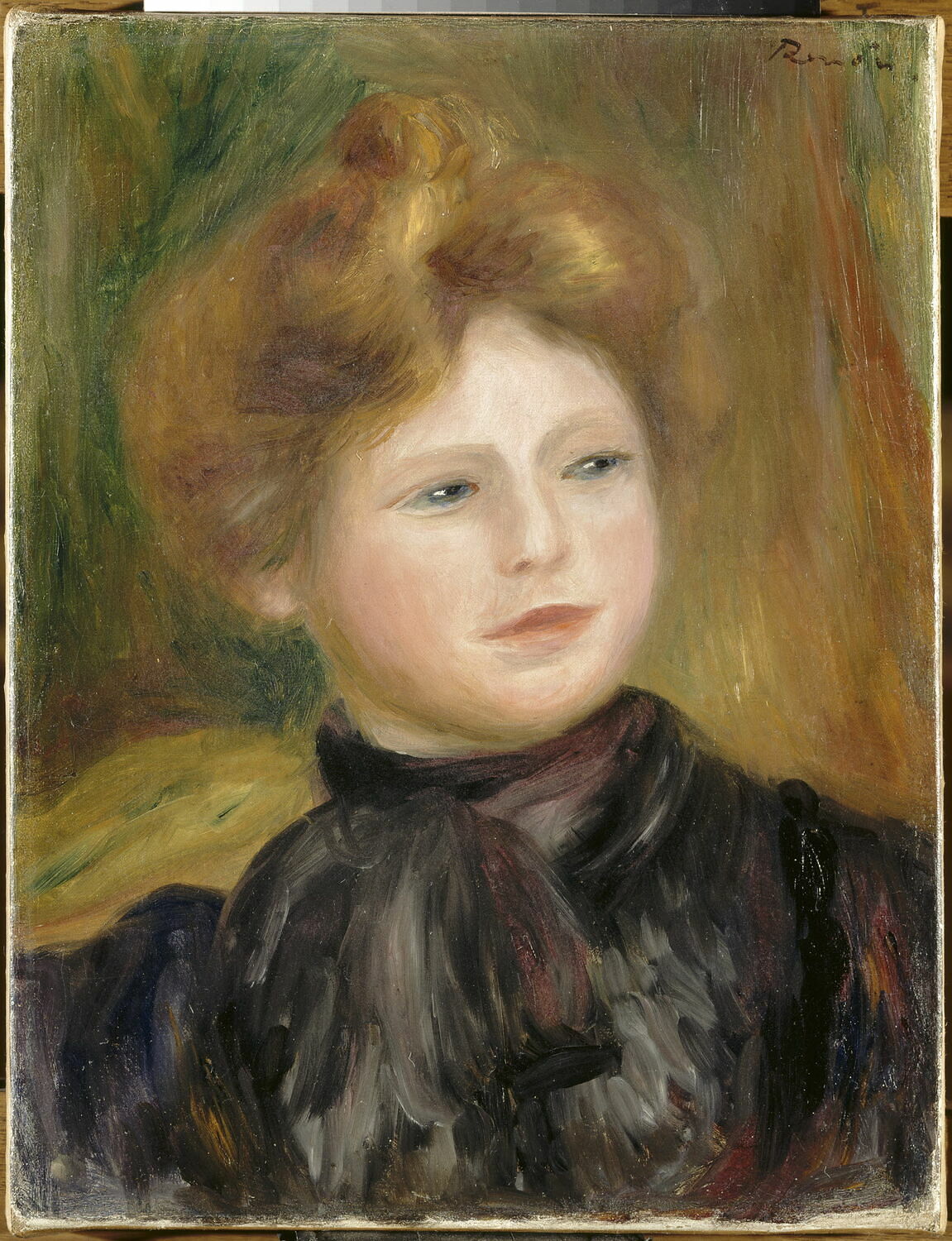
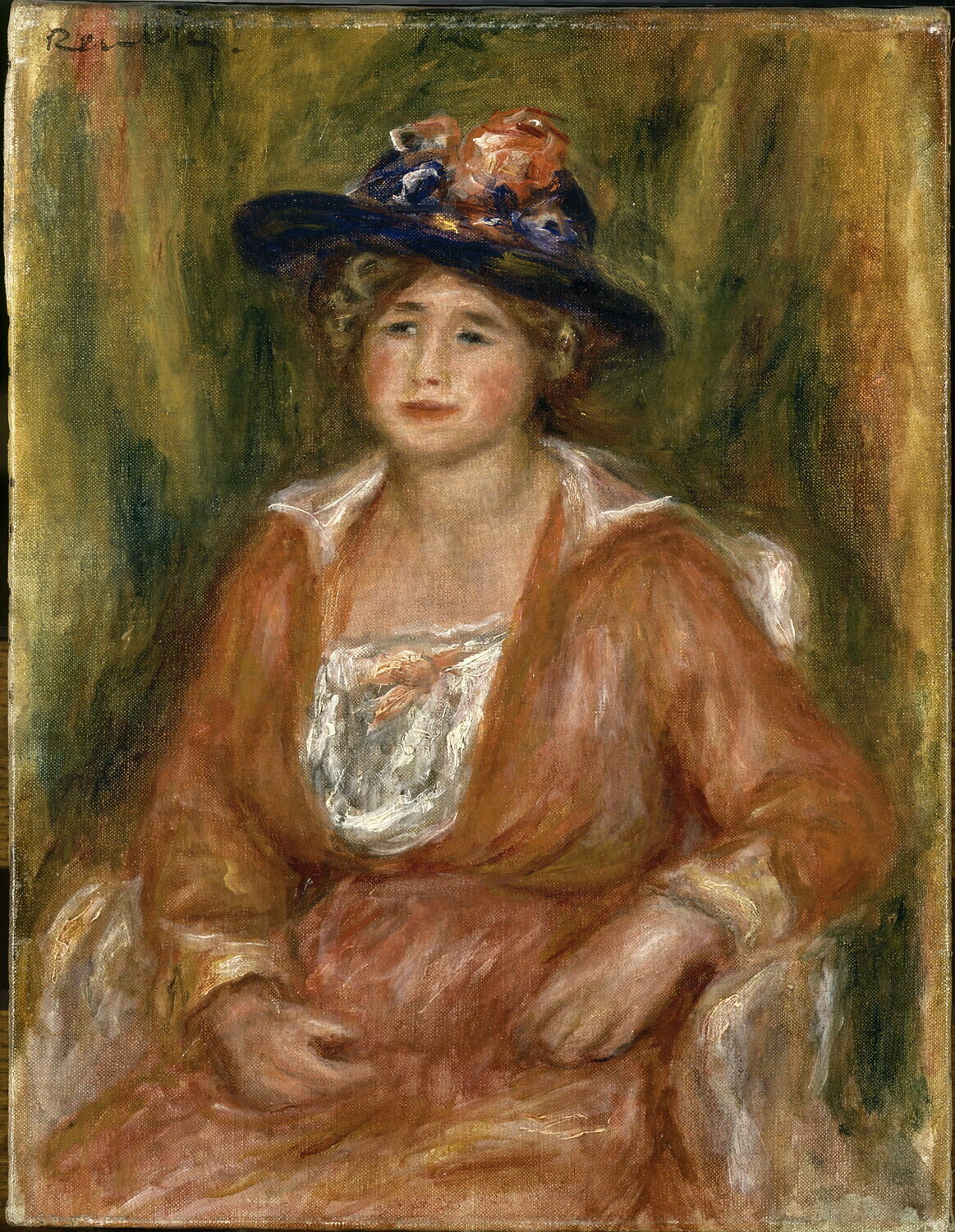
Glaïeuls
Peut-on la contempler ?
Inconnu

Paris, France
Le propriétaire est connu ; on ignore si l’œuvre est exposée aujourd’hui.
- Dans cet état depuis
- Source
- Le musée
Notice
- Numéro d’inventaire
- RF 1973 21
Au catalogue
Sources
- Wikidata
- Image : Musée d'Orsay — Pierre-Auguste Renoir · Public domain · Wikimedia Commons
Pendant ce temps, chez Pierre-Auguste Renoir
La vie entière1879
Triumph at the Salon of 1879
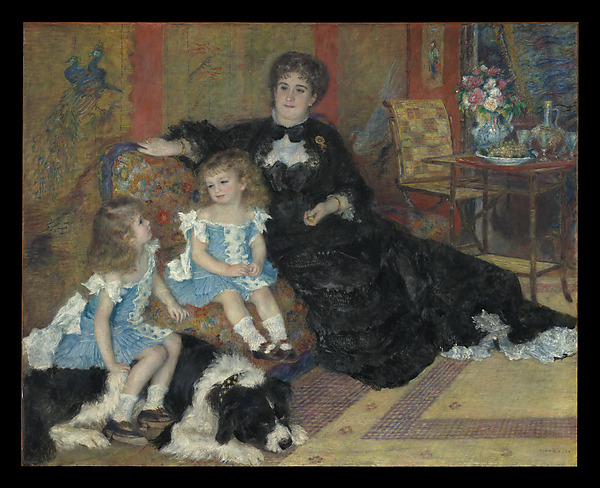
Presenting "Portrait of Madame Charpentier and Her Children" and the full-length "Portrait of the Actress Jeanne Samary," Renoir won universal recognition, and with it financial independence.
1880
Meeting Aline Charigot
Renoir met the young seamstress Aline Charigot — his future wife. His happiness with her colored the works of his so-called "Ingres" period.
1881
Algeria, Madrid, Italy
Renoir traveled to Algeria, the land of Delacroix, then to Madrid to see the works of Velázquez, and to Italy, where he saw Titian in Florence and Raphael in Rome. The journey convinced him that with Impressionism he had "reached the limit," and turned him toward classicism.
1883–1890
The "Ingres" period
Impressed by the classics of the Italian Renaissance and by Ingres, Renoir effectively broke with Impressionism: his lines became crisp, his colors more restrained and cooler. The artist himself called this period "sour"; it includes "Dance in the Country," "Dance in the City" and "Dance at Bougival."
1890
Marriage to Aline Charigot
Renoir married Aline Charigot, whom he had met ten years earlier. After the wedding he painted many scenes of family life with the children and their nanny Gabrielle Renard.
14 avril 1890
Married: Aline Charigot