 Alexander ArchipenkoÉtats-Unis, 1887–1964
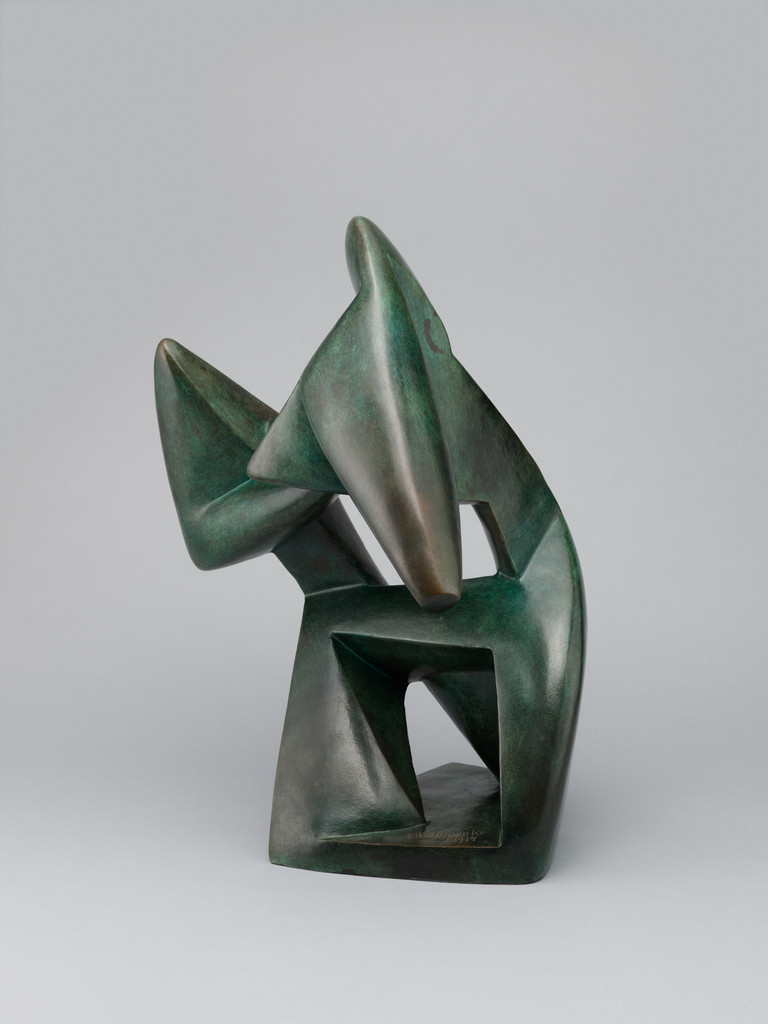
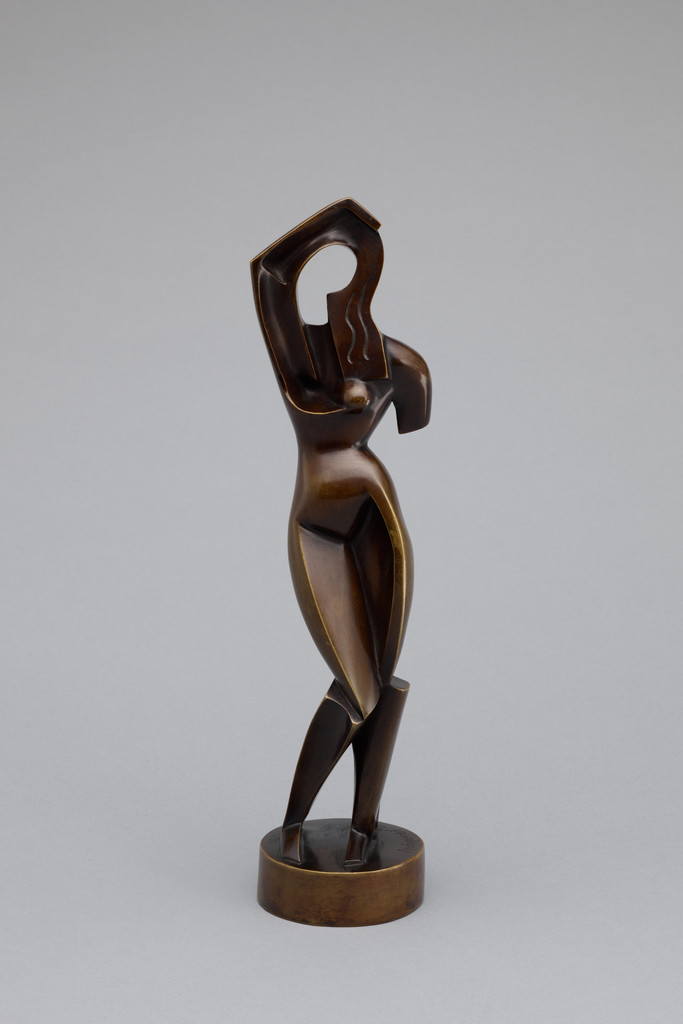
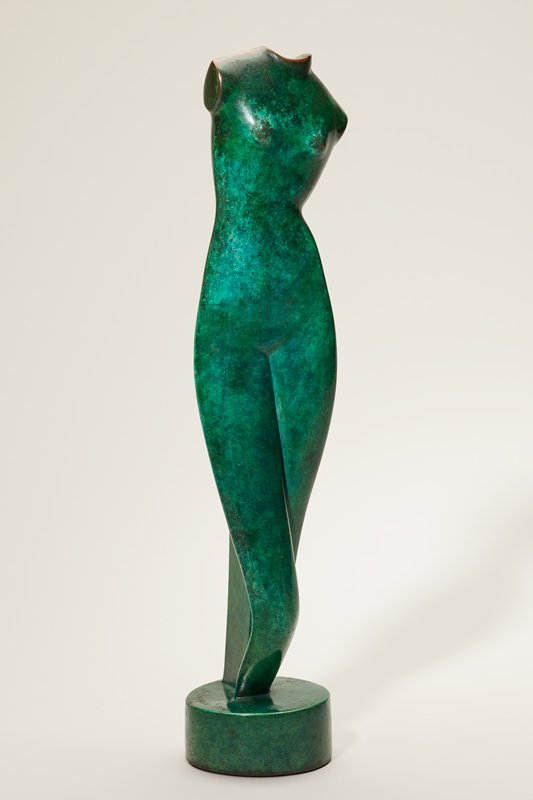
Female torso and legs
Peut-on la voir ?
Pas exposée actuellement
Où est « Female torso and legs » aujourd’hui ? Collection: Minneapolis Institute of Art, Minneapolis. Pas exposée actuellement. Vérifié 29 septembre 2026.

Minneapolis, États-Unis
Elle appartient à la collection, mais n’est pas présentée en ce moment.
- Vérifié
- Dans cet état depuis
- Source
- Le musée
À propos de la sculpture
The female figure shown here embodies one of Archipenko's strongest beliefs - that art need be neither realist nor idealist, it must only be true. he is considered the first Cubist sculptor and adopted this style in reaction to Impressionist sculpture, which he felt was too elaborate. He was inspired both by ancient art and by Rodin to regard the fragmentary figures as a complete work of art. Archipenko, also known for reintroducing color into sculpture, gave a turquoise patina to this torso.
Minneapolis Institute of Art
Notice
- Numéro d’inventaire
- 2016.33.21
Au catalogue
Sources
- Minneapolis Institute of Art
- Image : Minneapolis Institute of Art — © Estate Alexander Archipenko / Artists Rights Society (ARS), New York
Dans la vie de Alexander Archipenko
La vie entière1908–1914
Life in the La Ruche artists’ colony
From 1908 to 1914 Archipenko lived in the international artists’ colony La Ruche in Paris. Among its residents were émigré Ukrainian artists: Wladimir Baranoff-Rossine, Sonia Delaunay-Terk and Nathan Altman.
1912–1914
Teaches at his own art school in Paris
From 1912 to 1914 Archipenko taught at his own art school in Paris.
1914
Moves to Nice
In 1914 Archipenko moved to Nice.