ART WIKI32 963 en salle
CarteCollectionArtistesMuséesExpositionsJournal
Connexion

ART WIKI

Où est accroché le chef-d’œuvre, et quand on vous laisse entrer.

Collections : Art Institute of Chicago, Cleveland Museum of Art, Galerie Tretiakov, Hirshhorn Museum and Sculpture Garden, J. Paul Getty Museum, Metropolitan Museum of Art, Minneapolis Institute of Art, Musée de l'Ermitage, Musée des Beaux-Arts Pouchkine, Musée du Louvre, musée national d'art asiatique, Musée russe, Musées d'Art de Harvard, Museum of Modern Art, National Gallery of Art, National Portrait Gallery, Rijksmuseum Amsterdam, Smithsonian American Art Museum, Statens Museum for Kunst, Victoria and Albert Museum, Villa Getty, Whitney Museum of American Art, Catalogue d’État du fonds muséal de Russie (274 musées), Europeana (19 musées), Wikidata (6 musées), Paris Musées (12 musées) et Joconde, la base des musées du ministère de la Culture (495 musées). Les images appartiennent à leurs ayants droit.

Rubriques

  • Carte
  • Recherche
  • Collection
  • Chefs-d’œuvre
  • Exposées en ce moment
  • Artistes

Et aussi

  • Musées et galeries
  • Expositions
  • Journal
  • D’où viennent les données
  • Confidentialité et cookies
AccueilCarteCatalogue
  1. Collection/
  2. Minneapolis Institute of Art/
  3. Diego
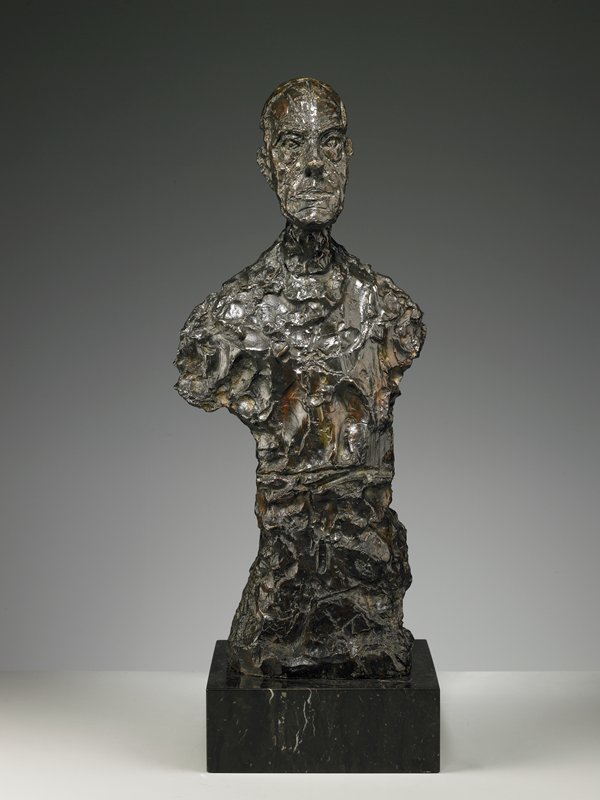
Diego, Alberto Giacometti, 1962
Alberto Giacometti, portraitAlberto GiacomettiSuisse, 1901–1966

Diego

1962 · Sculpture · 62.2 × 26.4 cm

À propos de la sculpture

A remarkable example of Giacometti's late sculpture, this bronze portrait bust of Diego Giacometti, the artist's younger brother and frequent model, was executed as part of a series completed three years before Alberto's death. Diego, a gifted furniture designer, often assisted in the casting of his brother's work. This bust exhibits an expressive power attributable to the fuller forms and more vigorous modeling of Giacometti's later style. Recognizable details such as facial features and clothing also evidence the greater naturalism of this period. In portrait sculpture, one of Giacometti's primary goals was to transfix the viewer by the sitter's gaze; in this instance, he succeeds with poignancy.

Minneapolis Institute of Art

Notice

1962 · à 61 ans
19011966
Numéro d’inventaire
2000.109

Autres œuvres : Alberto Giacometti

Toutes les œuvres

Dans la même salle · G376, Minneapolis Institute of Art

Page du musée

Peut-on la contempler ?

Oui, elle reçoit

Minneapolis Institute of Art

Minneapolis, États-Unis

SalleG376

Présentée au public. Qui s’en porte garant est indiqué ci-dessous.

Vérifié
il y a 3 jours
Dans cet état depuis
25 sept. 2026
Source
Le musée
Sur la cartePage du musée

Au catalogue

SculptureBronzeArt d’après-guerreXXe siècleSuisse

Sources

  • Minneapolis Institute of Art
  • Image : Minneapolis Institute of Art — © Estate of Alberto Giacometti / Licensed by VAGA at Artists Rights Society (ARS), NY
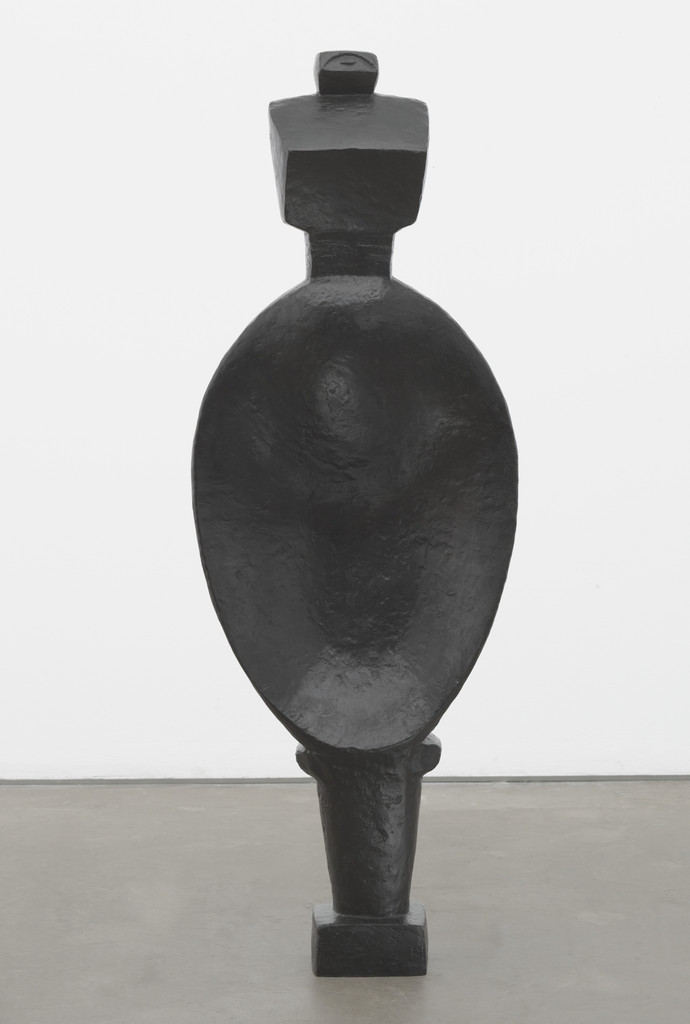
Spoon Woman, Alberto Giacometti, 1926-27 (cast 1976)

Spoon Woman

1926-27 (cast 1976) · Museum of Modern Art

No More Play, Alberto Giacometti, 1931-1932

No More Play

1931-1932 · National Gallery of Art

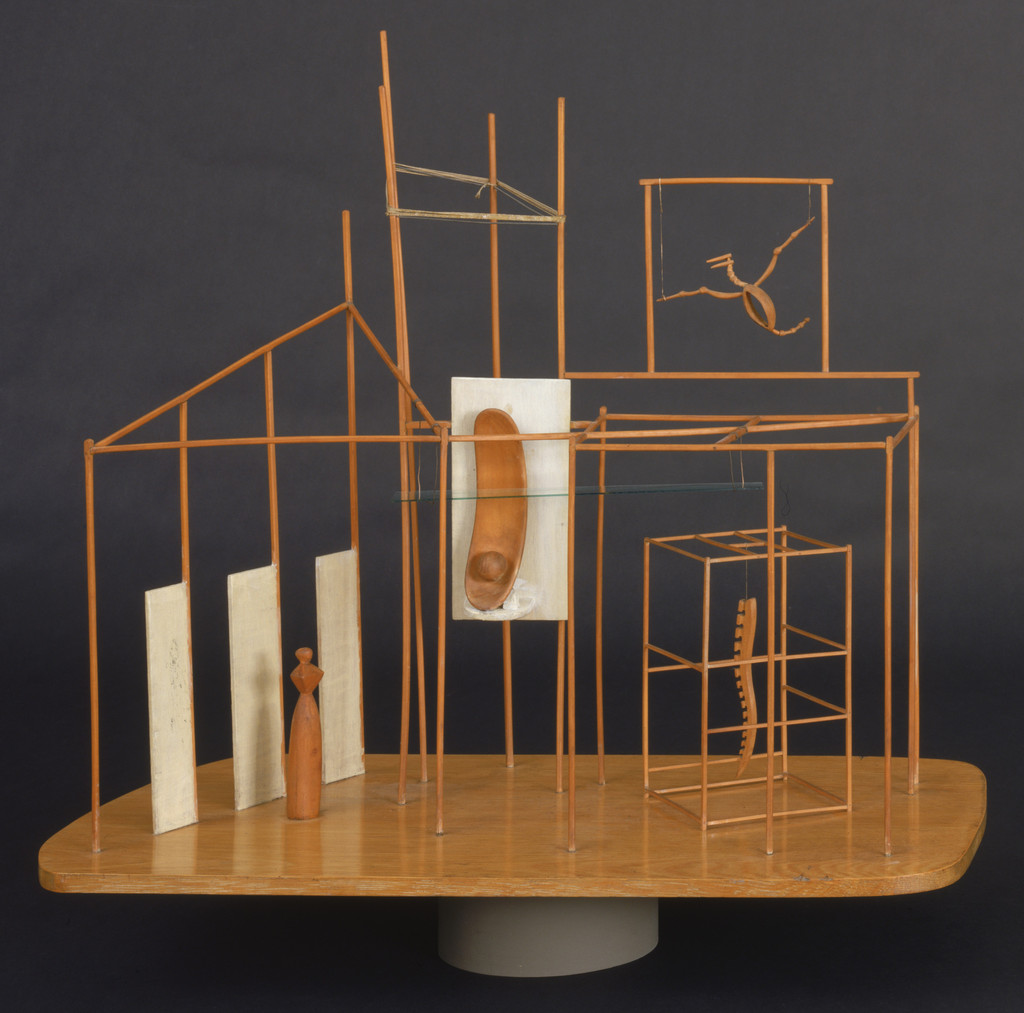
The Palace at 4 a.m., Alberto Giacometti, 1932

The Palace at 4 a.m.

1932 · Museum of Modern Art

The Invisible Object (Hands Holding the Void), Alberto Giacometti, model 1934, cast 1935

The Invisible Object (Hands Holding the Void)

model 1934, cast 1935 · National Gallery of Art

The Chariot, Alberto Giacometti, 1950

The Chariot

1950 · National Gallery of Art

Walking Man II, Alberto Giacometti, 1960

Walking Man II

1960 · National Gallery of Art

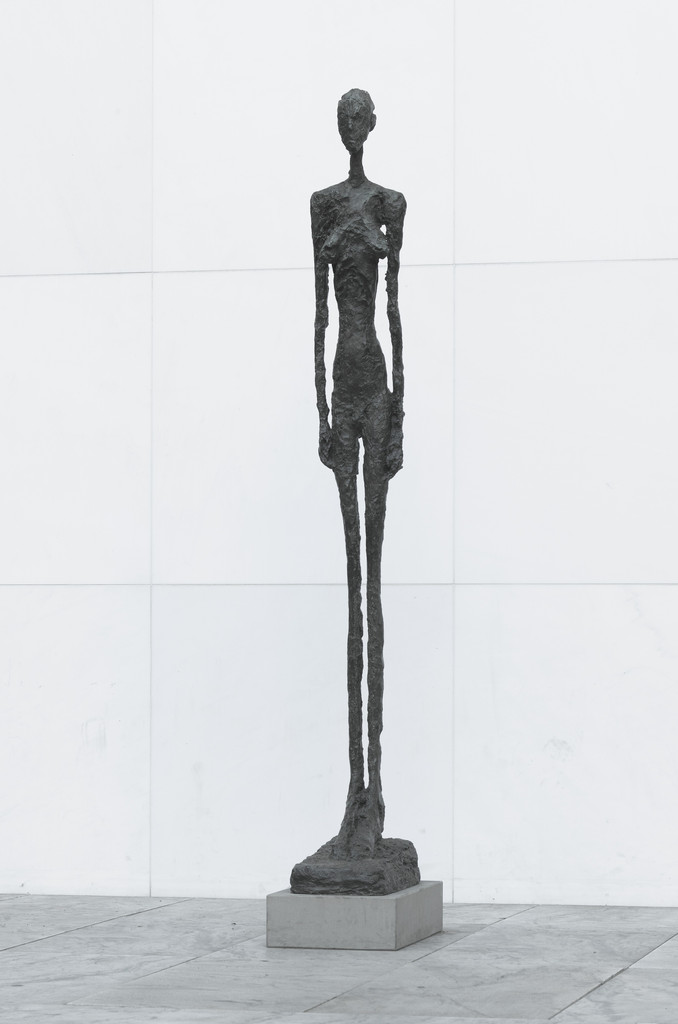
Tall Figure, III, Alberto Giacometti, 1960

Tall Figure, III

1960 · Museum of Modern Art

Femme Debout I (Standing Woman I), Alberto Giacometti, 1960

Femme Debout I (Standing Woman I)

1960 · J. Paul Getty Museum

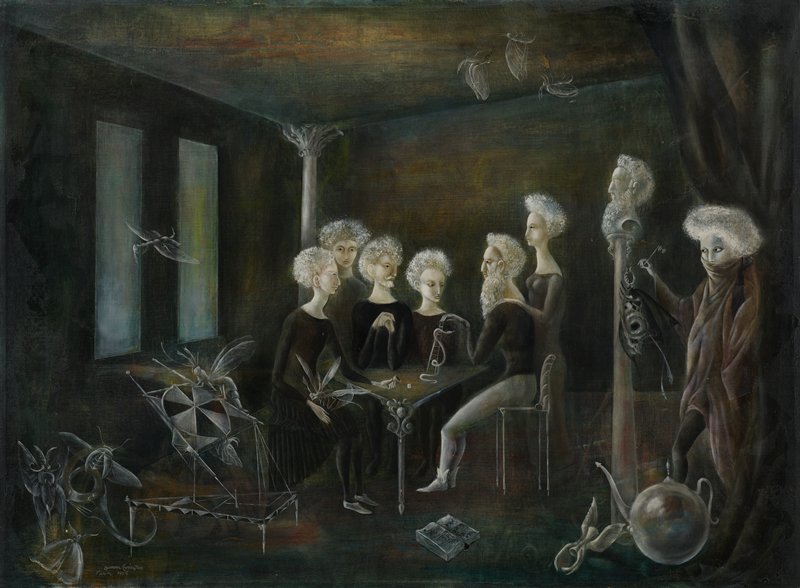
Dear Diary—Never Since We Left Prague, Leonora Carrington, 1955

Leonora Carrington

Dear Diary—Never Since We Left Prague, 1955

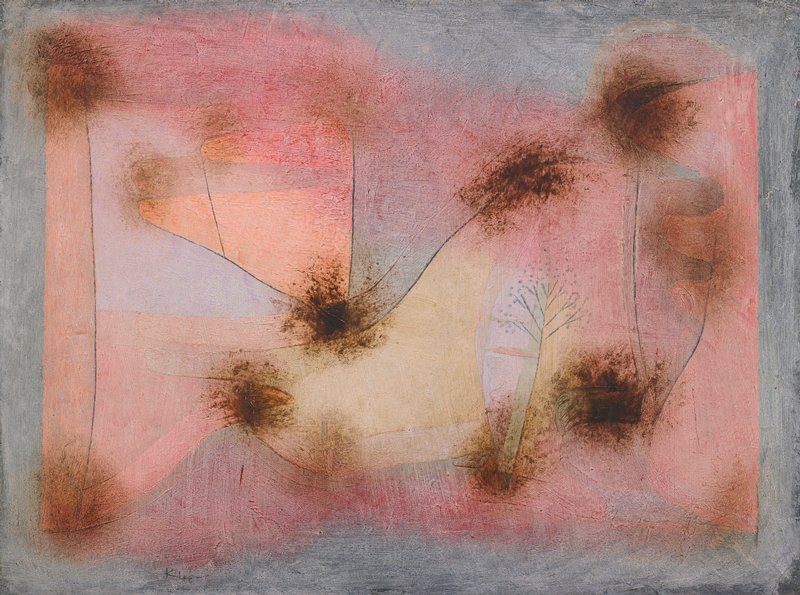
Hardy Plants, Paul Klee, 1934

Paul Klee

Hardy Plants, 1934

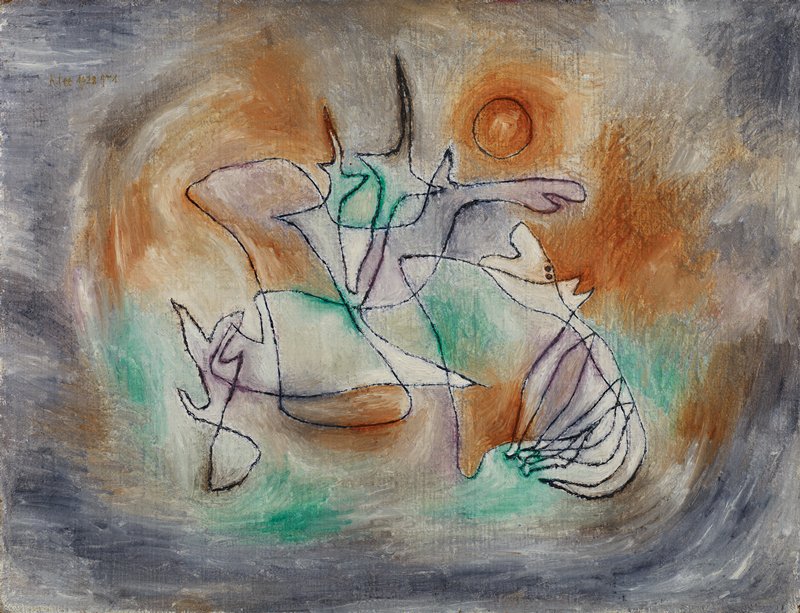
Howling Dog, Paul Klee, 1928

Paul Klee

Howling Dog, 1928

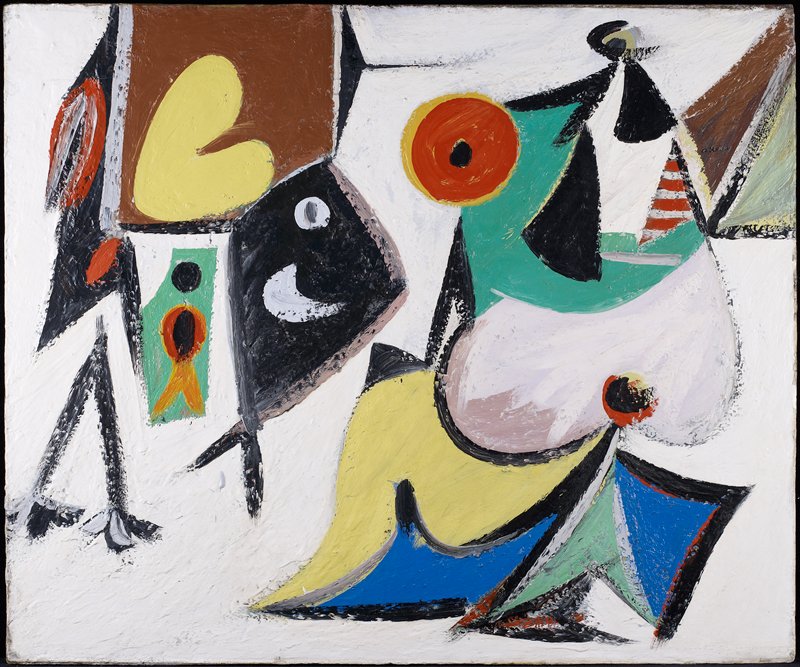
Composition, Arshile Gorky, 1936–39

Arshile Gorky

Composition, 1936–39

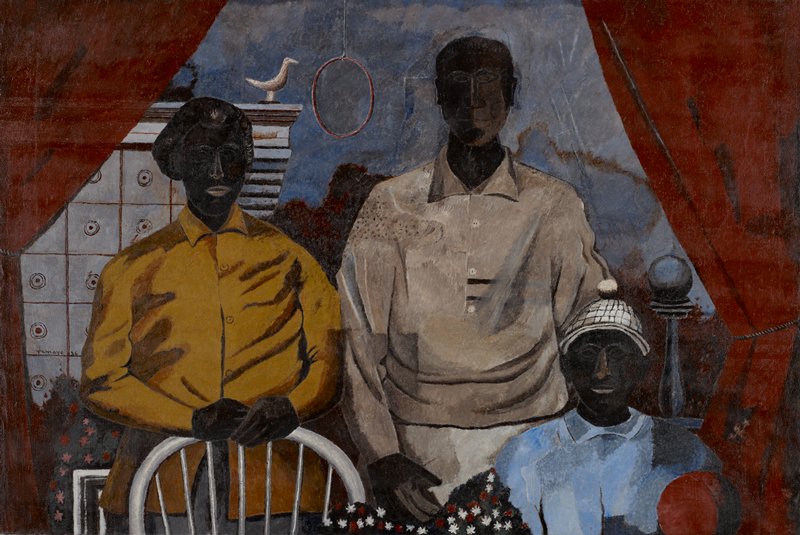
The Family, Rufino Tamayo, 1936

Rufino Tamayo

The Family, 1936

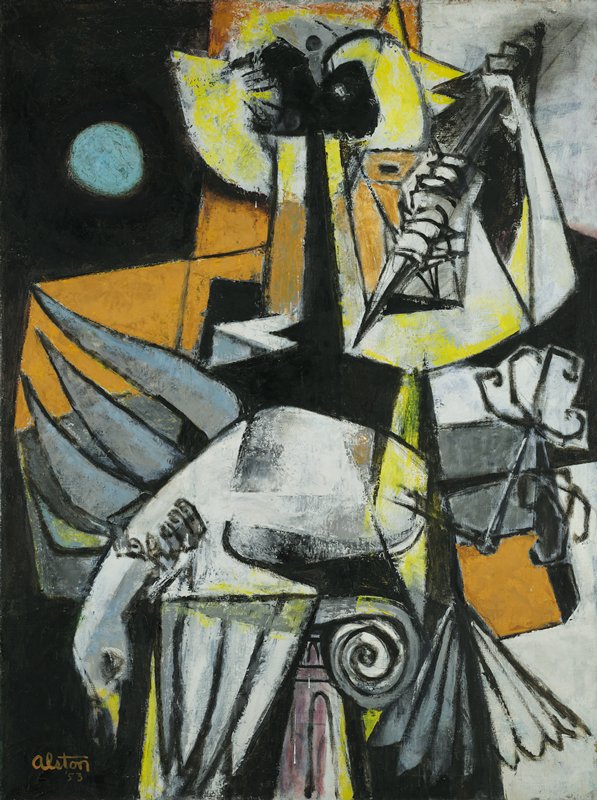
Symbol, Charles Alston, 1953

Charles Alston

Symbol, 1953

Slow Motion, Kurt Seligmann, 1955

Kurt Seligmann

Slow Motion, 1955

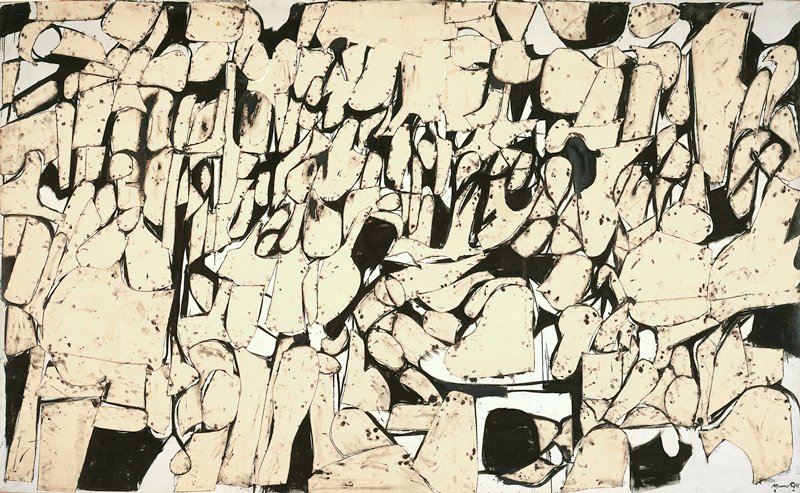
Trial, Conrad Marca-Relli, 1956

Conrad Marca-Relli

Trial, 1956