ART WIKI32 963 en salle
CarteCollectionArtistesMuséesExpositionsJournal
Connexion

ART WIKI

Où est accroché le chef-d’œuvre, et quand on vous laisse entrer.

Collections : Art Institute of Chicago, Cleveland Museum of Art, Galerie Tretiakov, Hirshhorn Museum and Sculpture Garden, J. Paul Getty Museum, Metropolitan Museum of Art, Minneapolis Institute of Art, Musée de l'Ermitage, Musée des Beaux-Arts Pouchkine, Musée du Louvre, musée national d'art asiatique, Musée russe, Musées d'Art de Harvard, Museum of Modern Art, National Gallery of Art, National Portrait Gallery, Rijksmuseum Amsterdam, Smithsonian American Art Museum, Statens Museum for Kunst, Victoria and Albert Museum, Villa Getty, Whitney Museum of American Art, Catalogue d’État du fonds muséal de Russie (274 musées), Europeana (19 musées), Wikidata (6 musées), Paris Musées (12 musées) et Joconde, la base des musées du ministère de la Culture (495 musées). Les images appartiennent à leurs ayants droit.

Rubriques

  • Carte
  • Recherche
  • Collection
  • Chefs-d’œuvre
  • Exposées en ce moment
  • Artistes

Et aussi

  • Musées et galeries
  • Expositions
  • Journal
  • D’où viennent les données
  • Confidentialité et cookies
AccueilCarteCatalogue
  1. Collection/
  2. Minneapolis Institute of Art/
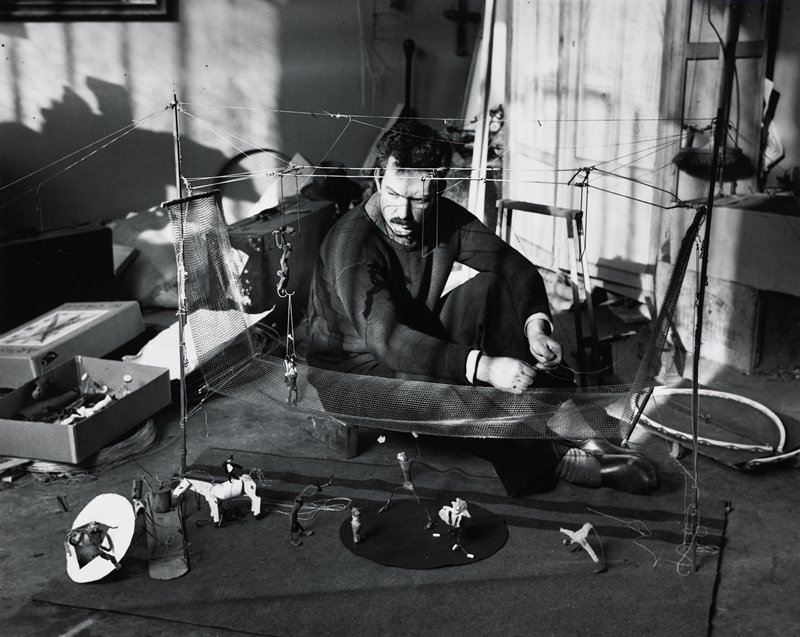
  3. Alexander Calder, Paris
Alexander Calder, Paris, André Kertész, 1929
André Kertész, portraitAndré KertészÉtats-Unis, 1894–1985

Alexander Calder, Paris

1929 · Photograph · 19.84 × 24.77 cm

Peut-on la contempler ?

Elle ne reçoit pas en ce moment

Minneapolis Institute of Art

Minneapolis, États-Unis

Elle appartient à la collection, mais n’est pas présentée en ce moment.

Vérifié
il y a 3 jours
Dans cet état depuis
25 sept. 2026
Source
Le musée
Sur la cartePage du musée

Notice

1929 · à 35 ans
18941985
Numéro d’inventaire
2007.35.123

Au catalogue

PhotographiesTirage gélatino-argentiqueModernismeXXe siècleÉtats-Unis

Sources

  • Minneapolis Institute of Art
  • Image : Minneapolis Institute of Art — © Estate of André Kertész

Pendant ce temps, chez André Kertész

La vie entière
  1. 1925–1936

    The circle of Hungarian émigrés and portraits of friends

    In Paris he is among numerous Hungarian artists, including François Kollar, Robert Capa, Emeric Fehér, Brassaï and Julia Bathory, as well as Man Ray, Germaine Krull and Lucien Aigner, who also emigrated there, and becomes involved with the Dada movement; visiting his sculptor friends, he is fascinated by Cubism. He makes photo portraits of the painters Piet Mondrian and Marc Chagall, the writer Colette and the film-maker Sergei Eisenstein.

  2. 1927

    His first solo exhibition at the Au Sacre du Printemps gallery

    Jan Slivinsky presents 30 of his photographs at the “Sacre du Printemps Gallery”, and Kertész becomes the first photographer to have a one-man exhibition. At the show Paul Dermée dubs him “Brother Seer” and “Brother Seeing Eye”, alluding to a medieval monastery where all the monks were blind but one; Kertész has become connected with members of the growing Dada movement.

  3. late 1920s

    A secret marriage to Rosza Klein (Rogi André)

    He secretly marries the French portrait photographer Rosza Klein, who worked under the name Rogi André; the marriage is short-lived and he never speaks about it.

  4. 1928

    Switches to a Leica

    He switches from plate-glass cameras to a Leica; this period is one of his most productive, with daily photographing divided between magazine commissions through the late 1920s and his personal pieces.

  5. 1930

    A silver medal at the Exposition Coloniale

    At the Exposition Coloniale in Paris he is awarded a silver medal for services to photography.

  6. 1931

    Elizabeth joins him in Paris

    He had gone back to Hungary in 1930 to visit his family, and after his return to Paris Elizabeth follows him in 1931, despite opposition from her family; she had stayed behind until her future husband was well enough established in Paris for them to marry. Elizabeth and André remain together for the rest of their lives.
Autres œuvres : André Kertész

Toutes les œuvres
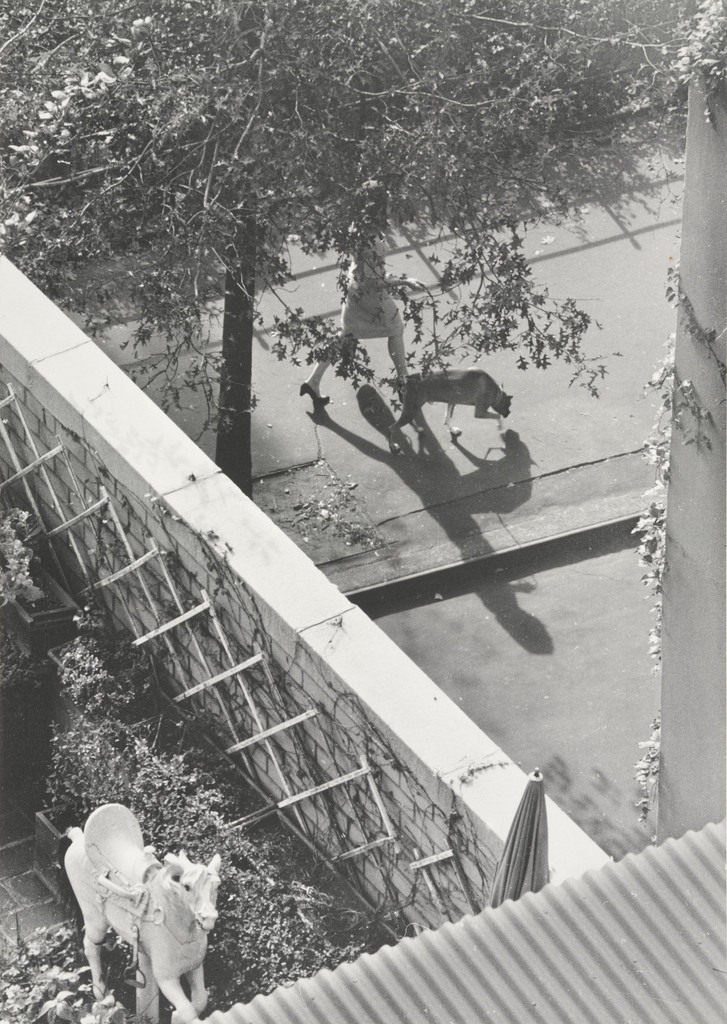
Promenade, André Kertész, 1962

Promenade

1962 · Museum of Modern Art

Riverbank, André Kertész, 1920s

Riverbank

1920s · Non exposée · National Gallery of Art

Street Scene, André Kertész, early 1920s

Street Scene

early 1920s · Non exposée · National Gallery of Art

Self-Portrait as Woman with Unknown Man and Women, André Kertész, early 1920s

Self-Portrait as Woman with Unknown Man and Women

early 1920s · Non exposée · National Gallery of Art

Self-Portrait as Woman, André Kertész, early 1920s

Self-Portrait as Woman

early 1920s · Non exposée · National Gallery of Art

City Park, André Kertész, early 1920s

City Park

early 1920s · Non exposée · National Gallery of Art

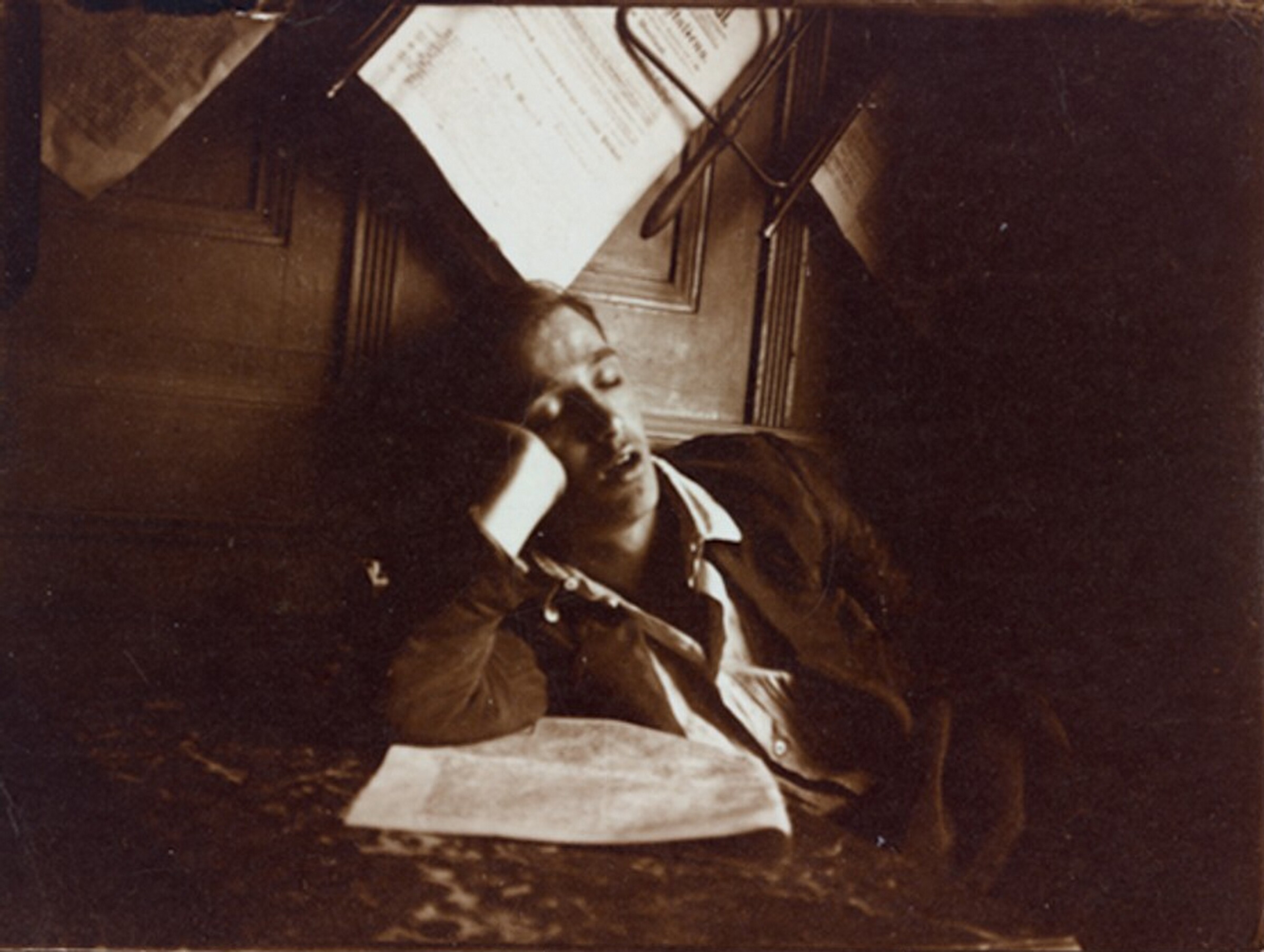
Sleeping Boy, André Kertész, 1912

Sleeping Boy

1912 · Non exposée · National Gallery of Art

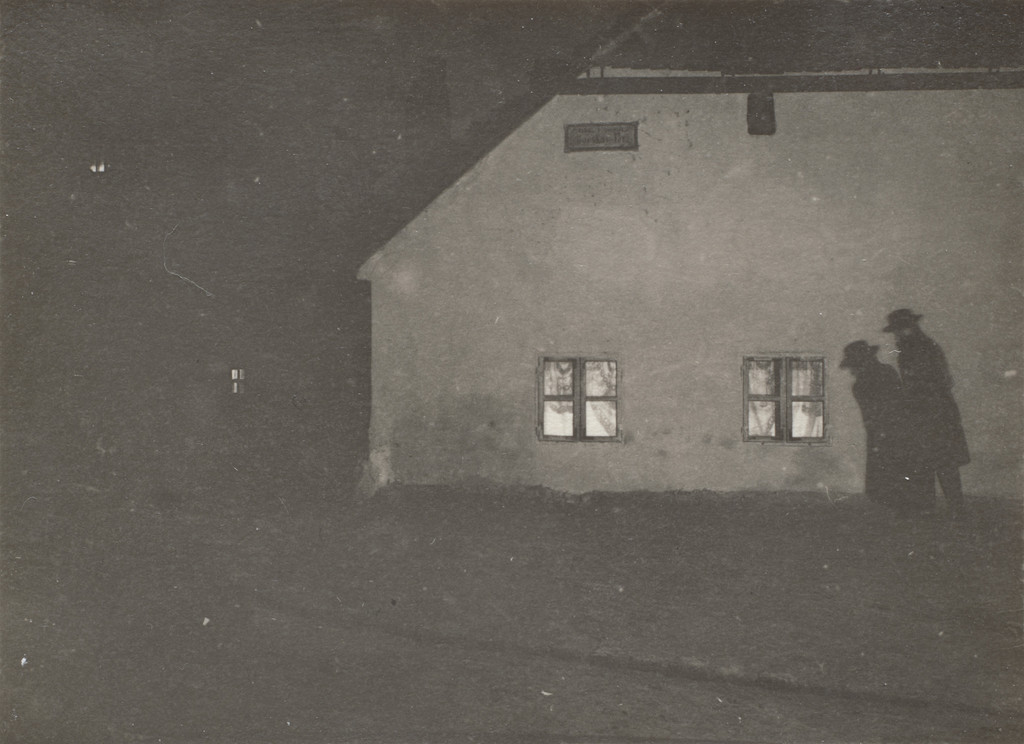
Bocskay-tér, Budapest, André Kertész, 1914

Bocskay-tér, Budapest

1914 · Non exposée · Museum of Modern Art

Sous le même toit : Minneapolis Institute of Art

Page du musée
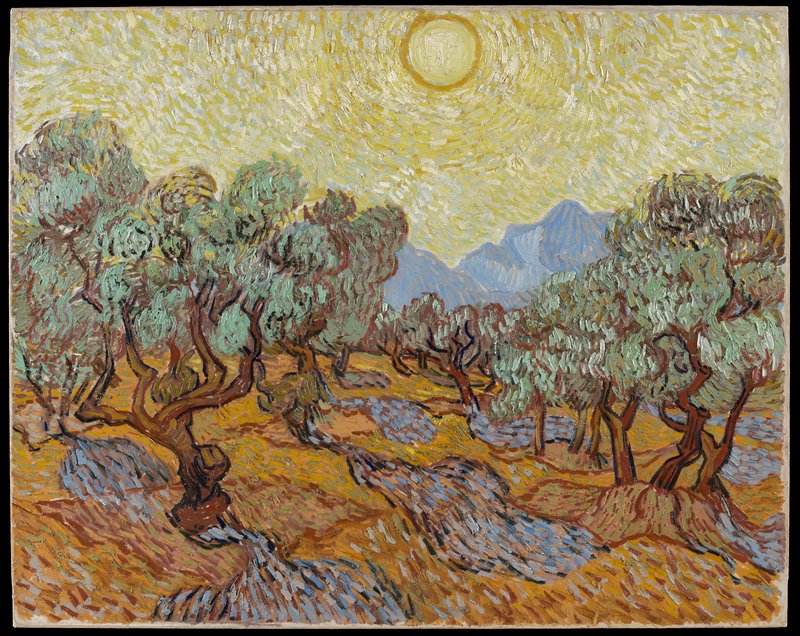
Olive Trees, Vincent van Gogh, 1889

Vincent van Gogh

Olive Trees, 1889

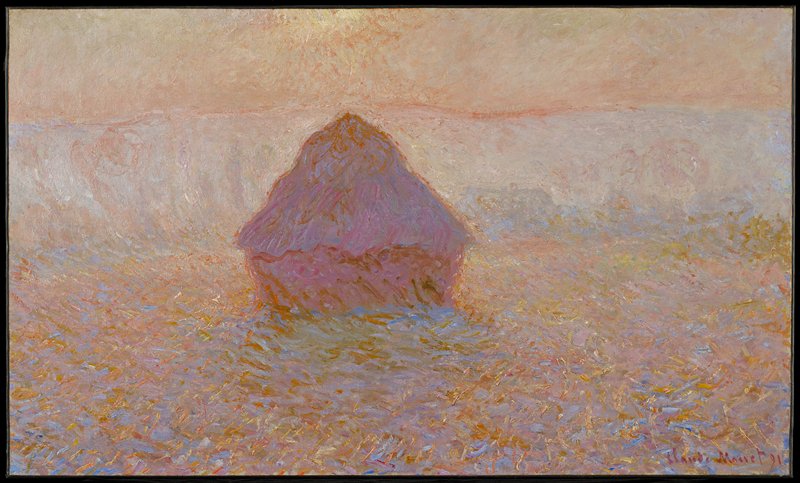
Grainstack, Sun in the Mist, Claude Monet, 1891

Claude Monet

Grainstack, Sun in the Mist, 1891

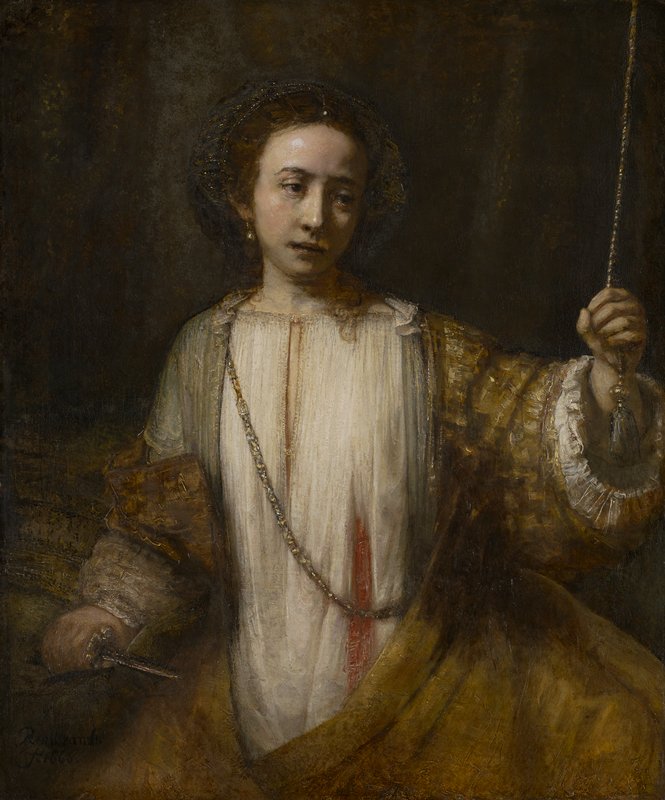
Lucretia, Rembrandt van Rijn, 1666

Rembrandt van Rijn

Lucretia, 1666

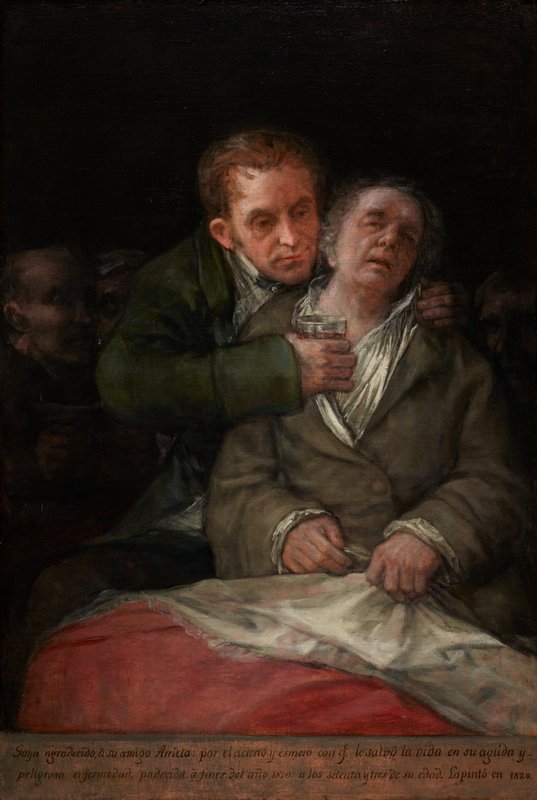
Self-Portrait with Dr. Arrieta, Francisco José de Goya y Lucientes, 1820

Francisco de Goya

Goya et son médecin, 1820

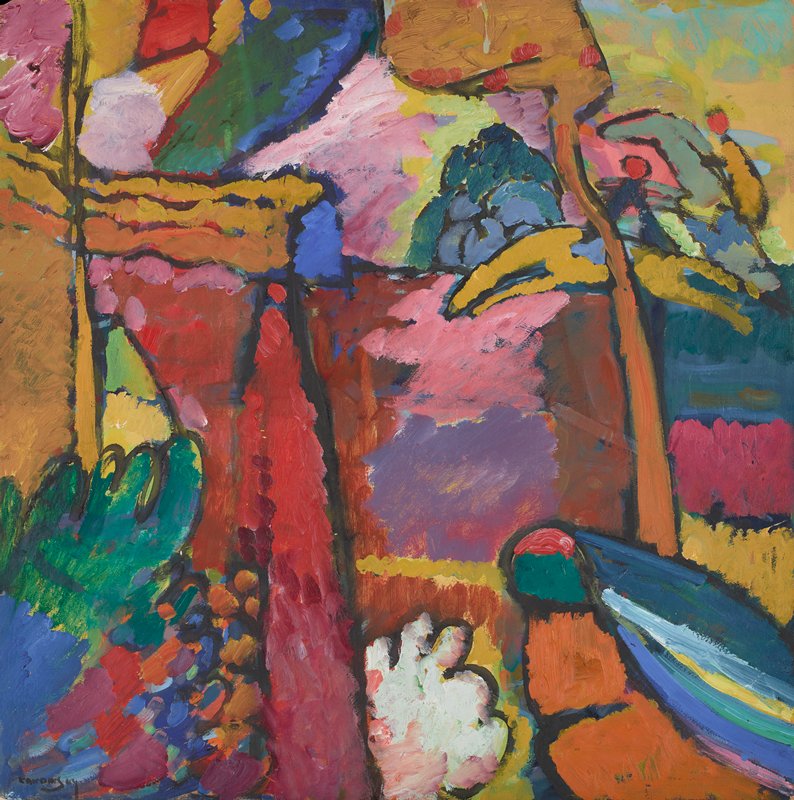
Study for Improvisation V, Vassily Kandinsky, 1910

Vasily Kandinsky

Study for Improvisation V, 1910

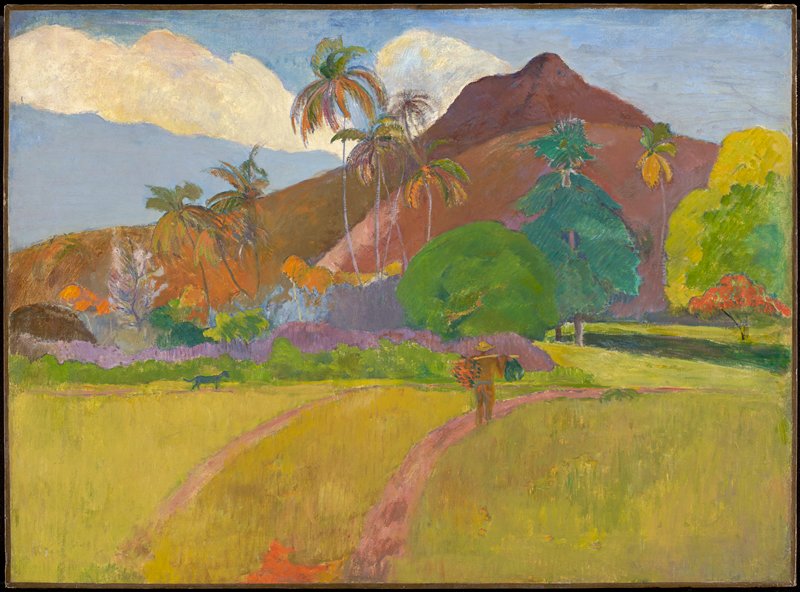
Tahitian Landscape, Paul Gauguin, 1891

Paul Gauguin

Tahitian Landscape, 1891

Chestnut Trees at Jas de Bouffan, Paul Cézanne, c. 1885–86

Paul Cézanne

Chestnut Trees at Jas de Bouffan, c. 1885–86

The Union of England and Scotland (Charles I as the Prince of Wales), Peter Paul Rubens, 1633–34

Peter Paul Rubens

The Union of England and Scotland (Charles I as the Prince of Wales), 1633–34