
France · 1658–1741
Mathieu Elias
Mathieu Elias : où voir les œuvres. Œuvres dans notre catalogue : 12 ; collections : 3. Aucune n’est signalée comme exposée aujourd’hui.
- 12au catalogue
- 0exposées
- 3collections
- 2pays
Questions
- Quel musée possède le plus d'œuvres de Mathieu Elias ?
- Metropolitan Museum of Art en possède le plus dans notre catalogue : 10 œuvres.
- Combien d'œuvres de Mathieu Elias sont dans des collections de musées ?
- Œuvres dans notre catalogue : 12. Collections de musées : 3. Pays : 2.
- À quelle époque vivait Mathieu Elias ?
- Naissance : 1658. Décès : 1741. Nationalité : France.
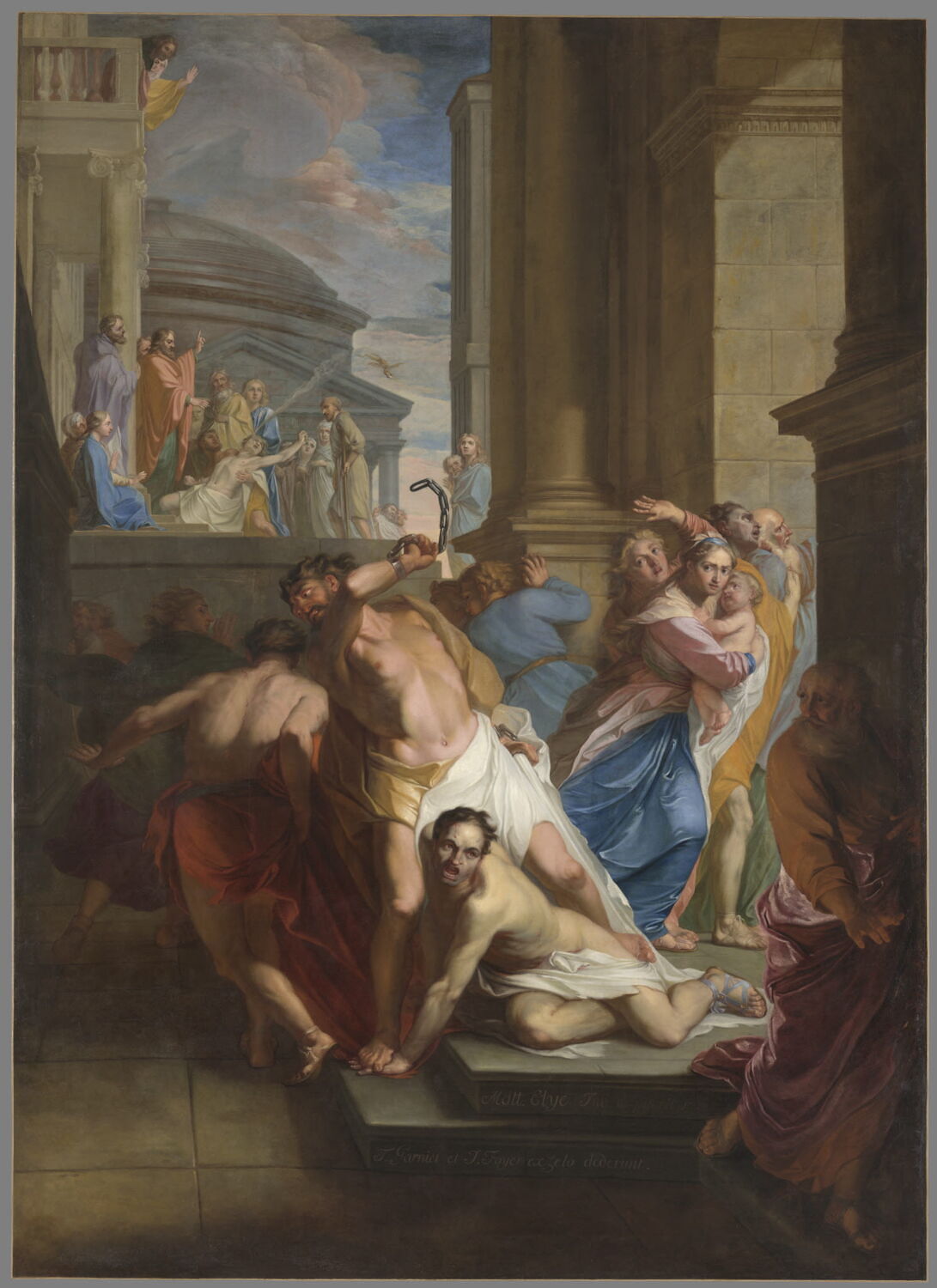
Les Fils de Sceva battus par le démon
XVIIe siècle (1702) · Musée du Louvre

Le Retour du jeune Tobie
1703 · Musée Magnin
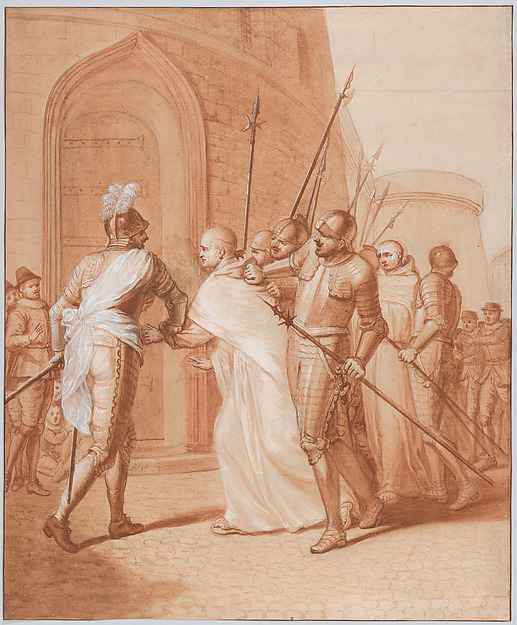
The arrest of Jean de La Barrière by the League at Lombez
1706–07 · Non exposée · Metropolitan Museum of Art
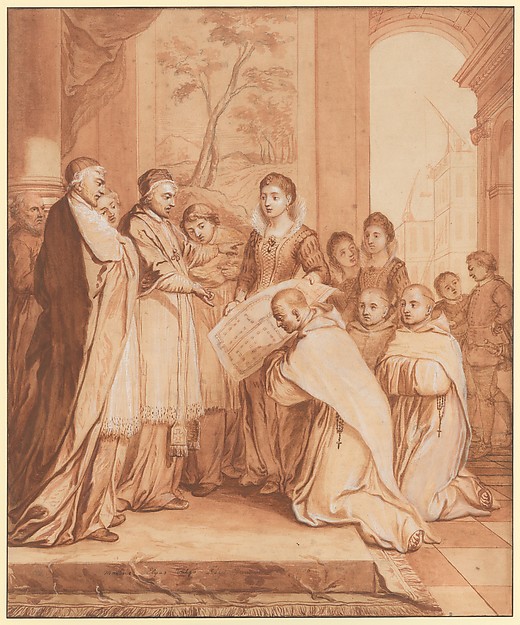
Scene 31: Foundation of a second Feuillant monastery in Rome, dedicated to Saint Bernard, in 1594, thanks to the generosity of Caterina de' Nobili, niece of Pope Julius III and widow of Count Sforza Sforza di Santa Fiora
1706 · Non exposée · Metropolitan Museum of Art
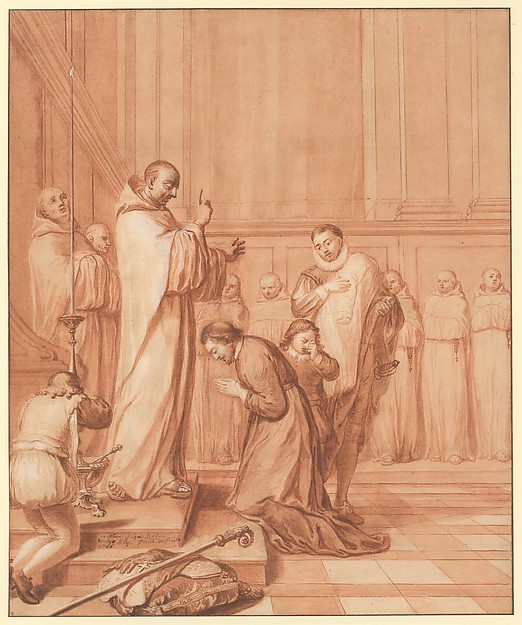
Jean de La Barrière blessing a cardinal
1706 · Non exposée · Metropolitan Museum of Art
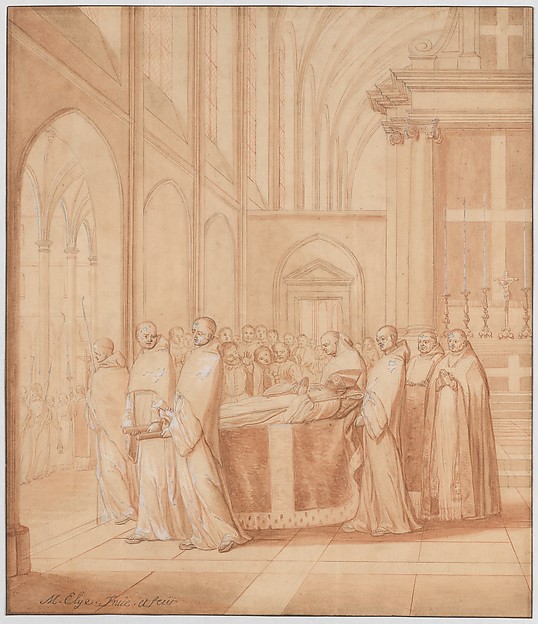
Feuillant monks carry the bier with the body of Jean de la Barrière
1706–07 · Non exposée · Metropolitan Museum of Art
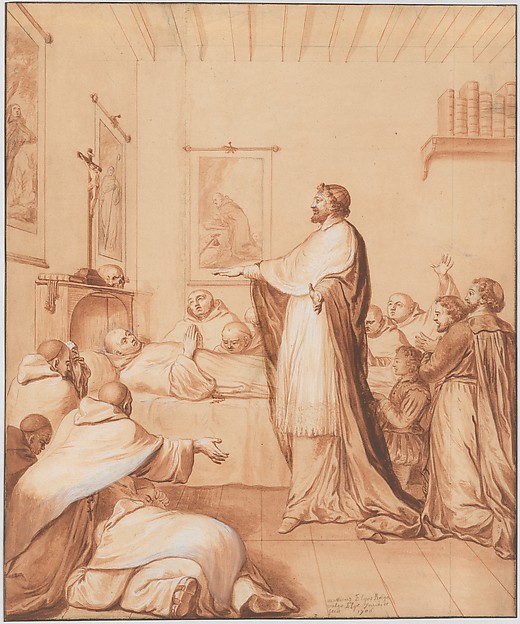
Scene 33: The Blessed Abbot, near death, receives the blessing of the pope, who sends for this purpose Cardinal d'Ossat, a close friend of the saint, whose teacher he had been; he dies in the odor of sanctity, 25 April 1600
1706 · Non exposée · Metropolitan Museum of Art
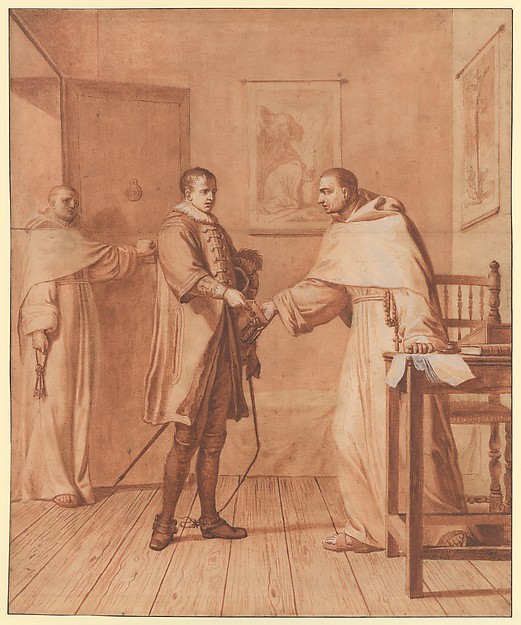
Scene 25: Fatally wounded, King Henry III informs the Blessed Abbot of his condition and recommends himself to his prayers
1706–07 · Non exposée · Metropolitan Museum of Art
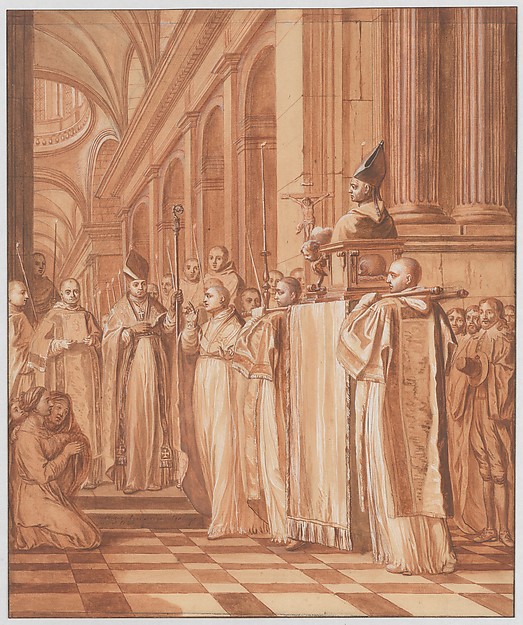
Scene 36: Reception of the heart and head of the Blessed Father Dom Jean de la Barrière, brought from Rome to his Abbey of Feuillants in 1626, where they are carefully preserved along with other relics of the Holy Abbot
1706–07 · Non exposée · Metropolitan Museum of Art
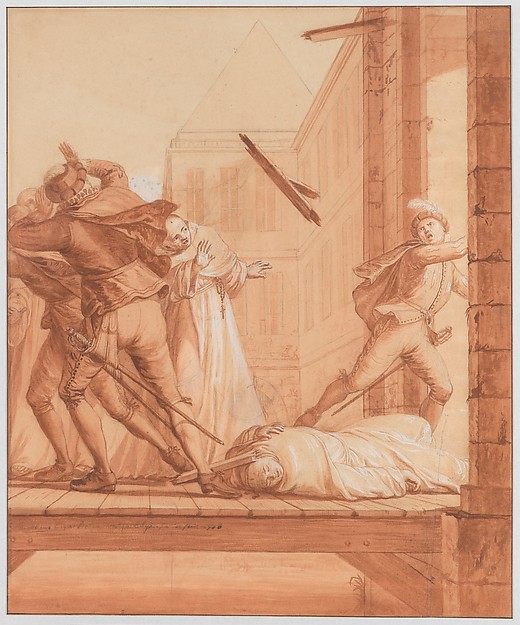
Scene 28: The Blessed Abbot having retired to the Château de Montaigu, soldiers of the league arrive to capture him as he leaves. A piece of wood falls from on high and scatters the soldiers and wounds the Holy Abbot, whom they leave for dead; he is miraculously cured and escapes
1706 · Non exposée · Metropolitan Museum of Art
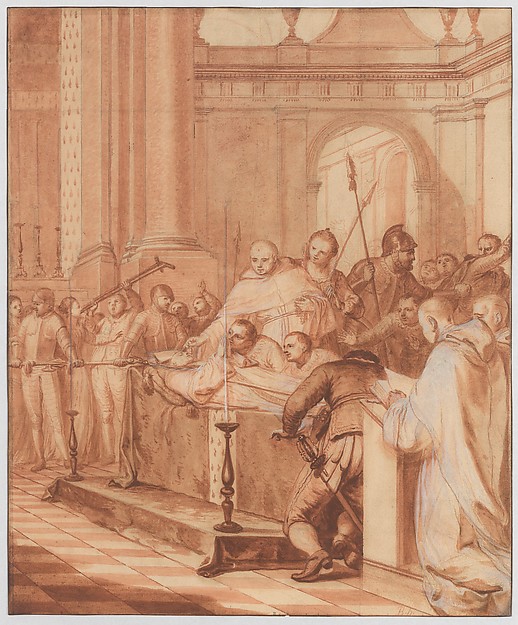
Scene 34: To satisfy the devotion of the people, they are forced to leave the Blessed Abbot's body on display for three days; many miracles are performed
1706–07 · Non exposée · Metropolitan Museum of Art
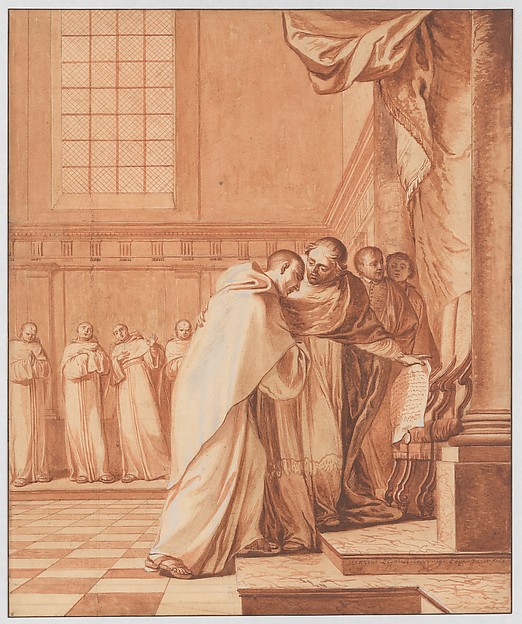
Scene 32: Supporters of the league pursue the Blessed Abbot to Rome; despite their calumnies his innocence is recognized by the pope himself, who order Cardinal Bellarmine to restore all his posts and honors
1707 · Non exposée · Metropolitan Museum of Art