
Guatemala · 1891–1985
Carlos Mérida
Carlos Mérida : où voir les œuvres. Œuvres dans notre catalogue : 111 ; collections : 6. Aucune n’est signalée comme exposée aujourd’hui.
Carlos Mérida (1891-1985), peintre, sculpteur et lithographe guatémaltèque associé au cubisme, naquit à Guatemala et mourut à Mexico. Les musées détiennent 111 peintures, dessins et estampes, surtout à la Yale University Art Gallery et au Minneapolis Institute of Art. Ses œuvres comprennent Mayor of Almolonga (1916-1919) et La Danse des Chinelos, datée d'environ 1937.
- 111au catalogue
- 0exposées
- 6collections
- 1pays
Questions
- Quel musée possède le plus d'œuvres de Carlos Mérida ?
- Art Institute of Chicago en possède le plus dans notre catalogue : 74 œuvres.
- Combien d'œuvres de Carlos Mérida sont dans des collections de musées ?
- Œuvres dans notre catalogue : 111. Collections de musées : 6. Pays : 1.
- À quelle époque vivait Carlos Mérida ?
- Naissance : 1891. Décès : 1985. Nationalité : Guatemala.

Mayor of Almolonga
1916-19 · Non exposée · Museum of Modern Art

Mujeres (Women)
1932 · Yale University Art Gallery

Dance of the Chinelos from Dances of Mexico
c. 1937 · Non exposée · Museum of Modern Art

Dance of the Santiagos from Dances of Mexico
c. 1937 · Non exposée · Museum of Modern Art

Dance of the Tlacololeros from Dances of Mexico
c. 1937 · Non exposée · Museum of Modern Art

Dance of the Crescent Moon from Dances of Mexico
c. 1937 · Non exposée · Museum of Modern Art

The Pascola and the Deer from Dances of Mexico
c. 1937 · Non exposée · Museum of Modern Art

Dance of the Quetzals from Dances of Mexico
c. 1937 · Non exposée · Museum of Modern Art

The Umbrella Men from Dances of Mexico
c. 1937 · Non exposée · Museum of Modern Art

Plume Dance from Dances of Mexico
c. 1937 · Non exposée · Museum of Modern Art

Dances of Mexico
c. 1937 · Non exposée · Museum of Modern Art

Dance of the Moors from Dances of Mexico
c. 1937 · Non exposée · Museum of Modern Art

Dance of the Malinches from Dances of Mexico
c. 1937 · Non exposée · Museum of Modern Art

Tempo in Red Major
1942 · Non exposée · Museum of Modern Art

Plate (folio 12) from Prints from the Popol-Vuh (Estampas del Popol-Vuh)
1943 · Non exposée · Museum of Modern Art

Plate (folio 8) from Prints from the Popol-Vuh (Estampas del Popol-Vuh)
1943 · Non exposée · Museum of Modern Art

Prints from the Popol-Vuh (Estampas del Popol-Vuh)
1943 · Non exposée · Museum of Modern Art

Plate (folio 18) from Prints from the Popol-Vuh (Estampas del Popol-Vuh)
1943 · Non exposée · Museum of Modern Art

Plate (folio 20) from Prints from the Popol-Vuh (Estampas del Popol-Vuh)
1943 · Non exposée · Museum of Modern Art

Plate (folio 16) from Prints from the Popol-Vuh (Estampas del Popol-Vuh)
1943 · Non exposée · Museum of Modern Art

Plate (folio 14) from Prints from the Popol-Vuh (Estampas del Popol-Vuh)
1943 · Non exposée · Museum of Modern Art

Plate (folio 10) from Prints from the Popol-Vuh (Estampas del Popol-Vuh)
1943 · Non exposée · Museum of Modern Art

Plate (folio 22) from Prints from the Popol-Vuh (Estampas del Popol-Vuh)
1943 · Non exposée · Museum of Modern Art

Plate (folio 6) from Prints from the Popol-Vuh (Estampas del Popol-Vuh)
1943 · Non exposée · Museum of Modern Art

Plate (folio 4) from Prints from the Popol-Vuh (Estampas del Popol-Vuh)
1943 · Non exposée · Museum of Modern Art
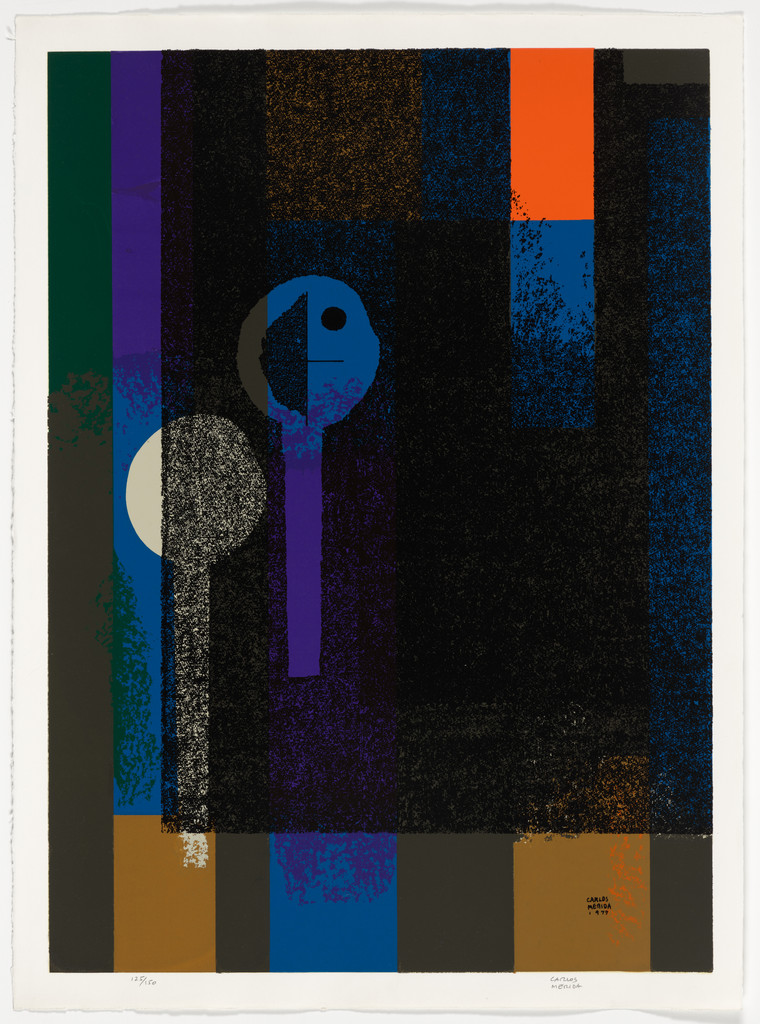
Twins (Gemelos) from Actualidad Gráfica-Panorama Artistico
1977, published 1978 · Non exposée · Museum of Modern Art

Untitled
n.d. · Non exposée · Art Institute of Chicago
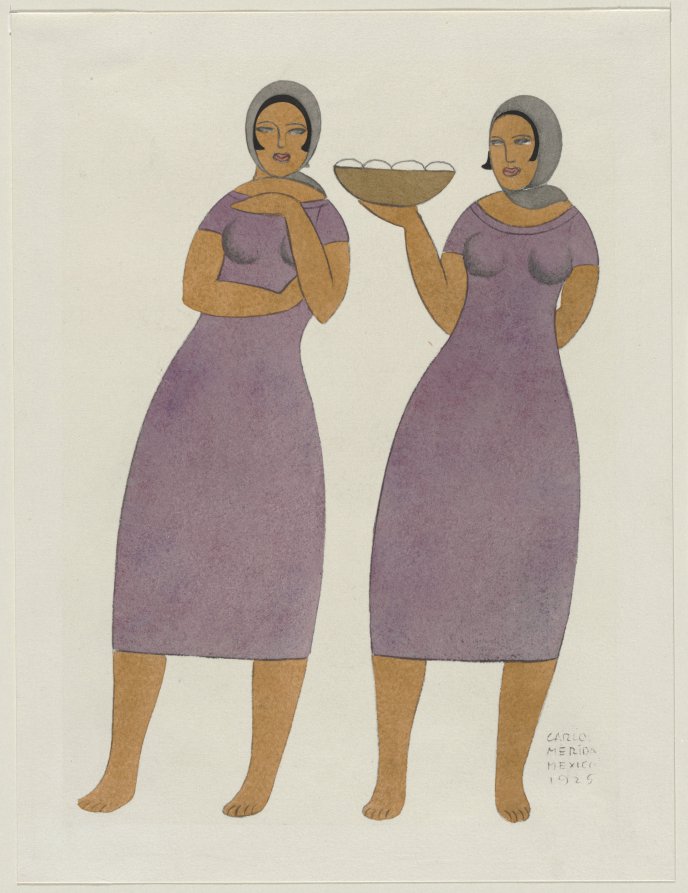
Two Girls with Bowl of Eggs
1925 · Non exposée · Cleveland Museum of Art
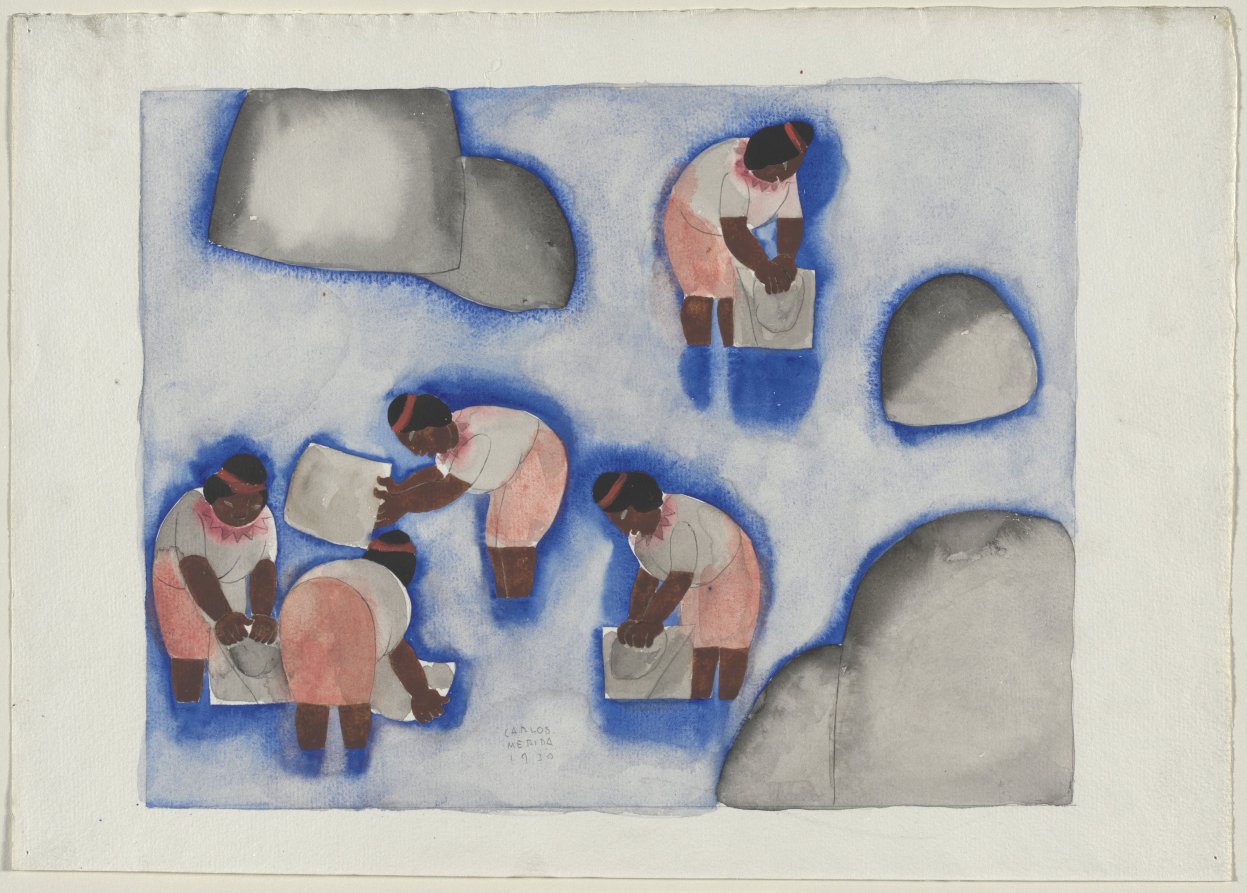
Guatemalan Women
1930 · Non exposée · Cleveland Museum of Art

Two Figures, Abstract
1934 · Non exposée · Art Institute of Chicago

Abstraction
1934 · Non exposée · Art Institute of Chicago

Abstraction
1934 · Non exposée · Art Institute of Chicago

Abstraction
1934 · Non exposée · Art Institute of Chicago

Untitled
1934 · Non exposée · National Gallery of Art

Untitled
1934 · Non exposée · National Gallery of Art

Untitled
1934 · Non exposée · National Gallery of Art

Untitled
1934 · Non exposée · National Gallery of Art

Mayan Motif No. 1
1937 · Non exposée · Art Institute of Chicago
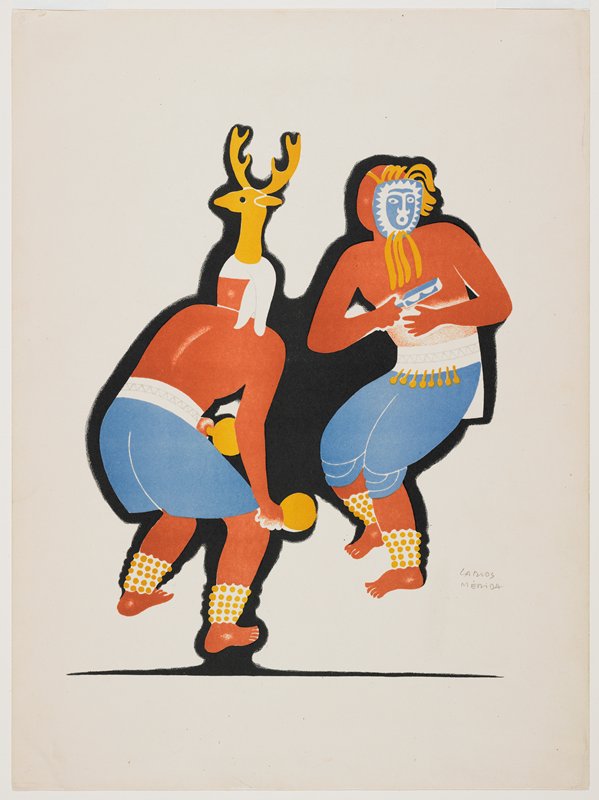
Dance of the Pascola and the Deer
1937 · Non exposée · Minneapolis Institute of Art
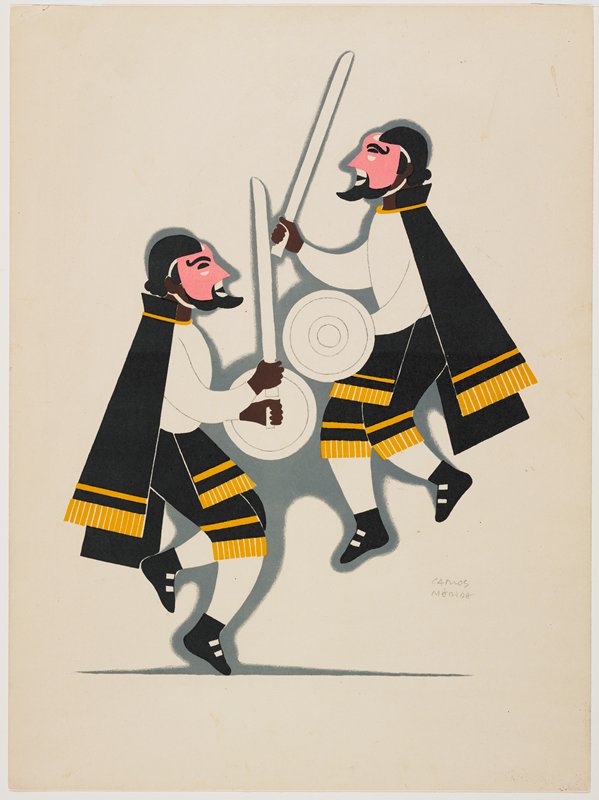
Dance of the Santiagos
1937 · Non exposée · Minneapolis Institute of Art
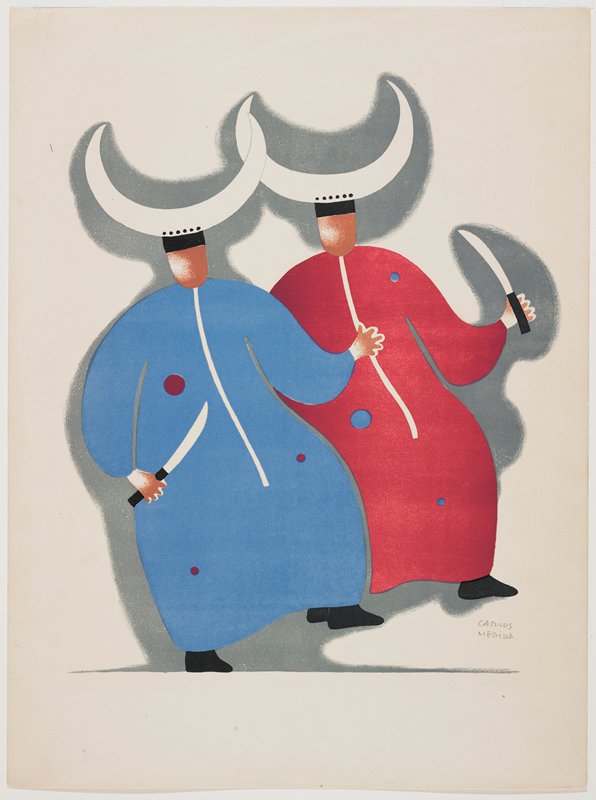
Dance of the Half Moon
1937 · Non exposée · Minneapolis Institute of Art
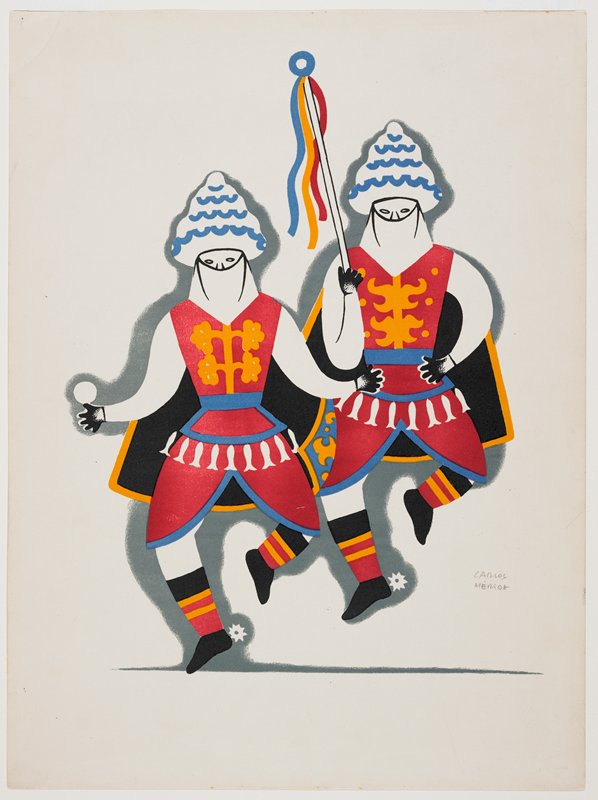
Dance of the Moors
1937 · Non exposée · Minneapolis Institute of Art

Two Figures and a Circle
c. 1938 · Non exposée · Art Institute of Chicago

Four Muses Equally Distant from a Crutch
1939 · Non exposée · Art Institute of Chicago

Plastic Invention on the Theme of Love
1939 · Non exposée · Art Institute of Chicago

Totonacs of the State of Veracruz, from Mexican Costume
printed 1941 · Non exposée · Art Institute of Chicago

Chinantecs of the State of Oaxaca, from Mexican Costume
printed 1941 · Non exposée · Art Institute of Chicago

Mixe of the State of Oaxaca, from Mexican Costume
printed 1941 · Non exposée · Art Institute of Chicago

Yalaltecs of the State of Oaxaca, from Mexican Costume
1941 · Non exposée · Art Institute of Chicago

Mestizos of the State of Yucatan, from Mexican Costume
1941 · Non exposée · Art Institute of Chicago

Otomies of the State of Puebla, from Mexican Costume
printed 1941 · Non exposée · Art Institute of Chicago

Huicholes of the States of Nayarit and Jalisco, from Mexican Costume
1941 · Non exposée · Art Institute of Chicago

Chamulas of the State of Chiapas, from Mexican Costume
1941 · Non exposée · Art Institute of Chicago

Mixe of the State of Oaxaca, from Mexican Costume
1941 · Non exposée · Art Institute of Chicago

Aztecs of the State of Mexico, from Mexican Costume
printed 1941 · Non exposée · Art Institute of Chicago

Totonacs of the State of Veracruz, from Mexican Costume
1941 · Non exposée · Art Institute of Chicago

Tarahumares of the State of Chihuahua, from Mexican Costume
1941 · Non exposée · Art Institute of Chicago

The Sarape and the Rebezo, from Mexican Costume
1941 · Non exposée · Art Institute of Chicago

Toltecs of the State of Puebla, from Mexican Costume
printed 1941 · Non exposée · Art Institute of Chicago

Tarascans of the State of Michoacán (B), from Mexican Costume
printed 1941 · Non exposée · Art Institute of Chicago

Yalaltecs of the State of Oaxaca, from Mexican Costume
printed 1941 · Non exposée · Art Institute of Chicago

Mixtecs of the State of Oaxaca, from Mexican Costume
1941 · Non exposée · Art Institute of Chicago

Hueyapan of the State of Puebla, from Mexican Costume
printed 1941 · Non exposée · Art Institute of Chicago

Huastecs of the State of San Luis Potosi, from Mexican Costume
1941 · Non exposée · Art Institute of Chicago

Huicholes of the States of Nayarit and Jalisco, from Mexican Costume
printed 1941 · Non exposée · Art Institute of Chicago

Zapotecs of the State of Oaxaca (A), from Mexican Costume
1941 · Non exposée · Art Institute of Chicago

Huastecs of the State of San Luis Potosi, from Mexican Costume
printed 1941 · Non exposée · Art Institute of Chicago

Mixtecs of the State of Oaxaca, from Mexican Costume
printed 1941 · Non exposée · Art Institute of Chicago

Hueyapan of the State of Puebla, from Mexican Costume
1941 · Non exposée · Art Institute of Chicago

Mazatecs of the State of Oaxaca, from Mexican Costume
1941 · Non exposée · Art Institute of Chicago

Zapotecs of the State of Oaxaca (B), from Mexican Costume
printed 1941 · Non exposée · Art Institute of Chicago

The Sarape and the Rebezo, from Mexican Costume
printed 1941 · Non exposée · Art Institute of Chicago

Charros from the States of Hidalgo, Jalisco, Puebla, and the Federal District, from Mexican Costume
printed 1941 · Non exposée · Art Institute of Chicago

Otomies of the States of Hidalgo, Mexico, Tlaxcala and Puebla, from Mexican Costume
1941 · Non exposée · Art Institute of Chicago

Mazatecs of the State of Oaxaca, from Mexican Costume
printed 1941 · Non exposée · Art Institute of Chicago

Zapotecs of the State of Oaxaca (B), from Mexican Costume
1941 · Non exposée · Art Institute of Chicago

Chamulas of the State of Chiapas, from Mexican Costume
printed 1941 · Non exposée · Art Institute of Chicago

Tarahumares of the State of Chihuahua, from Mexican Costume
printed 1941 · Non exposée · Art Institute of Chicago

Tarascans of the State of Michoacán (A), from Mexican Costume
1941 · Non exposée · Art Institute of Chicago

Ozumazins of the State of Oaxaca, from Mexican Costume
printed 1941 · Non exposée · Art Institute of Chicago

Aztecs of the State of Mexico, from Mexican Costume
1941 · Non exposée · Art Institute of Chicago

Tzeltzales of the State of Chiapas, from Mexican Costume
printed 1941 · Non exposée · Art Institute of Chicago

Mestizos of the State of Yucatan, from Mexican Costume
printed 1941 · Non exposée · Art Institute of Chicago

Toltecs of the State of Puebla, from Mexican Costume
1941 · Non exposée · Art Institute of Chicago

Triques of the State of Oaxaca, from Mexican Costume
1941 · Non exposée · Art Institute of Chicago

Otomies of the States of Hidalgo, Mexico, Tlaxcala and Puebla, from Mexican Costume
printed 1941 · Non exposée · Art Institute of Chicago

Charros from the States of Hidalgo, Jalisco, Puebla, and the Federal District, from Mexican Costume
1941 · Non exposée · Art Institute of Chicago

Ozumazins of the State of Oaxaca, from Mexican Costume
1941 · Non exposée · Art Institute of Chicago

Tzeltzales of the State of Chiapas, from Mexican Costume
1941 · Non exposée · Art Institute of Chicago

Triques of the State of Oaxaca, from Mexican Costume
printed 1941 · Non exposée · Art Institute of Chicago

Chinantecs of the State of Oaxaca, from Mexican Costume
1941 · Non exposée · Art Institute of Chicago

Otomies of the State of Puebla, from Mexican Costume
1941 · Non exposée · Art Institute of Chicago

Zapotecs of the State of Oaxaca (A), from Mexican Costume
printed 1941 · Non exposée · Art Institute of Chicago

Tarascans of the State of Michoacán (B), from Mexican Costume
1941 · Non exposée · Art Institute of Chicago

Prints from the Popol-Vuh
1943 · Non exposée · Art Institute of Chicago

Prints from the Popol-Vuh
1943 · Non exposée · Art Institute of Chicago