ART WIKI32.979 en sala
MapaColecciónArtistasMuseosExposicionesRevista
Acceder

ART WIKI

Dónde cuelga la obra maestra y cuándo le dejan pasar.

Colecciones: Galería Nacional de Arte, Galería Nacional de Dinamarca, Galería Nacional de Retratos, Galería Tretiakov, Harvard Art Museums, Instituto de Arte de Chicago, Instituto de Artes de Mineápolis, MoMA, Museo de Arte de Cleveland, Museo de Victoria y Alberto, Museo del Hermitage, Museo del Louvre, Museo Estatal Ruso, Museo Hirshhorn y Jardín de Esculturas, Museo J. Paul Getty, Museo Metropolitano de Arte, Museo Pushkin, Museo Smithsoniano de Arte Americano, Museo Whitney de Arte Estadounidense, National Museum of Asian Art, Rijksmuseum, Villa Getty, Catálogo Estatal del Fondo Museístico de Rusia (274 museos), Europeana (19 museos), Wikidata (6 museos), Paris Musées (12 museos) y Joconde, la base de museos del Ministerio de Cultura de Francia (495 museos). Las imágenes pertenecen a sus titulares de derechos.

Secciones

  • Mapa
  • Búsqueda
  • Colección
  • Obras maestras
  • Expuestas ahora
  • Artistas

Más

  • Museos y galerías
  • Exposiciones
  • Revista
  • De dónde salen los datos
  • Privacidad y cookies
InicioMapaCatálogo
  1. Colección/
  2. Museo de Victoria y Alberto/
  3. Zephyr and Flora
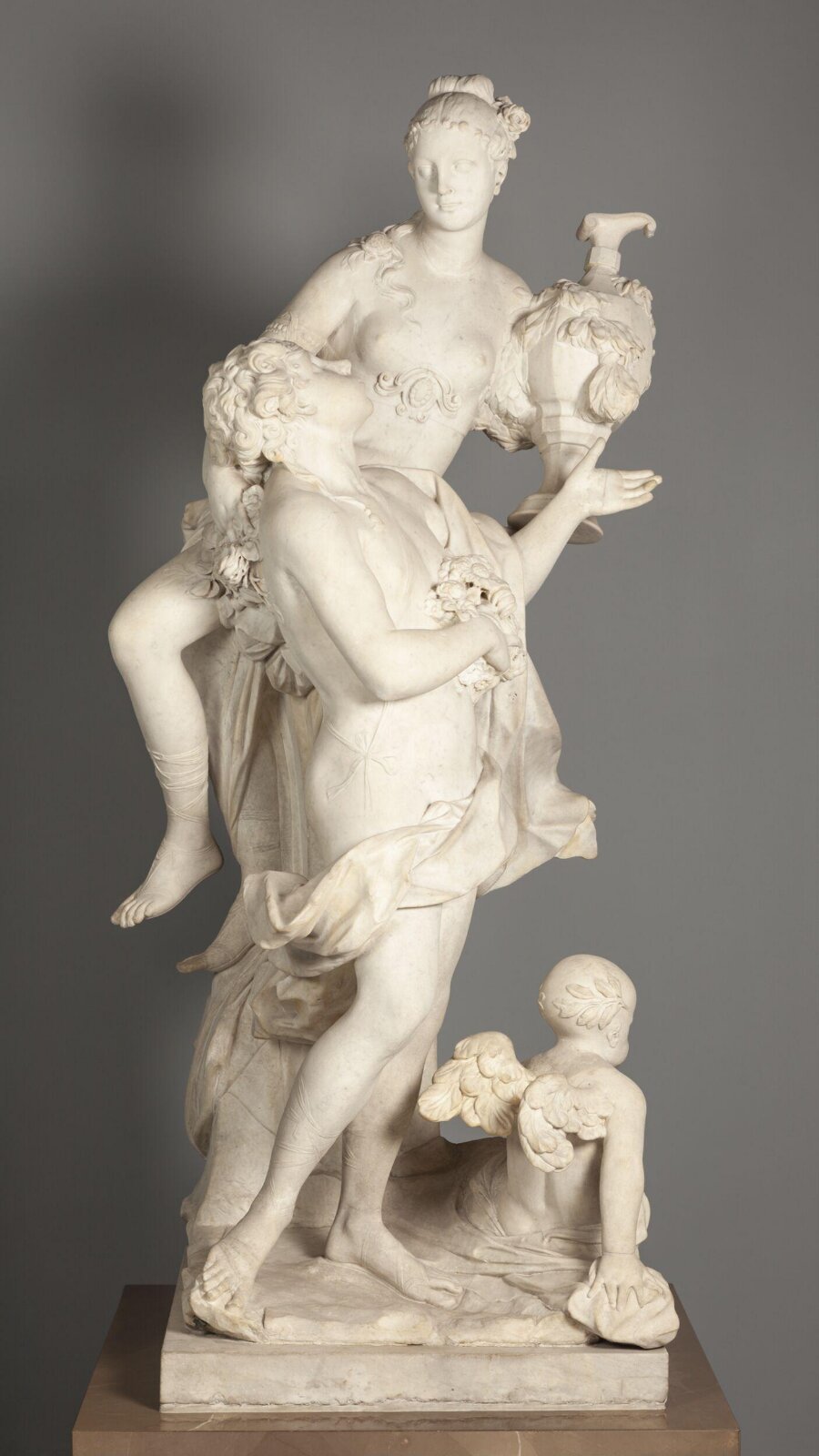
Zephyr and Flora, Antonio Corradini, ca. 1719-23
AAntonio CorradiniItalia, 1668–1752

Zephyr and Flora

ca. 1719-23 · Sculpture

Sobre la escultura

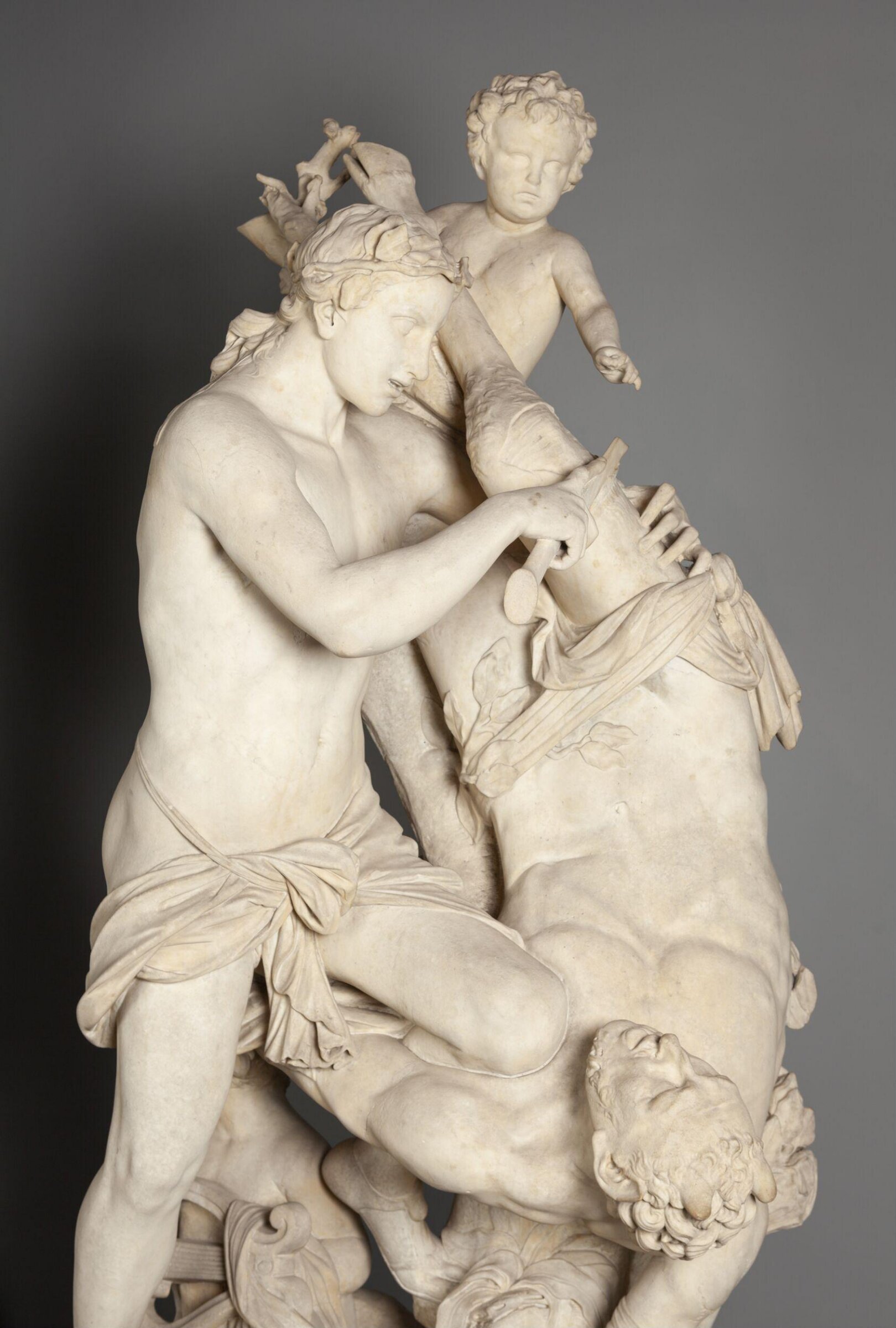
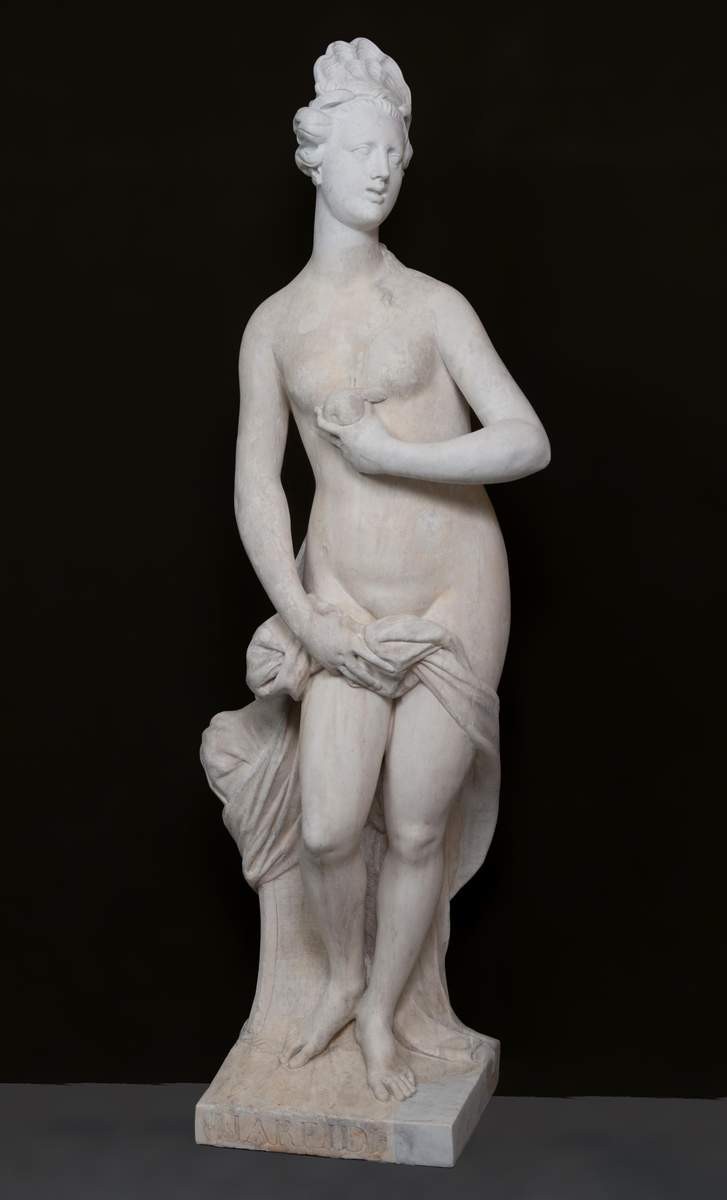
Flora was the Roman goddess of flowers, and the wife of Zephyr, the west wind of Springtime. Zephyr is shown blowing the Spring wind, and the flowers they hold represent the rebirth of nature which comes with the new season. This group and its companion, Apollo Flaying Marsyas (Museum no. A.6-1967), belonged to a series of garden sculptures supplied by Corradini to Augustus the Strong, King of Poland and Elector of Saxony, for his gardens in Dresden. Another group by Corradini fro the series, 'Truth and Sculpture', is now in the Château de Ferrières en Brie (near Paris).

Seguir leyendo

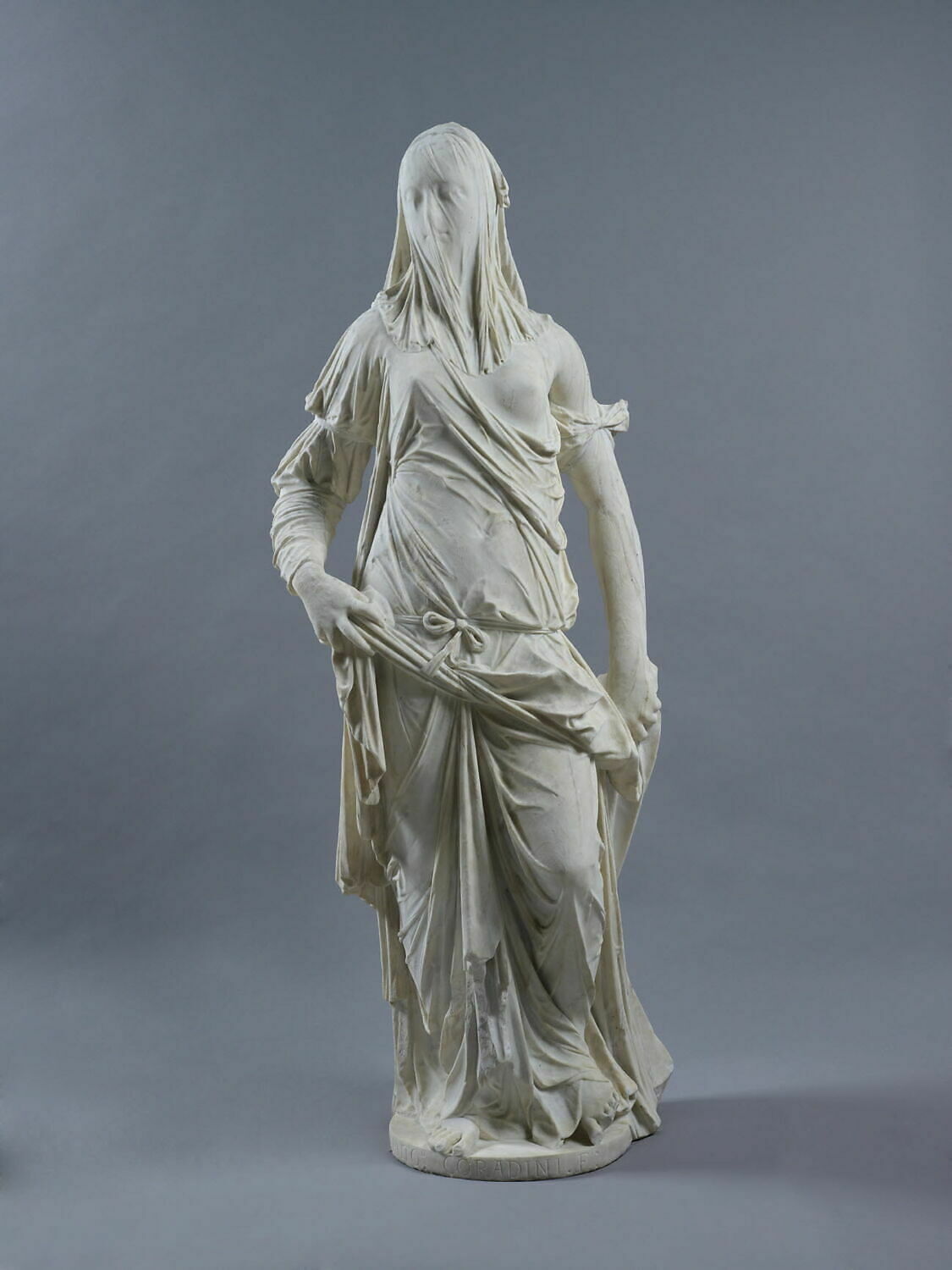
Corradini was a virtuoso sculptor of marble, and although he was mainly active in the Veneto, also worked in Vienna and Rome. He was particularly renowned for his statues of veiled or partially veiled figures, such as his Modesty of about 1750. This figure and Apollo Flaying Marsyas exemplify his elegant style, rooted in a classical language, but also incorporating a rococo lightness and movement. Such a style was well suited to garden sculpture in the 18th century.
Museo de Victoria y Alberto

Ficha

ca. 1719-23
16681752
Número de inventario
A.5-1967

Más obras de Antonio Corradini

Todas las obras

En la misma sala · Sculpture, Room 23, The Dorothy and Michael Hintze Galleries, Museo de Victoria y Alberto

Página del museo

Sobre el mismo tema · Flora

Todas las obras sobre el tema

¿Se puede contemplar?

Sí, recibe visitas

Museo de Victoria y Alberto

Londres, Reino Unido

SalaSculpture, Room 23, The Dorothy and Michael Hintze Galleries

Expuesta al público. Quién lo avala figura más abajo.

Comprobado
hace 13 días
En este estado desde
25 sept 2026
Fuente
El museo
En el mapaPágina del museo

Lo que muestra

FloraZephyrus

En el catálogo

EsculturaMármolBarrocoSiglo XVIIIItalia

Fuentes

  • Museo de Victoria y Alberto
  • Imagen: Museo de Victoria y Alberto — © Victoria and Albert Museum, London
Femme voilée (la Foi ?), Corradini, Antonio, 1700 - 1800

Femme voilée (la Foi ?)

1700 - 1800 · Museo del Louvre

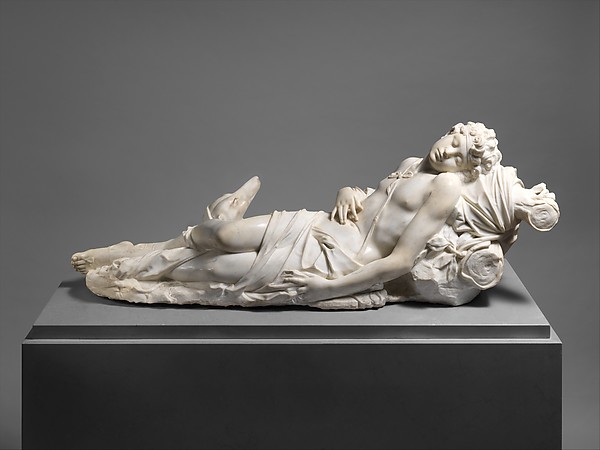
Adonis, Antonio Corradini, ca. 1723–25

Adonis

ca. 1723–25 · Museo Metropolitano de Arte

Apollo flaying Marsyas, Antonio Corradini, ca. 1719-23

Apollo flaying Marsyas

ca. 1719-23 · Museo de Victoria y Alberto

Apollo, Antonio Corradini

Apollo

Skulpturensammlung Dresden

Vestalin, Antonio Corradini, 1724

Vestalin

1724 · Skulpturensammlung Dresden

Нереида, Antonio Corradini, early 18th century

Нереида

early 18th century · Museo Estatal Ruso

Женщина под вуалью (фрагмент статуи "Вера"), бюст, Antonio Corradini, 1718-1719

Женщина под вуалью (фрагмент статуи "Вера"), бюст

1718-1719 · Palacio de Peterhof

Торс от статуи "Религия", Antonio Corradini, 1718-1719

Торс от статуи "Религия"

1718-1719 · Palacio de Peterhof

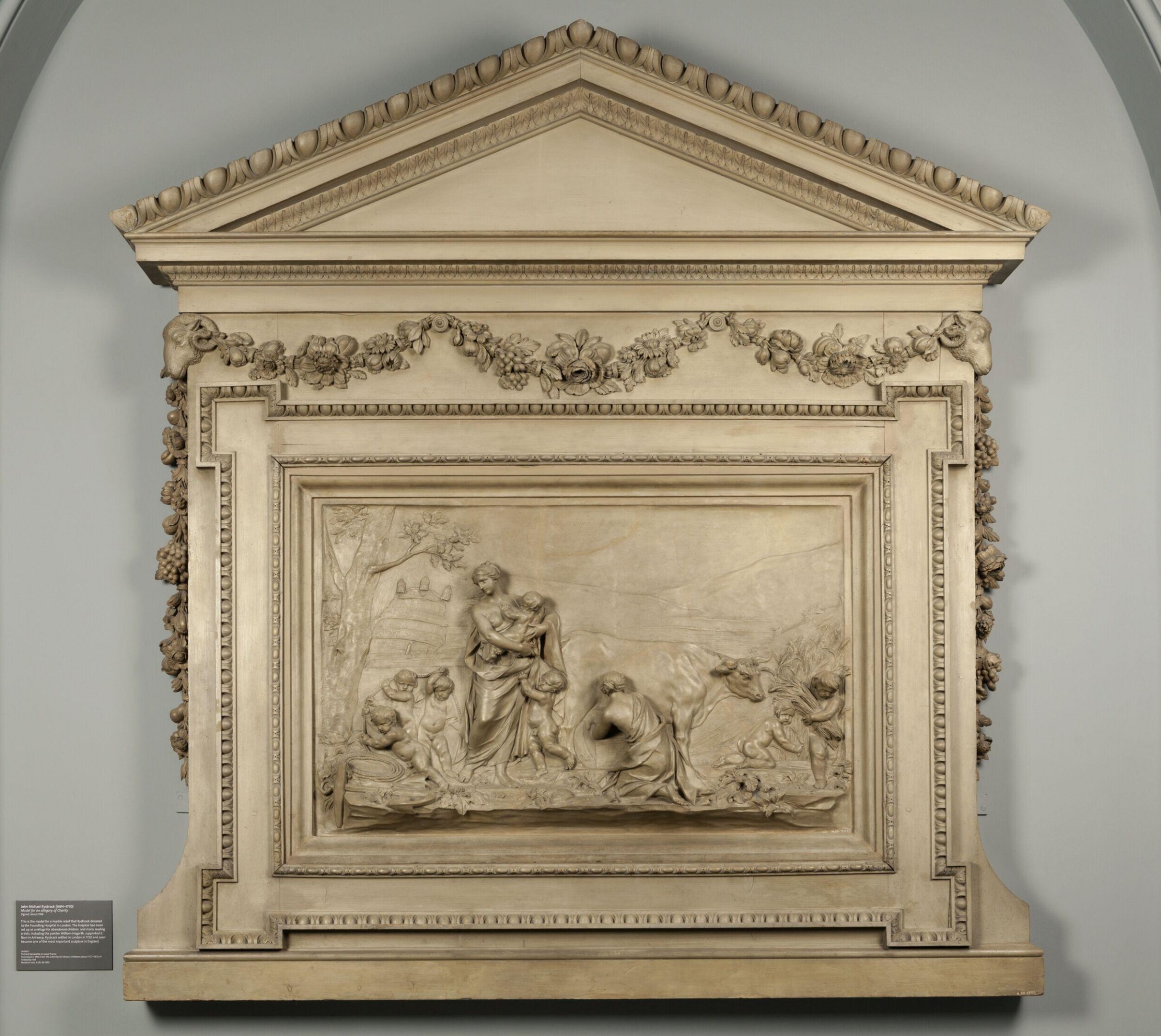
An Allegory of Charity, John Michael Rysbrack, ca. 1746

John Michael Rysbrack

An Allegory of Charity, ca. 1746

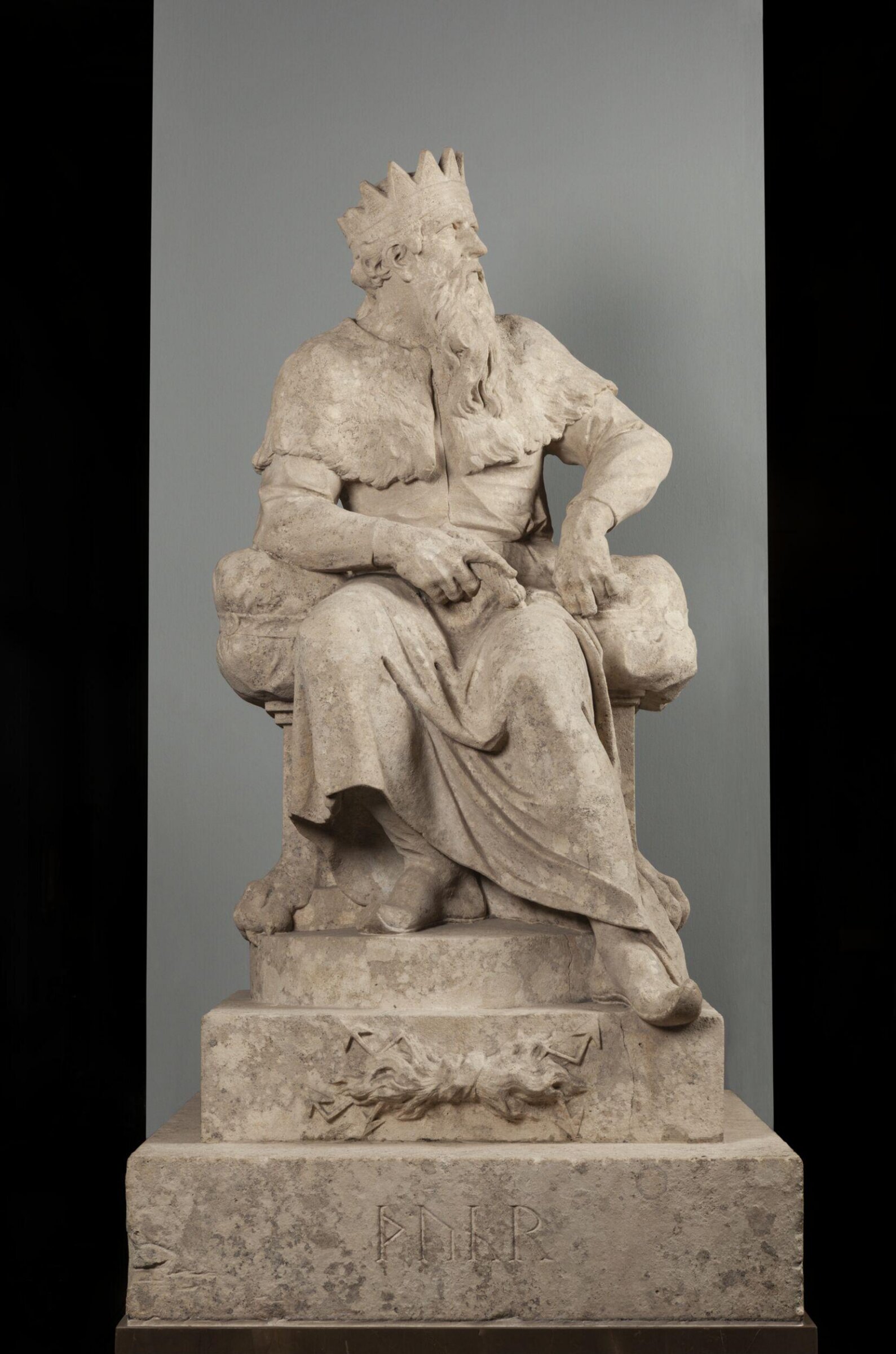
Thuner, John Michael Rysbrack, ca. 1728 - ca. 1730

John Michael Rysbrack

Thuner, ca. 1728 - ca. 1730

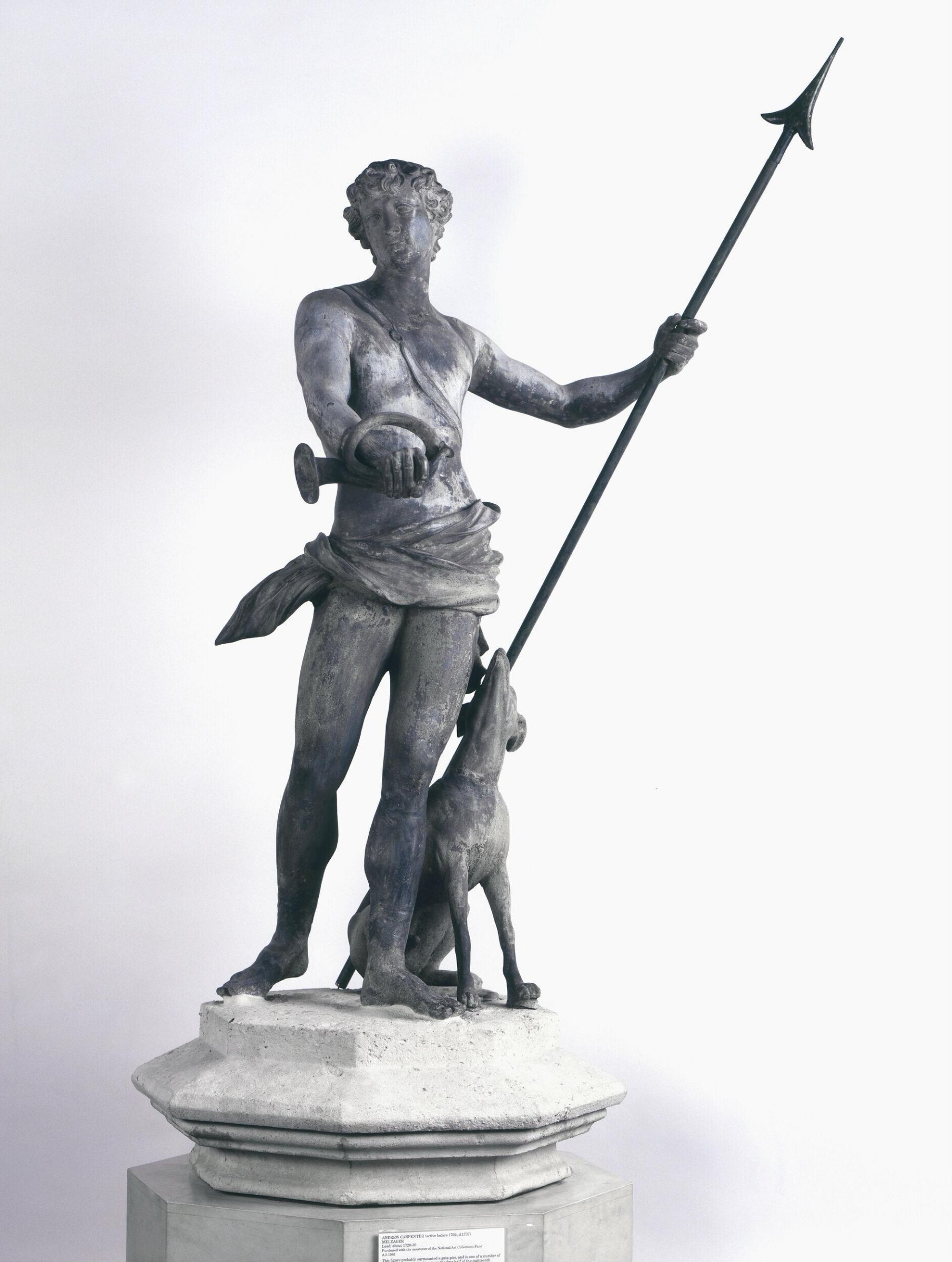
Meleager, Andrew Carpenter, 1720-1730

Andrew Carpenter

Meleager, 1720-1730

Apollo flaying Marsyas, Antonio Corradini, ca. 1719-23

Antonio Corradini

Apollo flaying Marsyas, ca. 1719-23

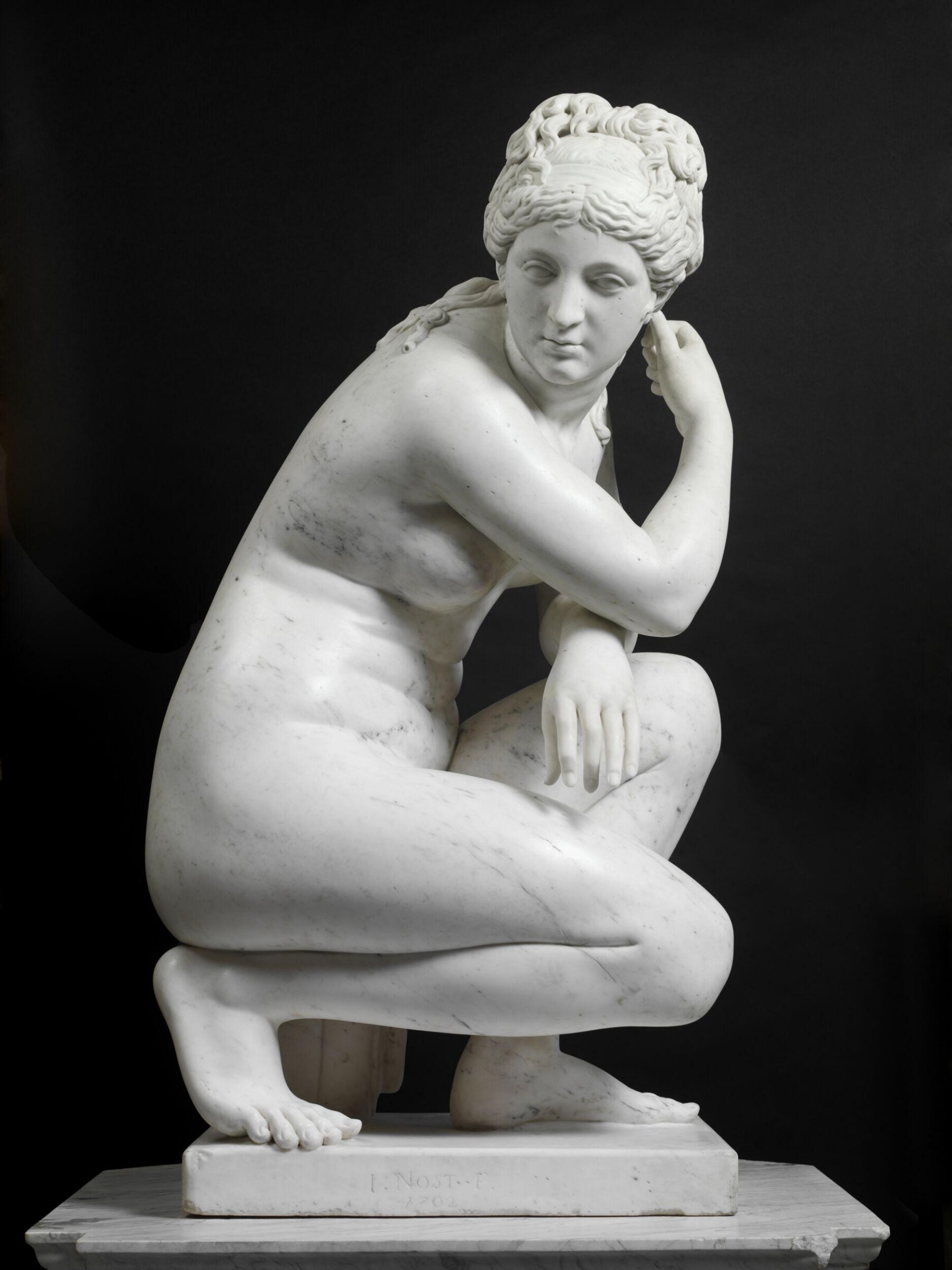
The Crouching Venus, John Nost the Elder, 1702

John Nost the Elder

The Crouching Venus, 1702

Boy Playing the Bagpipes, Caius Gabriel Cibber, ca. 1680-1690

Caius Gabriel Cibber

Boy Playing the Bagpipes, ca. 1680-1690

Saskia mit der roten Blume, Rembrandt, 1641

Rembrandt van Rijn

Saskia mit der roten Blume, 1641

Galería de Pinturas de los Maestros Antiguos

Das Reich der Flora, Nicolas Poussin, 1631

Nicolas Poussin

Das Reich der Flora, 1631

Galería de Pinturas de los Maestros Antiguos

Flora, Childe Hassam, 1929

Childe Hassam

Flora, 1929

No expuesta · Galería Nacional de Arte

Ciborium for the Sacrament, Florentine 15th Century, possibly after a model by Desiderio da Settignano, 1460s-c.1470 (stem with integral base); probably 1860s-c. 1870 (dome, enclosure, base beneath enclosure); 1870s (finial, bottom plinth)

Desiderio da Settignano

Ciborium for the Sacrament, 1460s-c.1470 (stem with integral base); probably 1860s-c. 1870 (dome, enclosure, base beneath enclosure); 1870s (finial, bottom plinth)

Galería Nacional de Arte

Flora, Hendrick van Balen the Elder, 1573–1750

Hendrik van Balen

Flora, 1573–1750

Galería de Pinturas de los Maestros Antiguos

Altar with a Female Bust, Andrea Briosco, called Riccio

Andrea Briosco, called Riccio

Altar with a Female Bust

No expuesta · Galería Nacional de Arte

The "Farnese Flora" at Stourhead, Samuel Woodforde

Samuel Woodforde

The "Farnese Flora" at Stourhead

No expuesta · Galería Nacional de Arte

Flora and Mercury, Giuseppe Diamantini, 1690/1700

Giuseppe Diamantini

Flora and Mercury, 1690/1700

No expuesta · Galería Nacional de Arte