ART WIKI32.963 en sala
MapaColecciónArtistasMuseosExposicionesRevista
Acceder

ART WIKI

Dónde cuelga la obra maestra y cuándo le dejan pasar.

Colecciones: Galería Nacional de Arte, Galería Nacional de Dinamarca, Galería Nacional de Retratos, Galería Tretiakov, Harvard Art Museums, Instituto de Arte de Chicago, Instituto de Artes de Mineápolis, MoMA, Museo de Arte de Cleveland, Museo de Victoria y Alberto, Museo del Hermitage, Museo del Louvre, Museo Estatal Ruso, Museo Hirshhorn y Jardín de Esculturas, Museo J. Paul Getty, Museo Metropolitano de Arte, Museo Pushkin, Museo Smithsoniano de Arte Americano, Museo Whitney de Arte Estadounidense, National Museum of Asian Art, Rijksmuseum, Villa Getty, Catálogo Estatal del Fondo Museístico de Rusia (274 museos), Europeana (19 museos), Wikidata (6 museos), Paris Musées (12 museos) y Joconde, la base de museos del Ministerio de Cultura de Francia (495 museos). Las imágenes pertenecen a sus titulares de derechos.

Secciones

  • Mapa
  • Búsqueda
  • Colección
  • Obras maestras
  • Expuestas ahora
  • Artistas

Más

  • Museos y galerías
  • Exposiciones
  • Revista
  • De dónde salen los datos
  • Privacidad y cookies
InicioMapaCatálogo
  1. Colección/
  2. Museo de Victoria y Alberto/
  3. The Crouching Venus
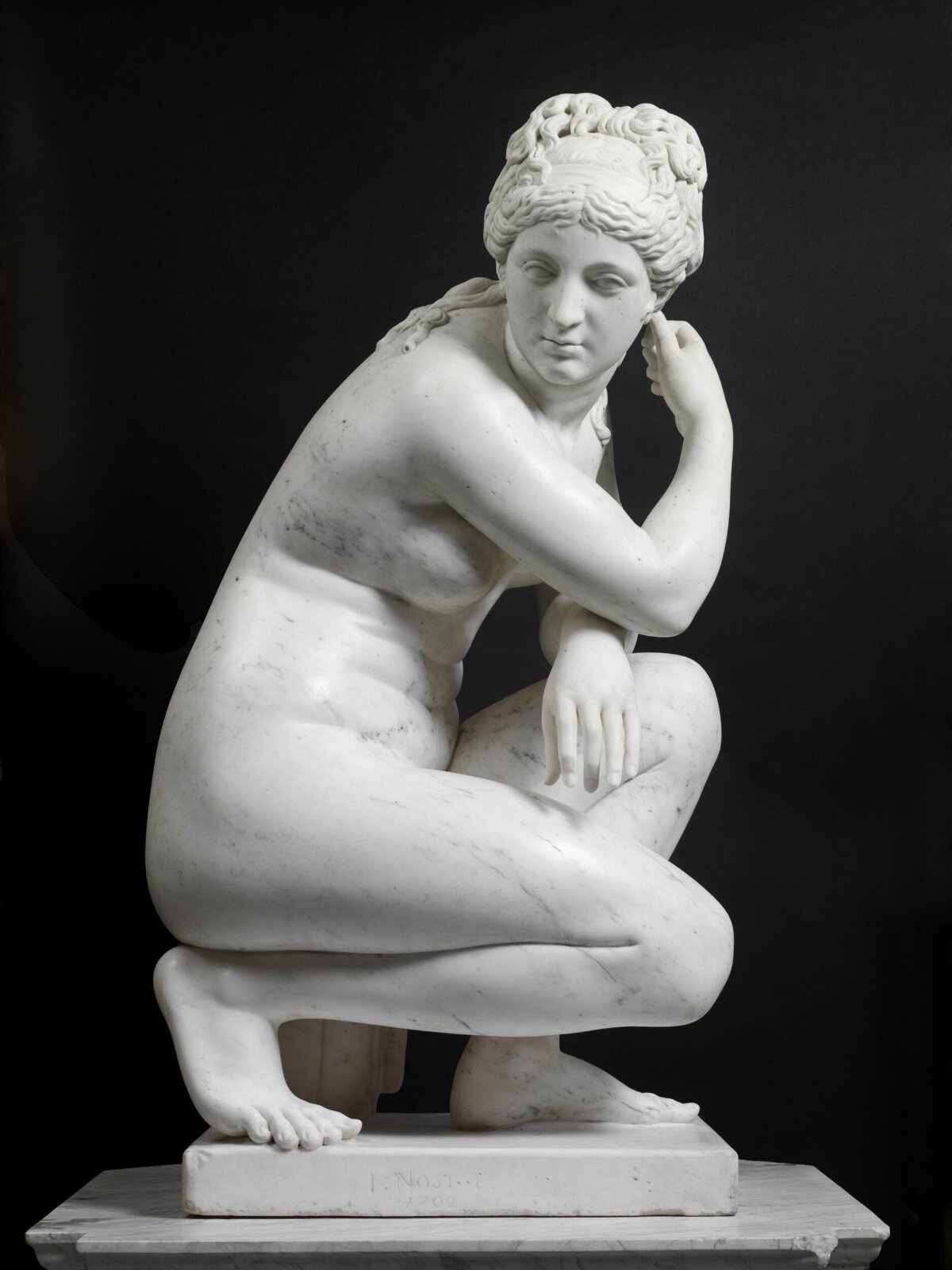
The Crouching Venus, John Nost the Elder, 1702

The Crouching Venus

1702 · Statue · 122 × 64 cm

Sobre la escultura

The Crouching Venus is a remarkable instance of John Nost the Elder’s (ca. 1655-1710) assured carving, and is a rare surviving example of a classical subject by the artist in marble. The sculpture's scale and accomplishment give it a grandeur and presence which were truly exceptional at that date in Britain. Like the antique prototype, Venus is depicted ineffectually attempting to cover her nakedness, her gesture only succeeding in drawing attention to her sensual body. The goddess is thought to be bathing, or possibly adjusting her hair, and caught unawares. Nost’s sculpture suggests the sophisticated level of patronage of the wealthy gentry in Britain at the start of the eighteenth century, and tantalisingly evokes the way in which interiors of eighteenth-century country houses were adorned with sculpture.

Museo de Victoria y Alberto

Ficha

Número de inventario
A.5-2012

En la misma sala · Sculpture, Room 23, The Dorothy and Michael Hintze Galleries, Museo de Victoria y Alberto

Página del museo
JJohn Nost the Elder

¿Se puede contemplar?

Sí, recibe visitas

Museo de Victoria y Alberto

Londres, Reino Unido

SalaSculpture, Room 23, The Dorothy and Michael Hintze Galleries

Expuesta al público. Quién lo avala figura más abajo.

Comprobado
hace 12 días
En este estado desde
25 sept 2026
Fuente
El museo
En el mapaPágina del museo

En el catálogo

EsculturaBarrocoSiglo XVIIILondres

Fuentes

  • Museo de Victoria y Alberto
  • Imagen: Museo de Victoria y Alberto — © Victoria and Albert Museum, London
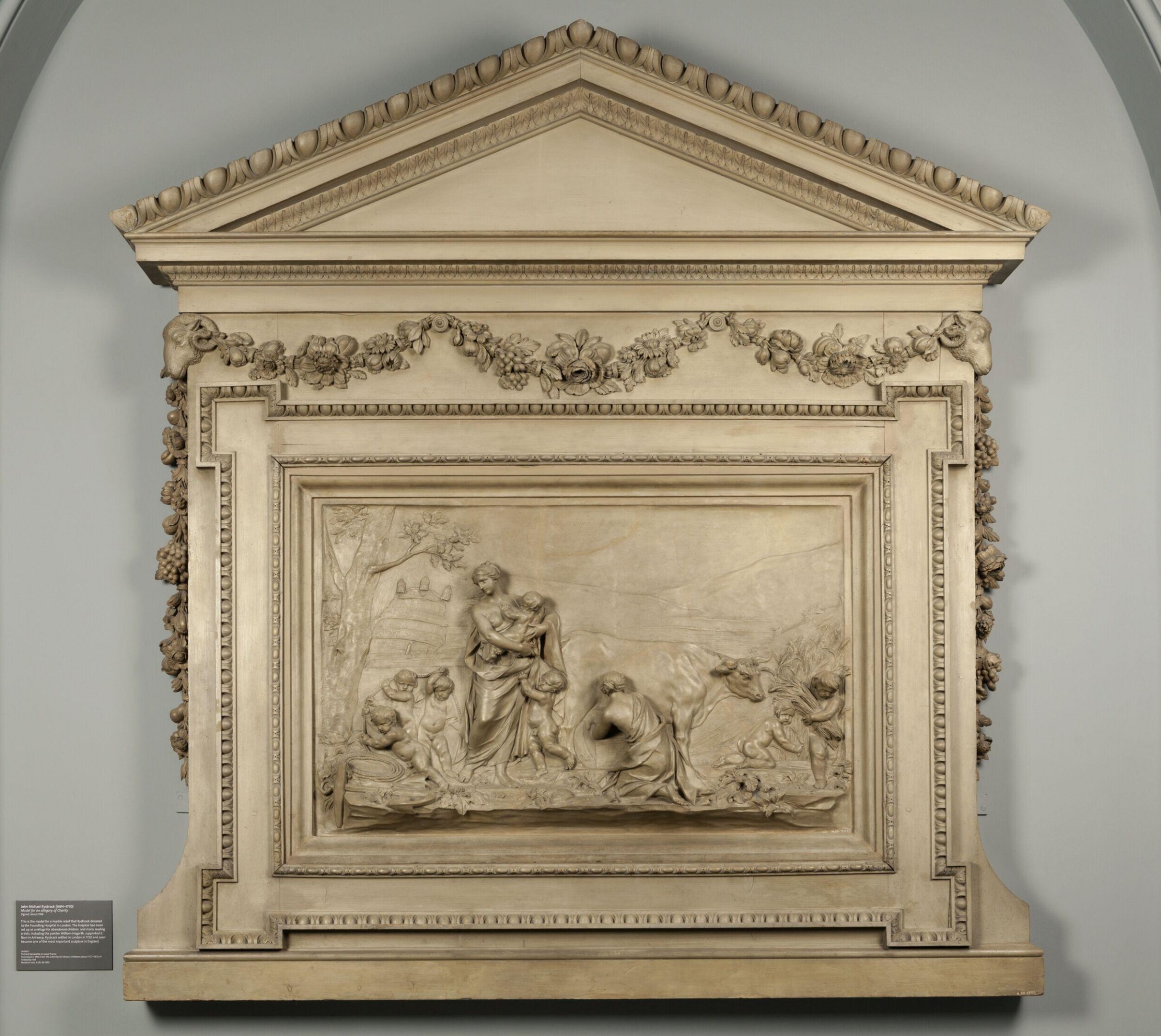
An Allegory of Charity, John Michael Rysbrack, ca. 1746

John Michael Rysbrack

An Allegory of Charity, ca. 1746

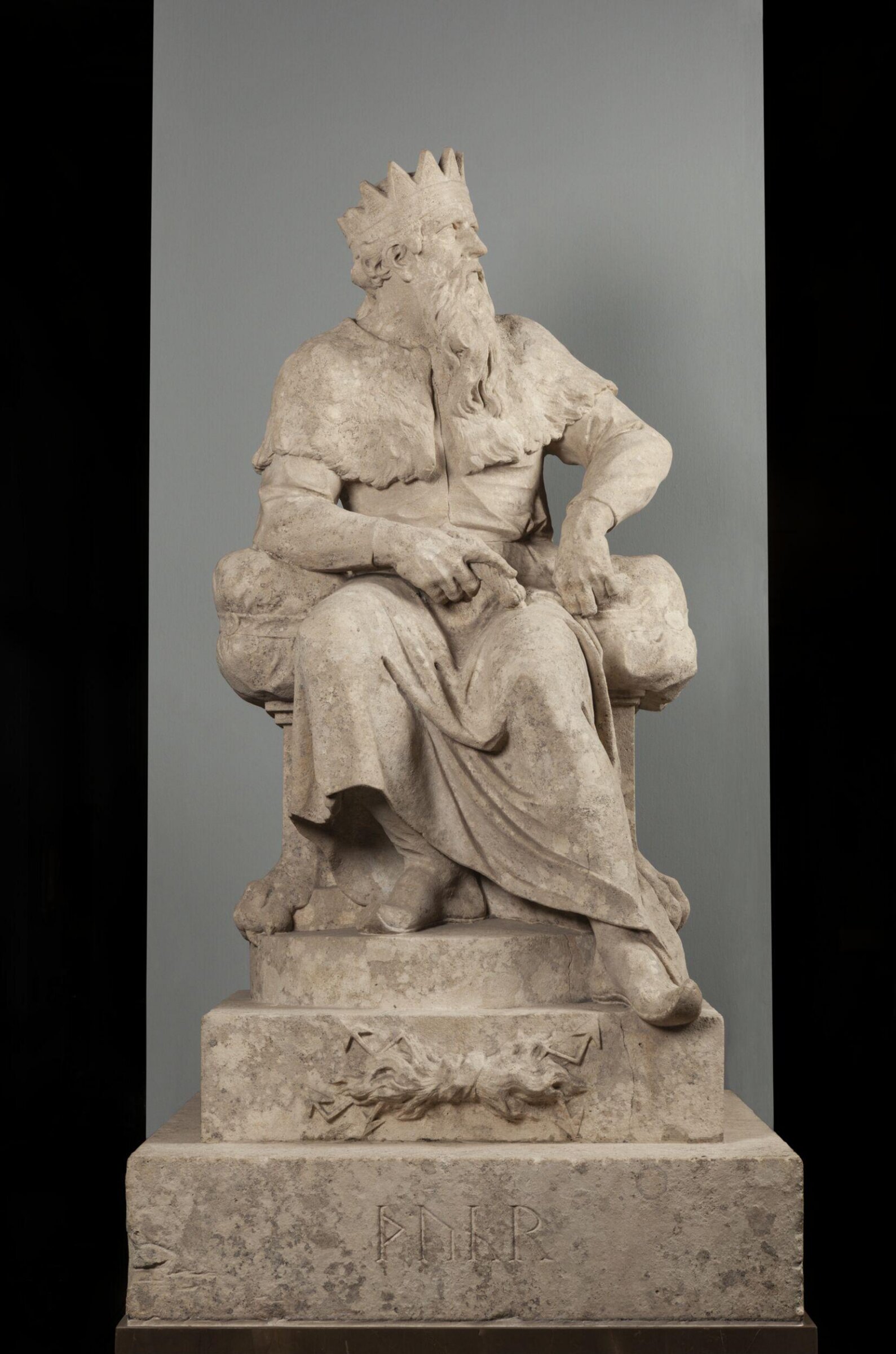
Thuner, John Michael Rysbrack, ca. 1728 - ca. 1730

John Michael Rysbrack

Thuner, ca. 1728 - ca. 1730

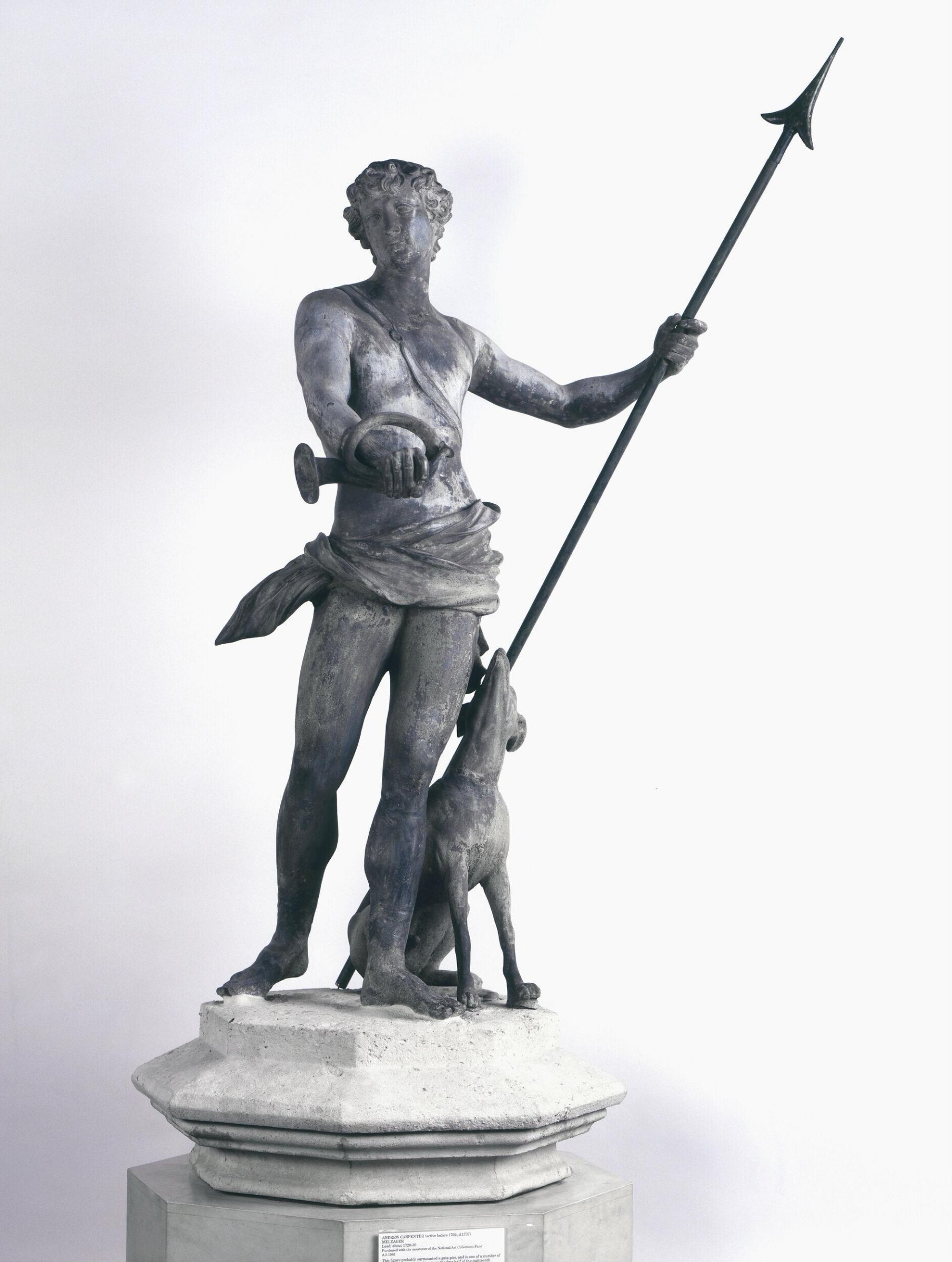
Meleager, Andrew Carpenter, 1720-1730

Andrew Carpenter

Meleager, 1720-1730

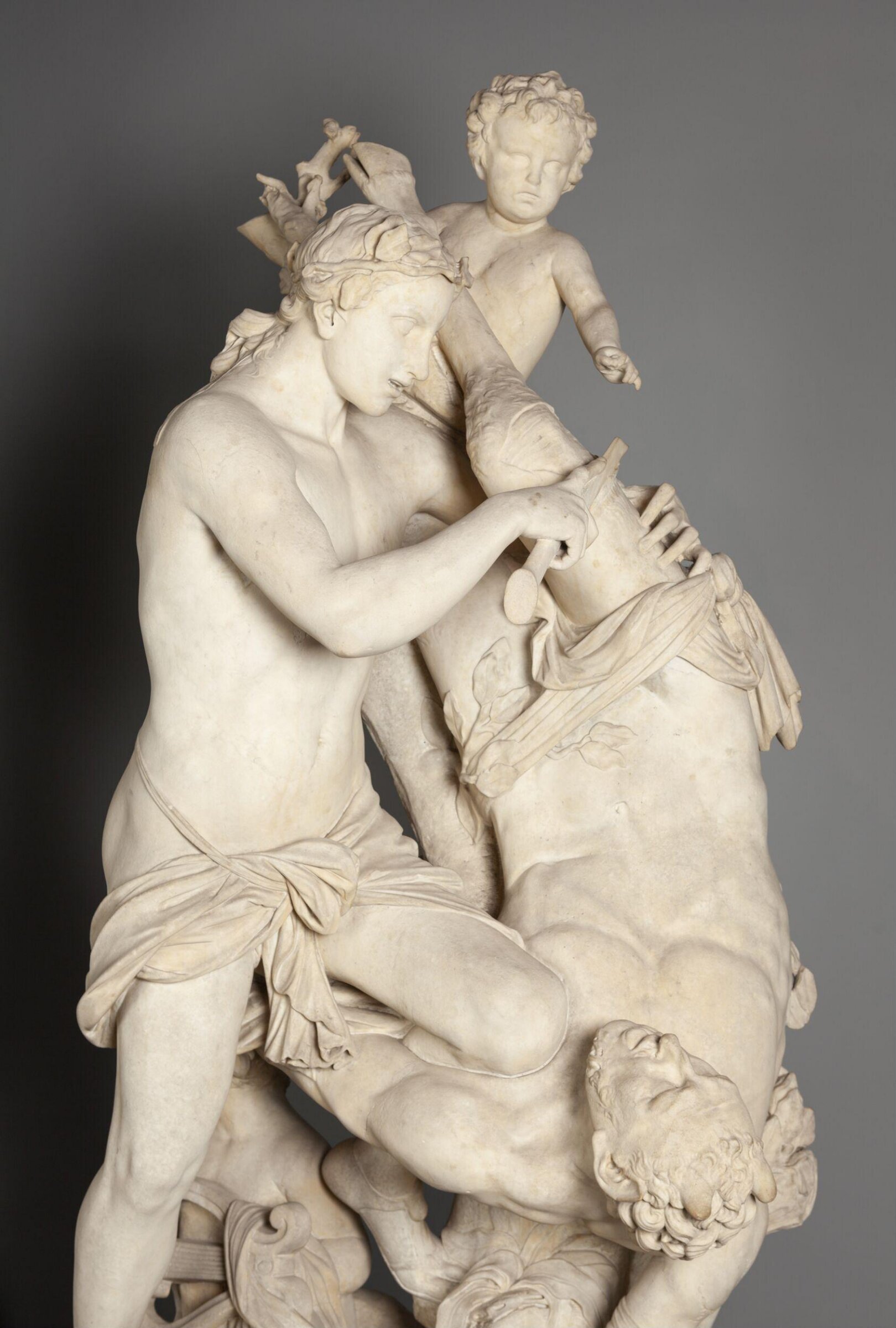
Apollo flaying Marsyas, Antonio Corradini, ca. 1719-23

Antonio Corradini

Apollo flaying Marsyas, ca. 1719-23

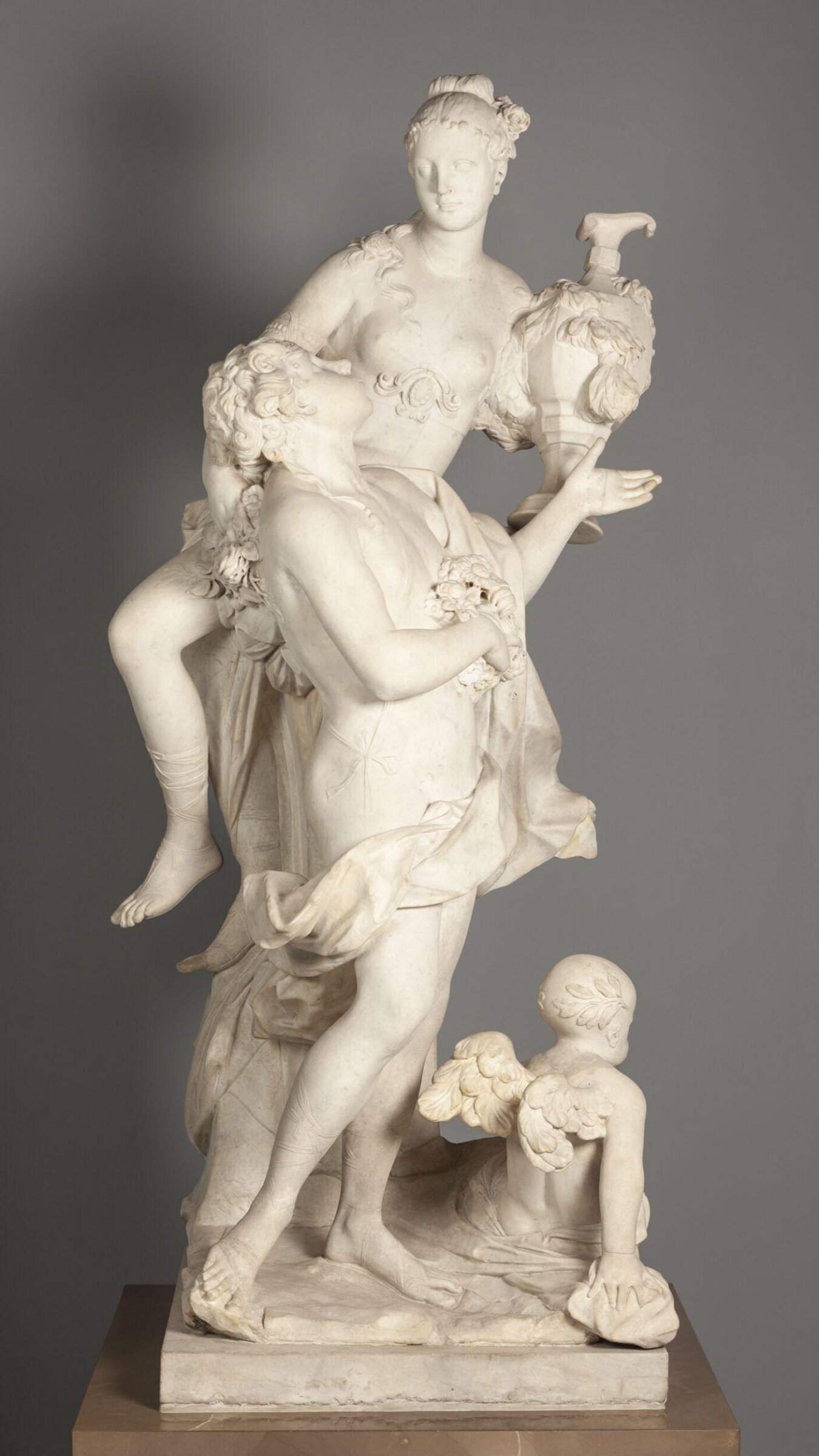
Zephyr and Flora, Antonio Corradini, ca. 1719-23

Antonio Corradini

Zephyr and Flora, ca. 1719-23

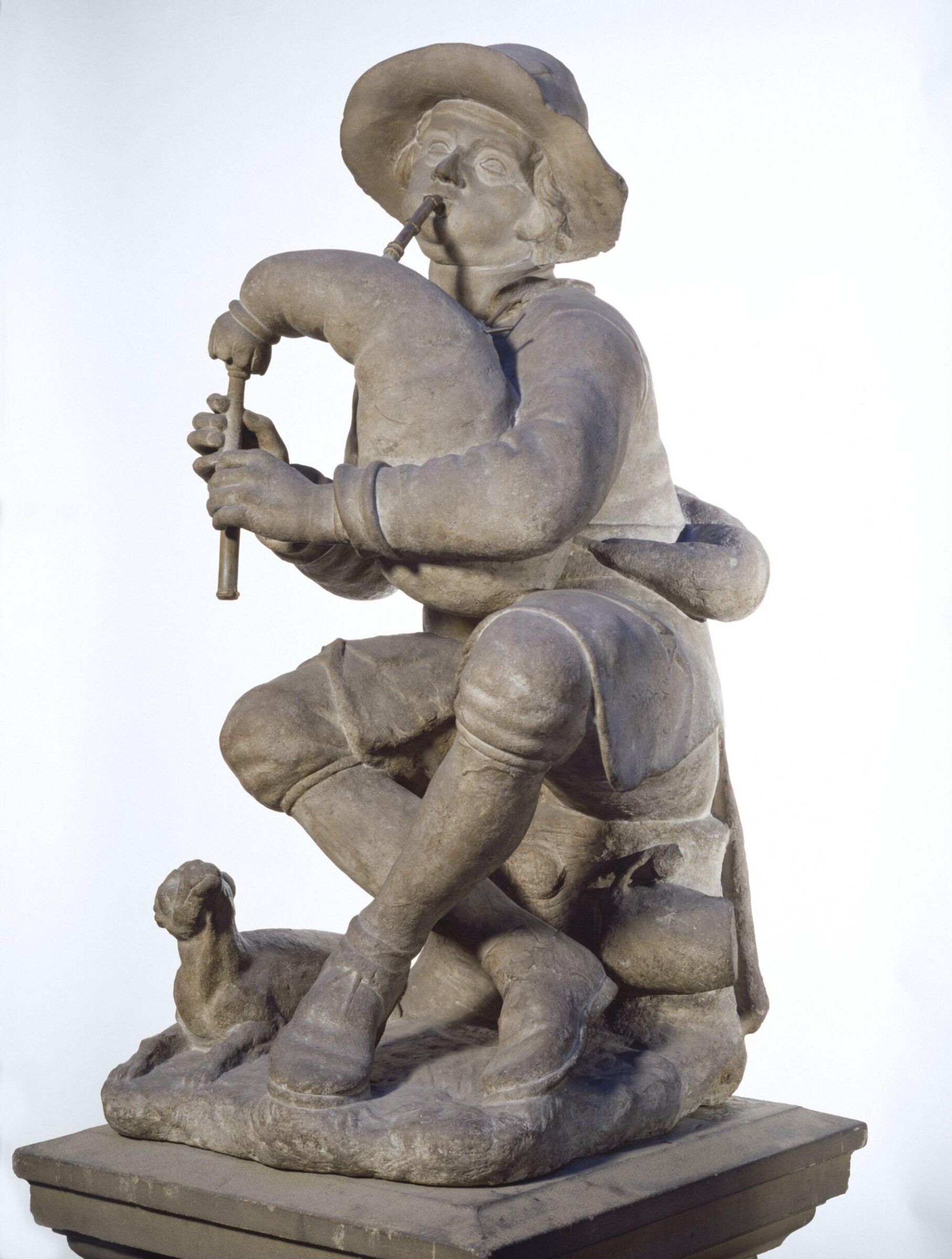
Boy Playing the Bagpipes, Caius Gabriel Cibber, ca. 1680-1690

Caius Gabriel Cibber

Boy Playing the Bagpipes, ca. 1680-1690