The search for novel subjects spurred on artists to visit ever more remote places. The archaeological discoveries of Sir Charles Fellows in what had been ancient Lycia (now part of south western Turkey) revealed the cities, buildings and tombs of an ancient non-Greek people, about whom little was known, although the Lycians appear briefly in various Greek histories. In the mid part of the 19th century some parts of the Anatolian coast were only accessible by boat. Fellows mapped the sites of the cities of Xanthus, Pinara, Patara, Tlos, Myra, and Olympus, and collected a large number of Lycian antiquities. With the aid of the British Navy, (and some Government funding) and a large contingent of carpenters, masons and seamen, he shipped them back to England, where they were displayed in the British Museum. The most famous monuments still on display there from Xanthus are the reliefs from the Harpy Tomb, and the Nereid monument.
Read on
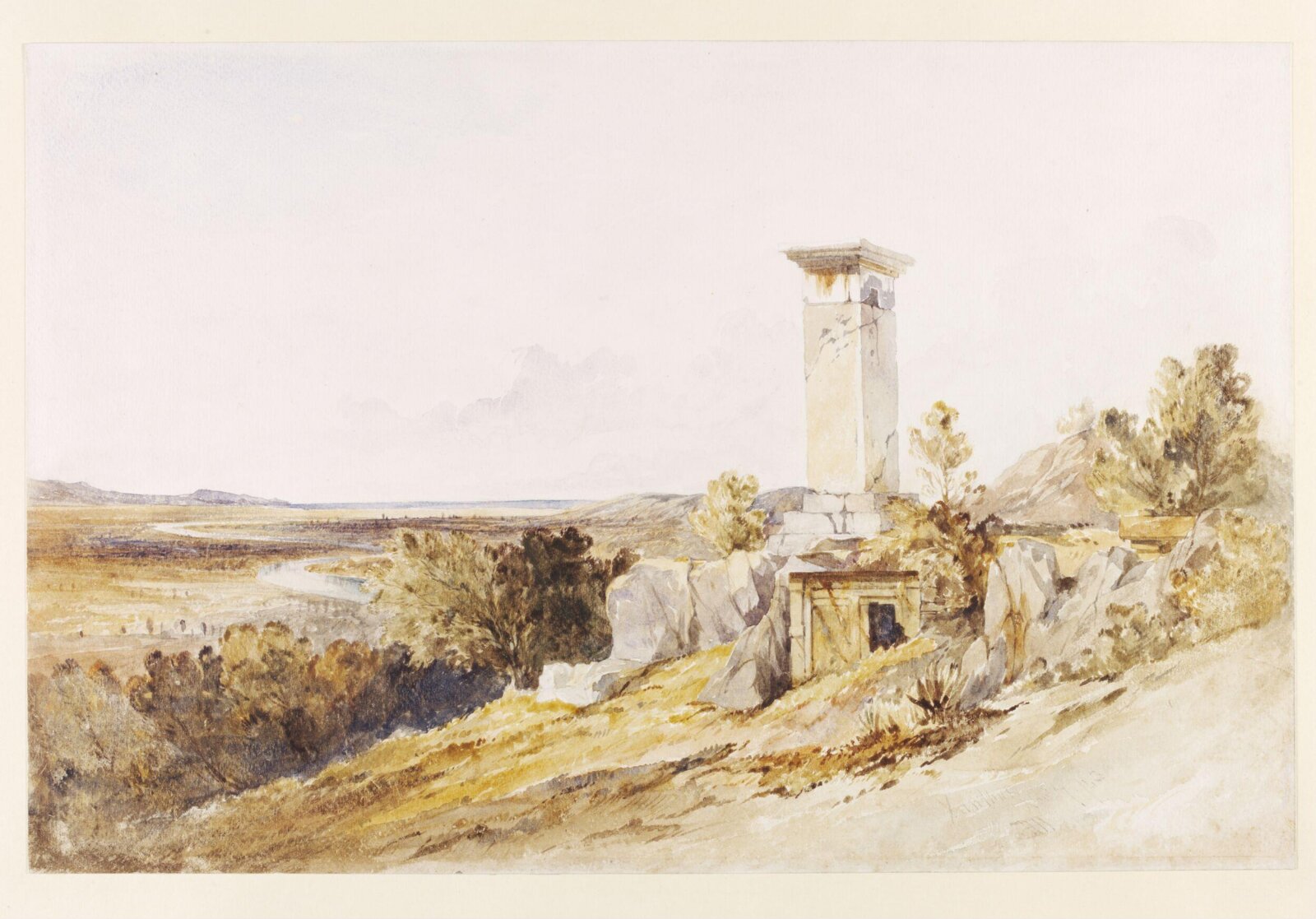
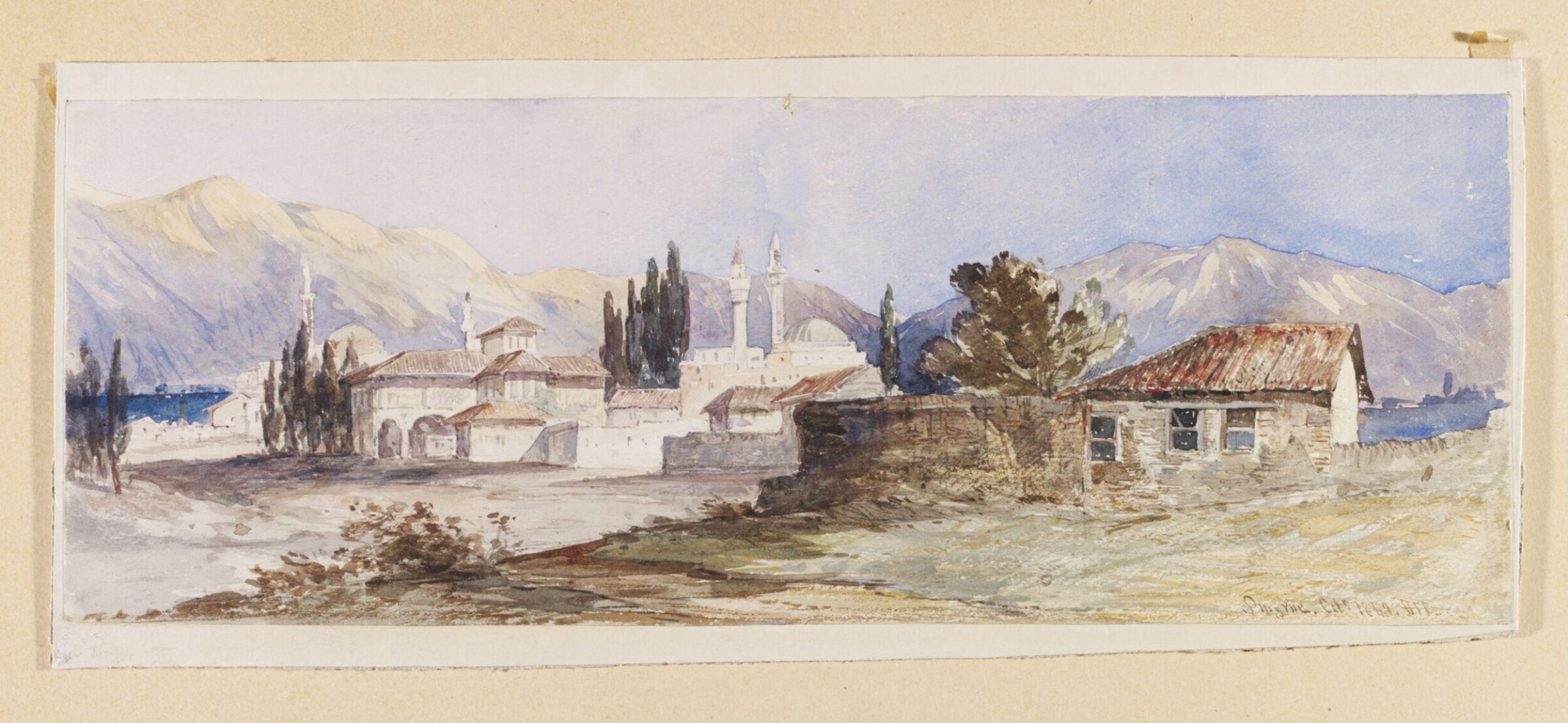
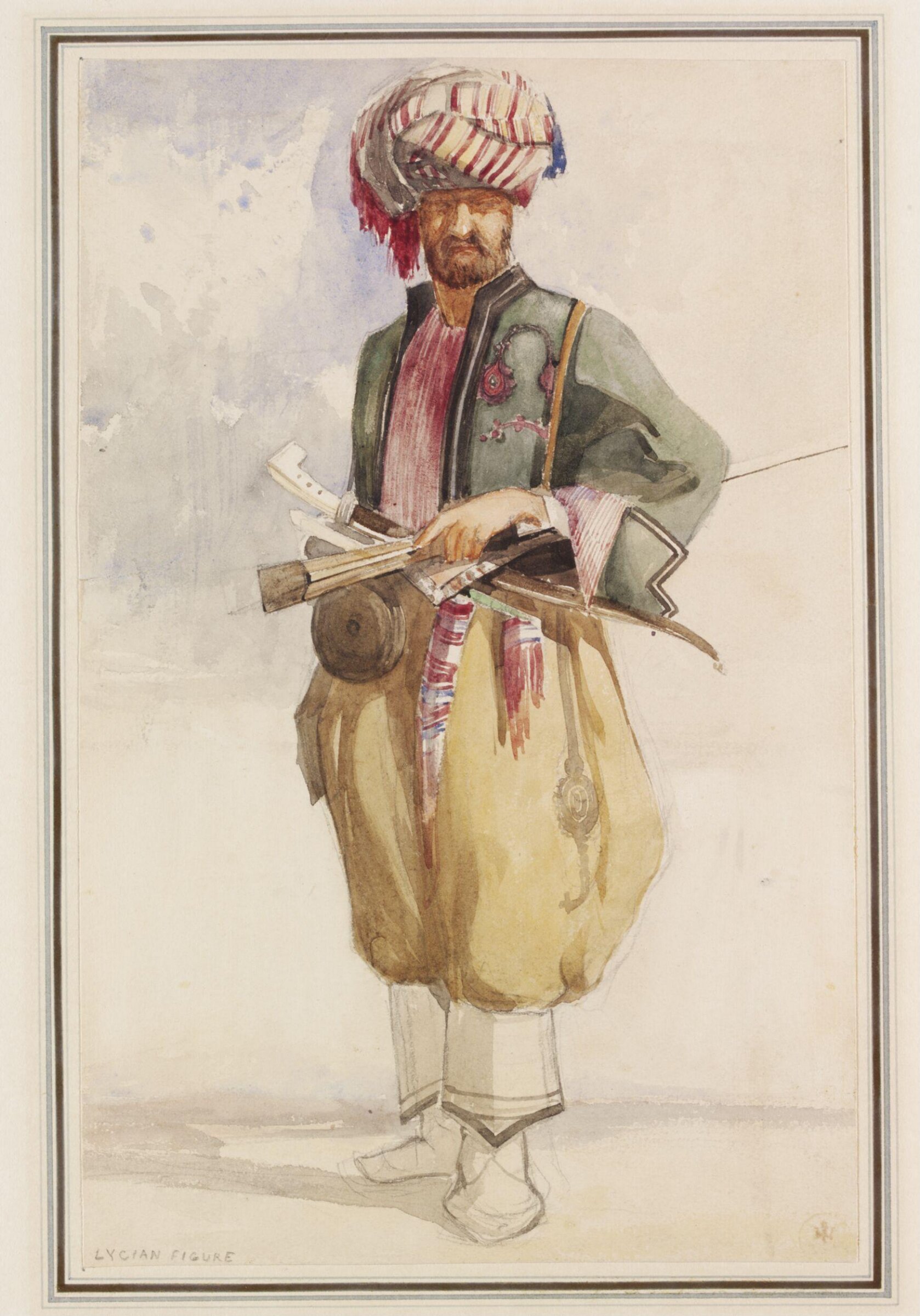
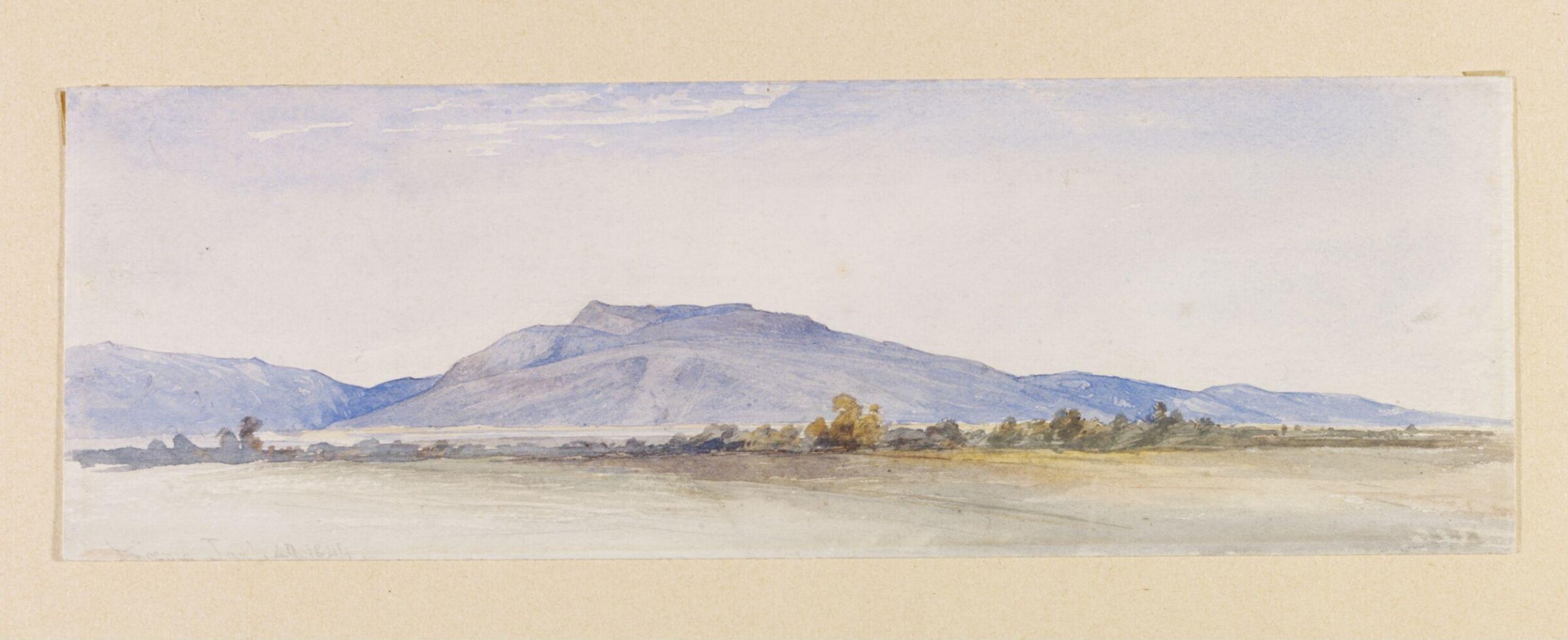
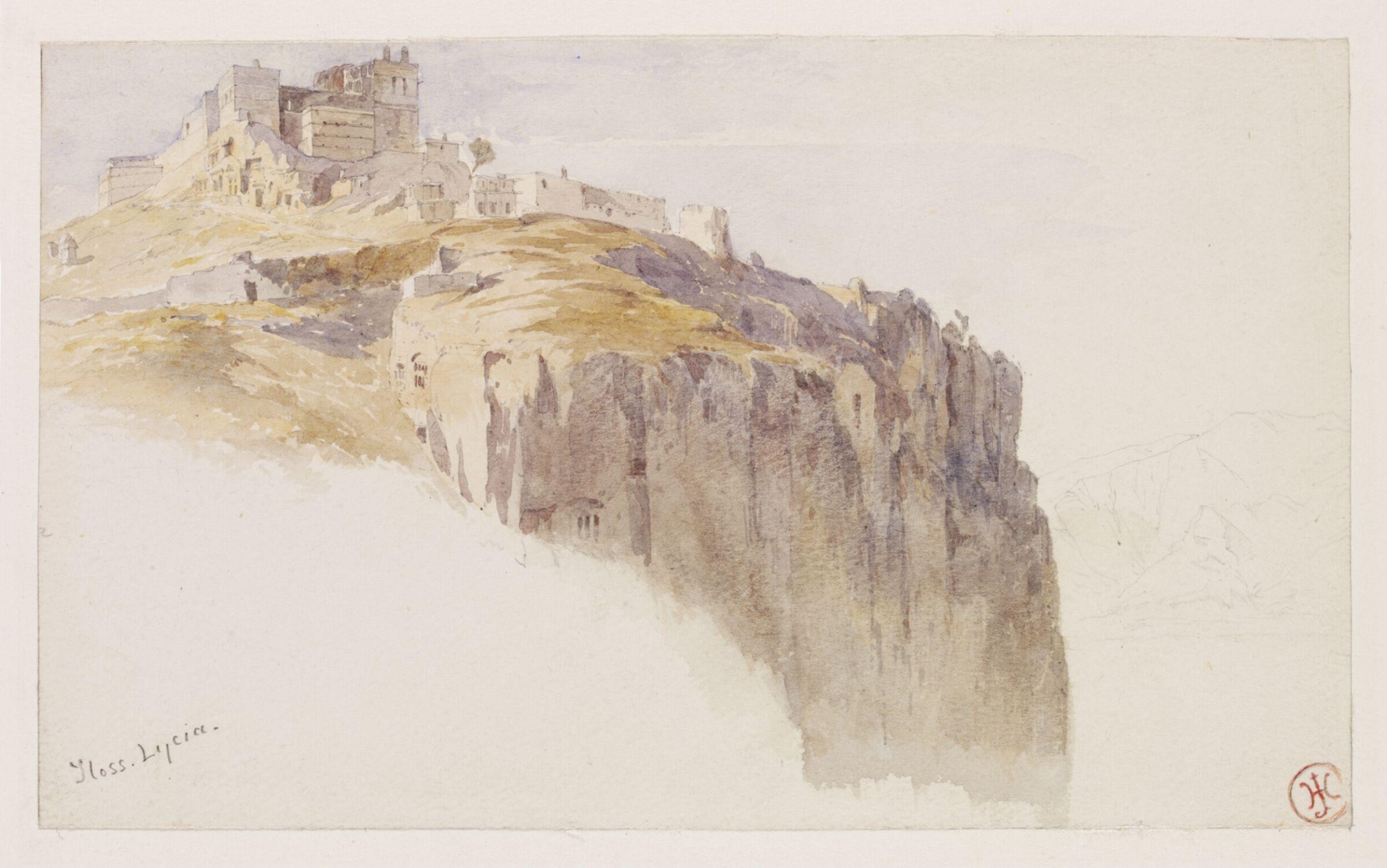
The painter William Müller and his pupil Harry Johnson joined his expedition at Xanthus, and they made a series of landscape views of various Lycian sites, including Pinara, Tlos and Telmessus (modern Fethiye). The site of Xanthus is remarkable for its strange pillar tomb, and Johnson shows it here, and the Xanthus River behind, (now called the Esen Çay). Johnson, a landscape painter in oils and watercolours from Birmingham, used the contemporary techniques of British watercolour landscape painting, taught to him by Müller, on a very un British subject. The freedom and realism with which he painted the scene (today, still much as he showed it) look forward to the development of realism in landscape watercolours that became usual later on in the century.