Edward WestonEstados Unidos, 1886–1958
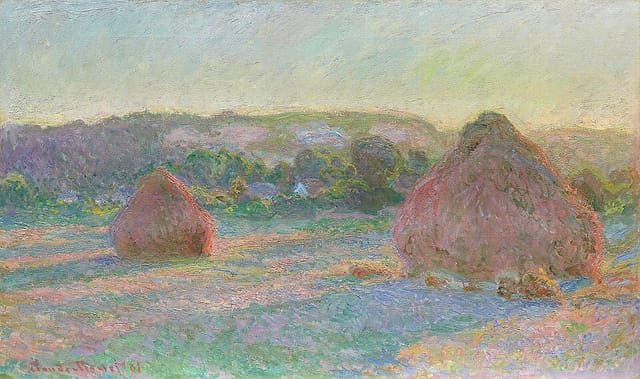
Winter Squash
¿Se puede contemplar?
Por ahora no recibe

Instituto de Arte de Chicago
Chicago, Estados Unidos
Pertenece a la colección, pero ahora mismo no está expuesta.
- Comprobado
- anteayer
- En este estado desde
- 19 ago 2026
- Fuente
- Los datos de colección del propio museo
Ficha
- Número de inventario
- 1959.661
What it shows
En el catálogo
Fuentes
- Instituto de Arte de Chicago: the museum's own open data · obtenido hace 6 días
- Imagen: Instituto de Arte de Chicago — © the artist or rights holder
Mientras tanto, en la vida de Edward Weston
La vida enteraMay 1928
The Mojave Desert: his first landscapes as art
A brief but important trip with Brett to the Mojave Desert, where he first explores and photographs landscape as an art form. The stark rock forms and empty spaces are a visual revelation to him; over a long weekend he takes twenty-seven photographs and declares in his journal that these negatives are the most important he has ever done.
1930–1931
A series of one-man exhibitions, 1930–1931
The first is at Alma Reed’s Delphic Studio Gallery in New York, followed closely by the same show at the Denny Watrous Gallery in Carmel; both receive rave reviews, including a two-page article in the New York Times Magazine. Shows at the De Young Museum in San Francisco and the Galerie Jean Naert in Paris follow.
early 1934
Meets Charis Wilson at a concert
Meeting Charis Wilson at a concert, he is immediately captivated by her beauty and personality, even more than with his previous lovers; a new and important chapter opens in his life. He writes that a new and most beautiful love has come into his life, one that he believes will stand the test of time.
August 1935
Charis Wilson agrees to live with him
Weston had implored Charis Wilson to come and live with him, and in August 1935 she finally agrees. Of all the women he has lived with since Flora, she is the first with no interest in becoming a photographer; this lets him concentrate on her as his muse and model, while Wilson devotes her time to promoting his art as his assistant and quasi-agent.
1937–1939
Nearly 1,400 negatives in two years on the fellowship
The first photographer to receive a Guggenheim Fellowship, he produces nearly 1,400 negatives over the next two years with his 8 × 10 view camera.
1947
Diagnosed with Parkinson’s disease
He is diagnosed with Parkinson’s disease and soon stops photographing; he spends the remaining ten years of his life overseeing the printing of more than 1,000 of his most famous images.