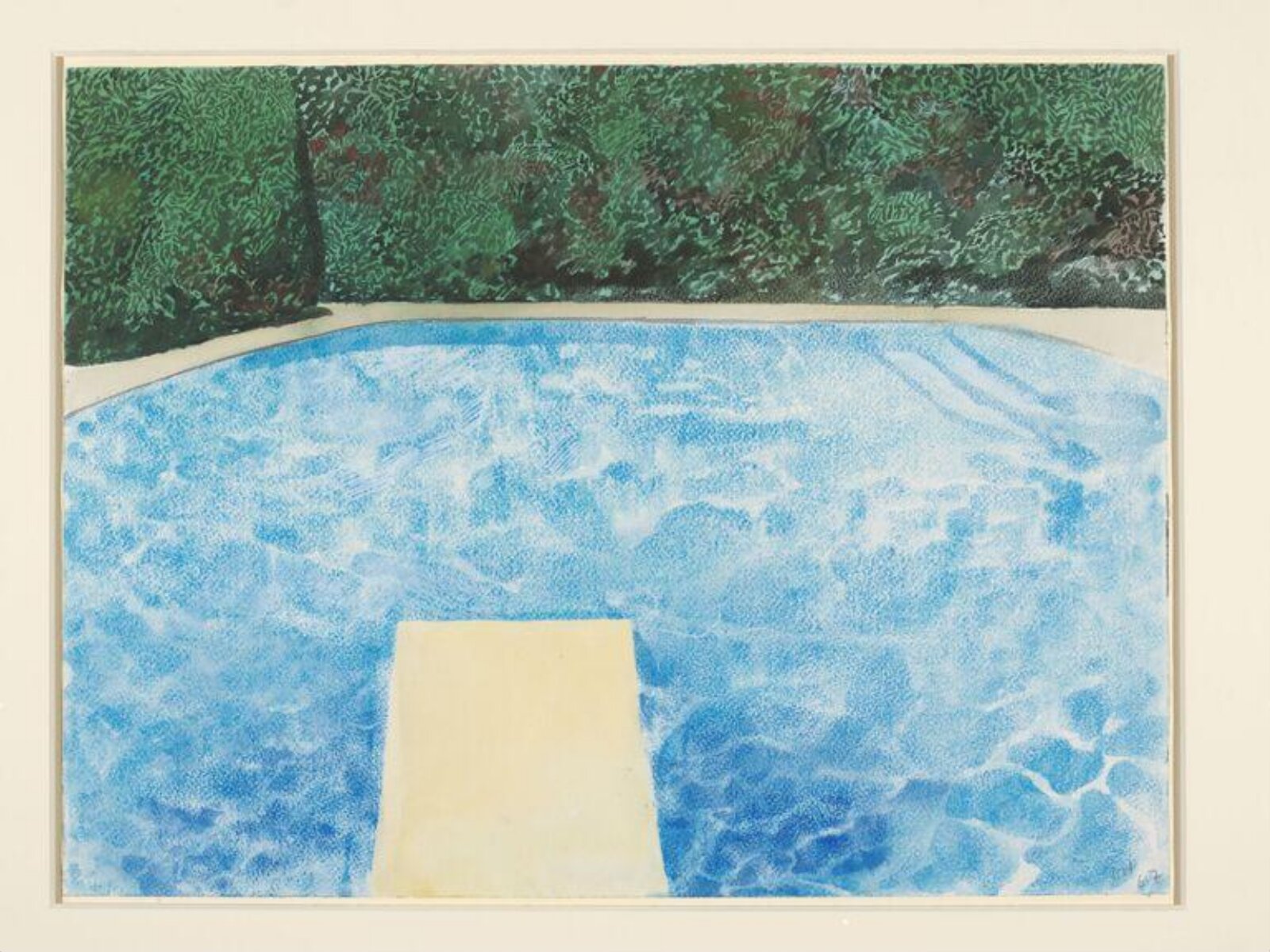
Untitled study for a painting
Sobre la obra
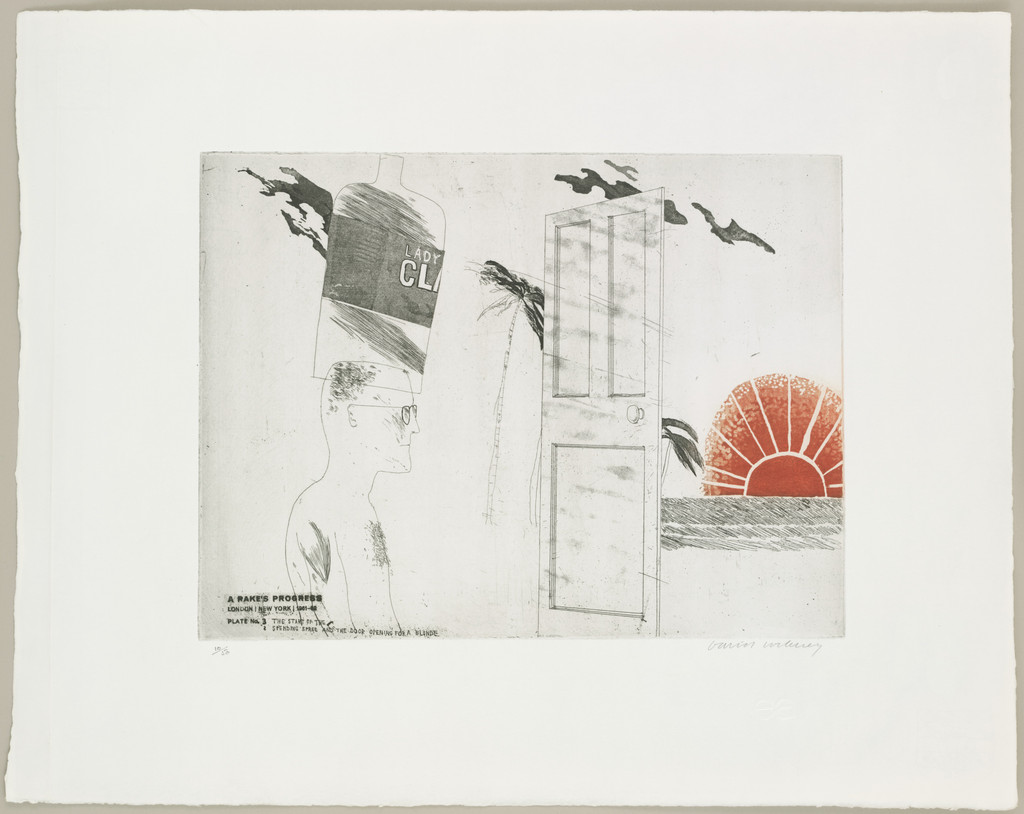
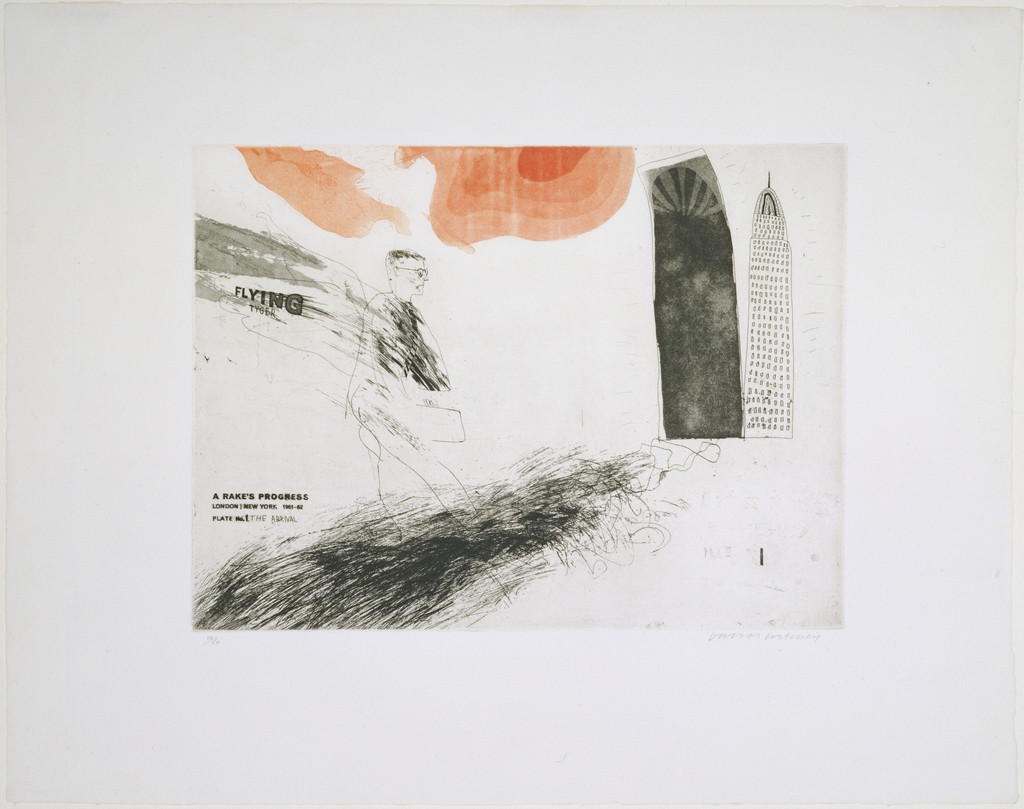
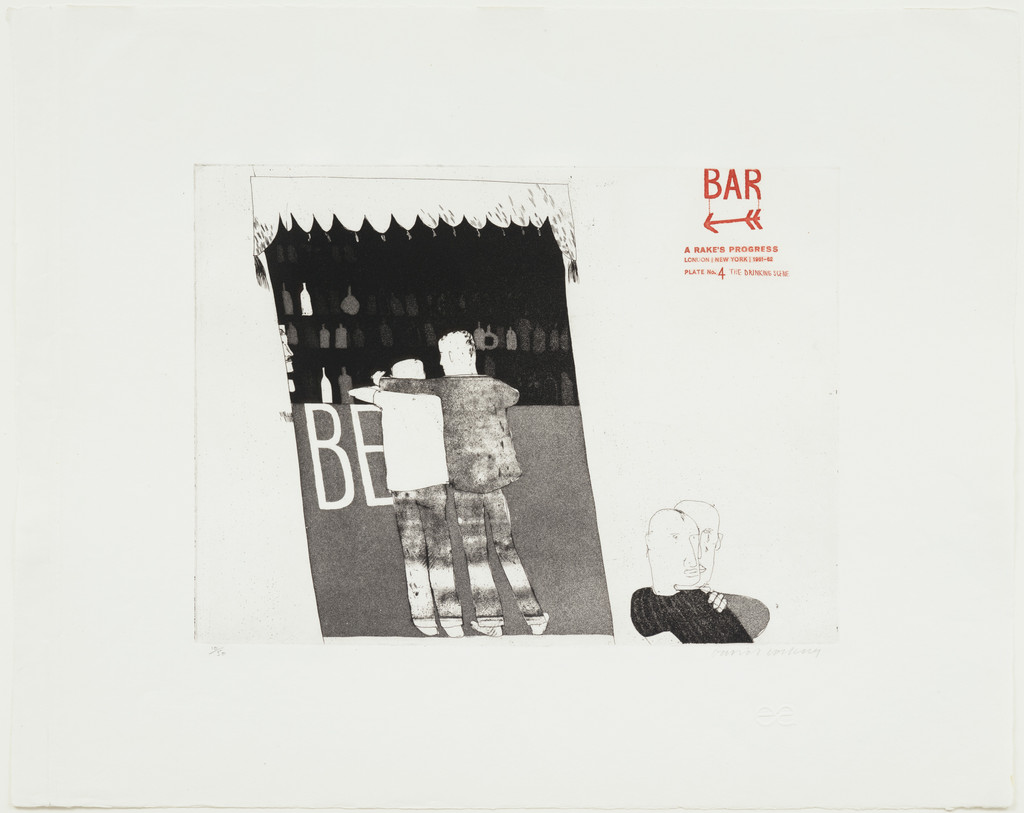
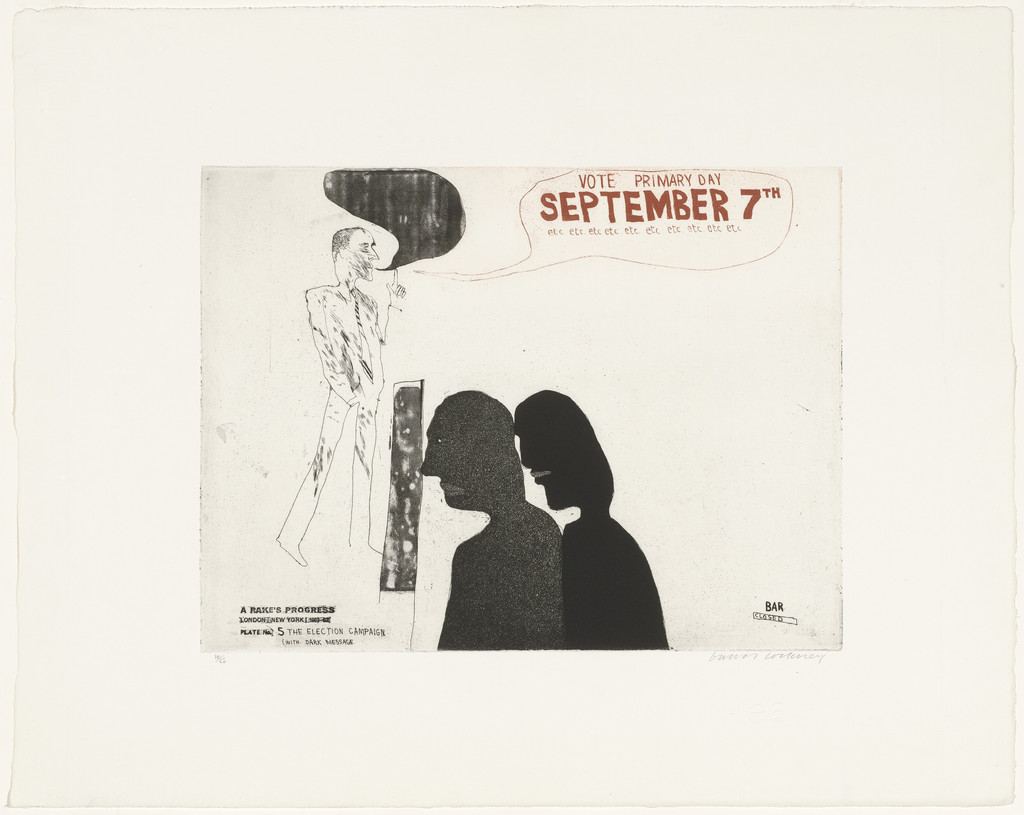
Born in 1937 in Yorkshire, northern England, David Hockney is considered to be one of the greatest British artists of the 20th century. He was part of a group of young artists - based mainly at London’s Royal College of Art - who transformed the public attitude to painting in the 1950s and 1960s. Loosely related to the Pop Art movement, Hockney offered an art that was immediately accessible and fun. He moved to Los Angeles in the 1960s and was instantly attracted by the way of life under the bright blue and cloudless skies, and California’s constantly water-sprinkled lawns, swimming-pools and the cool, air-conditioned interiors of its vast mansions.
Seguir leyendo
This watercolour belongs with a group of paintings, in both oil and watercolours, that deal with the behaviour of water. Hockney was fascinated by what he called the 'squiggly water' in swimming-pools, how a breeze could shimmer the surface, how a diver could create 'a bigger splash'. In this watercolour he contrasts the natural quality of the pool's surface with the man-made surrounding pavement and the diving-board. This watercolour also reflects Hockney's exhilaration with life in California.
Museo de Victoria y Alberto

Ficha
Mientras tanto, en la vida de David Hockney
La vida enterasummer 1966
Meeting Peter Schlesinger
While teaching at UCLA, Hockney meets Peter Schlesinger, an art student who poses for paintings and drawings, and the two become romantically involved.
1966
He stars in the documentary “Love’s Presentation”
While working on a series of etchings based on love poems by the Greek poet Constantine P. Cavafy, Hockney stars in a documentary by the filmmaker James Scott, “Love’s Presentation”.
1966–1978
Stage designer: “Ubu Roi” and the Glyndebourne operas
Hockney’s first stage designs are for “Ubu Roi” at London’s Royal Court Theatre (1966), followed by Stravinsky’s “The Rake’s Progress” (1975) and “The Magic Flute” (1978) for the Glyndebourne Festival Opera. It is the start of the opera work that will go on in New York, Los Angeles, Chicago and London.
1967 · Distinción
John Moores Painting Prize
from 1968
Double portraits of friends, lovers and relatives
From 1968, and for the next few years, Hockney paints portraits and double portraits of friends, lovers and relatives just under life-size, in a realistic style that adroitly captures the likenesses. He returns to the portrait throughout his career, creating over 300 self-portraits.
27 de junio de 1968 – 6 de octubre de 1968