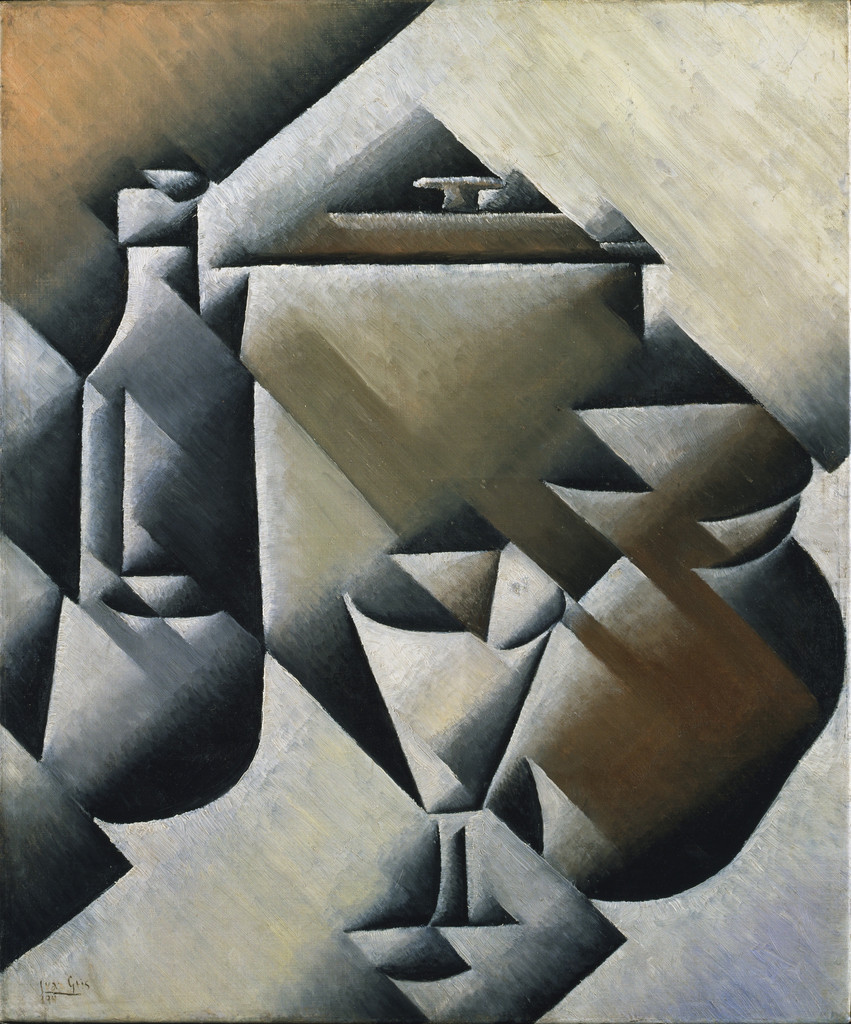
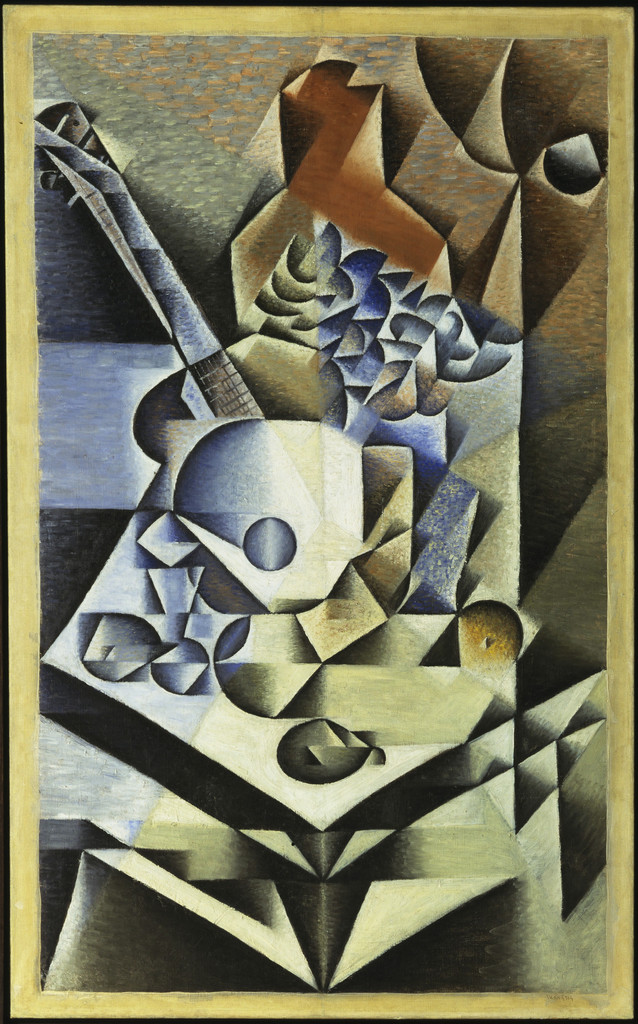
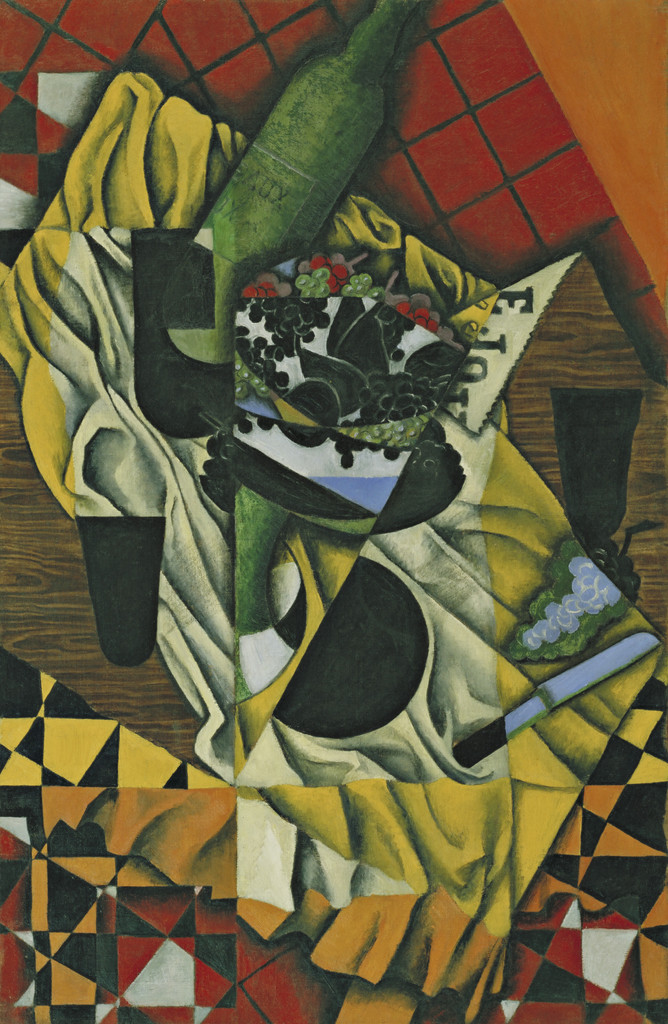
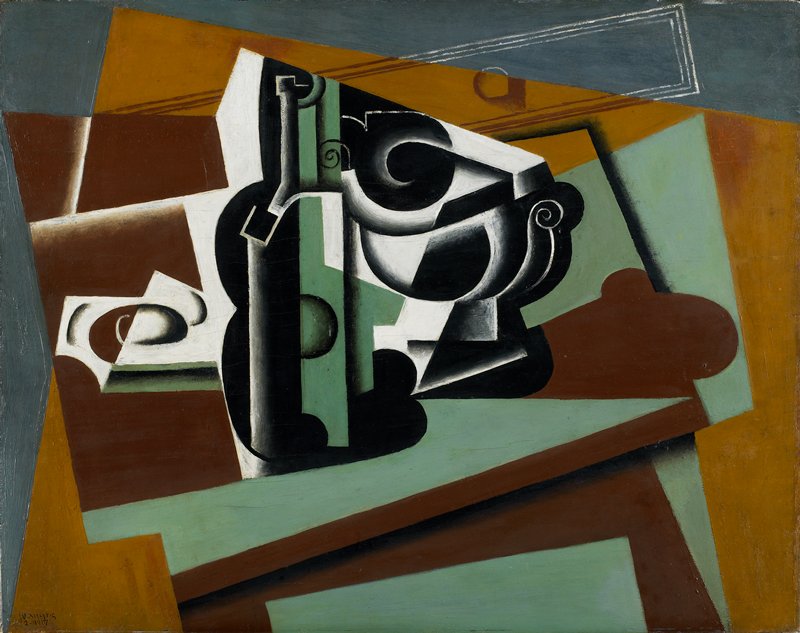
Juan GrisEspaña, 1887–1927
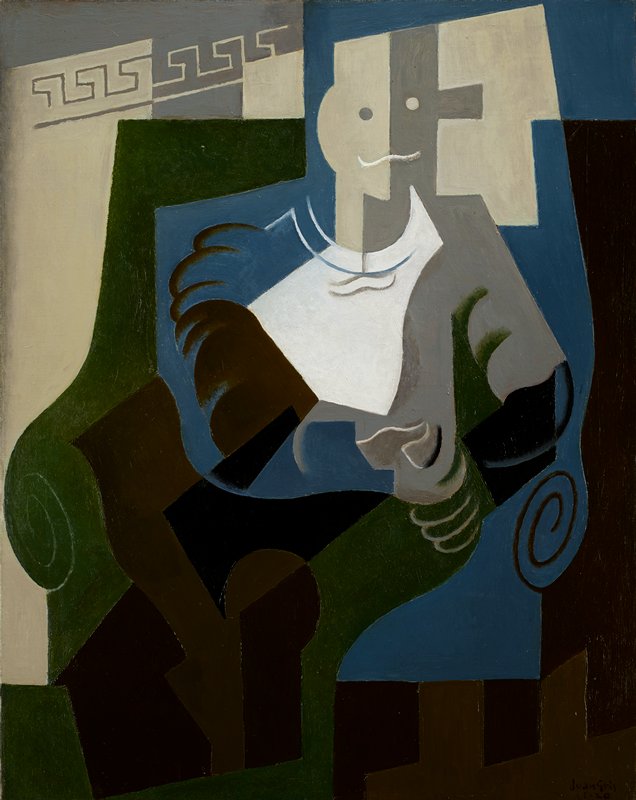
Two Pierrots
¿Se puede contemplar?
Por ahora no recibe

Instituto de Arte de Chicago
Chicago, Estados Unidos
Pertenece a la colección, pero ahora mismo no está expuesta.
- Comprobado
- anteayer
- En este estado desde
- 19 ago 2026
- Fuente
- Los datos de colección del propio museo
Ficha
- Número de inventario
- 2013.947
En el catálogo
Fuentes
- Instituto de Arte de Chicago: the museum's own open data · obtenido hace 5 días
- Imagen: Instituto de Arte de Chicago — © the artist or rights holder
Mientras tanto, en la vida de Juan Gris
La vida entera1910s–1920s
The pupil Picasso “wished away”
Gris regarded Picasso as a teacher, but according to Gertrude Stein in The Autobiography of Alice B. Toklas, Picasso treated him with undisguised irritation: Gris was the only person Picasso wished away. At first Gris was spoken of only as Picasso’s follower, but when he became an independent artist and one of the leaders of Cubism, Picasso grew jealous.
1919–1920
Critics begin to write about “synthetic” Cubism
In 1919 and particularly 1920, artists and critics began to write conspicuously about this “synthetic” approach and to assert its importance in the overall scheme of advanced Cubism.
1922–1924
Working with Diaghilev and the Ballets Russes
From 1922 to 1924 he worked with Sergei Diaghilev and his ballet company; in 1924 he designed sets and costumes for the Ballets Russes.
1923
Major exhibitions in Paris and Berlin
In 1923 major exhibitions of Gris’s work took place at the Galerie Simon in Paris and the Galerie Flechtheim in Berlin.
1924
The Sorbonne lecture “The Possibilities of Painting”
In 1924 he gave his definitive lecture, Des possibilités de la peinture (“The Possibilities of Painting”), to students of the philosophy faculty at the Sorbonne, arguing that no work destined to become classic can look like a work of an earlier period. He articulated most of his aesthetic theories in 1924–25.
1924
Gertrude Stein writes about Gris in the Little Review
In 1924 Gertrude Stein, who befriended Gris and promoted his work on the art market, wrote a note about him for the Little Review. In her view Picasso was the founder of Cubism, while Gris “infused Cubism with clarity and exaltation”.