ART WIKI32.963 en sala
MapaColecciónArtistasMuseosExposicionesRevista
Acceder

ART WIKI

Dónde cuelga la obra maestra y cuándo le dejan pasar.

Colecciones: Galería Nacional de Arte, Galería Nacional de Dinamarca, Galería Nacional de Retratos, Galería Tretiakov, Harvard Art Museums, Instituto de Arte de Chicago, Instituto de Artes de Mineápolis, MoMA, Museo de Arte de Cleveland, Museo de Victoria y Alberto, Museo del Hermitage, Museo del Louvre, Museo Estatal Ruso, Museo Hirshhorn y Jardín de Esculturas, Museo J. Paul Getty, Museo Metropolitano de Arte, Museo Pushkin, Museo Smithsoniano de Arte Americano, Museo Whitney de Arte Estadounidense, National Museum of Asian Art, Rijksmuseum, Villa Getty, Catálogo Estatal del Fondo Museístico de Rusia (274 museos), Europeana (19 museos), Wikidata (6 museos), Paris Musées (12 museos) y Joconde, la base de museos del Ministerio de Cultura de Francia (495 museos). Las imágenes pertenecen a sus titulares de derechos.

Secciones

  • Mapa
  • Búsqueda
  • Colección
  • Obras maestras
  • Expuestas ahora
  • Artistas

Más

  • Museos y galerías
  • Exposiciones
  • Revista
  • De dónde salen los datos
  • Privacidad y cookies
InicioMapaCatálogo
  1. Colección/
  2. Instituto de Arte de Chicago/
  3. Torqued Chandelier Release
Torqued Chandelier Release, Rodney Graham, 2005
RRodney GrahamCanadá, 1949–2022

Torqued Chandelier Release

2005 · Film, Video, New Media

¿Se puede contemplar?

Por ahora no recibe

Instituto de Arte de Chicago

Chicago, Estados Unidos

Pertenece a la colección, pero ahora mismo no está expuesta.

Comprobado
anteayer
En este estado desde
19 ago 2026
Fuente
El museo
En el mapaPágina del museo

Sobre la obra

Vancouver-based Rodney Graham has adopted a variety of roles as an artist—musician, performer, philosopher, scientist, and writer—but he has been primarily recognized for his moving-image installations in varying formats of film and video. A nimble and rigorous reinvestigation of 1970s Conceptualism, Graham’s oeuvre has led him to be described as an artist who works on “multiple tracks” rather than in sequential stages.

Seguir leyendo

Torqued Chandelier Release is the third—and most ambitious—of a trio of films that the artist described as “illustrated ‘thought experiments’ documenting transitory lighting events within the context of a single roll of film.” Inspired by Sir Isaac Newton’s famous water-bucket experiment, which explored the nature of rotational motion, Torqued Chandelier Release documents a crystal chandelier—wound up on a rope off-camera and then released—spinning in one direction until the rope unwinds, slowing, then spinning in the reverse direction, and so on, until finally coming to rest.

The film was shot at twice the normal speed with a 35mm camera placed on its side, and is shown in a vertical format through a custom-built, high-speed projector. The image of the spinning chandelier becomes hypnotic—it takes on a sculptural, three-dimensional appearance that is unlike anything made by conventional filmic means; the intensified resolution and lush texture transform the simple event into a dizzying, glamorous spectacle. As Christina Bagatavicius has explained, however, all this glitter is used to make a historical and intellectual point as well: “The luminosity of the chandelier also takes on a richer meaning when related back to Newton’s status as a central thinker during the age of Enlightenment. Within this context, the chandelier takes on the dual role of recreating a historical experiment as well as cleverly personifying the illumination of the mind through thought.”

Graham’s deadpan humor permeates his work. Here, he chose the image of the chandelier from his memory of an incident in the 1952 film Scaramouche, in which the lead character is nearly impaled by a falling chandelier (yet another Newtonian lesson) and escapes his enemies in the guise of a Commedia dell’Arte buffoon. Likewise, Graham often conceals his own identity—in this case, as an artist-cum-experimental scientist—as a means of subverting the authorship, originality, and identity issues that have been at the forefront of contemporary art discourse for the last two decades.

Instituto de Arte de Chicago · CC BY 4.0

Ficha

2005 · a los 56 años
19492022
Número de inventario
2005.292

En el catálogo

Arte contemporáneoSiglo XXICanadá

Fuentes

  • Instituto de Arte de Chicago
  • Imagen: Instituto de Arte de Chicago — © the artist or rights holder

Más obras de Rodney Graham

Todas las obras
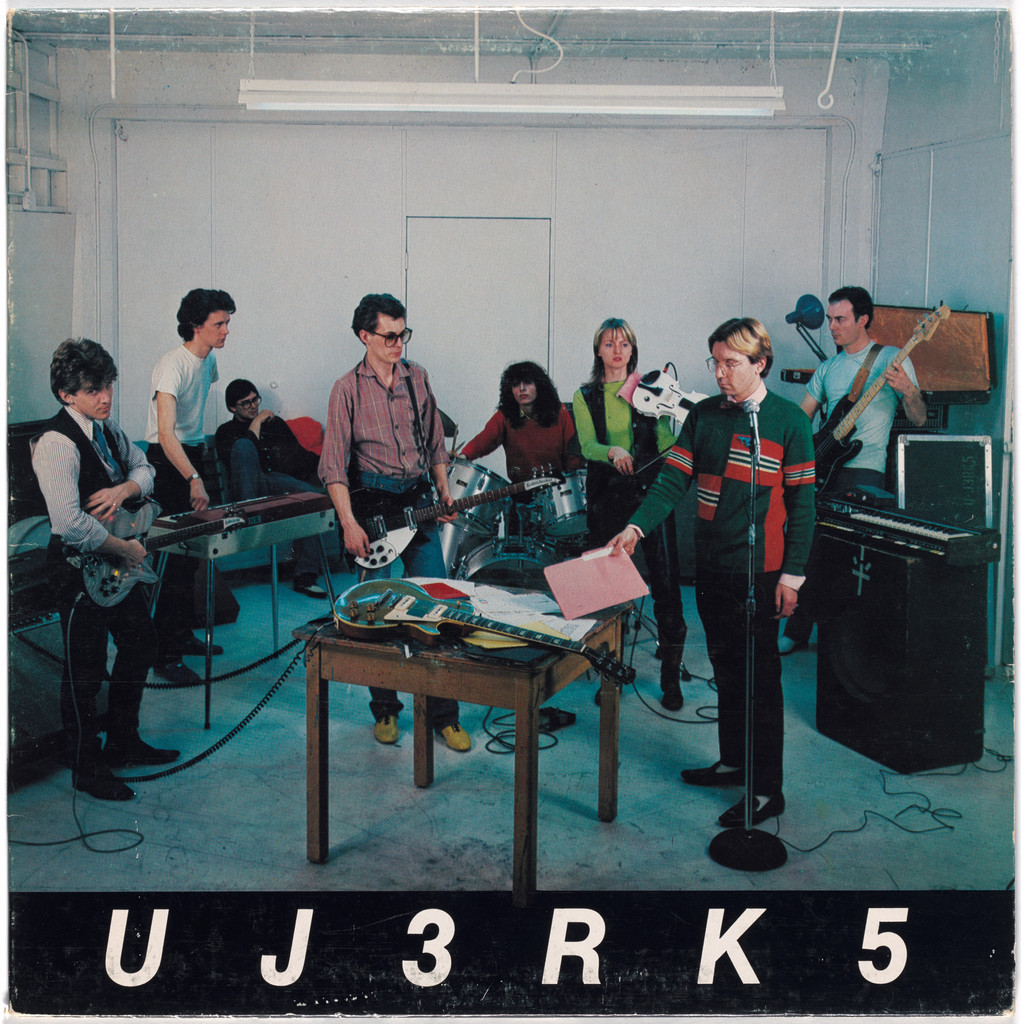
UJ3RK5, Rodney Graham, U-J3RK5, Ian Wallace, Jeff Wall, Kitty Byrne, Colin Griffiths, Danice McLeod, Frank Ramirez, David Wisdom, 1980

UJ3RK5

1980 · No expuesta · MoMA

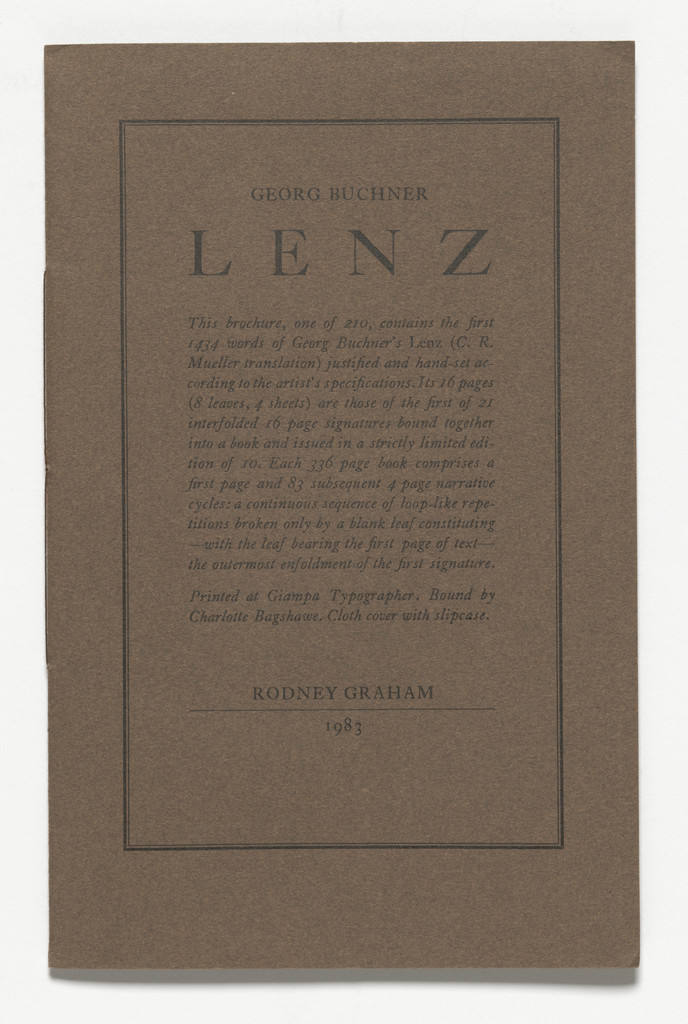
Prospectus for Lenz, Rodney Graham, 1983

Prospectus for Lenz

1983 · No expuesta · MoMA

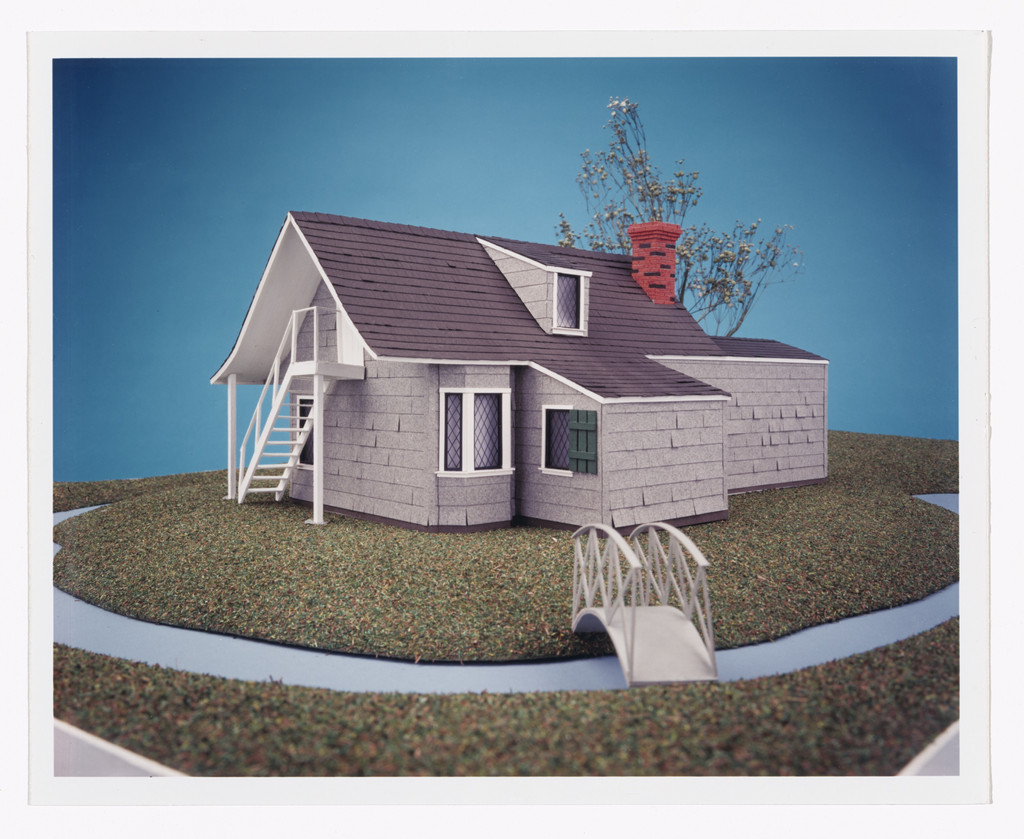
The System of Landor's Cottage Model, Rodney Graham, 1987

The System of Landor's Cottage Model

1987 · No expuesta · MoMA

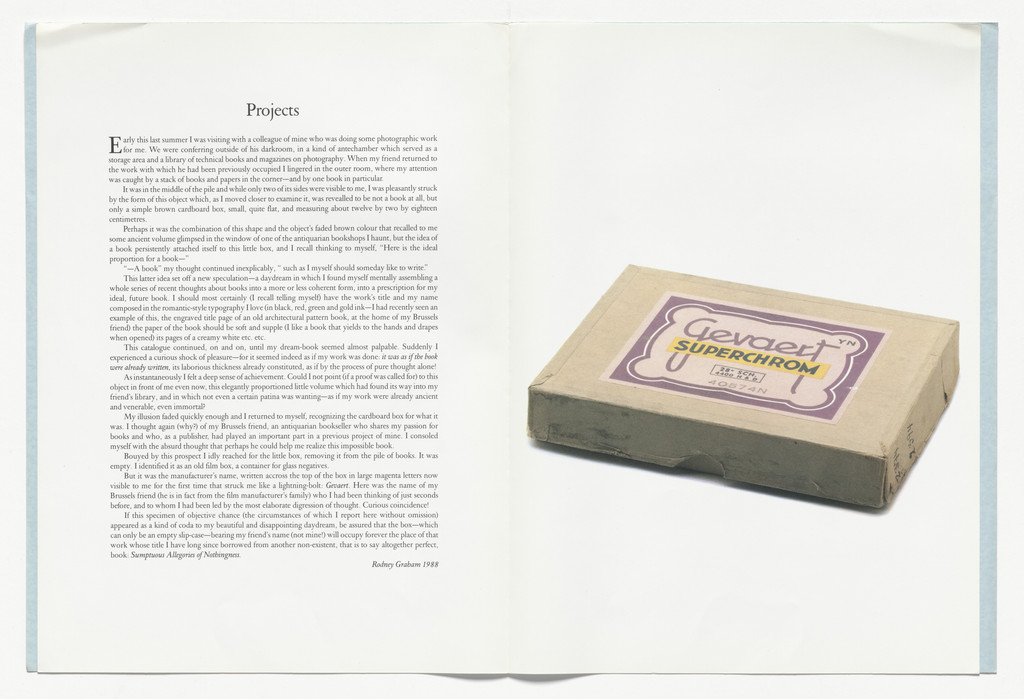
Projects ("Here is the ideal proportion for a book..."), Rodney Graham, 1988

Projects ("Here is the ideal proportion for a book...")

1988 · No expuesta · MoMA

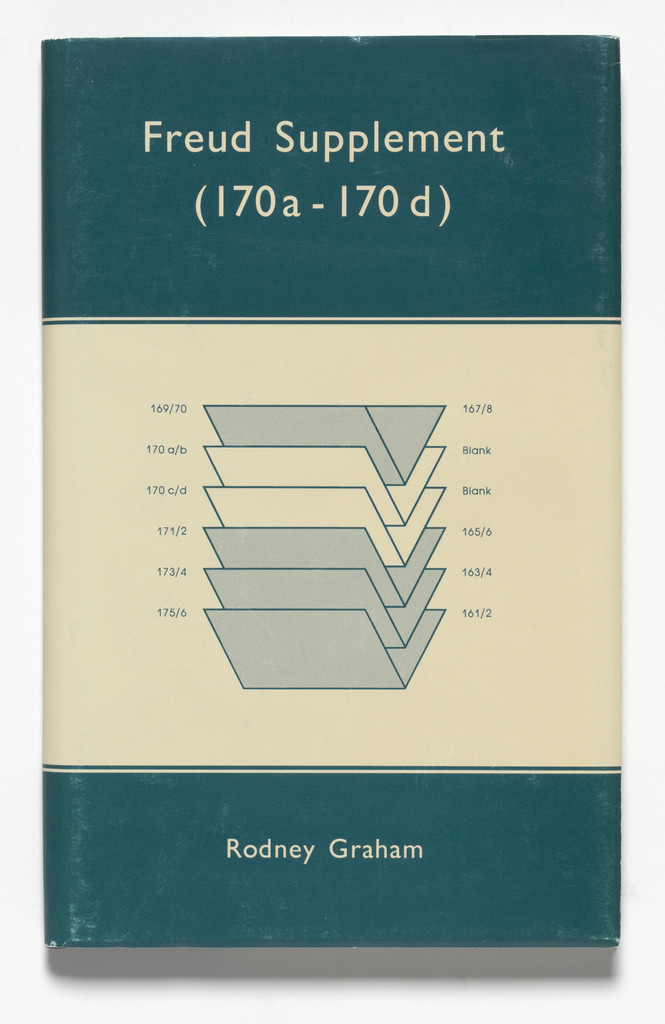
Freud Supplement (170a-170d), Rodney Graham, 1989

Freud Supplement (170a-170d)

1989 · No expuesta · MoMA

[La Véranda], Rodney Graham, 1989

[La Véranda]

1989 · No expuesta · MoMA

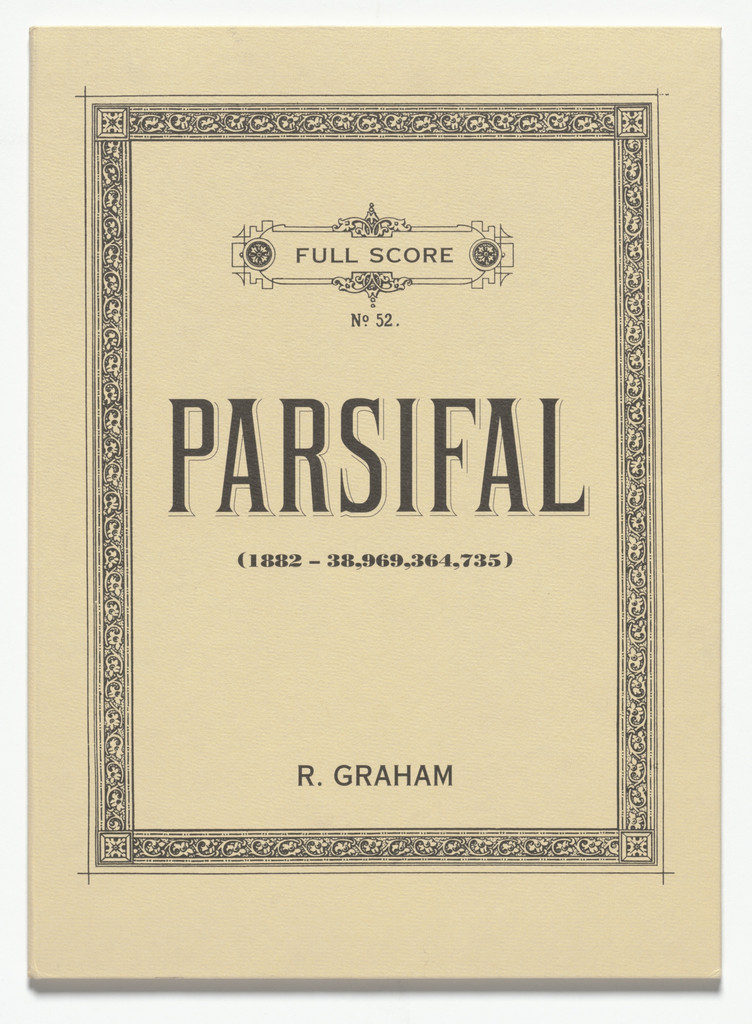
Parsifal, Rodney Graham, 1990

Parsifal

1990 · No expuesta · MoMA

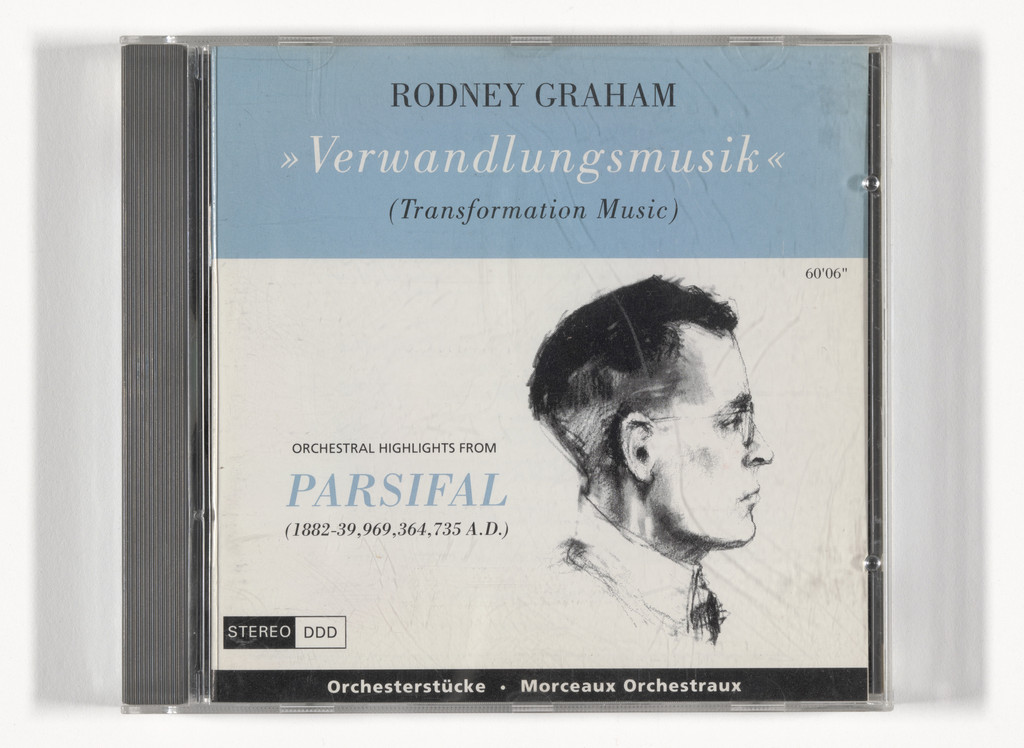
Verwandlungsmusik (Transformation Music), Rodney Graham, 1991

Verwandlungsmusik (Transformation Music)

1991 · No expuesta · MoMA

Bajo el mismo techo: Instituto de Arte de Chicago

Página del museo
The Bedroom, Vincent van Gogh, 1889

Vincent van Gogh

The Bedroom, 1889

A Sunday on La Grande Jatte — 1884, Georges Seurat, 1884–86, border added 1888–89

Georges Seurat

Tarde de domingo en la isla de la Grande Jatte, 1884–86, border added 1888–89

Paris Street; Rainy Day, Gustave Caillebotte, 1877

Gustave Caillebotte

Calle de Paris, dia de lluvia, 1877

Two Sisters (On the Terrace), Pierre-Auguste Renoir, 1881

Pierre-Auguste Renoir

En la terraza, 1881

The Basket of Apples, Paul Cézanne, c. 1893

Paul Cézanne

Cesto de manzanas, c. 1893

Stacks of Wheat (End of Summer), Claude Monet, 1890–91

Claude Monet

Stacks of Wheat (End of Summer), 1890–91

American Gothic, Grant Wood, 1930

Grant Wood

American Gothic, 1930

Nighthawks, Edward Hopper, 1942

Edward Hopper

Noctámbulos, 1942