ART WIKI32.963 en sala
MapaColecciónArtistasMuseosExposicionesRevista
Acceder

ART WIKI

Dónde cuelga la obra maestra y cuándo le dejan pasar.

Colecciones: Galería Nacional de Arte, Galería Nacional de Dinamarca, Galería Nacional de Retratos, Galería Tretiakov, Harvard Art Museums, Instituto de Arte de Chicago, Instituto de Artes de Mineápolis, MoMA, Museo de Arte de Cleveland, Museo de Victoria y Alberto, Museo del Hermitage, Museo del Louvre, Museo Estatal Ruso, Museo Hirshhorn y Jardín de Esculturas, Museo J. Paul Getty, Museo Metropolitano de Arte, Museo Pushkin, Museo Smithsoniano de Arte Americano, Museo Whitney de Arte Estadounidense, National Museum of Asian Art, Rijksmuseum, Villa Getty, Catálogo Estatal del Fondo Museístico de Rusia (274 museos), Europeana (19 museos), Wikidata (6 museos), Paris Musées (12 museos) y Joconde, la base de museos del Ministerio de Cultura de Francia (495 museos). Las imágenes pertenecen a sus titulares de derechos.

Secciones

  • Mapa
  • Búsqueda
  • Colección
  • Obras maestras
  • Expuestas ahora
  • Artistas

Más

  • Museos y galerías
  • Exposiciones
  • Revista
  • De dónde salen los datos
  • Privacidad y cookies
InicioMapaCatálogo
  1. Colección/
  2. Museo de Arte de Cleveland/
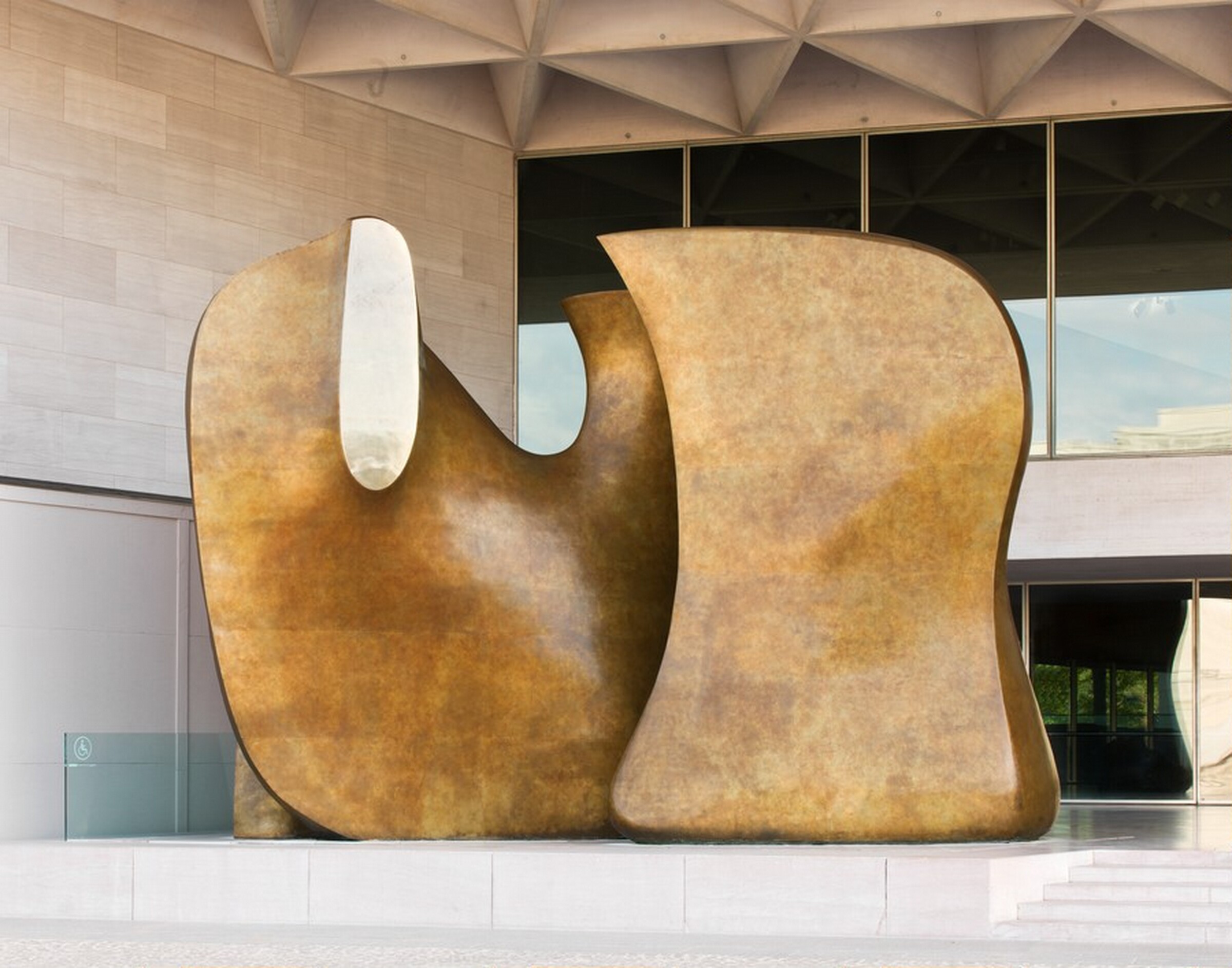
  3. Three-Way Piece No. 2: Archer
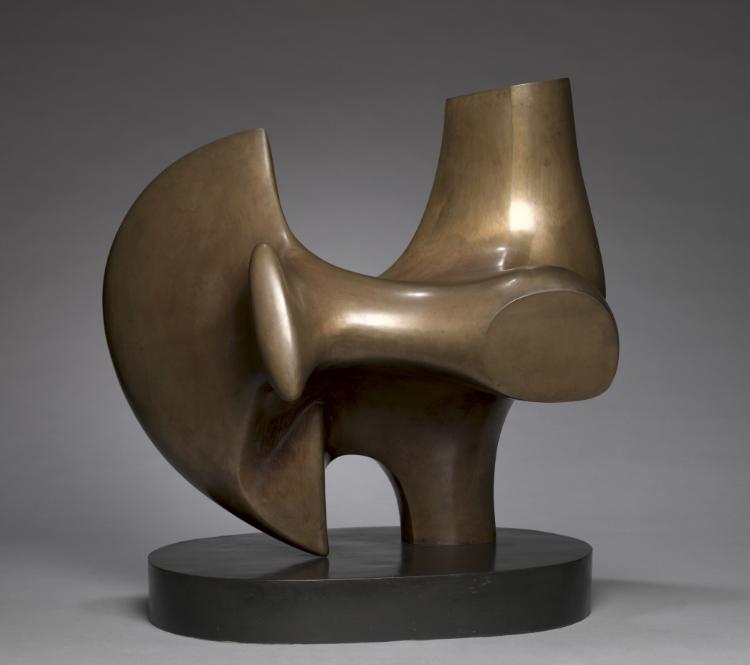
Three-Way Piece No. 2: Archer, Henry Moore, 1964
Henry Moore, retratoHenry MooreInglaterra, 1898–1986

Three-Way Piece No. 2: Archer

1964 · Sculpture

¿Se puede contemplar?

Sí, recibe visitas

Museo de Arte de Cleveland

Cleveland, Estados Unidos

SalaAAE Art Allée East

Expuesta al público. Quién lo avala figura más abajo.

Comprobado
anteayer
En este estado desde
19 ago 2026
Fuente
El museo
En el mapaPágina del museo

Sobre la escultura

Considered by many to be the 20th century's greatest figurative sculptor, Henry Moore was also the creator of remarkable abstract works. Three-Way Piece No. 2: Archer does not literally depict an archer; rather it evokes the qualities of vigor, strength, and conflict associated with warriors or hunters. The "three ways" of the title may refer to the three main elements of the work. First, a large sweeping curved form suggests a bent bow pulling in one direction. Second, a curved vertical section represents the torso of an archer, which joins the base and leans backward. Finally, a horizontal section protruding from one side is reminiscent of an arm connecting the archer's torso to the bow. Using these abstract elements, Moore created a sculpture that may remind us of ancient images of hunters—from those drawn on cave walls to classical Greek warriors. Three-Way Piece No. 2: Archer captures the energy of the hunt in a thoroughly modern way.

Museo de Arte de Cleveland

Ficha

1964 · a los 66 años
18981986
Número de inventario
1970.112

En el catálogo

EsculturaBronceArte de posguerraSiglo XXEngland, 20th century

Fuentes

  • Museo de Arte de Cleveland
  • Imagen: Museo de Arte de Cleveland — © 2010 The Henry Moore Foundation. All Rights Reserved / Artists Rights Society (ARS), New York
Más obras de Henry Moore

Todas las obras
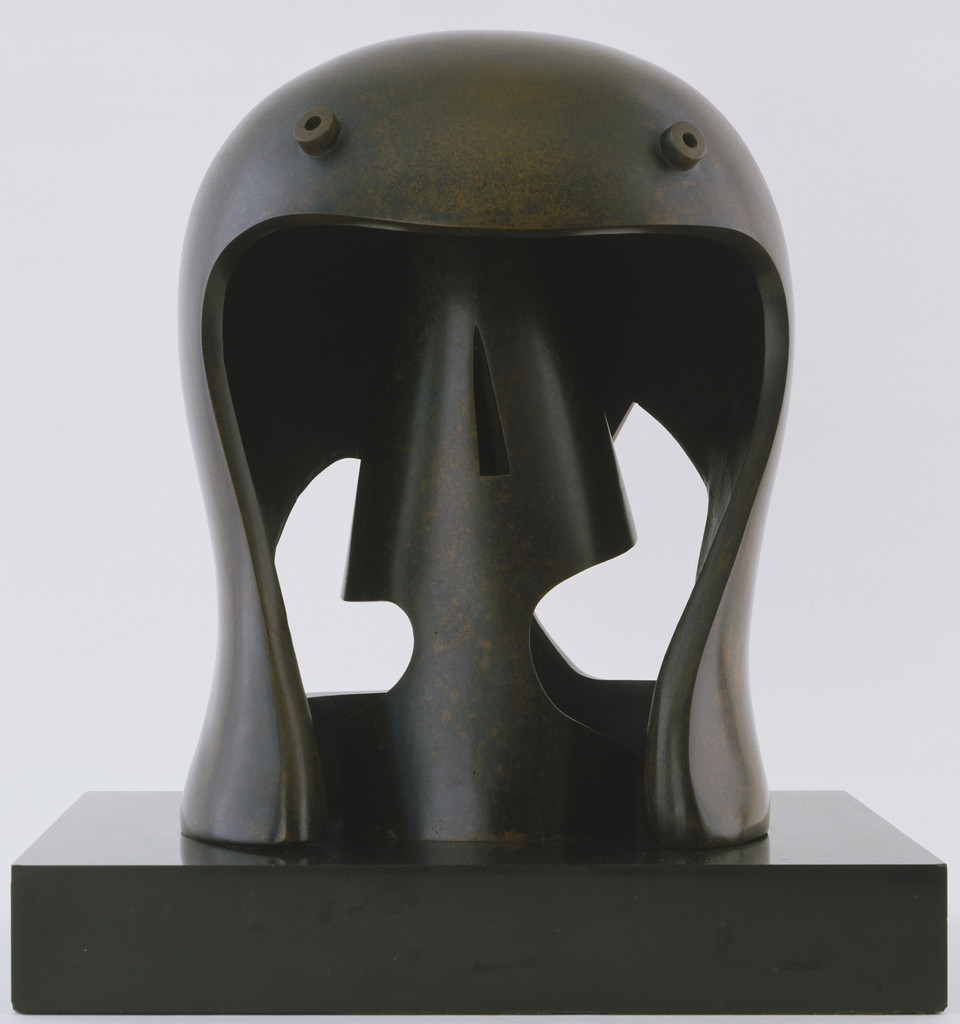
Helmet Head Number 1, Henry Moore, 1950

Helmet Head Number 1

1950 · MoMA

Three Motives Against Wall, Number 1, Henry Moore, 1958

Three Motives Against Wall, Number 1

1958 · Galería Nacional de Arte

Seated Woman, Henry Moore, designed 1958–1959; cast 1975

Seated Woman

designed 1958–1959; cast 1975 · Museo J. Paul Getty

Stone Memorial, Henry Moore, 1961/1969

Stone Memorial

1961/1969 · Galería Nacional de Arte

Knife Edge Mirror Two Piece, Henry Moore, 1976-1978

Knife Edge Mirror Two Piece

1976-1978 · Galería Nacional de Arte

Bronze Form, Henry Moore, 1985

Bronze Form

1985 · Museo J. Paul Getty

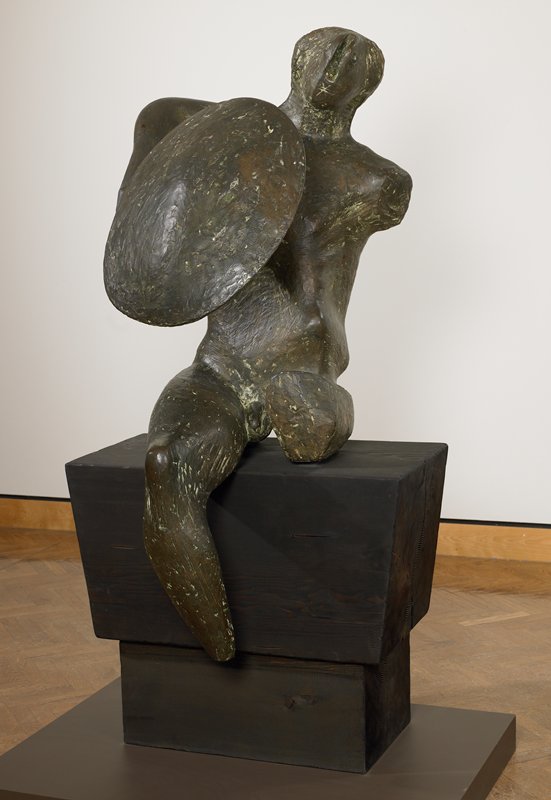
Warrior with Shield, Henry Moore, 1953–54

Warrior with Shield

1953–54 · Instituto de Artes de Mineápolis

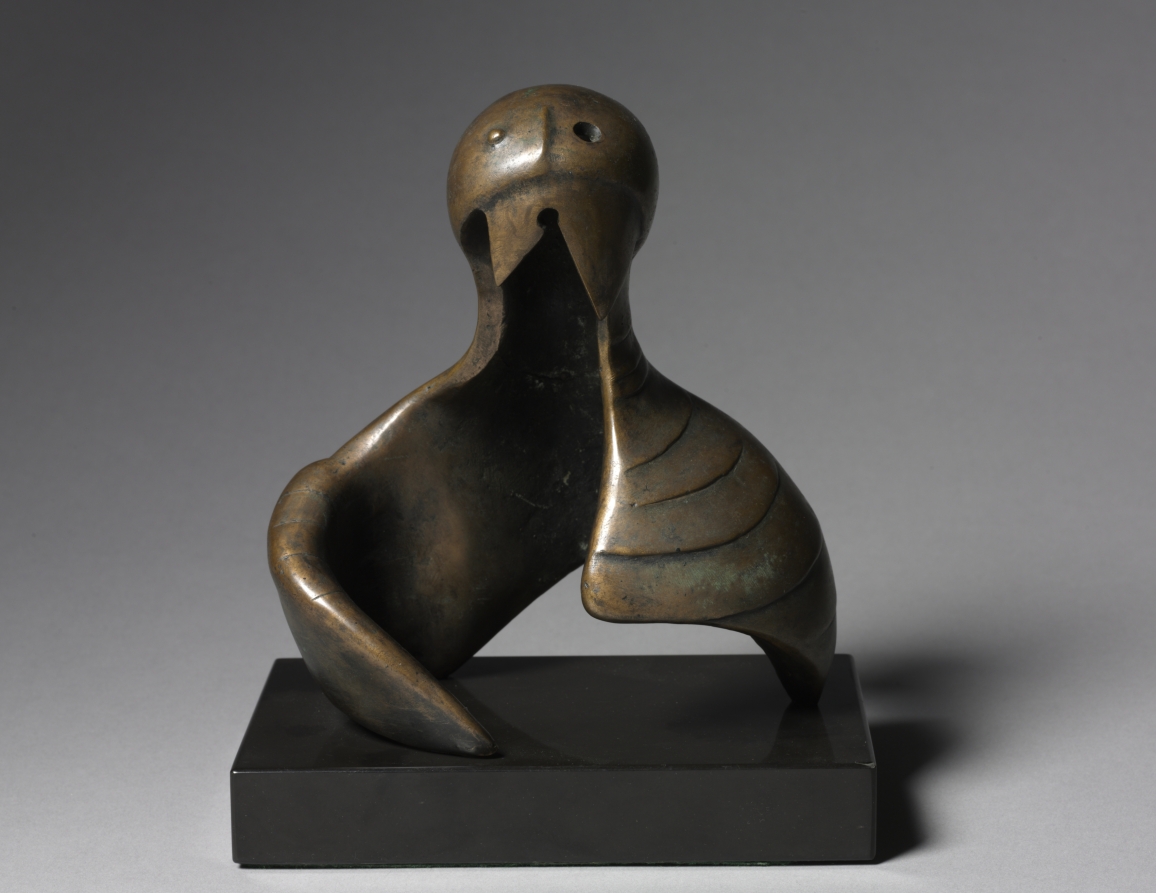
Helmet Head, Henry Moore, 1952

Helmet Head

1952 · Museo de Arte de Cleveland

Bajo el mismo techo: Museo de Arte de Cleveland

Página del museo
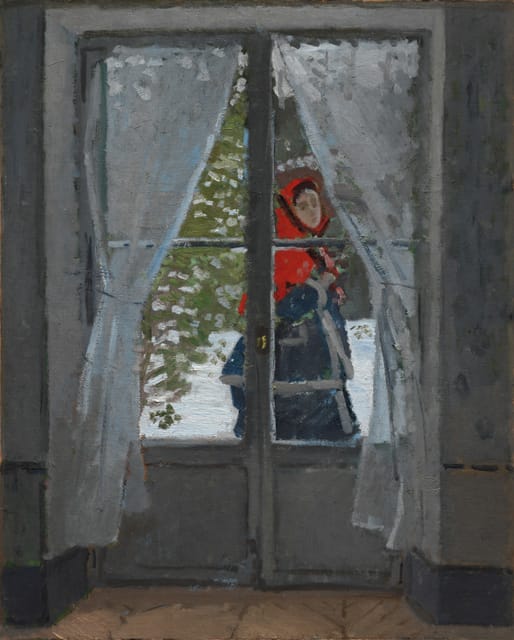
The Red Kerchief, Claude Monet, c. 1868–73

Claude Monet

The Red Kerchief, c. 1868–73

Melencolia I, Albrecht Dürer, 1514

Albrecht Dürer

Melancolía I, 1514

The Virgin and Child with the Pear, Albrecht Dürer, 1511

Albrecht Dürer

The Virgin and Child with the Pear, 1511

The Nativity, Albrecht Dürer, probably c. 1509/1510

Albrecht Dürer

The Nativity, probably c. 1509/1510

The Virgin and Child on a Crescent with a Starry Crown, Albrecht Dürer, 1508

Albrecht Dürer

The Virgin and Child on a Crescent with a Starry Crown, 1508

The Lamentation, Albrecht Dürer, 1507

Albrecht Dürer

The Lamentation, 1507

Large Horse, Albrecht Dürer, 1505

Albrecht Dürer

Large Horse, 1505

Nemesis (The Great Fortune), Albrecht Dürer, c. 1501/1502

Albrecht Dürer

Nemesis (The Great Fortune), c. 1501/1502