ParmigianinoItalia, 1503–1540
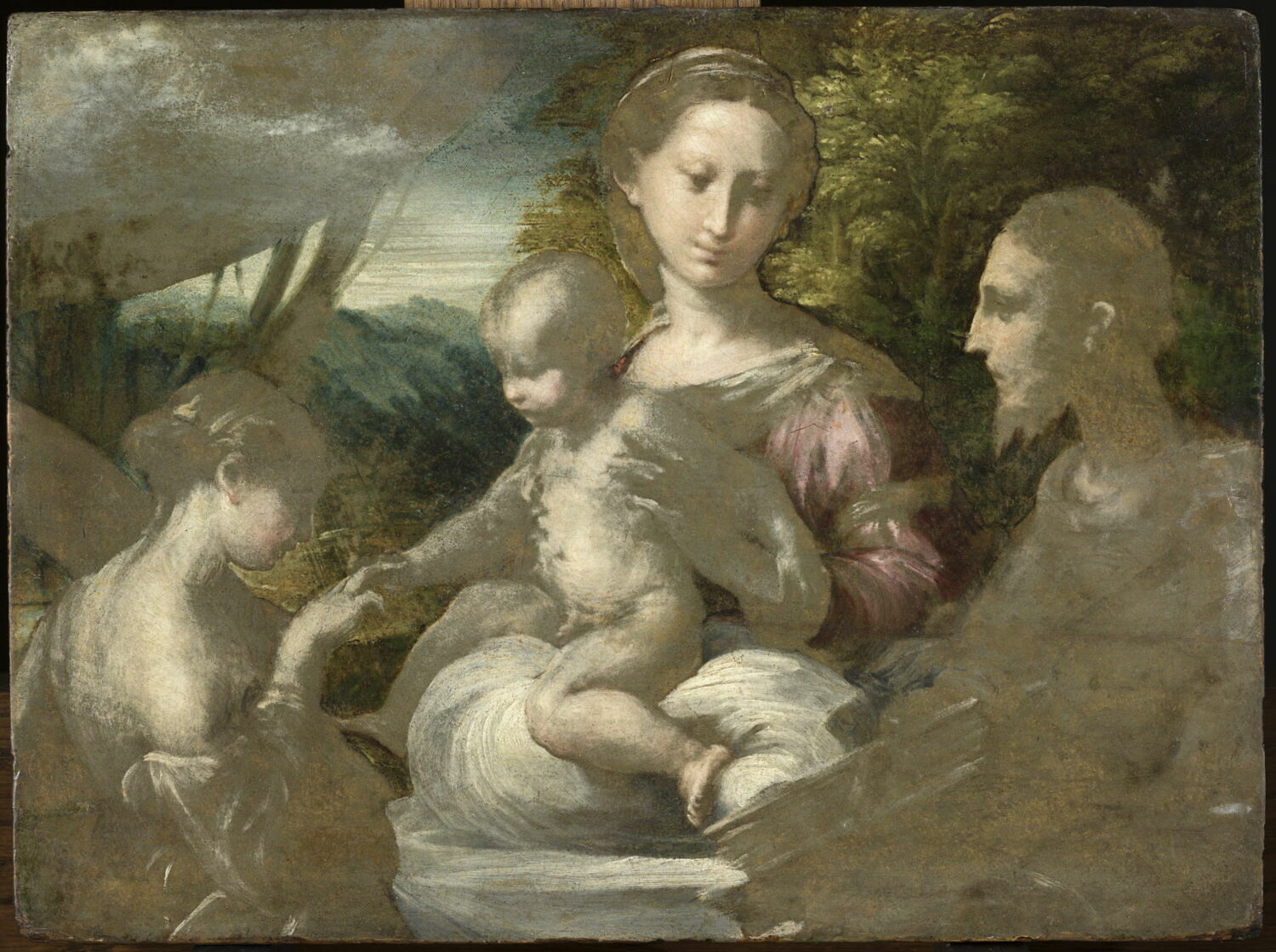
Three Feminine Heads
¿Puedo verla?
No expuesta por ahora
¿Dónde está «Three Feminine Heads» hoy? Colección: Galería Nacional de Arte, Washington D. C. No expuesta por ahora. Comprobado 12 de octubre de 2026.

Washington D. C., Estados Unidos
Pertenece a la colección, pero ahora mismo no está expuesta.
- Comprobado
- En este estado desde
- Fuente
- El museo
Ficha
- Número de inventario
- 1989.1.1
Lo que muestra
En el catálogo
Fuentes
- Galería Nacional de Arte
- Imagen: Galería Nacional de Arte — Museum open access
En la vida de Parmigianino
La vida entera1521
Sent to Viadana to escape the war
To keep him safe from the war between the French, Imperial and papal armies, Francesco was sent to Viadana together with the painter Girolamo Bedoli, who would later marry his cousin. There he painted two tempera panels: “Saint Francis” for the church of the Frati de' Zoccoli and “The Mystical Marriage of Saint Catherine” for San Pietro.
21 November 1522
Works alongside Correggio at San Giovanni Evangelista
From at least 21 November 1522 Parmigianino is documented at the church of San Giovanni Evangelista in Parma together with Correggio, Francesco Maria Rondani and Michelangelo Anselmi. In the dome he painted at least one putto, livelier and more impetuous than Correggio's, and around 1522–1523 he frescoed two side chapels.
summer 1524
Travels to Rome with his uncles
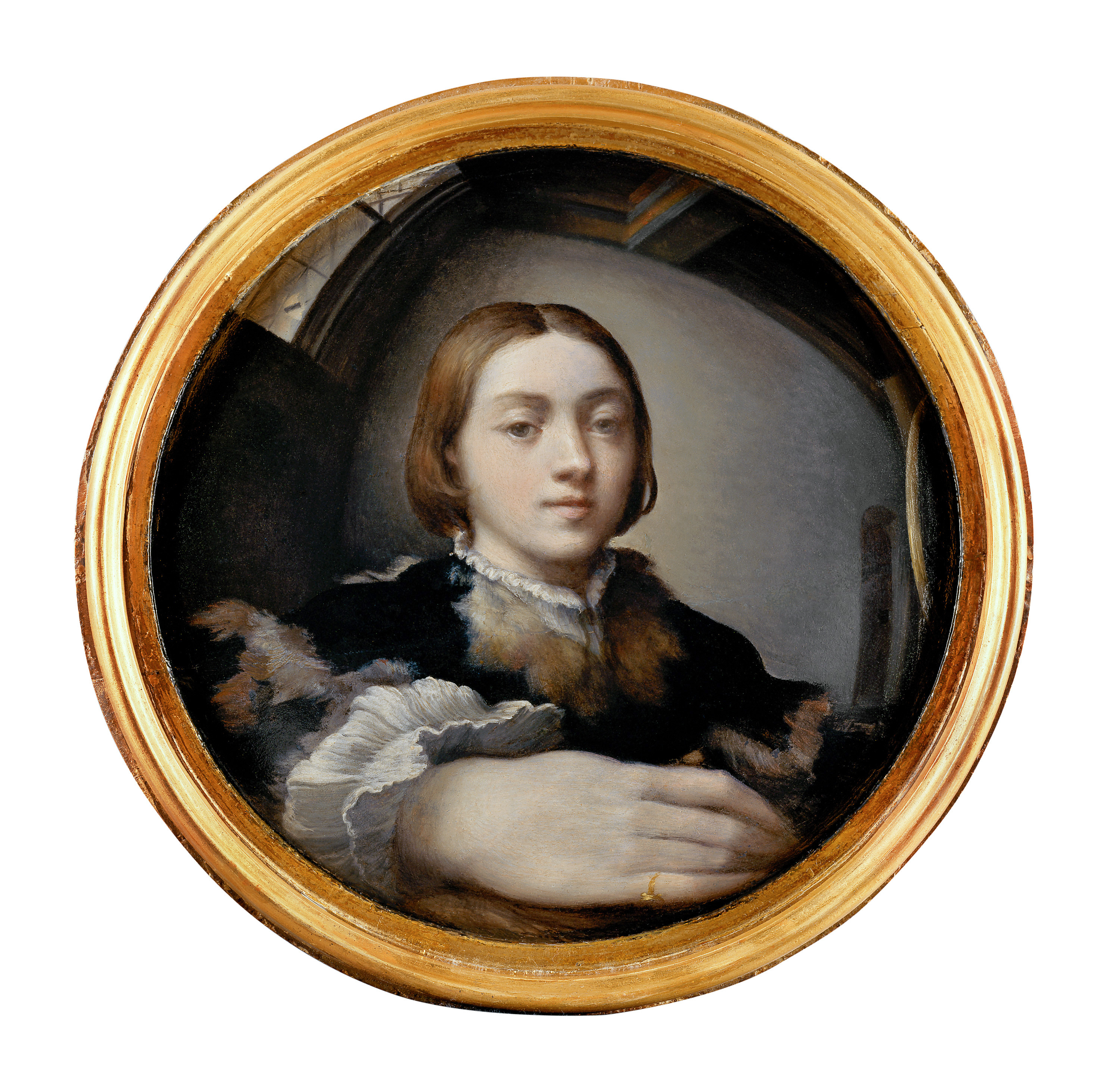
According to Vasari, on hearing Raphael and Michelangelo praised, Francesco longed to see Rome; his uncles approved and advised him to take some of his works to open doors to the lords and artists there. They arrived in Rome in the summer of 1524, and Parmigianino presented several paintings to Pope Clement VII, among them the “Self-Portrait in a Convex Mirror” painted on a wooden hemisphere.
1524–1527
Joins the circle of Raphael's pupils
In Rome Parmigianino grew close to Raphael's pupils working in the Vatican — Perino del Vaga, Baldassarre Peruzzi and Polidoro da Caravaggio — as well as Sebastiano del Piombo and Rosso Fiorentino; he copied the frescoes of Raphael's Stanze and the tapestry cartoons made for the Sistine Chapel. Vasari records that in Rome he was celebrated as “a Raphael reborn”.


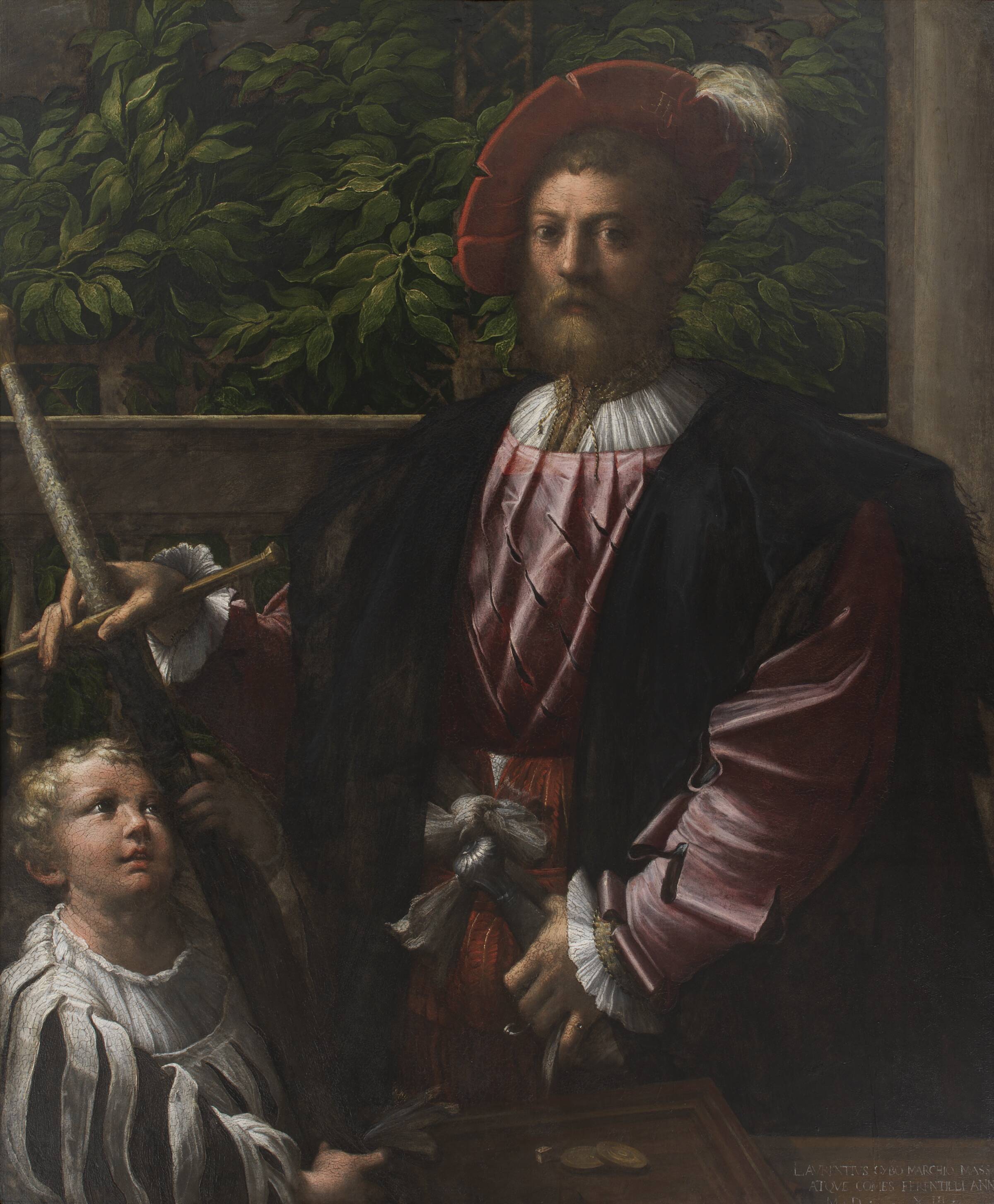

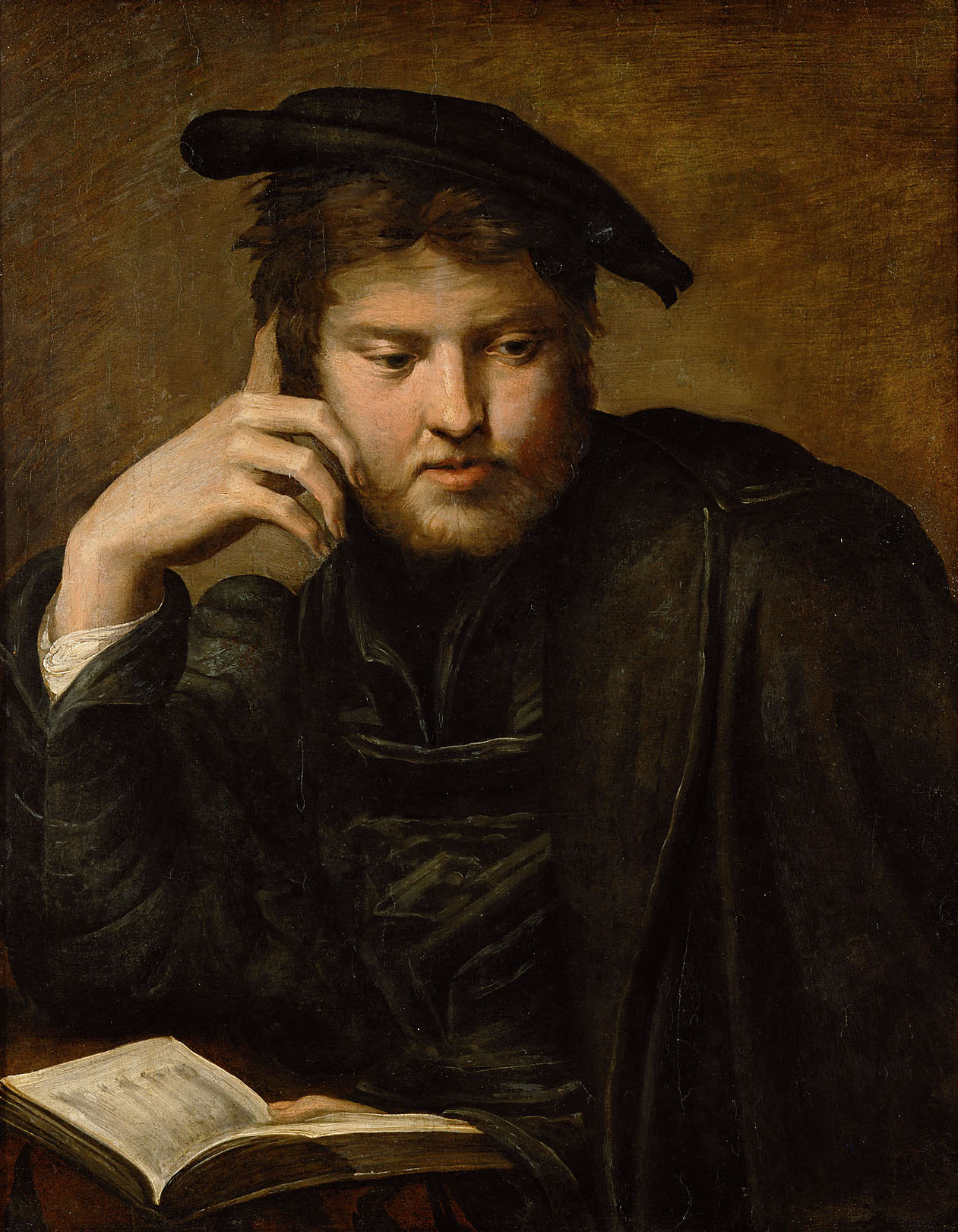
![Ginevra de' Benci [obverse], Leonardo da Vinci, c. 1474/1478](https://api.nga.gov/iiif/8f29e3c9-a289-4d53-abf0-31a66e9e98fa/full/!2400,2400/0/default.jpg)
![Wreath of Laurel, Palm, and Juniper with a Scroll inscribed Virtutem Forma Decorat [reverse], Leonardo da Vinci, c. 1474/1478](https://api.nga.gov/iiif/ff62e8d0-45c4-498f-ad36-6358de827e04/full/!2400,2400/0/default.jpg)