
 James Jacques Joseph TissotFrancia, 1836–1902
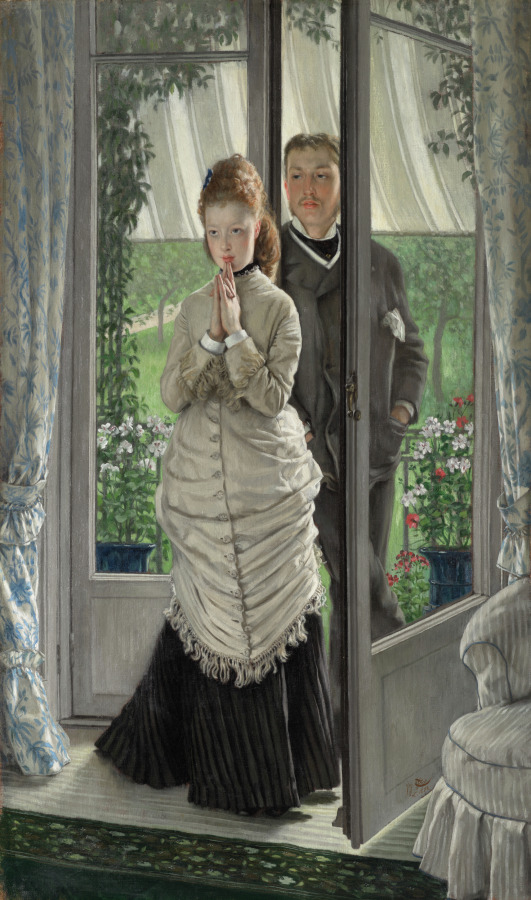
The Apparition
¿Se puede contemplar?
Por ahora no recibe

Washington D. C., Estados Unidos
Pertenece a la colección, pero ahora mismo no está expuesta.
- Comprobado
- En este estado desde
- Fuente
- El museo
Ficha
- Número de inventario
- 2010.25.1
Lo que muestra
En el catálogo
Fuentes
- Galería Nacional de Arte
- Imagen: Galería Nacional de Arte — Museum open access
Mientras tanto, en la vida de James Jacques Joseph Tissot
La vida entera1885
A vision at Saint-Sulpice
Having completed “The Woman of Paris”, in 1885 Tissot experienced a religious vision at the Church of Saint-Sulpice, returned to his Catholic faith and devoted the rest of his life to paintings of biblical events, turning from modern life to traditional narrative.
1885
“Fifteen Paintings on the Woman of Paris”
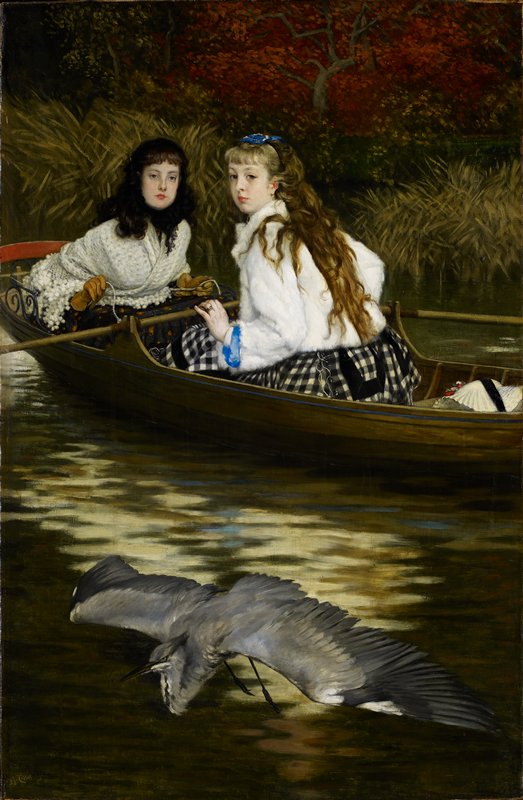
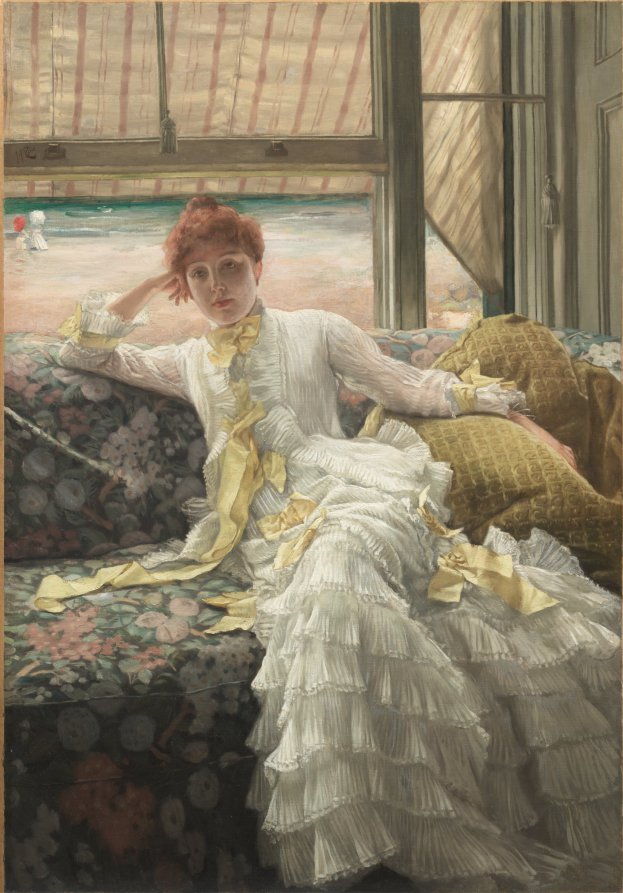
The last major exhibition of this period was the 15-painting series “The Woman of Paris” at the Galerie Sedelmeyer: unlike his London society scenes, it showed women of many classes and occupations, with the unexpected angles and framing of Japanese prints. “The Shop Girl” returned to his themes of desire and gender.
1886
First journey to the Middle East
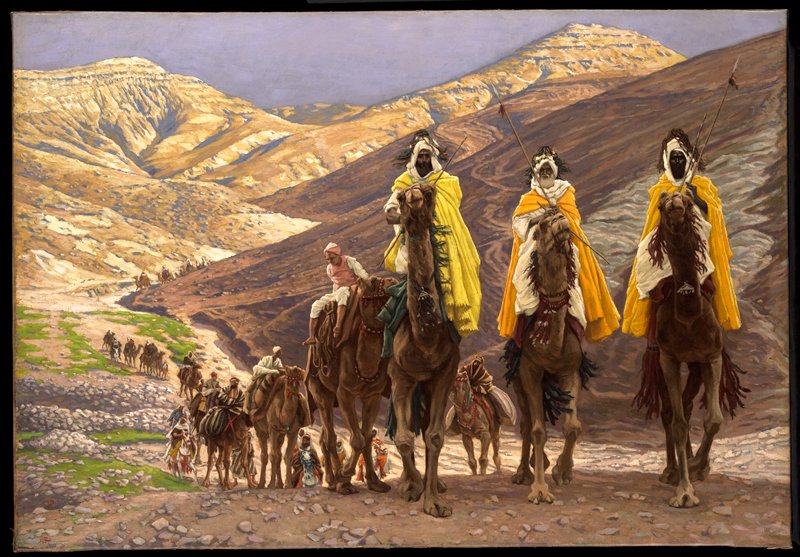
In 1886, and again in 1889 and 1896, Tissot travelled to the Middle East to study its landscapes and cultures; this “considerable archaeological exactitude” set his biblical series apart from the religious art of his contemporaries. The project ran to seven hundred watercolours on the life of Jesus and the Old Testament.



![Ginevra de' Benci [obverse], Leonardo da Vinci, c. 1474/1478](https://api.nga.gov/iiif/8f29e3c9-a289-4d53-abf0-31a66e9e98fa/full/!2400,2400/0/default.jpg)
![Wreath of Laurel, Palm, and Juniper with a Scroll inscribed Virtutem Forma Decorat [reverse], Leonardo da Vinci, c. 1474/1478](https://api.nga.gov/iiif/ff62e8d0-45c4-498f-ad36-6358de827e04/full/!2400,2400/0/default.jpg)


