 William-Adolphe BouguereauFrancia, 1825–1905
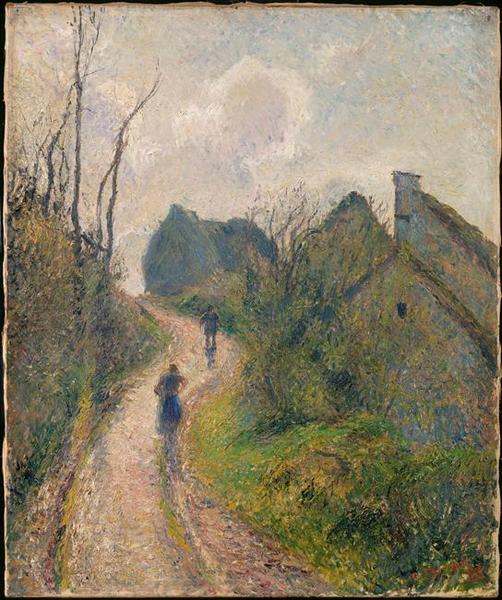
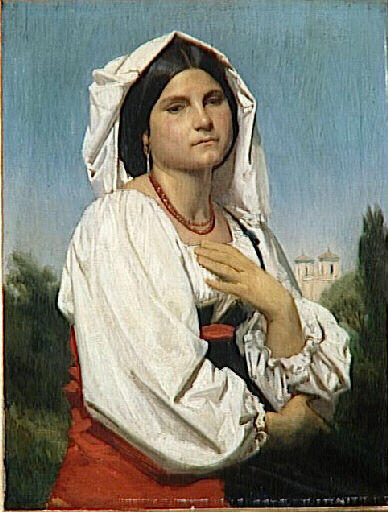
Térésa
¿Se puede contemplar?
Se desconoce
Valenciennes, Francia
Se conoce el propietario; no se sabe si hoy está expuesta.
- En este estado desde
- Fuente
- El museo
Ficha
- Número de inventario
- P.46.1.475
Lo que muestra
En el catálogo
Fuentes
- Musée des Arts et de l'Archéologie de Valenciennes
- Imagen: Musée des Arts et de l'Archéologie de Valenciennes — © Claude Thériez; Ministère de la Culture (France), base Joconde
Mientras tanto, en la vida de William-Adolphe Bouguereau
La vida entera1851–1853 · Formación
French Academy in Rome
1851–1854
Through Italy with Curzon: copies of Raphael, Titian, Assisi
At the French Academy in Rome Bouguereau meets G. Boulanger and J. Lenepveu, but becomes closest friends with the landscape painter P. Curzon; together they make many journeys through Italy — Naples, Pompeii, Siena, Perugia, Assisi, Florence, Pisa, Milan, Ravenna. Bouguereau visits almost all the museums and private collections, copies ancient Roman monuments, makes a replica of the complete cycle of frescoes in the basilica of San Francesco in Assisi, and copies Raphael’s “Triumph of Galatea” and Titian’s “Triumph of Flora”.
1851–1854
His tastes and the “discovery” of Giotto
In Italy Bouguereau’s tastes take shape: he names Michelangelo, Raphael and Leonardo as his chief authorities, finds Botticelli too “nervous”, counts Correggio among the geniuses but denies that status to Mantegna, whom he finds “soulless”. In Padua and Assisi he immerses himself in Giotto and discovers in his gestures and faces a link between Proto-Renaissance painting and French gallant painting of the eighteenth century — a “discovery” that will shape his work for the rest of his life and shows in two paintings called “Idyll” (1850 and 1851), reminiscent of Rococo pastorals.
after 1854
After Rome: decorating churches and mansions
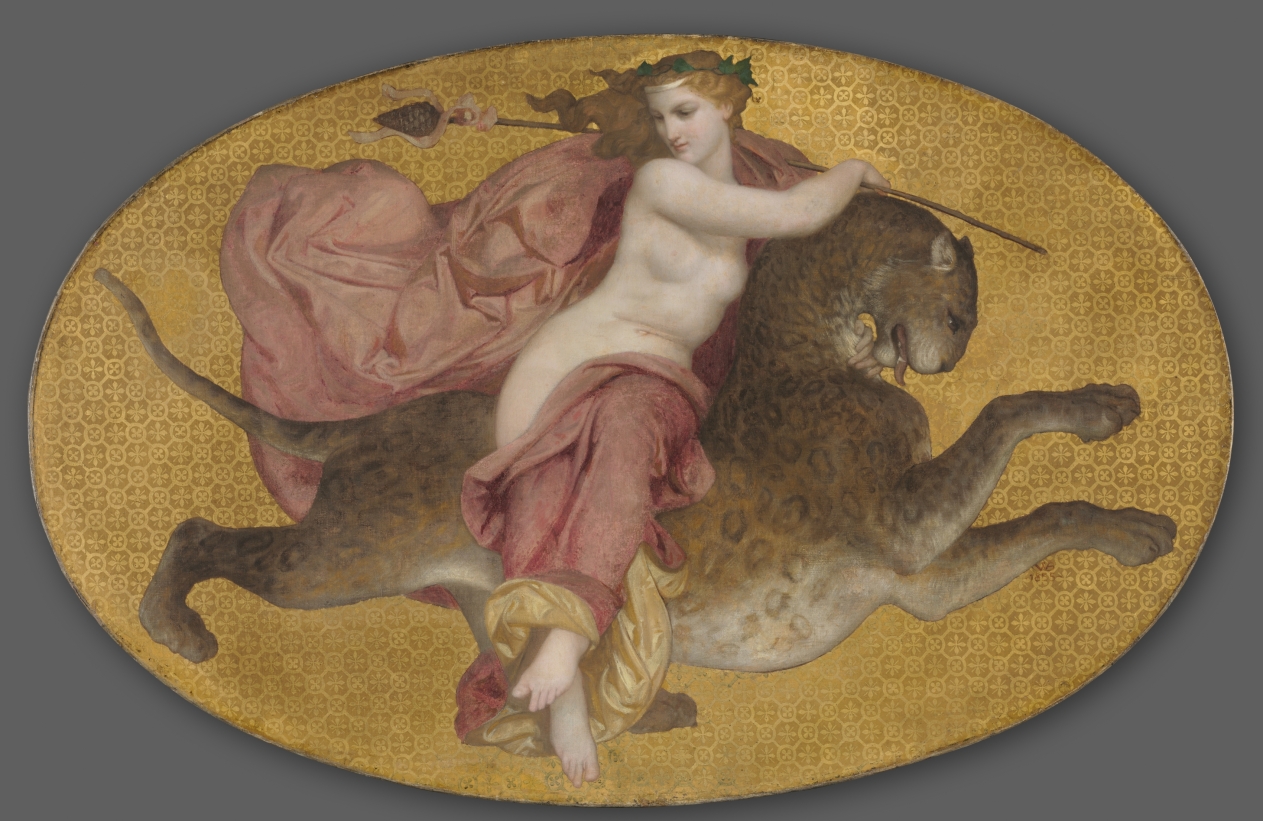
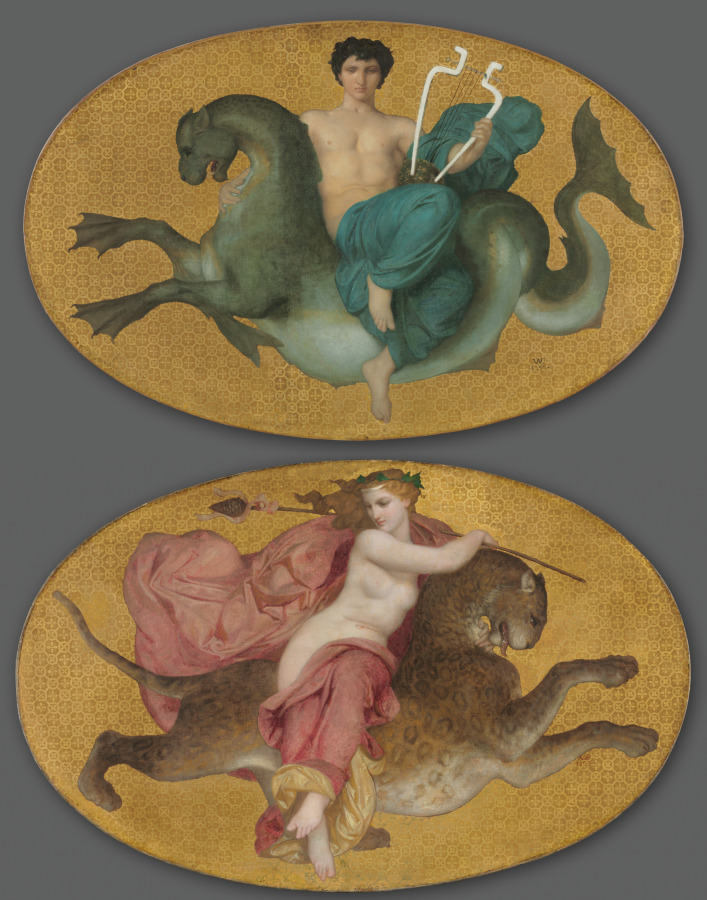
On finishing his stay in Rome Bouguereau receives commissions to decorate churches — the life of Saint Louis for a chapel, the lives of Saints Peter and Paul and of John the Baptist for the Parisian church of Saint-Augustin — and the mansions of A. Bartholoni and E. Pereire, for the first of which he paints “Arion on a Sea Horse” and “Bacchante”. These works demonstrate his undoubted ability for monumental painting.
1854
Return to La Rochelle: “The Triumph of Martyrdom”
In April 1854 Bouguereau leaves Rome and returns to La Rochelle. Before that, in Rome, he paints a number of large religious canvases, among them “The Triumph of Martyrdom” (1854), which draw the attention of the French secular and church authorities.
1856
Marie-Nelly Monchablon: a secret liaison with a model
In 1856 Bouguereau begins living with one of his models, the 19-year-old Marie-Nelly Monchablon: the couple keep their liaison secret and live together unmarried, and their first child, Henriette, is born in April 1857. They will marry only on 24 May 1866, and quietly, since many assumed they were already married (other accounts say he married as early as 1856).