ART WIKI32.963 en sala
MapaColecciónArtistasMuseosExposicionesRevista
Acceder

ART WIKI

Dónde cuelga la obra maestra y cuándo le dejan pasar.

Colecciones: Galería Nacional de Arte, Galería Nacional de Dinamarca, Galería Nacional de Retratos, Galería Tretiakov, Harvard Art Museums, Instituto de Arte de Chicago, Instituto de Artes de Mineápolis, MoMA, Museo de Arte de Cleveland, Museo de Victoria y Alberto, Museo del Hermitage, Museo del Louvre, Museo Estatal Ruso, Museo Hirshhorn y Jardín de Esculturas, Museo J. Paul Getty, Museo Metropolitano de Arte, Museo Pushkin, Museo Smithsoniano de Arte Americano, Museo Whitney de Arte Estadounidense, National Museum of Asian Art, Rijksmuseum, Villa Getty, Catálogo Estatal del Fondo Museístico de Rusia (274 museos), Europeana (19 museos), Wikidata (6 museos), Paris Musées (12 museos) y Joconde, la base de museos del Ministerio de Cultura de Francia (495 museos). Las imágenes pertenecen a sus titulares de derechos.

Secciones

  • Mapa
  • Búsqueda
  • Colección
  • Obras maestras
  • Expuestas ahora
  • Artistas

Más

  • Museos y galerías
  • Exposiciones
  • Revista
  • De dónde salen los datos
  • Privacidad y cookies
InicioMapaCatálogo
  1. Colección/
  2. Galería Nacional de Arte/
  3. Tampa 7
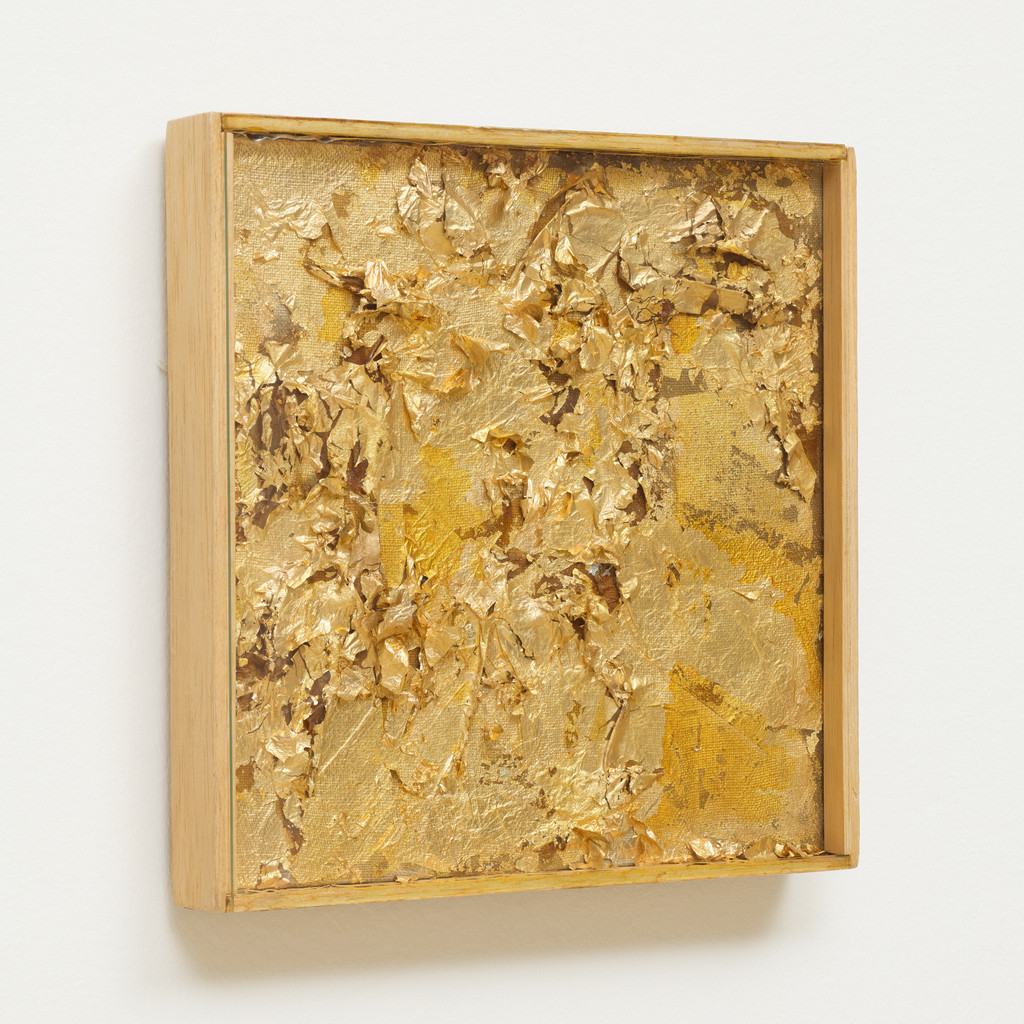
Tampa 7, Robert Rauschenberg, 1972
Robert Rauschenberg, retratoRobert RauschenbergEstados Unidos, 1925–2008

Tampa 7

1972 · Print

¿Se puede contemplar?

Por ahora no recibe

Galería Nacional de Arte

Washington D. C., Estados Unidos

Pertenece a la colección, pero ahora mismo no está expuesta.

Comprobado
hace 3 días
En este estado desde
19 ago 2026
Fuente
El museo
En el mapaPágina del museo

Ficha

1972 · a los 47 años
19252008
Número de inventario
1986.26.104

Lo que muestra

Non-representational

En el catálogo

EstampasLitografíaArte de posguerraSiglo XXAmerican

Fuentes

  • Galería Nacional de Arte
  • Imagen: Galería Nacional de Arte — © the artist or rights holder

Mientras tanto, en la vida de Robert Rauschenberg

La vida entera
  1. autumn 1970

    Moves to Captiva for good

    From the autumn of 1970 the Captiva house became Rauschenberg's permanent home and studio. The first works made there were the “Cardboards” (1971–72) and “Early Egyptians” (1973–74) series, from locally sourced cardboard and sand: instead of urban imagery he now favoured the natural fibres of fabric and paper.

  2. 1970

    Sets up Change, Inc. to help artists

    Rauschenberg created Change, Inc., a programme awarding one-time emergency grants of up to $1,000 to visual artists in financial need.

  3. 1970

    Helps create the Pepsi Pavilion at Expo '70 in Osaka

    Rauschenberg took part in creating the Pepsi Pavilion for the 1970 World Exposition in Osaka; the opening was directed by the choreographer and artist Remy Charlip.

  4. 1973

    The Scull auction and the fight for artists' royalties

    In 1973 the taxi baron Robert Scull sold Rauschenberg's paintings “Thaw” and “Double Feature”, bought for $900 and $2,500, for $85,000 and $90,000 at Sotheby Parke Bernet. The artist took up the fight for resale royalties for artists (droit de suite), lobbying the US Congress for a law.
Más obras de Robert Rauschenberg

Todas las obras
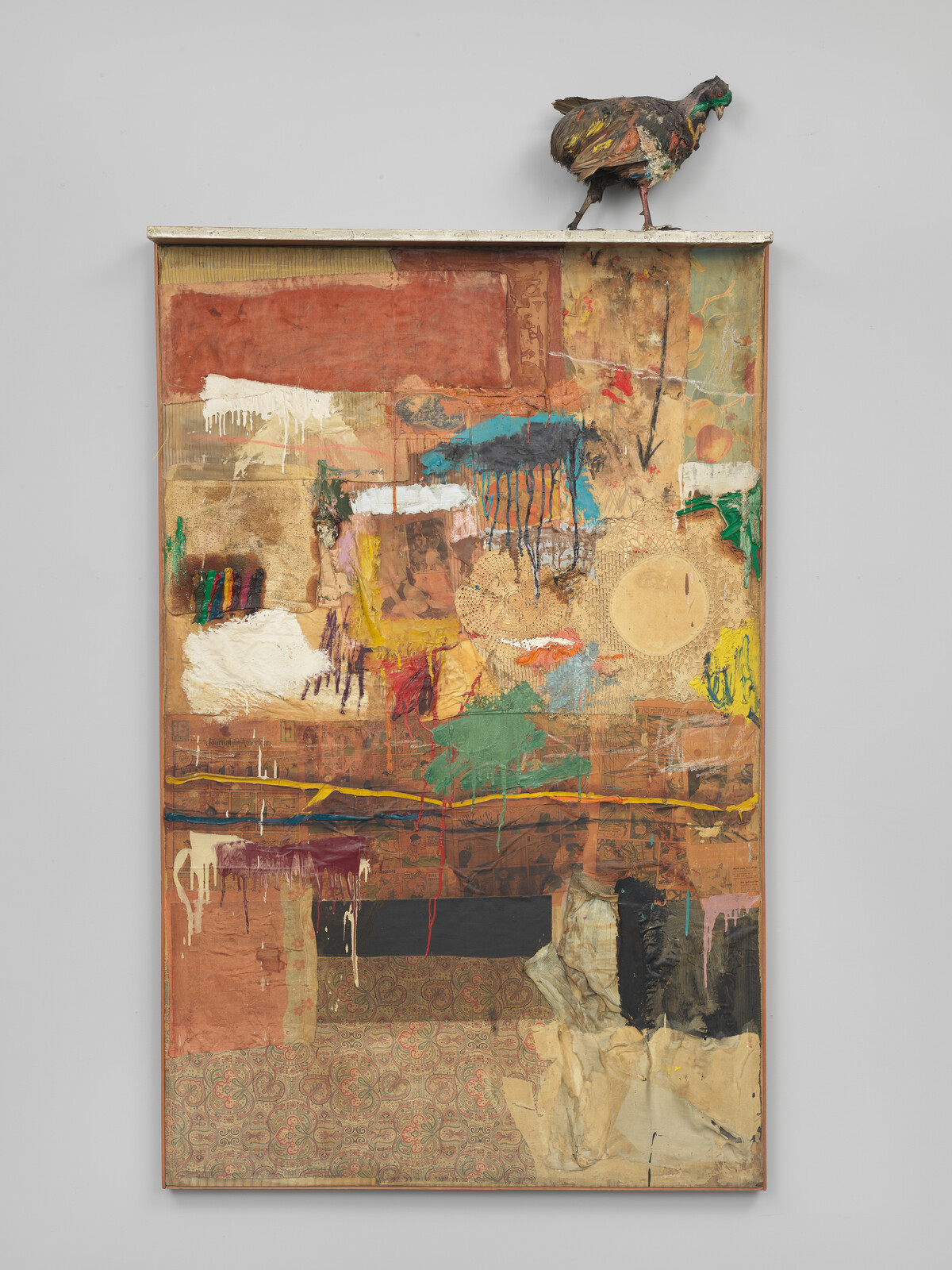
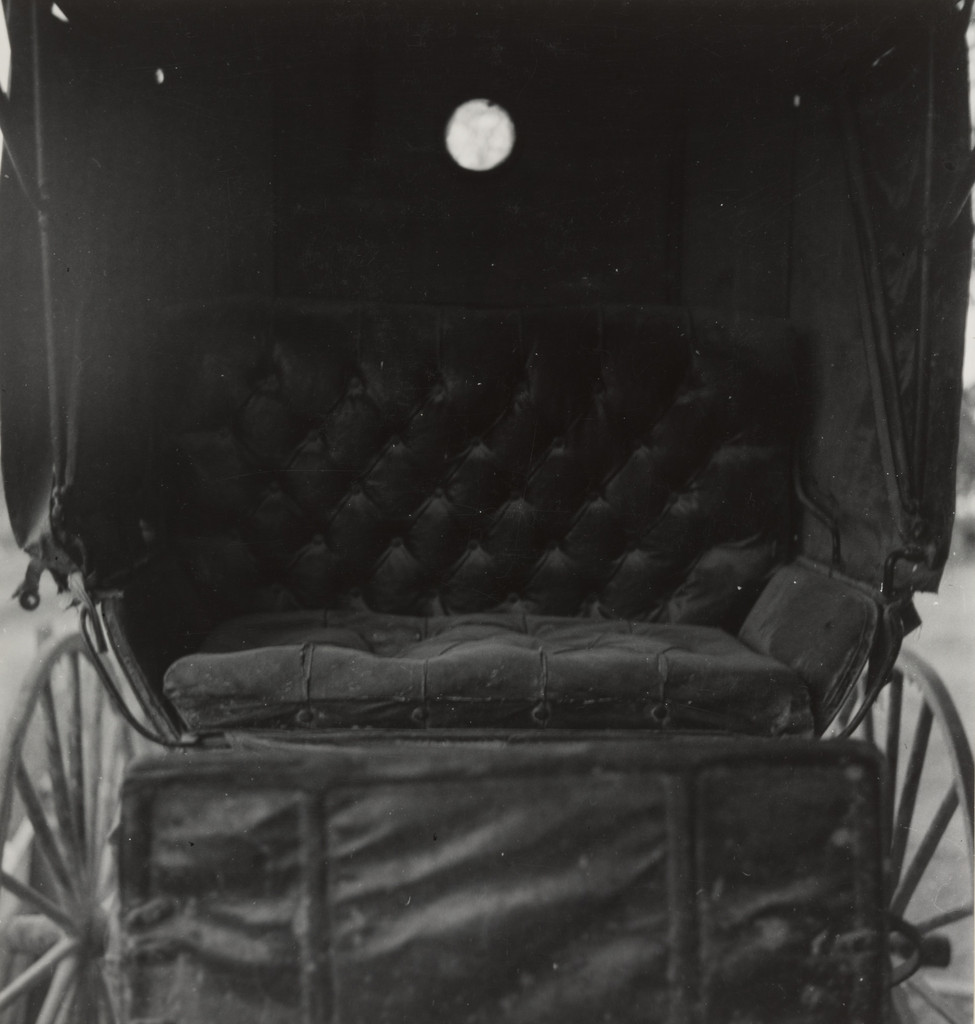
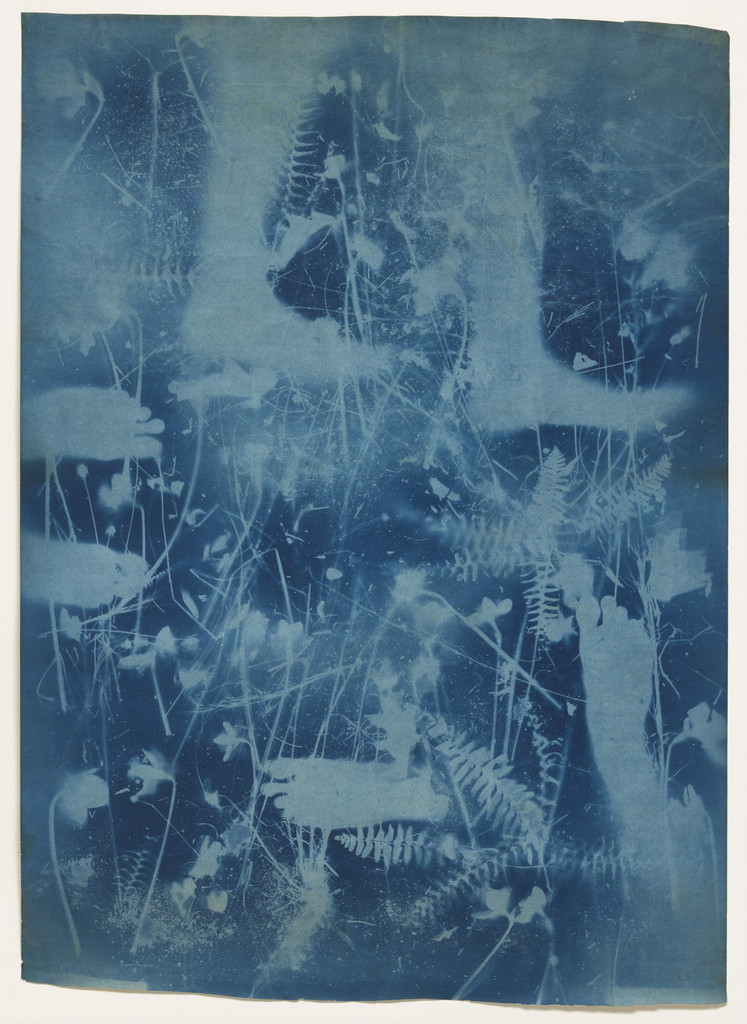
Untitled, Robert Rauschenberg, c. 1953

Untitled

c. 1953 · MoMA

Canyon, Robert Rauschenberg, 1959

Canyon

1959 · MoMA

Untitled, Robert Rauschenberg, c. 1955

Untitled

c. 1955 · Instituto de Arte de Chicago

Satellite, Robert Rauschenberg, 1955

Satellite

1955 · Museo Whitney de Arte Estadounidense

Untitled, Robert Rauschenberg, 1949

Untitled

1949 · No expuesta · MoMA

Untitled, Robert Rauschenberg, Susan Weil, c. 1950

Untitled

c. 1950 · No expuesta · MoMA

Black Painting, Robert Rauschenberg, 1952

Black Painting

1952 · No expuesta · Galería Nacional de Arte

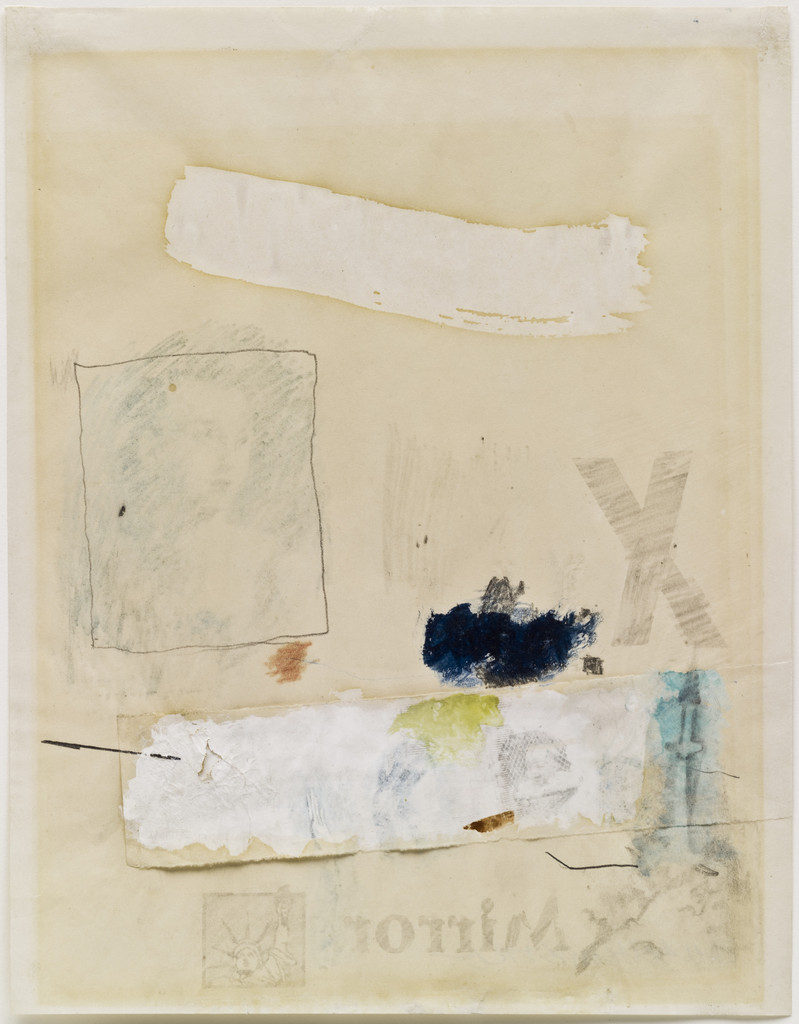
Untitled (Mirror), Robert Rauschenberg, (1952)

Untitled (Mirror)

(1952) · No expuesta · MoMA

Bajo el mismo techo: Galería Nacional de Arte

Página del museo
Ginevra de' Benci [obverse], Leonardo da Vinci, c. 1474/1478

Leonardo da Vinci

Retrato de Ginebra de Benci, c. 1474/1478

Wreath of Laurel, Palm, and Juniper with a Scroll inscribed Virtutem Forma Decorat [reverse], Leonardo da Vinci, c. 1474/1478

Leonardo da Vinci

Wreath of Laurel, Palm, and Juniper with a Scroll inscribed Virtutem Forma Decorat [reverse], c. 1474/1478

Green Wheat Fields, Auvers, Vincent van Gogh, 1890

Vincent van Gogh

Green Wheat Fields, Auvers, 1890

Girl in White, Vincent van Gogh, 1890

Vincent van Gogh

Chica en blanco, 1890

Roses, Vincent van Gogh, 1890

Vincent van Gogh

Roses, 1890

Self-Portrait, Vincent van Gogh, 1889

Vincent van Gogh

Self-Portrait, 1889

Farmhouse in Provence, Vincent van Gogh, 1888

Vincent van Gogh

Granja en Provenza, 1888

La Mousmé, Vincent van Gogh, 1888

Vincent van Gogh

La Mousmé, 1888

Sobre el mismo tema · Non-representational

Todas las obras sobre el tema
Sixth Knot, after Leonardo da Vinci, c. 1490/1500

Leonardo da Vinci

Sixth Knot, c. 1490/1500

No expuesta · Galería Nacional de Arte

Composition en trois couleurs (Composition in Three Colors), Pablo Picasso, 1947

Pablo Picasso

Composition en trois couleurs (Composition in Three Colors), 1947

No expuesta · Galería Nacional de Arte

A Glass on a Table, Pablo Picasso, 1913

Pablo Picasso

A Glass on a Table, 1913

No expuesta · Galería Nacional de Arte

Composition, Pablo Picasso, 1946

Pablo Picasso

Composition, 1946

No expuesta · Galería Nacional de Arte

Mao, Andy Warhol, 1973

Andy Warhol

Mao, 1973

No expuesta · Galería Nacional de Arte

The Heart, Henri Matisse, published 1947

Henri Matisse

The Heart, published 1947

No expuesta · Galería Nacional de Arte

The Nightmare of the White Elephant, Henri Matisse, published 1947

Henri Matisse

The Nightmare of the White Elephant, published 1947

No expuesta · Galería Nacional de Arte

The Codomas, Henri Matisse, published 1947

Henri Matisse

The Codomas, published 1947

No expuesta · Galería Nacional de Arte