ART WIKI32.963 en sala
MapaColecciónArtistasMuseosExposicionesRevista
Acceder

ART WIKI

Dónde cuelga la obra maestra y cuándo le dejan pasar.

Colecciones: Galería Nacional de Arte, Galería Nacional de Dinamarca, Galería Nacional de Retratos, Galería Tretiakov, Harvard Art Museums, Instituto de Arte de Chicago, Instituto de Artes de Mineápolis, MoMA, Museo de Arte de Cleveland, Museo de Victoria y Alberto, Museo del Hermitage, Museo del Louvre, Museo Estatal Ruso, Museo Hirshhorn y Jardín de Esculturas, Museo J. Paul Getty, Museo Metropolitano de Arte, Museo Pushkin, Museo Smithsoniano de Arte Americano, Museo Whitney de Arte Estadounidense, National Museum of Asian Art, Rijksmuseum, Villa Getty, Catálogo Estatal del Fondo Museístico de Rusia (274 museos), Europeana (19 museos), Wikidata (6 museos), Paris Musées (12 museos) y Joconde, la base de museos del Ministerio de Cultura de Francia (495 museos). Las imágenes pertenecen a sus titulares de derechos.

Secciones

  • Mapa
  • Búsqueda
  • Colección
  • Obras maestras
  • Expuestas ahora
  • Artistas

Más

  • Museos y galerías
  • Exposiciones
  • Revista
  • De dónde salen los datos
  • Privacidad y cookies
InicioMapaCatálogo
  1. Colección/
  2. Instituto de Artes de Mineápolis/
  3. Shiva Ardhanarisvara
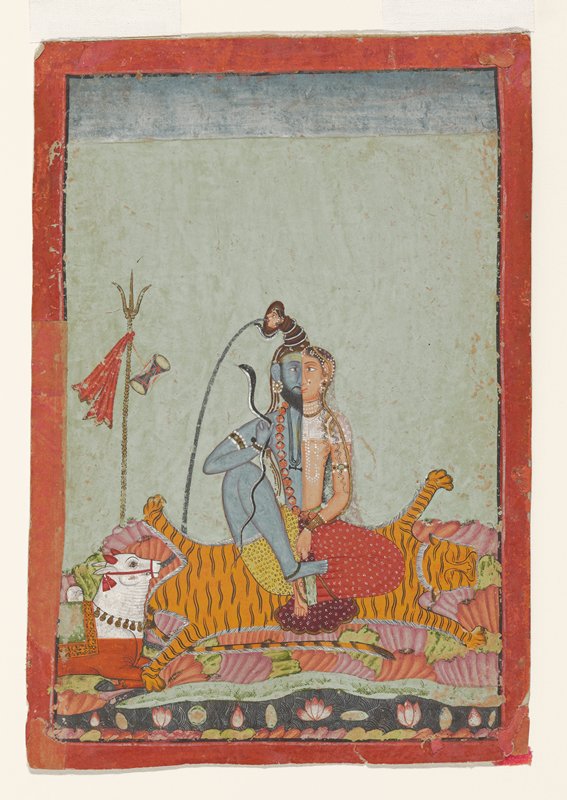
Shiva Ardhanarisvara, c. 1700–1750

Shiva Ardhanarisvara

c. 1700–1750 · Paintings, Works on Paper

Sobre el cuadro

In this hypnotic image, the Hindu god Shiva and his wife Parvati share one body, in the form known as Ardhanarisvara, ‘lord whose half is woman.’ It reveals Shiva as a symbol of his omnipotence, the seed and womb of all creation and destruction. Here, a razor-sharp vertical divides and unites the image, with the artist depicting the respective halves with individualized dimensionality. Shiva assumes the role of bearded ascetic, wearing a garland of skulls, with his attributes, the trident, kettle-drum, and bull vehicle, Nandi, at his side. His right hand tames a snake while another serpent wraps Shiva’s topknot, which in turn, catches the river goddess Ganga on her decent from heaven to the earth. Parvati, herself a manifestation of Devi (The Great Goddess), and embodiment of Shakti (female energy), is princess and daughter of the Himalaya—the source of the Ganges River and abode of the loving holy family. The mauve mountain and exuberant, lotus-filled pool are typical of the Bundi school in Rajasthan, and respectively represent Lake Manasarovar and Mt. Kailash in Tibet.

Instituto de Artes de Mineápolis

Ficha

Número de inventario
2020.40.3

En la misma sala · G212, Instituto de Artes de Mineápolis

Página del museo

¿Se puede contemplar?

Sí, recibe visitas

Instituto de Artes de Mineápolis

Minneapolis, Estados Unidos

SalaG212

Expuesta al público. Quién lo avala figura más abajo.

Comprobado
hace 3 días
En este estado desde
25 sept 2026
Fuente
El museo
En el mapaPágina del museo

En el catálogo

PinturaGouacheBarrocoSiglo XVIIIIndia

Fuentes

  • Instituto de Artes de Mineápolis
  • Imagen: Instituto de Artes de Mineápolis — public domain
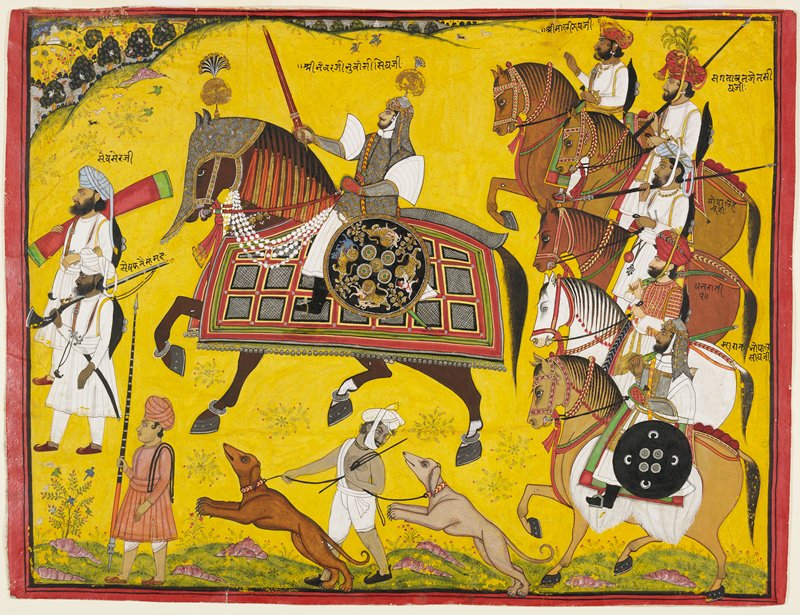
Processional Portrait of Prince Bhawani Singh of Sitamau, Attributed to Pyara Singh, 1855

Attributed to Pyara Singh

Processional Portrait of Prince Bhawani Singh of Sitamau, 1855

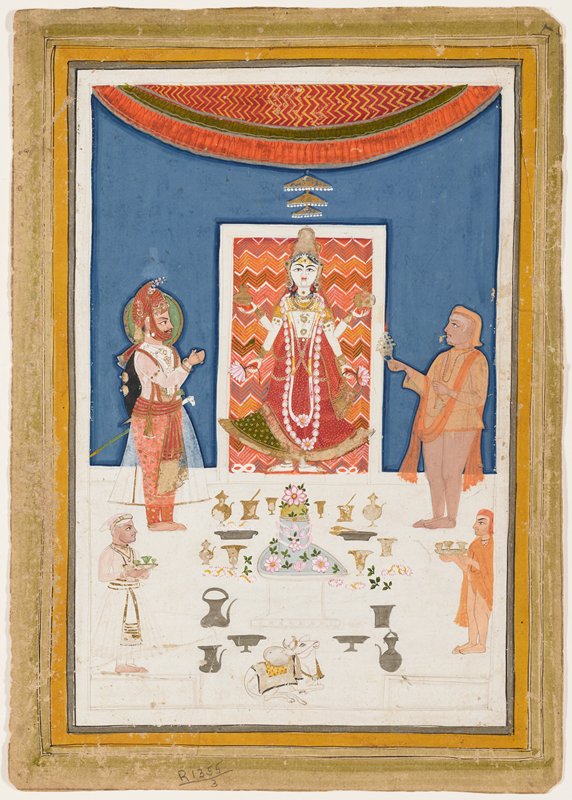
A Maharana of Mewar Worshipping an Icon, c. 1850

A Maharana of Mewar Worshipping an Icon, c. 1850

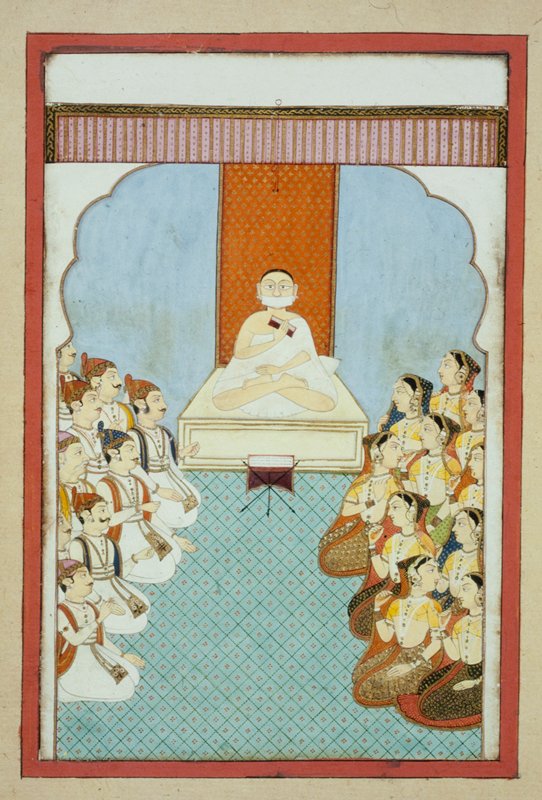
A Jain Guru Gives a Sermon, c. 1810

A Jain Guru Gives a Sermon, c. 1810

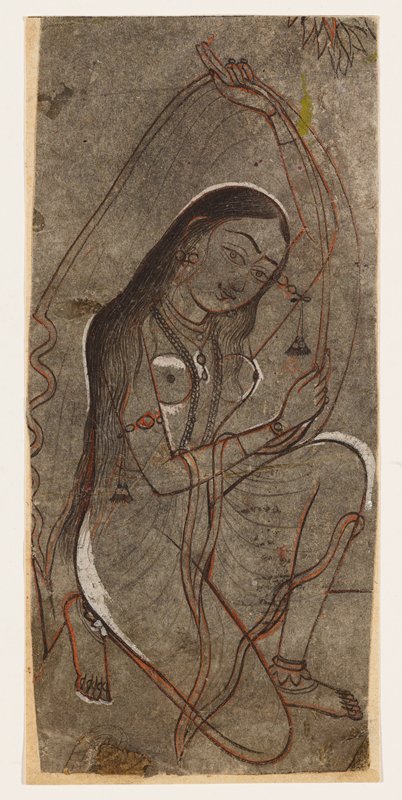
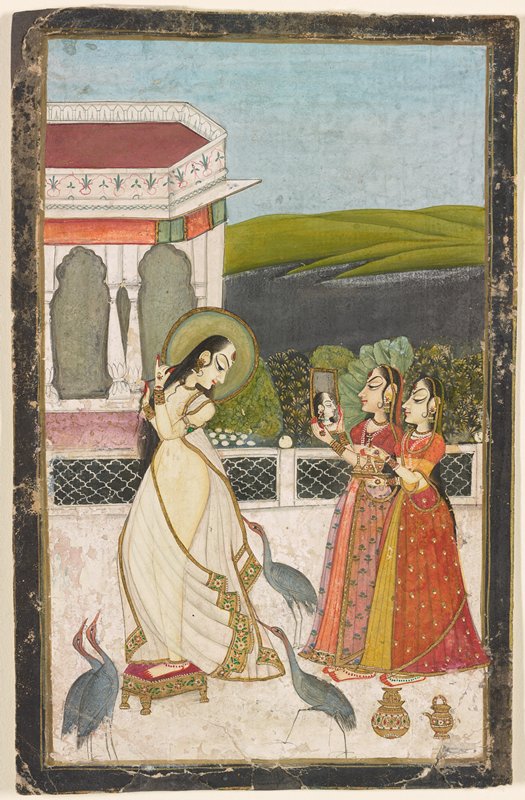
Girl at Her Toilet, c. 1810

Girl at Her Toilet, c. 1810

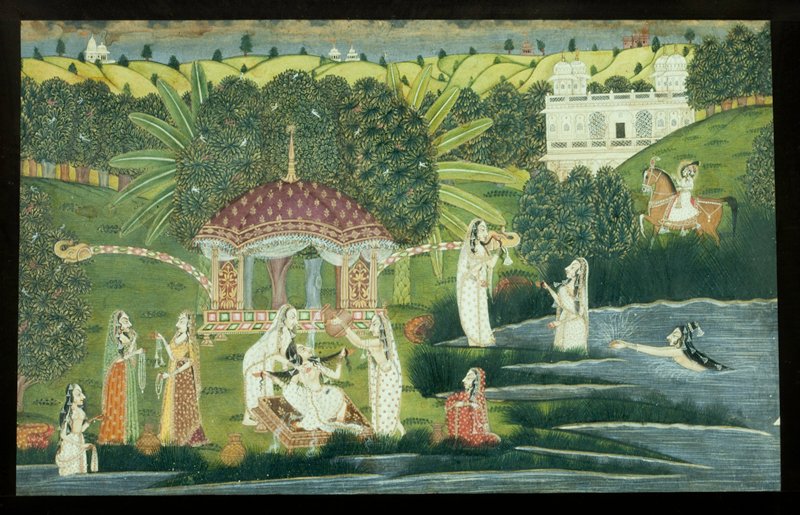
Bani Thani Bathing at Pholl Sagar Palace, Kishangarh school, 1810–20

Kishangarh school

Bani Thani Bathing at Pholl Sagar Palace, 1810–20

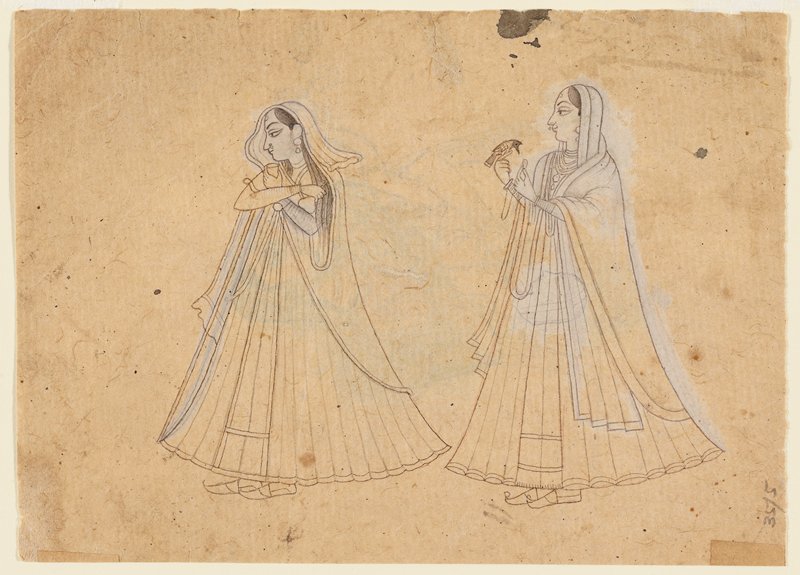
Two Court Ladies, Mother and Child (reverse), c. 1810

Two Court Ladies, Mother and Child (reverse), c. 1810

The Vilaval Ragini, c. 1780

The Vilaval Ragini, c. 1780

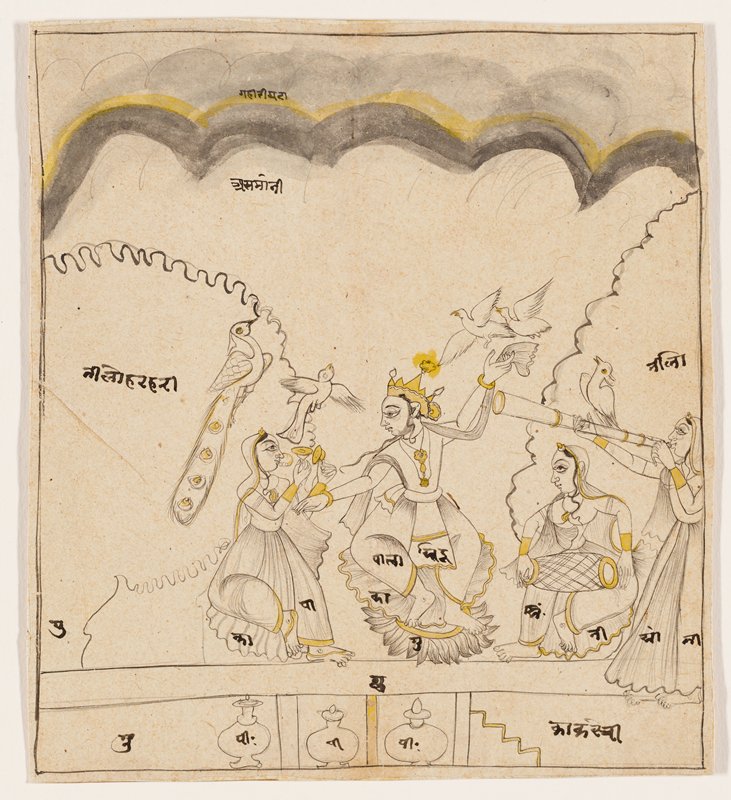
Megha Raga, c. 1780

Megha Raga, c. 1780