Edward WestonEstados Unidos, 1886–1958
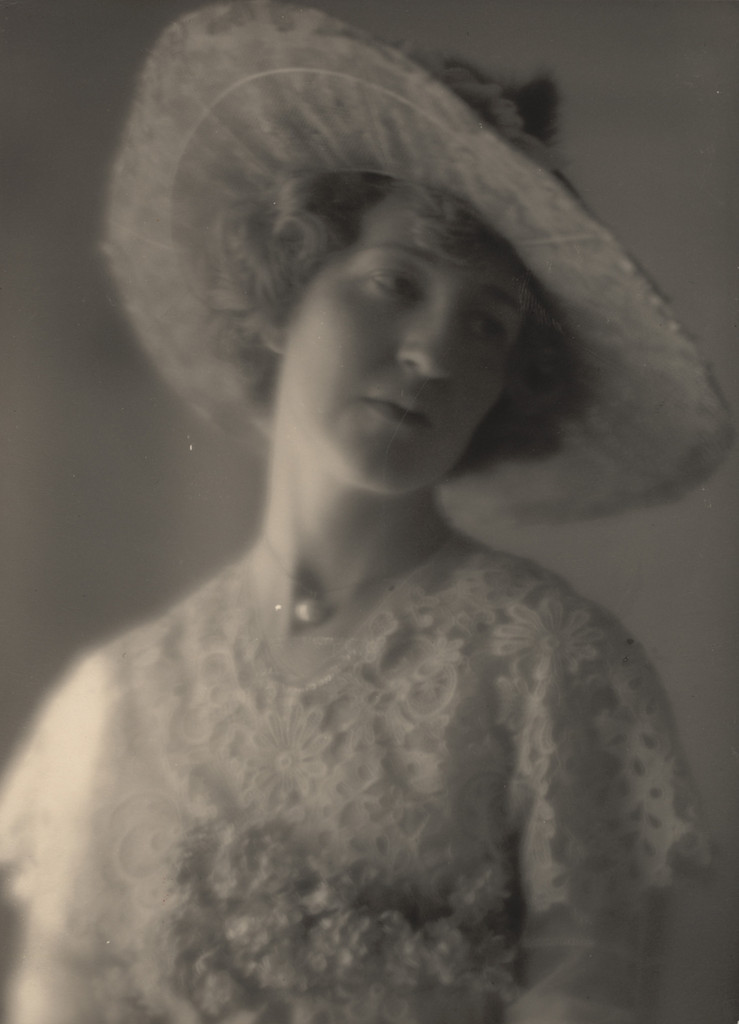
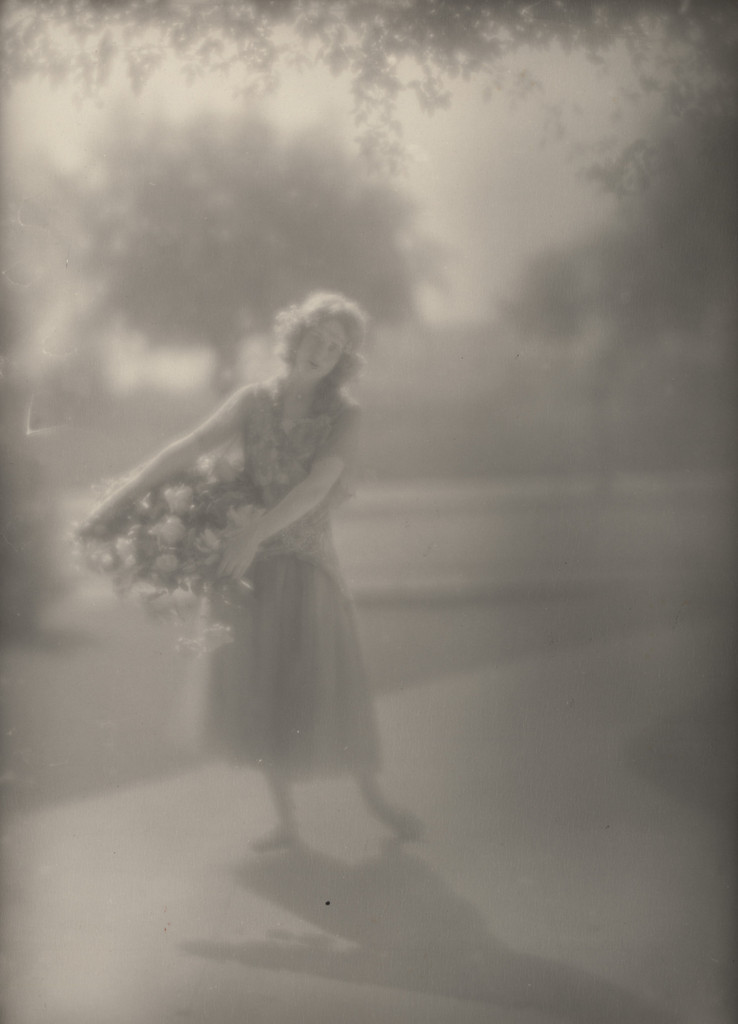
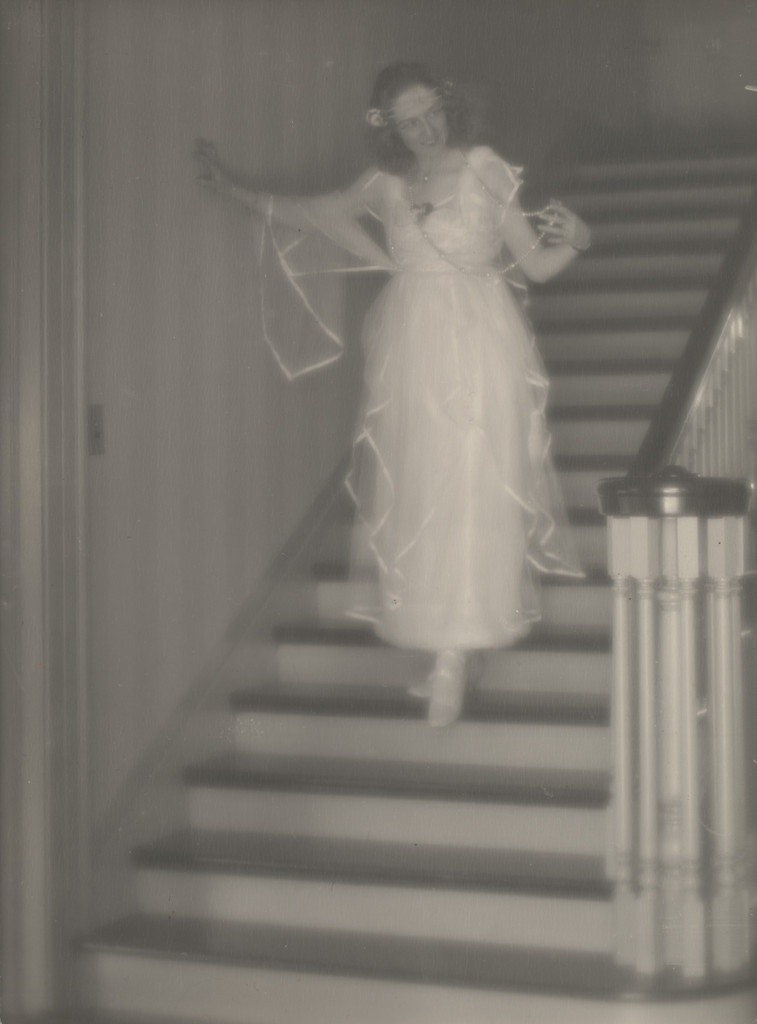
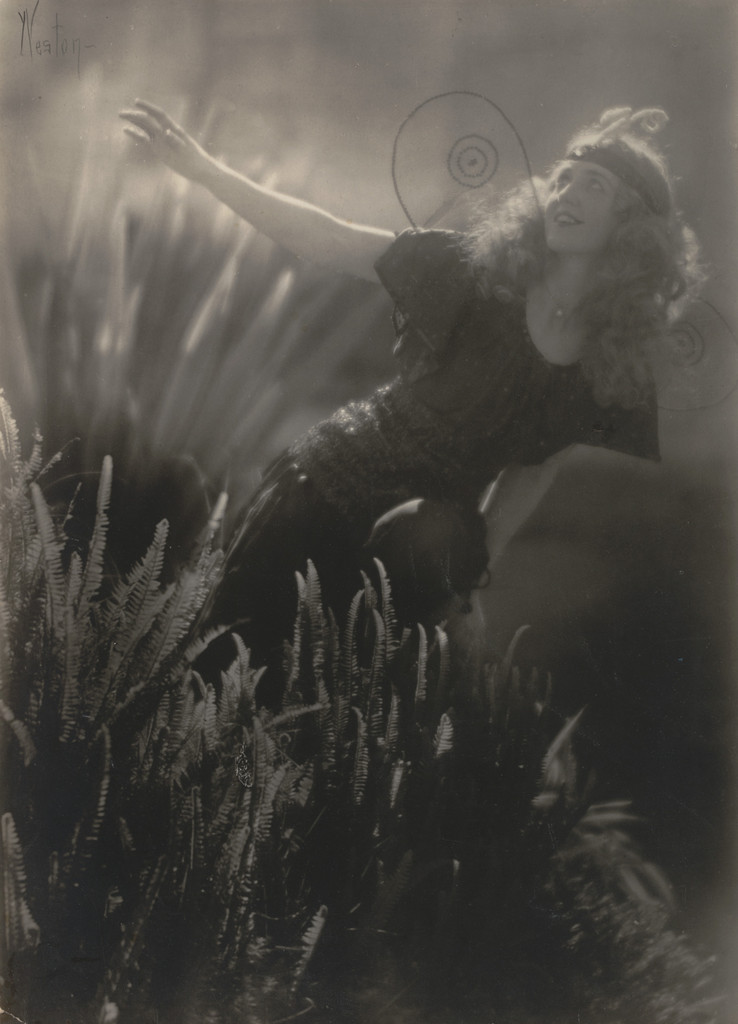
Santa Fe Engine
¿Se puede contemplar?
Por ahora no recibe

Instituto de Arte de Chicago
Chicago, Estados Unidos
Pertenece a la colección, pero ahora mismo no está expuesta.
- Comprobado
- En este estado desde
- Fuente
- Los datos de colección del propio museo
Ficha
- Número de inventario
- 1959.828
What it shows
En el catálogo
Fuentes
- Instituto de Arte de Chicago: the museum's own open data · obtenido hace 6 días
- Imagen: Instituto de Arte de Chicago — © the artist or rights holder
Mientras tanto, en la vida de Edward Weston
La vida entera1937–1939
Nearly 1,400 negatives in two years on the fellowship
The first photographer to receive a Guggenheim Fellowship, he produces nearly 1,400 negatives over the next two years with his 8 × 10 view camera.
24 April 1939
Marries Charis Wilson
Finally relieved of past financial stress and inordinately happy with both his work and his relationship, Weston marries Wilson in a small ceremony on 24 April.
1945
First symptoms of Parkinson’s disease
The year 1945 marks the beginning of significant changes: Weston begins to experience the first symptoms of Parkinson’s disease, a debilitating ailment that will gradually steal his strength and his ability to photograph. He withdraws from Wilson, who is becoming more involved in local politics and the Carmel cultural scene.
until February 1946
Separation from Charis Wilson
A strength that once brought them together — her lack of interest in becoming a photographer herself — eventually leads to their break-up. While he is working on a major retrospective for the Museum of Modern Art they separate; Weston returns to Glendale, since the land under their cabin on Wildcat Hill still belongs to Wilson’s father. Within a few months she moves out and arranges to sell the property to him. She later wrote that her flight from Edward was partly an escape from photography, which had taken up so much room in her life.
February 1946
Retrospective at the Museum of Modern Art
In February 1946 Weston’s major retrospective opens at the Museum of Modern Art in New York. He and Beaumont Newhall select 313 prints, and eventually 250 photographs are displayed along with 11 negatives. Many of his prints are still for sale at the time, and he sells 97 prints from the show at $25 each.
1947
Diagnosed with Parkinson’s disease
He is diagnosed with Parkinson’s disease and soon stops photographing; he spends the remaining ten years of his life overseeing the printing of more than 1,000 of his most famous images.