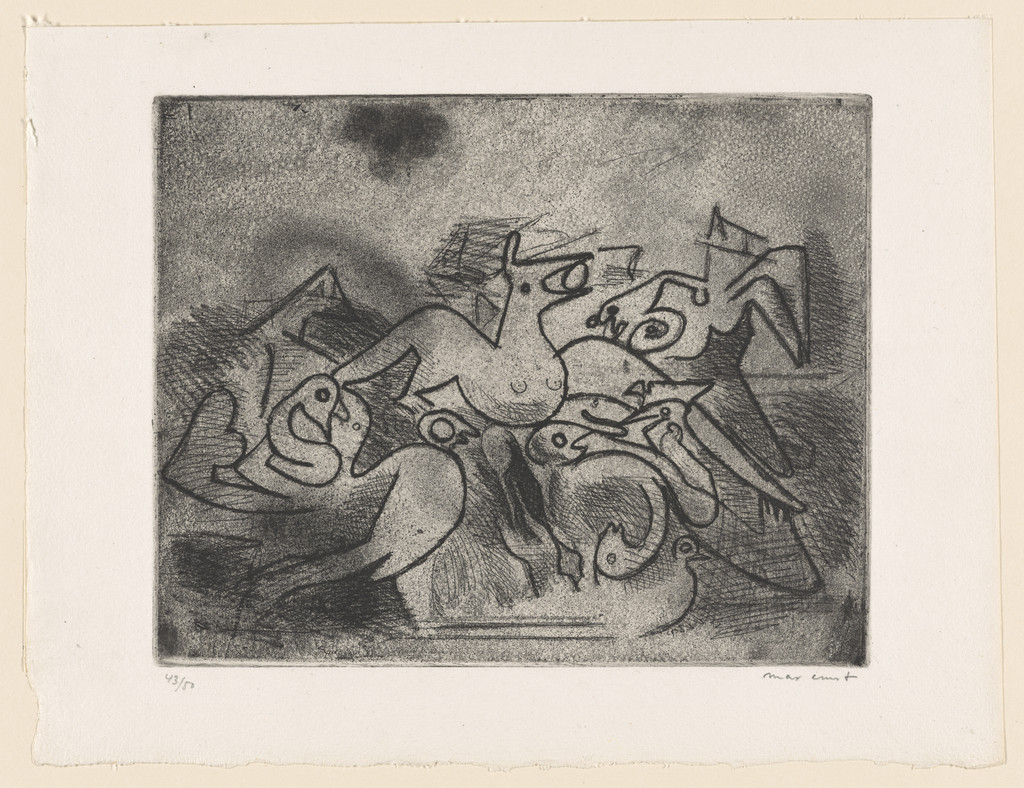
 Max ErnstFrancia, 1891–1976
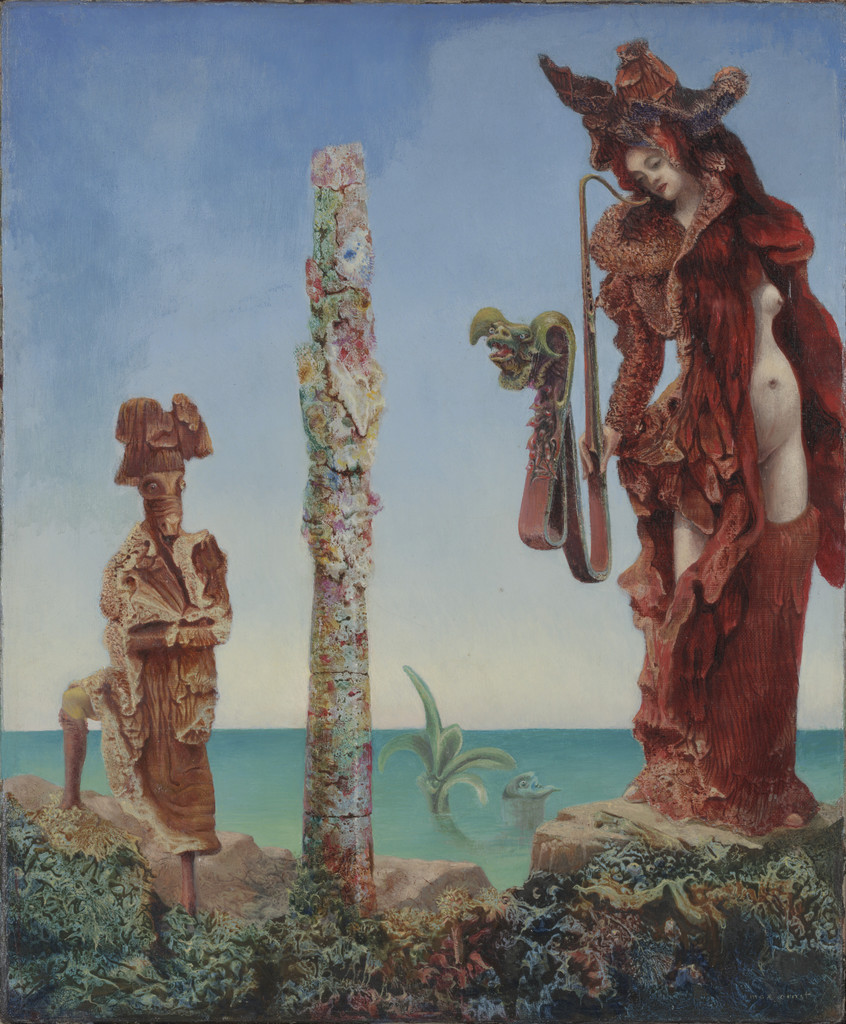
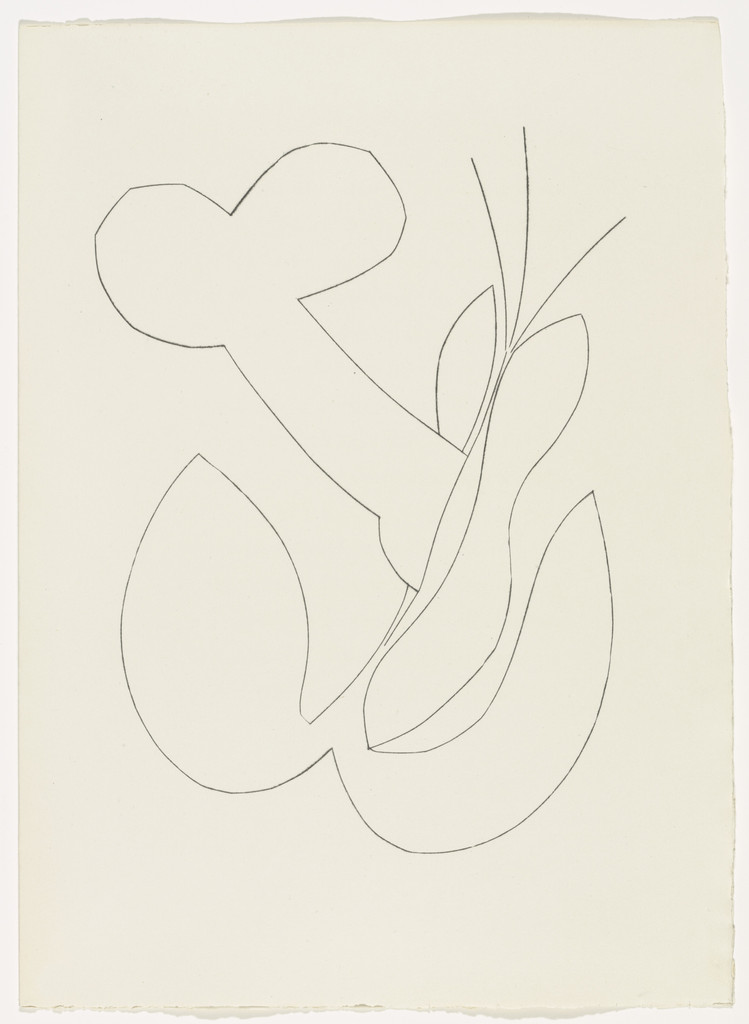
Plate (folio 13) from 23 Gravures
¿Puedo verla?
No expuesta por ahora
¿Dónde está «Plate (folio 13) from 23 Gravures» hoy? Colección: MoMA, Nueva York. No expuesta por ahora. Comprobado 22 de septiembre de 2026.

Nueva York, Estados Unidos
Pertenece a la colección, pero ahora mismo no está expuesta.
- Comprobado
- Fuente
- El museo
Ficha
- Número de inventario
- 14.1945.5
En el catálogo
Fuentes
- MoMA
- Imagen: MoMA — © the artist or rights holder
En la vida de Max Ernst
La vida entera1929
The collage novel “La Femme 100 têtes”
In 1929 appeared the graphic novel La Femme 100 têtes, some 150 drawings with the artist’s text and an address to the reader by André Breton. One of its characters was Loplop, the chief of the birds, who appeared in Ernst’s work again and again.
1931
A first solo show in New York
In 1931 Julien Levy’s gallery in New York held Ernst’s first solo show there; Levy bought some of the collages exhibited in Paris the same year at Galerie Pierre.
1934–1935
“Une semaine de bonté” and the first sculptures
In 1934 appeared Ernst’s next collage novel, Une semaine de bonté. He spent the summers of 1934 and 1935 at Maloja with the sculptor family Giacometti and turned to sculpture.
1936
Shows at MoMA and in London; decalcomania
In 1936 Ernst took part in the exhibition Fantastic Art, Dada, Surrealism at MoMA in New York and in the large surrealist exhibition in London; that year Óscar Domínguez introduced decalcomania, which Ernst began to use in oil painting.
1937
Leonora Carrington: a passion and a house in the Ardèche
In 1937, at Roland Penrose’s in London, Ernst met Leonora Carrington, who had been struck by his paintings at the surrealist exhibition a year earlier. A passion flared between them and Leonora followed him to Paris; he left his wife and lived with her for several years, buying a house at Saint-Martin-d’Ardèche where he made many frescoes and sculptures.
1937
The text “Au-delà de la peinture” in “Cahiers d’art”
In 1937 a special issue of Cahiers d’art published Ernst’s text Au-delà de la peinture on his work from 1918 to 1936; that year he also designed Alfred Jarry’s play Ubu enchaîné.