ART WIKI32.979 en sala
MapaColecciónArtistasMuseosExposicionesRevista
Acceder

ART WIKI

Dónde cuelga la obra maestra y cuándo le dejan pasar.

Colecciones: Galería Nacional de Arte, Galería Nacional de Dinamarca, Galería Nacional de Retratos, Galería Tretiakov, Harvard Art Museums, Instituto de Arte de Chicago, Instituto de Artes de Mineápolis, MoMA, Museo de Arte de Cleveland, Museo de Victoria y Alberto, Museo del Hermitage, Museo del Louvre, Museo Estatal Ruso, Museo Hirshhorn y Jardín de Esculturas, Museo J. Paul Getty, Museo Metropolitano de Arte, Museo Pushkin, Museo Smithsoniano de Arte Americano, Museo Whitney de Arte Estadounidense, National Museum of Asian Art, Rijksmuseum, Villa Getty, Catálogo Estatal del Fondo Museístico de Rusia (274 museos), Europeana (19 museos), Wikidata (6 museos), Paris Musées (12 museos) y Joconde, la base de museos del Ministerio de Cultura de Francia (495 museos). Las imágenes pertenecen a sus titulares de derechos.

Secciones

  • Mapa
  • Búsqueda
  • Colección
  • Obras maestras
  • Expuestas ahora
  • Artistas

Más

  • Museos y galerías
  • Exposiciones
  • Revista
  • De dónde salen los datos
  • Privacidad y cookies
InicioMapaCatálogo
  1. Colección/
  2. Instituto de Artes de Mineápolis/
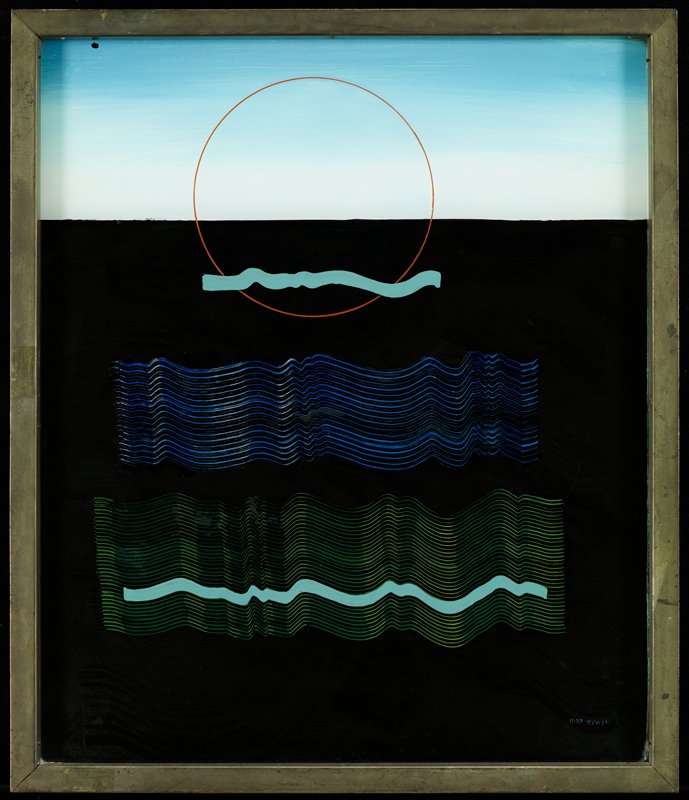
  3. Soleil rouge maritime
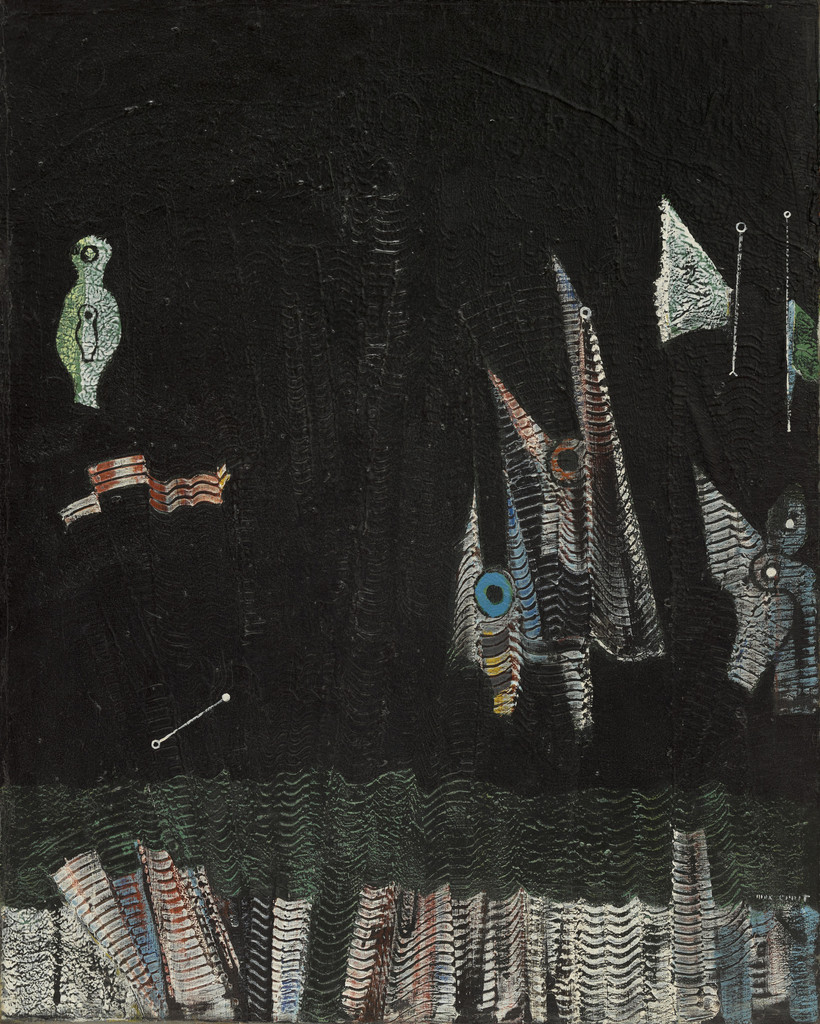
Soleil rouge maritime, Max Ernst, 1927
Max Ernst, retratoMax ErnstFrancia, 1891–1976

Soleil rouge maritime

1927 · Painting · 53.34 × 44.77 cm

¿Se puede contemplar?

Por ahora no recibe

Instituto de Artes de Mineápolis

Minneapolis, Estados Unidos

Pertenece a la colección, pero ahora mismo no está expuesta.

Comprobado
hace 3 días
En este estado desde
5 oct 2026
Fuente
El museo
En el mapaPágina del museo

Ficha

1927 · a los 36 años
18911976
Número de inventario
2002.104

En el catálogo

PinturaÓleoPintura francesaPintura alemanaPintura estadounidenseModernismoSiglo XXAlemania

Idas y venidas

  1. Ahora no está expuesta

    Instituto de Artes de Mineápolis · 5 oct 2026 — hoy · Verificado

  2. Expuesta · G377

    Instituto de Artes de Mineápolis · 25 sept 2026 — 5 oct 2026 · Verificado

Fuentes

  • Instituto de Artes de Mineápolis
  • Imagen: Instituto de Artes de Mineápolis — © Artists Rights Society (ARS), New York / ADAGP, Paris

Mientras tanto, en la vida de Max Ernst

La vida entera
  1. 1925

    A contract with Jacques Viot and a studio in Montmartre

    Back in Paris Ernst signed a contract with Jacques Viot that let him paint full-time, and in 1925 he took a studio at 22 rue Tourlaque in Montmartre. The contract ended in June with Viot’s mysterious disappearance.

  2. 1926

    “Histoire naturelle”: a portfolio of frottages

    At Jeanne Bucher’s press Ernst published Histoire naturelle, a portfolio of drawings in the frottage technique, with an introduction by Hans Arp.

  3. 1926

    The first large show at Galerie van Leer

    In 1926 the Paris gallery van Leer held Ernst’s first large exhibition; in place of a preface the catalogue printed poems by Paul Éluard, Benjamin Péret and Robert Desnos.

  4. 1926

    Diaghilev’s ballet and Breton’s scandal

    In 1926 Ernst and Joan Miró designed Romeo and Juliet for Sergei Diaghilev’s company; Breton, indignant at the work with the Ballets Russes, made a scandal at the premiere, and in La Révolution surréaliste he and Aragon accused Ernst and Miró of belittling the idea of surrealism. The next issue, however, carried two of Ernst’s works with an apologia by Éluard.

  5. 1927

    Married: Marie-Berthe Aurenche

  6. 1929

    The collage novel “La Femme 100 têtes”

    In 1929 appeared the graphic novel La Femme 100 têtes, some 150 drawings with the artist’s text and an address to the reader by André Breton. One of its characters was Loplop, the chief of the birds, who appeared in Ernst’s work again and again.
Más obras de Max Ernst

Todas las obras
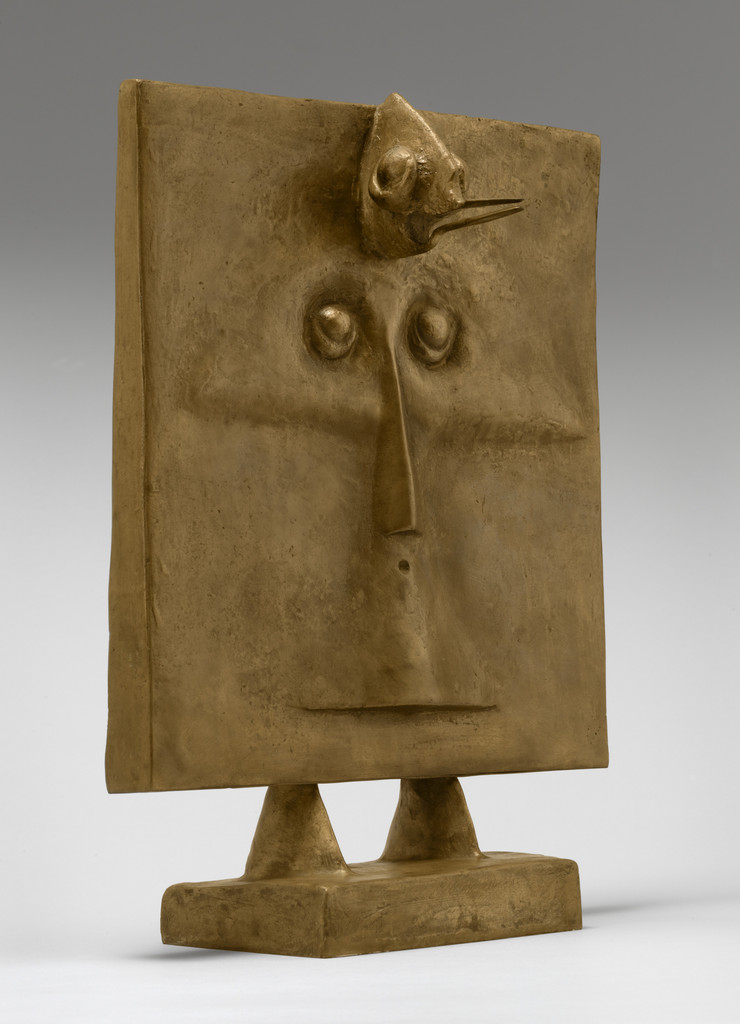
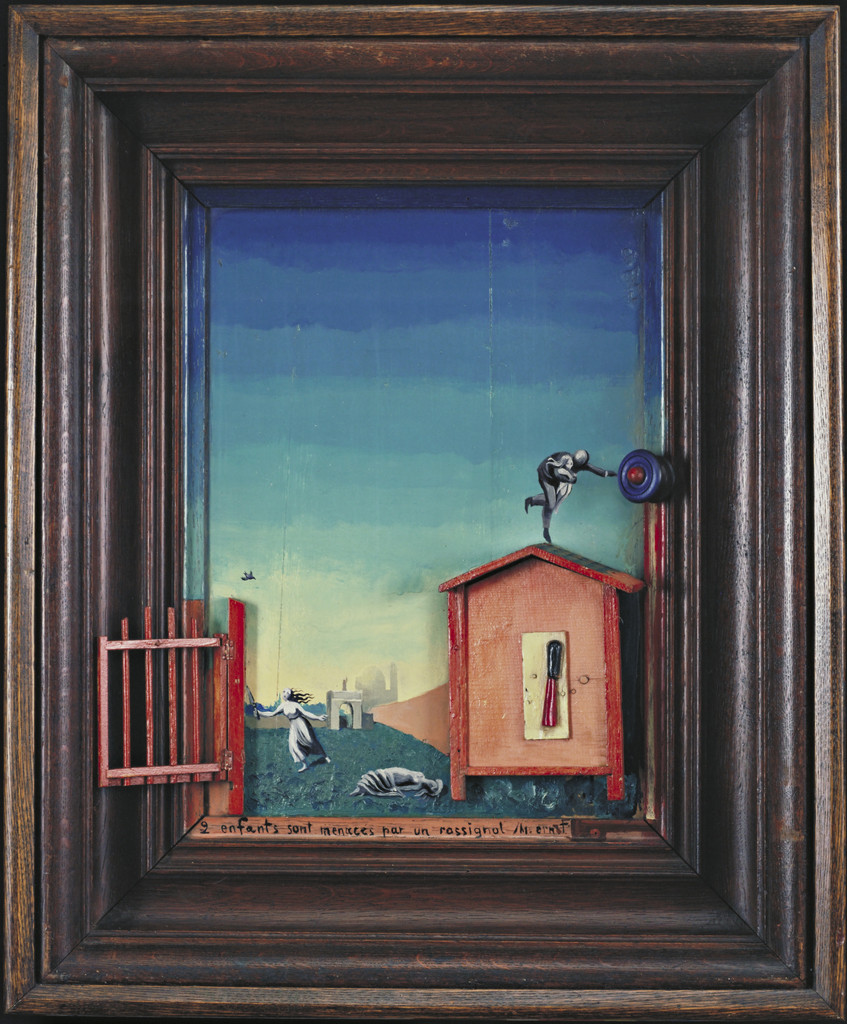
Two Children Are Threatened by a Nightingale (Deux Enfants sont menacés par un rossignol), Max Ernst, 1924

Two Children Are Threatened by a Nightingale (Deux Enfants sont menacés par un rossignol)

1924 · MoMA

Birds above the Forest (Oiseaux au-dessus de la forêt), Max Ernst, 1929

Birds above the Forest (Oiseaux au-dessus de la forêt)

1929 · MoMA

Bird-Head (Oiseau-tête), Max Ernst, 1934-35

Bird-Head (Oiseau-tête)

1934-35 · MoMA

A Moment of Calm, Max Ernst, 1939

A Moment of Calm

1939 · Galería Nacional de Arte

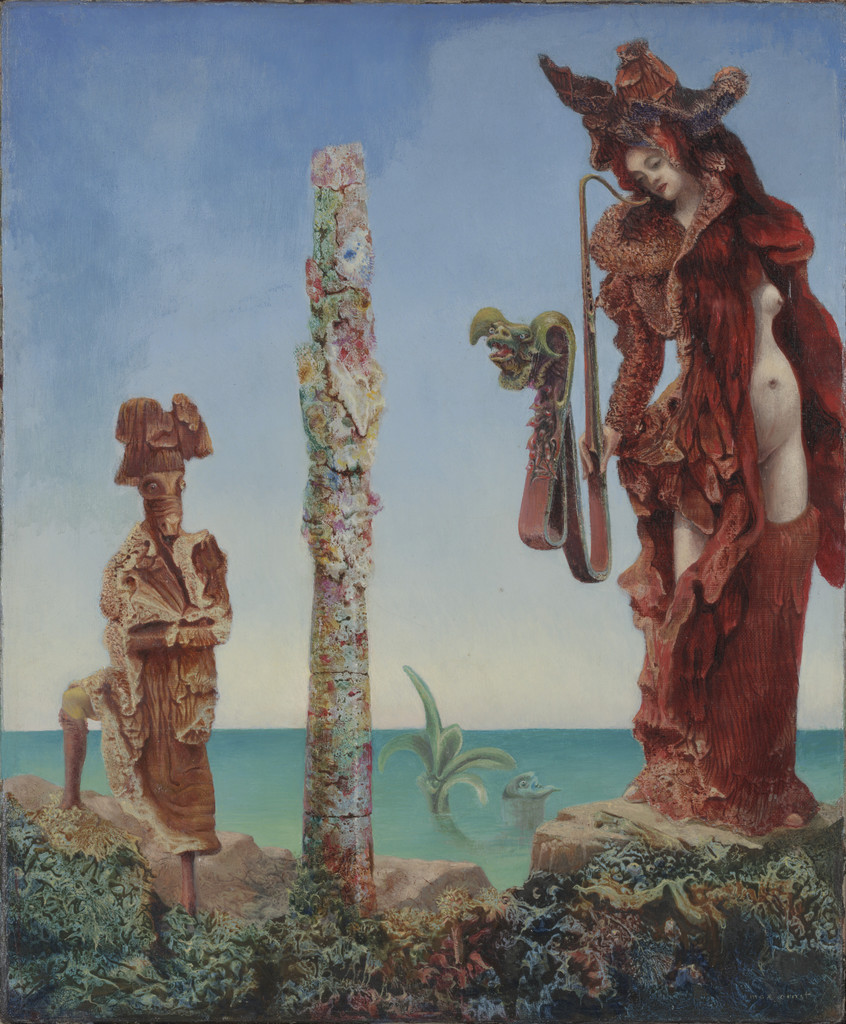
Napoleon in the Wilderness, Max Ernst, 1941

Napoleon in the Wilderness

1941 · MoMA

Forest and Sun, Max Ernst, 1927

Forest and Sun

1927 · Instituto de Arte de Chicago

Self-Constructed Little Machine, Max Ernst, 1919/20

Self-Constructed Little Machine

1919/20 · Instituto de Arte de Chicago

The Massacre of the Innocents, Max Ernst, 1920

The Massacre of the Innocents

1920 · Instituto de Arte de Chicago

Bajo el mismo techo: Instituto de Artes de Mineápolis

Página del museo
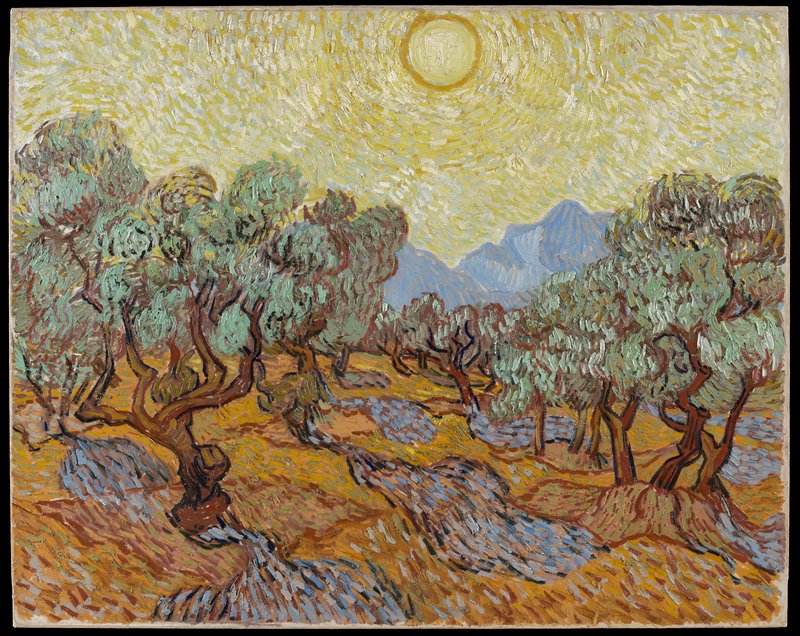
Olive Trees, Vincent van Gogh, 1889

Vincent van Gogh

Olive Trees, 1889

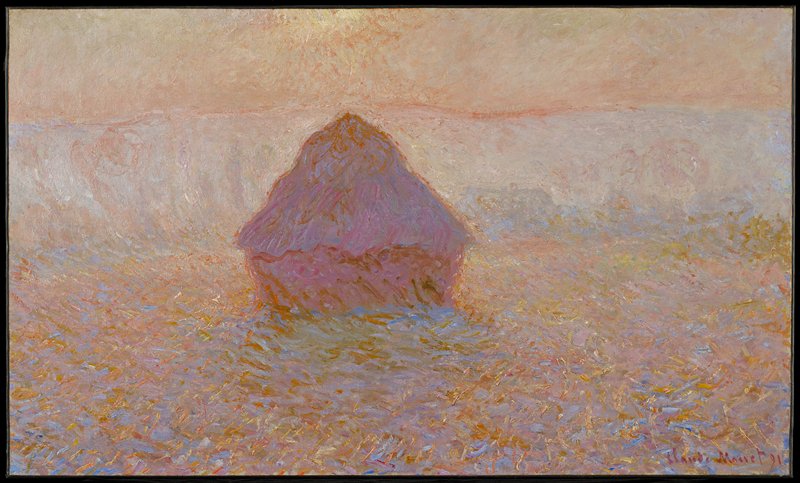
Grainstack, Sun in the Mist, Claude Monet, 1891

Claude Monet

Grainstack, Sun in the Mist, 1891

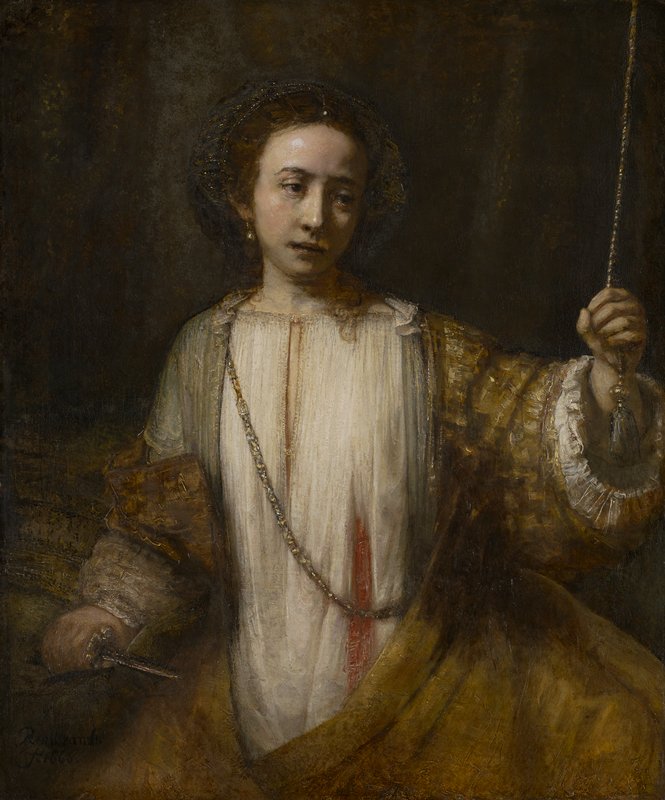
Lucretia, Rembrandt van Rijn, 1666

Rembrandt van Rijn

Lucretia, 1666

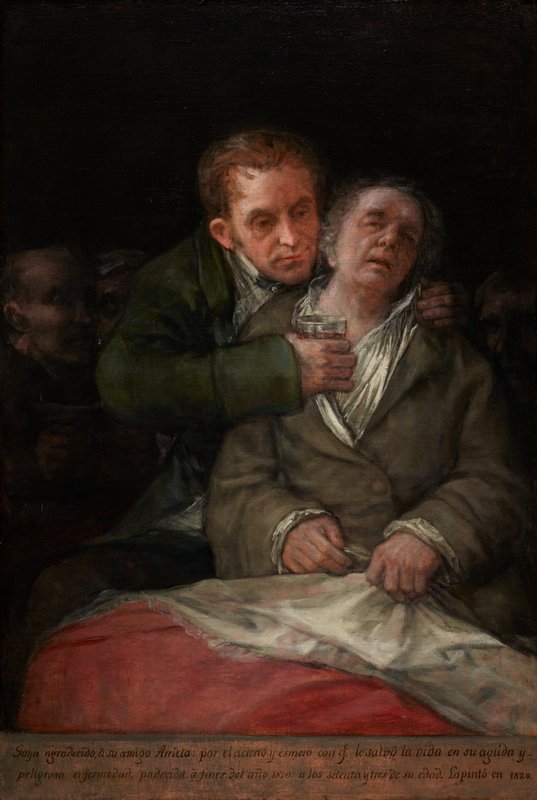
Self-Portrait with Dr. Arrieta, Francisco José de Goya y Lucientes, 1820

Francisco de Goya

Goya atendido por el doctor Arrieta, 1820

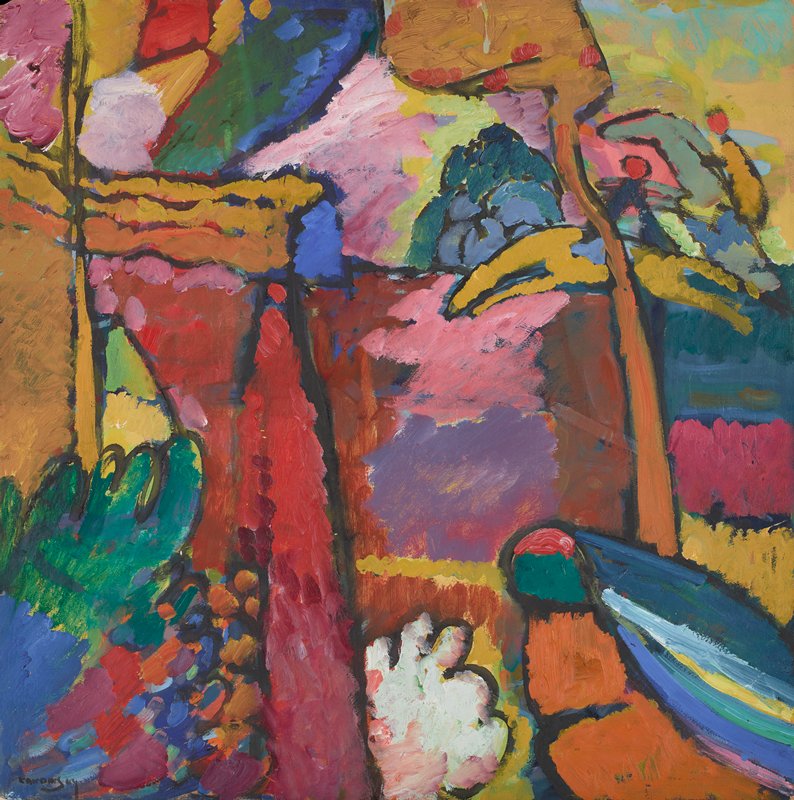
Study for Improvisation V, Vassily Kandinsky, 1910

Vasily Kandinsky

Study for Improvisation V, 1910

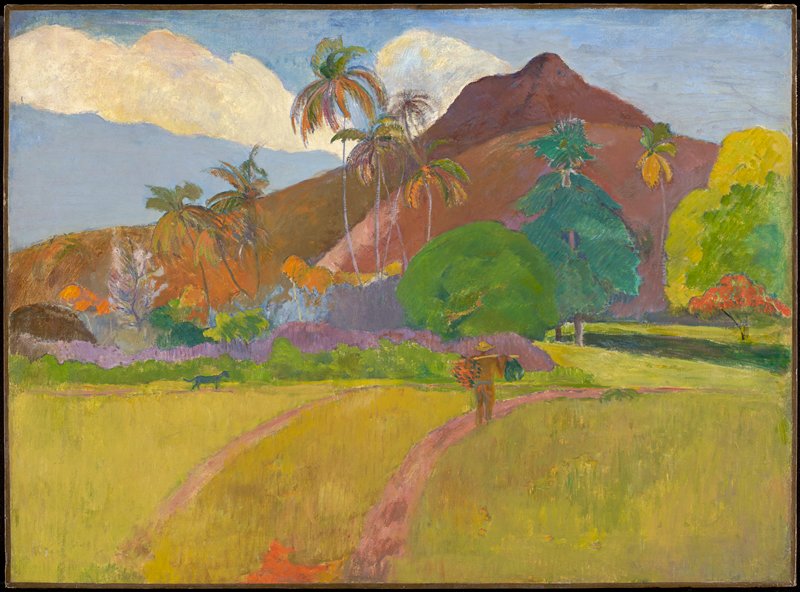
Tahitian Landscape, Paul Gauguin, 1891

Paul Gauguin

Tahitian Landscape, 1891

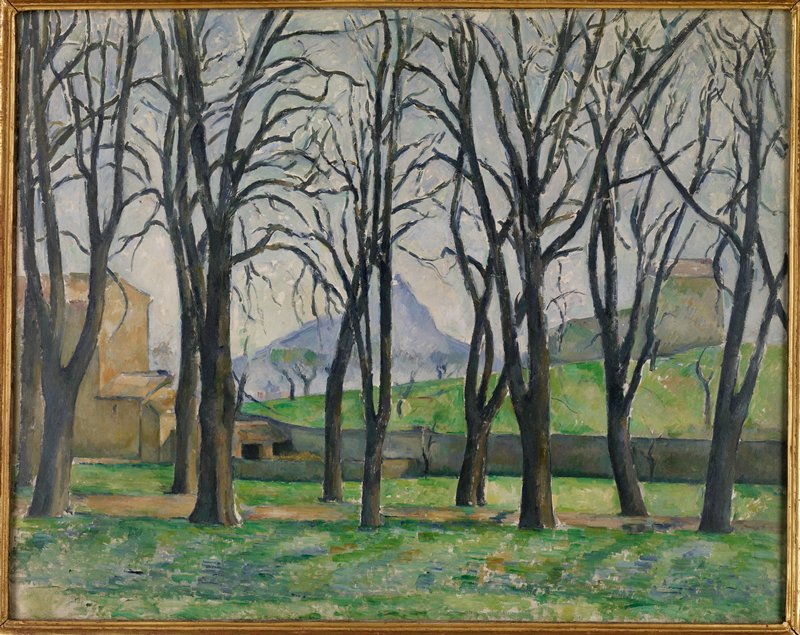
Chestnut Trees at Jas de Bouffan, Paul Cézanne, c. 1885–86

Paul Cézanne

Chestnut Trees at Jas de Bouffan, c. 1885–86

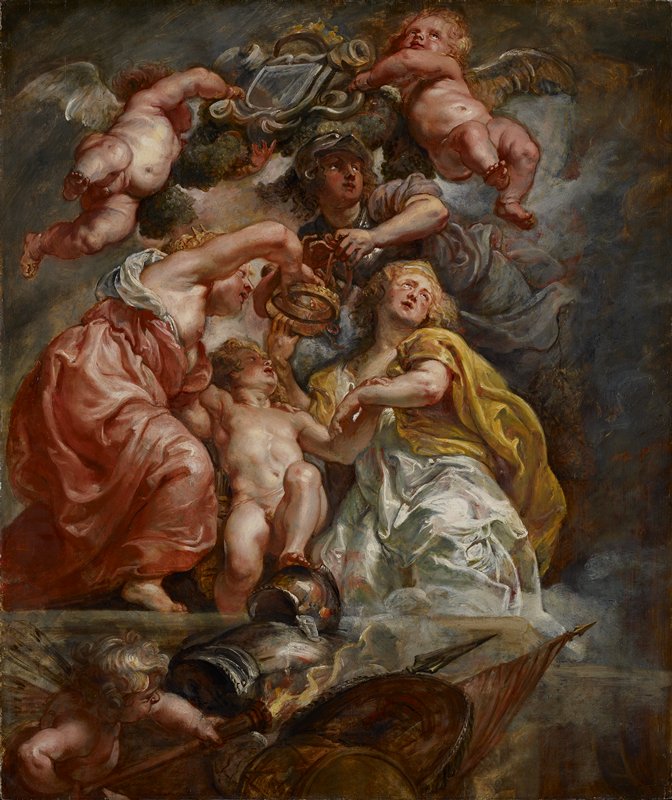
The Union of England and Scotland (Charles I as the Prince of Wales), Peter Paul Rubens, 1633–34

Peter Paul Rubens

The Union of England and Scotland (Charles I as the Prince of Wales), 1633–34