ART WIKI32.979 en sala
MapaColecciónArtistasMuseosExposicionesRevista
Acceder

ART WIKI

Dónde cuelga la obra maestra y cuándo le dejan pasar.

Colecciones: Galería Nacional de Arte, Galería Nacional de Dinamarca, Galería Nacional de Retratos, Galería Tretiakov, Harvard Art Museums, Instituto de Arte de Chicago, Instituto de Artes de Mineápolis, MoMA, Museo de Arte de Cleveland, Museo de Victoria y Alberto, Museo del Hermitage, Museo del Louvre, Museo Estatal Ruso, Museo Hirshhorn y Jardín de Esculturas, Museo J. Paul Getty, Museo Metropolitano de Arte, Museo Pushkin, Museo Smithsoniano de Arte Americano, Museo Whitney de Arte Estadounidense, National Museum of Asian Art, Rijksmuseum, Villa Getty, Catálogo Estatal del Fondo Museístico de Rusia (274 museos), Europeana (19 museos), Wikidata (6 museos), Paris Musées (12 museos) y Joconde, la base de museos del Ministerio de Cultura de Francia (495 museos). Las imágenes pertenecen a sus titulares de derechos.

Secciones

  • Mapa
  • Búsqueda
  • Colección
  • Obras maestras
  • Expuestas ahora
  • Artistas

Más

  • Museos y galerías
  • Exposiciones
  • Revista
  • De dónde salen los datos
  • Privacidad y cookies
InicioMapaCatálogo
  1. Colección/
  2. Museo de Victoria y Alberto/
  3. Painting
Painting, Miskina, ca. 1590-95
MMiskina

Painting

ca. 1590-95 · Painting · 32.8 × 19.6 cm

¿Se puede contemplar?

Se desconoce

Museo de Victoria y Alberto

Londres, Reino Unido

Se conoce el propietario; no se sabe si hoy está expuesta.

En este estado desde
25 sept 2026
Fuente
El museo
En el mapaPágina del museo

Sobre el cuadro

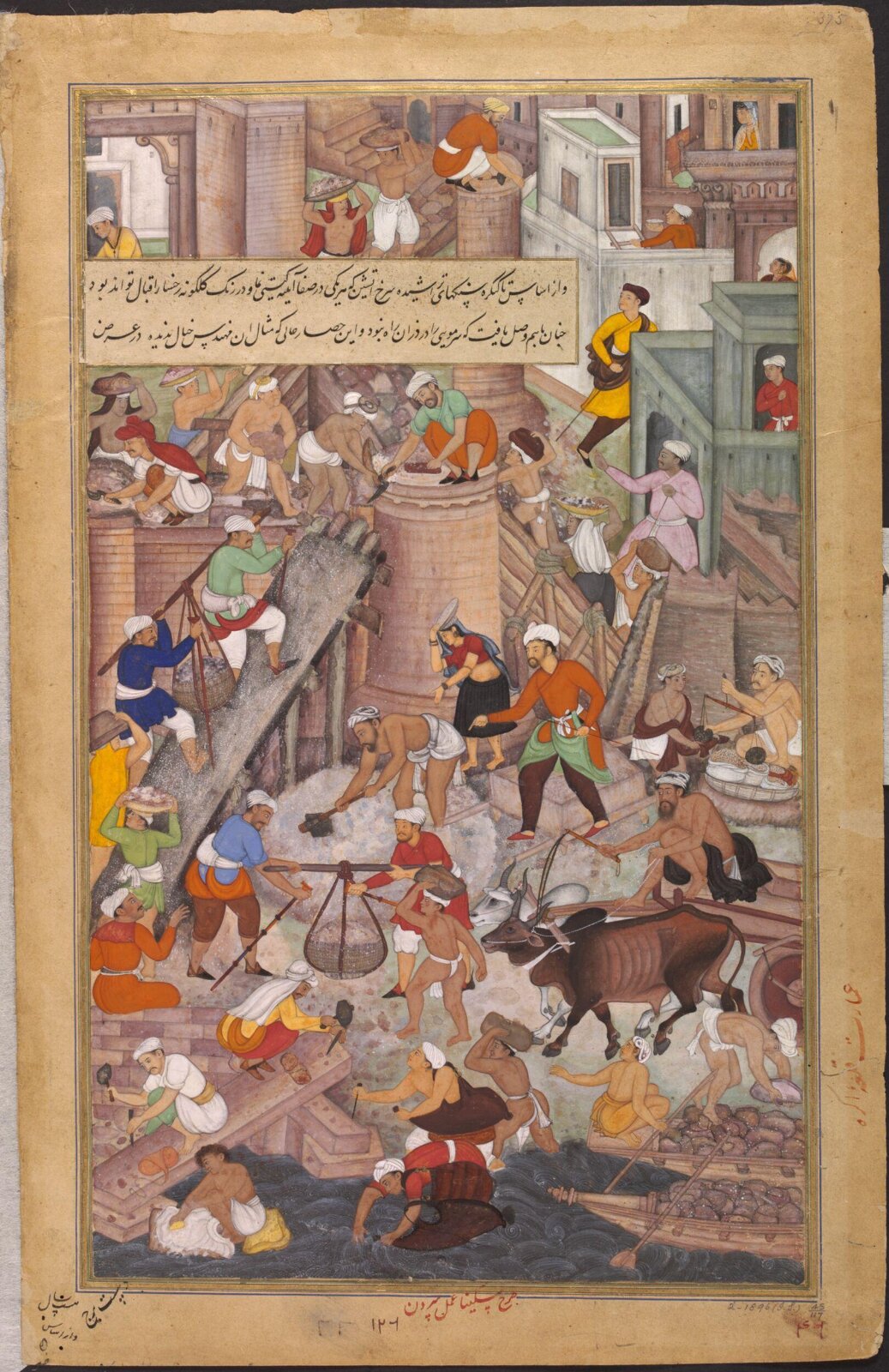
This painting, the right half of a double-page composition (with IS.2:46-1896) illustrating the Akbarnama (Book of Akbar), depicts the construction of the fort at Agra, which was completed for the Mughal emperor Akbar (r.1556–1605) in 1566. The overall composition was by the court artist Miskina, with Sarwan responsible for painting the details.

Seguir leyendo

Akbar had ordered the existing fort at the strategic site of Agra to be demolished and a new one to be built, in order to provide enhanced protection, but also to be worthy of the dignity of the emperor and his dominions. Work began in 1565 at a carefully determined auspicious moment and lasted for eight years. The author of the Akbarnama, Abu'l Fazl, recorded that three to four thousand labourers worked every day on the construction of the red sandstone walls and structures that were decorated with carved ornament, tiles and white marble inlays. The masons hewed stone so skilfully that when the finished blocks were laid together ‘the end of a hair could not find a place between them’. Another contemporary source specifies that 2000 of the workers were stonecutters, 2000 prepared mortar and lime, and an additional 8000 labourers transported raw materials.

Red sandstone from Sikri was transported on bullock-drawn carts of the kind seen here, and boats brought broken stone by river to be further broken up to make mortar. The artist who designed the composition, Miskina (whose name is also given on other paintings as Miskin) has included lively details that he must have seen at first hand, including a hawker selling food to a labourer, a man washing the dust from his clothes in the river, and a builder perched precariously on a dome. [Akbarnama, English translation: Beveridge, vol. II, pp. 372-3]

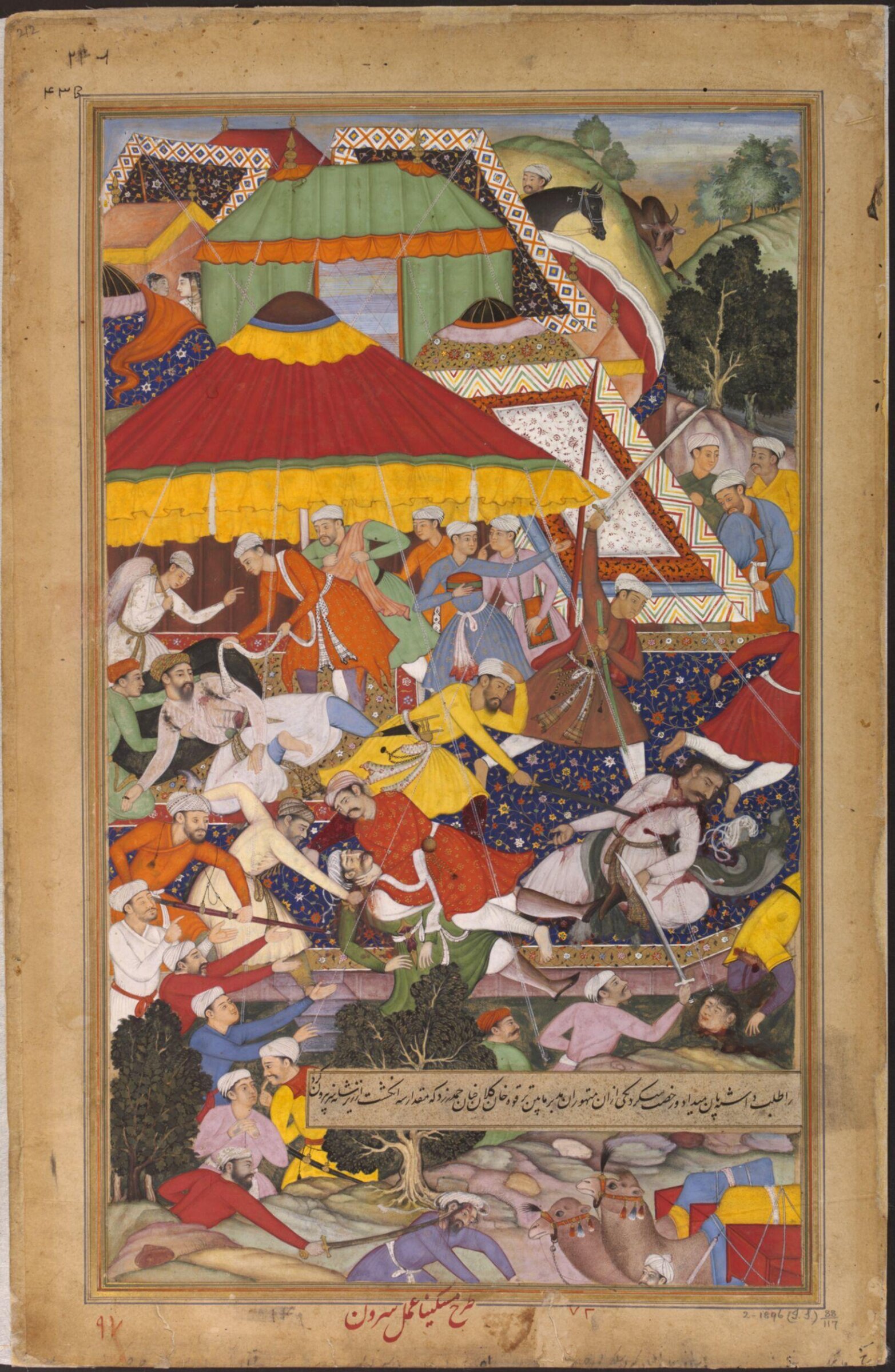
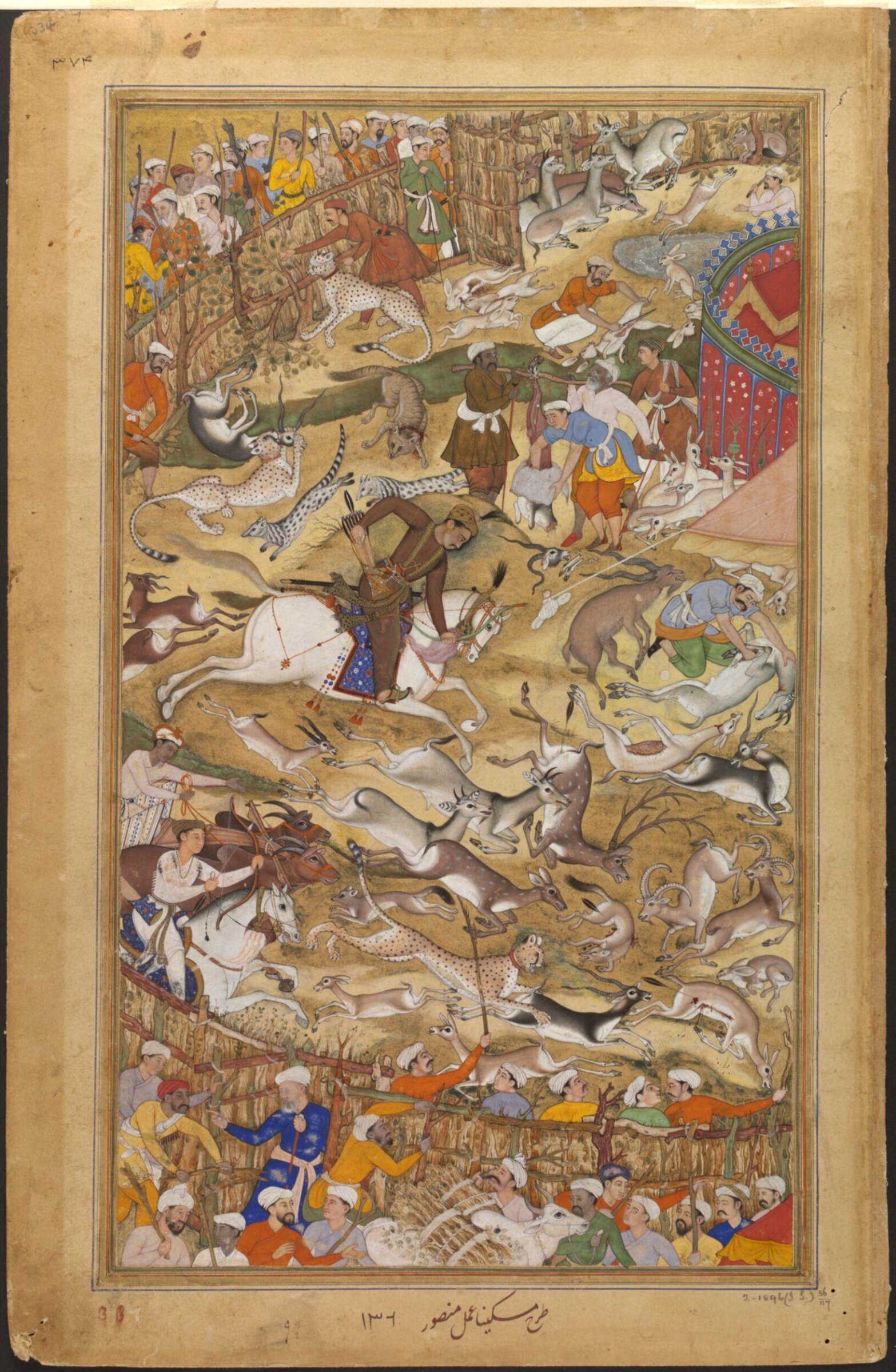
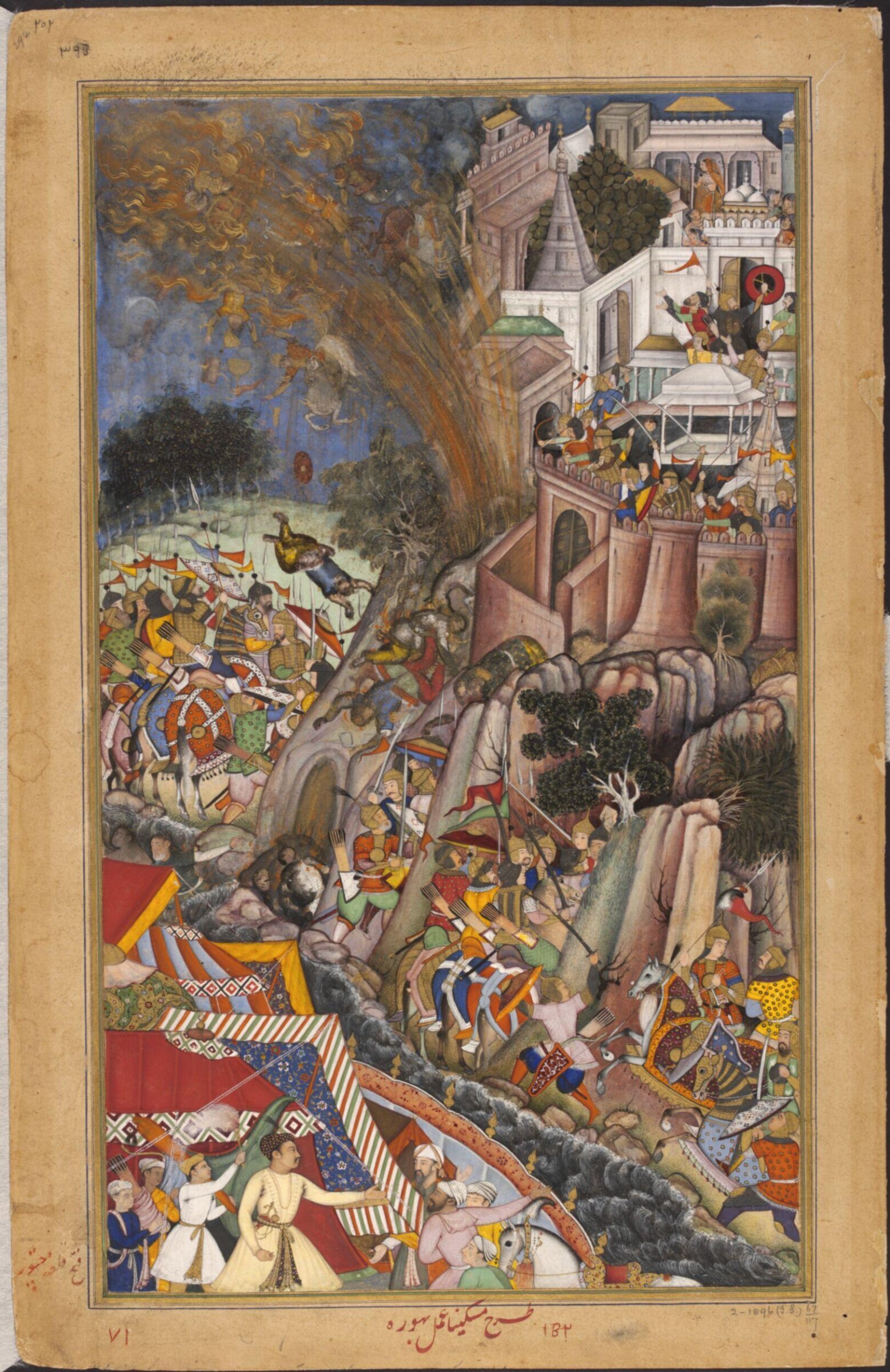
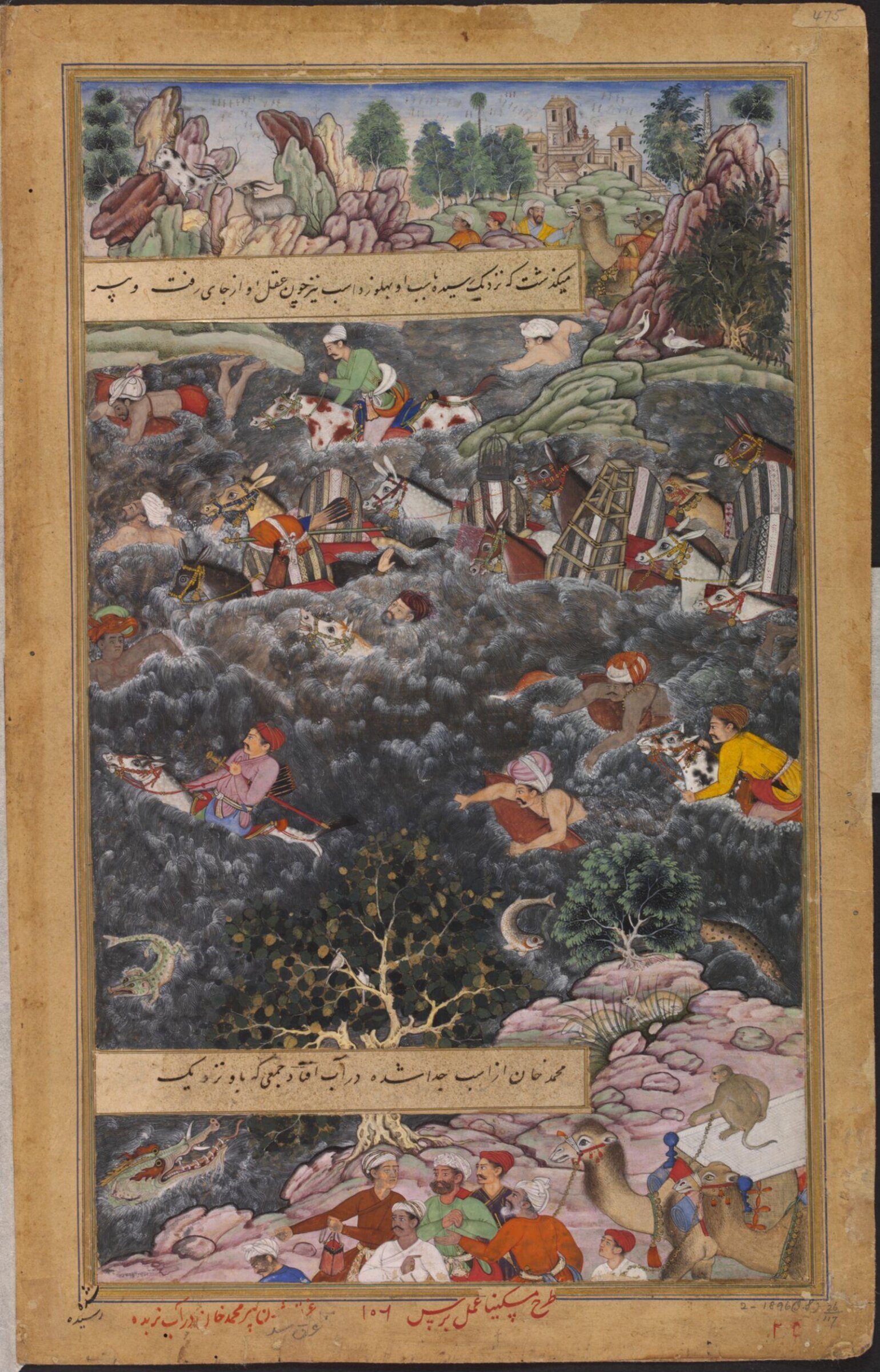
The Akbarnama was commissioned by Akbar as the official chronicle of his reign. It was written in Persian by his court historian and biographer, Abu’l Fazl, between 1590 and 1596, and the V&A’s partial copy of the manuscript is thought to have been illustrated between about 1592 and 1595. This is thought to be the earliest illustrated version of the text, and drew upon the expertise of some of the best royal artists of the time. Many of these are listed by Abu’l Fazl in the third volume of the text, the A’in-i Akbari, and some of these names appear in the V&A illustrations, written in red ink beneath the pictures, showing that this was a royal copy made for Akbar himself. After his death, the manuscript remained in the library of his son Jahangir, from whom it was inherited by Shah Jahan.

The V&A purchased the manuscript in 1896 from Frances Clarke, the widow of Major General John Clarke, who bought it in India while serving as Commissioner of Oudh between 1858 and 1862.

Ficha

Número de inventario
IS.2:45-1896

Más obras de Miskina

Todas las obras

Bajo el mismo techo: Museo de Victoria y Alberto

Página del museo

Sobre el mismo tema · Fort

Todas las obras sobre el tema
Museo de Victoria y Alberto

Lo que muestra

FortConstruction

En el catálogo

PinturaGouacheRenacimientoSiglo XVIMughalAkbarImperio mogol

Fuentes

  • Museo de Victoria y Alberto
  • Imagen: Museo de Victoria y Alberto — © Victoria and Albert Museum, London
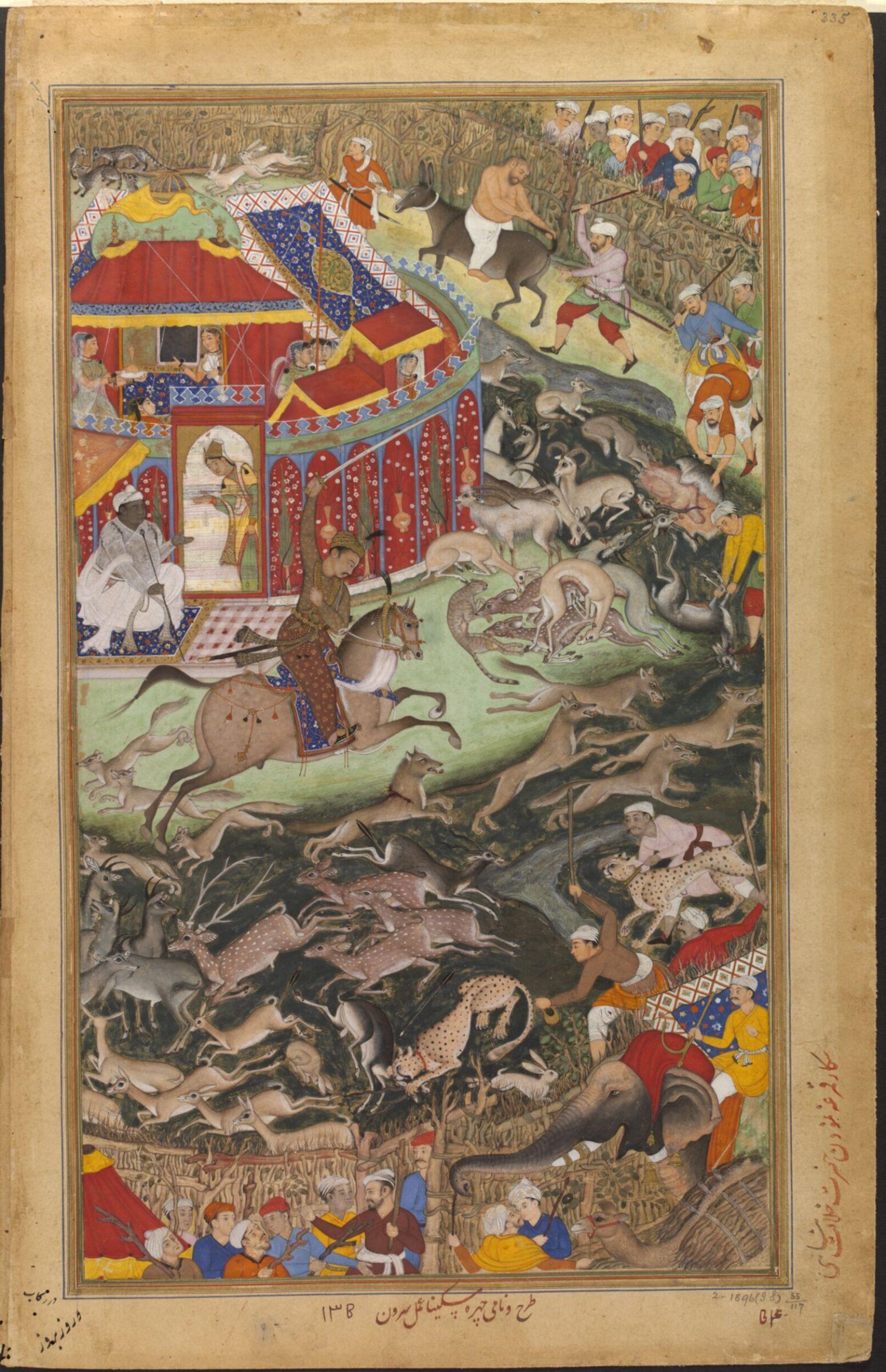
Khan-i Kilan, Miskina, ca. 1590-95

Khan-i Kilan

ca. 1590-95 · No expuesta · Museo de Victoria y Alberto

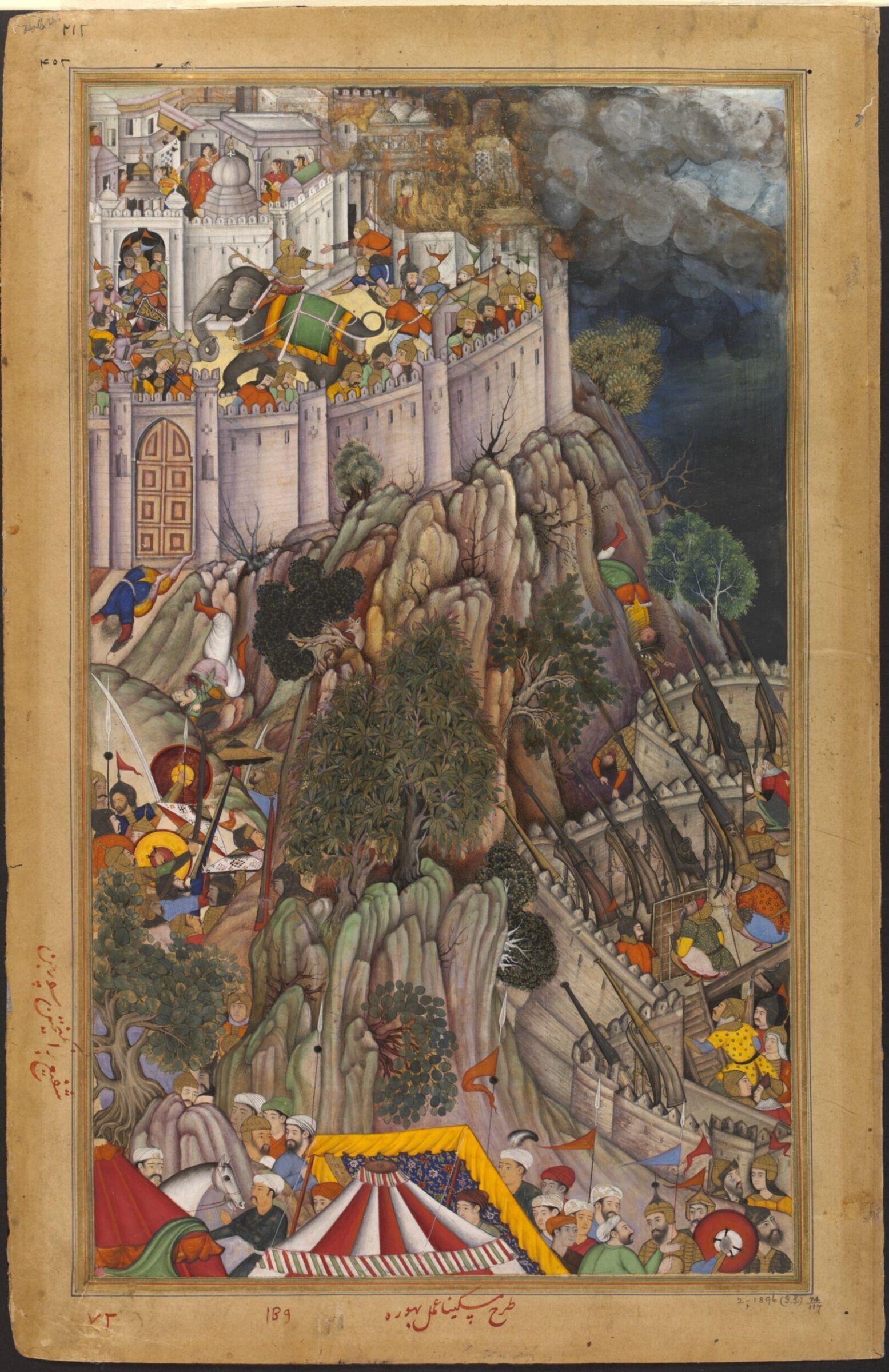
Akbar, Miskina, ca. 1590-95

Akbar

ca. 1590-95 · No expuesta · Museo de Victoria y Alberto

Painting, Miskina, ca. 1590-95

Painting

ca. 1590-95 · No expuesta · Museo de Victoria y Alberto

Pir Muhammad Khan, Miskina, ca. 1590-95

Pir Muhammad Khan

ca. 1590-95 · No expuesta · Museo de Victoria y Alberto

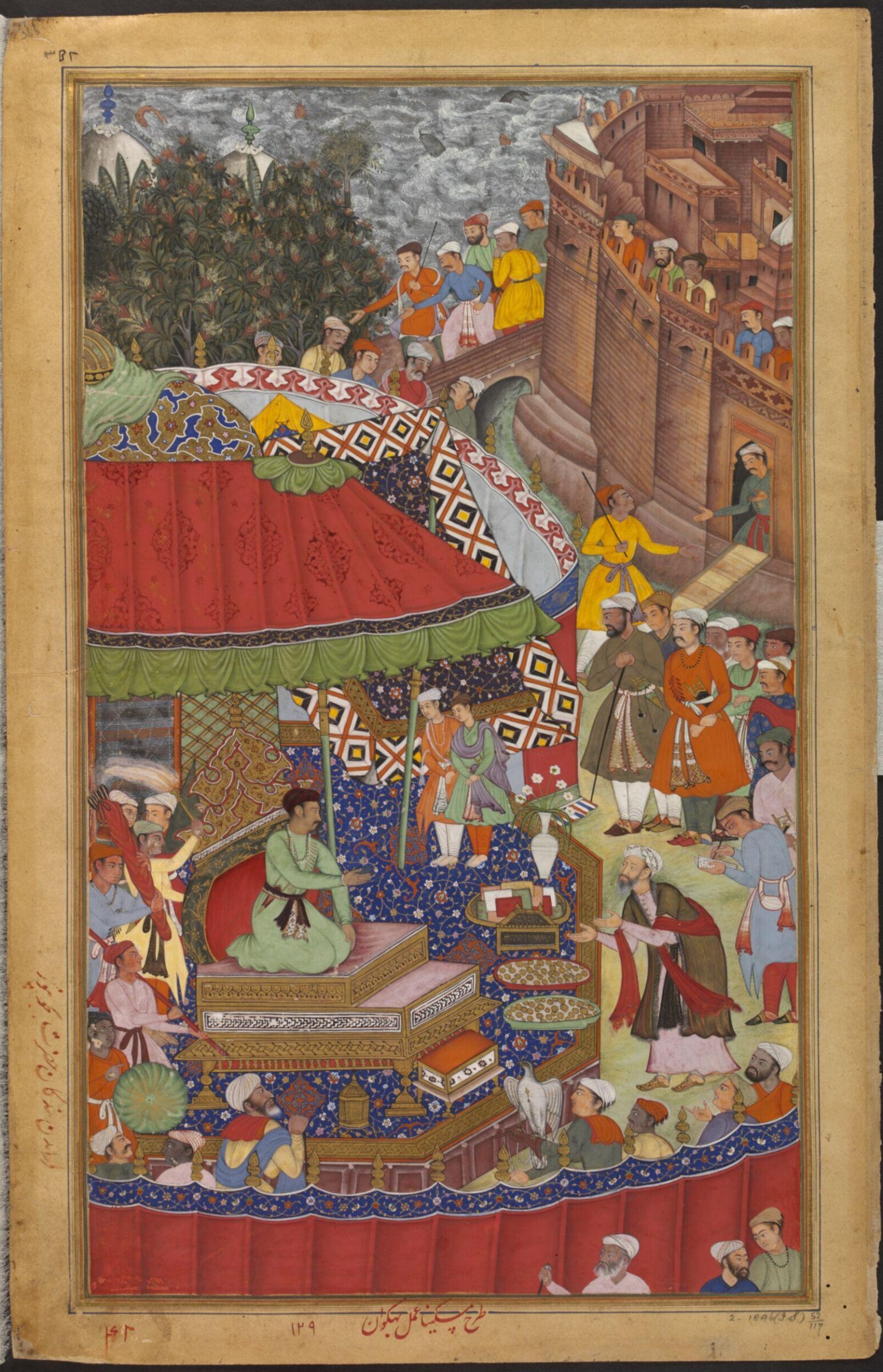
Akbar and Hamid Bakari, Miskina, ca. 1590-95

Akbar and Hamid Bakari

ca. 1590-95 · No expuesta · Museo de Victoria y Alberto

Painting, Miskina, ca. 1590-95

Painting

ca. 1590-95 · No expuesta · Museo de Victoria y Alberto

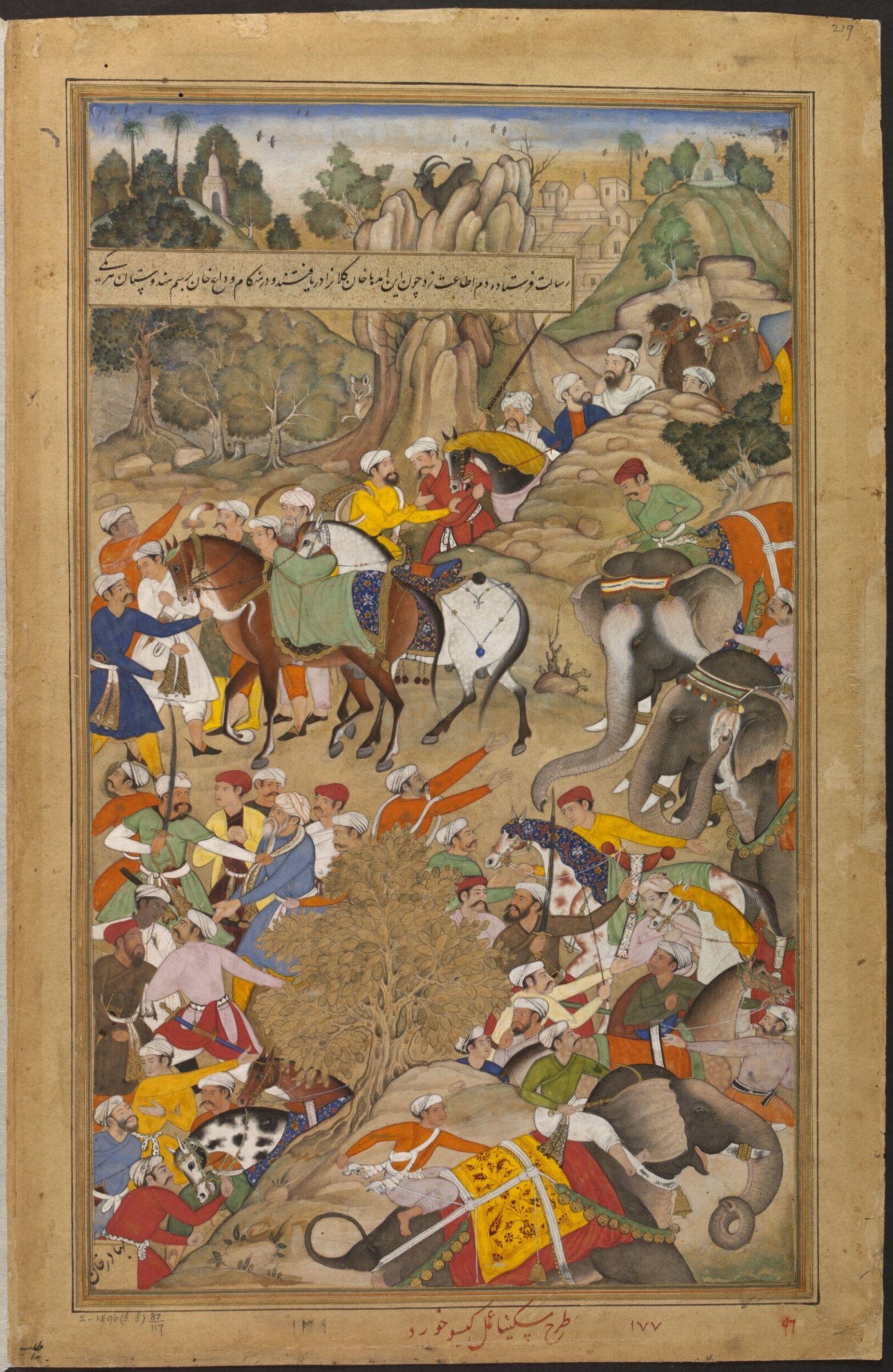
Akbar and Asaf Khan, Miskina, ca. 1590-95

Akbar and Asaf Khan

ca. 1590-95 · No expuesta · Museo de Victoria y Alberto

Khan Kilan, Miskina, ca. 1590-95

Khan Kilan

ca. 1590-95 · No expuesta · Museo de Victoria y Alberto

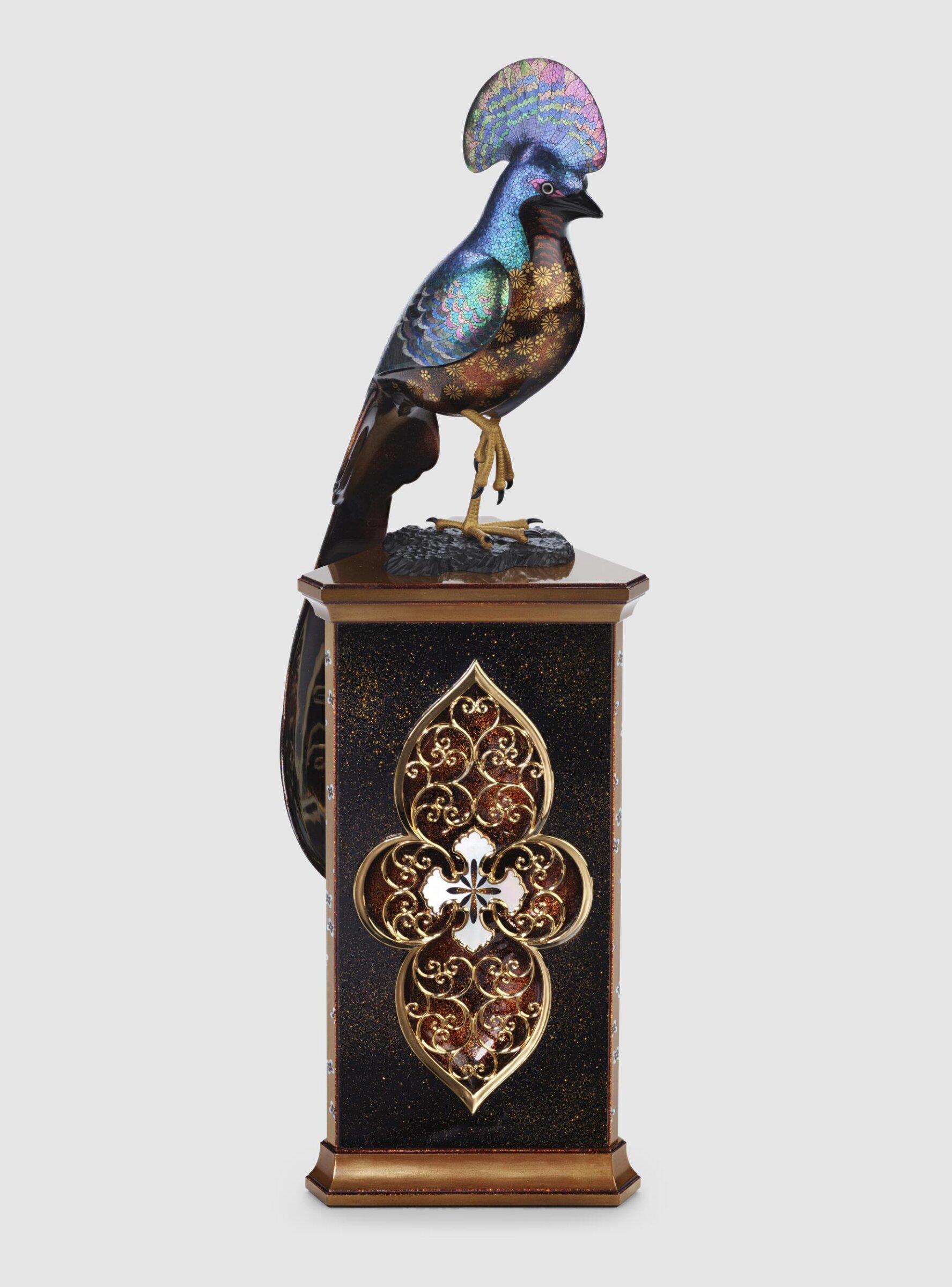
Bird of Paradise, Hashimoto Chitaka, 2026

Hashimoto Chitaka

Bird of Paradise, 2026

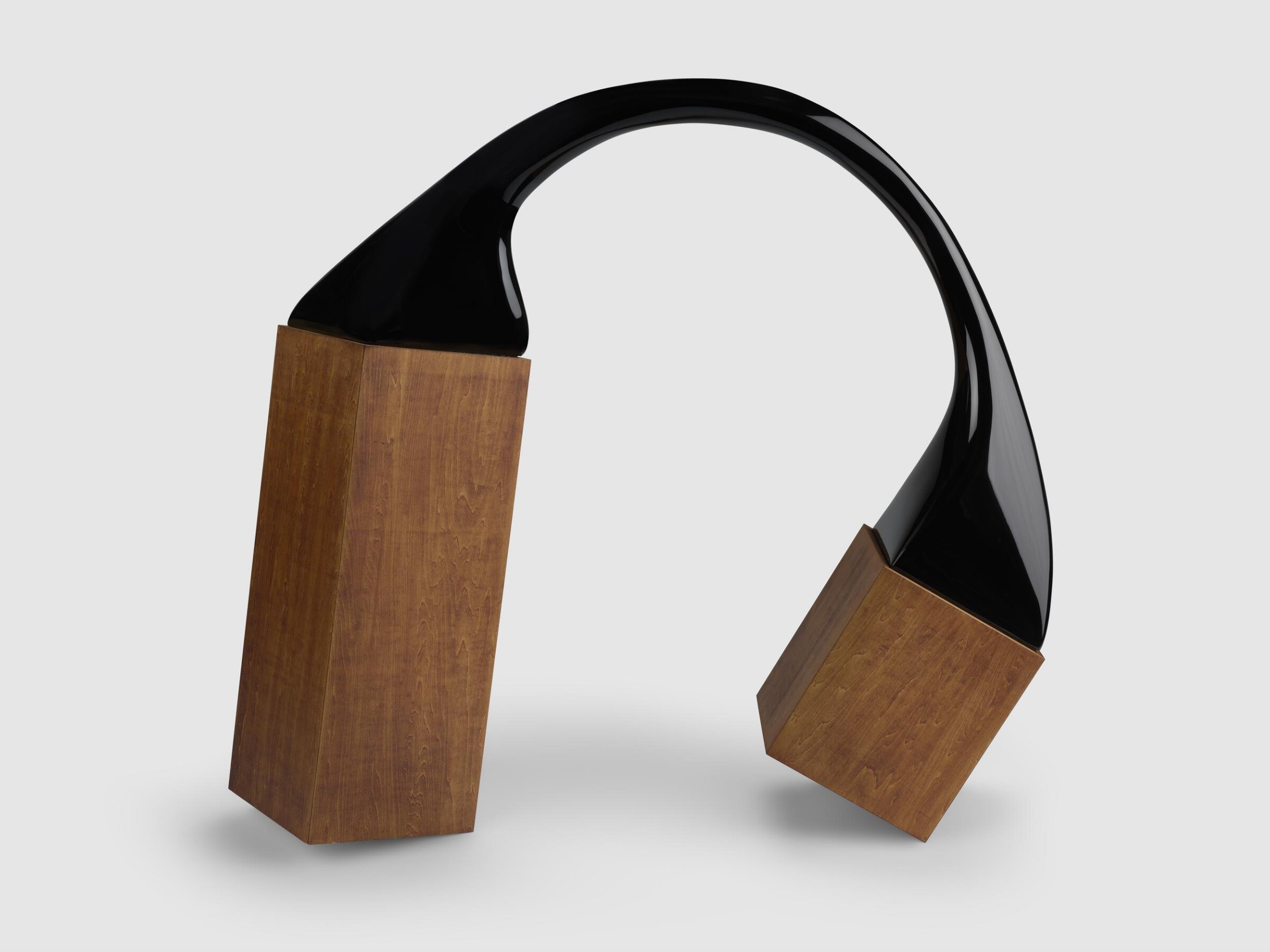
Torsion 2, Taruma Shoko, 2025

Taruma Shoko

Torsion 2, 2025

Fu, Someya Satoshi, 2025

Someya Satoshi

Fu, 2025

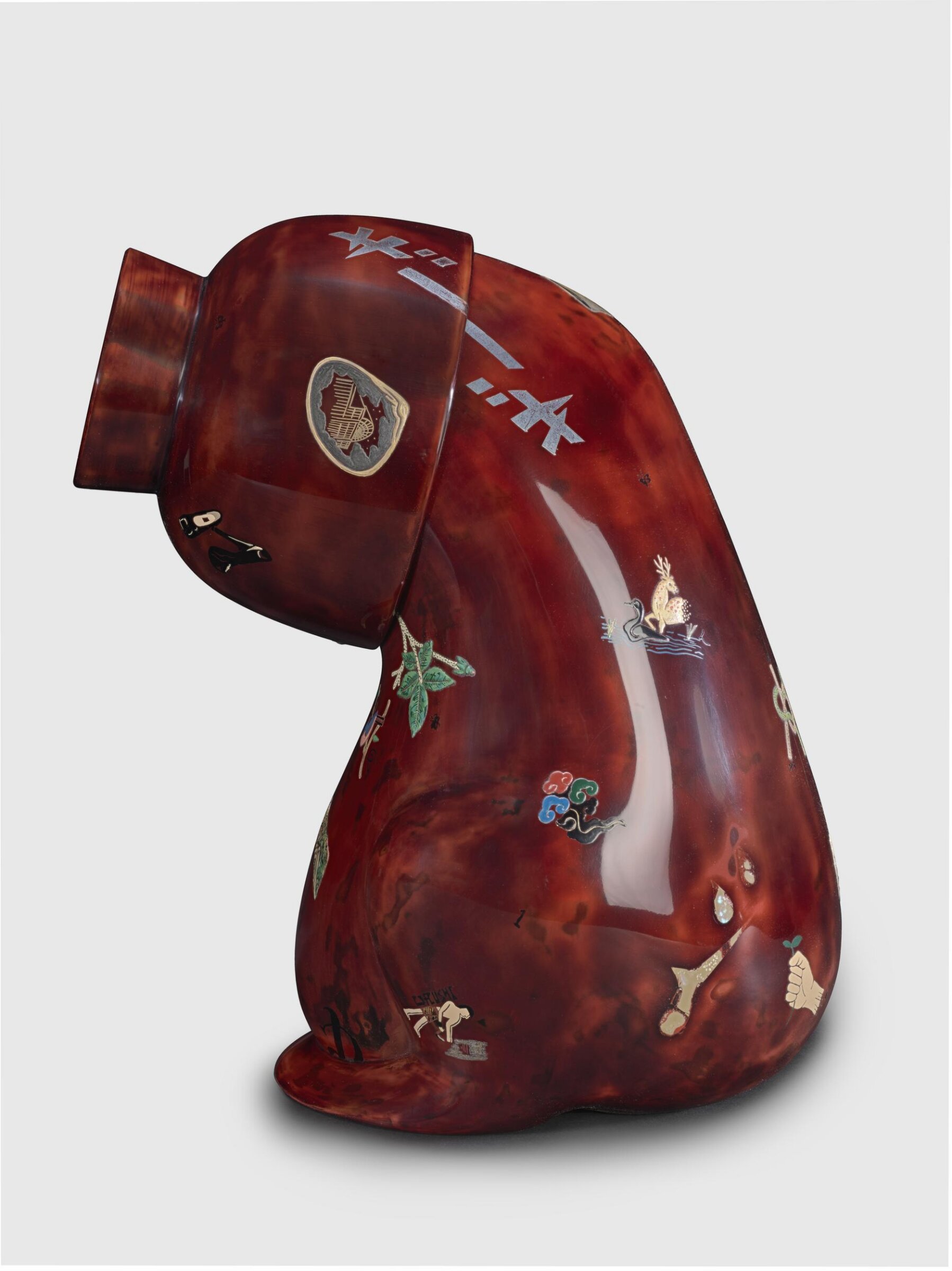
Bow Before the Curtain Falls, 2024

Bow Before the Curtain Falls, 2024

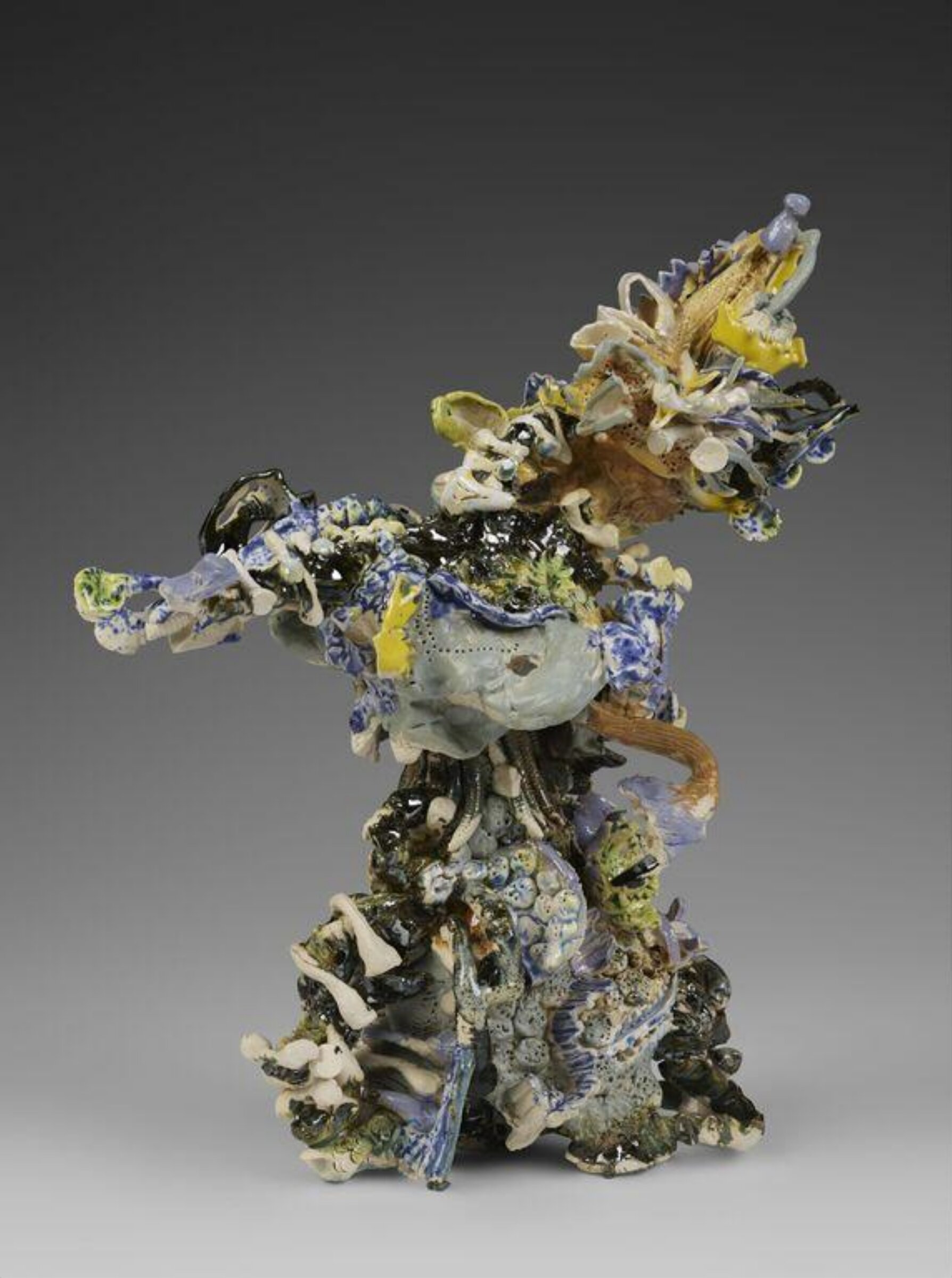
Summer, 2024

Summer, 2024

Red Flow, Ishizuka Genta, 2024

Ishizuka Genta

Red Flow, 2024

3D replica of Michelangelo's Prisoner (4117-1854), Factum Arte, 2024

Factum Arte

3D replica of Michelangelo's Prisoner (4117-1854), 2024

Sculpture, ‘Co-Existence – the Man and the Monkey’, Zhao Lin, 2024

Zhao Lin

Sculpture, ‘Co-Existence – the Man and the Monkey’, 2024

Interior of the North Fort Taku After Its Capture on August 21, 1860, Felice Beato, 1860

James Robertson

Interior of the North Fort Taku After Its Capture on August 21, 1860, 1860

No expuesta · Galería Nacional de Arte

Interior of Pehtang Fort Showing the Magazine and Wooden Gun, August 1, 1860, Felice Beato, 1860

James Robertson

Interior of Pehtang Fort Showing the Magazine and Wooden Gun, August 1, 1860, 1860

No expuesta · Galería Nacional de Arte

Gun Battery, James Robertson, 1855-1856

James Robertson

Gun Battery, 1855-1856

No expuesta · Galería Nacional de Arte

Exterior of North Taku Fort on Peiho River, Showing the English and French Entrance, August 21, 1860, Felice Beato, 1860

James Robertson

Exterior of North Taku Fort on Peiho River, Showing the English and French Entrance, August 21, 1860, 1860

No expuesta · Galería Nacional de Arte

Interior of Pehtang Fort Showing Probyn's Horse, August 1, 1860, Felice Beato, 1860

James Robertson

Interior of Pehtang Fort Showing Probyn's Horse, August 1, 1860, 1860

No expuesta · Galería Nacional de Arte

The Mamelon Vert, James Robertson, 1855-1856

James Robertson

The Mamelon Vert, 1855-1856

No expuesta · Galería Nacional de Arte

Interior of South Taku Fort Showing the Place of Landing, June 25, 1859, Felice Beato, 1860

James Robertson

Interior of South Taku Fort Showing the Place of Landing, June 25, 1859, 1860

No expuesta · Galería Nacional de Arte

Interior of the Second North Fort After Its Surrender on August 21, 1860, Wherein 2000 Prisoners Were Taken, Felice Beato, 1860

James Robertson

Interior of the Second North Fort After Its Surrender on August 21, 1860, Wherein 2000 Prisoners Were Taken, 1860

No expuesta · Galería Nacional de Arte